TL;DR
- Managed care is a system in which medical costs are controlled by limiting the services that doctors and hospitals offer, as the Cambridge Dictionary defines it. The US Centers for Medicare & Medicaid Services describes a managed care system as one that integrates the financing and delivery of health care through arrangements with selected providers, explicit criteria for choosing them and financial incentives for members to use them.
- A managed care organization (MCO) is the entity that runs such a plan through a network of employed or affiliated providers; CMS says the term generally includes HMOs, PPOs and point-of-service plans. In most managed care plans you can only use the doctors and hospitals on the plan's list except in an emergency.
- For US employers, managed care is the shape of almost every health plan offered to staff. HR's job is to explain the plan types plainly at enrolment, run the notices and deadlines, and keep the plan documents and the handbook in step. This is general information, not benefits or legal advice.
Ask an American employee about their health plan and the answer is usually a set of initials: HMO, PPO, POS. All of them are forms of managed care, the way most health coverage in the United States has been organised for decades. Ask a British employee and they will look blank, because the NHS made the concept unnecessary. HR teams that offer US benefits, or explain them to colleagues elsewhere, need a plain definition.
This article defines managed care, explains what a managed care organization is, compares HMO, PPO and point-of-service plans, describes how networks, prepayment and referrals control cost, and sets out what it means for employers. It uses the US Centers for Medicare & Medicaid Services glossary as its main source. It is general information, not benefits, insurance or legal advice; plan terms differ, and the rules change.
Health plan enrolment is one of a new starter's first tasks. See how New Dynamics onboarding brings tasks, early goals and manager conversations into a clear path for a new starter.
Define managed care
The Cambridge Dictionary defines managed care as “a system in which medical costs are controlled by limiting the services that doctors and hospitals offer”.
The US Centers for Medicare & Medicaid Services (CMS), which runs the federal health programmes, gives the working definition in its glossary. A managed care system, it says, “Integrates the financing and delivery of appropriate health care services to covered individuals by means of: arrangements with selected providers to furnish a comprehensive set of health care services to members, explicit criteria for the selection of health care provides, and significant financial incentives for members to use providers and procedures associated with the plan.” It adds that managed care plans “typically are labeled as HMOs (staff, group, IPA, and mixed models), PPOs, or Point of Service plans”, and that services are reimbursed “via a variety of methods including capitation, fee for service, and a combination of the two”.
In plain terms, managed care has four parts.
- A network. The plan contracts with selected doctors, hospitals and other providers.
- A financing arrangement. The plan pays providers on a prepaid basis, per member (capitation), per service, or a mix, and takes on the financial risk of members' care.
- Rules. Referrals from a primary care doctor, prior authorisation for some treatments, and limits on care outside the network.
- Incentives. Lower costs for members who stay in the network and follow the rules.

What is a managed care organization?
A managed care organization, or MCO, is the entity that runs a managed care plan. CMS defines managed care organizations as “entities that serve Medicare or Medicaid beneficiaries on a risk basis through a network of employed or affiliated providers”, and says “The term generally includes HMOs, PPOs, and Point of Service plans.” On a risk basis means the organisation is paid a fixed amount and bears the cost if care exceeds it, which is the incentive that drives managed care's controls.
In the commercial market, the MCO is usually a health insurer or a health maintenance organisation that sells plans to employers and individuals. In public programmes, states contract MCOs to run Medicaid managed care, and Medicare offers managed care through Medicare Advantage plans, which CMS describes as plans where, in most cases, “you can only go to doctors, specialists, or hospitals on the plan's list”.
HMO, PPO and POS: the three main plan types
| Plan type | Network rule | Primary care referrals | Out-of-network care |
|---|---|---|---|
| HMO (health maintenance organization) | Use the plan's providers | Usually required | Usually not covered except in an emergency |
| PPO (preferred provider organization) | Lower cost in network, higher cost out | Usually not required | Covered at a higher cost to the member |
| POS (point of service) | HMO-style network with an out-of-network option | Usually required | Covered at additional cost |
CMS describes the point-of-service option as “A managed care plan that lets you use doctors and hospitals outside the plan for an additional cost”, and the general rule of managed care plans as: “In most managed care plans, you can only go to doctors, specialists, or hospitals on the plan's list except in an emergency.”
The trade-off is the same in each case: more freedom to choose providers costs more, in premiums or at the point of use. An HMO is usually the cheapest and most restrictive; a PPO the most flexible and most expensive; a POS plan sits between.
Why managed care exists
Managed care grew as an answer to open-ended fee-for-service medicine, in which every service generated a bill and nobody had an incentive to ask whether it was needed. Prepayment and networks give the plan a reason to manage use, negotiate prices and coordinate care. The criticisms follow from the same design: limits on choice, delays from referrals and prior authorisation, and disputes about what is "appropriate", the word CMS uses in its definition. Most plans now sit somewhere between the pure HMO of the 1980s and open fee-for-service, which is why the PPO and POS forms exist.

What managed care means for employers
For a US employer, managed care is not a policy choice so much as the shape of the market: almost every group health plan offered to employees is an HMO, PPO, POS or a high-deductible variant built on a managed care network. HR's responsibilities follow.
- Choose and explain the plan types. At open enrolment, explain in plain words what the network is, whether referrals are needed and what out-of-network care costs. The initials are not an explanation.
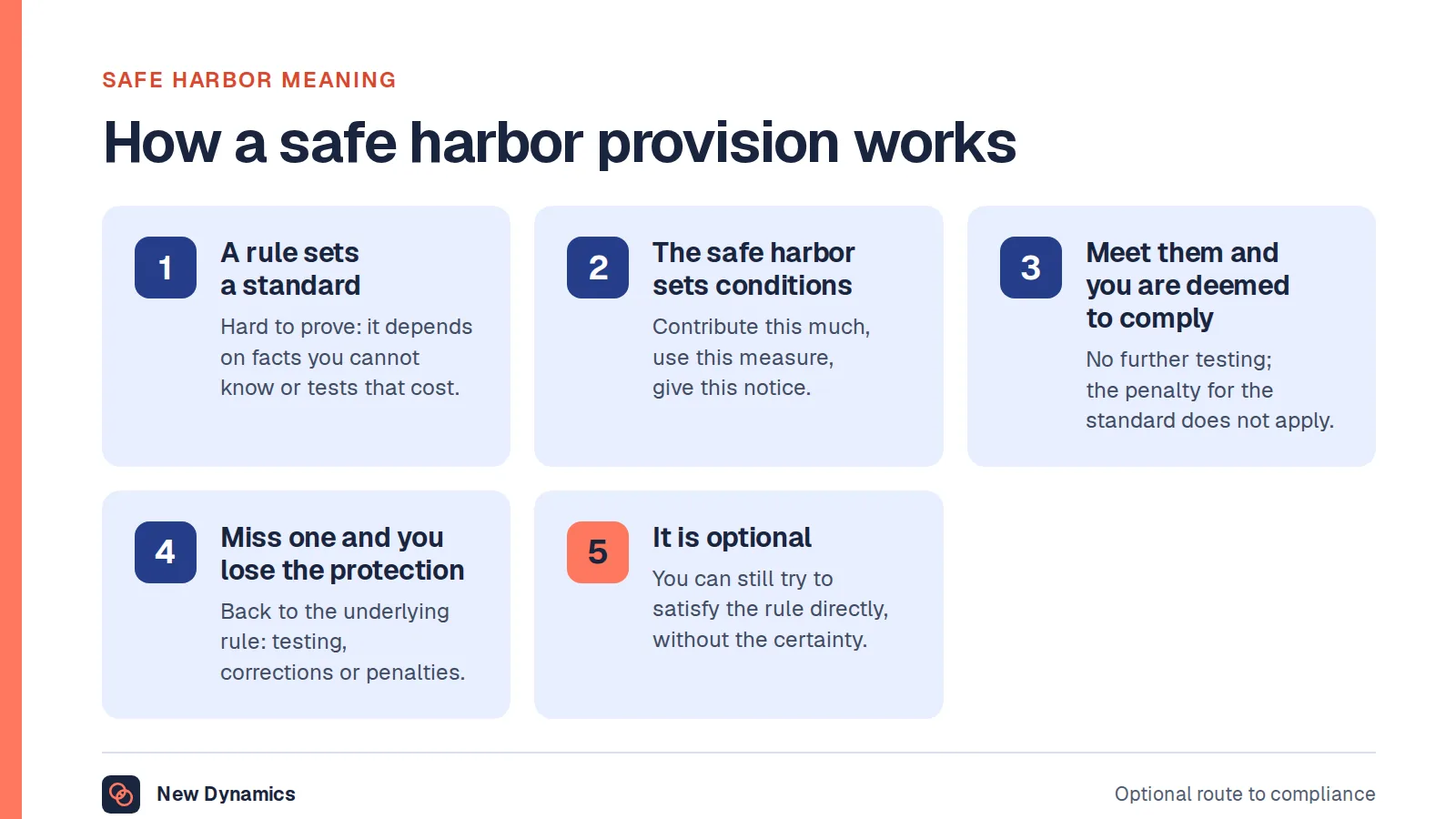
- Run the compliance calendar. Enrolment windows, required notices, the affordability and minimum-value rules that apply to larger employers under the Affordable Care Act. Our guide to the meaning of safe harbor explains the affordability safe harbors.
- Keep the documents in step. The plan documents, the summary of benefits, the handbook and the onboarding checklist should say the same thing. Our employee handbook guide covers the handbook side.
- Handle changes and life events. New starters, leavers, dependants, and the coverage continuation rules that apply when employment ends.
- Protect health information. Enrolment and claims data are sensitive; keep access narrow.
None of this is specific to managed care, but managed care is why the questions employees ask are about networks and referrals rather than about doctors' bills.
Outside the United States
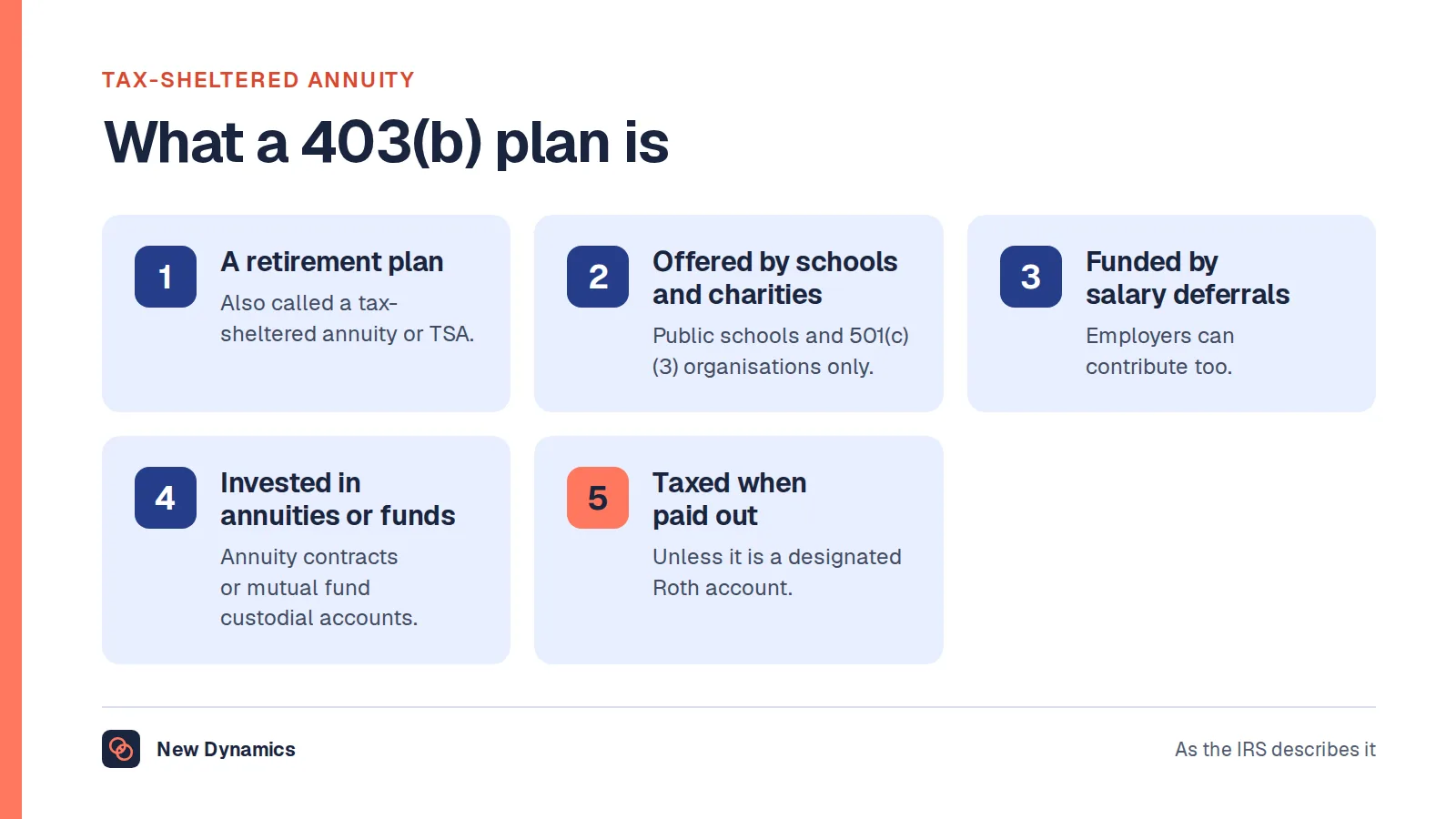
The term travels badly. In the UK, health care is provided through the NHS, free at the point of use and funded from taxation, so employers do not offer managed care plans; private medical insurance exists as a benefit, and some of its products use networks and pre-authorisation in ways that resemble managed care, but the vocabulary is different. Other countries with social insurance systems have their own arrangements. A multinational HR team should treat managed care as a US concept and explain it as such, alongside the US retirement vocabulary in our guide to the tax-sheltered annuity.

Frequently asked questions
What is the definition of managed care?
The Cambridge Dictionary defines managed care as a system in which medical costs are controlled by limiting the services that doctors and hospitals offer. CMS describes a managed care system as one that integrates the financing and delivery of health care through arrangements with selected providers, explicit criteria for selecting them and financial incentives for members to use them.
What is a managed care organization?
An MCO is the entity that runs a managed care plan: CMS defines managed care organizations as entities that serve beneficiaries on a risk basis through a network of employed or affiliated providers, and says the term generally includes HMOs, PPOs and point-of-service plans. In the commercial market, the MCO is usually a health insurer or HMO.
What is the difference between an HMO and a PPO?
An HMO requires members to use the plan's network, usually with referrals from a primary care doctor, and does not cover out-of-network care except in emergencies; it is usually cheaper. A PPO covers care outside the network at a higher cost to the member and usually does not require referrals; it is usually more expensive. A point-of-service plan combines an HMO network with an out-of-network option at additional cost.
How does managed care control costs?
Through a network of selected providers with negotiated prices, prepayment or capitation that shifts financial risk to the plan or the providers, rules such as referrals and prior authorisation, and incentives for members to stay in the network. CMS lists capitation and fee for service among the reimbursement methods.
Is managed care the same as health insurance?
Not exactly. Health insurance pays for care; managed care is a way of organising both the financing and the delivery of care through networks and rules. Most US health insurance today is delivered through managed care plans, so the terms overlap in practice.
Does the UK have managed care?
Not in the American sense. The NHS provides care free at the point of use, funded from taxation, so employers do not offer managed care plans. Some UK private medical insurance products use networks and pre-authorisation, but the vocabulary and the market are different.
Your next step: explain the plan in plain words
- For each plan you offer, write one paragraph on the network, referrals and out-of-network costs.
- Put the enrolment windows and required notices in the HR calendar.
- Check that the handbook, plan documents and onboarding checklist agree.
- Brief managers on where to send benefits questions.
For a handbook that explains benefits consistently, read and download our employee handbook guide. The guide is free to read, and the PDF uses our short download form.
Want enrolment tasks and notices tracked as part of every new starter's first weeks? Book a New Dynamics demo and bring your current benefits checklist. You can also email contact@new-dynamics.com.