TL;DR
- A pharmaceutical representative promotes a company's medicines and medical products to healthcare professionals. Prospects describes the role as selling “pharmaceutical products (such as medicines and prescription drugs) and medical equipment” to customers including “GPs, hospital doctors, pharmacists and nurses”, usually within a defined territory and product area.
- The duties look like field sales (appointments, presentations, events, records, targets and competitor tracking) with one addition: interpreting and discussing “the latest clinical data supplied by the company” with health professionals, accurately.
- What makes it different is the regulation around promotion. The PMCPA is the self-regulatory body that administers the ABPI Code of Practice for the Pharmaceutical Industry, operates a complaints procedure covering companies' materials and activities, and “scrutinises samples of advertising and meetings”.
Most field sales jobs are judged on what you sold. A pharmaceutical representative is judged on that too, and on whether every claim made in the room was supported by the data and recorded properly afterwards.
This article explains what a pharmaceutical representative is: the territory and customers, twelve duties in four groups, what the regulated layer means in practice, what "pharmaceutical sales jobs" covers, how the role is measured and the routes in.
A territory plan is a set of objectives that changes monthly. See how New Dynamics Goals & OKRs keep targets and progress in one place instead of in a spreadsheet on a laptop.
The job in one paragraph
Prospects' medical sales representative profile puts it plainly: the role is to sell "your company's pharmaceutical products (such as medicines and prescription drugs) and medical equipment to a variety of customers", including "GPs, hospital doctors, pharmacists and nurses". A rep is "based in a specific geographical area, often called a 'territory'", specialises "in a particular product or medical area", and "meeting sales targets will be a key part of your sales role".
The underlying occupation is technical and scientific sales: O*NET's Sales Representatives, Wholesale and Manufacturing, Technical and Scientific Products covers people selling goods where the customer needs the technical detail before they will consider buying.
Twelve duties, in four groups

Access
- Arrange appointments with doctors, pharmacists and hospital medical teams, "which may include pre-arranged appointments or regular 'cold' calling".
- Act as the link between the company and healthcare professionals.
- Build relationships with medical staff and with the administrative staff who control the diary, which is the half of the job nobody mentions.
Presenting
- Make presentations to "doctors, practice staff and nurses in GP surgeries, hospital doctors and pharmacists in the retail sector".
- Know the data. Keep "up to date with the latest clinical data supplied by the company", and "interpret, present and discuss this data with health professionals during presentations".
- Answer queries and provide advice on the products, within what the evidence and the rules allow.
Events and budgets
- Organise conferences for doctors and other medical staff.
- Manage budgets "for catering, outside speakers, conferences and hospitality", a line that carries more compliance weight than it looks.
Records and analysis
- Keep detailed records of all contacts.
- Plan and report: schedules and timetables with the area sales team, targets with the area sales manager, and regular attendance at "company meetings, technical data presentations and briefings".
- Analyse sales data to improve results and allocate resources, and monitor "competitor activity and competitors' products".
- Track the system, keeping "up to date with new developments in the NHS" and adapting the plan to them.
What makes it different

Four things separate this from selling any other technical product.
- Promotion is regulated. The PMCPA "is the self-regulatory body which administers the Association of the British Pharmaceutical Industry (ABPI) Code of Practice for the Pharmaceutical Industry, independently of the ABPI", and was established on 1 January 1993. It "operates the complaints procedure under which the materials and activities of pharmaceutical companies are considered in relation to the requirements of the ABPI Code", provides advice, guidance and training on the Code, and "scrutinises samples of advertising and meetings".
- Anyone can complain. The PMCPA notes that "anyone can submit a complaint", and that health professionals, "especially those with prescribing responsibilities", are encouraged to report concerns. What was said in a ten-minute meeting can be examined months later.
- The customer does not buy. A prescriber decides on clinical grounds for an individual patient; procurement, formularies and budgets sit elsewhere. Influence runs through evidence and service, not through discount.
- Hospitality and events are compliance events, not entertainment. Budgets for catering, speakers and meetings are exactly where the Code's expectations bite.
None of that makes the job harder to enjoy. It makes the record-keeping part of the job rather than an afterthought, and it is the reason experienced reps are valued.
What "pharmaceutical sales jobs" covers
The phrase spans several roles:
- Primary care representative. GP surgeries and community pharmacy, high call rates, broad product portfolios.
- Hospital or specialist representative. Secondary care, smaller customer numbers, deeper clinical conversations, longer cycles.
- Key account manager. Works with systems rather than individuals: formularies, pathways, procurement and service development.
- Medical science liaison. A scientific role rather than a promotional one, discussing data with specialists. It is not a sales job and should not be advertised as one.
- Medical device and diagnostics sales. Related, with different rules and often a theatre or laboratory setting.
Say which one the advert is for, because the day, the targets and the skills differ.
How the role is measured

- Sales or share in territory, understood with the limits of the data available.
- Call quality rather than call count. Counting calls produces calls; it does not produce a prescriber who remembers the evidence.
- Compliance: accurate claims, materials used correctly, records complete, spend within policy. This belongs in the objectives rather than in a separate conversation.
- Access gained: meetings with people who were previously unavailable, which is the best leading indicator in the job.
- Territory planning quality, reviewed with the manager rather than assumed from results.
Results in this role lag the work by months and are affected by guidance changes, formulary decisions and events nobody controls. Our performance review guide covers assessing roles where the outcome arrives late and the behaviour can be seen now.
Routes in
Science graduates are common, and so are people who move from other sales roles or from nursing and pharmacy. The transferable part is the discipline: preparation, listening, and only saying what the evidence supports. The part that must be learned is the Code and the company's own compliance process, which is why employers run internal certification before a new rep is allowed in front of a customer alone.
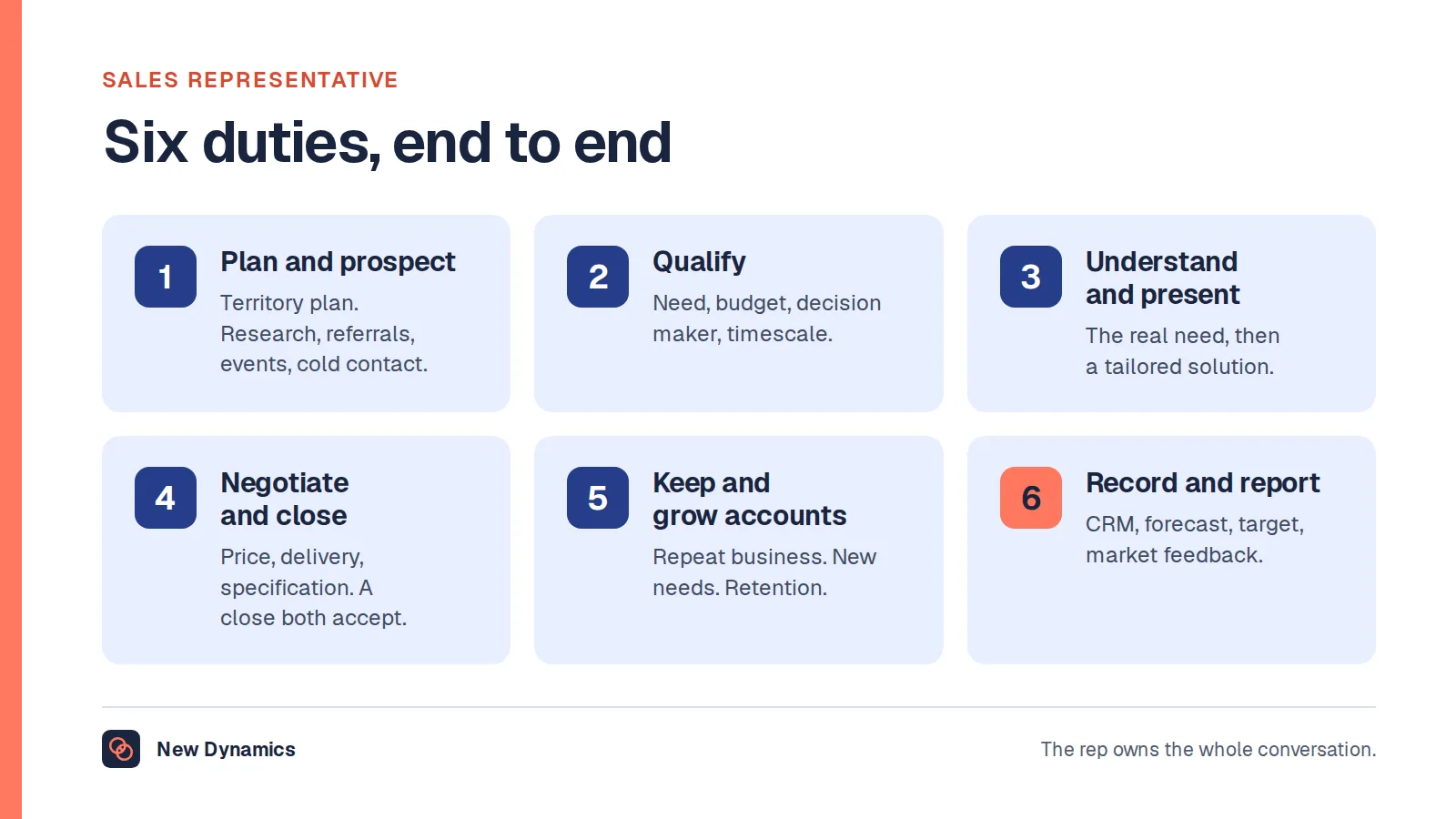
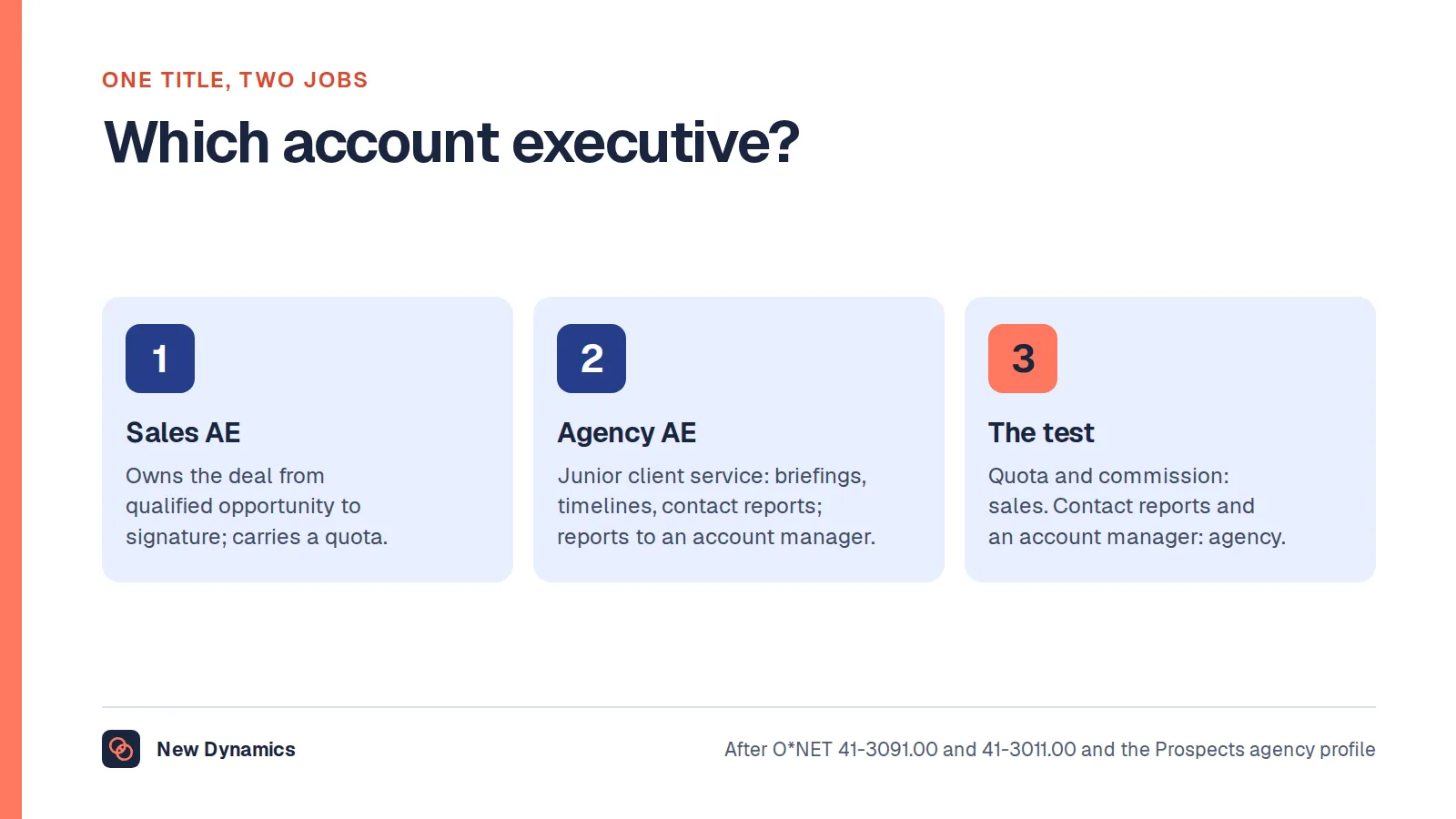
Our sales representative job description covers the general field sales role, and our account executive job description the version that owns named accounts.
Frequently asked questions
What is a pharmaceutical representative?
Someone who promotes a pharmaceutical company's medicines and medical products to healthcare professionals (GPs, hospital doctors, pharmacists and nurses) within a defined territory and usually a particular product or therapy area. The work includes arranging and running meetings, presenting clinical data accurately, organising events, keeping records and meeting sales targets.
What does a pharmaceutical representative do day to day?
Arranges and attends appointments, presents data to clinicians and practice teams, answers questions on the products, organises meetings and conferences, manages the associated budgets, records every contact, plans the territory with the area sales manager, analyses sales data and tracks competitor and NHS developments.
What are pharmaceutical sales jobs?
A family of roles: primary care representative, hospital or specialist representative, key account manager working on formularies and pathways, medical science liaison, which is scientific rather than promotional, and medical device or diagnostics sales. They share a customer base and differ in cycle length, targets and depth of clinical discussion.
Is pharmaceutical sales regulated in the UK?
Promotion of prescription medicines is governed by the ABPI Code of Practice, administered independently by the PMCPA, which runs a complaints procedure covering companies' materials and activities, provides guidance and training, and scrutinises samples of advertising and meetings. Anyone can complain. This is general information rather than regulatory advice.
What qualifications do you need to be a pharmaceutical representative?
Employers commonly look for a science or health-related degree, or sales experience plus the ability to learn clinical material quickly. Companies run their own training and internal certification on products and the Code before a representative works independently.
How is a pharmaceutical representative measured?
On territory sales or share within the limits of the data, on call quality rather than call volume, on compliance with the Code and company policy including records and spend, on access gained to previously unavailable customers, and on the quality of territory planning.
Your next step: write the compliance line into the role
- Say which kind of pharmaceutical sales job the advert is for.
- State the therapy area, the territory and the customer mix.
- Put compliance and record-keeping in the objectives, not in a separate policy.
- Describe the internal certification a new starter must complete before working alone.
For assessing a role where results arrive months after the work, read and download our performance review guide. The guide is free to read, and the PDF uses our short download form.
Want territory objectives, call plans and review evidence in one place? Book a New Dynamics demo and bring your current territory plan. You can also email contact@new-dynamics.com.