TL;DR
- An investigation is where an employer “find[s] out all they reasonably can about the issue”, gathering evidence from all sides before anyone decides anything.
- Acas is blunt about the stakes: “if the employer does not carry out a reasonable investigation, any decisions they make in the disciplinary or grievance case are likely to be unfair”.
- The investigator should be someone not involved in the case, and in a disciplinary matter three roles (investigation, hearing, appeal) should where possible be held by three different people.
The investigation is the part people treat as paperwork before the real decision. It is the other way round: the decision is only as sound as the investigation underneath it.
This article covers what workplace investigations are for, who should carry one out, what the investigator is not trying to do, how long it should take and what evidence to collect.
Investigations fail at handovers, an unanswered email, an unbooked meeting. See how New Dynamics workflows make each step's owner and due date explicit.
What it is for

Acas's step-by-step guidance puts it plainly: "when there is a possible disciplinary or grievance issue at work, the employer should carry out an 'investigation'. This is where they find out all they reasonably can about the issue."
It has four purposes:
- "Gather evidence from all sides."
- "Find out if there is a case to answer."
- "Make sure everyone is treated fairly."
- "Help the employer to decide what should happen next."
Acas adds that at any stage the employer can still consider whether "the issue can be resolved informally instead". Starting an investigation does not commit you to a formal outcome.
Why it decides everything after it
"If the employer does not carry out a reasonable investigation, any decisions they make in the disciplinary or grievance case are likely to be unfair. This could risk legal action."
Investigations "are covered by the Acas Code of Practice on disciplinary and grievance procedures", and an organisation's own policy "should follow the Acas Code as a minimum". Where a case reaches a tribunal, "judges will look at whether the employer has followed the Acas Code of Practice in a fair way".
The Code "mainly applies to those with the legal status of employee", someone is "not likely to be an employee" if they are "an agency worker" or "a casual worker on a zero-hours contract". Acas still advises following the same fair procedure for all workers, both "to keep good working relationships" and because "there could be other legal risks if they fail to carry out a fair investigation – for example, discrimination".
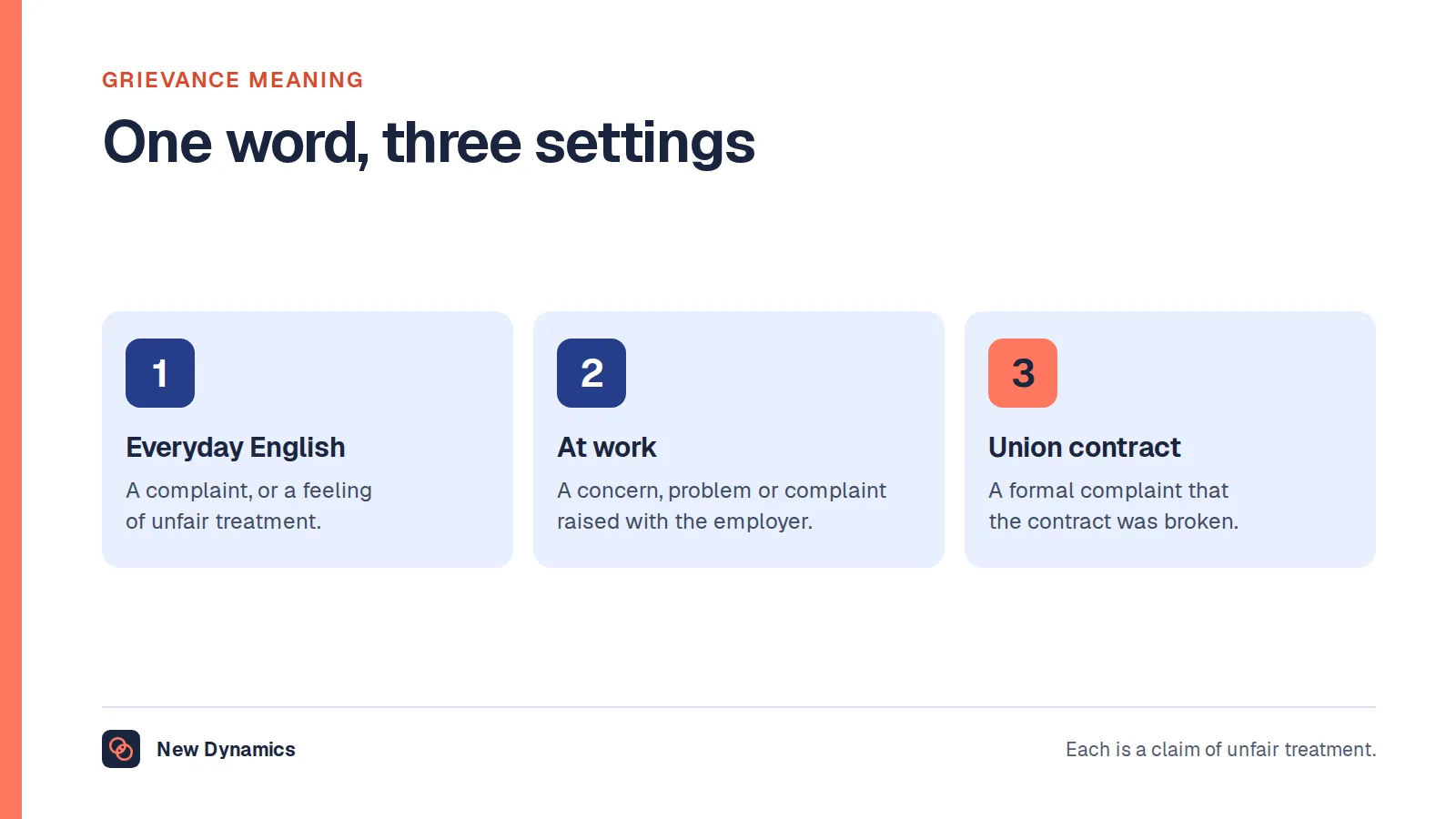
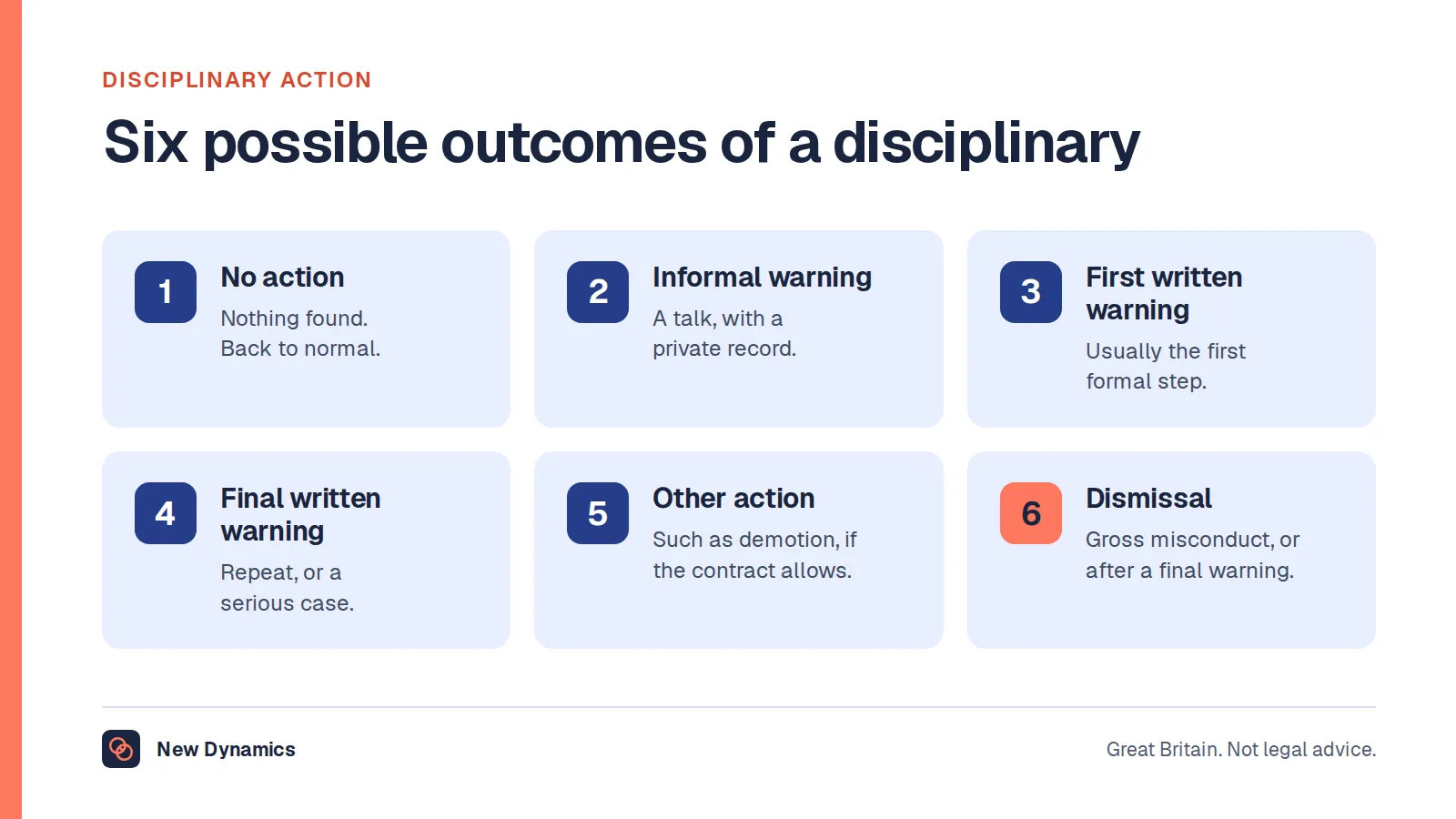
Our posts on disciplinary action and the meaning of grievance cover the procedures this sits inside. This is general information rather than legal advice.
Who should do it

Acas's guidance on preparing for an investigation says the employer "should get somebody who's not involved in the case to carry out the investigation, for example another manager or someone from HR". The reason is stated: "to make sure there is no conflict of interest." Where that is not possible, they "should try and make the procedure as impartial as they can".
Where possible the investigator "should also have had training", and should have "a good knowledge of their organisation's policy on investigations".
Seriousness changes the choice. For cases involving "potential gross misconduct, discrimination or bullying", Acas suggests "it might be best to appoint someone more senior or experienced". In "exceptional circumstances" an external consultant may be appropriate, they "can be more detached from the matter and bring an independent view", although "this can cost more and take longer".
Three roles, three people
In a disciplinary case, Acas says that "where possible, a different person should handle each of the following steps":
- the investigation;
- the disciplinary hearing and outcome;
- the appeal hearing (if an appeal is raised).
The person handling the hearing "should have the authority to make a decision on the outcome". In small organisations this is the hardest rule to follow and the one most worth trying to follow: an appeal heard by the person who decided the original outcome is not an appeal.
What the investigator is not doing
Acas's guidance on carrying out an investigation lists what the person investigating should do: "be fair and objective", "follow any policies or guidelines their organisation might have", "get as much information on the case as is reasonable", "not try to prove guilt, but get evidence from both sides", and "keep the case confidential".
Then it repeats the central point: in a disciplinary procedure, the investigator "should be finding out if there is an issue that needs to be addressed. They should not be trying to prove guilt."
That instruction appears twice on the same page, which tells you how often it needs saying. An investigator who has decided the answer before the first meeting will conduct a thorough-looking exercise that a tribunal can see through.
How long it should take
"While an investigation should be completed as quickly as possible, it always needs to be thorough and fair."
Acas gives a realistic range: "a simple case might only take a day to gather enough information", while "a more complicated case could take several weeks". Your policy may set timescales; if not, the employer or investigator "should set a reasonable timescale and tell the worker".
If more time is needed, that "should be allowed", and the handling matters: "they should explain any delay to anyone involved and write it in the investigation report." An unexplained delay is where trust is lost, particularly for someone suspended or waiting on an outcome.
Start promptly, too. Acas advises beginning "as soon as possible", partly because "people might remember a situation more clearly the sooner they're asked about it".
Evidence

What to gather depends on "what's laid out in the investigation plan", "what sources of information they can use", and "any time limits, for example records getting deleted".
That third point is easy to miss and expensive to get wrong. Acas lists physical evidence including "emails, paperwork, receipts, computer records, phone records, CCTV recordings, attendance records, vehicle trackers", several of which are on automatic deletion schedules. Identify and preserve those first, before doing anything else.
More evidence may come to light as the investigation continues, so the plan should allow for that rather than treating the initial list as complete.
Confidentiality
Keeping the case confidential is on Acas's list of what the investigator should do. In practice this means agreeing at the outset who needs to know, telling participants what will and will not be shared, and resisting the pressure to update people who are merely curious.
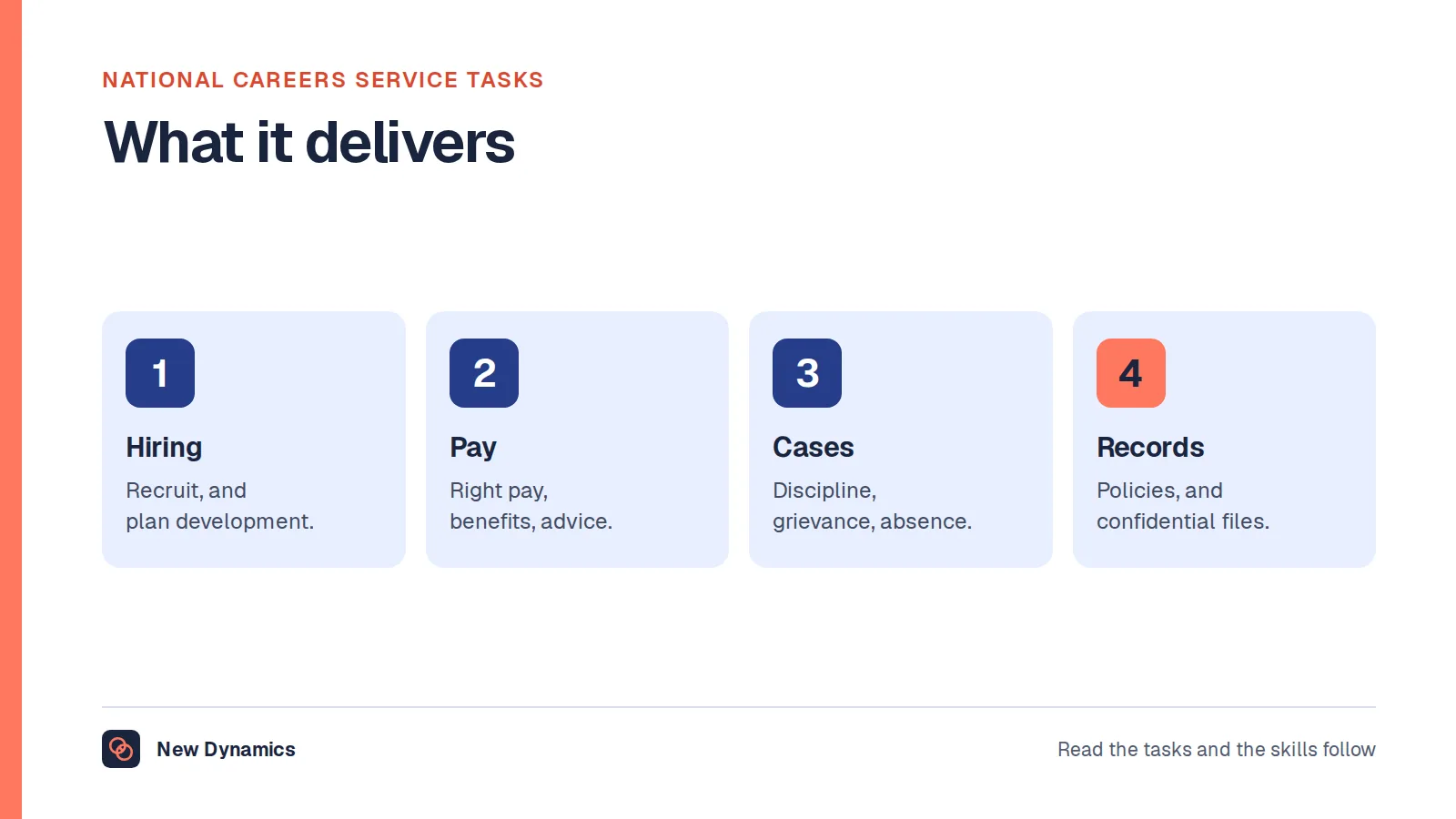
It also means the investigation report is written for a purpose and read by a defined group. Our post on HR skills covers the record-keeping and writing that this depends on.
Common failures
- The investigator was involved. The conflict of interest is visible to everyone except, sometimes, the employer.
- One side only. Gathering evidence that supports a conclusion already reached.
- The same person does everything, so the appeal is not really an appeal.
- Silence. No timescale given, no explanation of delay, nothing written down about why it took longer.
- Evidence lost. Records deleted on schedule while the investigator was arranging meetings.
Frequently asked questions
What is a workplace investigation?
The stage at which an employer finds out all they reasonably can about a possible disciplinary or grievance issue: gathering evidence from all sides, establishing whether there is a case to answer, treating everyone fairly, and informing what happens next.
Who should carry out an HR investigation?
Someone not involved in the case (another manager or someone from HR) to avoid a conflict of interest. Where possible they should have had training and know the organisation's investigation policy. Serious cases may warrant someone more senior or, exceptionally, an external consultant.
Is the investigator trying to prove misconduct?
No. Acas is explicit that the person investigating should not be trying to prove guilt but should get evidence from both sides, and should be finding out whether there is an issue that needs to be addressed.
How long should a workplace investigation take?
As quickly as possible while remaining thorough and fair. Acas notes a simple case might take a day and a complicated one several weeks. Set a reasonable timescale, tell the worker, and explain and record any delay.
Can the same person investigate and decide the outcome?
Where possible, no. Acas advises that the investigation, the disciplinary hearing and outcome, and any appeal should each be handled by a different person, with the person hearing the case having authority to decide it.
Does the Acas Code apply to all workers?
It mainly applies to those with the legal status of employee, and agency or casual zero-hours workers are unlikely to be employees. Acas nonetheless advises following the same fair procedure for everyone, partly because other legal risks such as discrimination remain.
What evidence should an investigation gather?
Whatever is reasonable and relevant: emails, paperwork, receipts, computer and phone records, CCTV, attendance records and vehicle trackers among others. Check retention periods first, because some of these are deleted automatically.
Your next step: identify what gets deleted
- Before arranging any meeting, list the records that may be relevant and find out when they are deleted.
- Confirm the investigator has no involvement in the case.
- Name who will hear the case and who would hear an appeal.
- Set a timescale, tell the worker, and diarise the point at which you will update them.
For handling the performance side once an investigation concludes there is no misconduct, read and download our performance improvement guide. The guide is free to read, and the PDF uses our short download form.
Want each step to have an owner and a due date rather than an intention? Book a New Dynamics demo and bring your current procedure. You can also email contact@new-dynamics.com.