TL;DR
- A boilermaker fabricates, assembles, installs, repairs and tests boilers, pressure vessels, tanks and other large metal structures from plate and pipe, working from engineering drawings. In the UK the trade is usually called plater, plate welder or metal fabricator.
- The six duties are reading drawings and marking out, cutting and forming plate, assembling and fitting, welding, installing and repairing on site, and testing and inspecting. Much of the work is at height, in confined spaces or in heat.
- Employers ask for a trade qualification or apprenticeship, welding certification, the ability to read drawings, physical fitness and rigorous safety habits. In the UK, employers must control welding fume, which the HSE says can cause lung cancer, and confined space work is regulated.
The title is older than the job. Boilermakers once made boilers for steam engines and ships; today they build and repair pressure vessels, storage tanks, furnaces, ship hulls, bridges and the steel shells of power stations, from heavy plate and pipe, often in places where nobody else on site would want to stand. The trade survives under different names on different continents.
This boilermaker job description explains what the job involves, gives the UK titles for the same work, sets out six duties, lists the requirements that employers set, summarises the UK safety rules that shape the work, gives a template that you can adapt and suggests how to describe the work on a CV.
Boilermakers work to drawings, codes and inspection standards, and their objectives should be as precise. See how New Dynamics Goals & OKRs keep targets and progress in one place, for a fabrication team as much as for an office.
What is a boilermaker?
A boilermaker is a skilled tradesperson who fabricates, assembles, installs, repairs and tests boilers, pressure vessels, tanks and other large metal structures, working from engineering drawings with plate, sections and pipe. The title is used in countries including the United States, Canada and Australia. The general dictionaries we cite have no current entry for it, and this is our definition.
In the UK the same work goes by other names. Plater and plater-boilermaker are the traditional titles, and the modern apprenticeship standards that Skills England lists are the plate welder and metal fabricator, both at level 3. The listing describes the plate welder's occupation as “Manually weld plates and structural components to high standards of quality.” The metal fabricator standard, typically 42 months, covers the marking out, cutting, forming and assembly side of the trade.
Three things define the job wherever it is done.
- Scale. The workpieces are big, heavy and often fixed in place. Cranes, rigging and lifting plans are part of the day.
- Pressure. Vessels that hold steam, gas or liquid under pressure are built and repaired to codes, and tested before use.
- Environment. Inside tanks and boilers, at height, in heat, in shutdowns against the clock.
Boilermaker duties: six responsibilities
- Read drawings and mark out. Interpret engineering drawings, specifications and codes, and mark out plate, sections and pipe for cutting.
- Cut and form plate. Cut with flame, plasma, saw or shear; form with rollers, presses and brakes; prepare edges for welding.
- Assemble and fit. Position, align and tack components using jigs, cranes and rigging, checking dimensions and tolerances as the assembly grows.
- Weld. Weld plate and pipe to the specified procedure, or work alongside coded welders where the code requires them, and dress and inspect the joints.
- Install and repair on site. Erect and install vessels and structures, and during shutdowns and outages inspect, cut out, replace and repair damaged plate, tubes and fittings.
- Test and inspect. Pressure and leak testing, dimensional checks and support for non-destructive testing, with records that show the work meets the code.
Boilermakers also rig and lift, maintain their tools and, on many sites, hold permits for hot work and confined space entry. The advert should say which.

Boilermaker, welder and metal fabricator
| Title | Focus | UK apprenticeship |
|---|---|---|
| Boilermaker (US, Canada, Australia) | The whole vessel or structure: fabrication, assembly, installation, repair and testing | Closest to plater or metal fabricator |
| Welder | Joining metal to a welding procedure, in any trade | Welder (level 2), plate welder and pipe welder (level 3) |
| Metal fabricator | Marking out, cutting, forming and assembling fabricated metal products | Metal fabricator (level 3) |
A boilermaker usually welds; a welder is not usually a boilermaker. On a large project the roles sit side by side, and the job description should say which parts of the work the post covers and which certifications it needs.

Boilermaker job requirements
Employers set requirements in four groups.
- Trade qualification. An apprenticeship or trade certificate in boilermaking, plating, fabrication or welding, and in the UK the level 3 standards above or their predecessors.
- Certification. Welding qualifications to the codes the work requires, and often confined space, working at height, rigging and hot work tickets.
- Technical skill. Reading drawings and specifications, measuring and marking out accurately, and using cutting, forming and welding equipment safely.
- Physical fitness and safety habits. Lifting, climbing, working in heat and in confined spaces, wearing respiratory and other protective equipment for a full shift, and following permits without shortcuts.
Site work usually adds a driving licence, willingness to travel and to work shutdowns, and site safety passports.
UK safety rules that shape the job
Welding fume. The Health and Safety Executive's guidance on welding fume is blunt: “All welding fume can cause lung cancer, so you must put controls in place.” It says that by law employers must protect workers by controlling the health risks from welding fume, through local exhaust ventilation, respiratory protective equipment where needed, maintenance of the controls, health surveillance and training.
Confined spaces. The HSE's introduction to working in confined spaces says: “Working in a confined space is dangerous because of the risks from noxious fumes, reduced oxygen levels, or a risk of fire.” It describes a confined space as one that is enclosed or largely enclosed and has a reasonably foreseeable risk of fire, explosion, loss of consciousness, asphyxiation or drowning, and it advises not to work in confined spaces unless it is essential and to make sure the person is capable and trained in the work and in the emergency equipment. Boilers, tanks and vessels are the textbook examples.
Lifting, height and hot work. Lifting operations, work at height and hot work permits each carry their own regulations and site rules.
This is general information about the UK, not legal advice. Other countries have their own rules, and each site's permits and procedures apply on the day.

Boilermaker job description template
Adapt the template to your site and country. Keep every line true, and name the codes and certifications.
Job title: Boilermaker (plater / metal fabricator)
Reports to: Fabrication supervisor or site supervisor
Location and hours: [Workshop or site], [shifts, shutdown working, travel]
Purpose of the role: To fabricate, install, repair and test [vessels, tanks, structures] to drawing and code, safely and on programme.
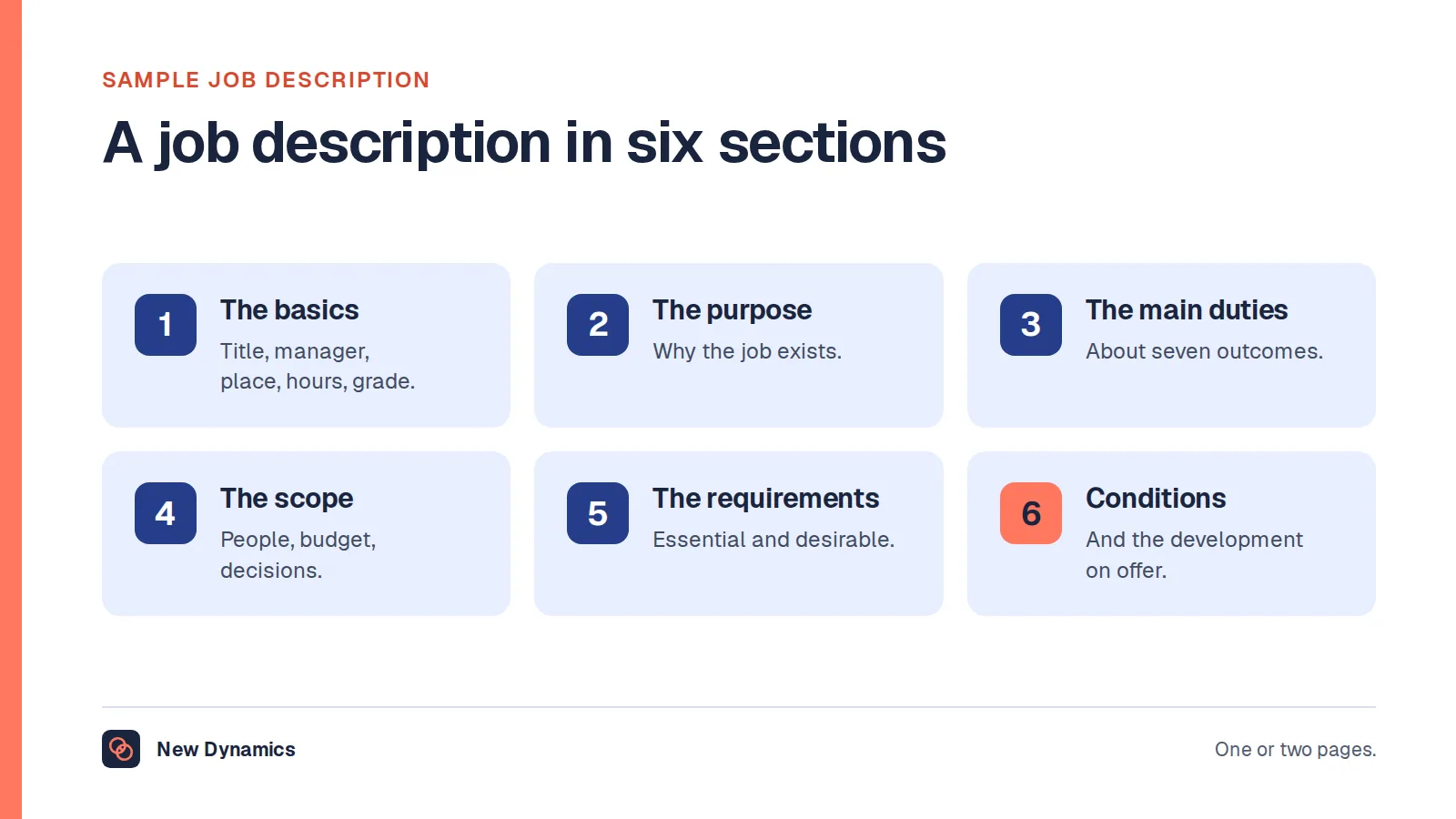
Main duties:
- Read drawings and specifications and mark out plate, sections and pipe
- Cut, form and prepare components for assembly
- Assemble, align and fit components using jigs, cranes and rigging
- Weld to [procedures and codes], and dress and inspect joints
- Install and repair on site, including during shutdowns and outages
- Carry out and record pressure, leak and dimensional testing
- Work under permits for hot work, confined spaces and lifting, and follow all site safety rules
Requirements:
- Trade qualification in boilermaking, plating, fabrication or welding [name the level or standard]
- Welding certification to [codes]; confined space, working at height and rigging tickets [as required]
- Able to read engineering drawings and measure and mark out accurately
- Physically fit for lifting, climbing, heat and confined spaces, and able to wear respiratory protection for a full shift
- [Driving licence, site safety passport, willingness to travel]
We provide: Personal and respiratory protective equipment, local exhaust ventilation, health surveillance, training and certification renewal, and objectives reviewed each quarter.
Our job description template explains the structure, and our guide to the electrician job description shows how another trade handles apprenticeships and qualifications.
How to describe boilermaker work on a CV
Employers want evidence of codes, scale and safety. The lines below are invented examples, to show the form.
- Name the work. “Fabricated and installed pressure vessels and storage tanks to drawing on petrochemical and power sites.”
- Name the codes and certifications. The welding procedures you are coded to, and current confined space, height, rigging and hot work tickets.
- Show scale. “Led a four-person crew replacing boiler tubes during a three-week outage.”
- Show safety. “Worked five years on permit-controlled sites with no reportable incidents.”
- Name the equipment. Cutting, forming and welding equipment you are competent on.
Common mistakes in boilermaker adverts
The title without the trade. Say whether the job is fabrication, site installation, repair or all three, and which country's title you mean.
Codes unnamed. Candidates need to know which welding procedures and codes the work requires.
Silence on the environment. Shutdowns, heights, confined spaces and heat should be in the advert, with the controls you provide.
Certification left to the candidate. Say what you provide and renew.
No route onward. Supervisors, inspectors and welding engineers come from the trade. Say so.
Frequently asked questions
What does a boilermaker do?
A boilermaker fabricates, assembles, installs, repairs and tests boilers, pressure vessels, tanks and other large metal structures from plate and pipe, working from engineering drawings. The work includes marking out, cutting, forming, fitting, welding, site installation and repair during shutdowns, and testing.
What is a boilermaker called in the UK?
Plater or plater-boilermaker traditionally, and in the current apprenticeship standards plate welder and metal fabricator, both at level 3. The work is the same; the titles differ by country.
What are the requirements for a boilermaker job?
A trade qualification or apprenticeship in boilermaking, plating, fabrication or welding; welding certification to the codes the work requires; confined space, working at height and rigging tickets as required; the ability to read drawings and mark out accurately; and physical fitness and safety habits for heavy, hot and enclosed work.
What is the difference between a boilermaker and a welder?
A boilermaker is responsible for the whole vessel or structure, from marking out and cutting through assembly, welding, installation, repair and testing. A welder joins metal to a welding procedure and may work in any trade. Boilermakers usually weld; welders are not usually boilermakers.
Is boilermaking dangerous?
It carries known risks that the law requires employers to control. The HSE says all welding fume can cause lung cancer and that employers must put controls in place, and that working in a confined space is dangerous because of fumes, reduced oxygen and fire. Trained people, permits, ventilation, respiratory protection and rescue arrangements are the job's normal conditions.
What should a boilermaker job description include?
The type of work and setting, who the boilermaker reports to, shifts and travel, six or seven main duties, the trade qualification and certifications required, the codes worked to, the physical demands, the permits and safety rules that apply, and the protective equipment, training and progression provided.
Your next step
If you are hiring, write the codes, the certifications and the environment into the first paragraph of the advert, with the controls you provide. If you are applying, rewrite one line of your CV with the codes you hold and the scale of the work you have done.
For a method that turns a programme of work into quarterly objectives a crew can see, read and download our SMART goals guide. The guide is free to read, and the PDF uses our short download form.
Want fabrication targets, feedback and certification renewals in one place? Book a New Dynamics demo and bring your current approach. You can also email contact@new-dynamics.com.