TL;DR
- In the UK, HMRC holds a record of every PAYE job you have had. You can see the current and past five years in your personal tax account or the HMRC app, and ask for any year by paper form.
- Other sources are your National Insurance record, old P45s and P60s, payslips and contracts, a subject access request to a former employer under the UK GDPR, bank statements showing salary payments and your own professional profiles.
- For a job application, employers want dates, employers, titles and duties. Reconstruct them from the records, be honest about gaps, and keep a master list so that you never have to do it again.
An application form asks for your full employment history with dates. A mortgage lender wants proof of where you worked five years ago. A visa renewal needs a continuous record. And you cannot remember whether the temp job was 2017 or 2018, or what the company that bought your old employer was called.
This article explains how to find your employment history, in order of reliability: what HMRC holds and how to get it, what your National Insurance record shows, the documents you may already have, how to ask a former employer for your records, and how to reconstruct dates and duties for a CV or an application form. It covers the UK, with a short section for the United States.
Employers, this cuts both ways: leavers ask you for their records too. See how New Dynamics org charts show roles, reporting lines and the relationships between them.
1. HMRC: your employment history from PAYE records
If you have been employed in the UK, HM Revenue and Customs has a record of every job on which your employer operated Pay As You Earn. GOV.UK's guide to getting proof of employment history says you can ask HMRC for a record of your employment history, for example if you are making a compensation claim, applying for a loan or renewing a work visa.
There are two routes.
Online, for the last five years. GOV.UK says you can get “a record of the current and past 5 years' employment” using your personal tax account or the HMRC app. Once signed in, go to your Pay As You Earn (PAYE) Income Tax records. The personal tax account page lists “check your income from work in the previous 5 years” among the things you can do. You will need to sign in and, the first time, prove your identity, normally with photo ID such as a passport or driving licence.
By paper form, for any year. GOV.UK says you can “fill in the application form for a record from any year and send it to HMRC”. If a solicitor or tax agent is applying for you, they need your written consent on the employment history consent form. GOV.UK advises contacting the National Insurance general enquiries helpline if you have not heard from HMRC after 40 days.
The HMRC record shows employers and tax years, and pay and tax for each. It does not show job titles or duties, and it will not show self-employment or work that was paid without PAYE.
2. Your National Insurance record
Your National Insurance record is a second official source. GOV.UK's page on checking your National Insurance record says you can see online what you have paid, up to the start of the current tax year, and any credits you have received. It is organised by tax year rather than by employer, so it confirms that you were working and paying contributions in a given year, and shows gaps, but it does not on its own tell you where you worked. You can also request a printed statement for chosen years, though not for the current or previous tax year.
3. Documents you may already have
Before writing to anyone, search your own files, email and cloud storage for:
- P45s, issued when you leave a job, showing the employer, your leaving date and pay to date.
- P60s, issued at the end of each tax year, showing the employer and that year's pay and tax.
- Payslips, which carry the employer's name and the pay date.
- Contracts, offer letters and leaving letters, which give start dates, titles and sometimes duties.
- Pension statements, which list contributing employers and periods.
- Emails: search for “offer”, “contract”, “welcome”, “P45” and “reference”.
Most people find that two or three of these fill most of the gaps.

4. Ask a former employer: the subject access request
A former employer holds your personnel file, and in the UK you have a legal right to a copy of the personal information in it. The Information Commissioner's Office explains in its guide to getting copies of your information: “You have the right to ask an organisation if they're using or storing your personal information. You can also ask them for copies of your personal information. This is called the right of access and is also known as making a subject access request, a SAR or a DSAR.”
Three points from the ICO's guidance matter here.
- Anyone can make one. “You don't need a solicitor or a lawyer.”
- There is a time limit. “Organisations usually have one month to respond to a SAR.”
- Be specific. The ICO suggests a subject line that says “subject access request”, the date, your name including any former names, your contact details, an employee number if you have one, exactly what you want and the dates that will help them find it.
For employment history, ask for your start and end dates, job titles, the department and manager, and copies of your contract and any leaving letter. A specific request is faster than “everything you hold about me”. The ICO notes that its guidance is under review following the Data (Use and Access) Act, so check its site for the current position.
If the employer has closed or been taken over, the records may have passed to the buyer, the administrator or the liquidator. Companies House shows what happened to a UK company and who was appointed.
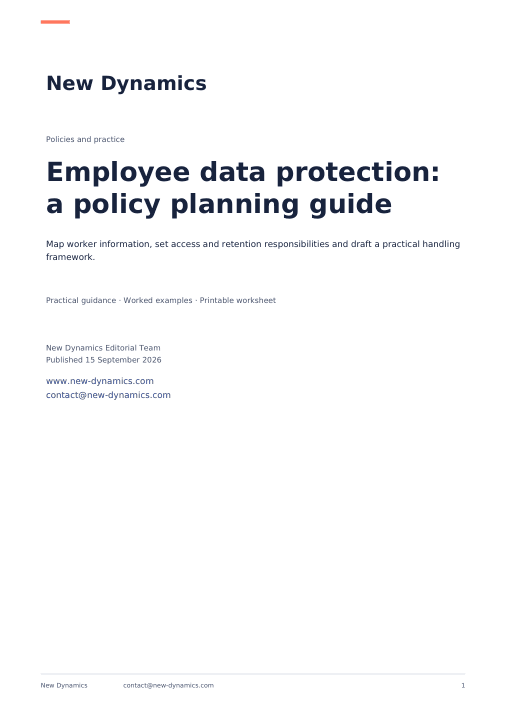
Employers on the receiving end should have a process for these requests. Our employee data protection guide covers it.
5. Bank statements
Salary payments appear on your statements with the employer's name or its payroll provider's. Most banks let you download statements going back several years, and a monthly payment that starts and stops gives you dates to within a few weeks. This is often the quickest way to pin down a job you have forgotten the dates of.
6. Your own trail
Your professional networking profile, old CVs saved in email, references you have been sent, and even calendar entries and photographs can supply titles and dates. Old colleagues can confirm what you cannot.
7. Pension and student loan records
If you were enrolled in a workplace pension, the provider's statements list each employer and the contribution periods. Student loan repayment records, taken through PAYE, show the same years by employer.
Reconstructing your history for an application
Employers usually want four things for each job: employer, title, dates and duties. The official records give you employers and dates. Titles and duties come from your documents and your memory.
- Build a master list in a spreadsheet: employer, title, start month and year, end month and year, location, manager, duties in three lines, reason for leaving. Keep it for the rest of your career.
- Work from the official record outwards. Start with the HMRC list, then match each employer to your documents.
- Use months, not exact days, unless a form insists. Most do not.
- Explain gaps honestly. Study, travel, caring, illness, unemployment. A short, factual line is enough, and a good employer will not hold it against you.
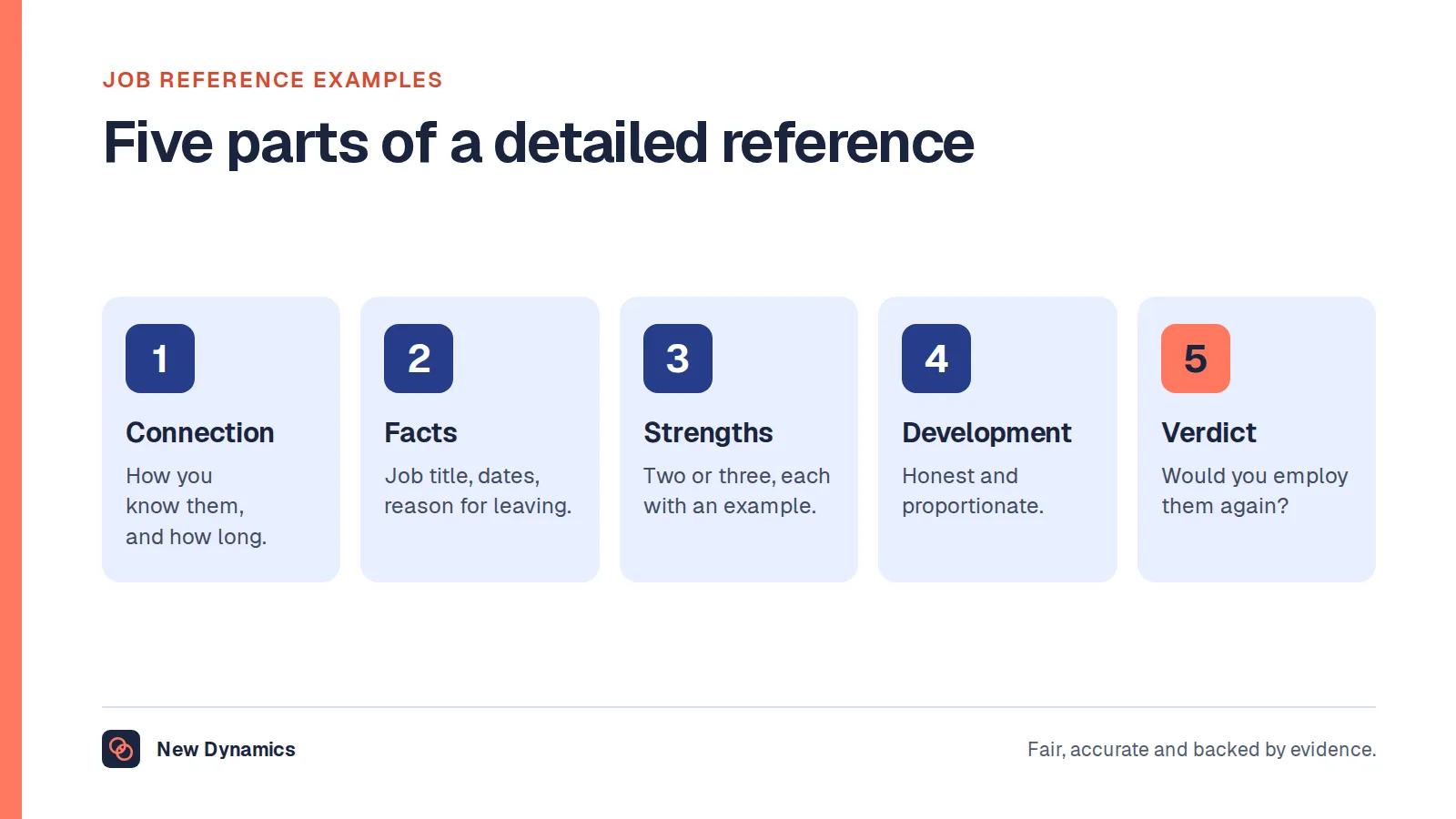
- Match what checks will find. If an employer runs a reference or a background check, the dates you gave will be compared with the records. Small differences are normal; invented jobs are not. Our job reference examples show what a reference typically confirms.
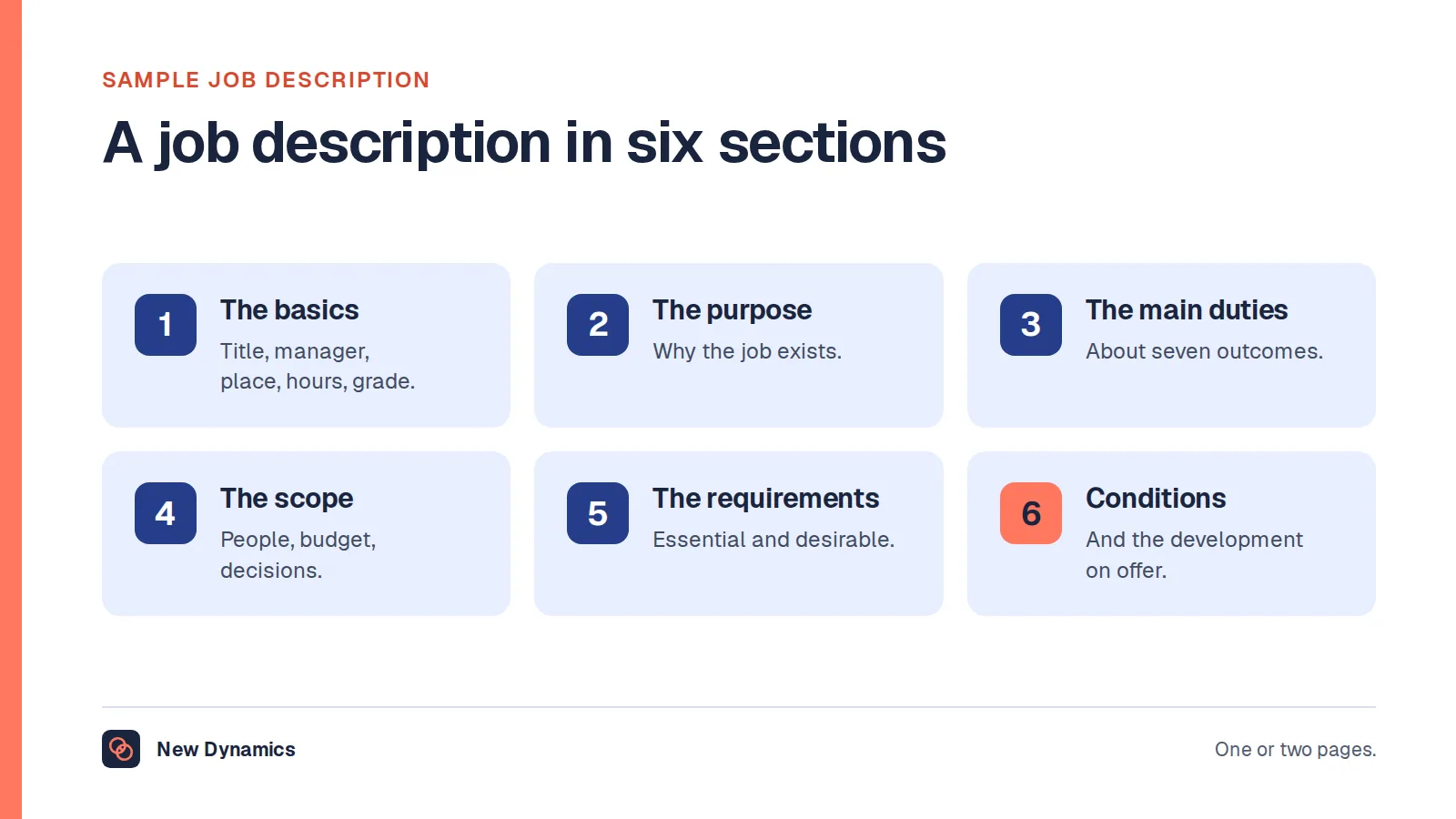
- Write the duties for the reader. Our job description template is a useful reverse guide: the duties an employer would list for a role are the ones to describe having done.

Finding your employment history in the United States
The US has no single equivalent of the HMRC record, but two federal sources cover most employment. The Social Security Administration can provide an itemised statement of earnings by employer for a fee, on request; its free online statement shows yearly earnings without employer names. The Internal Revenue Service can provide wage and income transcripts, built from the W-2 forms employers file, for recent years. State unemployment insurance agencies also hold wage records by employer. Check the current process and fees on the agencies' own sites, since they change.
The private sources are the same as in the UK: W-2s and pay stubs, offer letters, bank statements, retirement plan statements and your own profiles. Former employers may confirm dates and titles through HR, though there is no federal right of access equivalent to the UK subject access request.
For employers: what leavers will ask you for
People come back years later for their dates and titles. Keep a leaver record with start and end dates, final title and department, and be able to produce it quickly, within the data retention limits your policy sets. A subject access request must be answered within the legal time limit, and an ordinary confirmation of dates is a courtesy that costs a few minutes. Our employee handbook guide covers the policies behind both.
This article describes UK government and ICO guidance as published and is general information, not legal or tax advice. The rules differ in other countries.

Frequently asked questions
How can I get my employment history from HMRC?
Sign in to your personal tax account or the HMRC app and go to your PAYE Income Tax records, which show the current and past five years of employment. For any earlier year, fill in HMRC's application form for a record of employment history and post it. GOV.UK says to contact the National Insurance helpline if you have not heard back after 40 days.
How far back does HMRC employment history go?
Online, the personal tax account shows the current and previous five years. The paper application covers a record from any year, so earlier employment can be requested by post.
Does my National Insurance record show my employers?
It shows what you paid and any credits for each tax year, and any gaps, but it is organised by year rather than by employer. Use it to confirm the years you were working, and HMRC's PAYE record or your own documents to identify the employers.
Can I ask a former employer for my employment records?
Yes. In the UK you can make a subject access request under data protection law for the personal information a former employer holds about you, including dates, titles and contract documents. The ICO says anyone can make one without a lawyer, and organisations usually have one month to respond.
What if I cannot remember exact dates?
Use the HMRC record for tax years, bank statements for the months salary started and stopped, and P45s for exact leaving dates. Most application forms accept months and years. Be consistent between your CV, the form and what a reference will confirm.
How do I find my employment history in the US?
Request an itemised earnings statement from the Social Security Administration, or wage and income transcripts from the IRS, and check with your state's unemployment insurance agency. Add W-2s, pay stubs, offer letters and bank statements. Check current procedures and fees on the agencies' websites.
Your next step: build the list once
- Sign in to your personal tax account and copy the last five years of employment into a spreadsheet.
- Search your email and files for P45s, P60s, contracts and offer letters, and fill in titles and dates.
- For anything still missing, check bank statements, then send a specific subject access request to the employer.
- Keep the spreadsheet up to date every time you change jobs.
If you manage people, read and download our employee data protection guide, which covers handling requests like these. The guide is free to read, and the PDF uses our short download form.
Want a single record of roles, reporting lines and history for everyone in your organisation? Book a New Dynamics demo and bring your current process. You can also email contact@new-dynamics.com.