TL;DR
- Job shadowing, called work shadowing in the UK, means spending time with someone who is doing a particular job so that you can learn about it. The visitor mainly observes, listens and asks questions.
- Prospects describes three types: observation, regular briefings and hands-on shadowing. Employers use it for onboarding, internal moves, understanding between teams, succession and leadership development, as well as for students.
- In the UK, GOV.UK says that a placement that involves only observing, such as work shadowing, does not come within minimum wage law. The host employer is still responsible for health and safety.
A job title tells you very little. “Buyer”, “planner” and “analyst” could each mean a dozen different days. The quickest way to find out what a job is really like is to spend a day beside somebody who does it.
This article gives the meaning of job shadowing, describes the three types, shows five ways in which employers use it for their own staff, sets out six steps for running a shadowing day, summarises the UK position on pay and safety, and lists questions for the visitor to ask. In the UK it is more often called work shadowing. A job shadow is one such visit, and the word is also used for the person who visits.
New starters often learn a job this way. See how New Dynamics onboarding brings tasks, early goals and manager conversations into a clear path for a new starter.
What does job shadowing mean?
The Cambridge Business English Dictionary defines work shadowing as “the activity of spending time with someone who is doing a particular job so that you can learn how to do it”.
Prospects, the UK graduate careers service, explains in its guide to work shadowing that it is “also known as job shadowing”, and that it differs from internships and work placements “in that it's informal and only lasts for a couple of days”. It states the purpose plainly: “to get an insight into a job rather than to gain hands-on, practical experience”.
Three words carry the definition.
- Observe. The visitor watches the host do the real job, in the real workplace.
- Short. Hours or days, not weeks.
- Learn. The aim is understanding. The visitor is not there to produce work.
Three types of job shadowing
Prospects describes three main types, and says that the choice usually depends on the time and resources that the host has available.
- Observation. The visitor spends time watching what the host does from day to day. Prospects calls this the most common type, and particularly useful to students, recent graduates and career changers.
- Regular briefings. The visitor shadows the host for specific activities over a period of time, with “a mini brief beforehand and a follow-up debrief”. Prospects notes that this works well when people already work alongside their host, for example those looking to change departments.
- Hands-on. A progression from observation, in which the visitor carries out some of the tasks “under the supervision of the host”. It takes more of the host's time, so it is not always possible.

Five ways that employers use job shadowing
Shadowing is often thought of as something for school pupils. It is also one of the cheapest development tools that an employer has.
- Onboarding. A new starter shadows experienced colleagues in their first weeks, and also spends an hour with the teams that they will depend on.
- Career exploration and internal moves. An employee who is curious about another department shadows it for a day before applying. It is a small investment against an expensive mistake.
- Understanding between teams. Sales shadows customer support. Finance shadows the warehouse. People stop blaming departments that they have watched at work.
- Cover and succession. A deputy shadows the person whom they may one day replace, and learns the judgement as well as the tasks. Our succession planning guide sets out the wider method.
- Leadership development. A future manager shadows a senior leader through a week of meetings, and sees how decisions are really made.
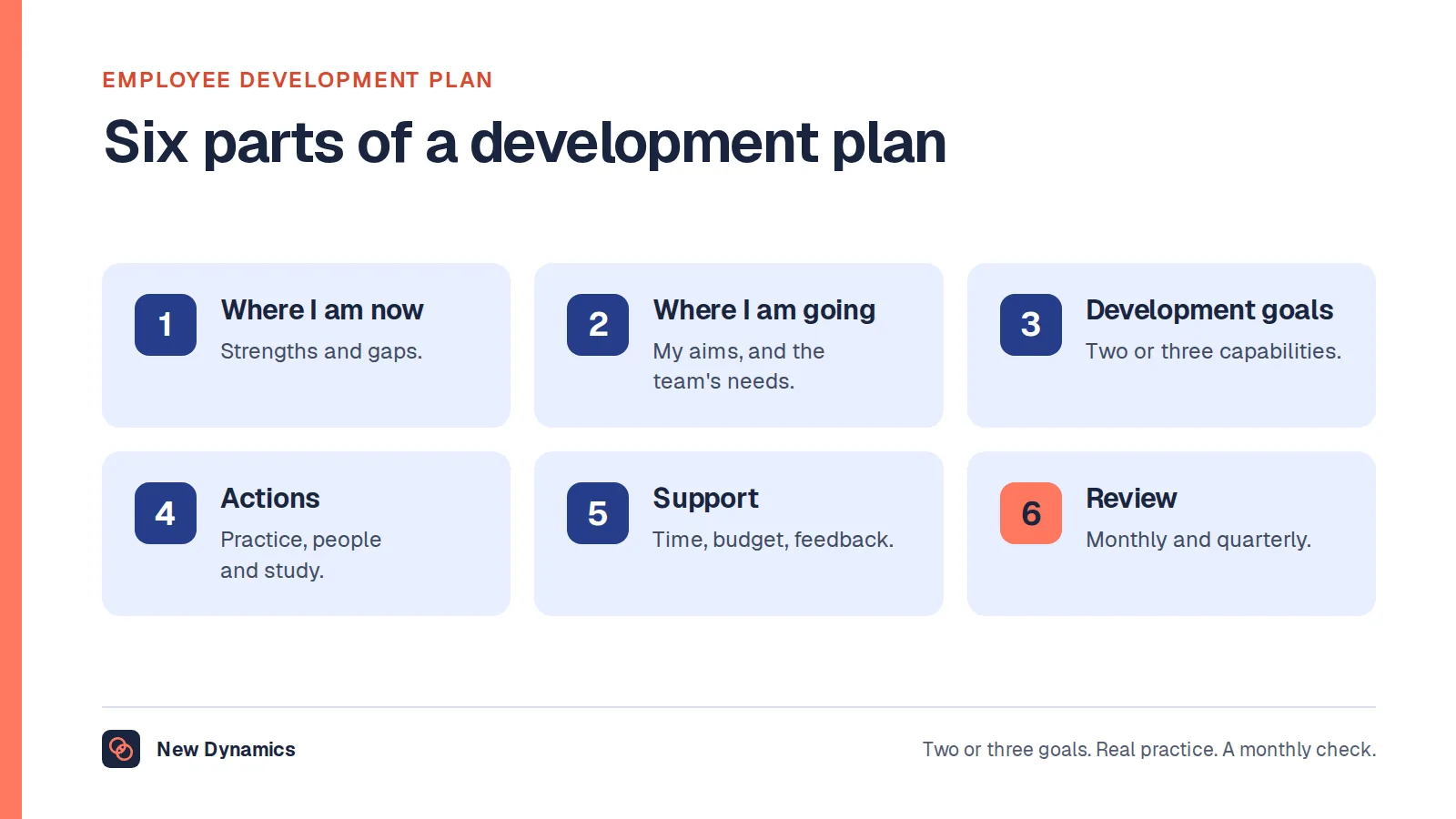
Each of these belongs in an individual's development plan, with a purpose and a date.

The benefits, and the limits
Prospects lists the benefits for the visitor: career exploration, increased knowledge, skills development, confidence and networking. In its words, shadowing “brings a role to life and can help you decide whether a particular career is really for you”.
For the employer, shadowing spreads knowledge, builds relationships between teams, and gives hosts practice in explaining and coaching.
It has limits. Prospects warns that some jobs “aren't suitable for shadowing due to the sensitive nature of the work and issues around health, confidentiality and safety”, and mentions parts of healthcare, law, construction, science and social care. A day is also only a sample. One quiet Tuesday does not show the month-end rush. Where a visit is impossible, a conversation away from the workplace, or virtual work experience, can stand in.
How to run a job shadowing day in six steps
- Set the objective. Agree what the visitor wants to learn: a decision about a career, an understanding of a process, or preparation for a role.
- Choose the host. Pick someone who does the job well and likes to explain it. Give them time for it, and recognise the effort.
- Brief both people. The host needs to know the objective. The visitor needs the time, the place, the dress code and the name of the person to report to.
- Plan the day. Mix observation with explanation: a meeting, a customer conversation, a routine task and half an hour for questions. Prospects advises visitors to expect the host “to show you what they do and explain why things are done in a certain way”.
- Cover safety and confidentiality. Give a safety briefing, agree what the visitor must keep confidential and decide which meetings or data are off limits.
- Debrief and follow up. Ask what the visitor learned and what surprised them. For an employee, record the next step in the development plan.

Pay, records and safety in the UK
Employers often ask whether a shadow must be paid. GOV.UK's guidance on the minimum wage, work experience and internships addresses it directly: “Someone who is doing a placement that does not involve any work being performed, such as work shadowing, will not come within the National Minimum Wage legislation. They are only observing and are not performing work.”
Its worked example is a student on two weeks' work shadowing whose activities “are limited to observing, listening and questioning”. He can claim travel expenses, and does not need to be paid the minimum wage, because he is not a worker for minimum wage purposes.
The line matters. If the visitor starts doing real work, the position can change. The guidance recommends that employers agree elements of the arrangement in writing, “such as learning objectives”, and keep a record of what was agreed.
Safety does not depend on pay. The Health and Safety Executive's guidance on work experience tells employers: “As an employer taking on a young person for work experience, you have the main responsibility for their health and safety.”
An employee who shadows a colleague in another team remains an employee, on normal pay. This section is general information, not legal advice, and the rules differ in other countries.
Questions to ask when you shadow someone
Prospects advises visitors to prepare questions that cannot be answered by a search engine or the company's website. Its suggestions include:
- how did you get your job?
- what do you enjoy about your role?
- what challenges does the role and sector face?
- what does a typical career path look like for this job?
- what would you look for if you were recruiting for this position?
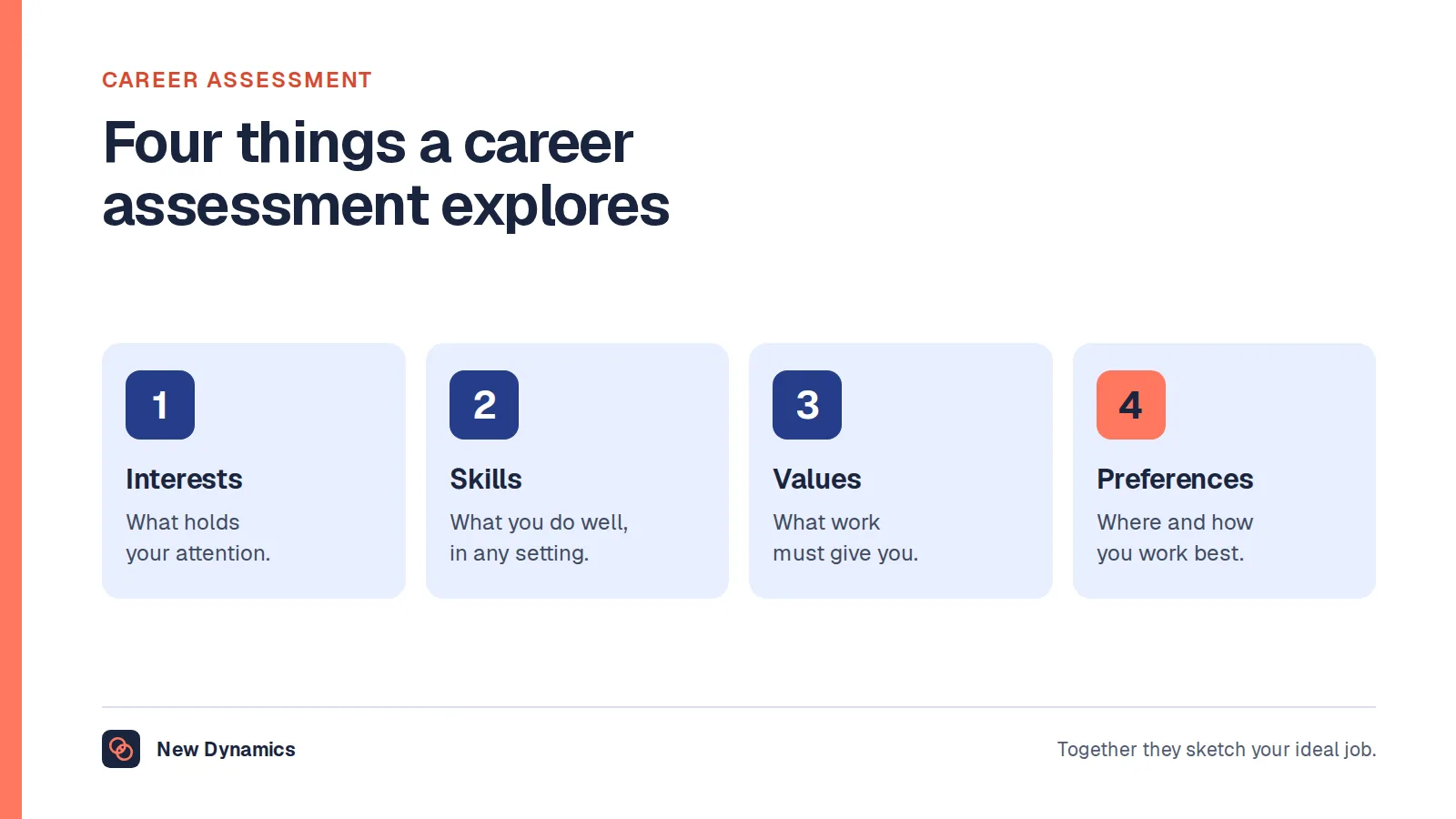
Add questions of your own about the parts of the day that you did not see. Afterwards, write down what you learned within a day, and thank the host. If you are still weighing up careers, our guide to the career assessment test offers another starting point.
Common mistakes
No objective. A visitor who does not know what they want to learn spends the day being polite.
A reluctant host. Shadowing a person who resents it teaches the wrong lessons.
All watching, no explaining. Without commentary, much of skilled work is invisible.
Drifting into unpaid work. Keep visitors observing, or pay them.
Forgetting confidentiality. Decide in advance what a visitor should not see.
No follow-up. The value comes from what changes afterwards: an application, a course or a decision not to move.
Frequently asked questions
What is the meaning of job shadowing?
Job shadowing means spending a short time with someone who is doing a particular job, watching and asking questions, so that you can learn about it. In the UK it is usually called work shadowing.
What is a job shadow?
A job shadow is a single shadowing visit, usually lasting from a few hours to a couple of days. The word is also used for the person who visits. The person being watched is called the host.
What is the difference between job shadowing and an internship?
Job shadowing is short and informal, and the visitor mainly observes. An internship or work placement lasts longer, and the intern does real work. Prospects says that the purpose of shadowing is to get an insight into a job rather than hands-on experience.
Do you get paid for job shadowing?
Usually not, if you are only observing. GOV.UK says that a placement that does not involve any work being performed, such as work shadowing, does not come within UK minimum wage law. If the visitor performs work, the position can change. An employee who shadows a colleague is paid as normal.
How long does job shadowing last?
Most shadowing lasts from a few hours to a couple of days. Shadowing by regular briefings can be spread over several weeks, an hour or two at a time, which suits employees who are exploring a move within their own organisation.
How do employers use job shadowing?
Employers use it for onboarding new starters, for employees who are considering an internal move, to build understanding between teams, to prepare deputies and successors, and to give future leaders a view of senior work.
Your next step: arrange one shadowing day
- Choose one person in your team who is curious about another role, or one new starter.
- Agree the objective in a sentence.
- Find a willing host, and put half a day in both diaries.
- Debrief for fifteen minutes afterwards, and record one next step.
For a structured approach to growing careers inside an organisation, read and download our career development guide. The guide is free to read, and the PDF uses our short download form.
Want development plans, goals and regular conversations in one place? Book a New Dynamics demo and bring your current approach. You can also email contact@new-dynamics.com.