TL;DR
- There is no legal right in Great Britain to paid time off for IVF appointments. Acas says employers should treat IVF appointments the same as any other medical appointment, and treat related sickness the same as any other sickness.
- Pregnancy protection starts earlier than many employers expect. Acas says that when a worker reaches the embryo transfer stage, they have the same rights as a pregnant worker, and if the transfer is unsuccessful they remain protected against pregnancy discrimination for 2 weeks after finding out.
- Employees can request flexible working from their first day in a job, which can help with treatment cycles. A short written policy makes support consistent. This is general information about Great Britain, not legal advice.
An employee asks for a few hours off for a scan, then a procedure, then a day to recover, all within three weeks and at short notice, because that is how treatment cycles work. Their manager is unsure whether this is sick leave, holiday, or a favour, and whether they are allowed to ask why.
This article explains fertility treatment time off for UK employers: what the law requires, when pregnancy protection begins, what happens if treatment is unsuccessful, and how to write a policy that gives managers a consistent answer. It covers Great Britain and is general information, not legal advice. Rules differ in Northern Ireland.
Support is easier to give consistently when the steps are clear: who the employee tells, who approves time off, who checks in. See how New Dynamics workflows give each step an owner, so private conversations stay private and nothing is forgotten.
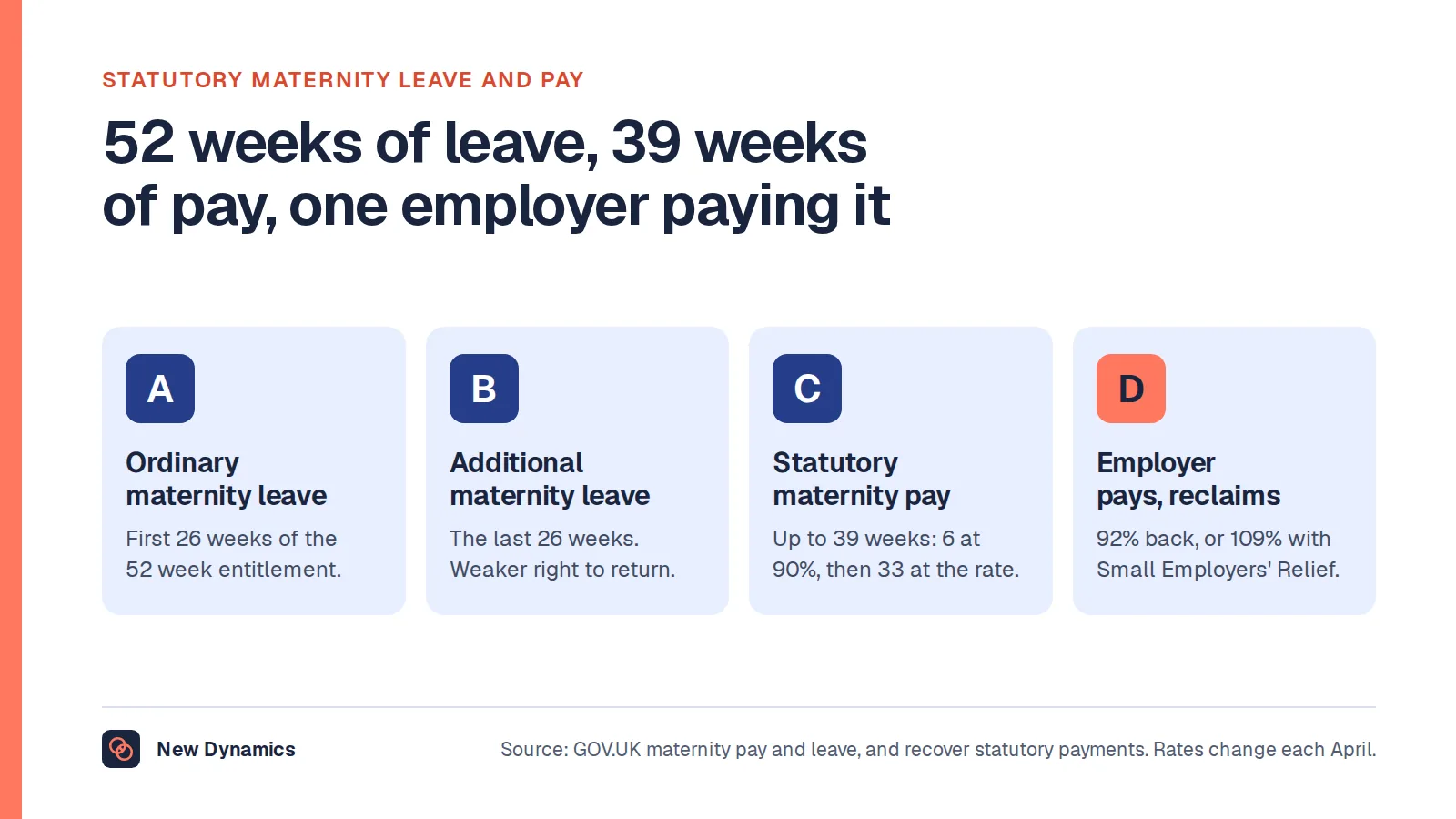
For leave once a pregnancy is confirmed, see our guide to maternity leave for employers.
Is there a legal right to time off for fertility treatment?
No, not as such. Acas's guidance on IVF treatment says: "There's no legal right to paid time off for IVF appointments." It adds that an employer should:
- "treat IVF appointments the same as any other medical appointment"
- "treat related-sickness the same as any other sickness"
Acas also notes that "A full cycle of IVF takes around 3 to 6 weeks to complete" and that "Someone might need more than one cycle to become pregnant." That timing is why short notice and repeated requests are normal, and why a rigid approach causes problems.
When pregnancy protection starts

This is the point employers most often miss. Acas says: "When a worker reaches the 'embryo transfer' stage, they have the same rights as a pregnant worker." They do not have to tell their employer at that stage, but Acas notes: "If an employer knows a worker might be pregnant, the worker is protected against discrimination."
The legal basis is section 18 of the Equality Act 2010, which protects a woman against unfavourable treatment because of her pregnancy during "the protected period", which "begins when the pregnancy begins".
If treatment is unsuccessful
Acas says a worker who finds out an embryo transfer was unsuccessful is "still protected against pregnancy discrimination. They are protected by law for 2 weeks after finding out."
That fortnight is often the hardest point. Acas suggests an employer "might allow someone to work flexibly so they can recover", and a worker may want to talk about the support they need.
Flexible working
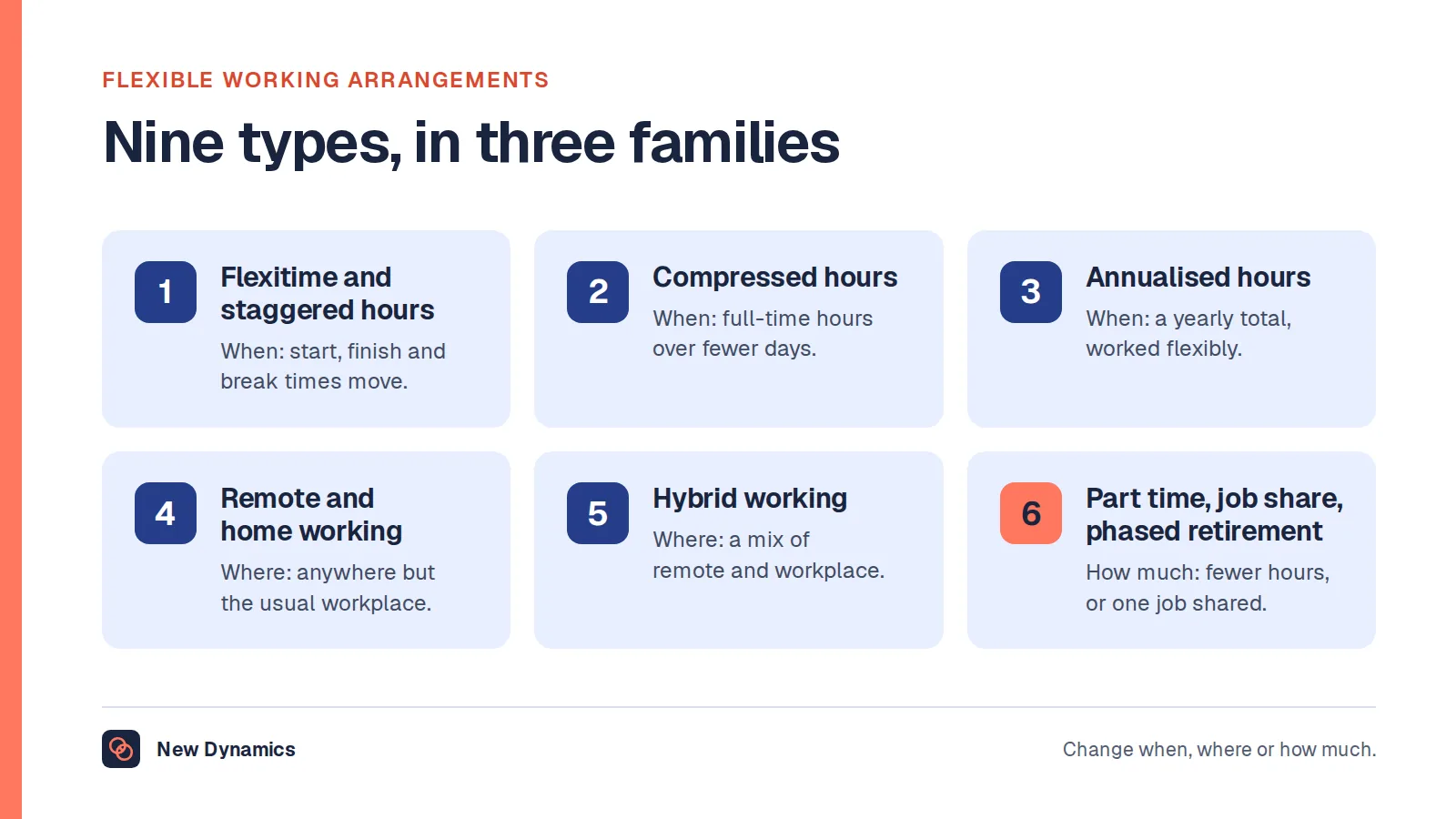
Employees can ask to change their hours, start and finish times, days or place of work. GOV.UK's guide to flexible working says "Employees can make a request for flexible working from their first day in a job", and that employers "must deal with requests in a 'reasonable manner'."
A temporary arrangement for the length of a treatment cycle is often the simplest support an employer can give, and it avoids repeated one-off requests.
Writing a fertility treatment policy

Because the law sets a floor rather than a framework, a short policy is what makes support consistent. A workable policy covers:
- Time off for appointments: whether it is paid, how much, and how to request it at short notice.
- Sickness: confirmation that treatment-related sickness is handled like any other.
- Confidentiality: who the employee can tell, and that nobody else will be told without consent.
- Flexible working: a simple route to a temporary change during a cycle.
- Partners: whether partners of people having treatment can take time off to attend appointments.
- Support: what is available if treatment is unsuccessful, including compassionate leave and an employee assistance programme if you have one.
Some employers give a set number of paid days a year for fertility treatment. That is a choice, not a legal requirement, and it is worth costing before you commit.
What managers should and should not do
- Do treat appointments and related sickness the same as any other medical appointment or sickness.
- Do keep the information confidential and agree with the employee who else needs to know.
- Do remember that pregnancy protection may already apply, even if you have not been told.
- Do not count treatment-related absence against someone in a way you would not for another medical reason.
- Do not ask for more detail than you need to approve the time.
Frequently asked questions
Do employees have a right to time off for IVF?
There is no legal right to paid time off for IVF appointments in Great Britain. Acas says employers should treat IVF appointments like any other medical appointment and related sickness like any other sickness. Many employers choose to offer paid time off in a policy.
When does pregnancy protection start during IVF?
Acas says a worker has the same rights as a pregnant worker once they reach the embryo transfer stage. If an employer knows the worker might be pregnant, the worker is protected against discrimination.
What happens if IVF is unsuccessful?
Acas says the worker is still protected against pregnancy discrimination for 2 weeks after finding out the embryo transfer was unsuccessful. An employer might allow flexible working so the worker can recover.
Can an employee request flexible working for fertility treatment?
Yes. Employees can make a flexible working request from their first day in a job, and employers must deal with requests in a reasonable manner. A temporary change for the length of a treatment cycle is a common arrangement.
Should partners get time off for fertility appointments?
The law does not give partners a specific right to time off for fertility appointments. Employers can choose to include partners in their policy, and many do.
Your next step: give managers one consistent answer
- Decide how time off for fertility appointments is treated, and whether it is paid.
- Confirm that treatment-related sickness is handled like any other sickness.
- Brief managers on when pregnancy protection starts during IVF.
- Publish a short policy, and tell people who to speak to in confidence.
For a clear way to set out leave policies for staff, read and download our employee handbook guide. The guide is free to read, and the PDF uses our short download form.
Want leave requests, flexible working and check-ins handled consistently and in confidence? Book a New Dynamics demo and bring your current leave policy. You can also email contact@new-dynamics.com.