TL;DR
- Instant gratification means wanting a reward or pleasure straight away, and choosing it over a larger or more useful one that would come later. Its opposite, delayed gratification, is waiting for the better outcome.
- The famous marshmallow research linked waiting longer as a child with later outcomes, but a larger 2018 replication found the link was small and largely disappeared once family background and early environment were taken into account.
- At work the useful lesson is about design, not willpower: give feedback and recognition close to the work, and break long goals into visible progress, so people are not asked to wait a year to learn how they are doing.
A manager asks why a team keeps choosing the quick fix over the project that would save them hours next quarter. The answer is usually not that people lack discipline. It is that the quick fix pays off today, and the project pays off at an appraisal nobody can picture yet.
This article explains the instant gratification meaning in plain words, what the well-known research on delaying gratification did and did not find, and what the idea is genuinely useful for at work: timing feedback and recognition, and shaping long goals so progress is visible before the end.
Progress you can see is the practical answer to most of this. See how New Dynamics goals and OKRs make check-ins and progress visible through the cycle rather than only at the year-end review.
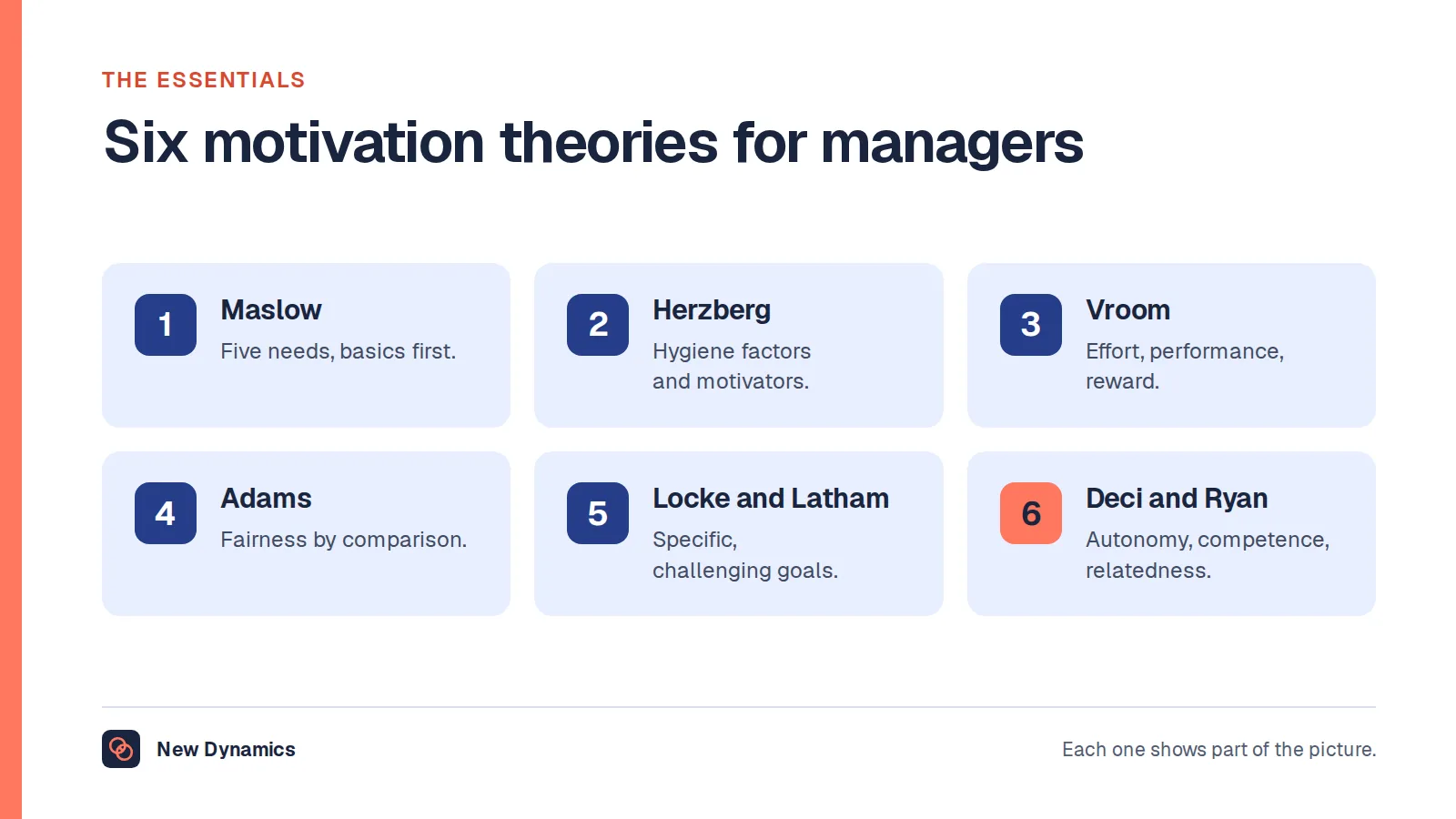
For the wider set of ideas about why people put effort in, our post on motivation theories covers six that managers use.
What does instant gratification mean?

Instant gratification is the wish to have a reward or a pleasure immediately, and the habit of choosing it over a larger or more useful reward that would arrive later. Scrolling a phone instead of finishing a report, spending a bonus the day it lands, or taking the easy task first are everyday examples.
Delayed gratification is the opposite: resisting the smaller reward now so that you get the bigger one later. Psychologists treat it as a form of self-control. The landmark paper on the subject, by Walter Mischel and colleagues in the journal Science, opens by saying that "individuals must voluntarily postpone immediate gratification and persist in goal-directed behavior for the sake of later outcomes."
Two points are easy to miss:
- Wanting something now is not a flaw. A reward that arrives soon is easier to connect to the effort that earned it. That is why timely praise works better than praise months later.
- The choice depends on the situation as much as the person. Whether waiting feels worth it depends on how much you trust the later reward to arrive, and how clearly you can see it.
The marshmallow test, and what it really showed
The research most people have heard of is the "marshmallow test". Young children were offered one treat now, or two if they could wait alone for a while. Mischel's team reported that "Those 4-year-old children who delayed gratification longer in certain laboratory situations developed into more cognitively and socially competent adolescents", with better results at school and better coping with stress.
That finding became a popular story about willpower predicting success. Later work complicated it. A 2018 study by Tyler Watts, Greg Duncan and Haonan Quan, described by the Association for Psychological Science, examined "longitudinal data from more than 900 children", a larger and more varied group than the original studies. The researchers found that "the association was small", and that it largely "disappeared after the researchers controlled for characteristics of the child's family and early environment".
The fair reading for a manager is modest. Whether someone waits depends heavily on their circumstances and on whether they expect the later reward to turn up. A child who has learned that promises are not kept is being sensible, not impulsive, when they take the treat now. Adults at work are no different.
Instant gratification at work
The same pull shows up in ordinary working life, often in ways that look like performance problems:
- Quick tasks crowd out important ones. Answering messages feels productive; the strategy paper does not, until it is due.
- Short-term targets beat long-term goals. If the only measures anyone checks are weekly, the twelve-month objective quietly slides.
- Recognition that arrives late does little. Thanks at an annual review for something done in spring barely registers.
- Development loses to delivery. Learning a new skill pays off in a year; today's deadline pays off today.
None of these is solved by telling people to be more disciplined. They are solved by changing what people can see and when.
How to use the idea well as a manager

Give feedback close to the work
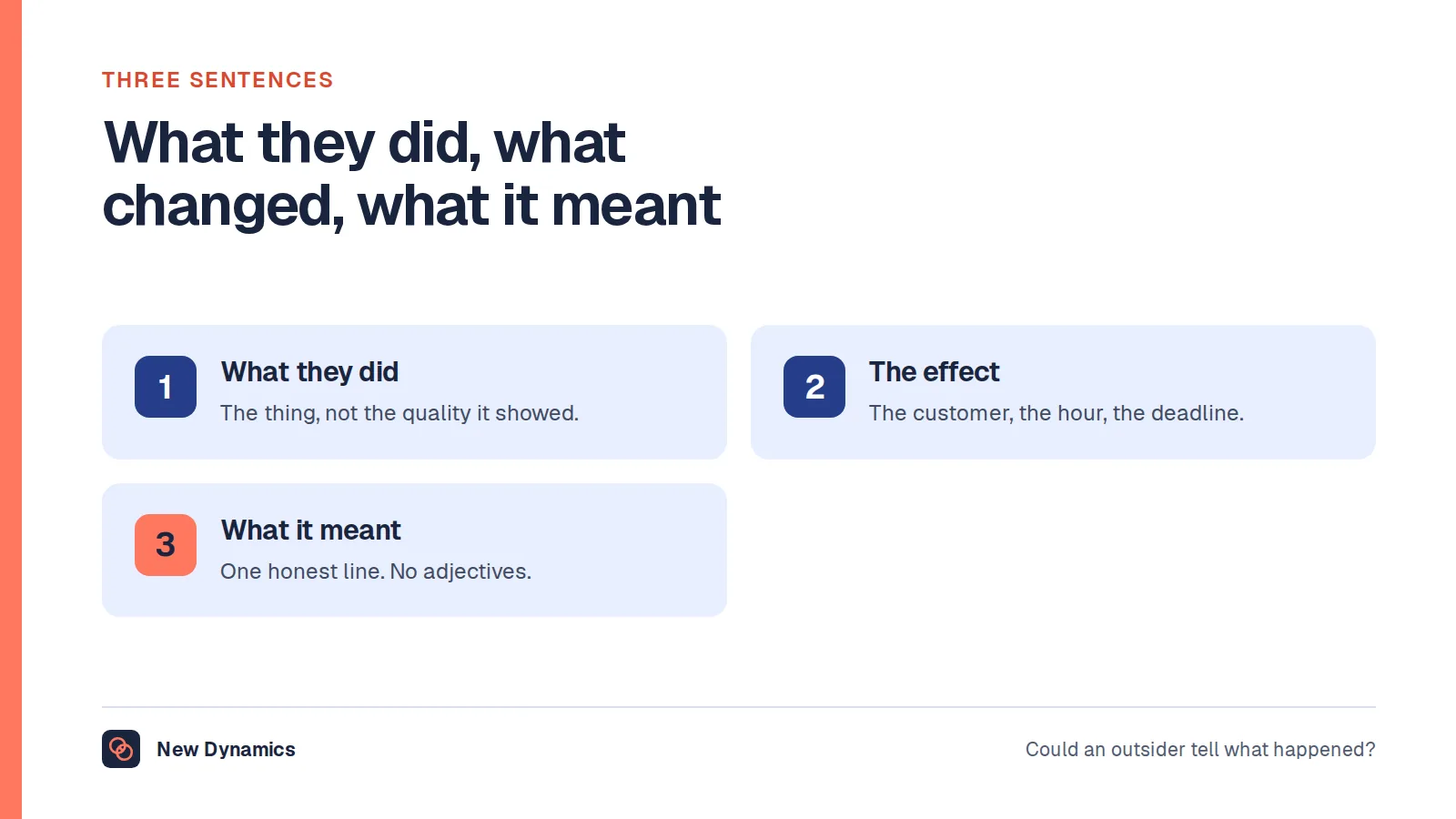
Acas advises that managers "should still talk to employees informally about their performance on a regular basis", even where there is a formal review. Feedback given within days of the work connects to the effort in a way that a year-end comment cannot. Our post on recognition messages has examples of what to say in the moment.
Make long goals show progress
Break a year-long objective into milestones that can be seen and ticked off each month or quarter. The reward for progress then arrives during the year, not only at the end of it, and the person can tell early if they are off course.
Keep promises about later rewards
Delayed gratification only makes sense if people believe the later reward will arrive. If a promised development opportunity or pay review keeps slipping, people learn to take what they can get now. Reliability is the foundation; everything else depends on it.
Avoid designing for quick wins only
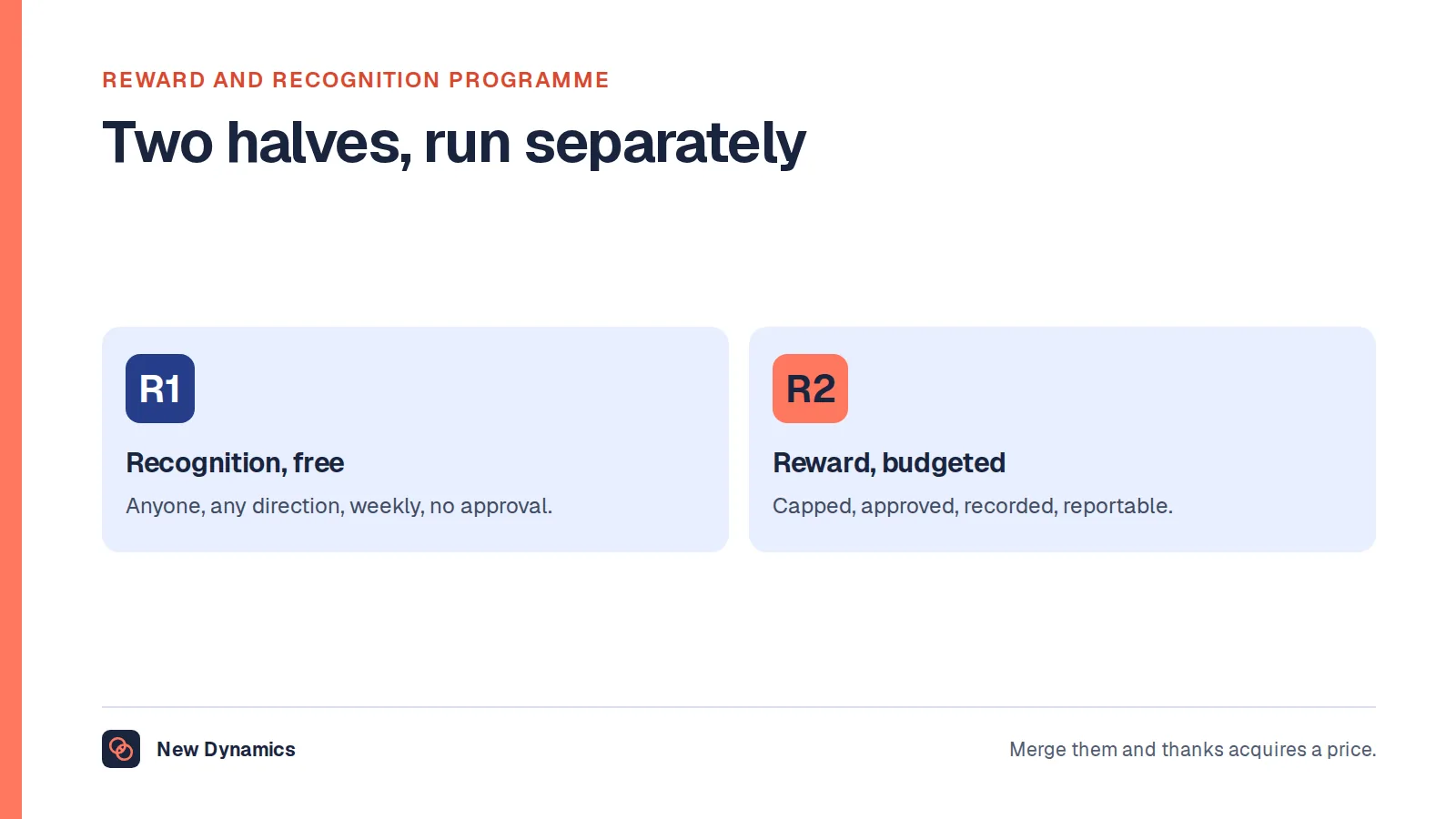
Instant rewards can be overdone. If every recognition scheme rewards visible, short-term output, the long, invisible work (mentoring, quality, maintenance) loses out. Recognise effort on long projects at their milestones, not only at launch. Our post on reward and recognition programmes covers keeping a scheme fair.
Protect time for the important work
Block time for the tasks that pay off later, and agree with the team which messages can wait. A tool that pings every few minutes trains everyone to choose the instant over the important.
Examples of instant and delayed gratification at work
- Instant: clearing the inbox before starting the hard task. Delayed: starting the hard task first and checking messages at lunch.
- Instant: a manager fixing a problem themselves because it is quicker. Delayed: coaching the team member through it so it does not come back.
- Instant: promoting the person who delivered this quarter. Delayed: weighing the person whose work will matter over several years.
- Instant: skipping the one-to-one because the week is busy. Delayed: keeping it, because the issue raised in it would have cost a month later.
These examples show the trade-off; they are not rules. Sometimes the quick option is the right one; the point is to choose it rather than drift into it.
Frequently asked questions
What is the meaning of instant gratification?
Instant gratification is wanting a reward or pleasure straight away, and choosing it over a larger or more useful reward that would come later. Everyday examples include scrolling a phone instead of finishing a task, or spending money as soon as it arrives.
What is the difference between instant and delayed gratification?
Instant gratification takes the smaller reward now. Delayed gratification waits for a larger or better reward later. Psychologists treat the ability to delay as a form of self-control, though whether someone waits also depends on whether they trust the later reward to arrive.
What did the marshmallow test show?
Mischel's original research linked waiting longer as a four-year-old with better outcomes as an adolescent. A larger 2018 replication by Watts, Duncan and Quan found the link was small and largely disappeared once family background and early environment were controlled for.
Is instant gratification always bad?
No. Rewards that arrive soon are easier to connect with the effort behind them, which is why timely feedback and recognition work well. The problem is only when the quick reward consistently crowds out more important work that pays off later.
How can managers reduce instant gratification at work?
Give feedback close to the work, break long goals into visible milestones, keep promises about later rewards, recognise long-term effort as well as quick wins, and protect time for important tasks so they are not crowded out by constant messages.
Your next step: make progress visible before the review
- Pick one long objective in your team and split it into three or four visible milestones.
- Book a short check-in at each milestone, and give feedback there rather than saving it for the year end.
- Recognise one piece of slow, long-term work this month, in specific terms.
- List any promised later rewards that have slipped, and either deliver them or say plainly what has changed.
For more on giving thanks that lands at the right moment, read and download our employee recognition guide. The guide is free to read, and the PDF uses our short download form.
Want goals and feedback to show progress all year? Book a New Dynamics demo and bring one objective you would like to track. You can also email contact@new-dynamics.com.