TL;DR
- A strikebreaker is someone who continues to work during a strike or who takes the job of a worker who is on strike. Strikebreaking is the practice, whether by individual workers, replacement staff or an employer's arrangements to keep operating.
- Scab and blackleg mean the same thing and are insults. The word matters because a strike is a collective act, and crossing it is felt by colleagues as a betrayal even where it is entirely lawful.
- In Great Britain, workers have the right to go to work during a strike, pickets may not stop them, and workers in lawful official action are protected from dismissal for twelve weeks. The rules on replacing strikers differ by country and change, so check the current law.
Few words in working life carry as much weight as this one. To one colleague a strikebreaker is a person exercising a right; to another, a traitor. Both may work on the same team the week after the strike ends, which is why managers need to understand the word before they need it.
This article gives the meaning of strikebreaker, explains why scab and blackleg are fighting words, sets out what the law in Great Britain says about working, picketing and dismissal during a strike, and offers advice for managers on holding a workplace together during and after industrial action.
A strike is what happens when the everyday channels have failed. See how New Dynamics continuous feedback gives every employee a regular voice, so that concerns are heard long before they reach a ballot.
What is a strikebreaker?
The Cambridge Dictionary defines a strikebreaker as “someone who continues to work during a strike or who takes the job of a worker who is involved in a strike”. Strikebreaking is the practice.
That definition contains three different situations.
- Workers who cross the picket line. Employees of the striking workplace who choose to work, whether because they disagree with the strike, cannot afford to lose pay, are not union members or simply want to.
- Replacement workers. People brought in from outside to do the strikers' work for the duration, or permanently.
- The employer's arrangements. Reorganising work, moving managers onto the front line or using other sites so that the operation continues.
The first is a personal decision. The second and third are management decisions, and the law treats them differently from country to country.

Scab, blackleg and why the word is loaded
Cambridge marks its entries for the two older words as disapproving. A scab, in the informal sense, is “an insulting word for a person who continues working while other people in the same organization are on strike”. A blackleg is “a person who works while others that they work with are on strike”, and Cambridge gives strikebreaker as its synonym.
The heat comes from what a strike is. Striking workers give up pay in the expectation that everyone gives it up together, so that the employer feels the loss. Each person who works reduces that loss and lengthens the strike for the rest. The resentment is not about the law. It is about a shared sacrifice that one person declined to share.
Managers should use the neutral word, strikebreaker, or better still describe the situation, such as “colleagues who worked during the strike”. Using or tolerating scab in the workplace, before or after a strike, can amount to bullying of the people it is aimed at, and should be treated as such.
What the law says in Great Britain
GOV.UK's guide to taking part in industrial action and strikes sets out the position for workers, and the points below summarise it. This is general information, not legal advice, and the law differs in Northern Ireland and elsewhere.
- You can work during a strike. GOV.UK's page on going on strike and picketing states: “Pickets must not prevent people from going to work or doing their usual work if they want to do so.” Pickets may ask people not to go in, but the choice is the worker's.
- Strikers are protected from dismissal, for a time. GOV.UK's page on your employment rights during industrial action says that you cannot be dismissed for industrial action if it follows a properly organised ballot, is about a trade dispute with your employer and the required notice has been given. It adds: “After 12 weeks, you can be dismissed if you take industrial action and your employer has tried to settle the dispute.”
- Strikers usually lose pay. The same page says that if you take industrial action you will probably have broken your employment contract and your employer “is unlikely to pay for the work you did not do when you took industrial action”.
- Non-members are protected too. GOV.UK says that non-union members who take part in legal, official industrial action have the same rights as union members not to be dismissed for it.
- Picketing has limits. It is a criminal offence for pickets to use threatening or abusive behaviour or to block people or vehicles trying to get into the workplace, and the Code of Practice on picketing says there should usually be no more than six people outside an entrance.
Acas, the public body that advises on workplace relations, adds in its guidance on strikes and industrial action that if action takes place without a legal ballot, workers would not be protected from unfair dismissal if they took action.
Replacing strikers. Whether an employer may bring in agency workers or other replacements to cover a strike is governed by specific regulations, and those regulations change. Do not rely on a summary. Take advice on the rules in force at the time.

Advice for managers
Managers rarely decide whether there is a strike. They always decide what the workplace is like afterwards.
- Do not ask people to cross the line. Give factual information about pay and the law. Pressure, promises or threats to individuals invite legal claims and destroy trust.
- Do not reward or punish either side. Working or striking must make no difference to rotas, overtime, promotion or appraisal afterwards. Acas describes worse treatment for taking part in official action as a detriment, with examples including being overlooked for promotion or having hours reduced without good reason.
- Protect people from abuse. Insults aimed at those who worked, or at those who struck, are bullying. Act on them.
- Keep the record straight. Note who was absent on which days for pay purposes, and nothing else.
- Talk about it afterwards, once. Acknowledge that the dispute was hard, restate the standards of behaviour, and then get back to work.
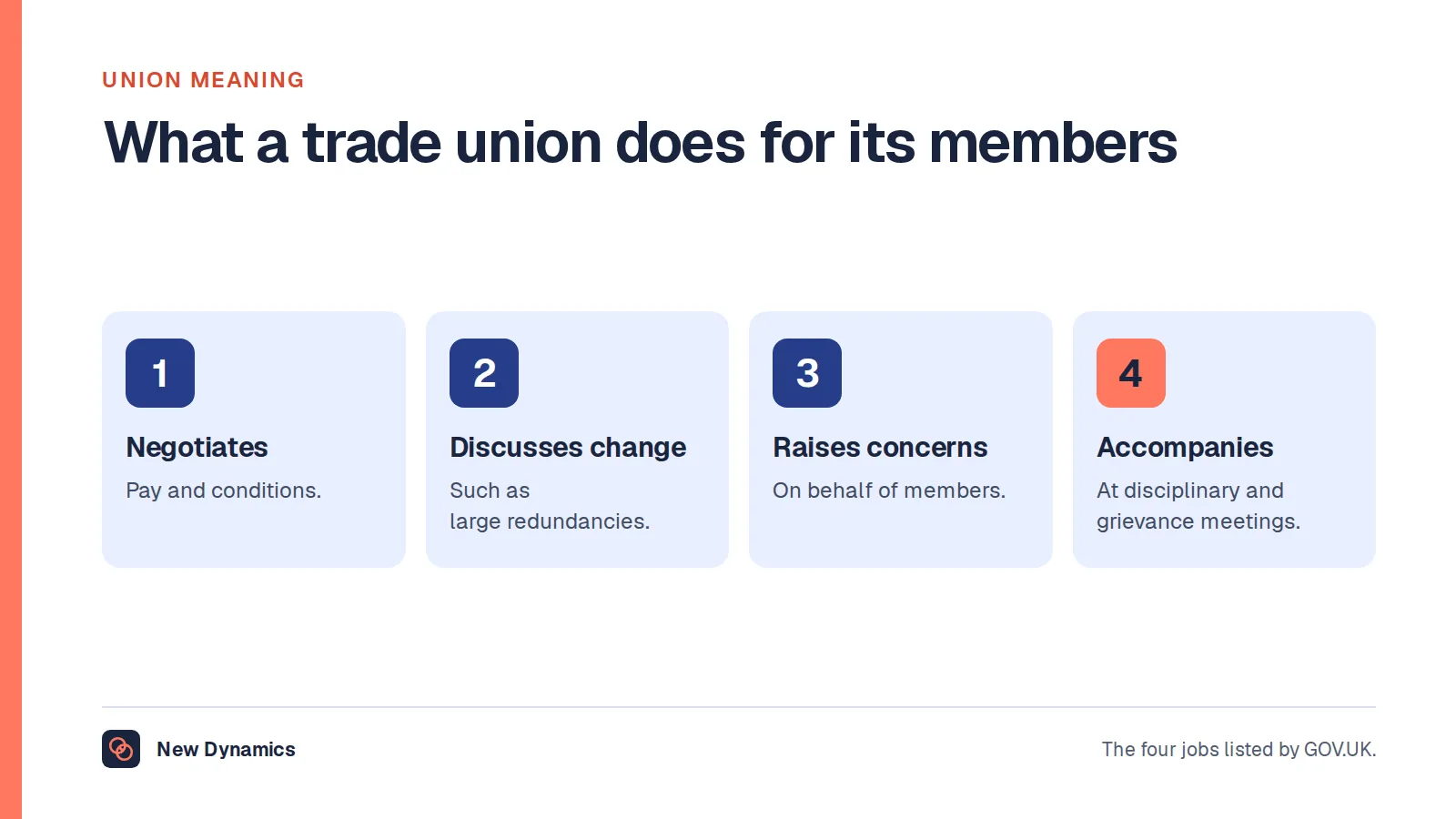
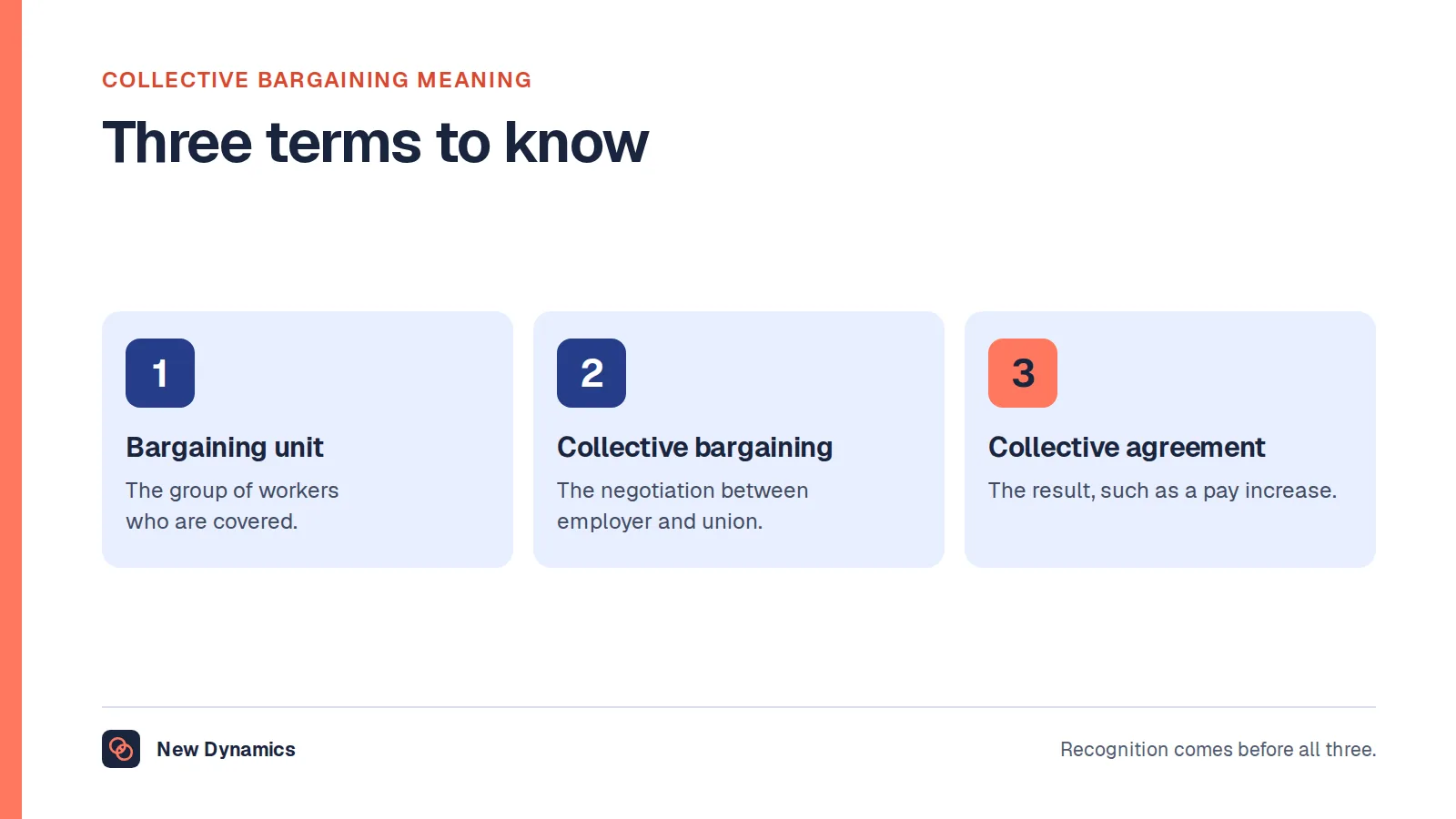
- Fix what caused it. A strike is a symptom. Our guide to collective bargaining explains the process that should have prevented it, and our guide to the meaning of a trade union explains the other side of the table.

Frequently asked questions
What is a strikebreaker?
A strikebreaker is someone who continues to work during a strike or who takes the job of a worker who is on strike. The word covers employees who cross the picket line, replacement workers brought in from outside and, more loosely, an employer's arrangements to keep operating.
What does strikebreaking mean?
Strikebreaking means working, or arranging for work to be done, during a strike so that the employer can keep operating. It can describe an individual's choice to work or an employer's use of replacement staff.
Is scab the same as strikebreaker?
Yes in meaning, no in tone. Scab and blackleg are insulting words for a strikebreaker, marked as disapproving by the dictionary. Strikebreaker is the neutral term, and managers should use it or simply describe the situation.
Can I go to work during a strike in the UK?
Yes. In Great Britain, pickets may ask you not to go in, but GOV.UK states that they must not prevent people from going to work or doing their usual work if they want to. You cannot lawfully be stopped from crossing a picket line.
Can you be sacked for going on strike in the UK?
Not for taking part in lawful, official industrial action within the first twelve weeks, provided the union held a proper ballot and gave the required notice. GOV.UK says that after twelve weeks you can be dismissed if your employer has tried to settle the dispute, and that action without a legal ballot is not protected.
Can an employer replace striking workers?
The rules on using agency workers or other replacements during a strike differ between countries and change over time. Employers should take advice on the regulations in force rather than rely on a general summary.
Your next step
If you manage a team where industrial action is possible, decide now what you will say about working during a strike, and what you will do about insults afterwards. Both are easier to settle before anyone is angry.
For a written standard of behaviour that covers disputes as well as ordinary days, read and download our employee handbook guide. The guide is free to read, and the PDF uses our short download form.
Want concerns to reach managers long before a ballot? Book a New Dynamics demo and bring your current approach. You can also email contact@new-dynamics.com.