TL;DR
- Absence management is how an organisation plans for, records and responds to time off work, so that people are supported and the work is covered. Absenteeism is the pattern of people not being at work when they should be.
- A good absence policy says how to report absence, how contact is kept, what is paid, what support is available and what happens on return. Acas lists nine points to consider.
- The most useful tool is a short, kind return to work conversation after every absence. Look for causes, not culprits. Work-related stress and disability are often behind a pattern.
Every organisation has absence. People fall ill, children fall ill, trains fail and relatives die. The question is never whether absence happens. It is whether the organisation handles it in a way that is fair to the person who is off, and fair to the colleagues who cover.
This article explains what absence management means, defines absenteeism, sets out what an absence policy should cover, shows how to measure absence, gives a six-step process and lists the mistakes that make absence worse. The official sources quoted describe Great Britain, and the article is general information, not legal advice.
Absence is often a signal about workload or wellbeing, and the place to pick it up is a regular conversation. See how New Dynamics continuous feedback supports check-ins between managers and their teams.
What is absence management?
Absence management is the set of policies, records and conversations that an organisation uses to plan for time off, respond when people are away and help them to return.
The CIPD's factsheet on absence management states the aim: “An effective absence management framework should support employees' health needs while providing clear and consistent guidance to avoid unauthorised absence or inappropriate use of sick pay schemes.”
That sentence holds the balance. Absence management is part support and part consistency. Lean too far one way and nobody addresses a real problem. Lean too far the other and sick people drag themselves in, which is known as presenteeism.
What does absenteeism mean?
The Cambridge Dictionary defines absenteeism as “a situation in which people are not at school or work when they should be”.
In HR the word usually means a pattern: frequent, often short, often unplanned absence, as opposed to a single illness or an agreed period of leave. It is a description of what is happening. It is not a diagnosis of why, and it should never be used as a label for a person.
Types of absence
| Type | Examples | Usually planned? |
|---|---|---|
| Holiday | Annual leave, bank holidays | Yes |
| Family and care | Maternity, paternity, adoption, parental and bereavement leave, time off for dependants | Some |
| Medical appointments | Doctor, dentist, hospital, antenatal | Usually |
| Short-term sickness | Colds, migraines, minor injuries | No |
| Long-term sickness | Surgery, serious illness, mental health conditions | Partly |
| Disruption | Severe weather, transport failure | No |
| Unauthorised | Not turning up, with no contact or agreed reason | No |
Acas makes the same distinction in its guidance on absence from work: some types of absence “can usually be planned in advance”, and others “may happen unexpectedly”. Each needs a different response, which is why one blunt rule for all absence works badly.
What an absence policy should cover
Acas says that having absence policies can “help everyone understand their responsibilities” and “support employers to manage absence consistently”. It lists what to consider including:
- how workers should book planned absences;
- how workers should report unplanned absences;
- how you handle unauthorised absence and lateness;
- whether you use a trigger point system, and how this works;
- how workers should keep in touch during absence;
- support available to workers while they are off;
- what to do if someone needs time off for reasons related to a disability;
- support available for workers returning to work after absence;
- what you will pay during absence, such as sick pay or holiday pay.
Some parts are fixed by law. Acas names statutory sick pay, fit notes and time off for dependants. On fit notes, GOV.UK's guide to taking sick leave says that employees must give their employer a fit note “if they have been ill for more than 7 days in a row and have taken sick leave”, and that this count “includes non-working days, such as weekends and bank holidays”.
Put the policy in the staff handbook. Our employee handbook guide explains how to keep policies short and usable.
Absence management in six steps
- A clear policy. Written, short and known to every manager and employee.
- Easy reporting. Say whom to call, by when and what to tell them. A call to the manager works better than a text to a colleague, because it starts a conversation.
- Keep in touch. Acas advises that employers and employees “should agree on how to stay in touch during absence and how much contact is reasonable”. Contact is about wellbeing and support. It is not a check on whether the person is really ill.
- A return to work conversation after every absence. Acas says that it “is often just an informal chat between an employee and their line manager”. It is a chance to make sure that the employee is ready to return, to share updates and to “see if they need any support”.
- Record and review. The Health and Safety Executive advises employers to “record and monitor sick leave to help you identify trends and manage risk”.
- Support and adjust. HSE suggests considering workplace adjustments such as “shorter hours, flexible or part-time working, or adapting work equipment”, and getting professional advice, for example from occupational health.
HSE's page on managing sick leave and return to work also says that employers should “train your managers how to manage sick leave and return to work”. That matters, because line managers hold nearly every conversation in this process.

How to measure absence
Two measures cover most needs.
Absence rate. The share of working time lost.
Absence rate = (days lost to absence ÷ total available working days) × 100
If a team of 10 people had 2,200 available working days in a year and lost 66 to absence, the rate is 3%. The figures are an illustration.
Frequency. The number of separate spells of absence per person. Two people can both lose ten days a year, one in a single spell after an operation and the other in ten separate days. They need different conversations.

Some organisations combine the two in a trigger point, such as three spells in six months, which prompts a review. Others use the Bradford Factor, a score that multiplies the square of the number of spells by the total days lost, so that frequent short absences score highly.
Use any trigger with care. A trigger should start a supportive conversation, not an automatic warning. Absence related to a disability or to pregnancy needs separate consideration, and Acas's list above asks employers to decide in advance what to do in those cases. Applied mechanically, a scoring system can penalise exactly the people whom the law protects.
Look for causes, not culprits
Acas advises that an employer “should also look out for signs of underlying problems causing an employee's absence”, and gives two examples: work-related stress and a disability. It adds that the employer “should be sensitive and understanding”, and that an employee “does not have to tell them anything”.
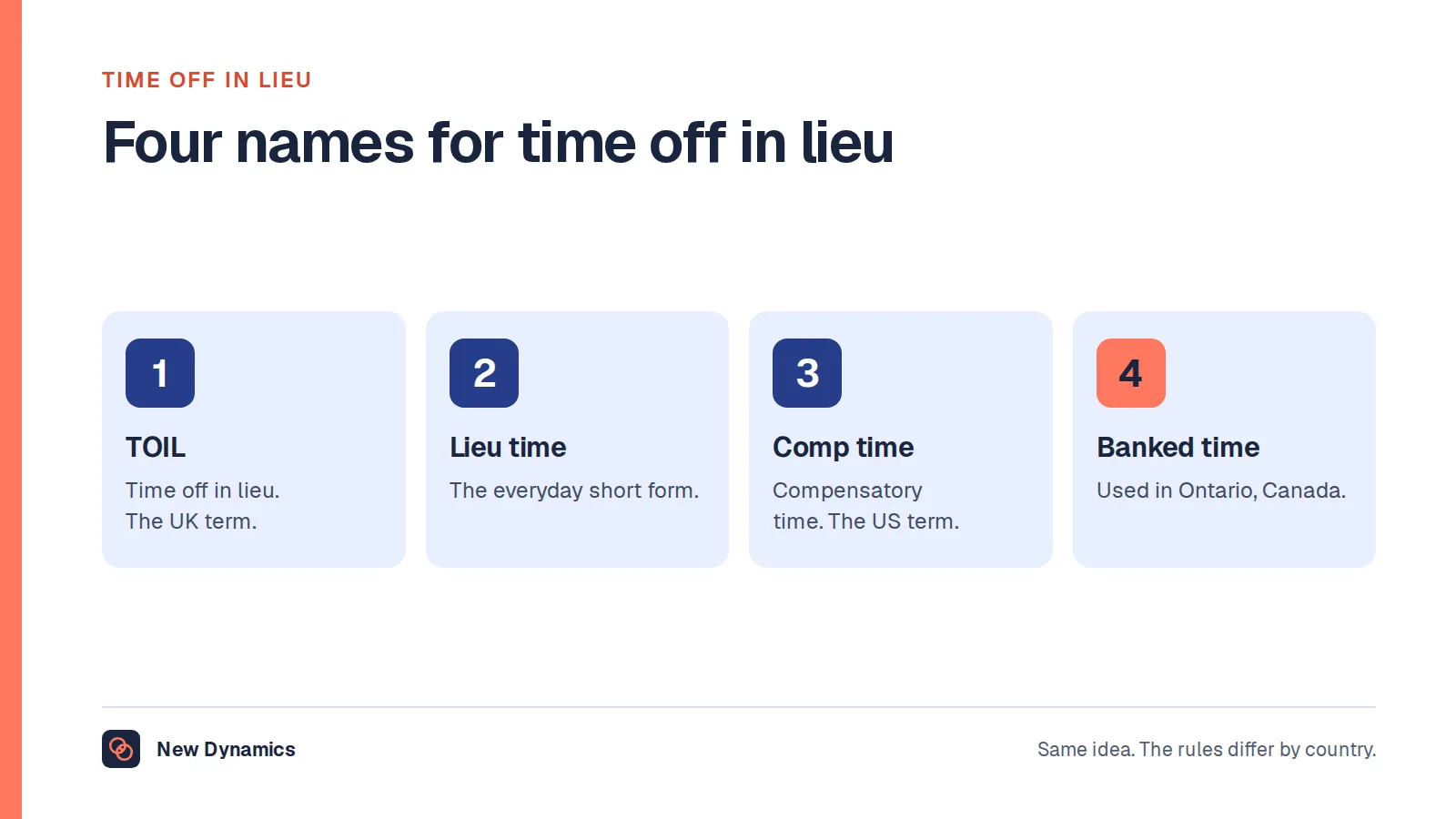
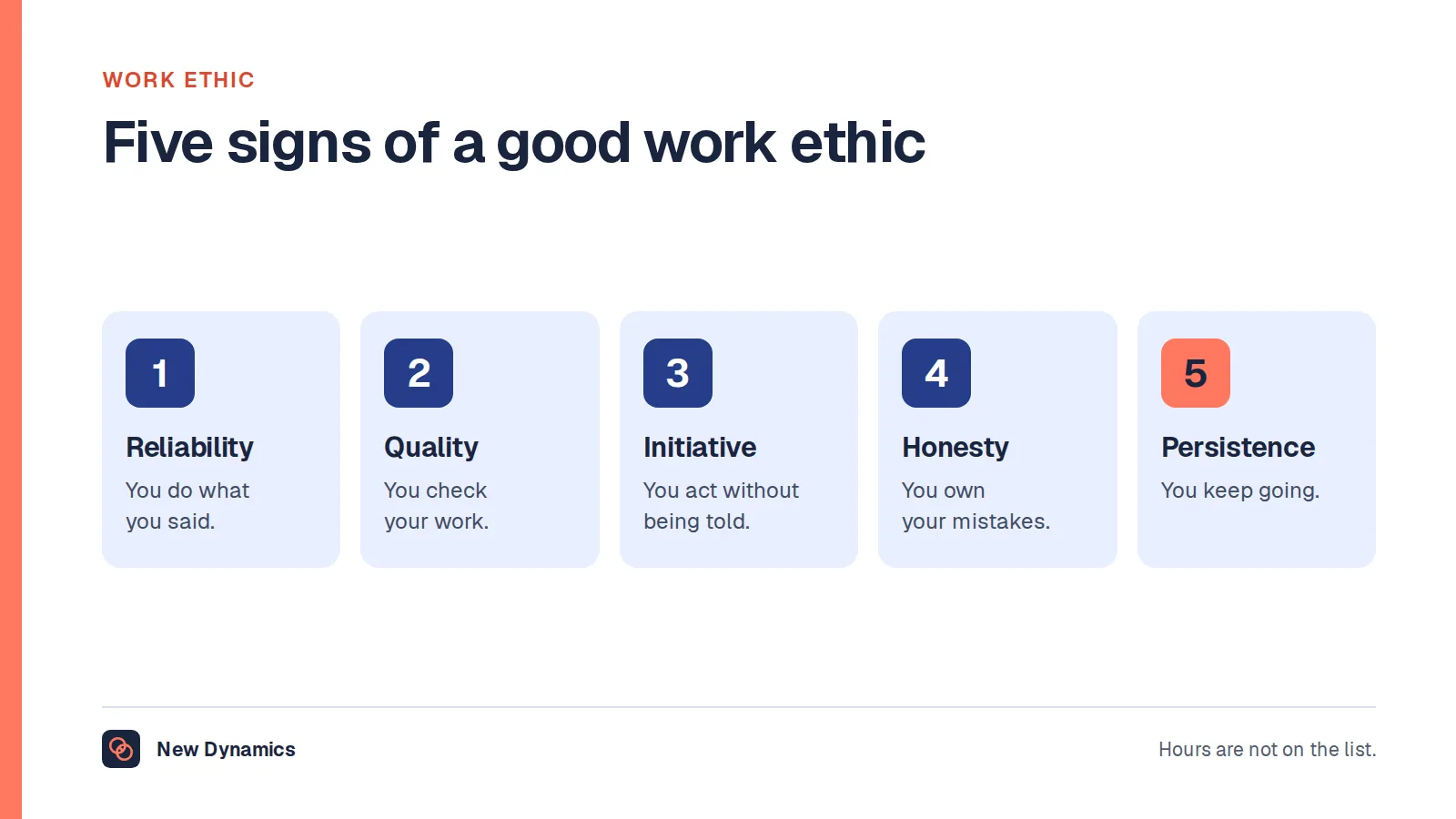
Common causes that a manager can do something about include workload, conflict with a colleague or manager, a caring responsibility that clashes with shift times, an unmanaged health condition and a job that has become dull. Our guides to work ethic and time off in lieu cover two of the conversations that often follow.
When the absence itself is long-term, HSE's advice is to keep in contact, “ensuring the conversation remains focused on their health, safety and wellbeing and their return to work”, and to plan adjustments early. A phased return, in which hours build up over a few weeks, is a common arrangement.

Common mistakes
Doing nothing until it is a crisis. A kind conversation after the second absence prevents a formal one after the tenth.
Skipping return to work conversations for short absences. One-day absences are where patterns show.
Treating every absence alike. Bereavement, a broken leg and an unexplained Monday are different things.
Letting managers improvise. Without training and a policy, similar cases get different treatment, and people notice.
Rewarding attendance. Bonuses for never being off encourage people to work while ill, and may disadvantage disabled employees and carers.
Measuring without acting. A dashboard of absence rates changes nothing. The conversations do.
Frequently asked questions
What is absence management?
Absence management is how an organisation plans for, records and responds to time off work. It includes an absence policy, reporting rules, keeping in touch, return to work conversations, records and support, so that people are treated fairly and the work is covered.
What does absenteeism mean?
Absenteeism is a situation in which people are not at work when they should be. In HR it usually refers to a pattern of frequent, often short and unplanned absence, as opposed to a single illness or an agreed period of leave.
What should an absence policy include?
Acas suggests covering how to book planned absence and report unplanned absence, how unauthorised absence is handled, any trigger points, keeping in touch, support while off and on return, absence related to disability, and what is paid.
What is a return to work meeting?
It is a conversation between an employee and their manager after an absence. Acas describes it as often just an informal chat, used to check that the person is ready to return, share updates, offer support and agree a plan such as a phased return.
How do you calculate an absence rate?
Divide the days lost to absence by the total available working days, and multiply by 100. For example, 66 days lost out of 2,200 available days is an absence rate of 3%. Track the number of separate spells as well as the total days.
What is the Bradford Factor?
It is a score that multiplies the square of the number of absence spells by the total days lost, so that frequent short absences score highly. Use it only to prompt a conversation, and take care with absence related to disability or pregnancy.
Your next step: hold the conversation
- Find your absence policy, and check it against the nine points above.
- Ask your managers whether they hold a return to work conversation after every absence, including single days.
- Look at last year's records for patterns by team, and ask what is behind the highest.
- Give managers a short guide to the conversation, and practise it with them.
For help with turning policies like this into a handbook that people read, read and download our employee handbook guide. The guide is free to read, and the PDF uses our short download form.
Want regular check-ins where workload and wellbeing are discussed before they become absence? Book a New Dynamics demo and bring your current approach. You can also email contact@new-dynamics.com.