TL;DR
- Blue collar describes work that is mainly manual or physical, such as the skilled trades, construction, manufacturing, transport and maintenance. The Cambridge Dictionary defines blue-collar workers as people who “do work needing strength or physical skill rather than office work”.
- It is an informal label. Official job classifications do not use it, and it says nothing reliable about skill, pay or education. Many blue collar jobs need years of training.
- Manual and frontline employees need the same things from an employer as anyone else: safe work, fair pay, clear goals, feedback, recognition and a route to progress. They are the people most often left out of HR programmes designed around a desk.
The electrician who rewires your office, the driver who delivers your stock and the technician who keeps the production line running are all, in everyday language, blue collar workers. The phrase is an old habit of speech, and it carries assumptions that are often wrong.
This article explains what blue collar means and where the term comes from. It gives examples of blue collar jobs, compares blue collar with white collar work and sets out what employers should do for a manual workforce.
People who do not work at a desk still need clear goals and regular recognition. See how New Dynamics employee recognition makes thanks specific and visible across the whole organisation.
What does blue collar mean?
Blue collar describes work that is mainly manual or physical, and the people who do it. The Cambridge Dictionary's entry for blue-collar puts it simply:
“Blue-collar workers do work needing strength or physical skill rather than office work.”
The same dictionary defines white-collar as “relating to people who work in offices, doing work that needs mental rather than physical effort”.
The usual explanation of the term is the clothing. Manual workers traditionally wore hard-wearing blue or dark work clothes, such as denim and boiler suits, which hid dirt. Office workers wore white shirts. The colours became shorthand for two kinds of work.
Three points about the label are worth keeping in mind.
- It is informal. It is a figure of speech, and no law or official classification uses it.
- It applies to anyone. The term describes the work. It says nothing about the worker's sex. Women work in the trades, in logistics and in manufacturing, as men do in offices.
- It is a broad brush. A self-employed master plumber and a temporary warehouse operative are both called blue collar, and their working lives have little in common.
Examples of blue collar jobs
| Kind of work | Example jobs |
|---|---|
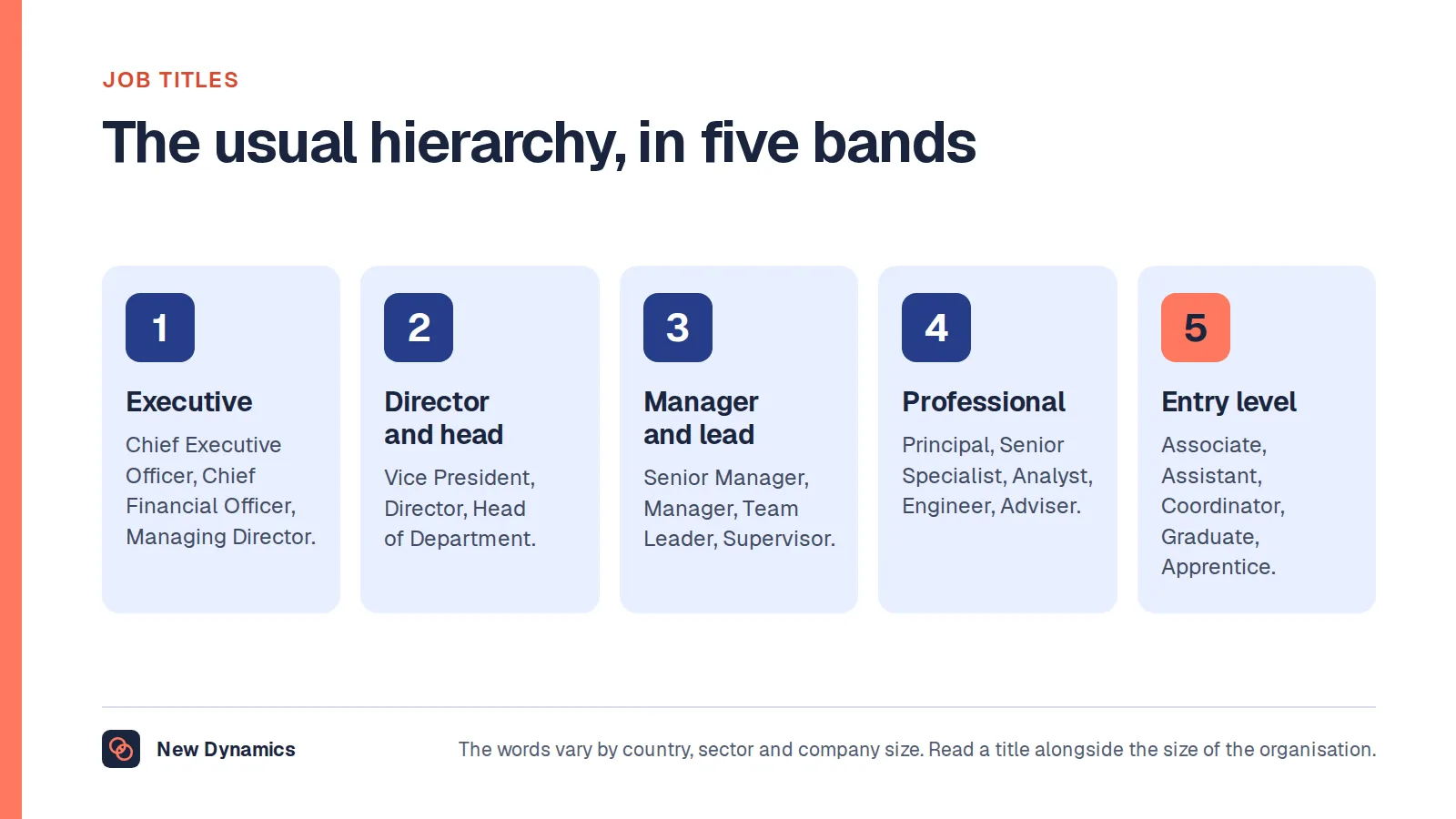
| Skilled trades | Electrician, plumber, carpenter, welder, bricklayer, vehicle technician, toolmaker |
| Construction | Site operative, scaffolder, roofer, plant operator, steel fixer |
| Manufacturing and production | Machine operator, assembler, process operative, quality inspector, fitter |
| Transport and logistics | Lorry driver, bus driver, forklift operator, warehouse operative, courier |
| Maintenance and utilities | Maintenance engineer, gas engineer, line worker, water treatment operative, refuse collector |
| Land and sea | Farm worker, groundskeeper, forestry worker, deckhand |
Official statistics classify these jobs by skill and training, without any collar. The UK's Office for National Statistics uses the Standard Occupational Classification 2020, which has nine major groups. Most of the jobs above fall into three of them: skilled trades occupations; process, plant and machine operatives; and elementary occupations.
The ONS description of the skilled trades group is a useful corrective to the idea that manual means unskilled. It says that these occupations need “a substantial period of training, often provided by means of a work based training programme”.

Blue collar vs white collar
| Blue collar | White collar | |
|---|---|---|
| Nature of the work | Mainly manual or physical | Mainly office, administrative or professional |
| Typical setting | Site, factory, workshop, vehicle, outdoors | Office, or home |
| Typical pay basis | Often hourly, with overtime and shift premiums | Often an annual salary |
| Training route | Often apprenticeships, licences and tickets | Often academic or professional qualifications |
| Working time | Often shifts, with fixed start and finish times | Often standard hours, with more flexibility |
| Working from home | Rarely possible | Often possible |
Every row has exceptions. These are tendencies, and nothing more.
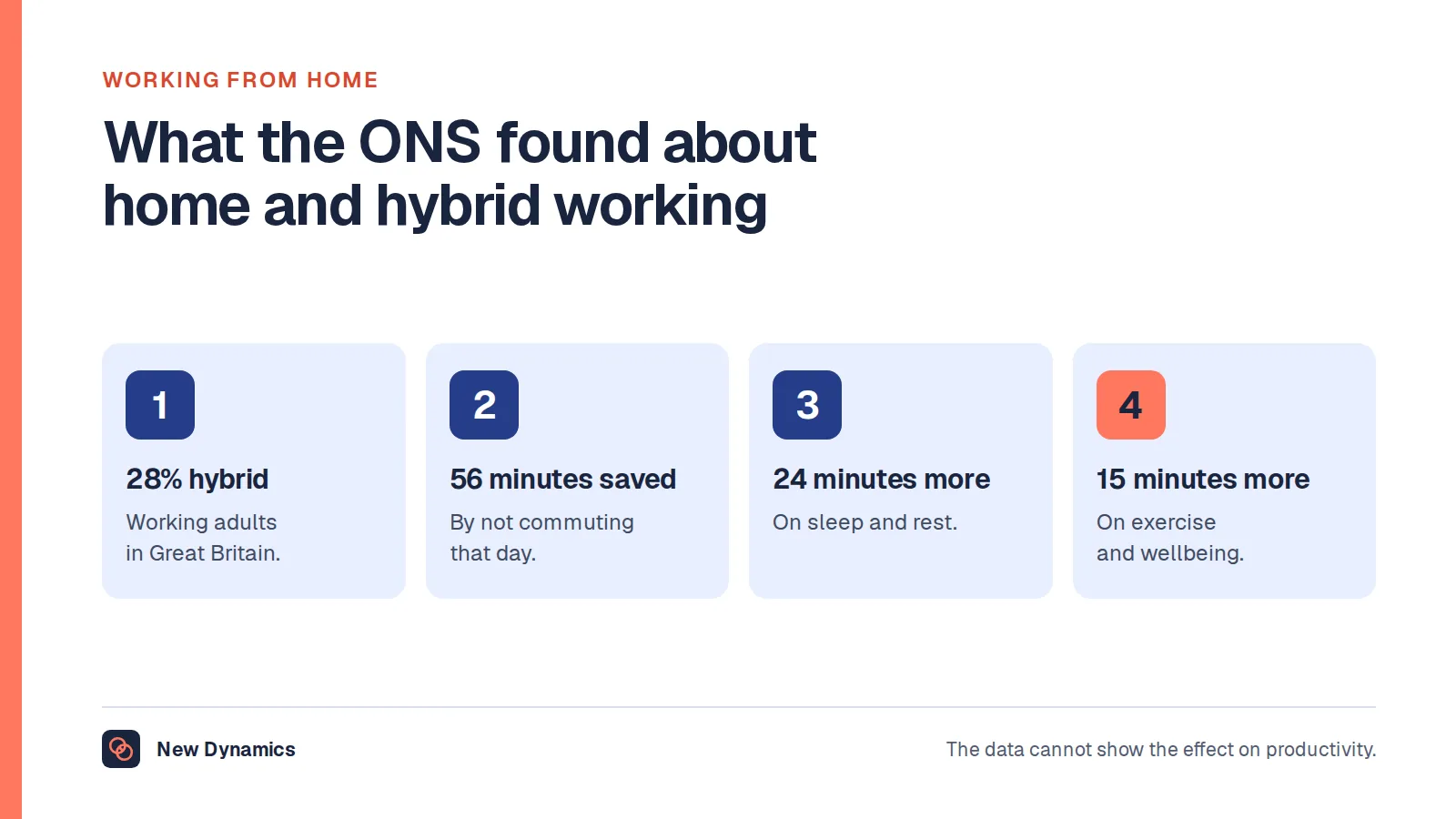
On the last row, the UK's Office for National Statistics found in 2024 that 45% of managers, directors and senior officials followed a hybrid working pattern, compared with 3% of people in elementary occupations. We look at what that means for fairness in our article on the benefits of working from home.
Other collars
You may meet other colours. The Cambridge Dictionary lists pink-collar as a mainly American term, traditionally used for service and care jobs done largely by women. Writers have coined others, such as grey collar for work that mixes manual and technical skills, and green collar for environmental jobs. None has a fixed definition, and all are journalistic shorthand.
Why the line is blurring
- Technology. A modern vehicle technician works with diagnostic software. A machine operator may program the machine. Much manual work is now technical work.
- Skills and pay. Experienced tradespeople can earn more than many office workers.
- Status. The old assumption that office work ranks above manual work has less and less to support it.
- Language. Many employers now say frontline, operational, deskless or skilled trades. Those words describe the work without the baggage.
Whether to use the term at all is a fair question. It is widely understood and not offensive in itself, but it can carry a note of condescension. In job adverts and policies, it is usually better to name the work: “our engineers and warehouse team” says more than “our blue collar staff”.

What employers owe a manual workforce
Many HR programmes are designed by people at desks, for people at desks. They arrive by email, assume a laptop and take place in working hours that suit an office. Manual and frontline employees are then described as “hard to reach”, when the programme never set out to reach them.
Six things make the difference.
- Safety first. Physical work carries physical risk. Safe systems, proper equipment, training and the confidence to stop a job are the foundation of everything else.
- Communication that reaches people. Not everyone has a work email address or sits at a screen. Use briefings at the start of a shift, noticeboards, a mobile app or text messages, and supervisors who pass information both ways.
- Supervisors who can manage. The first-line supervisor is the employer, as far as most frontline staff are concerned. Train them to give feedback, listen and deal with problems fairly. See our good manager qualities.
- Goals, feedback and recognition. A short, regular conversation about how the work is going matters as much on a site as in an office. Recognise skill and care, as well as speed. Our employee recognition ideas include many that need no screen.
- Routes to progress. Apprenticeships, licences, multi-skilling and steps into supervision, planning or training roles. See our guide to employee training and development programs.
- Fair treatment alongside office staff. If head office gains flexibility, ask what the depot gains. Predictable rotas, shift swaps, a say over start times and equal access to benefits all count.

Common mistakes
Assuming low skill. A label about clothing says nothing about ability.
Treating the workforce as one group. A craftsperson with thirty years' experience and a seasonal picker need different things.
Excluding people from surveys and reviews because they are harder to reach. Their views are often the most useful that you will get. See our workplace engagement survey questions.
Measuring only output. Pieces per hour matter. So do quality, safety and helping colleagues.
Two-tier benefits. Different pension, sick pay or holiday terms for “staff” and “works” breed resentment that lasts for decades.
Talking about “the shop floor” from a distance. Go and see. Our guide to management by wandering around explains how.
Frequently asked questions
What does blue collar mean?
Blue collar describes work that is mainly manual or physical, and the people who do it. The Cambridge Dictionary defines blue-collar workers as people who do work needing strength or physical skill rather than office work.
What are examples of blue collar jobs?
Examples include electricians, plumbers, carpenters, welders, vehicle technicians, machine operators, assemblers, construction workers, lorry and bus drivers, warehouse operatives, maintenance engineers, refuse collectors and farm workers.
What is the difference between blue collar and white collar?
Blue collar work is mainly manual and is often done on a site, in a factory or in a vehicle, frequently for hourly pay. White collar work is mainly office-based or professional, and is more often salaried. The line between them is increasingly blurred.
Why is it called blue collar?
The usual explanation is clothing. Manual workers traditionally wore durable blue or dark work clothes, such as denim and boiler suits, which hid dirt, while office workers wore white shirts. The colours became shorthand for the two kinds of work.
Are blue collar jobs unskilled?
No. Many need long training. The UK's official job classification says that skilled trades occupations need a substantial period of training, often through a work-based programme. Licences, tickets and years of experience are common.
Is the term blue collar offensive?
It is widely used and not offensive in itself, but it can sound condescending, and it lumps very different jobs together. In adverts and policies, many employers prefer to name the work, or to use terms such as frontline, operational or skilled trades.
Your next step: check who your programmes reach
- List your HR programmes: reviews, surveys, recognition, training and flexible working.
- For each one, ask what share of your manual and frontline staff took part last year.
- Pick the one with the biggest gap.
- Ask a group of those employees what would make it work for them, and change one thing.
For ways to make appreciation reach everyone, read and download our employee recognition guide. The guide is free to read, and the PDF uses our short download form.
Want goals, feedback and recognition that reach people away from a desk as well? Book a New Dynamics demo and bring your current approach. You can also email contact@new-dynamics.com.