TL;DR
- The main HR certifications are the PHR and its family from HRCI, the SHRM-CP and SHRM-SCP from SHRM, and CIPD qualifications at Levels 3, 5 and 7 in the UK.
- The PHR (Professional in Human Resources) suits HR professionals who run day-to-day programmes. Eligibility ranges from one to four years of professional HR experience, depending on your degree.
- Choose by where you work, your career stage and what local employers ask for. Check the awarding body's site before you apply, because requirements and fees change.
An HR certification will not make you good at HR. It can, however, get your application read, give structure to what you have learned on the job and show an employer that you take the profession seriously.
This article compares the main HR certifications: the PHR from HRCI, the SHRM-CP and SHRM-SCP from SHRM, and CIPD qualifications. It covers who each is for, eligibility, exams and renewal, then offers a simple way to choose.
Whatever you study, the daily work of HR includes running fair people processes. See how New Dynamics performance reviews bring goals, feedback and evidence into one conversation.
Please check before you apply. The details below come from each awarding body's website when we last updated this article. Requirements, exam formats and fees change, so confirm everything at the source.
HR certifications at a glance
| Body | Credentials | Based in | Format |
|---|---|---|---|
| HRCI | PHR and related credentials | United States | Exam, renewed every three years |
| SHRM | SHRM-CP, SHRM-SCP | United States | Exam, renewed every three years |
| CIPD | Foundation (Level 3), Associate (Level 5), Advanced (Level 7) | United Kingdom | Taught qualification leading to membership |
The first two are exam-based certifications that you renew. CIPD awards are taught qualifications that lead to grades of professional membership.

PHR: the Professional in Human Resources certification
The PHR is awarded by HRCI. Its PHR certification page describes it as “designed for HR professionals focused on implementing programs and supporting day-to-day operations”.
Who can take the PHR?
HRCI lists three ways to qualify. You need one of:
- at least one year of experience in a professional-level HR role, plus a master's degree or higher;
- at least two years of experience in a professional-level HR role, plus a bachelor's degree;
- at least four years of experience in a professional-level HR role.
What is the PHR exam like?
HRCI describes an exam of 90 scored questions plus 25 pretest questions, taken in two hours with a further 30 minutes of administration time. It is computer-based, and you can sit it at a Pearson VUE test centre or with remote proctoring. HRCI publishes an exam content outline that shows the topics and their weightings.
How do you keep the PHR?
The certification is valid for three years. To maintain it, HRCI says you must earn 60 HR recertification credits over that period or retake the exam.
HRCI offers other credentials for earlier and later career stages. See its website for the full family.
SHRM-CP and SHRM-SCP
SHRM, the Society for Human Resource Management, offers two credentials. Its certification page describes them as follows.
- SHRM-CP: “ideal for HR professionals engaged in day-to-day operations or those pursuing a career in Human Resources”. SHRM says no degree or experience is needed, which makes it open to early-career professionals.
- SHRM-SCP: “designed for senior HR professionals leading strategic initiatives”. SHRM asks for three or more years in strategic HR, or a SHRM-CP held for three years.
Both are renewed every three years, either with professional development credits or by retaking the exam.
PHR or SHRM-CP?
Both are aimed at operational HR professionals, and both come from bodies based in the United States. The practical differences are in eligibility, exam style and the renewal activities each body accepts. Look at job adverts in your area and sector. If most ask for one, that answers the question. If they say “PHR or SHRM-CP”, choose the one whose study materials and exam approach suit you.
CIPD qualifications
The Chartered Institute of Personnel and Development is the professional body for HR and people development in the UK. Its qualifications are taught by approved study centres and awarded by the CIPD. The page Find the right CIPD qualification for you sets out three levels.
| Level | CIPD says it is perfect for | Average completion | Membership it leads to |
|---|---|---|---|
| Foundation Certificate (Level 3) | HR and L&D beginners starting their career | 8 to 12 months | Foundation Member |
| Associate Diploma (Level 5) | HR and L&D professionals keen to develop their skills further | 12 to 16 months | Associate Member (Assoc CIPD) |
| Advanced Diploma (Level 7) | HR and L&D professionals wanting to progress to strategic and leadership roles | 16 to 24 months | Associate Member, with the potential to upgrade to Chartered Member or Chartered Fellow |
UK job adverts often name a CIPD level, so check what roles at your target level ask for. Chartered membership depends on experience as well as study.
Which HR certification is best?
There is no single best one. Three questions settle it for most people.
- Where do you want to work? CIPD is the UK's professional body for HR, and its levels are commonly named in UK job adverts. HRCI and SHRM are based in the United States. Wherever you are, let local adverts decide.
- What stage are you at? Early in your career, look at the CIPD Foundation Certificate or the SHRM-CP. With a few years of professional experience, consider the PHR, the SHRM-CP or the CIPD Associate Diploma. For senior roles, look at the SHRM-SCP, HRCI's more senior credentials or the CIPD Advanced Diploma.
- How do you learn best? Exam-based certifications suit people who can study independently towards a test. CIPD qualifications involve taught modules and assessed work over many months.
Then weigh the practical side: total cost including study materials, the time you can give each week, whether your employer will help, and what renewal will ask of you.

How to prepare for HR professional exams
- Start from the official content outline. It tells you what is tested and in what proportion.
- Plan backwards from the exam date. A few hours every week beats a last-minute rush.
- Use practice questions early. They show you how questions are worded, which matters as much as the content.
- Connect the theory to your work. Each time you study a topic, ask how your own organisation handles it.
- Find a study partner. Explaining a topic aloud is the quickest way to find what you do not yet understand.
- Keep records for renewal from day one. Log learning activities as you go.
Where a certification fits in an HR career path
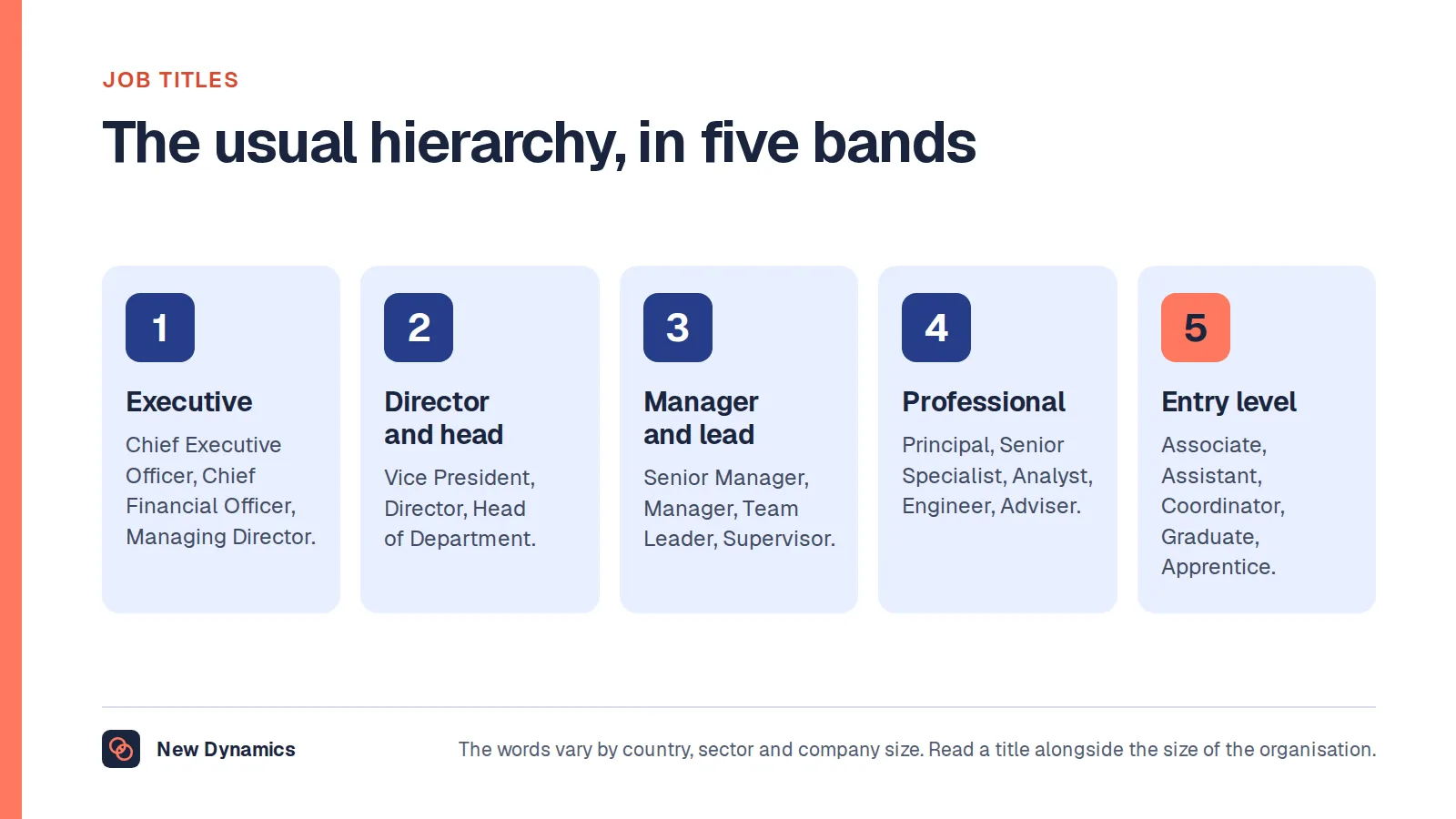
Certifications support a career. Experience carries it. A typical path runs from HR Administrator or Assistant, to HR Adviser or Generalist, to HR Business Partner or a specialist role such as reward, learning or talent, then to HR Manager, Head of People and HR Director. Our list of job titles by level and department shows the usual ladder.
At each step, employers look for evidence that you can do the work of the next level: handling a difficult case well, improving a process, advising a manager. A certification adds structure and credibility to that evidence. Our human resources management guide maps the areas of work an HR professional needs to understand. For a shorter overview, see what HR management is and what its functions are.
Specialist credentials also exist, for example in HR systems, reward and learning. Judge them the same way: who awards them, who recognises them and whether they match the work you want to do.

Frequently asked questions
What is the Professional in Human Resources certification?
The Professional in Human Resources, or PHR, is a certification awarded by HRCI. HRCI describes it as designed for HR professionals focused on implementing programmes and supporting day-to-day operations. It is earned by passing an exam and is renewed every three years.
What are the requirements for the PHR?
HRCI lists three routes: one year of professional-level HR experience with a master's degree or higher, two years with a bachelor's degree, or four years without a degree. Check HRCI's website for the current rules before you apply.
Is the PHR or the SHRM-CP better?
Neither is better in general. Both are aimed at operational HR professionals and come from bodies based in the United States. Look at job adverts in your area and sector. If they name one credential, choose that. If they accept either, pick the exam style that suits you.
What is the best HR certification in the UK?
CIPD qualifications are commonly named in UK job adverts. The Foundation Certificate at Level 3 suits beginners, the Associate Diploma at Level 5 suits developing professionals, and the Advanced Diploma at Level 7 is aimed at strategic and leadership roles.
How long does an HR certification take?
It varies. Exam-based certifications depend on how long you study before sitting the exam. CIPD gives average completion times of 8 to 12 months for the Foundation Certificate, 12 to 16 months for an Associate Diploma and 16 to 24 months for an Advanced Diploma.
Do HR certifications expire?
The PHR, SHRM-CP and SHRM-SCP are each valid for three years and must be renewed through continuing professional development or by retaking the exam. CIPD awards are qualifications, so they are not renewed in the same way. Check the CIPD website for what continued membership involves.
Your next step: check ten job adverts
- Find ten adverts for the role you want next, in the place you want to work.
- Count which certifications they name, and at what level.
- Read the awarding body's current eligibility rules.
- Ask your manager whether your employer will support the cost or study time.
For a map of the work an HR professional needs to understand, read and download our human resources management guide. The guide is free to read, and the PDF uses our short download form.
Leading a People team and want better tools for goals, feedback and reviews? Book a New Dynamics demo and bring your current process. You can also email contact@new-dynamics.com.