Page 2 of 2. How to run appraisals and review cycles that people finish, with feedback examples, review phrases and one-to-one questions you can adapt.
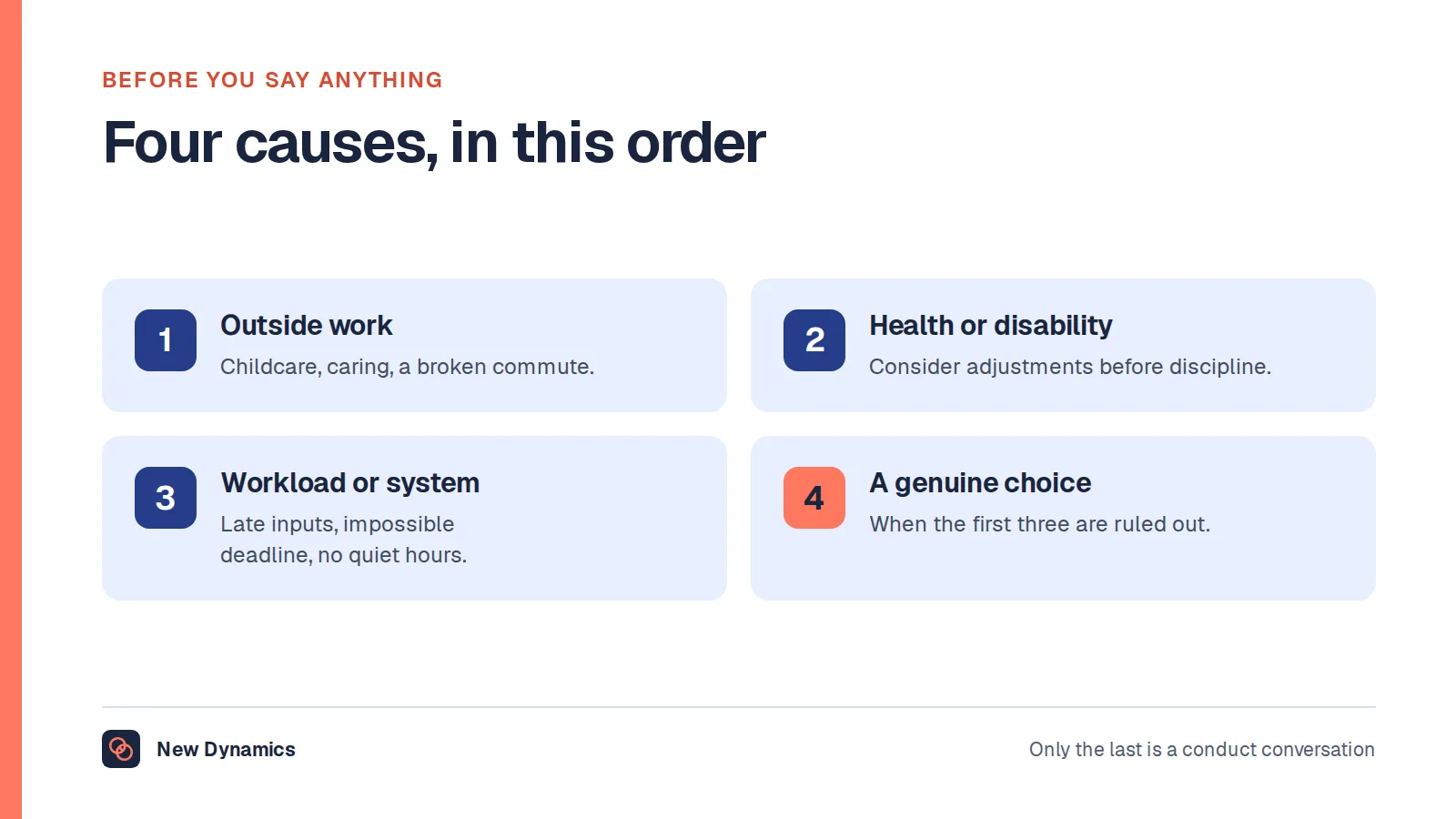
How to give feedback on lateness, missed deadlines and time management: the four causes to separate first, why Acas treats lateness as a possible capability question, wording for each case, and what to do if nothing changes.
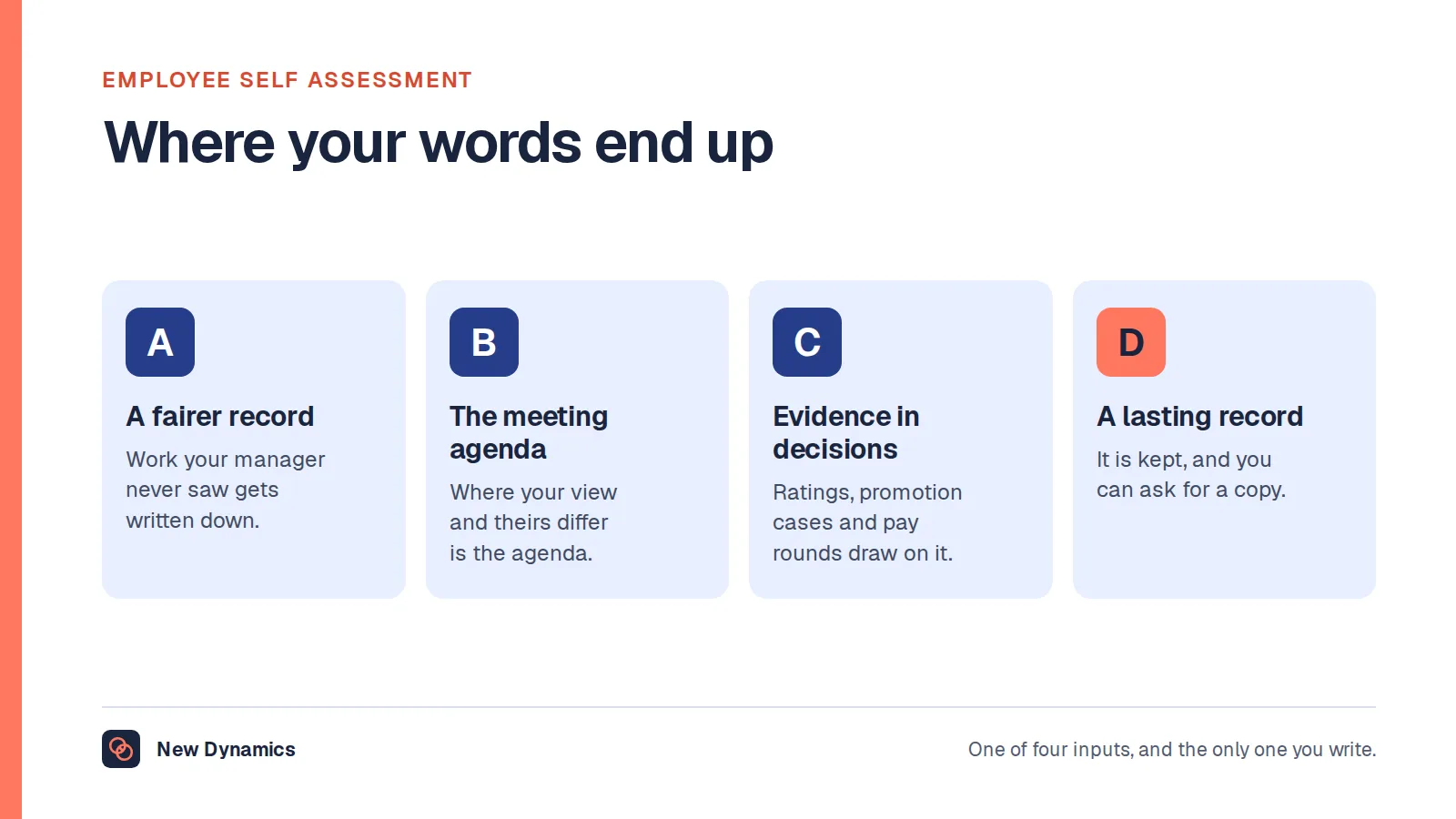
What an employee self assessment is for, what your manager does with it, how to be specific without boasting, and what to write about a year that went wrong.
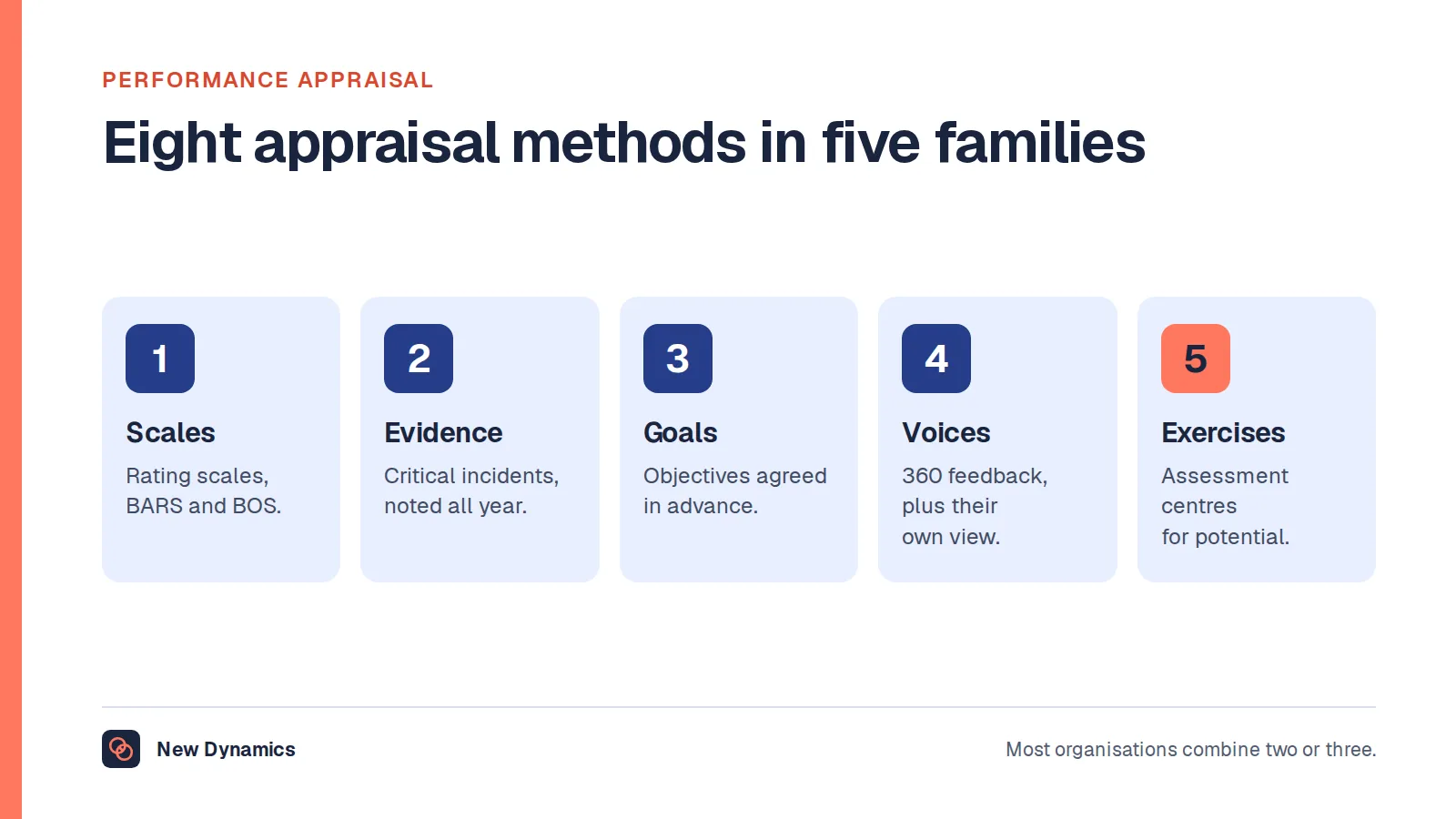
What a performance appraisal is, what it is for, eight appraisal methods compared with examples, five rating errors to avoid and how to run a fair one. Read on.
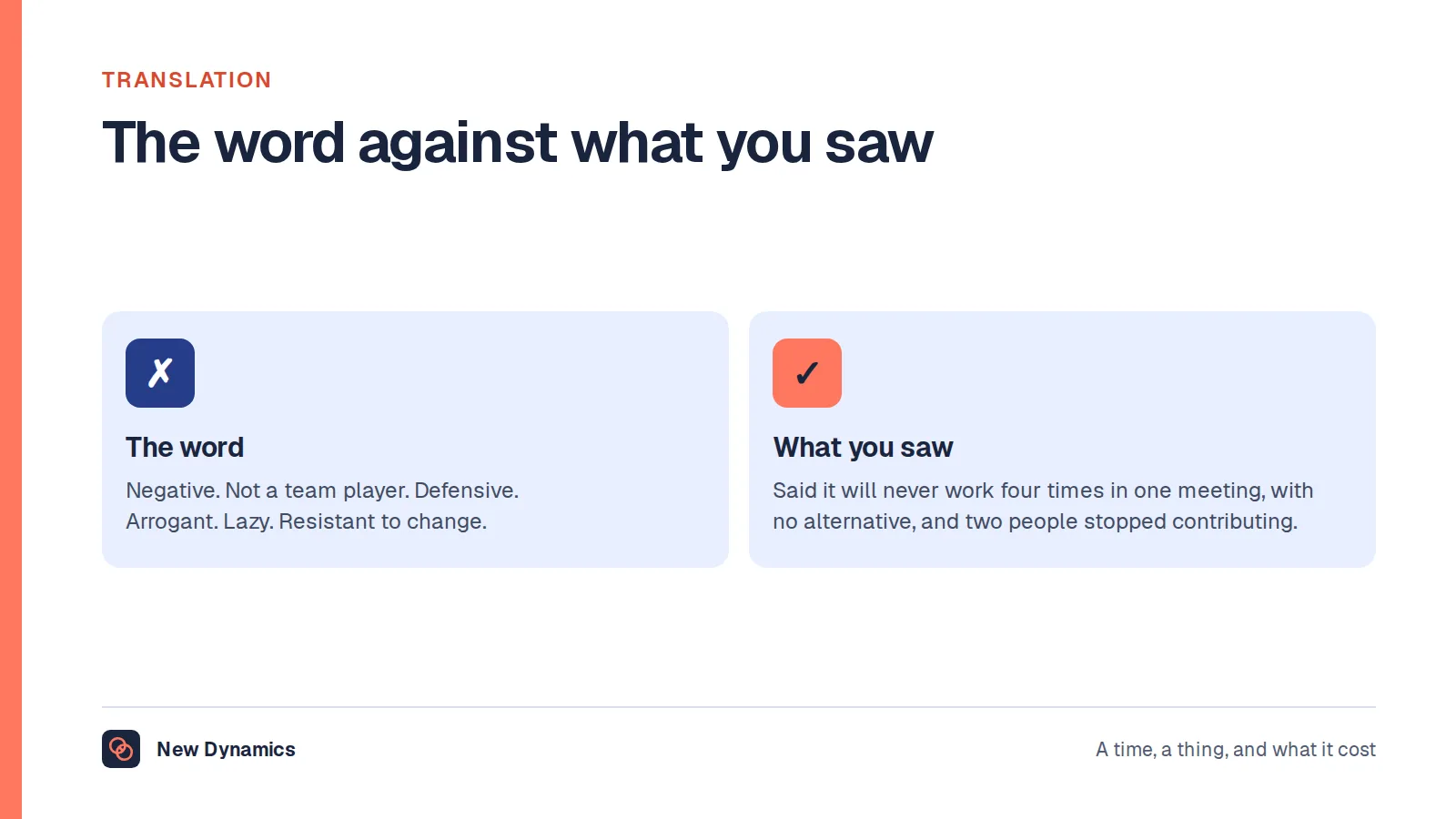
Why attitude is the one piece of feedback nobody can act on, ten common complaints translated into observable behaviour, four explanations to rule out first, and what to write in a review instead.
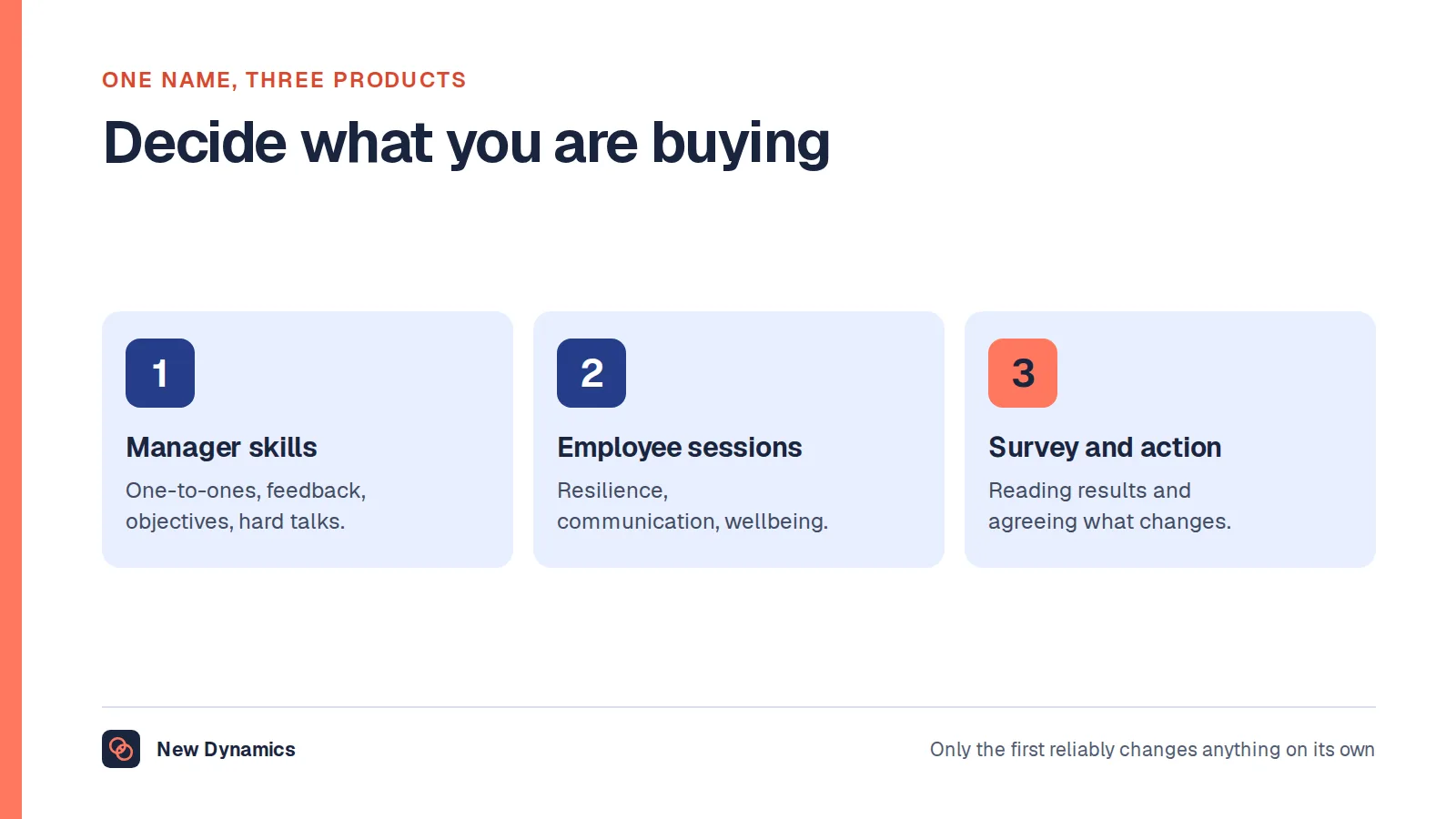
What employee engagement training is, the three things sold under the name, the conditions training cannot substitute for, how to design manager training that sticks, and how to measure whether it worked.
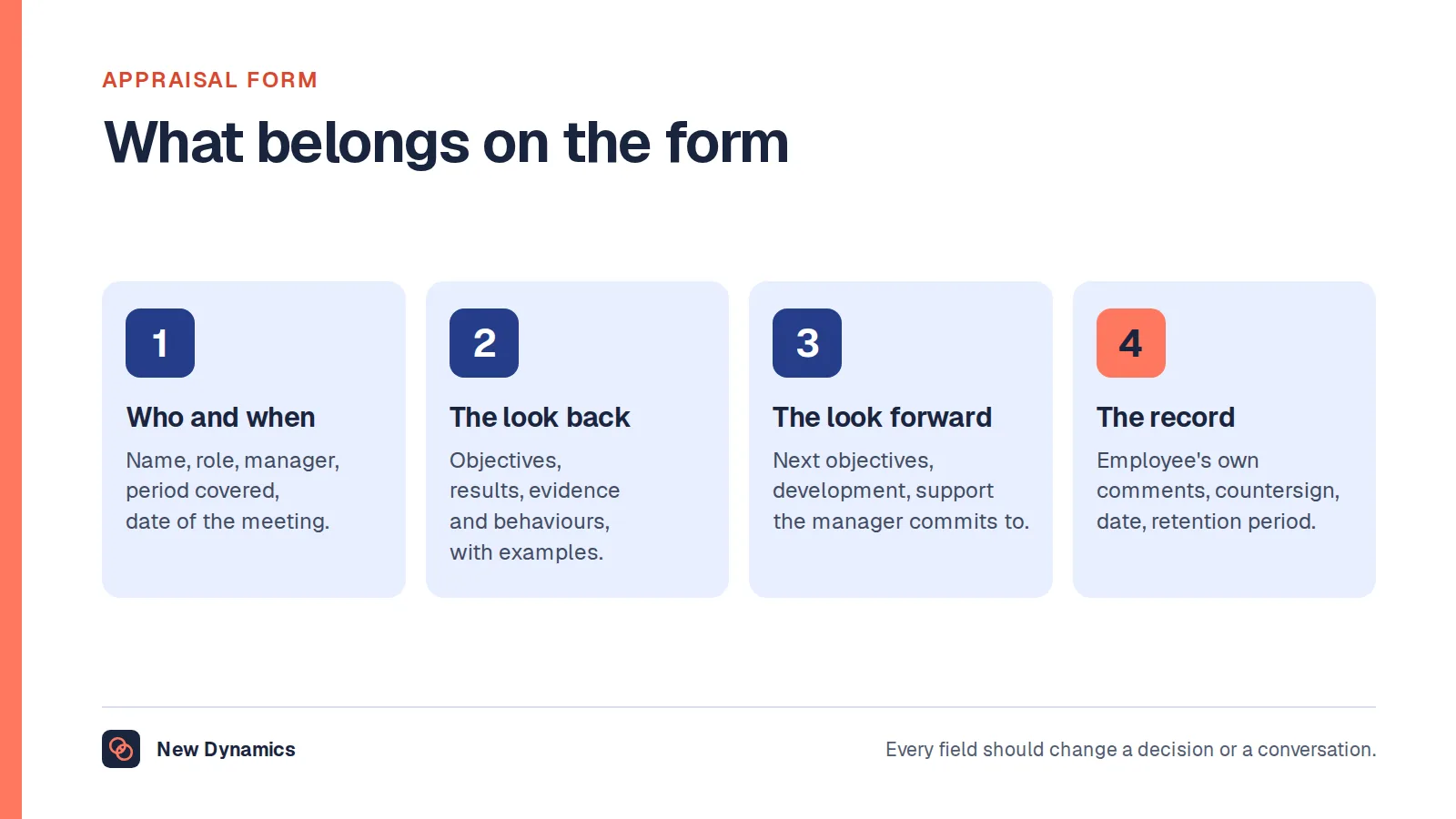
How to design an appraisal form managers will finish: which fields earn their place, what to cut, how many rating points to use, and a full template to adapt.
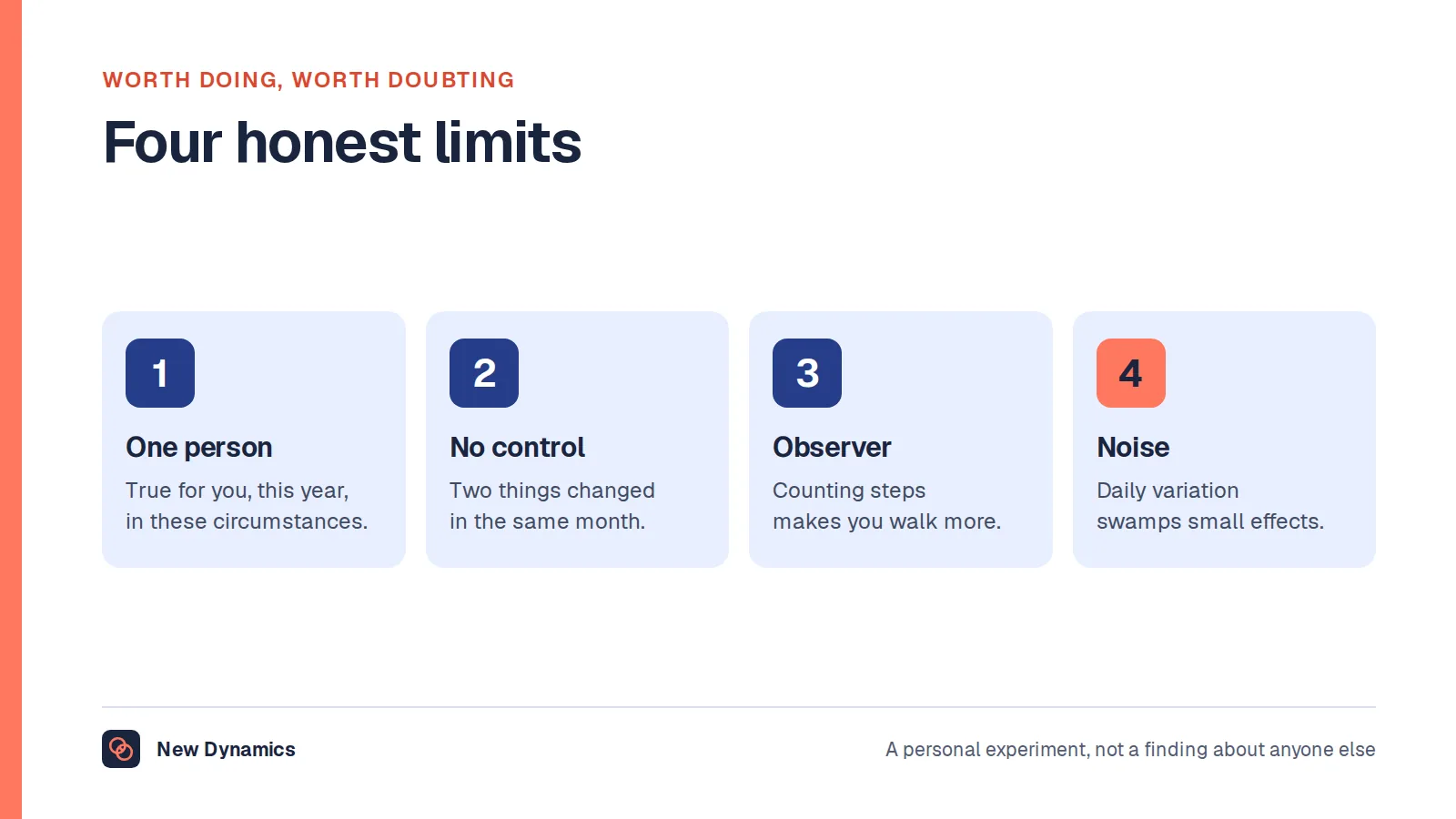
What quantified selfers are and what they track, the four honest limits of self-tracking, and where voluntary self-tracking becomes employer monitoring with data protection duties attached.
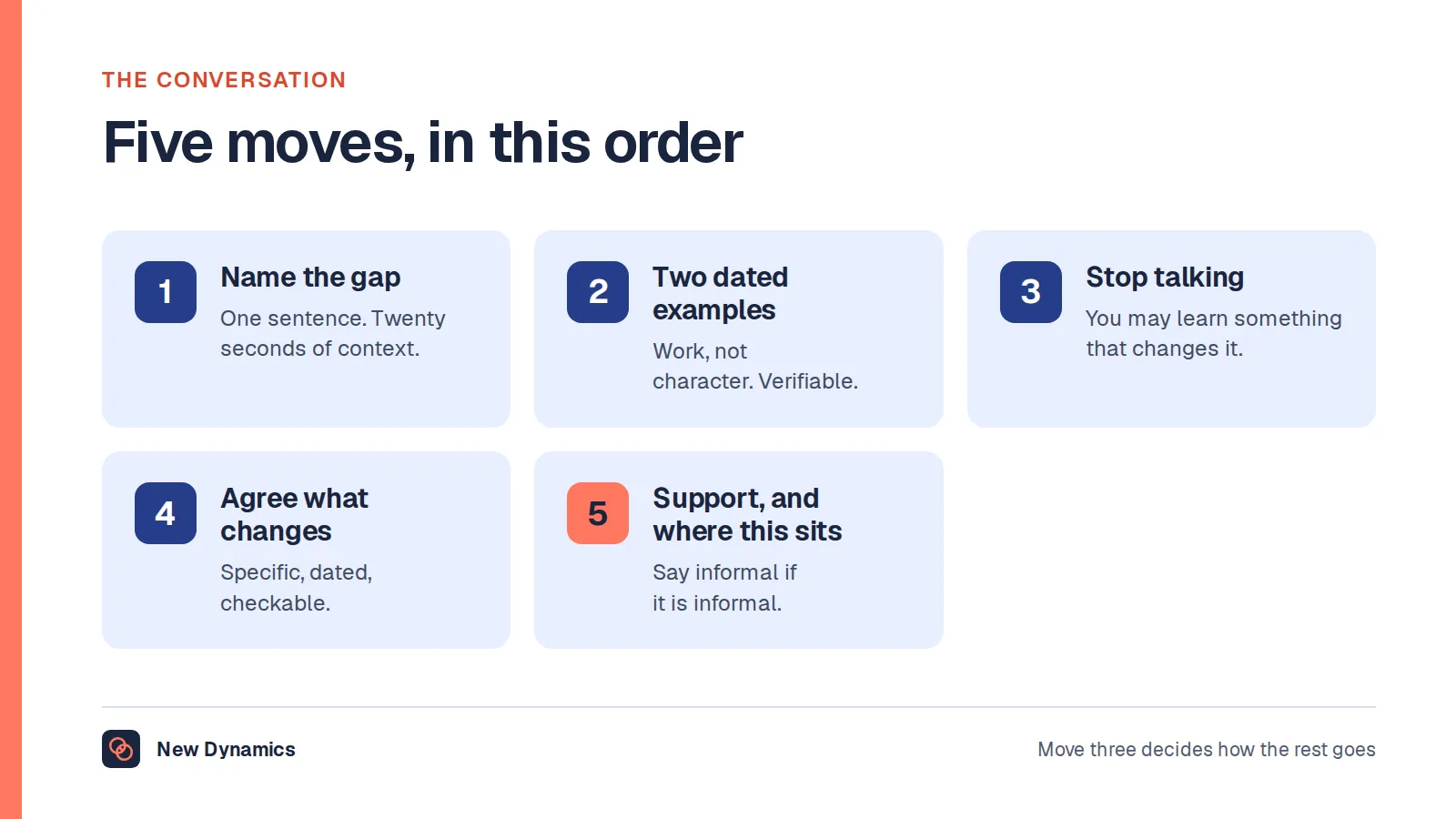
A five-move framework for the underperformance conversation, a script you can adapt, what to say to each of the five common reactions including a defensive one, and what to write down afterwards.