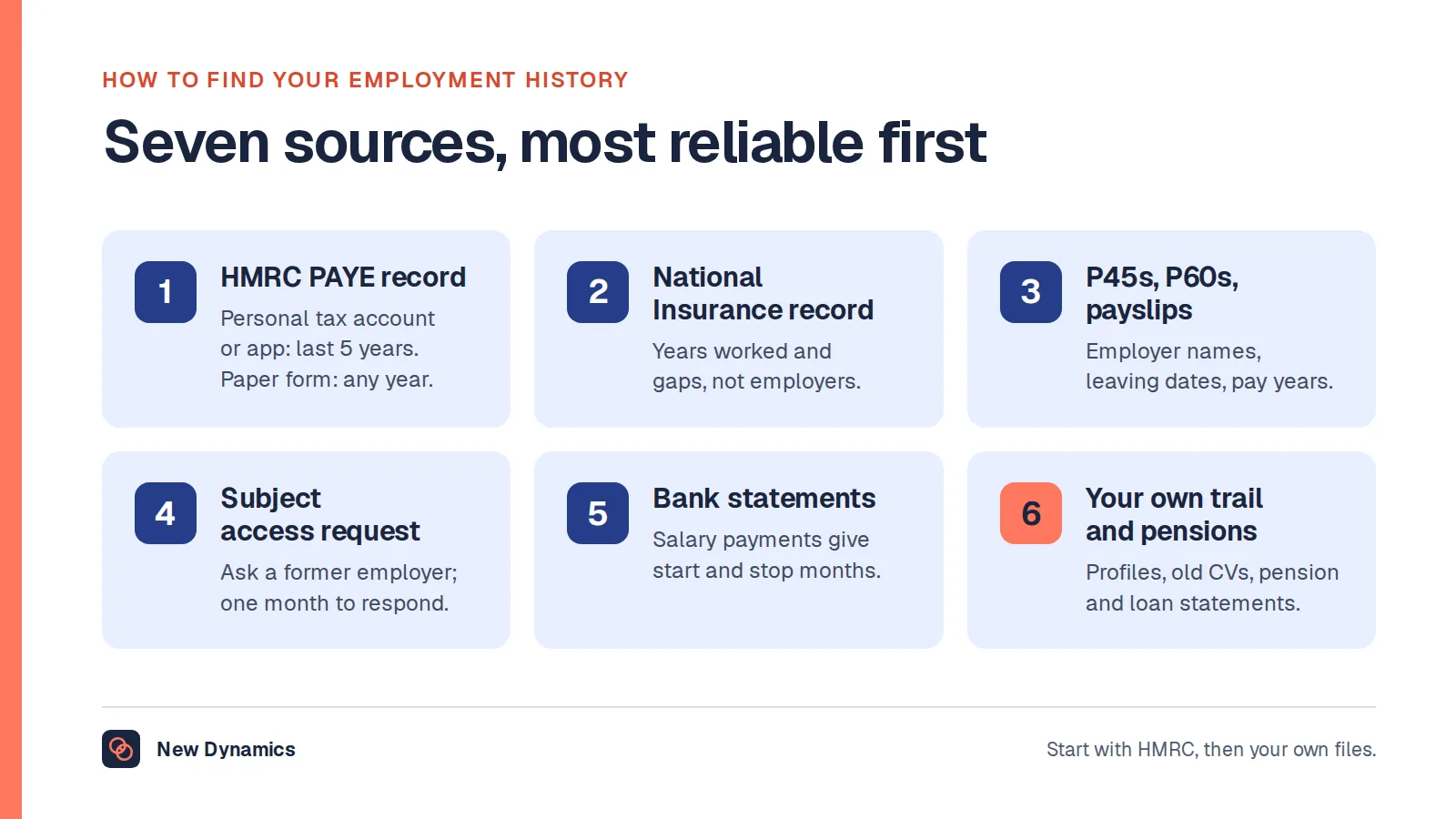
How to find your job history: HMRC's personal tax account and paper form, your National Insurance record, P45s and P60s, a subject access request to old employers, and what to do with gaps.
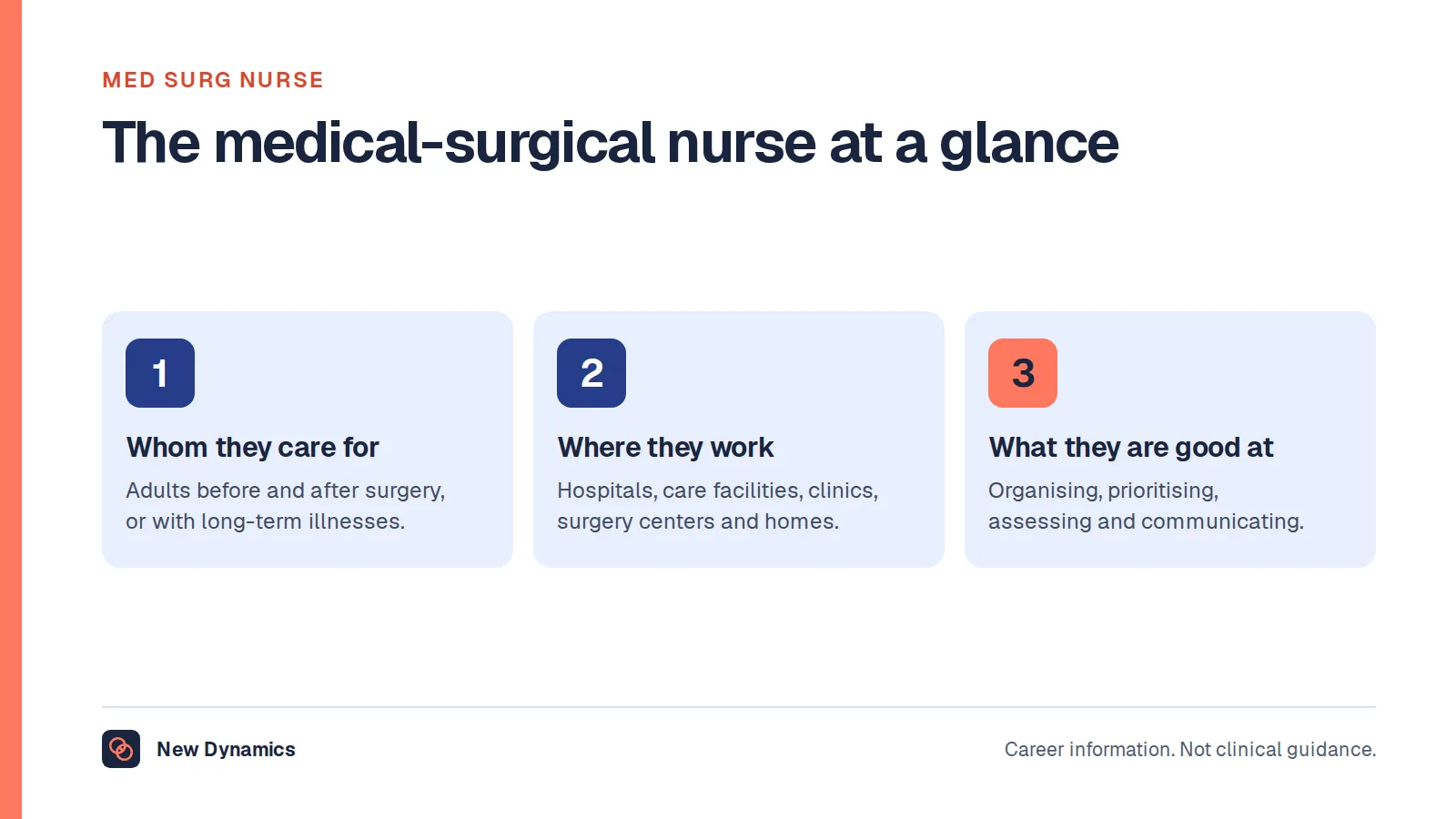
What a med surg nurse is, what medical-surgical nurses do, where they work, the skills and US certifications, a job description template and how to review performance.
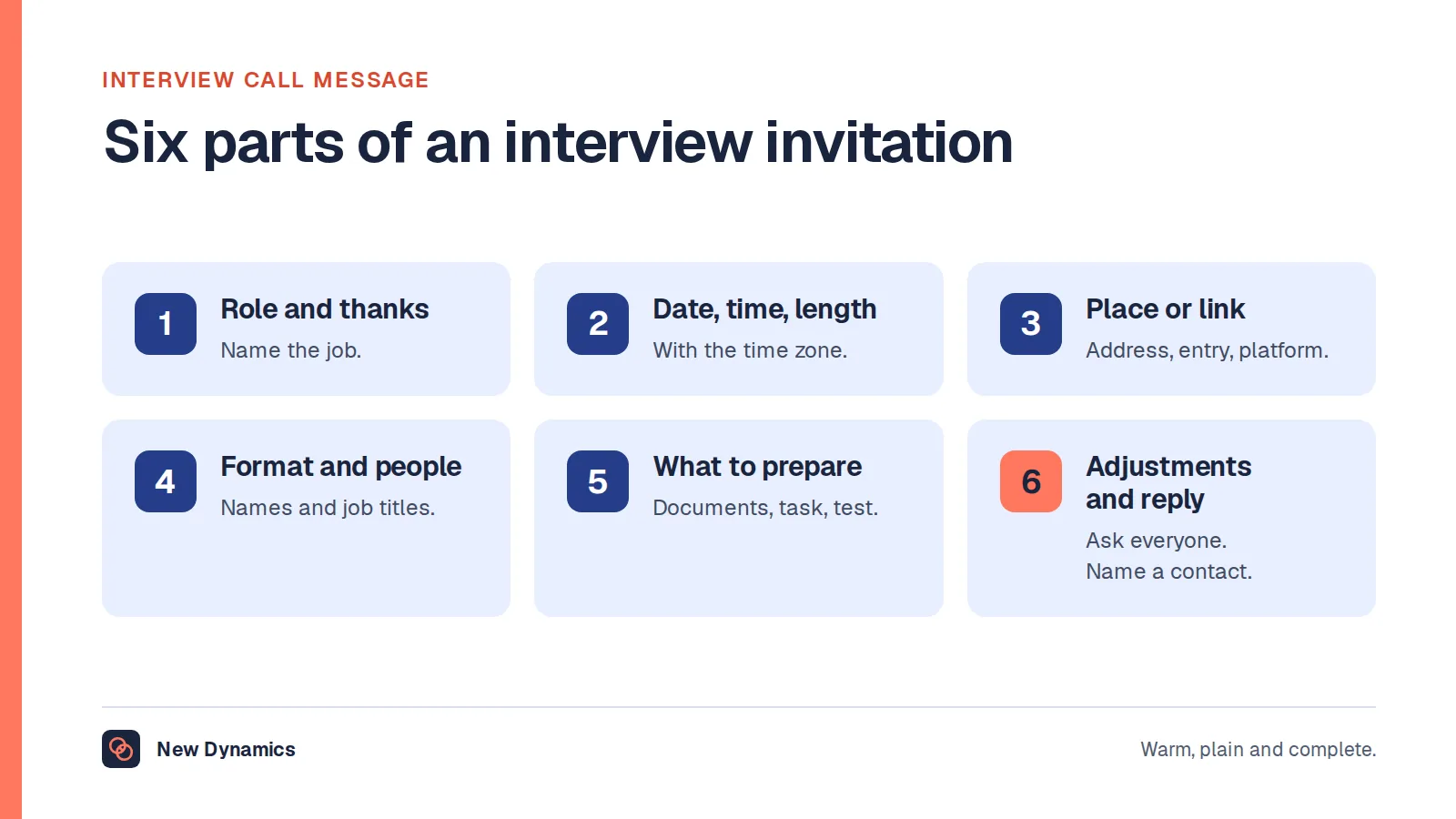
How to write an interview call message: six things to include, which channel to use, seven templates for text, email, phone and video, and five checks before you send.
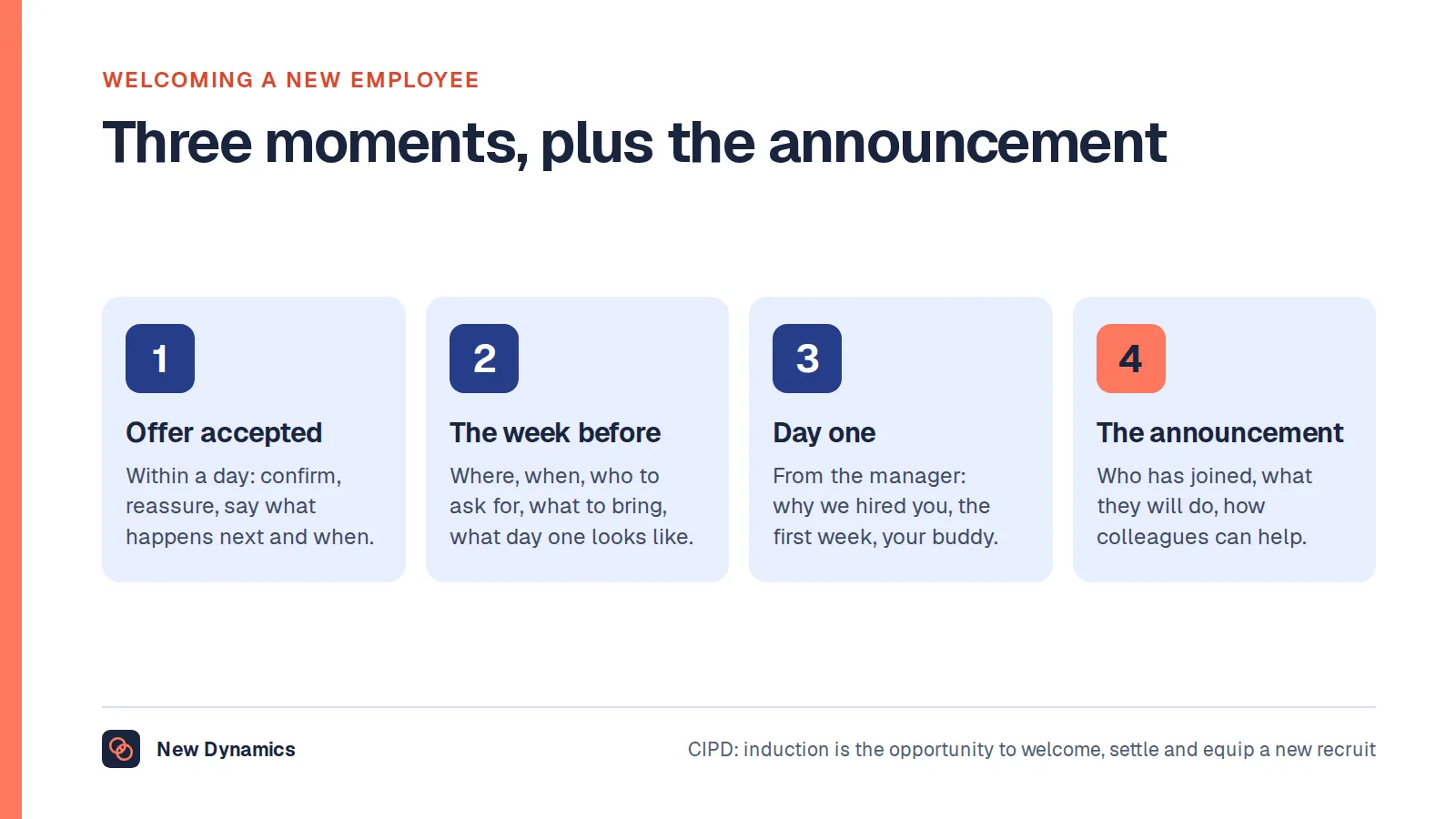
Five original welcome email and letter templates for new employees, the three moments to send them (offer accepted, the week before, day one) plus the team announcement, the eight things every welcome message should contain, the remote starter version, and the line between a welcome and the offer letter and written statement of employment particulars.
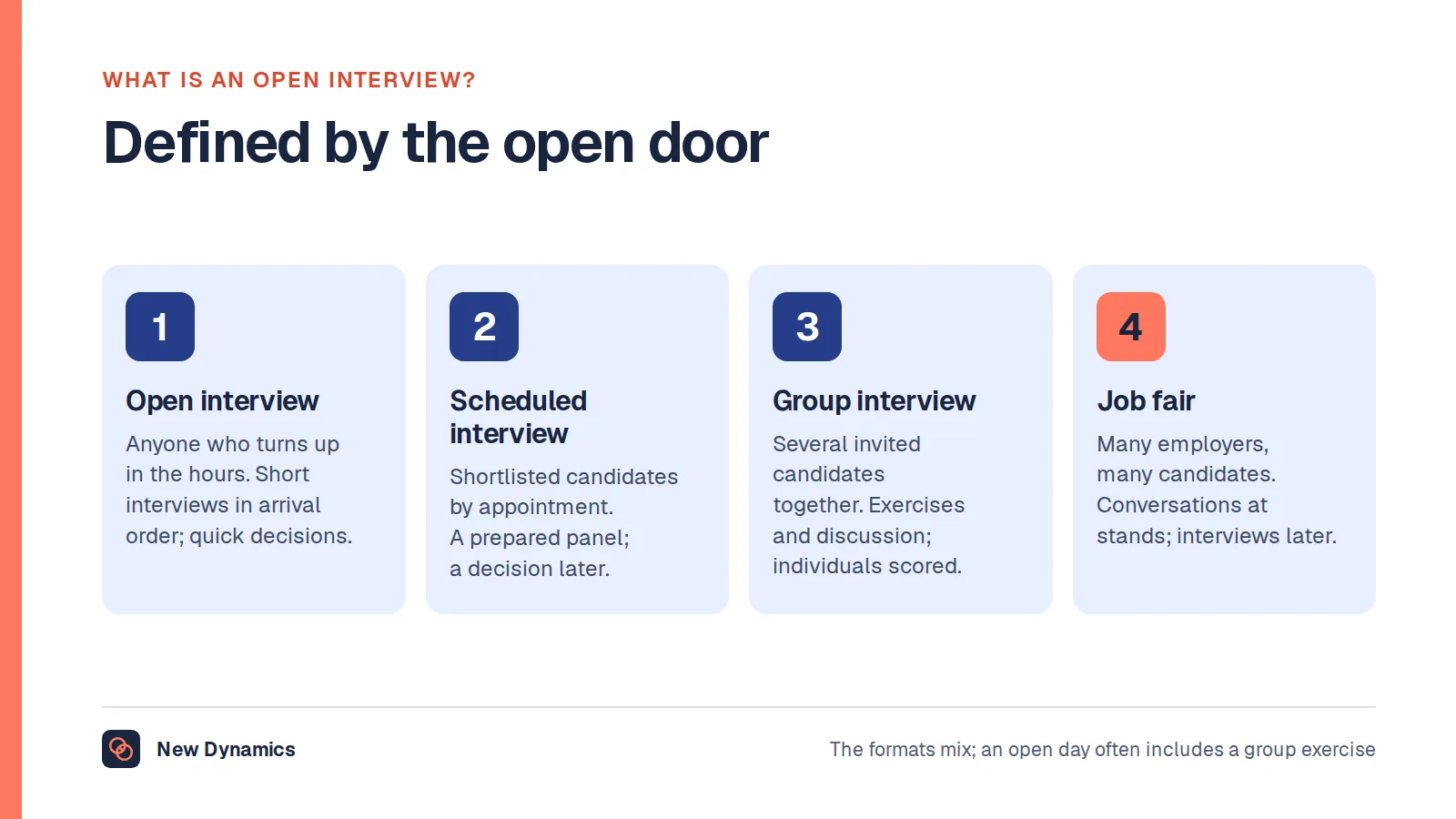
What an open interview is, how it differs from a scheduled, group or job-fair interview, when employers use it, a run-sheet for the day, the Acas rules for keeping it fair and a checklist for candidates.
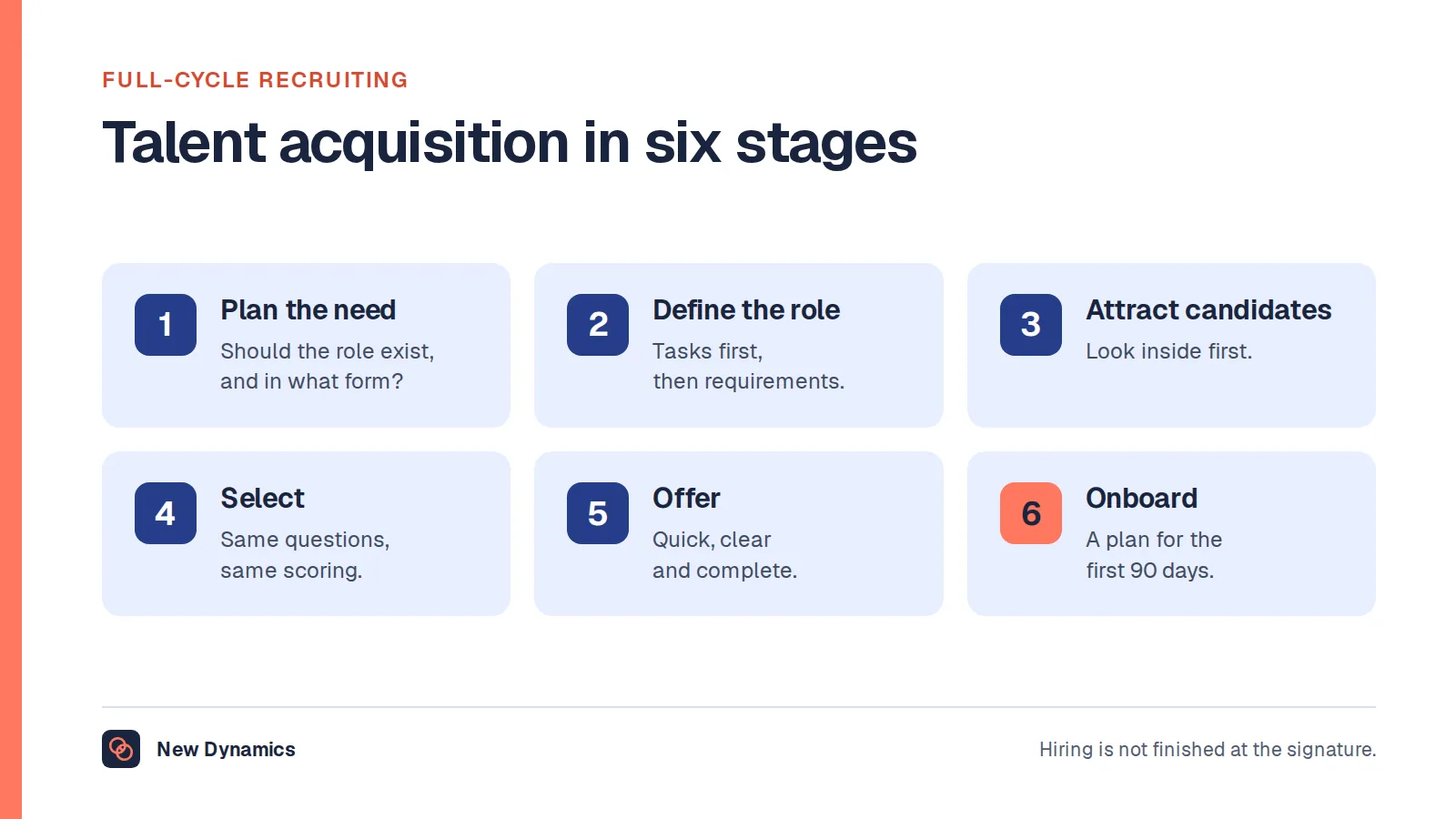
What talent acquisition means, how acquiring talent differs from recruiting, full-cycle recruiting in six stages, the roles in a TA team and how to measure it.
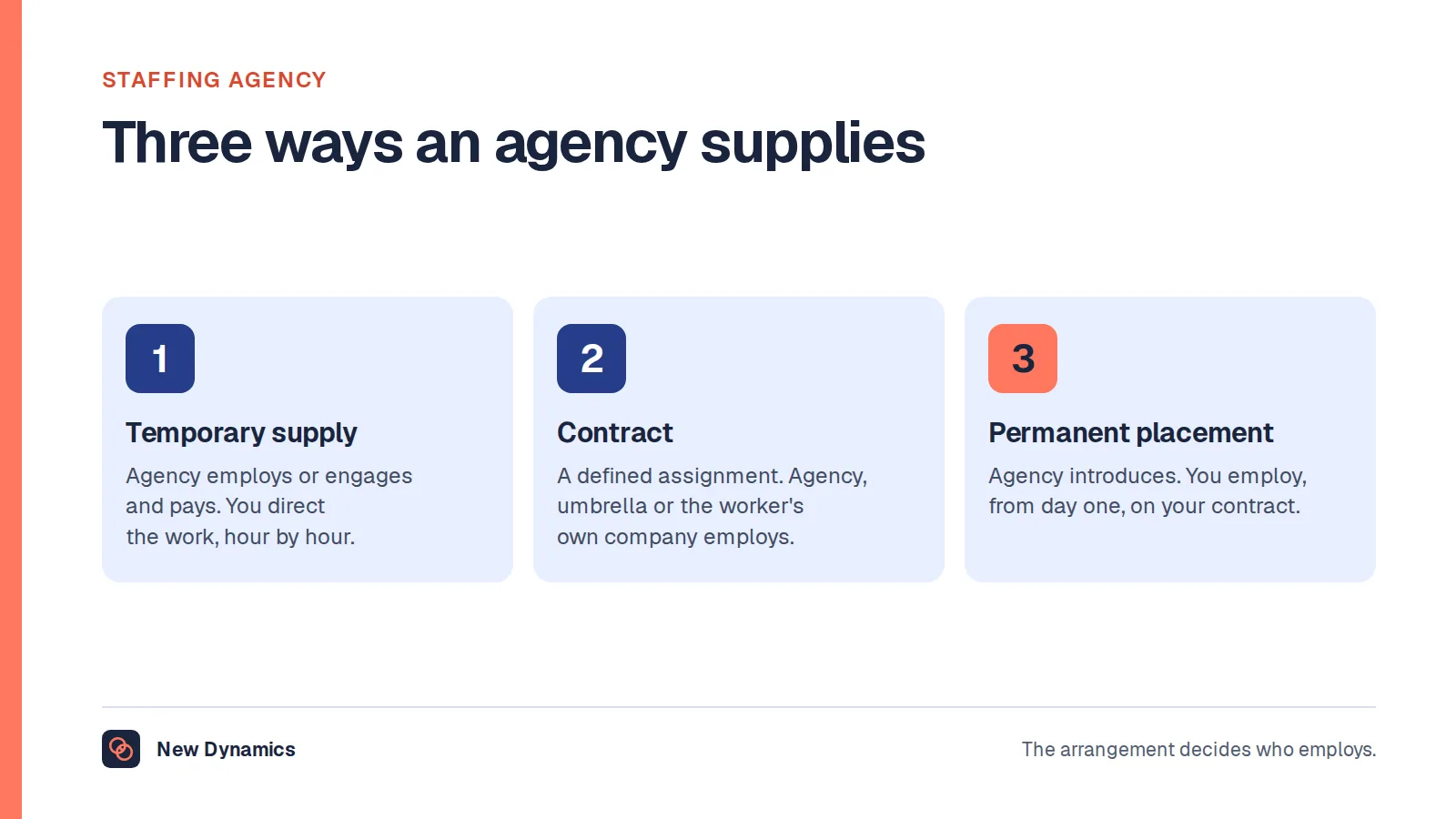
How a staffing agency works: temporary supply, contract and permanent placement, who employs the worker, the three fee shapes, the UK and US rules, what the American Staffing Association is, and how to test an agency on one role.
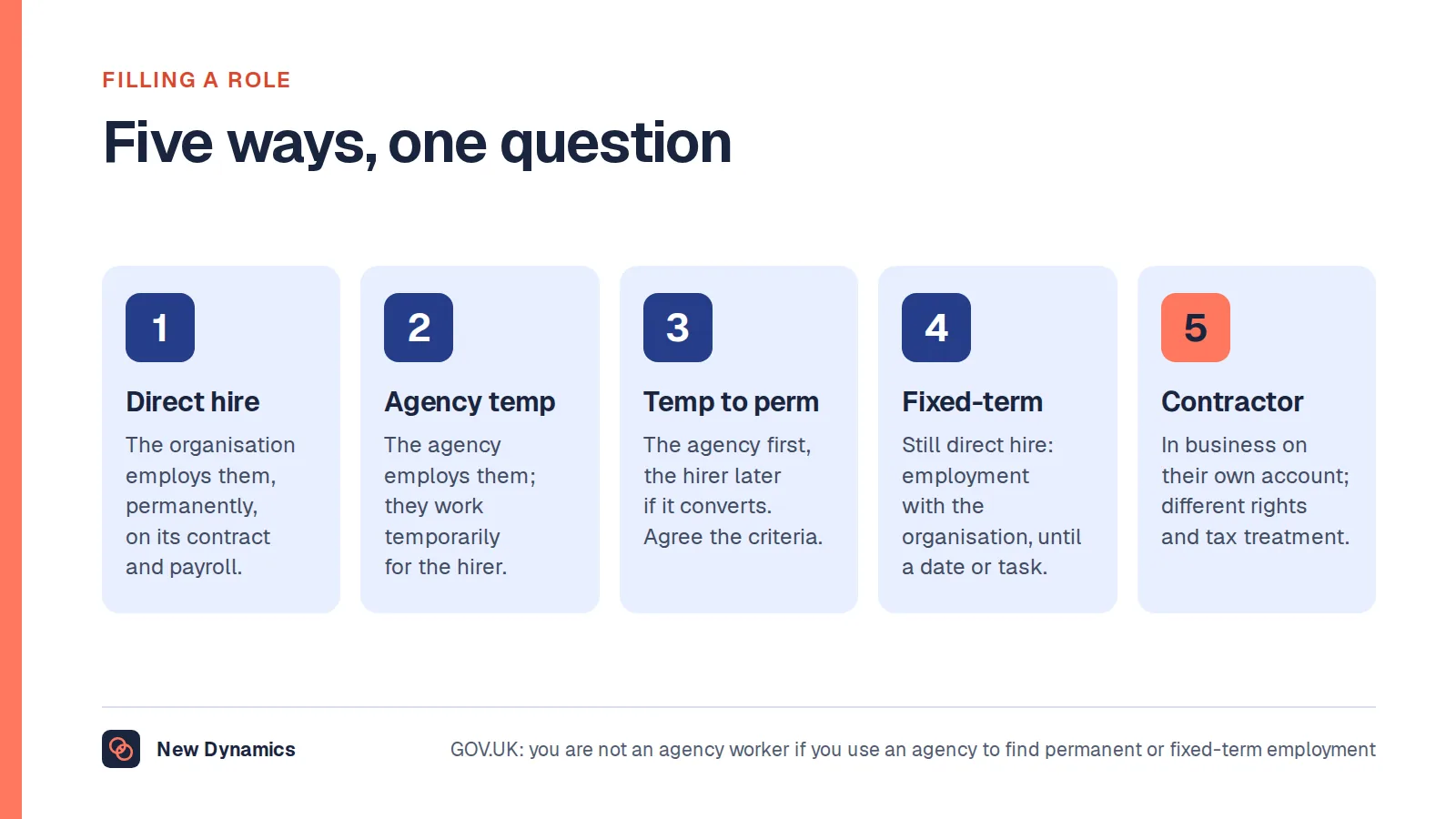
What direct hire employment means: the employment contract is with the hiring organisation, not the agency, even when an agency found the person. The five ways to fill a role compared, what changes for the employer and the worker, employment status and rights, fixed-term as a direct hire variant, and when each option makes sense.
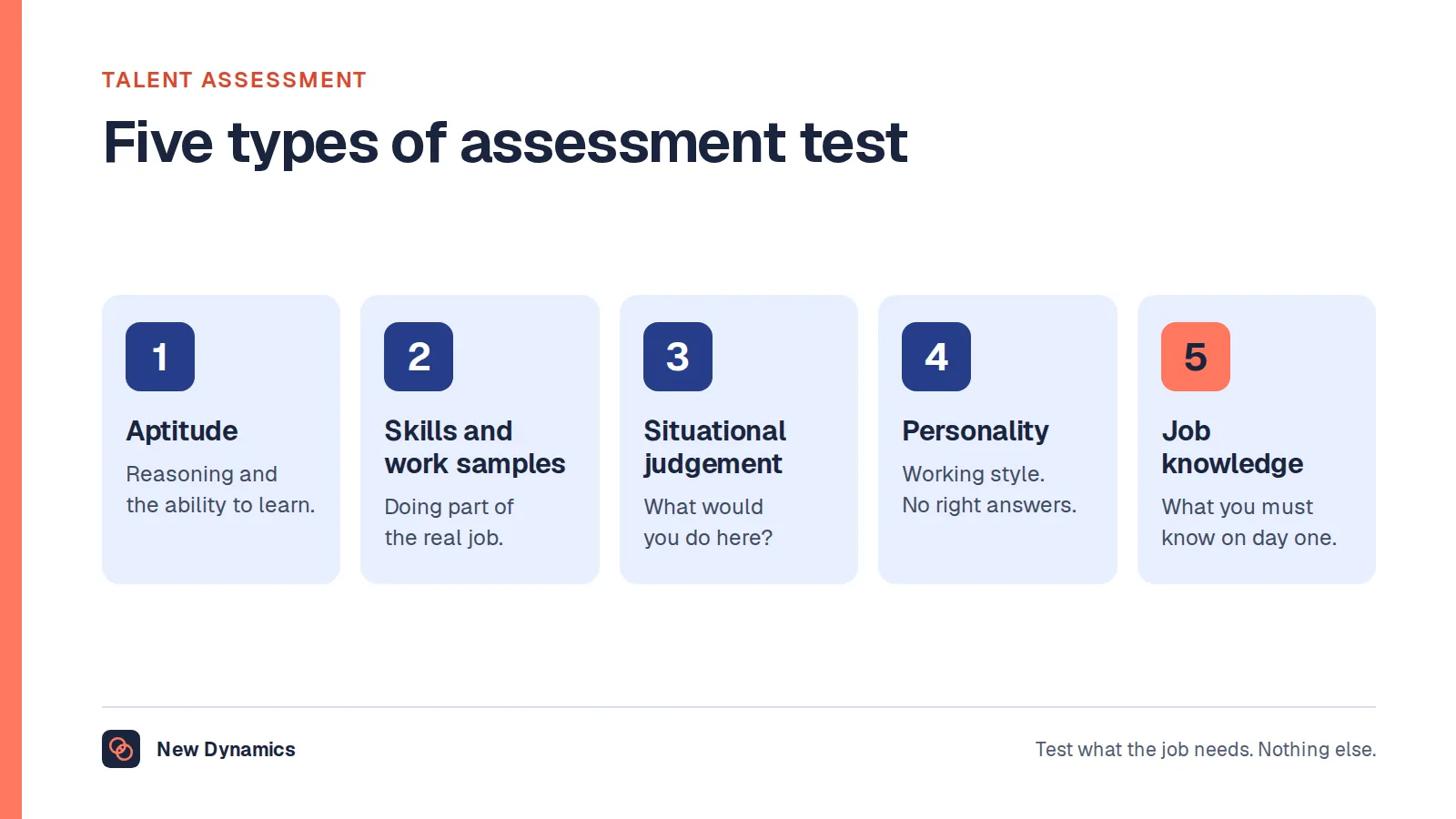
What a talent assessment test is, what aptitude tests mean, five types of test compared, six steps to use them fairly in hiring and five tips for candidates.
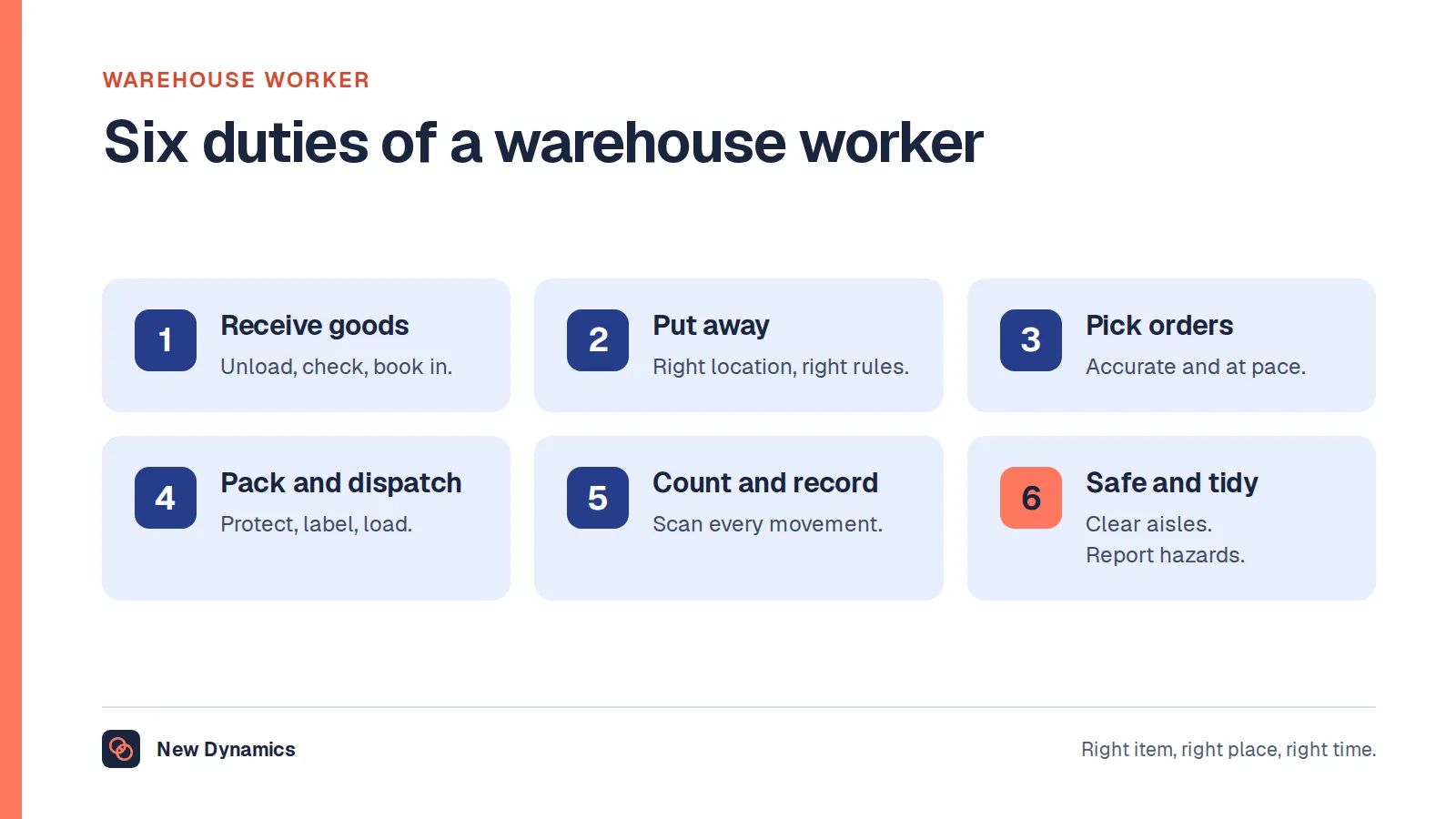
What a warehouse worker does: six main duties, five related roles from order picker to forklift operator, two UK safety duties for employers, a template and CV tips.
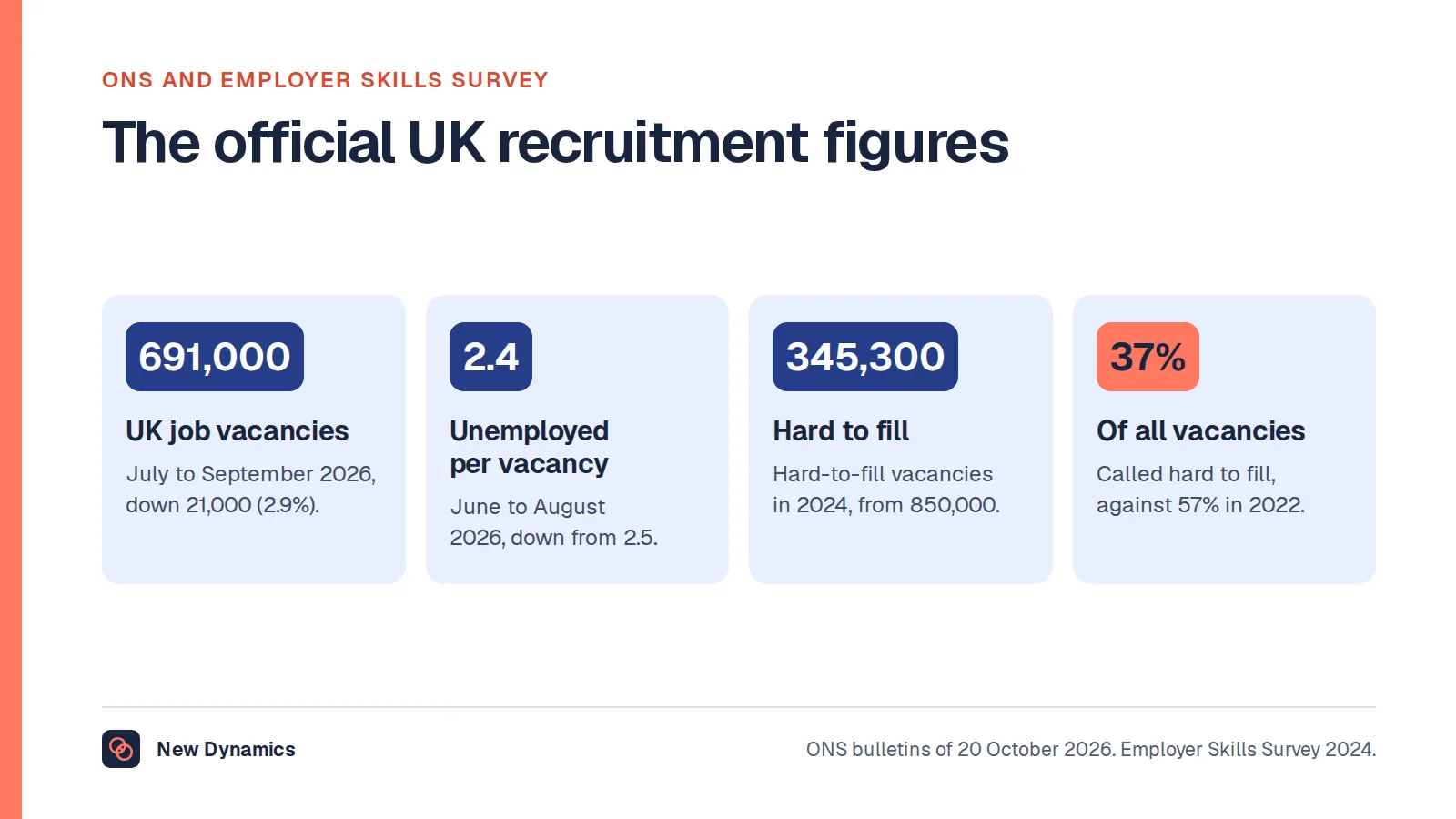
The official UK recruitment figures: 691,000 vacancies, 2.4 unemployed people per vacancy and 345,300 hard-to-fill vacancies. Plus why no official source gives a time to hire, cost per hire, offer acceptance rate or interview to hire ratio, and how to measure each one yourself.
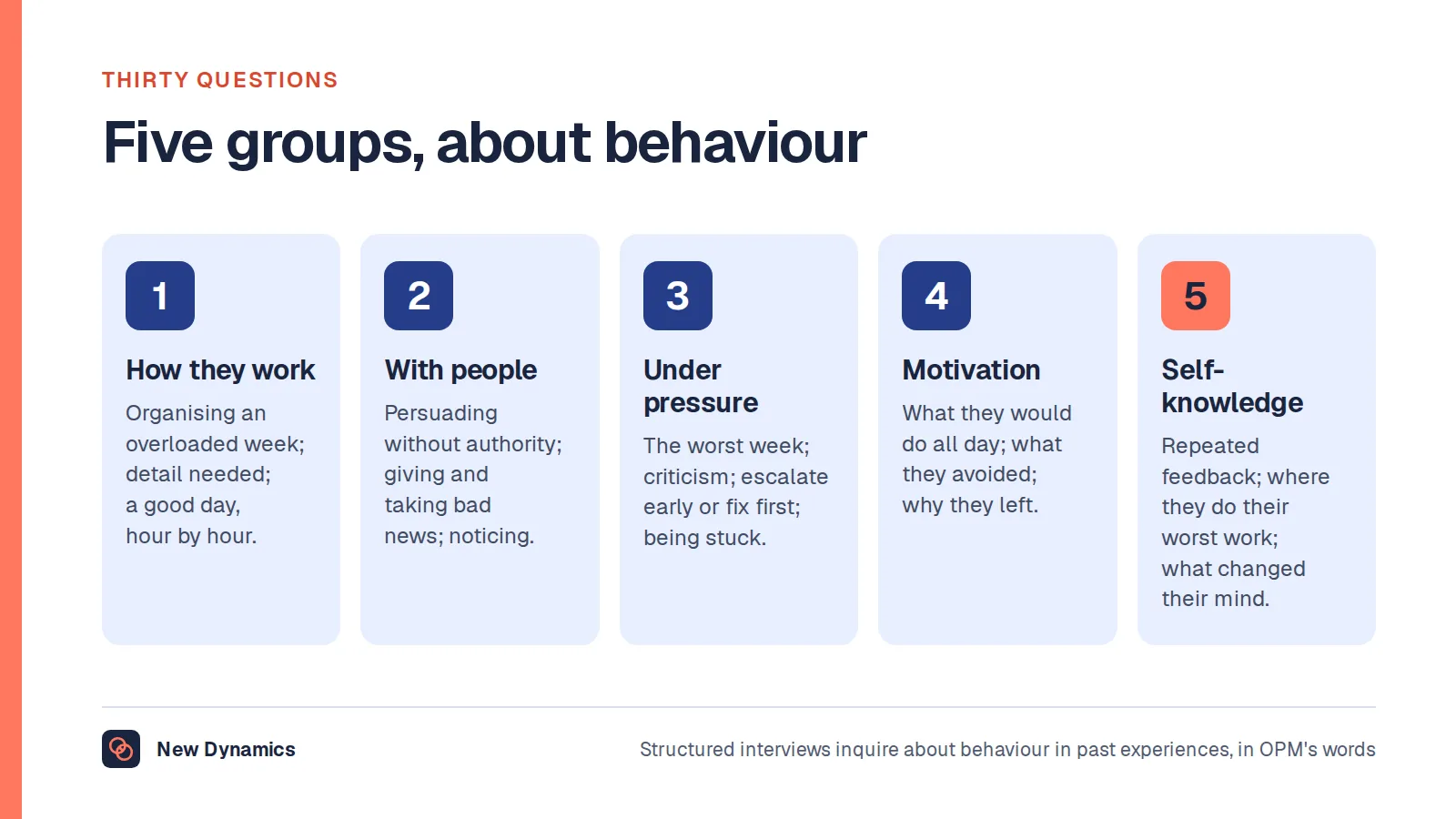
Thirty personality interview questions in five groups, asking how a person actually works rather than what animal they would be, each with what a strong answer contains; the difference between personality questions and validated assessments; how to score consistently; and the four traps, including judging candidates by their social media.
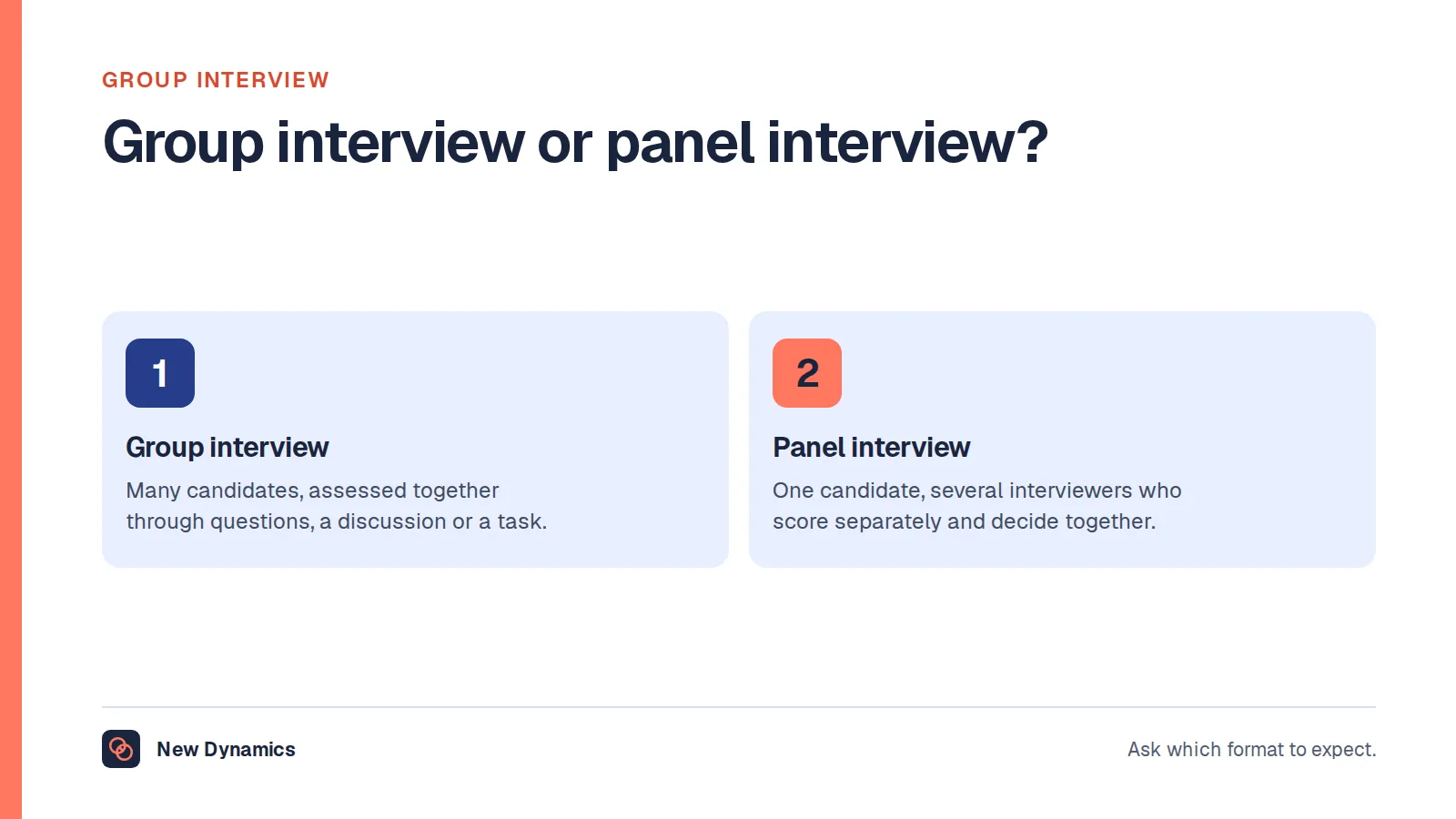
What a group interview is, how it differs from a panel interview, how each one works, six steps for employers to run one fairly and five habits for candidates.
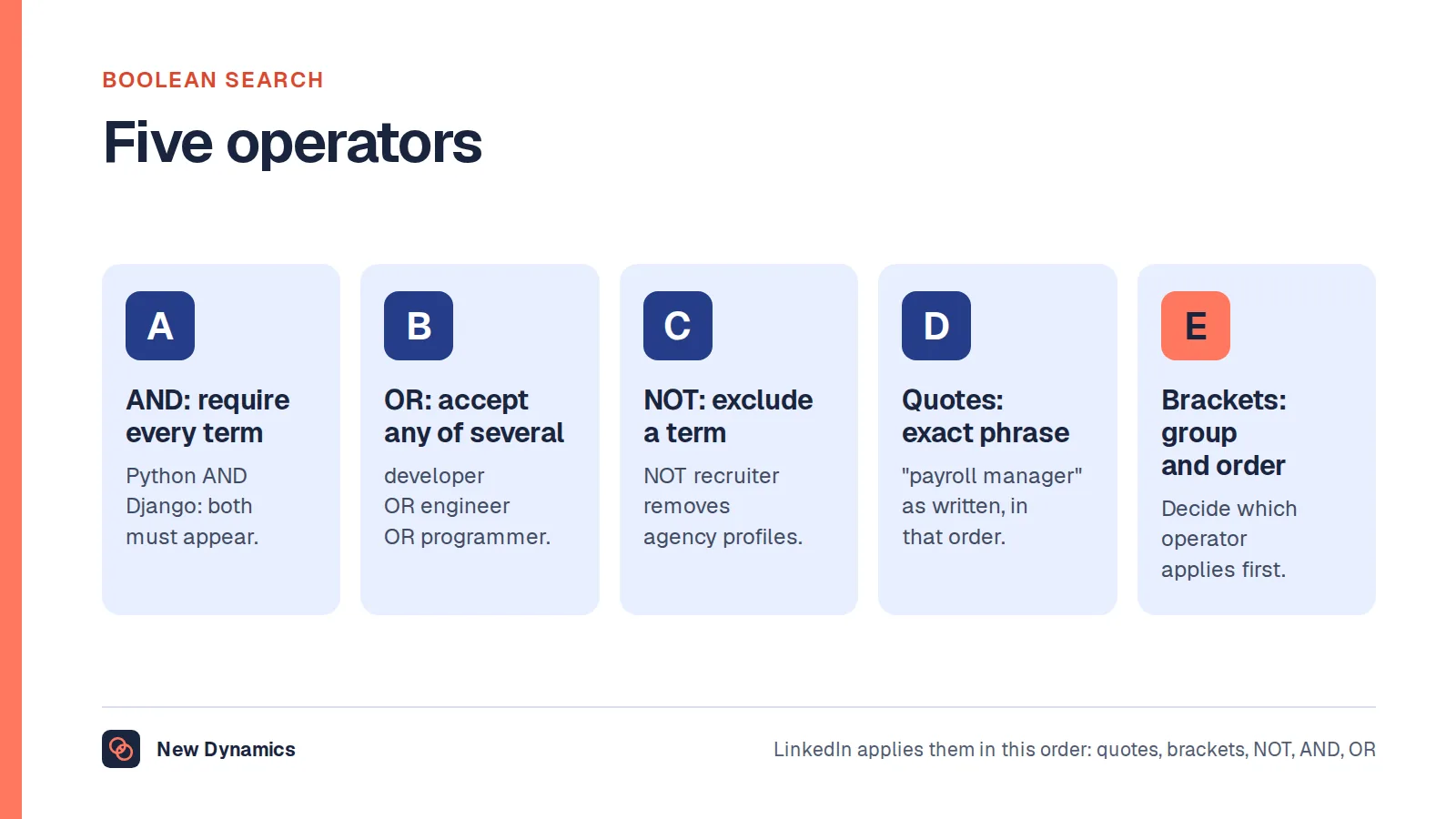
What a Boolean search is and how recruiters use it: AND, OR, NOT, quotes and brackets as LinkedIn and Google document them, a four-step method for building a search string, worked examples and the mistakes that hide good candidates.
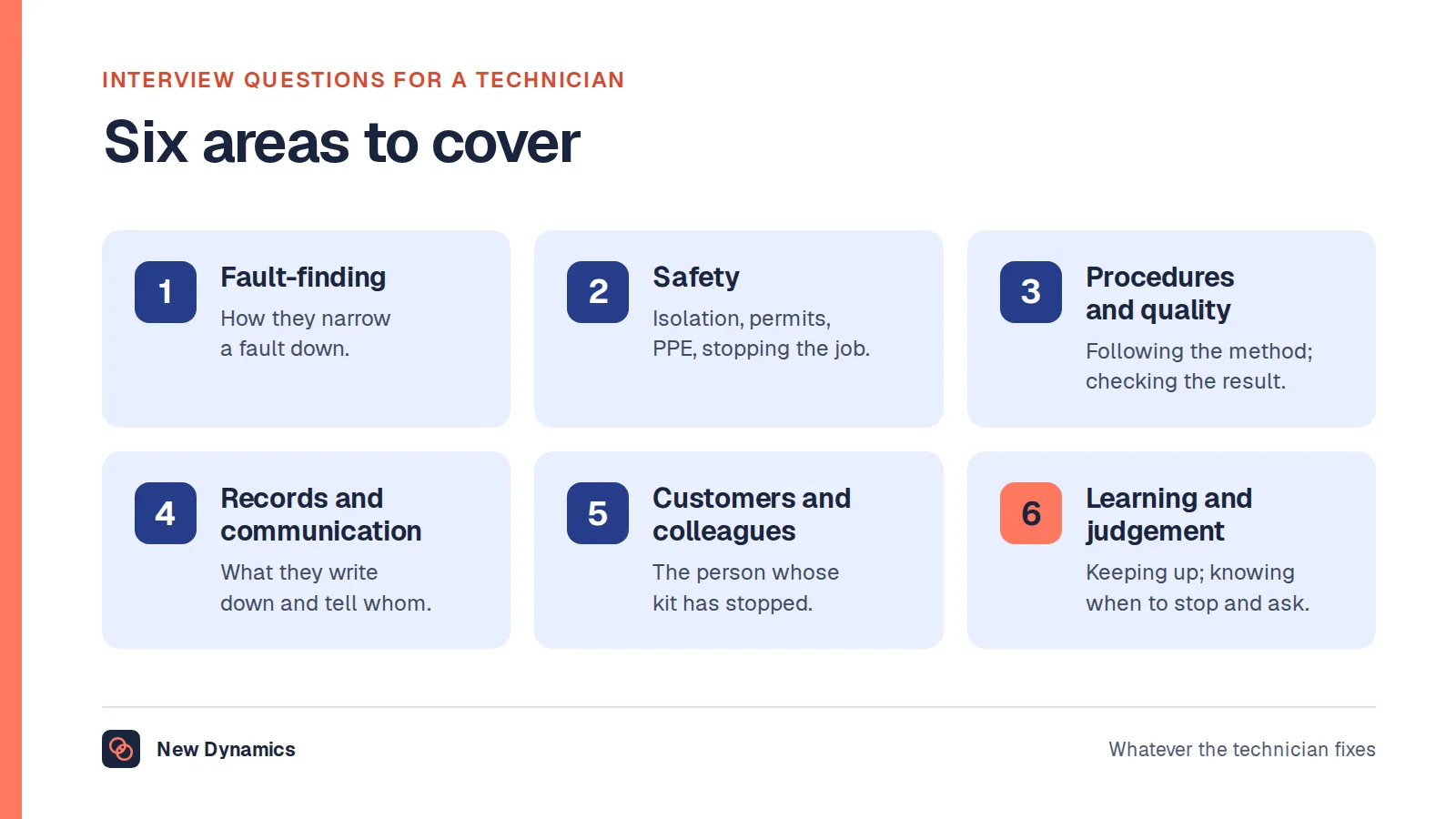
Interview questions for a technician: 30 questions across fault-finding, safety, procedures, records, customers and learning, with what a good answer shows, a practical test to add, and how to score fairly, for maintenance, IT, engineering and laboratory technicians.
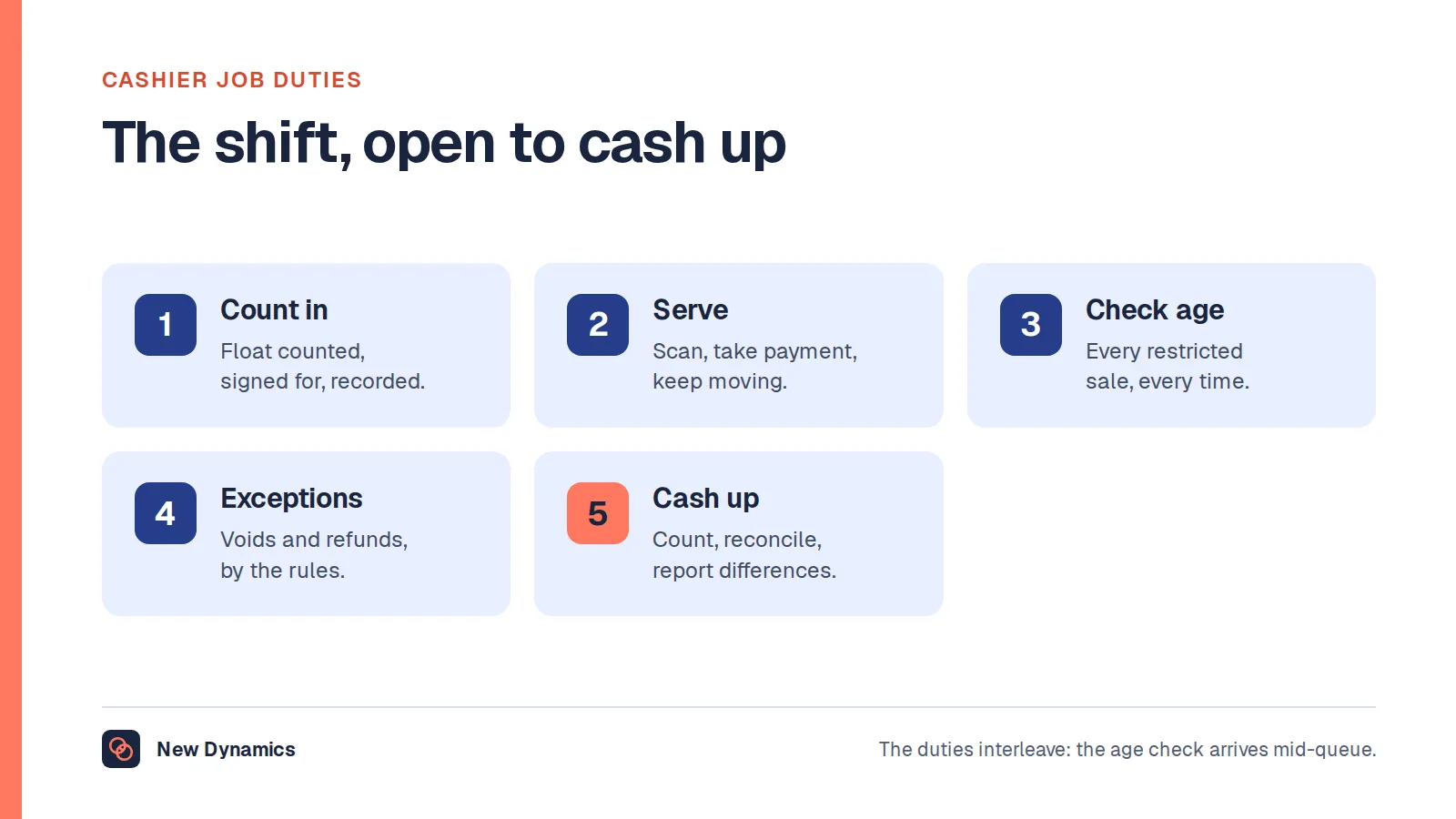
Cashier duties and responsibilities as a shift actually runs: the opening float, counting, voids and refunds, card payments, age-restricted sales and the law behind them, till shortfalls and deductions, queues, restaurants, self checkout and working alone.
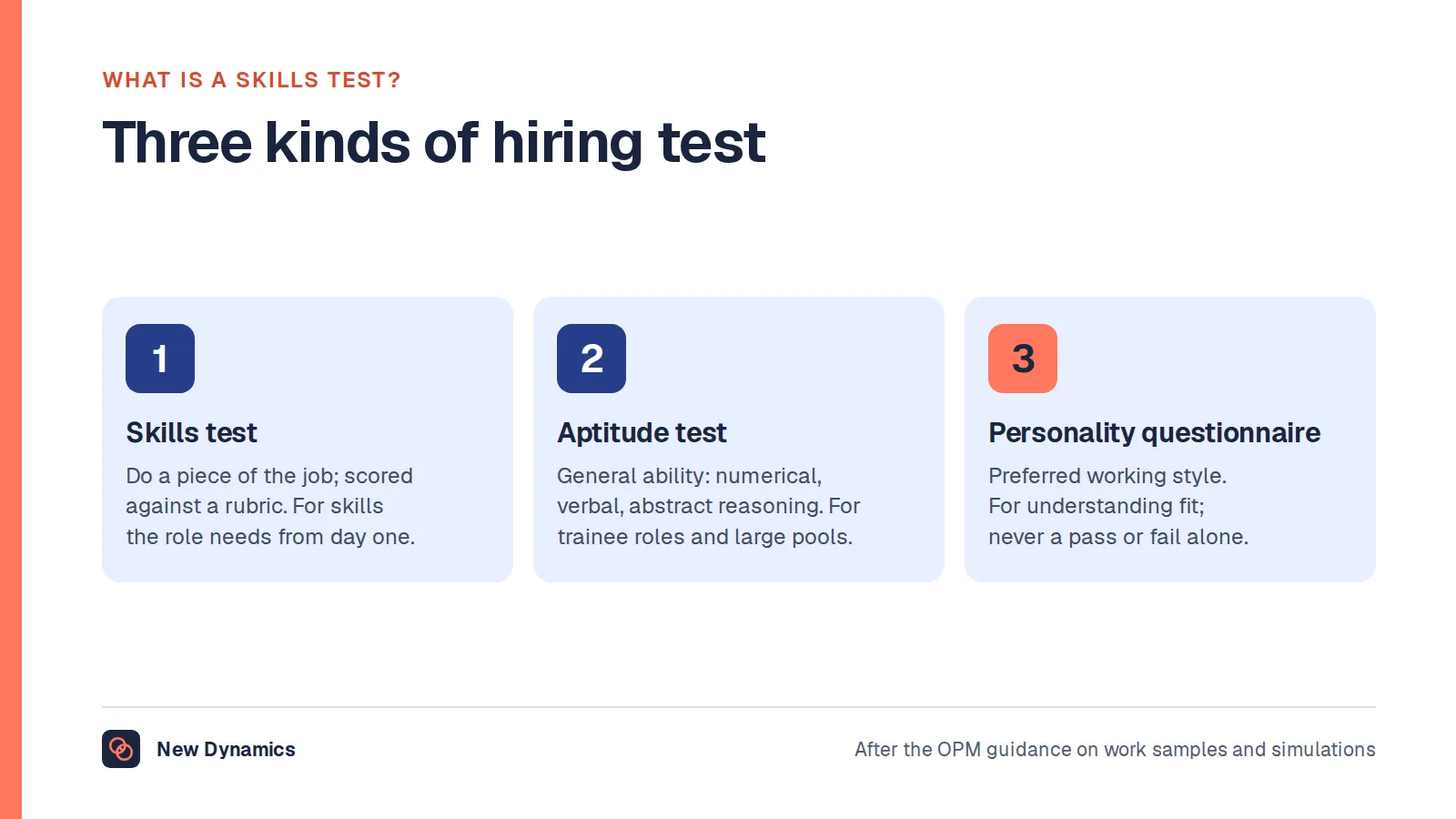
What a skills test is and how it differs from an aptitude or personality test, what the evidence says about work samples, six steps to design and score one, examples for ten kinds of job, the fairness rules and what candidates should expect.
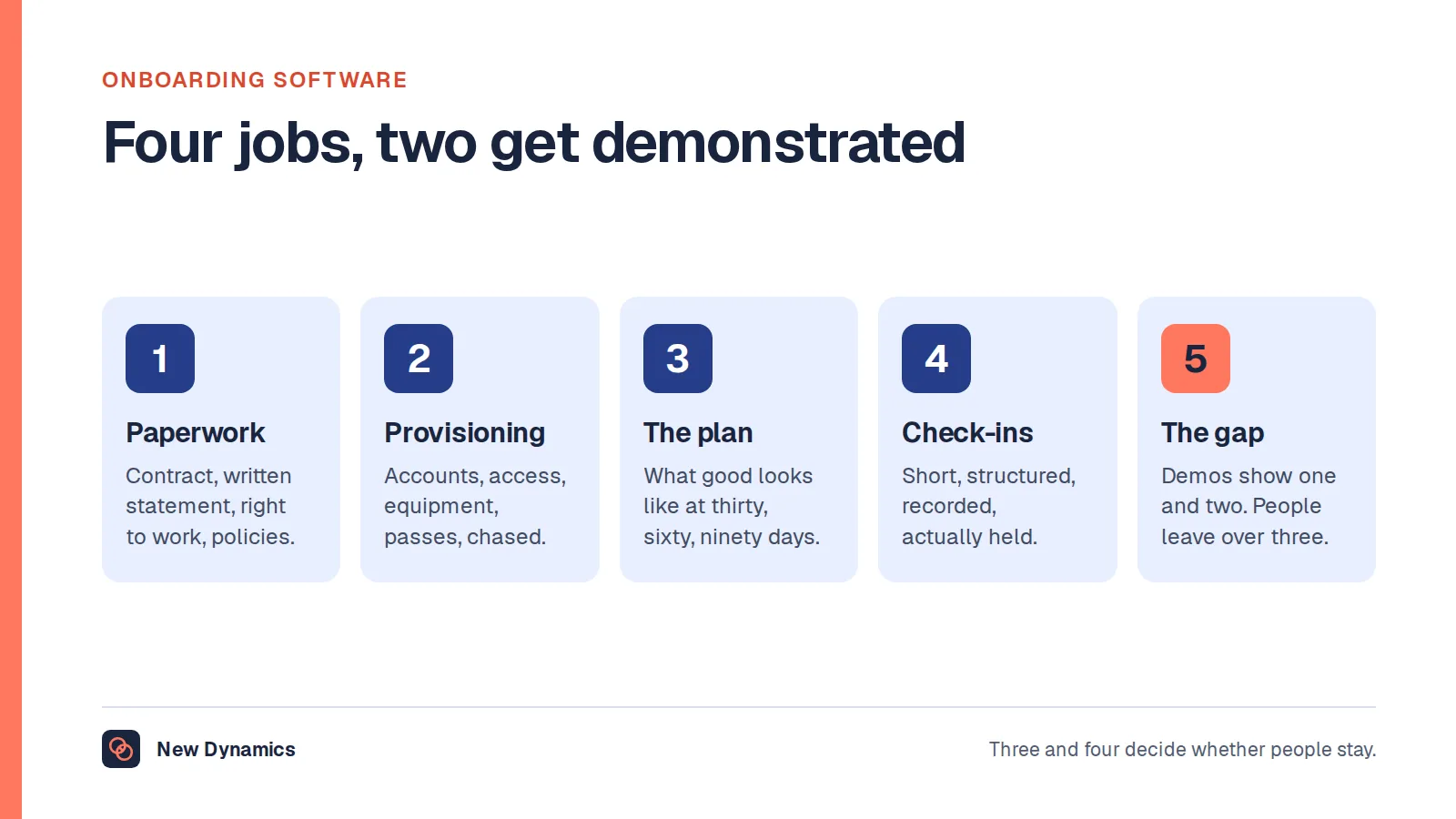
A vendor-neutral guide to onboarding software: the legal paperwork that must land on day one, the four jobs a system does, why task lists are the easy part, what to measure at thirty and ninety days, and the questions to ask a provider.
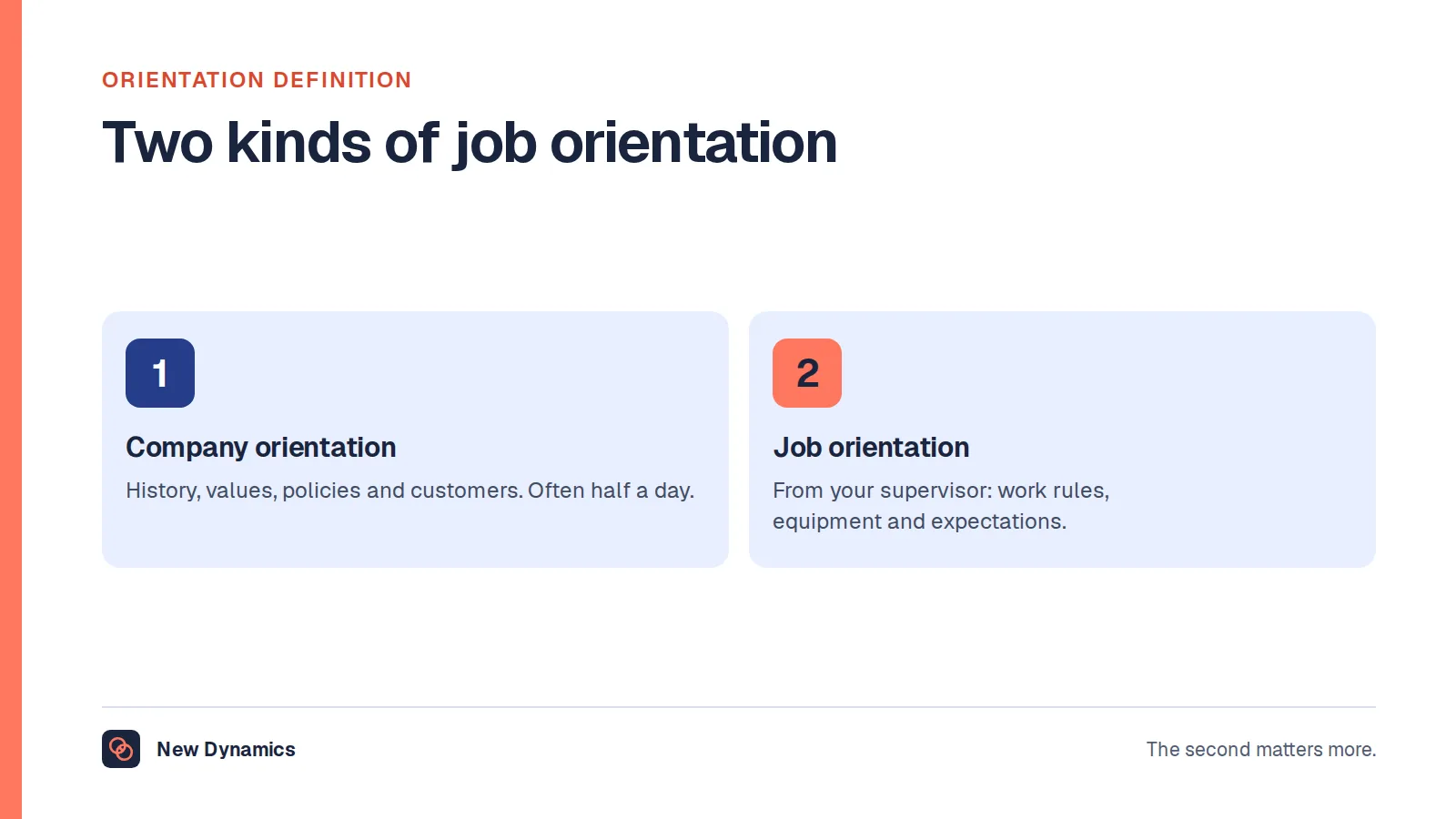
What orientation means for a job, how it differs from onboarding and induction, what happens on the day, whether it is paid, and a six-part plan for employers.
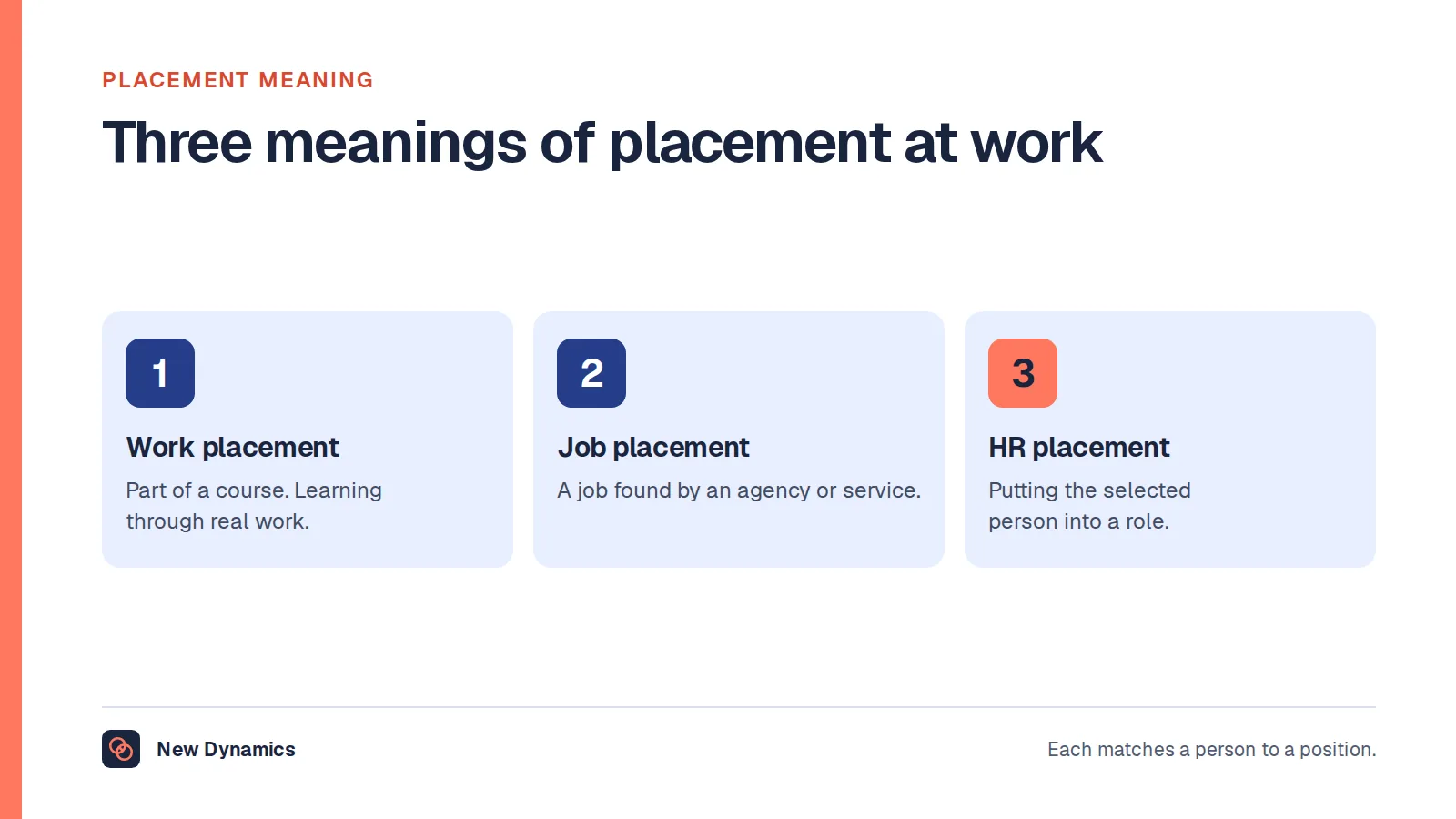
What placement means at work: a work placement for a student, a job placement by an agency and placement as an HR step. Plus pay rules in the UK and six steps for hosts.
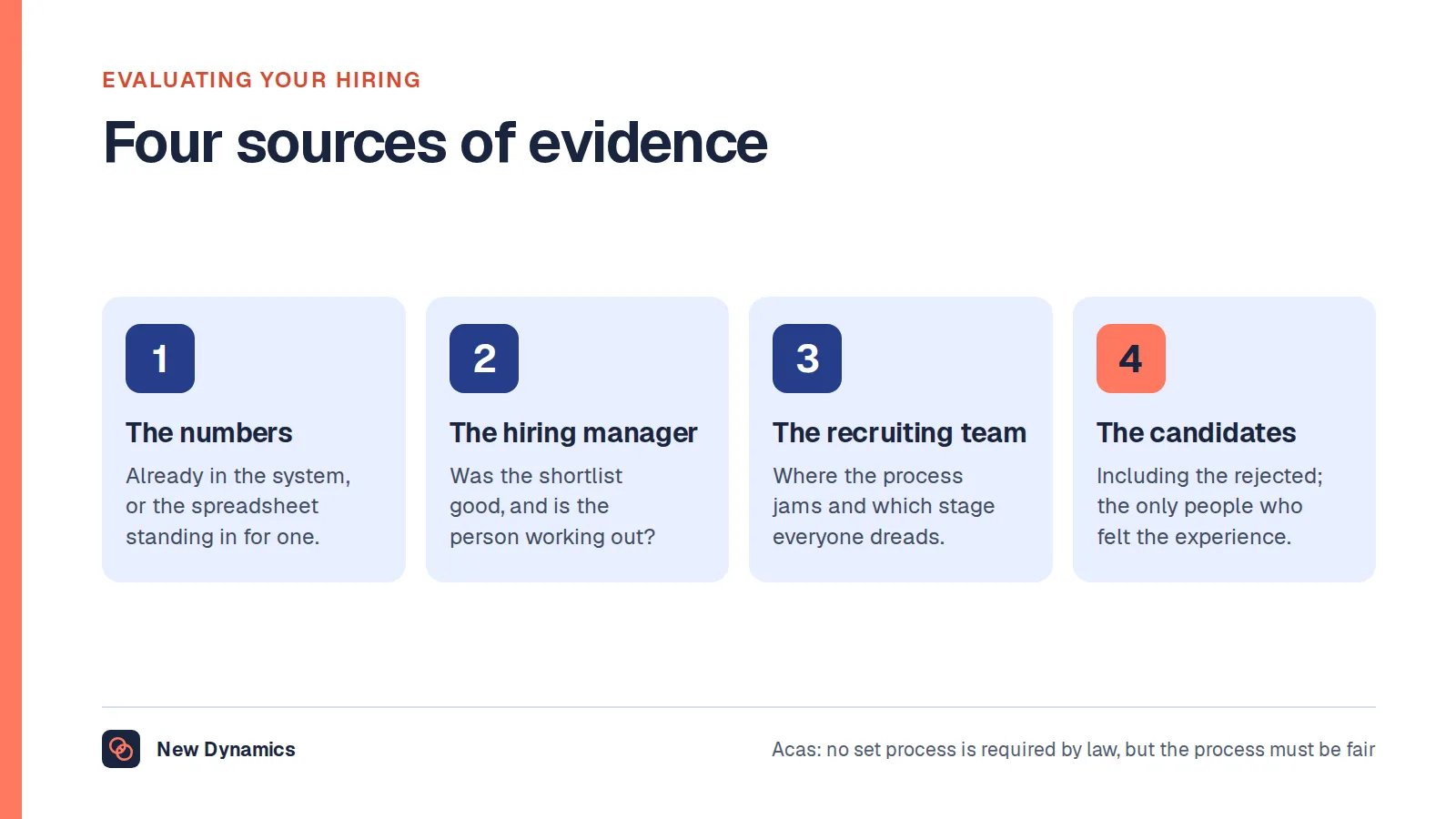
A recruitment process evaluation questionnaire for hiring managers, the recruiting team and new starters, plus the six numbers every organisation already holds, how to run the review as a decision rather than a report, and the data protection limits on keeping recruitment records.
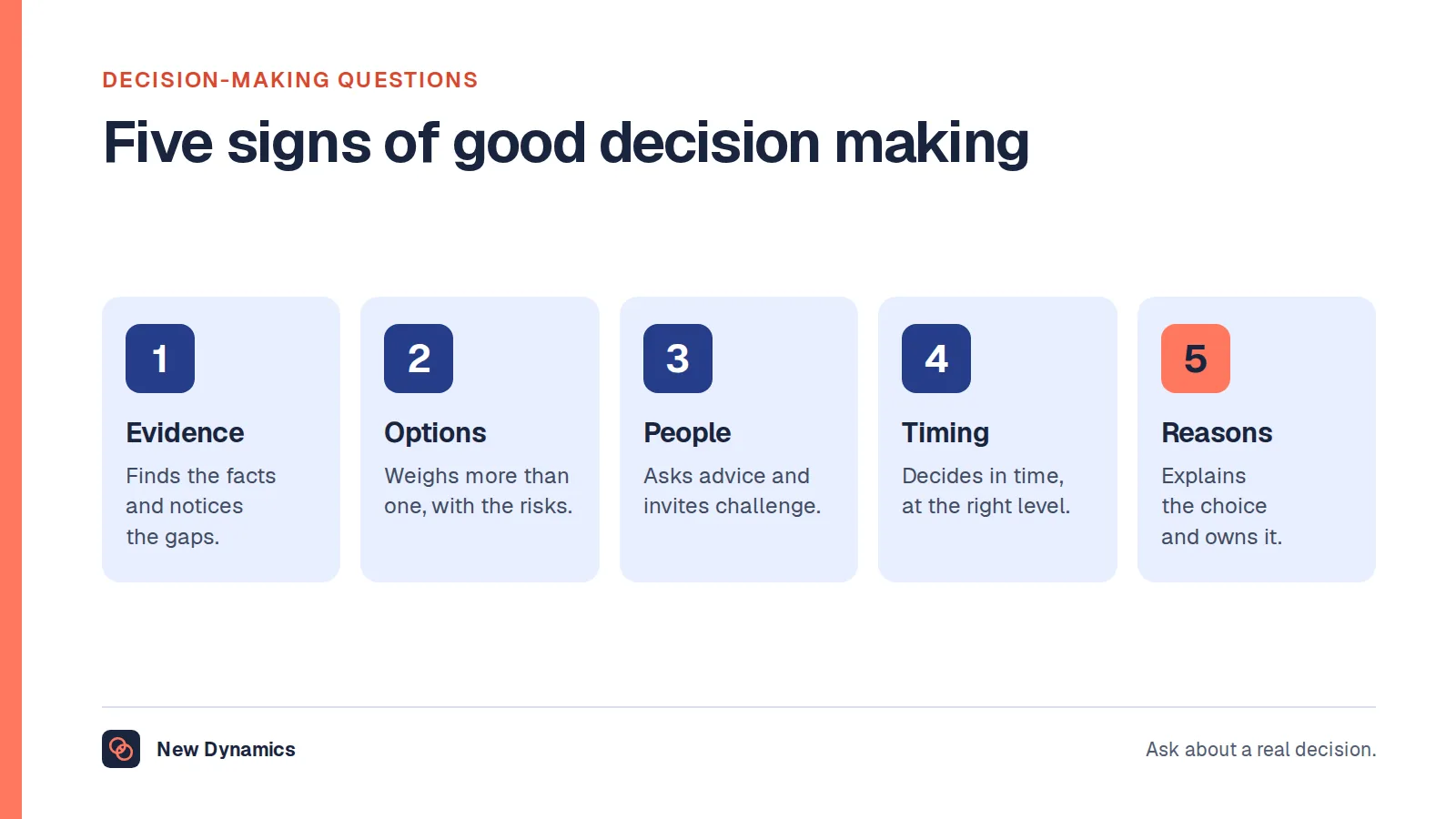
Use these 50 decision-making questions in interviews, performance reviews, team retrospectives and surveys, with guidance on what good answers contain and how to score them fairly.
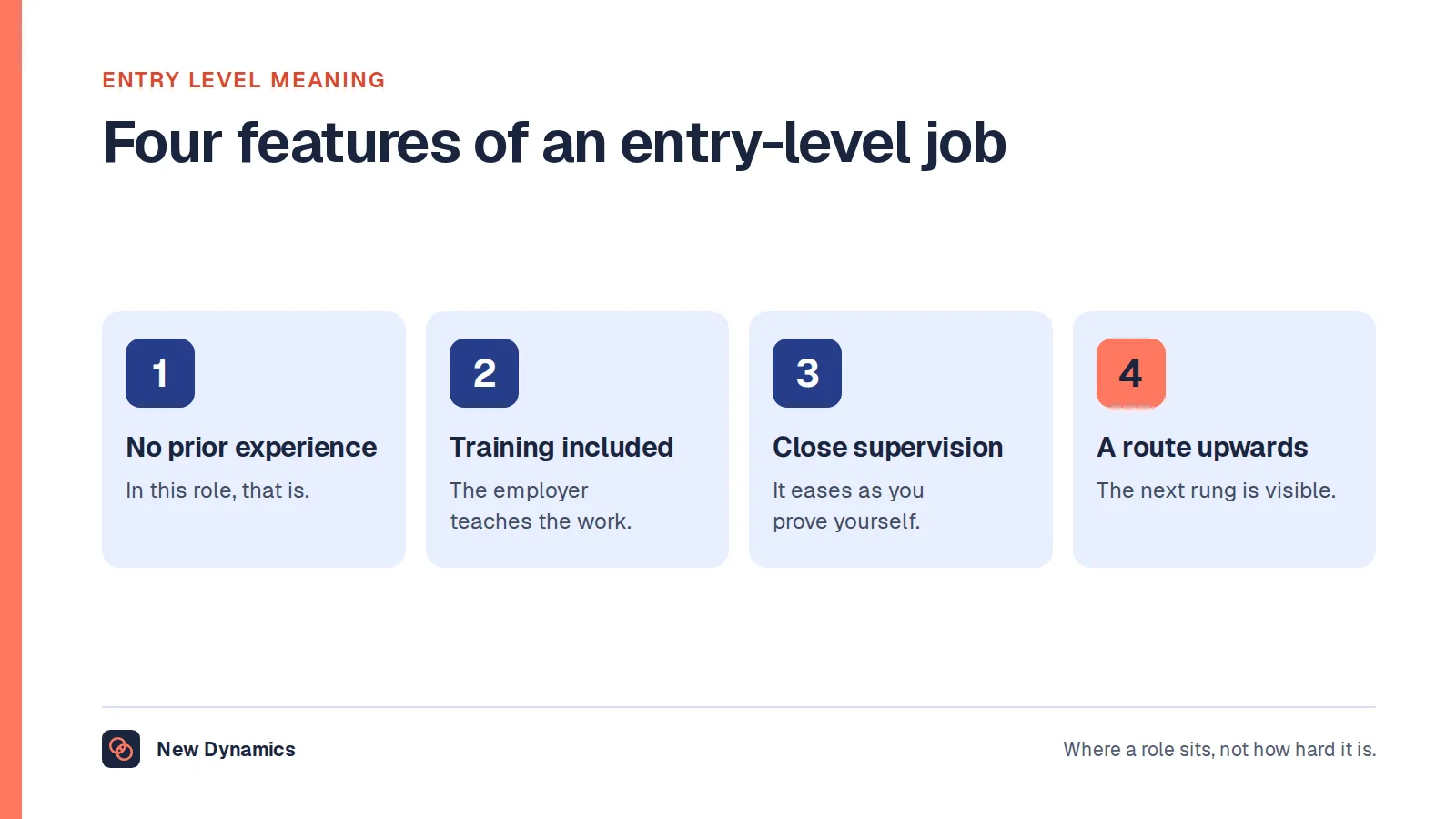
What entry level means in a job, examples by field, why adverts ask for experience anyway, how to get hired, and how employers should design entry-level roles.
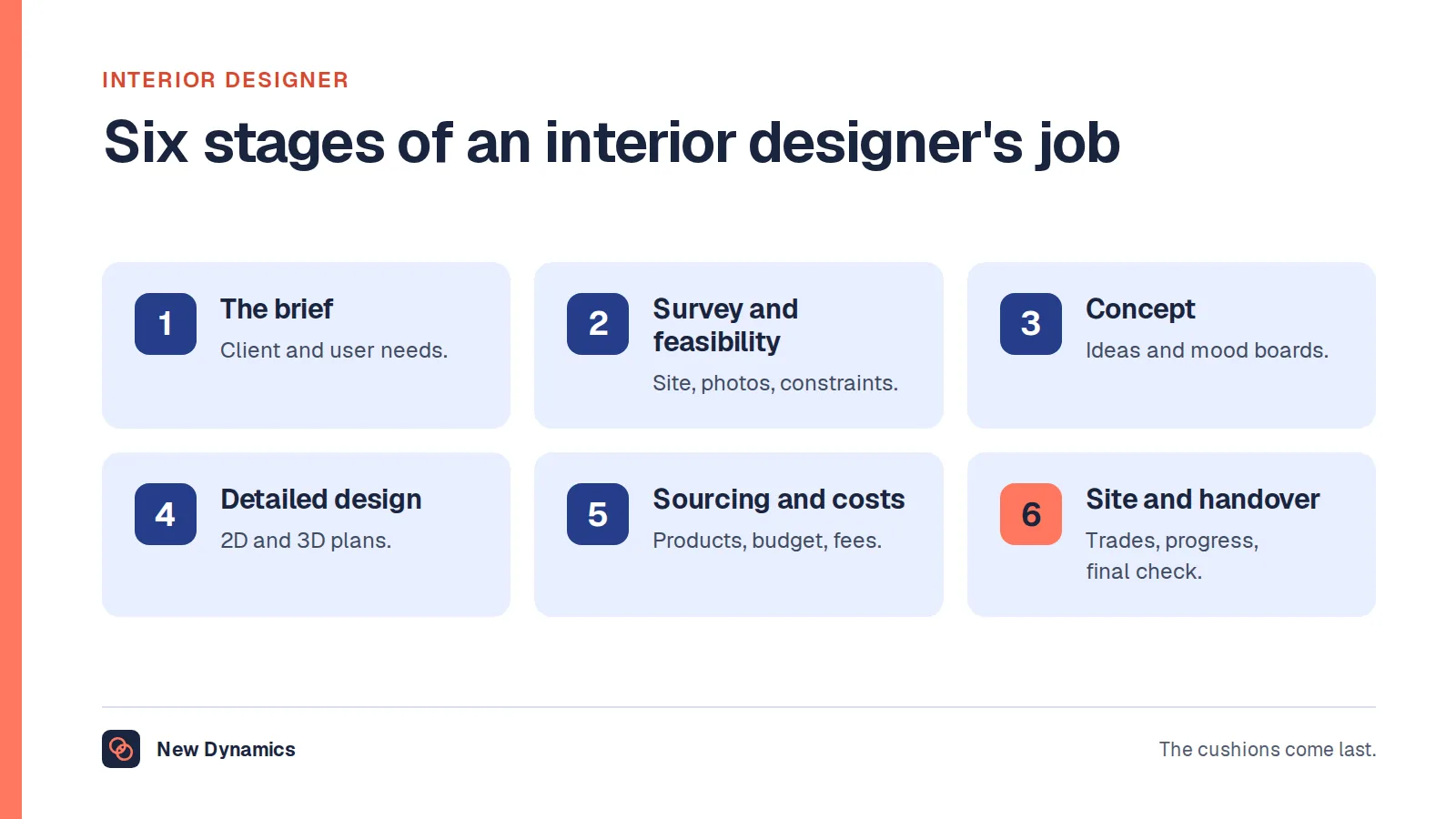
What an interior designer does: the job scope in six project stages, how the role differs from a decorator and an architect, five skills, a UK safety duty and a template.