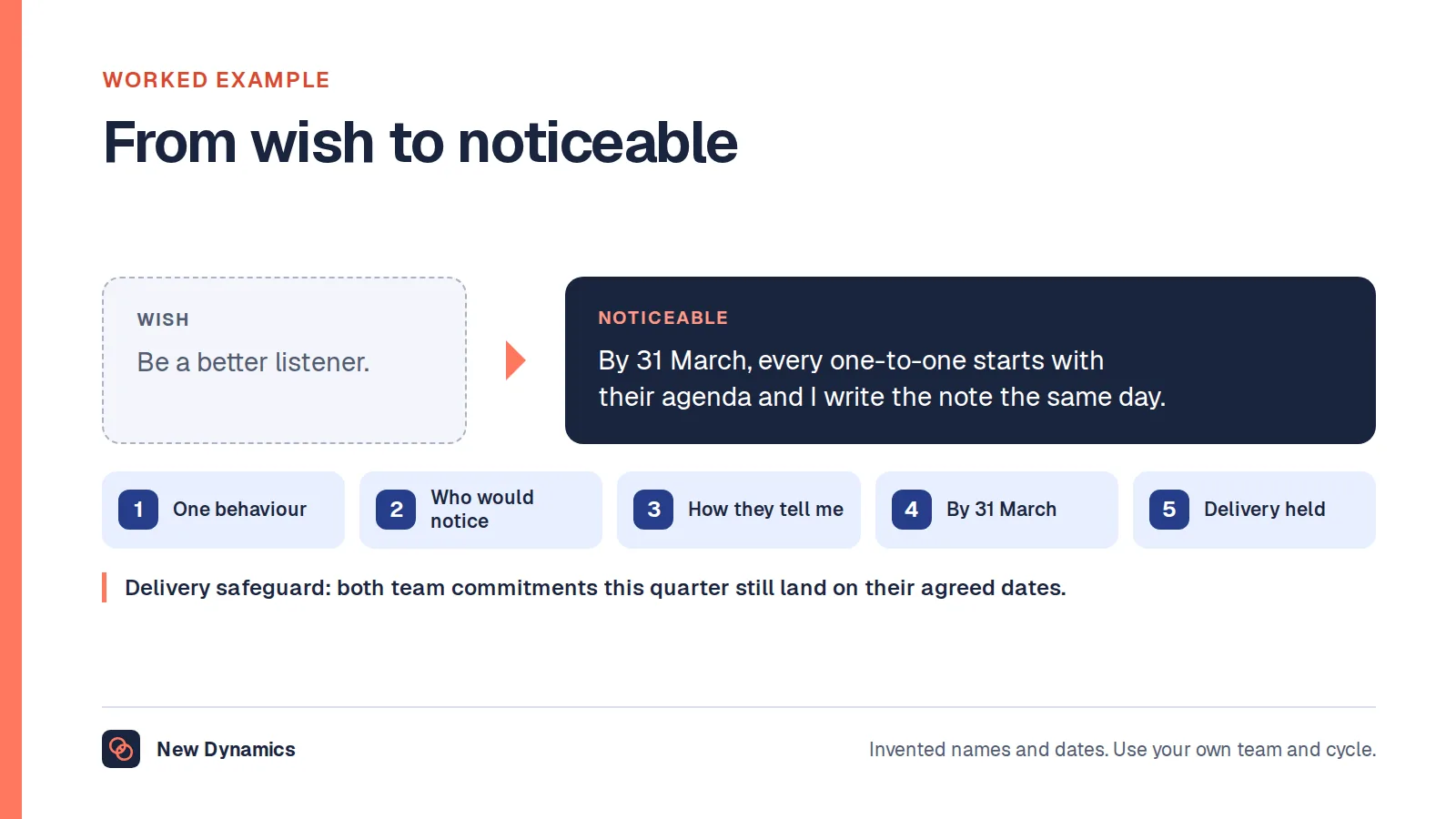
Why most leadership goals are unmeasurable wishes, how to turn one into a behaviour a team could notice and report, goals for the five things managers actually have to get better at, and worked examples for three levels.
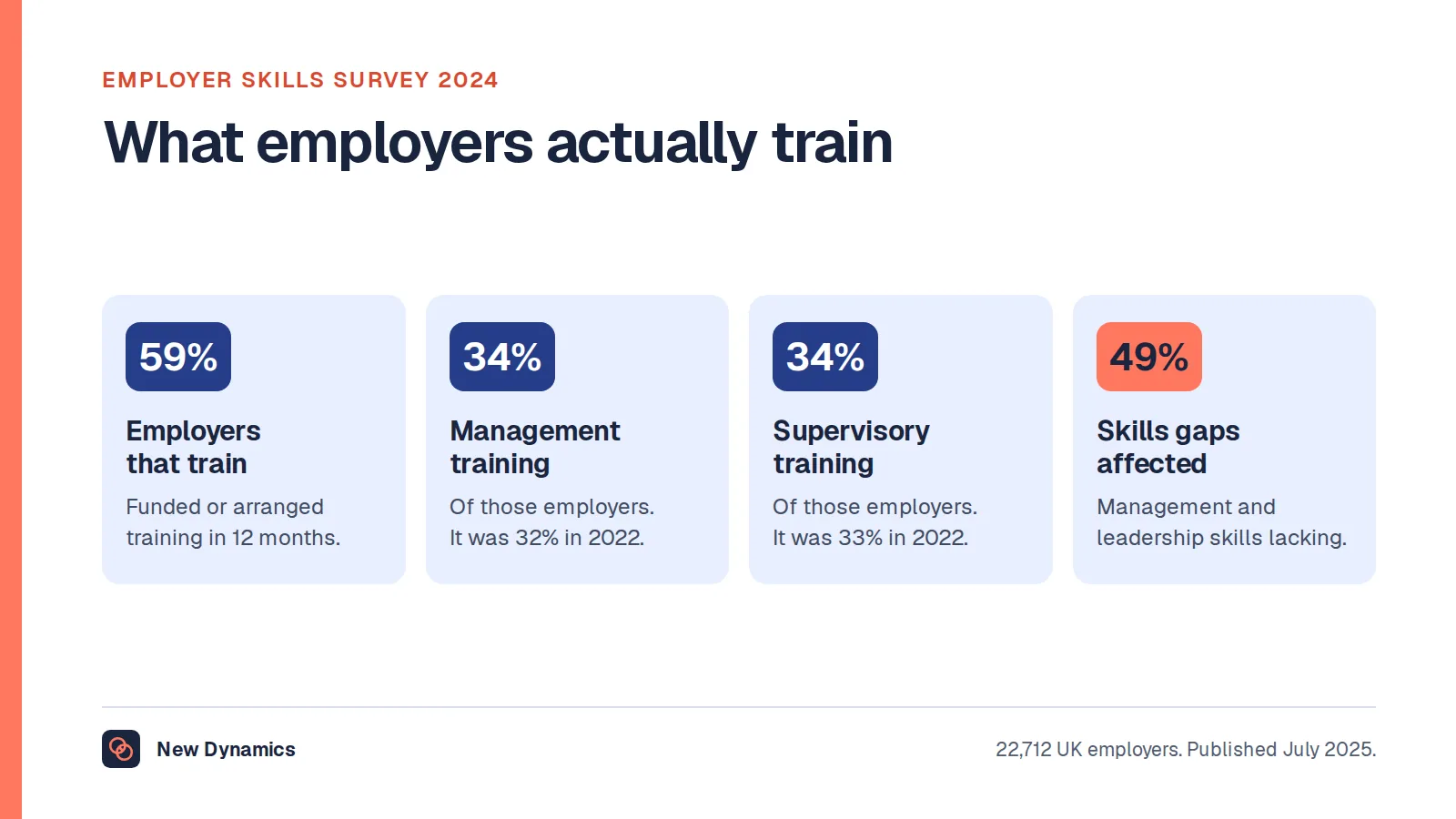
Management training was provided by 34% of UK employers that train, and management and leadership skills were lacking in 49% of skills gaps. The manager training figures you can quote, what each one covers, and why no official source counts first time managers.
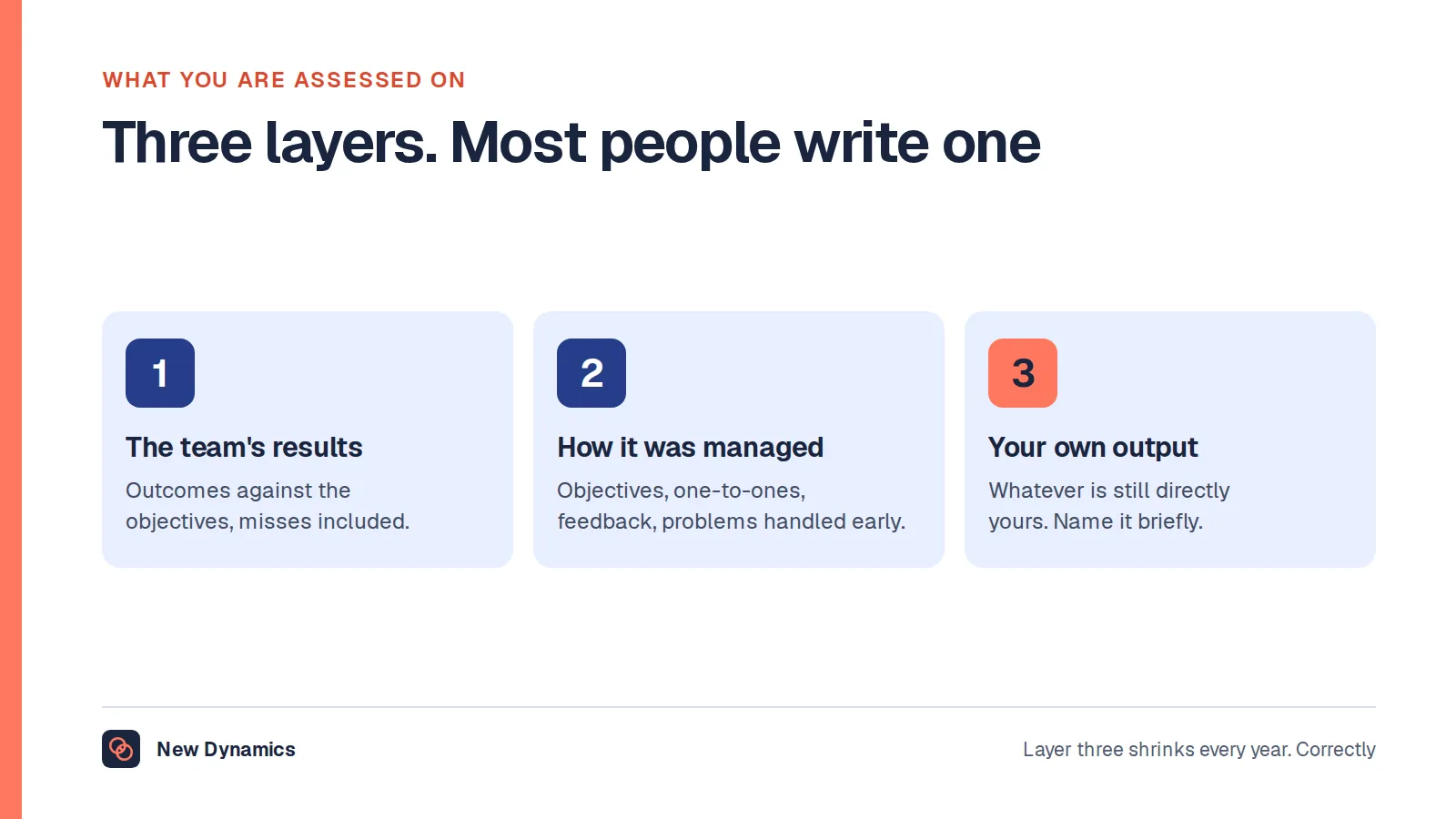
How to write a manager self assessment: the three layers you are assessed on, six places management evidence hides, a six-part structure, and phrasing that claims your contribution without taking credit from the team.
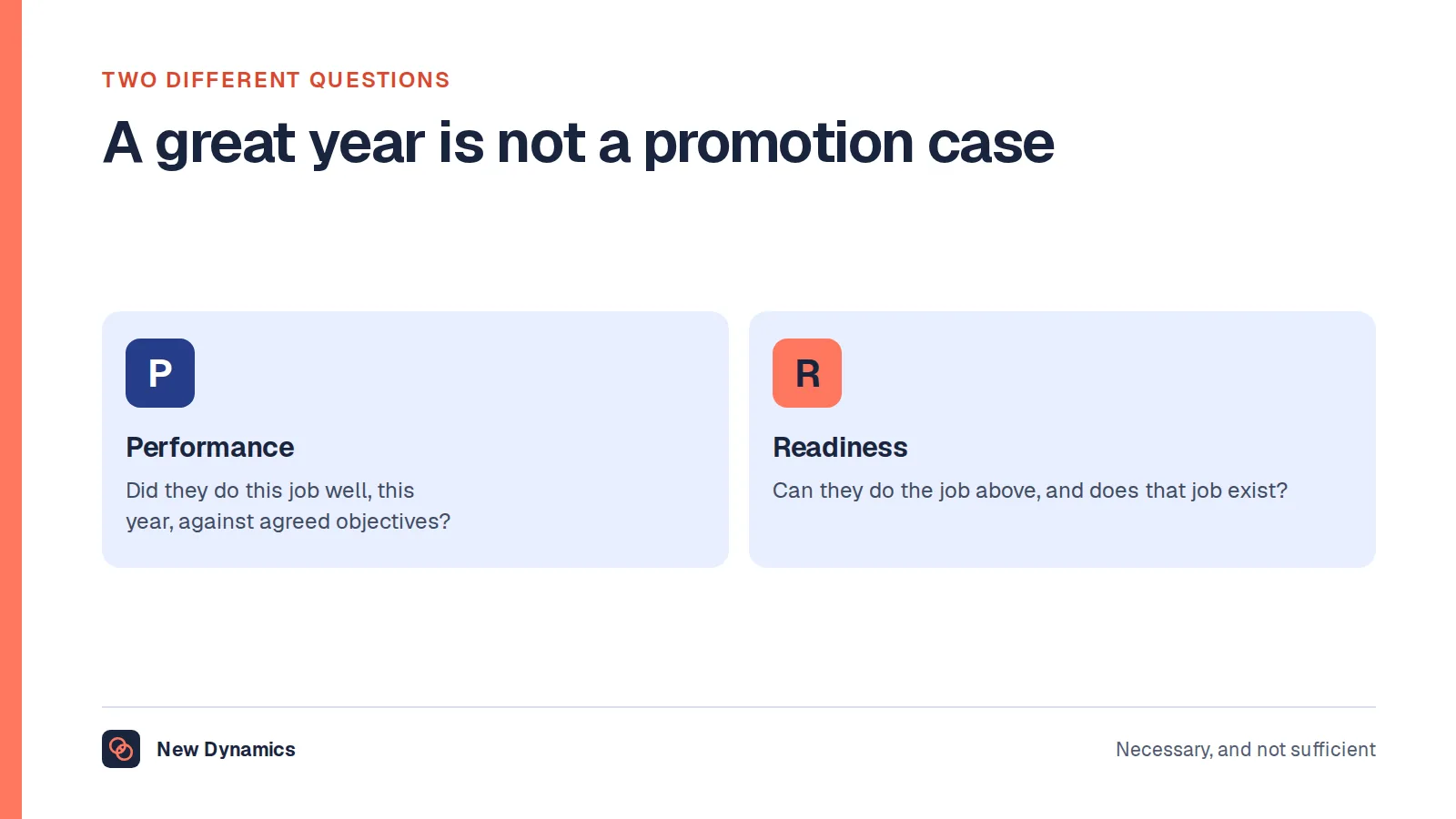
Why a strong review is not a promotion case, four tests for readiness with the evidence each needs, the fairness obligations promotion decisions carry, and how to run the ready, not yet and not on this path conversations.
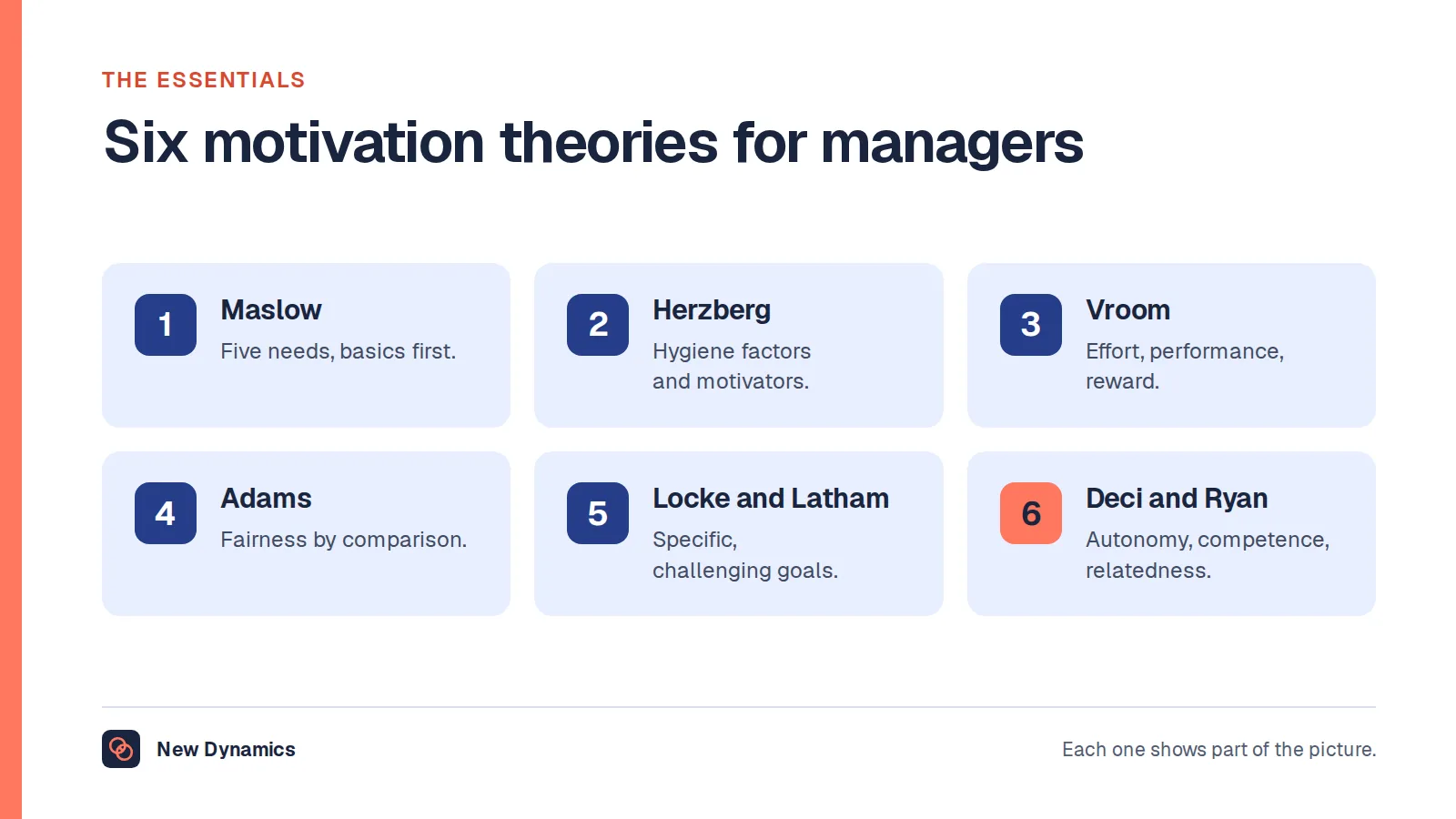
What motivation theories are, content and process theories compared, six major theories and their theorists explained plainly, and five questions for managers.
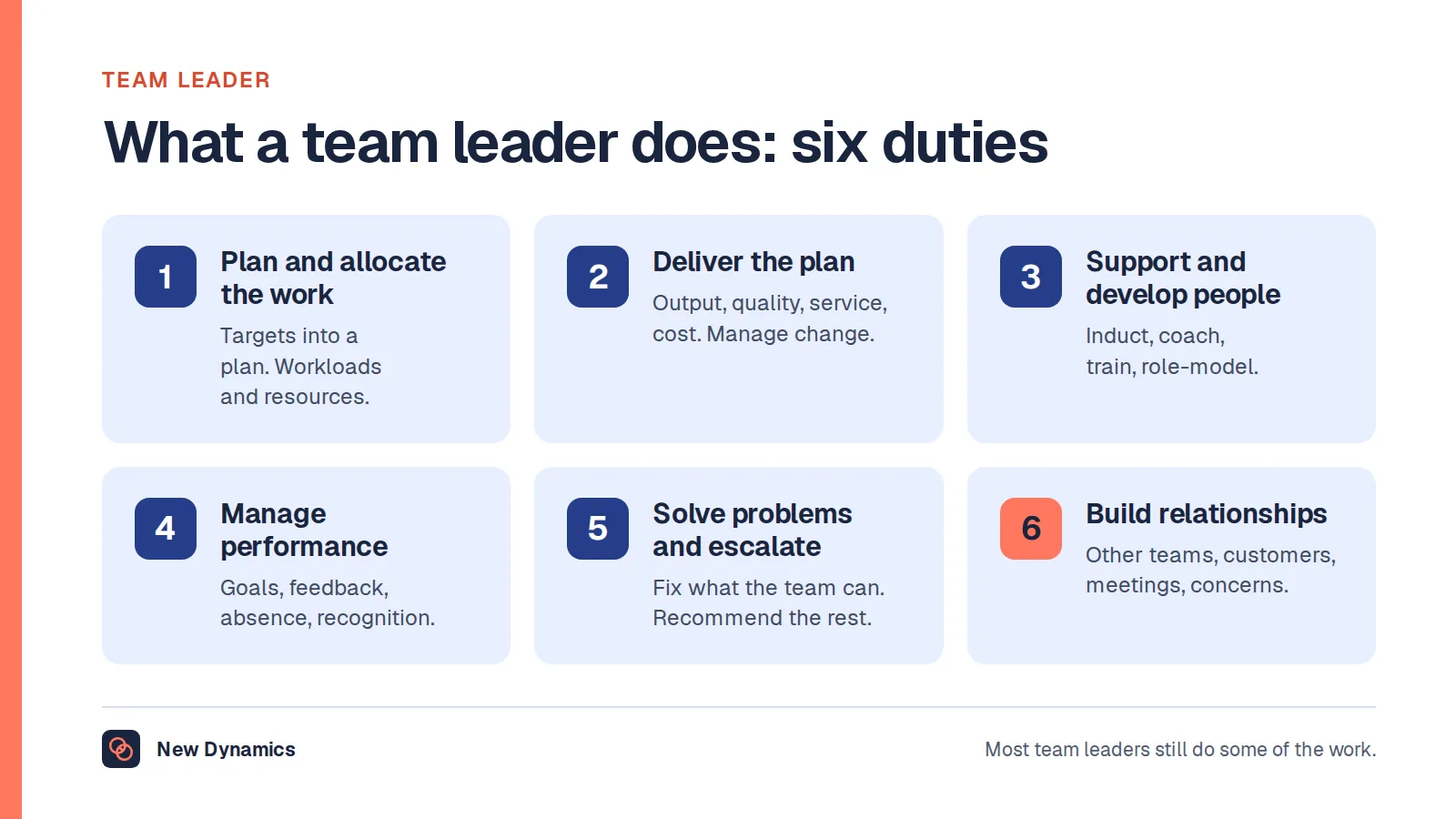
What a team leader does: six duties from planning the work to developing people, how the role differs from a supervisor and a manager, the knowledge and skills the UK standard expects, a template and interview tips.
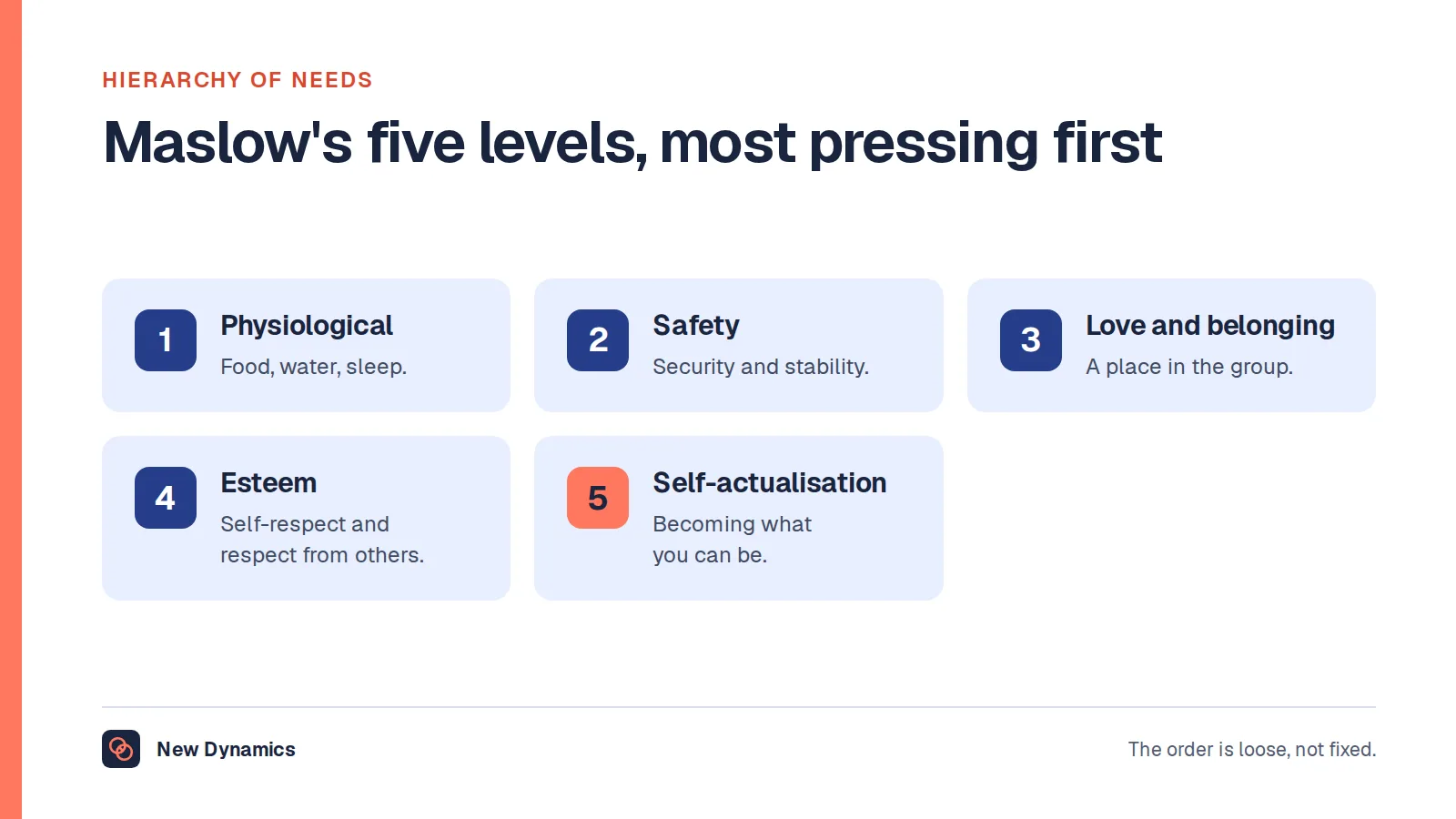
What the hierarchy of needs is: a plain definition, Maslow's five levels in his own words, what the pyramid gets wrong, and how managers can use the idea at work.
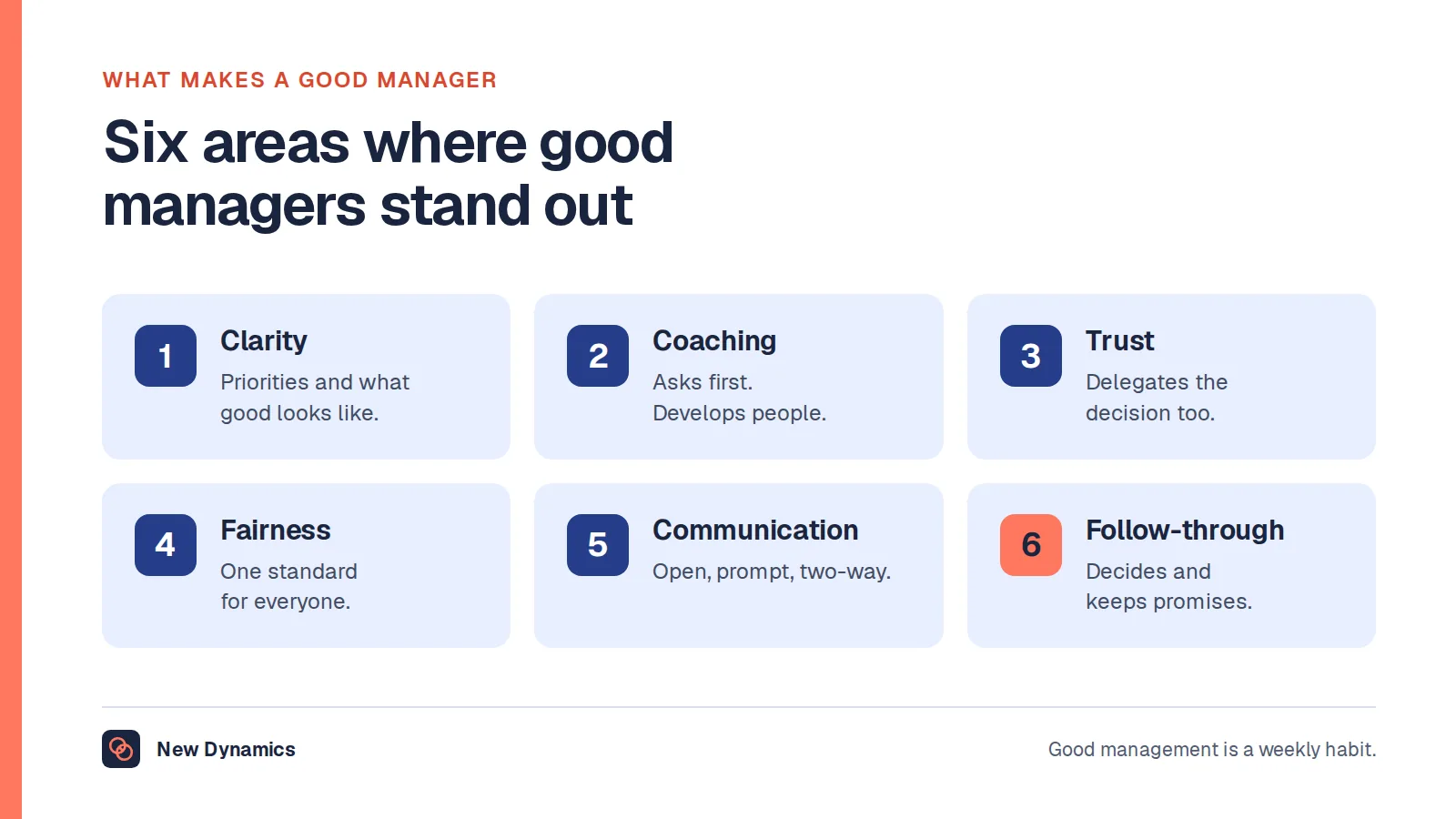
What makes a good manager: 10 qualities with everyday behaviours, 10 signs of a bad manager, a weekly routine and how to measure whether you manage well.
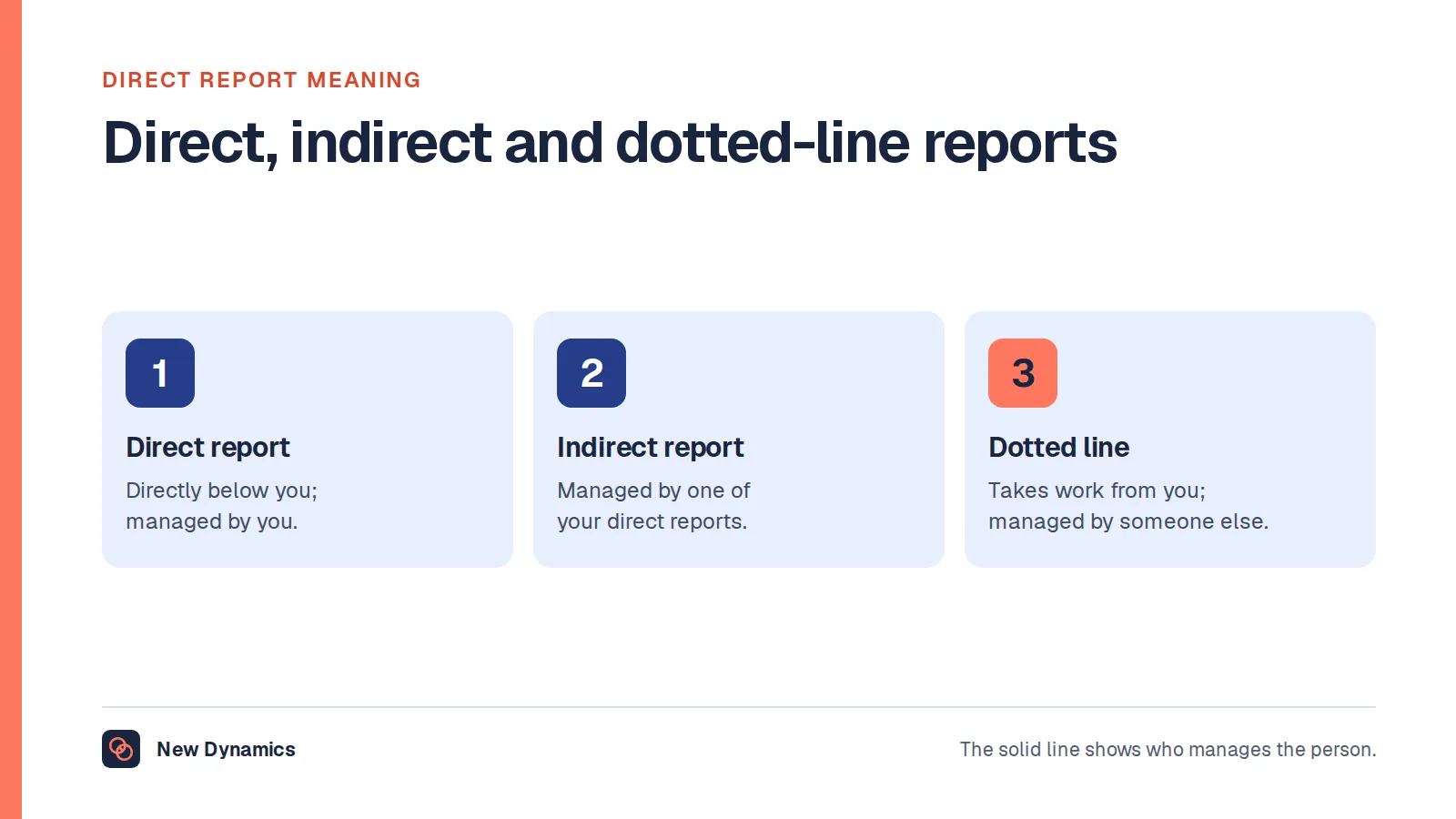
What direct report means, with dictionary definitions, direct vs indirect vs dotted-line reports, span of control, how many direct reports a manager should have and what every direct report is owed.
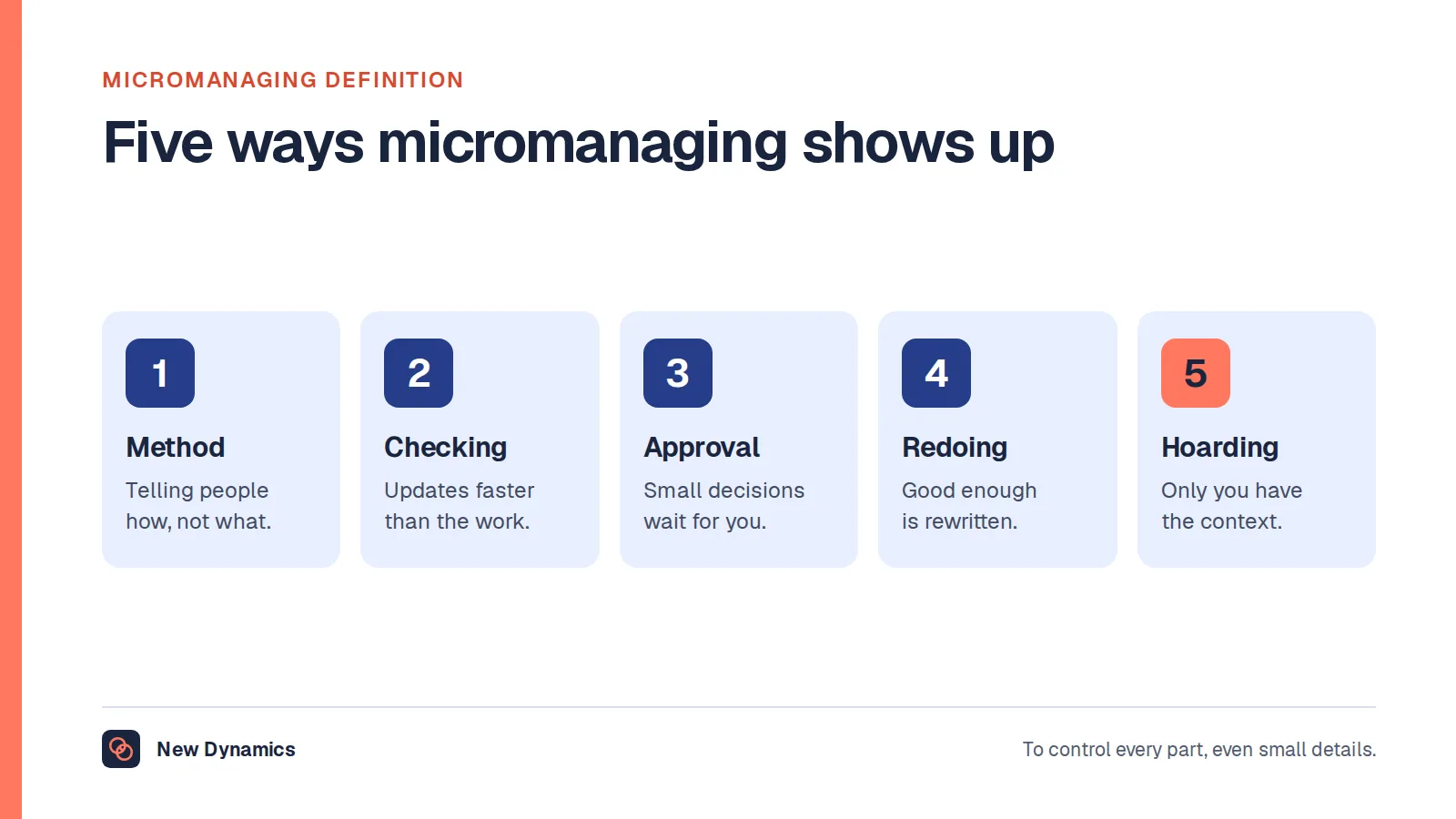
What micromanaging means, ten signs, why managers do it, what it costs, how it differs from close supervision, and practical steps for managers and for employees.
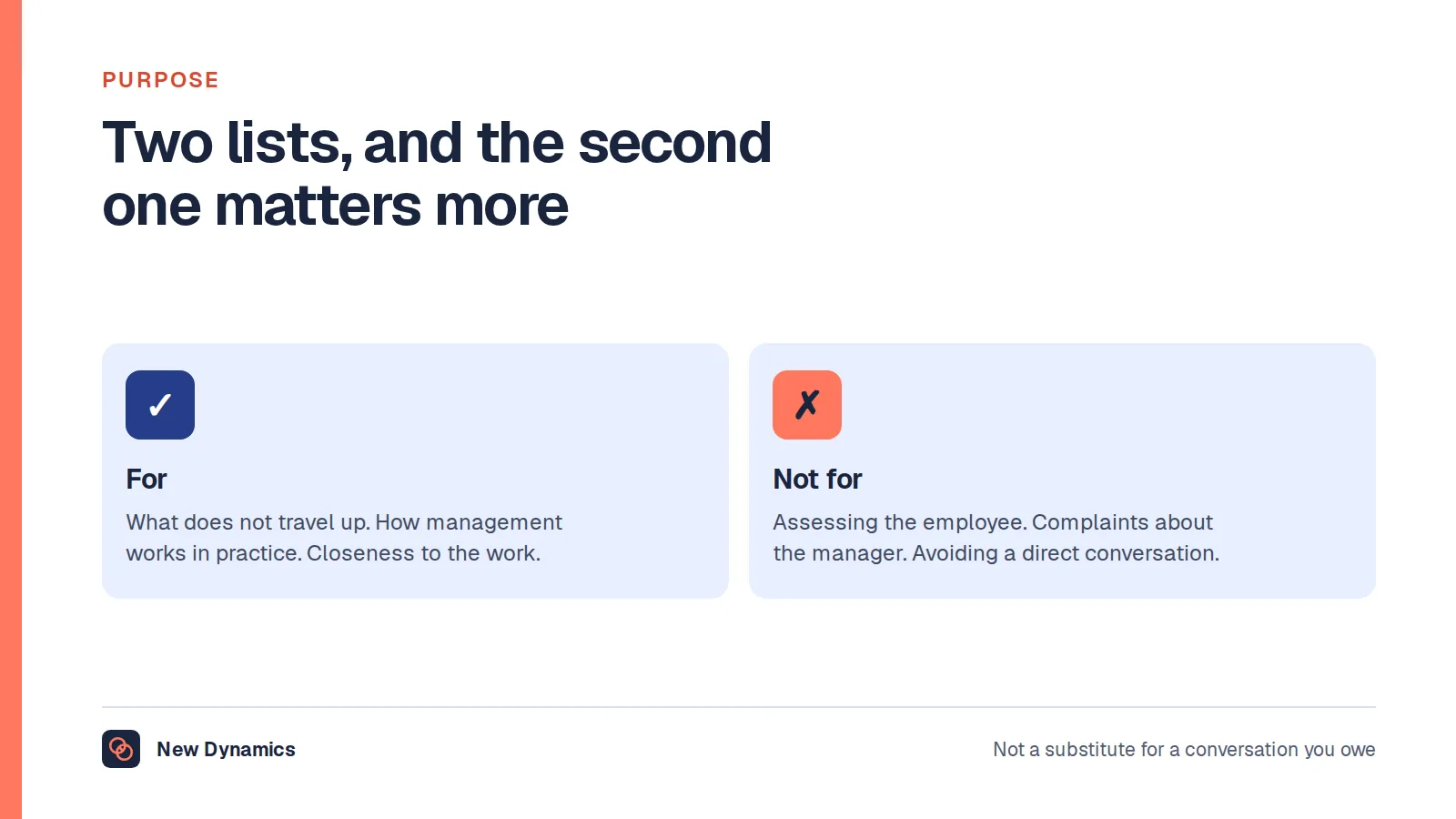
What a skip-level meeting is for and what it is not, five rules to set before the first one, the questions to ask including how to ask about somebody's manager, and what to do with what you hear.
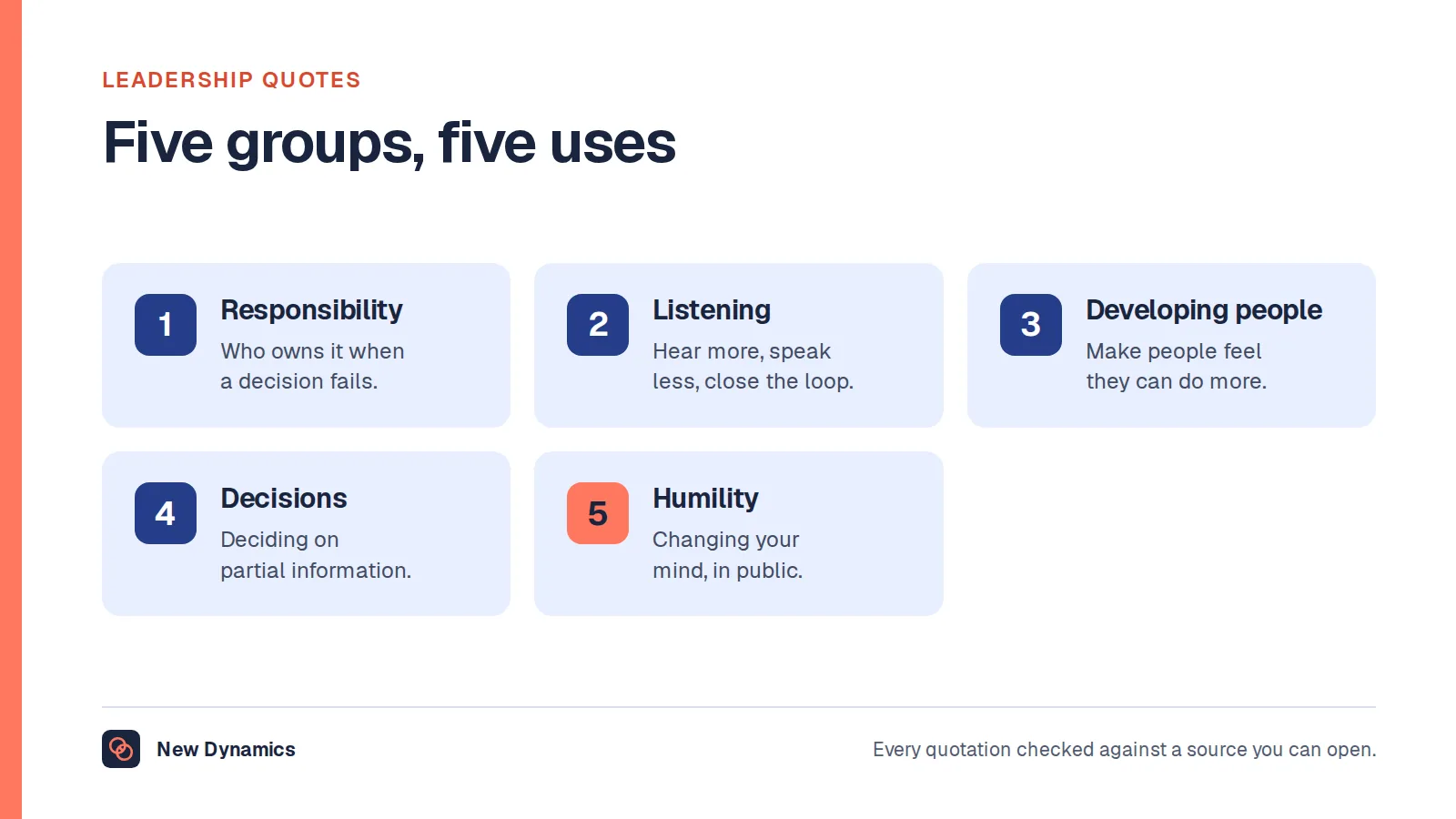
Leadership quotes with the source named and linked for every line, grouped by what a manager would actually use them for, plus the famous sayings about leadership that turn out to be misattributed and what the evidence really shows.
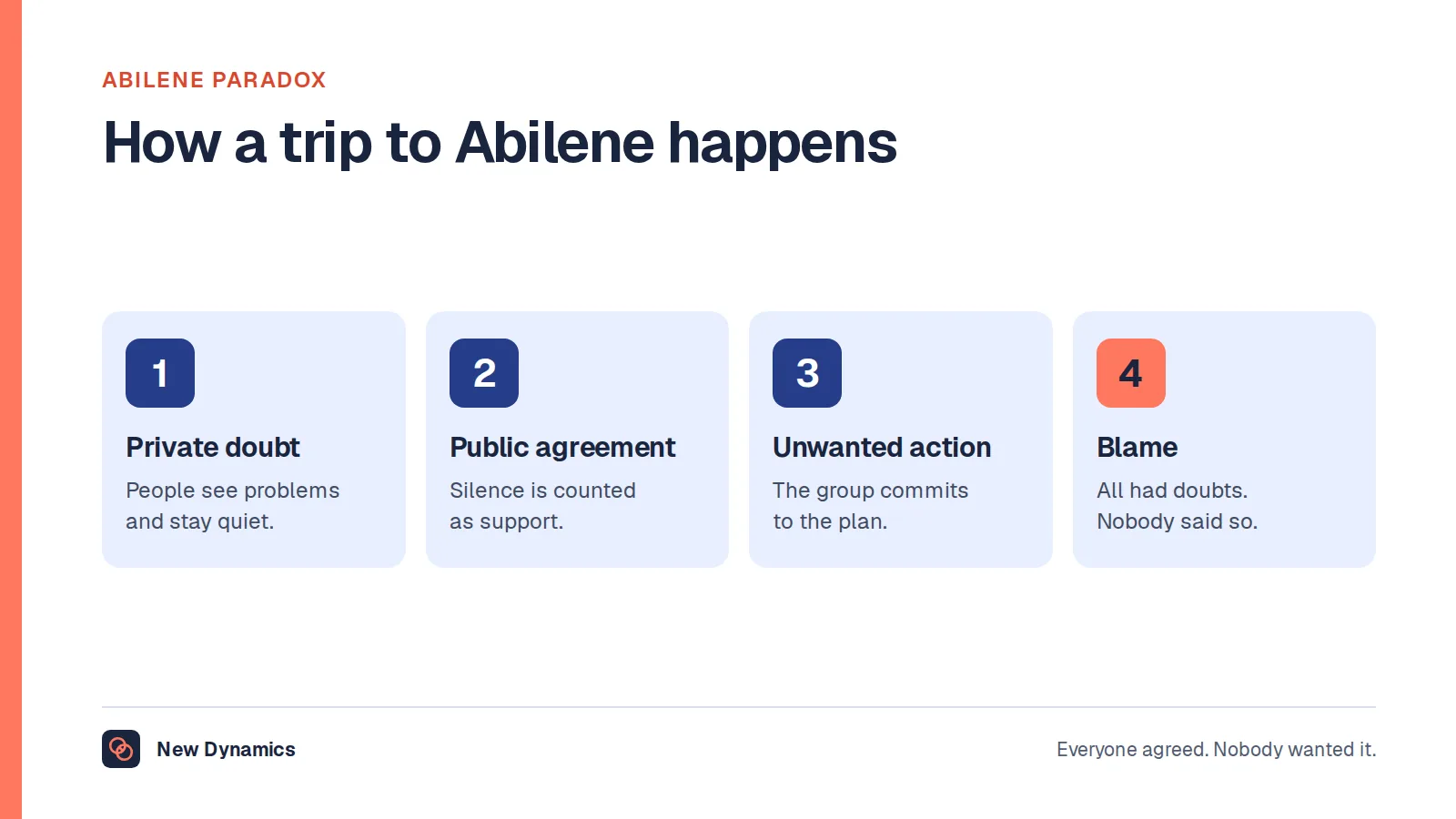
What the Abilene paradox is, the road to Abilene story, how it differs from groupthink, six signs that a team is on the road, and five habits that keep a group off it.
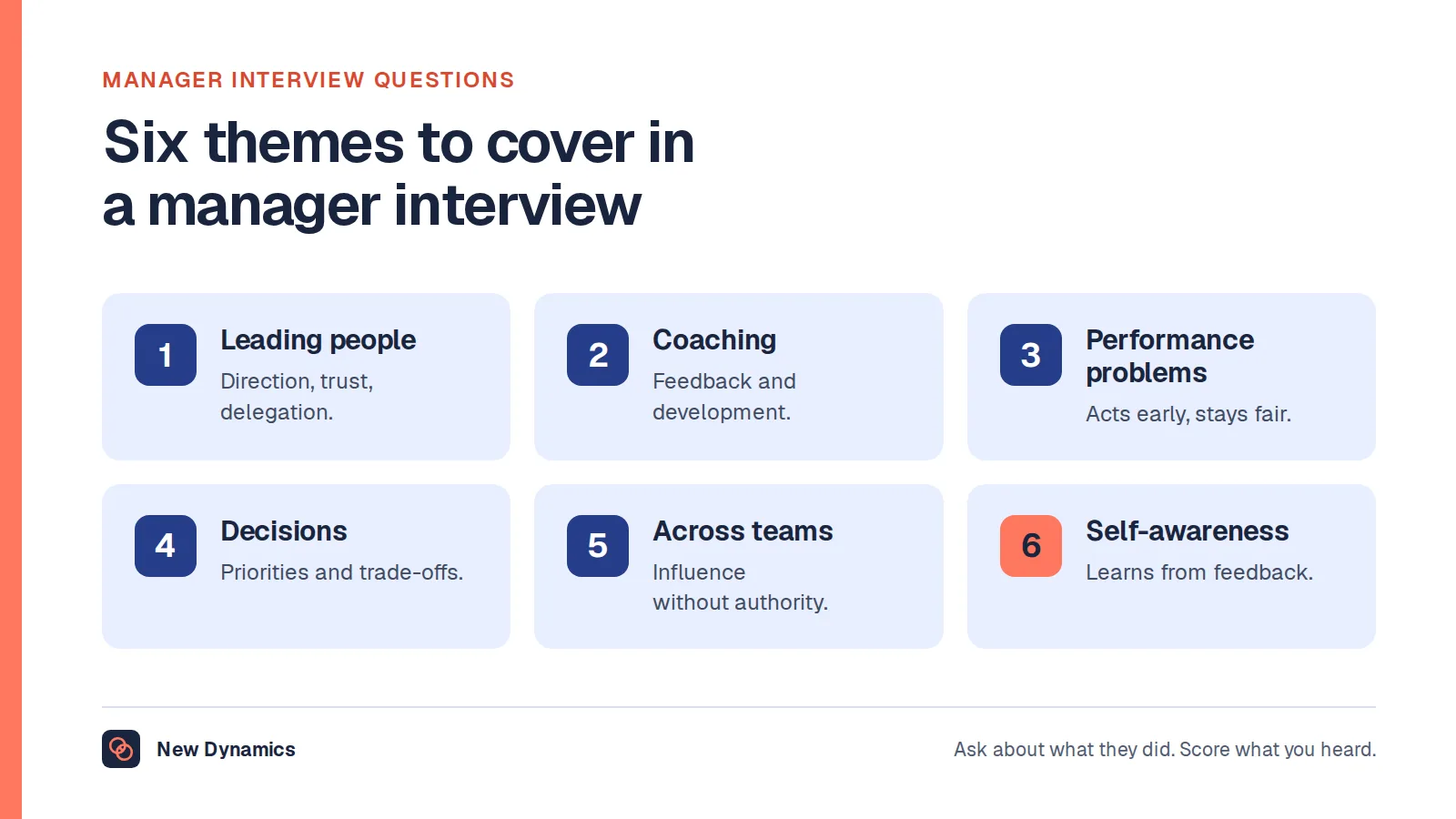
Prepare for a manager interview from either side of the table: 50 manager interview questions by theme, what strong answers include, a scorecard and sample answers.
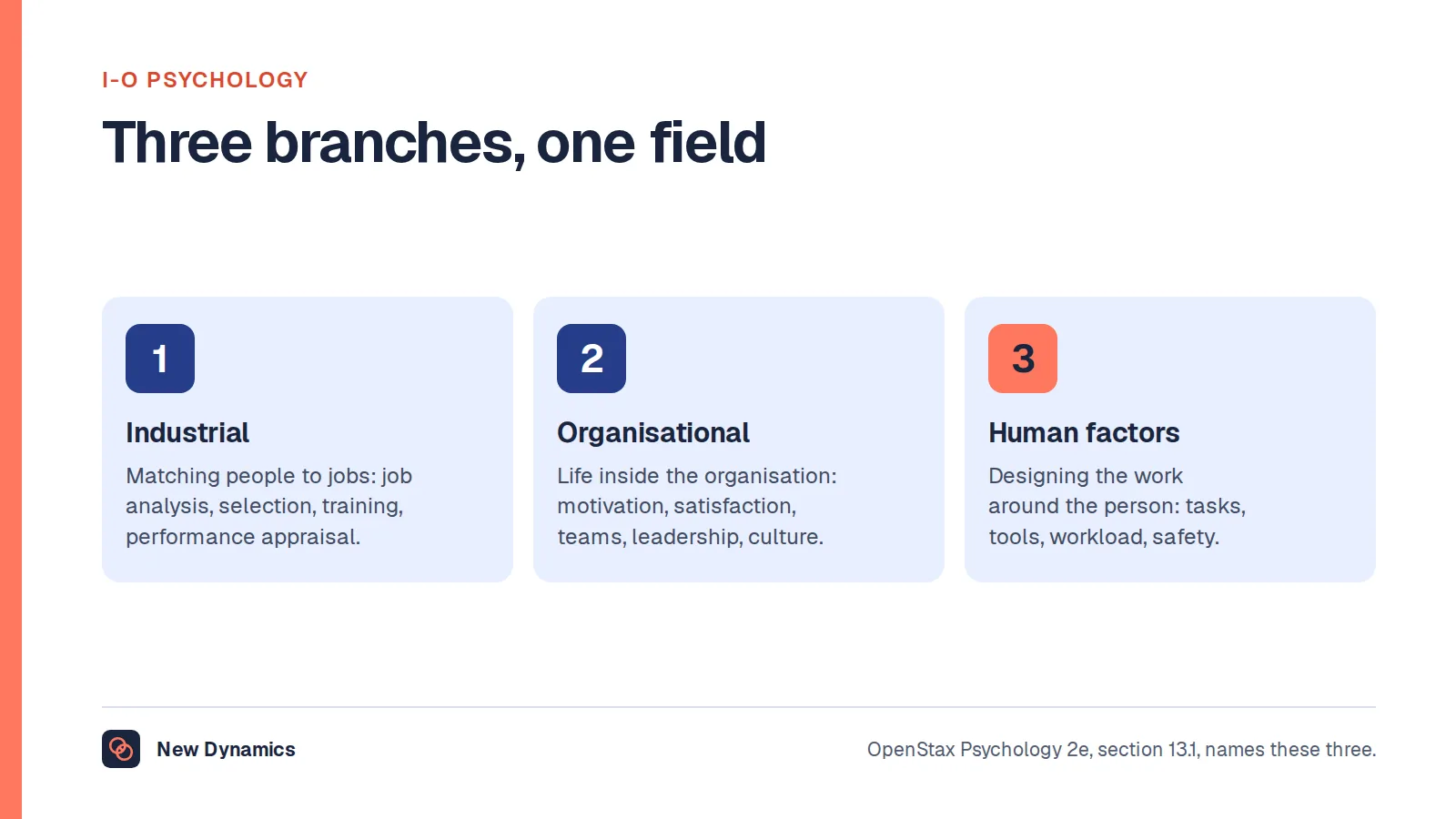
A verified reading list on industrial and organisational psychology for managers, not degree students: free open textbooks, how to read a study without being fooled, where positive psychology coaching fits and what the Shawn Achor TED talk actually argues.
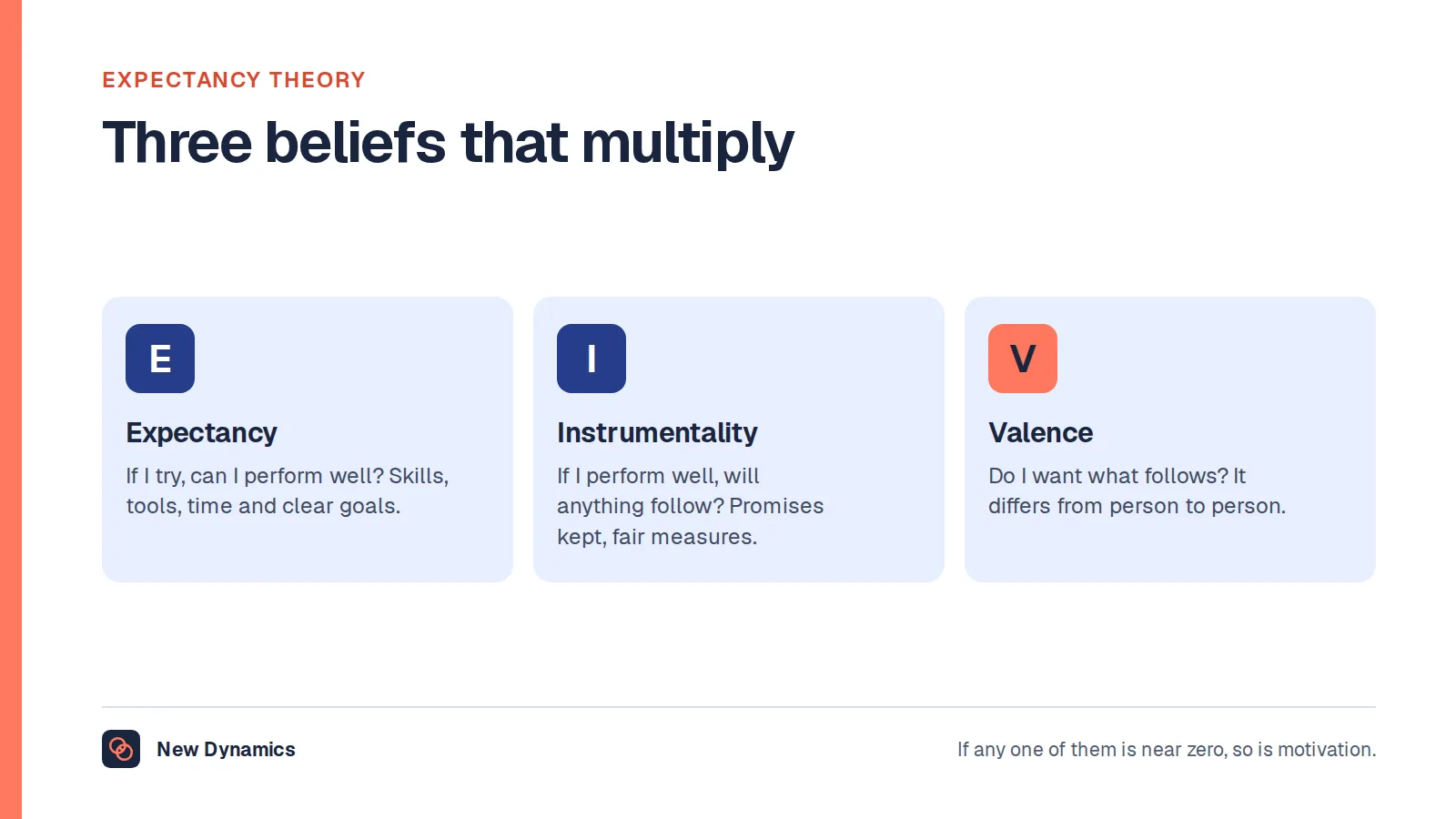
Expectancy theory explained simply: expectancy, instrumentality and valence, the formula, workplace examples and three questions to diagnose low motivation.
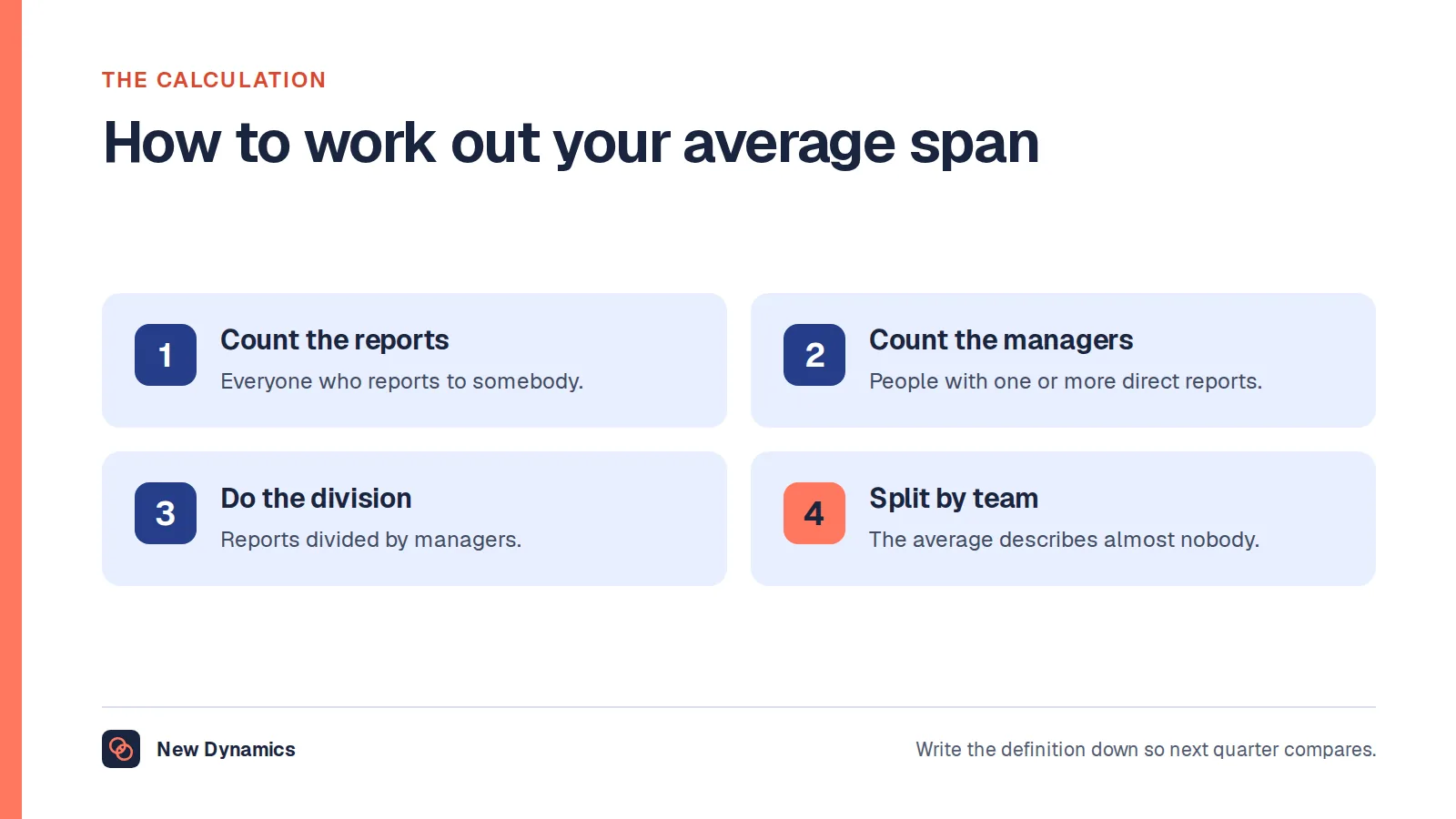
No official UK statistic publishes an average span of control. Here is the formula, a worked example, the published figures that do exist, and the six things that decide whether seven reports or seventeen is right for your team.
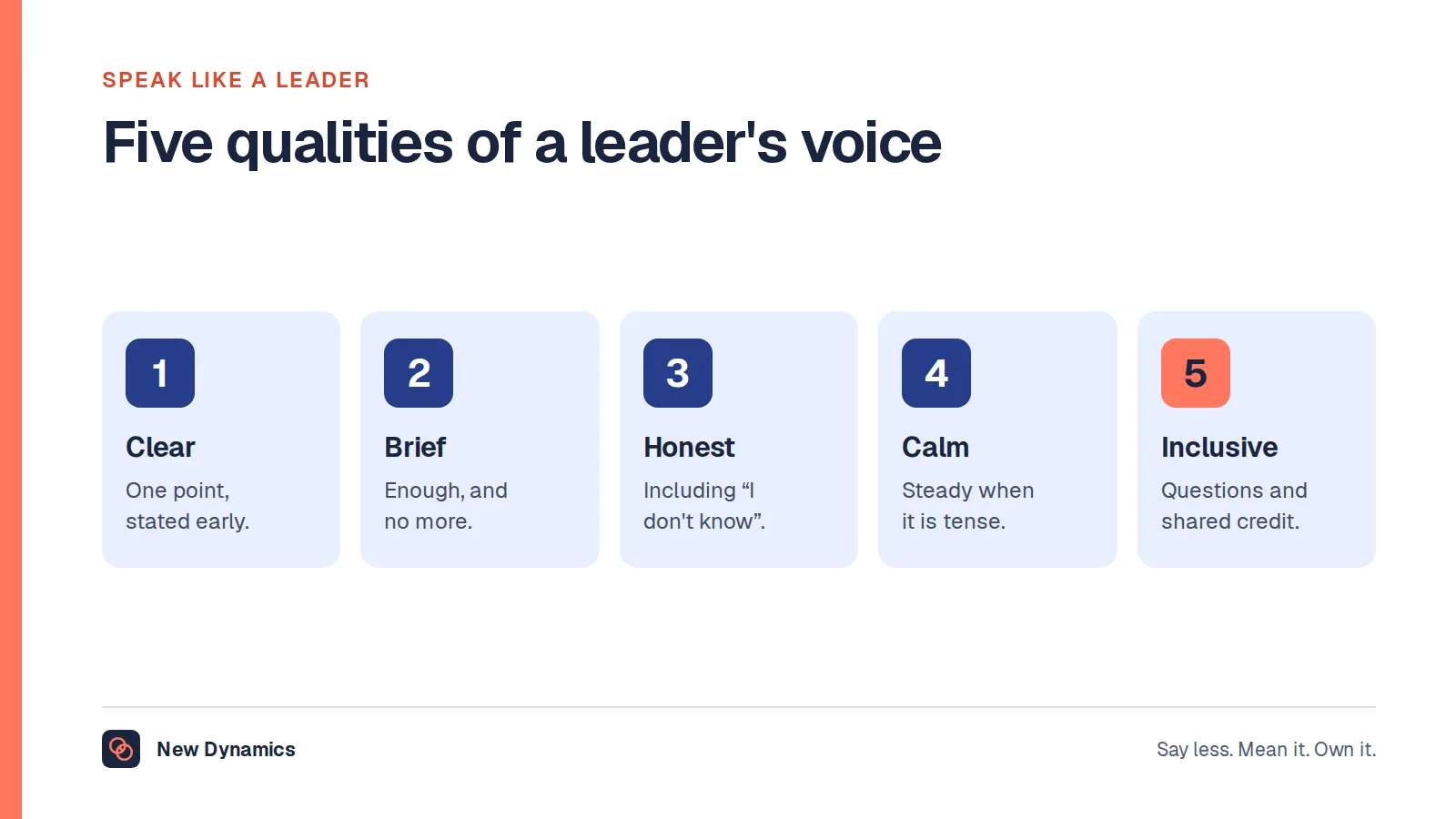
Learn to speak like a leader: five qualities of a leader's voice, ten habits to practise, twelve phrases to swap and six steps to prepare for a hard conversation.
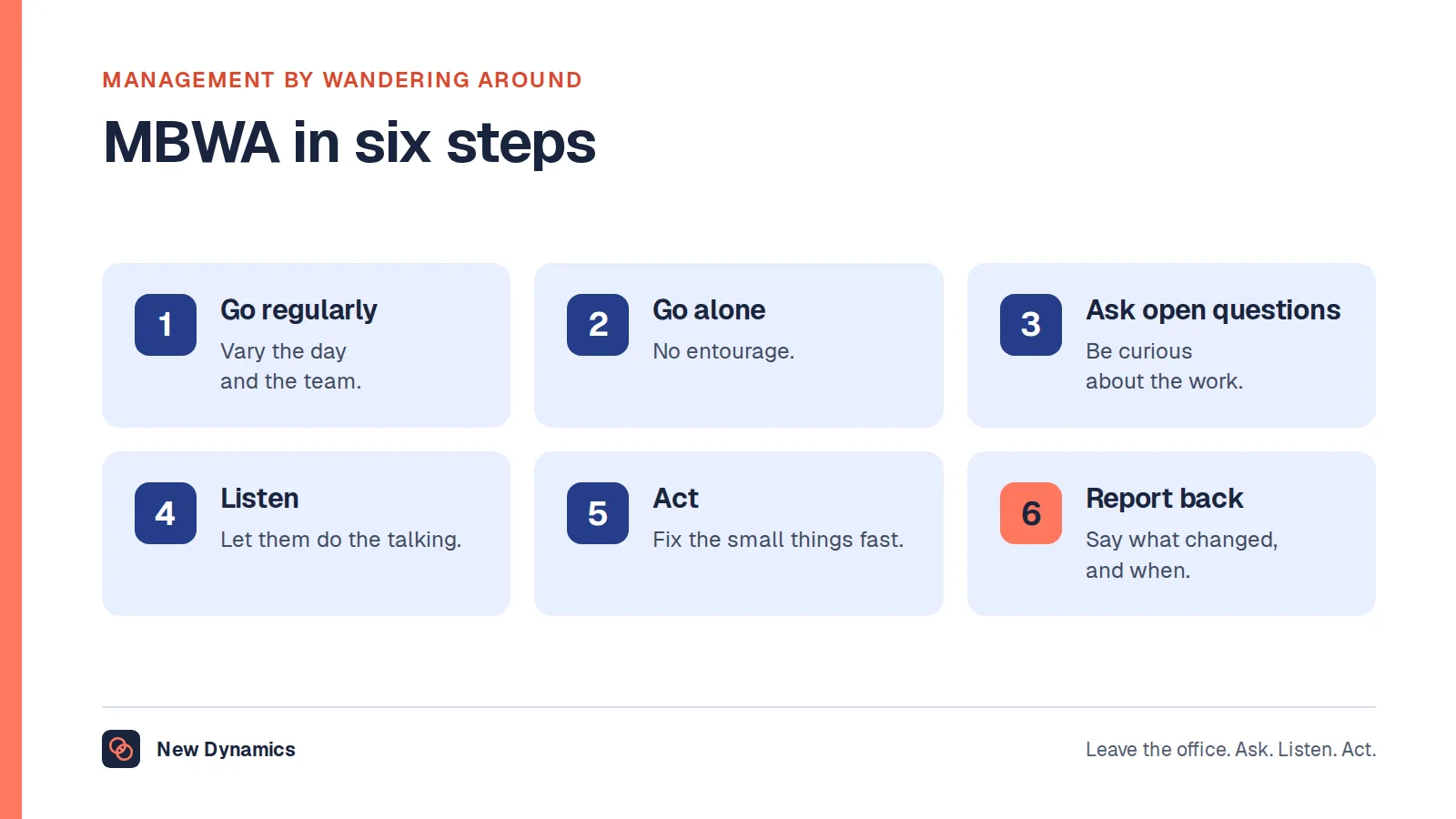
Management by wandering around explained: where MBWA came from, how to do it in six steps, questions to ask, how it works for remote teams and the mistakes to avoid.
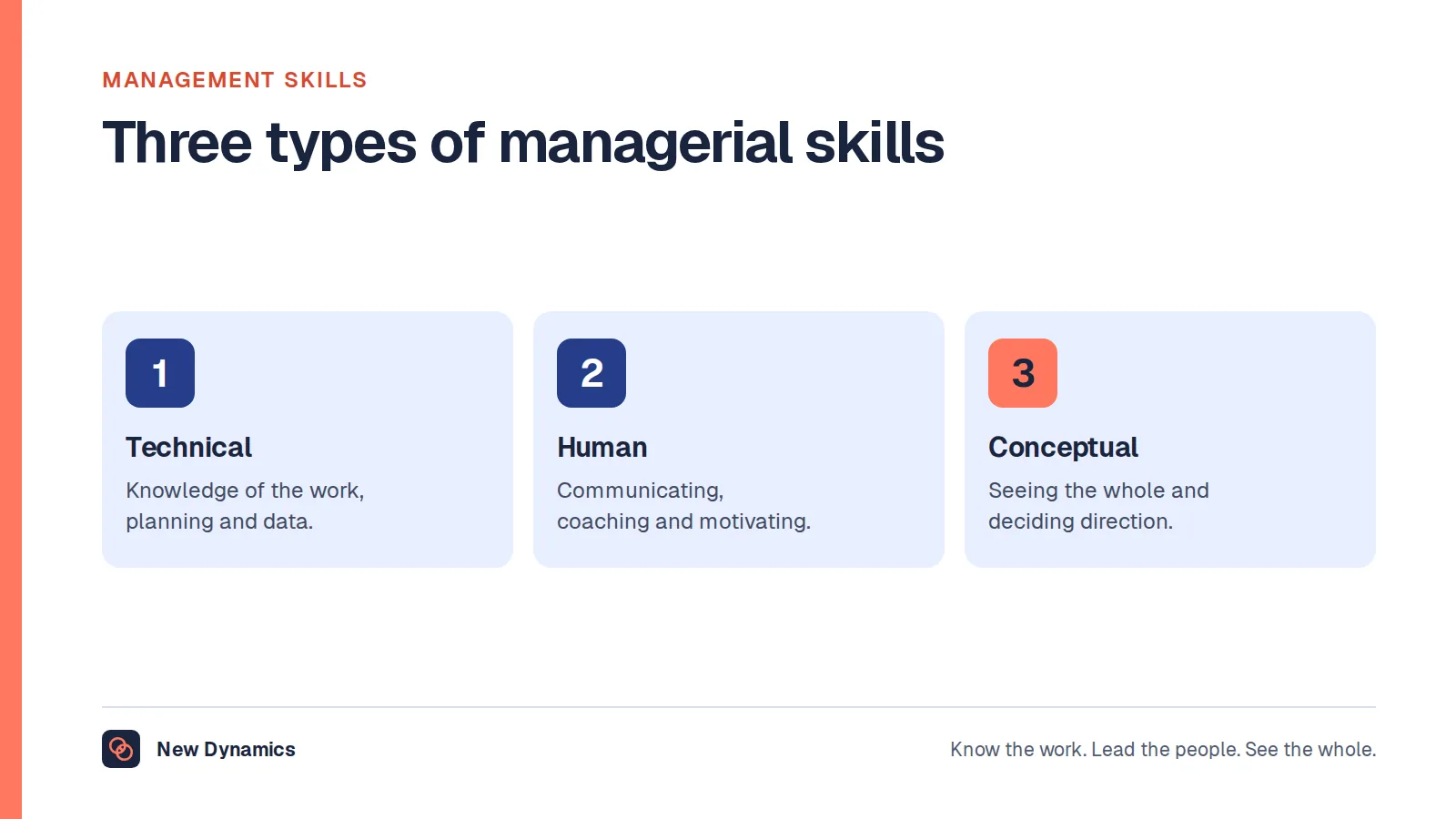
What management skills are: technical, human and conceptual skills explained, 15 managerial skills with examples, a self-assessment and a plan to build the ones you lack.
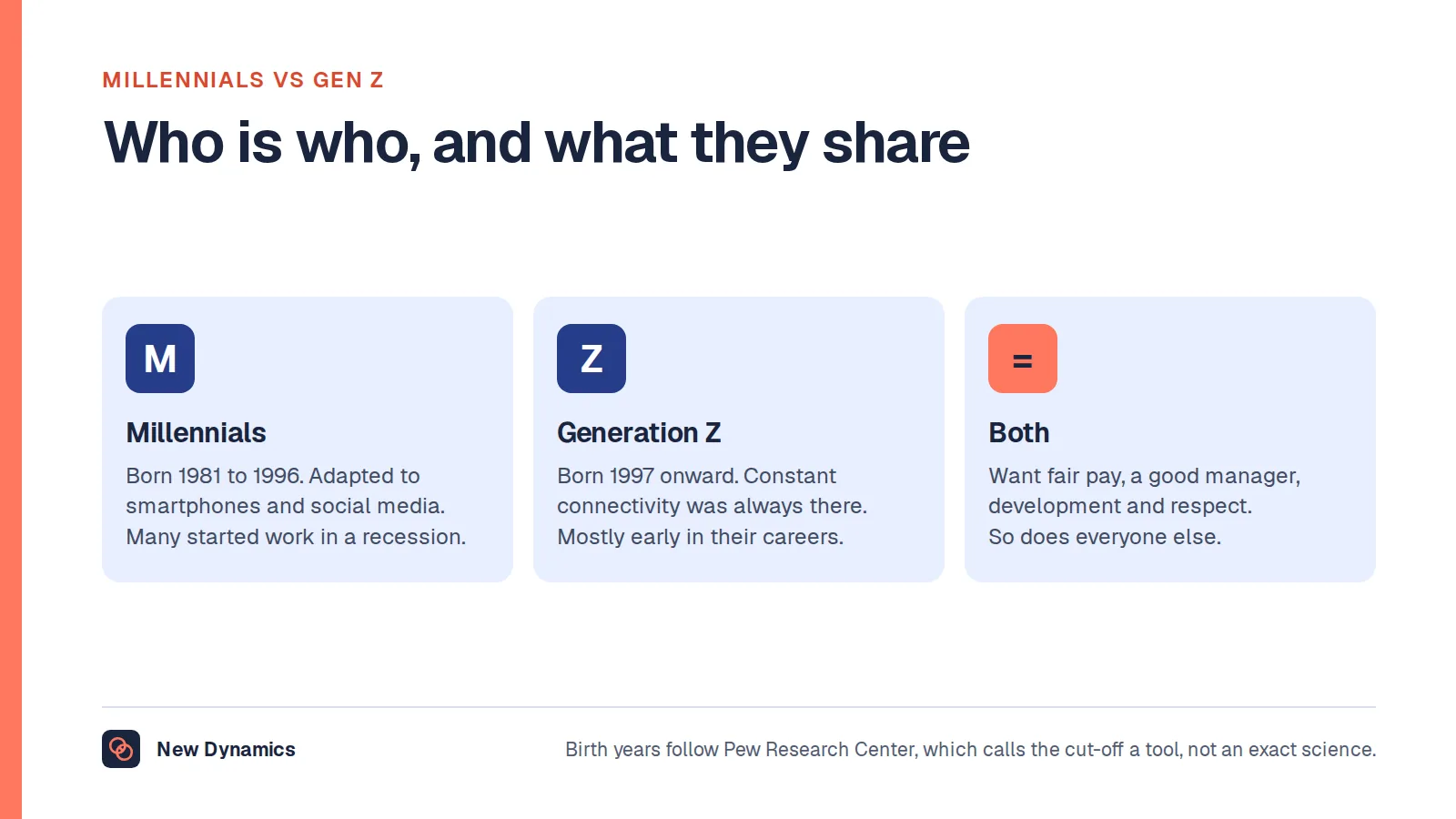
Millennials vs Gen Z in the workplace: birth years, formative experiences, the myths to drop and a manager's guide to leading both. Lead the person, not the label.
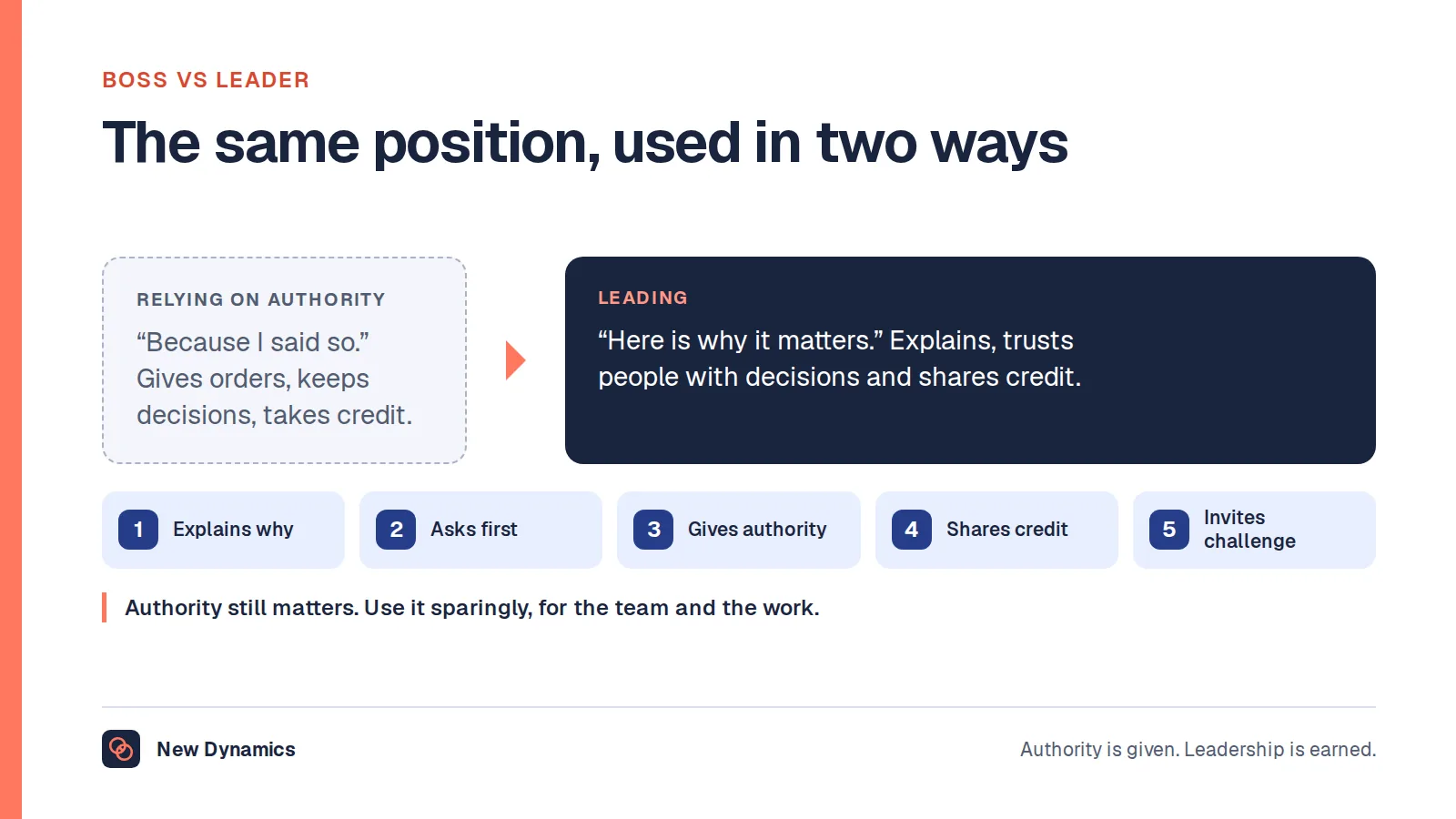
Boss vs leader explained with 12 everyday differences, real examples, a ten-question self-check and six habits that help any boss to become a better leader.
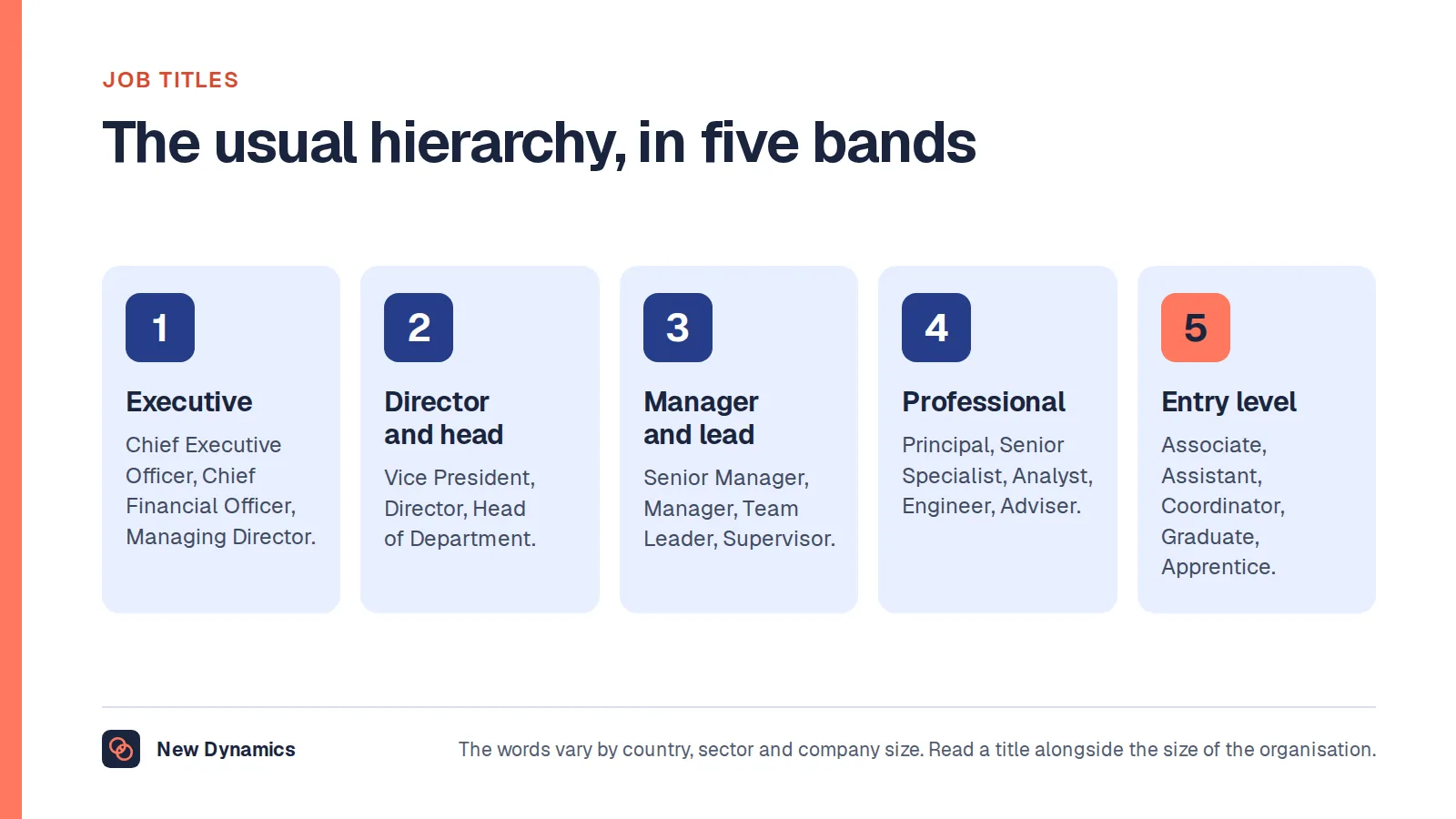
Browse 150 job titles by level and department, see the usual corporate hierarchy, pick a business owner title and learn to write clear titles. Find yours.
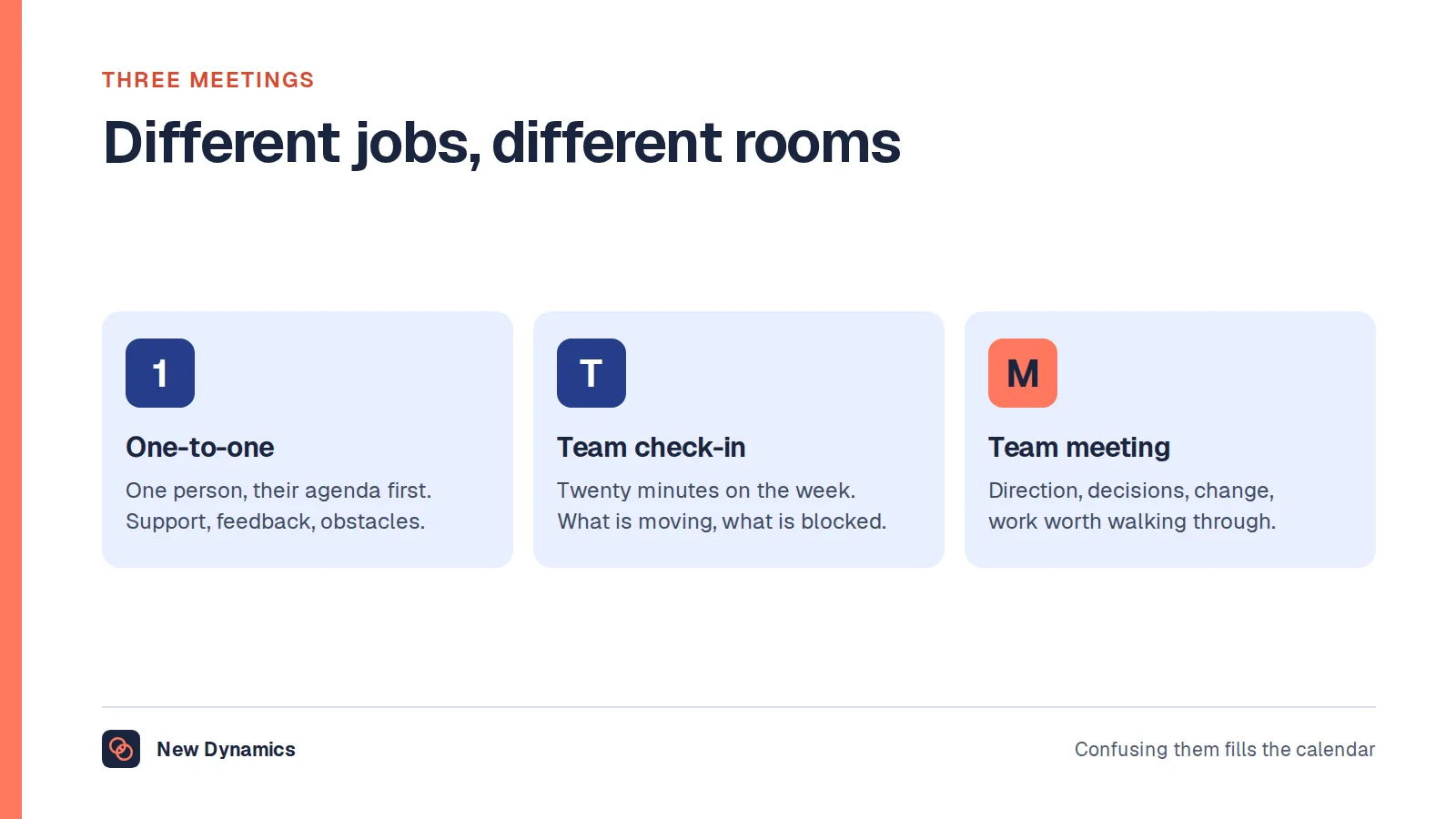
How often to hold one-to-ones, what a weekly team check-in is for, what belongs in a team meeting rather than a one-to-one, and how to work out which recurring meeting to cut.