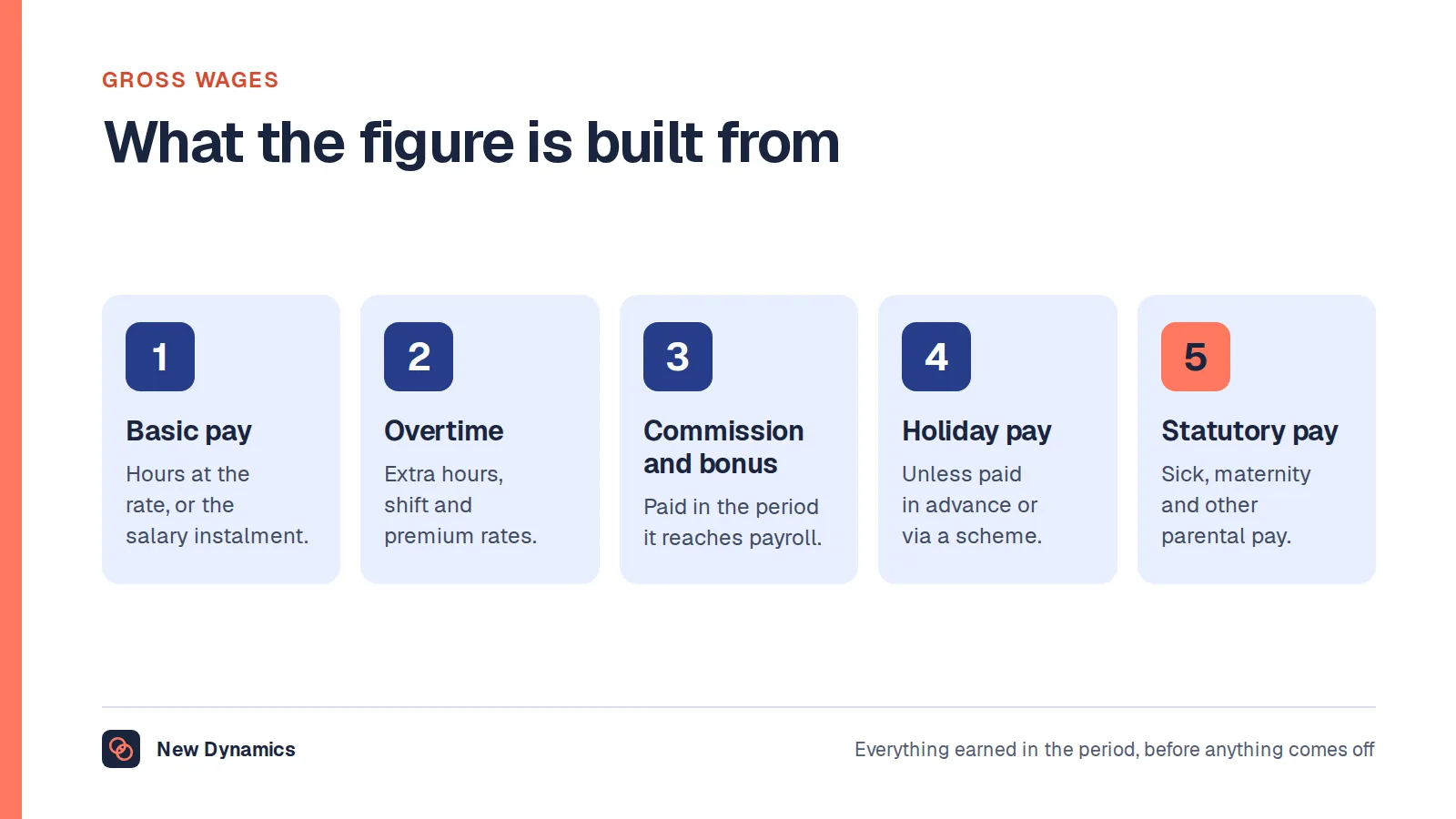
What gross wages are under PAYE, what GOV.UK puts inside the figure and what sits outside it, a worked monthly example you can check, the hours line, and the four different figures called gross.
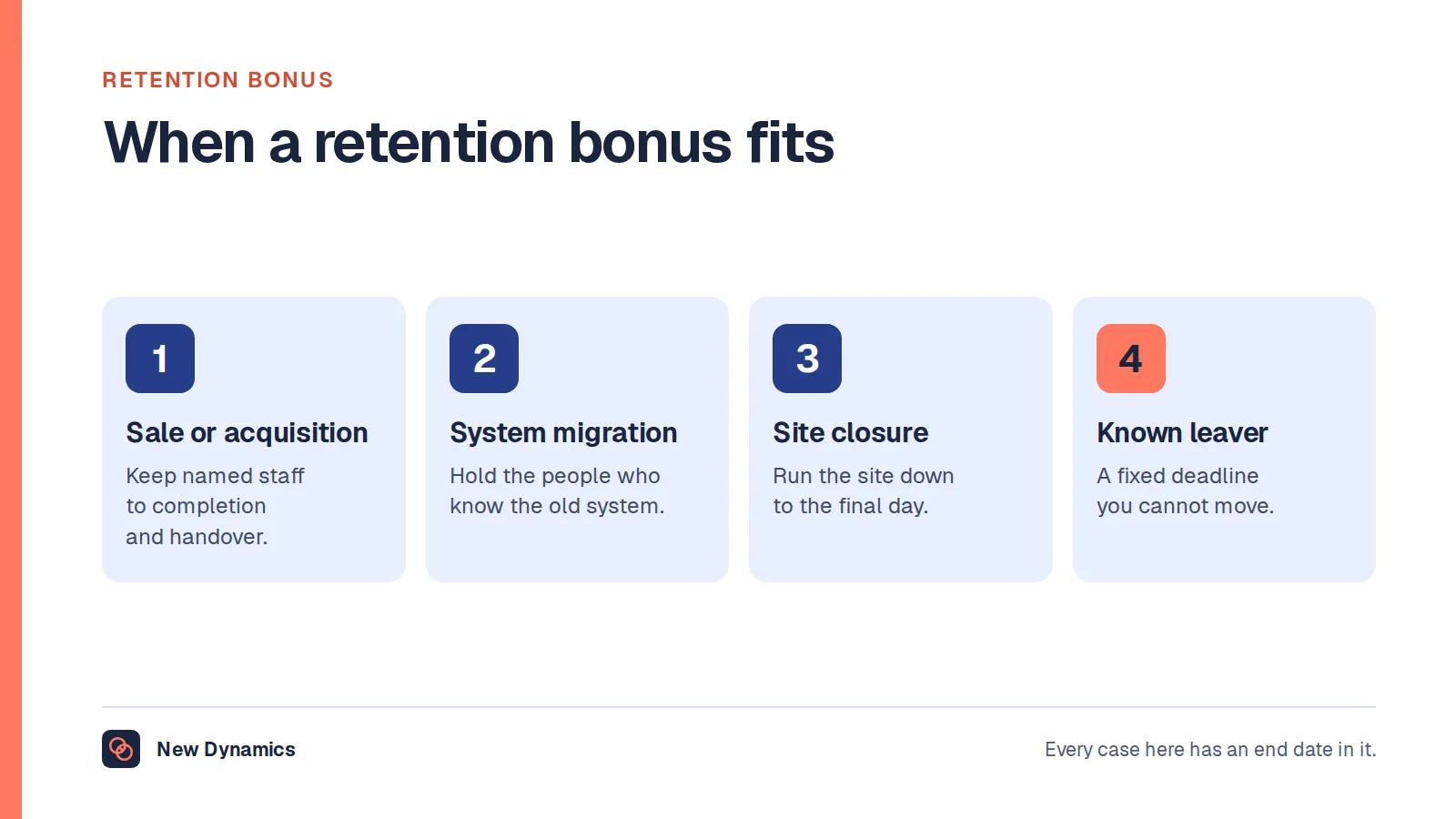
What a retention bonus is, when employers reach for one, how the agreement and clawback are structured, the PAYE and National Insurance treatment in the United Kingdom as HMRC words it, the equal pay and discrimination exposure, why these payments usually fail and what to do instead.
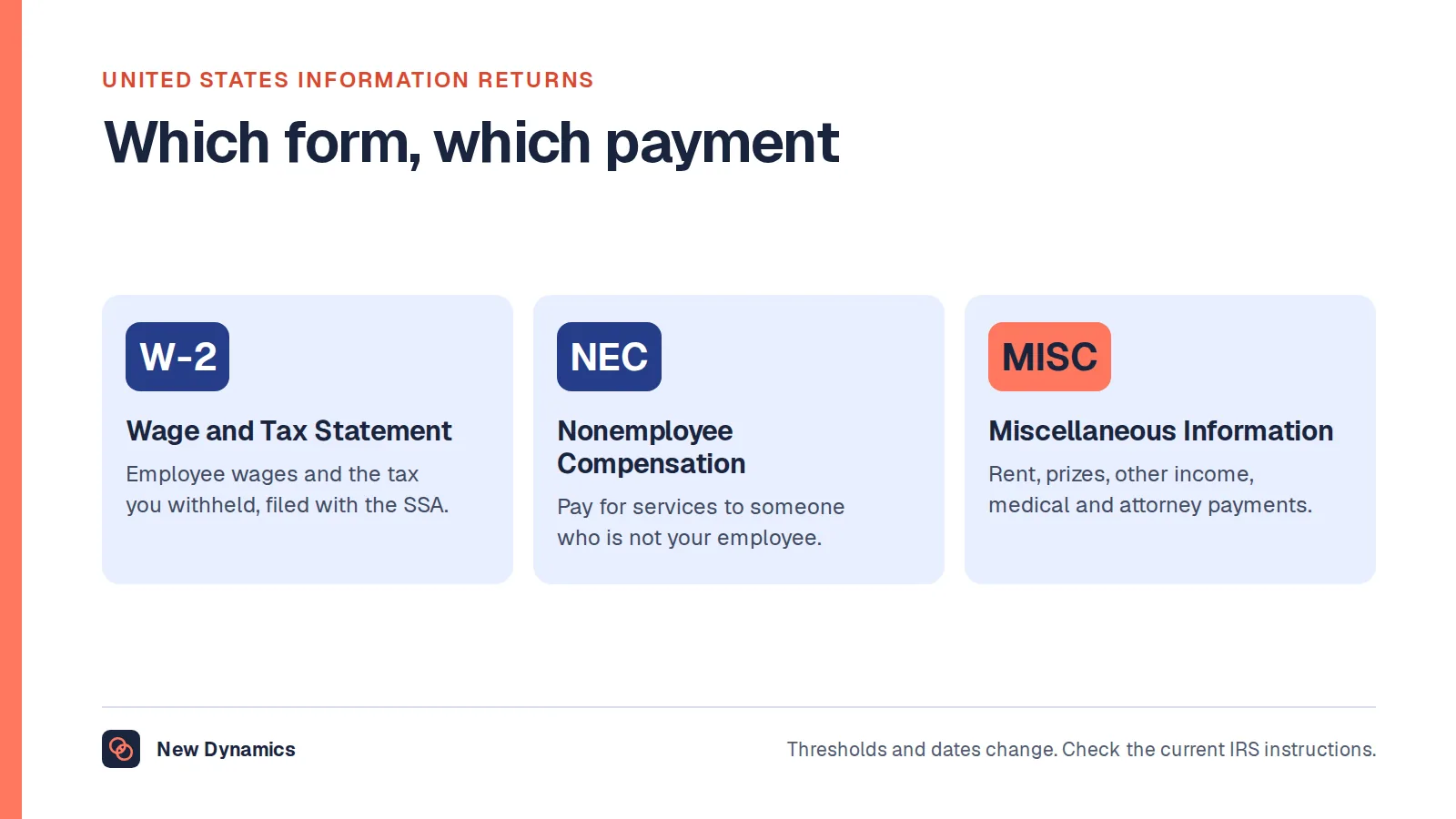
What an IRS information return is, how Form 1099-NEC and 1099-MISC work, when Form 1096 is needed, how to order scannable paper forms, the deadlines, and 1099 versus W-2.
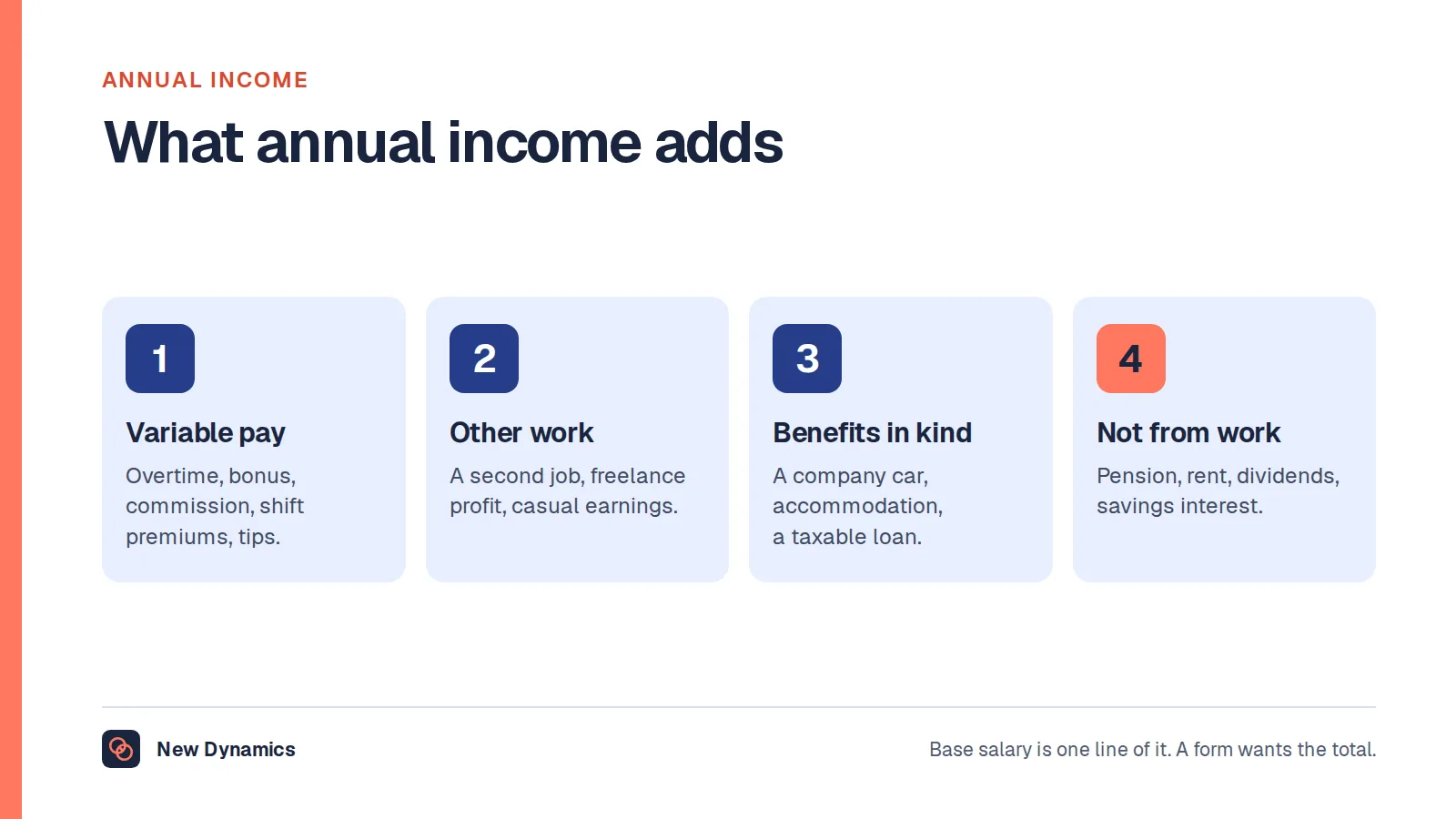
What annual income means, what it includes beyond base salary, gross annual income against annual net income, how to annualise a part-year figure honestly, and why a mortgage application, a tax return and a benefits claim each want a different number.
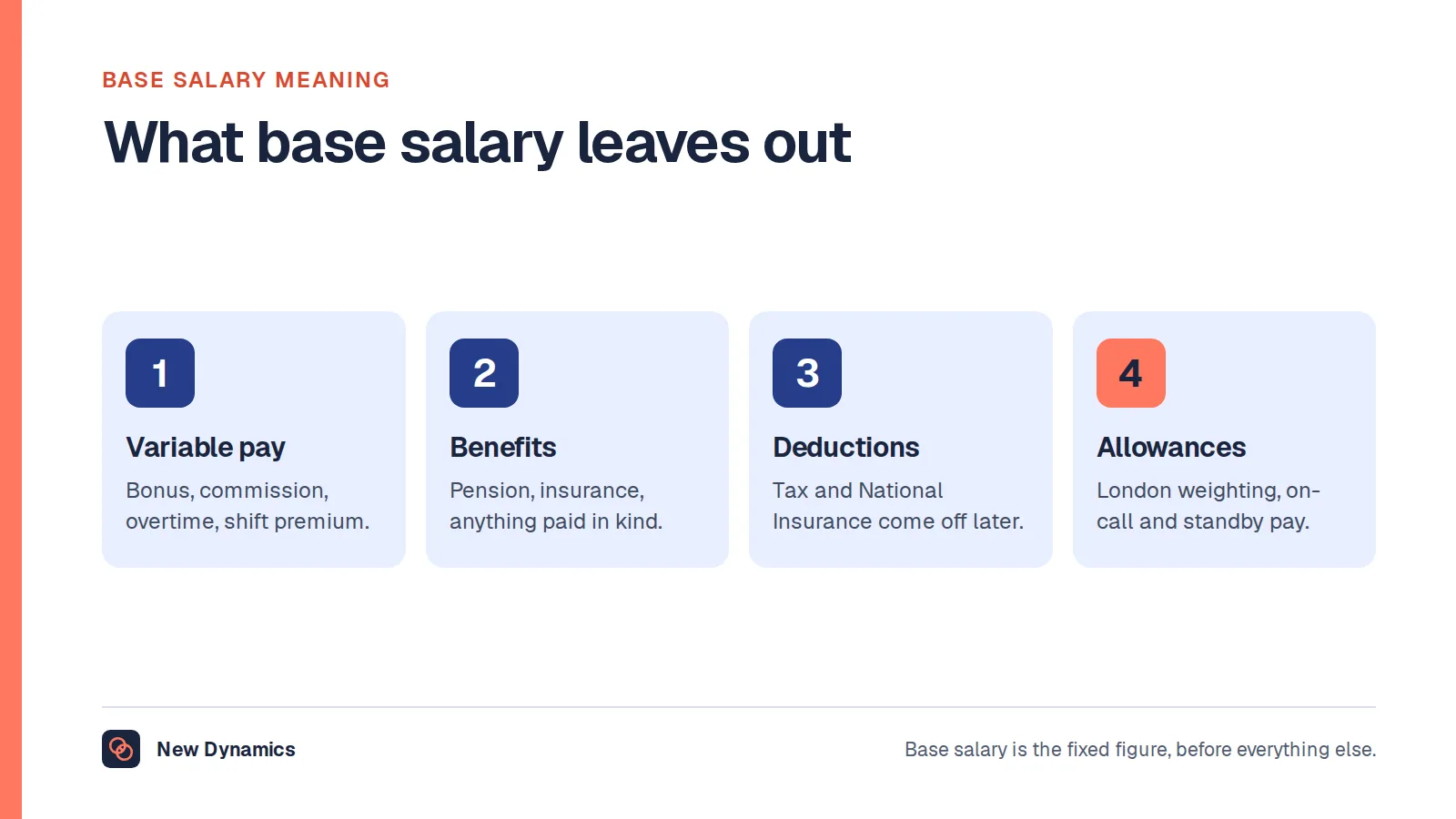
What base salary is and what it excludes, why the advertised figure is before tax, annual against annualised, and what salaried employment actually means in the UK, including the minimum wage rules for salaried hours work.
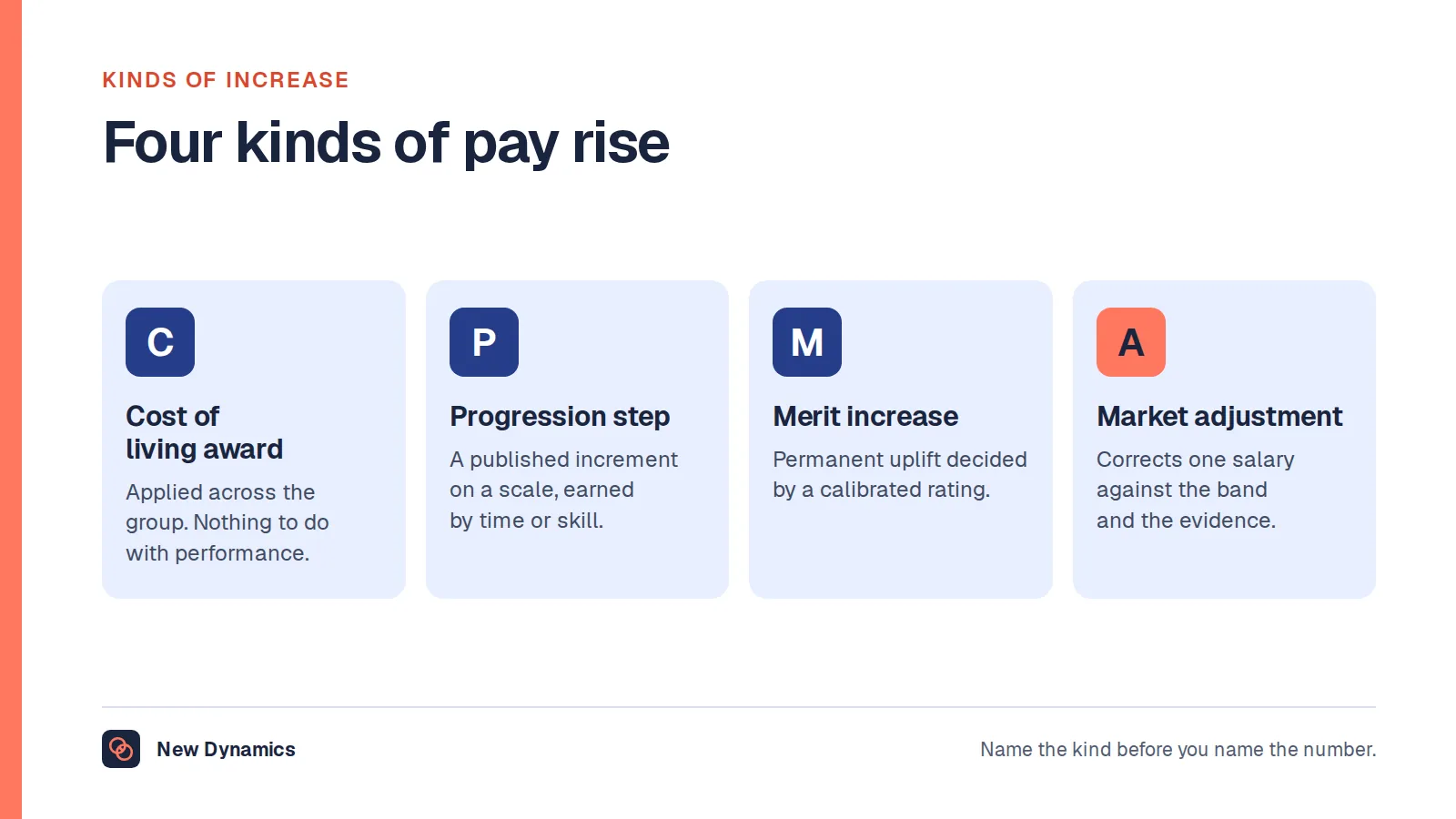
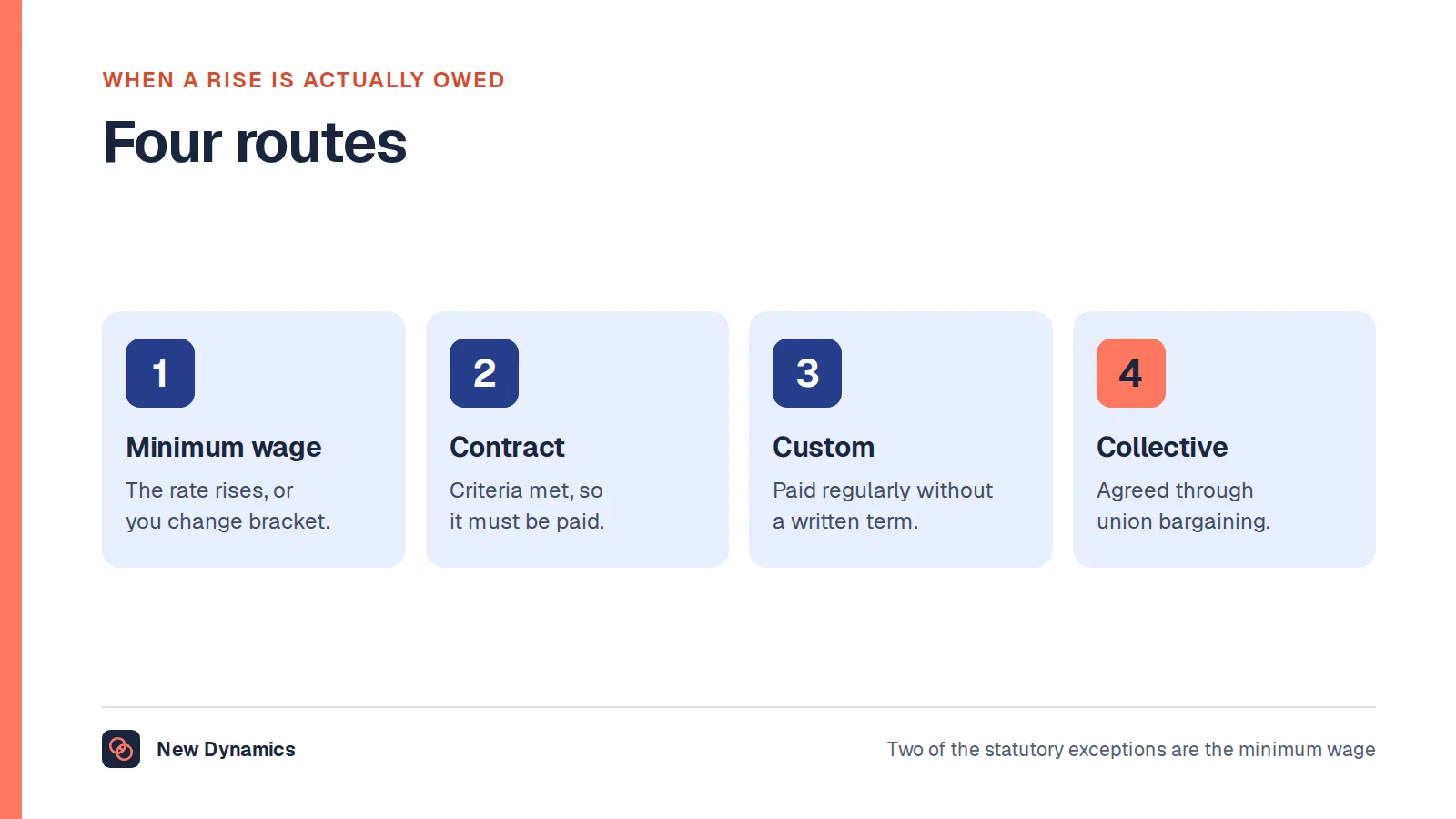
What a salary increment is, how an annual pay review works and in what order, the difference between a cost of living award, a progression step and a merit increase, what to write in a pay rise letter, and the UK equal pay exposure of discretionary rises.
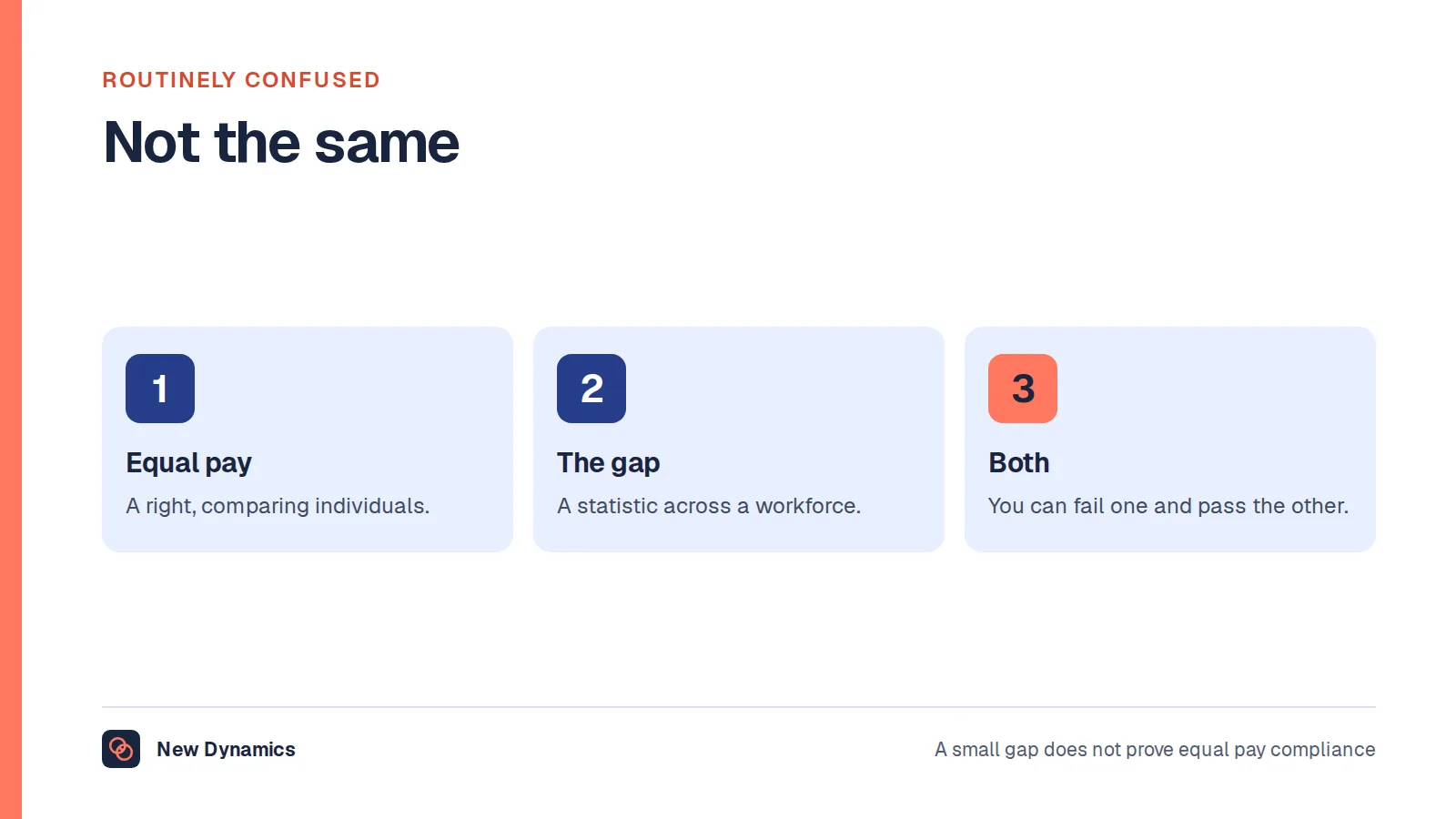
The difference between equal pay and the gender pay gap, what equal work means in law, what a pay equity analysis involves, and the practices that prevent problems.
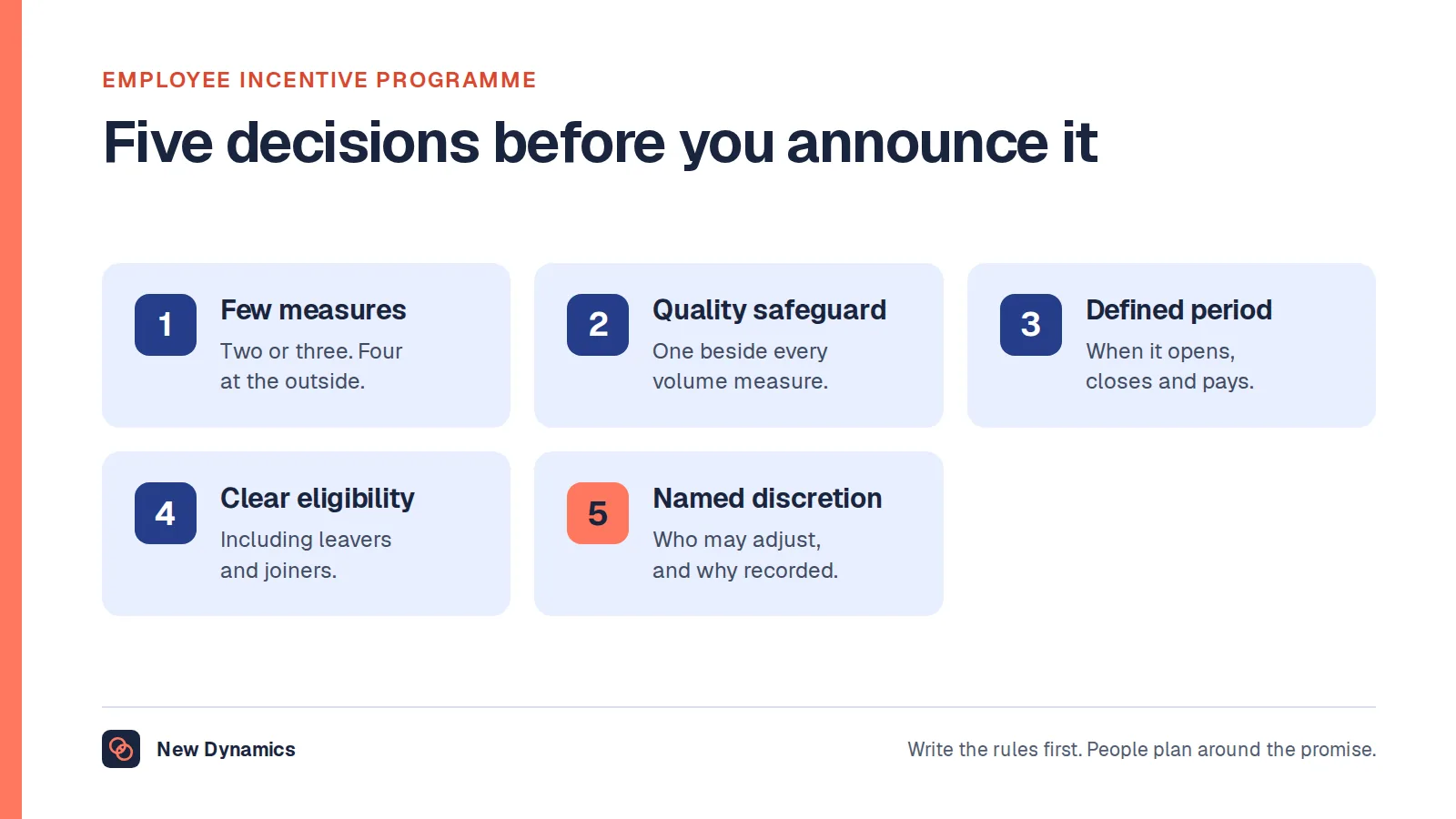
How to design an employee incentive programme: what an incentive promises, the measurement traps, eligibility and leavers, and the UK tax and holiday pay duties to check.
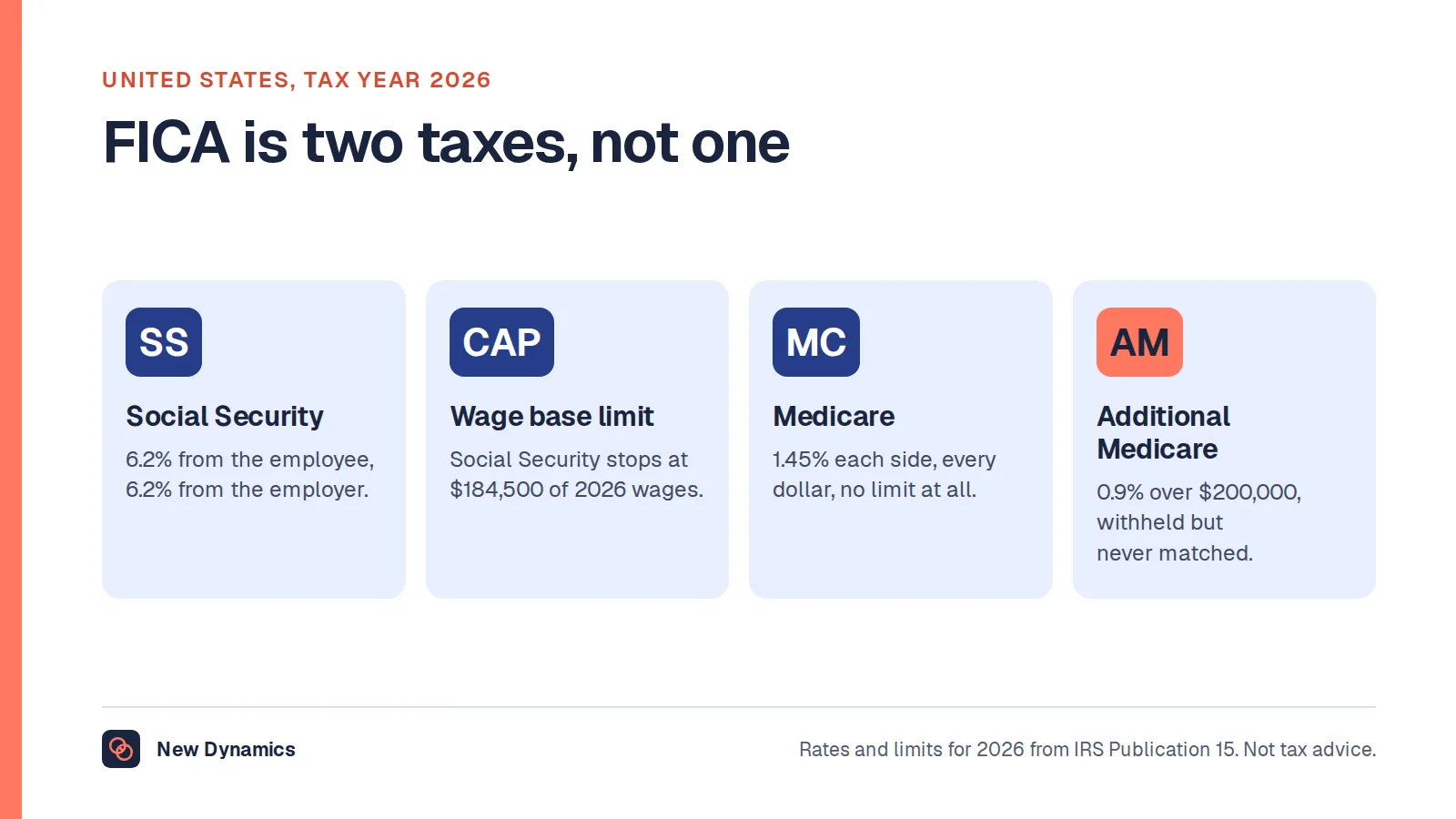
United States only. How FICA is calculated: the 6.2% Social Security rate to the 2026 wage base of $184,500, Medicare at 1.45% with no cap, the 0.9% Additional Medicare Tax the employer withholds but does not match, and a worked example you can check by hand.
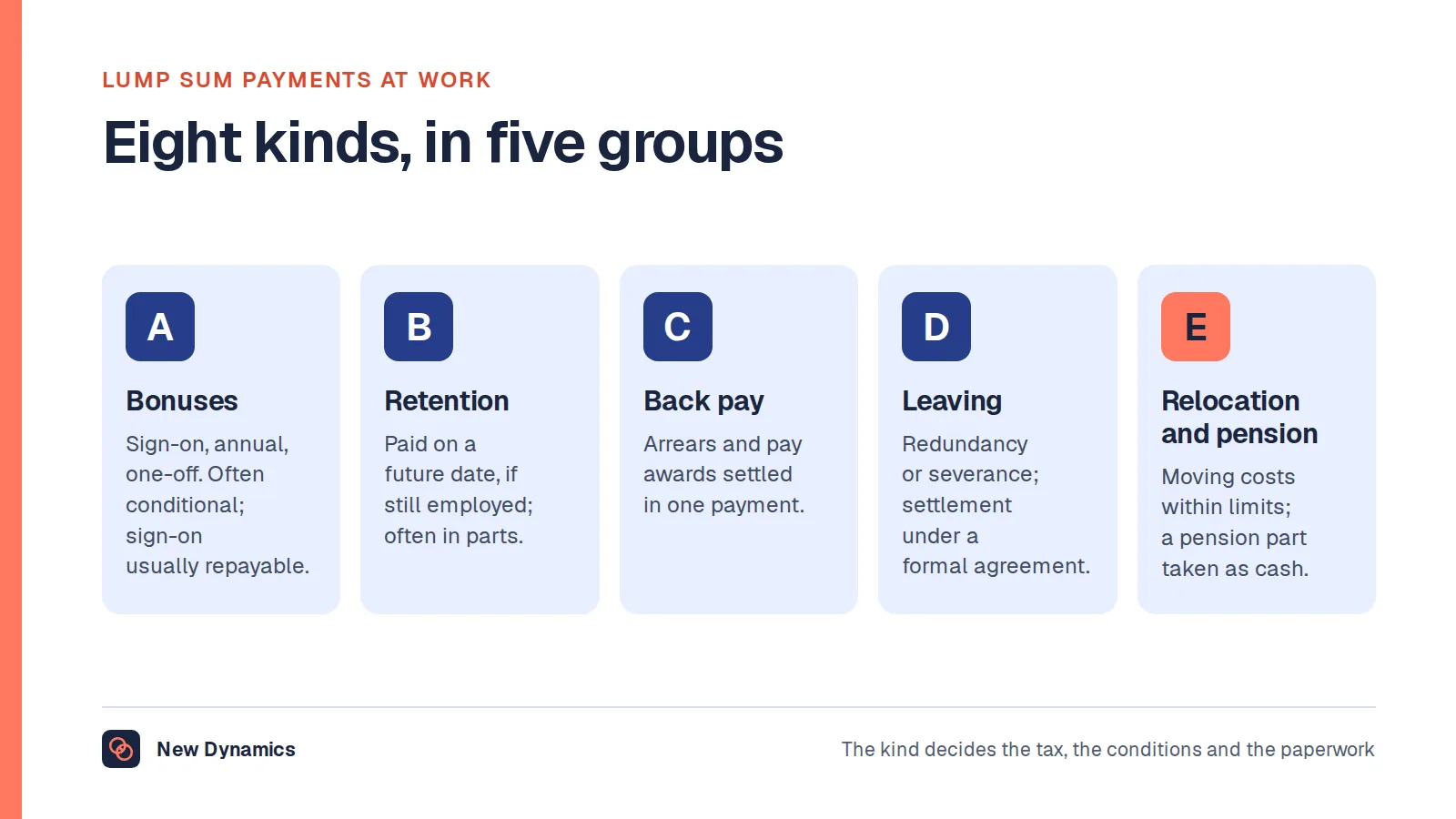
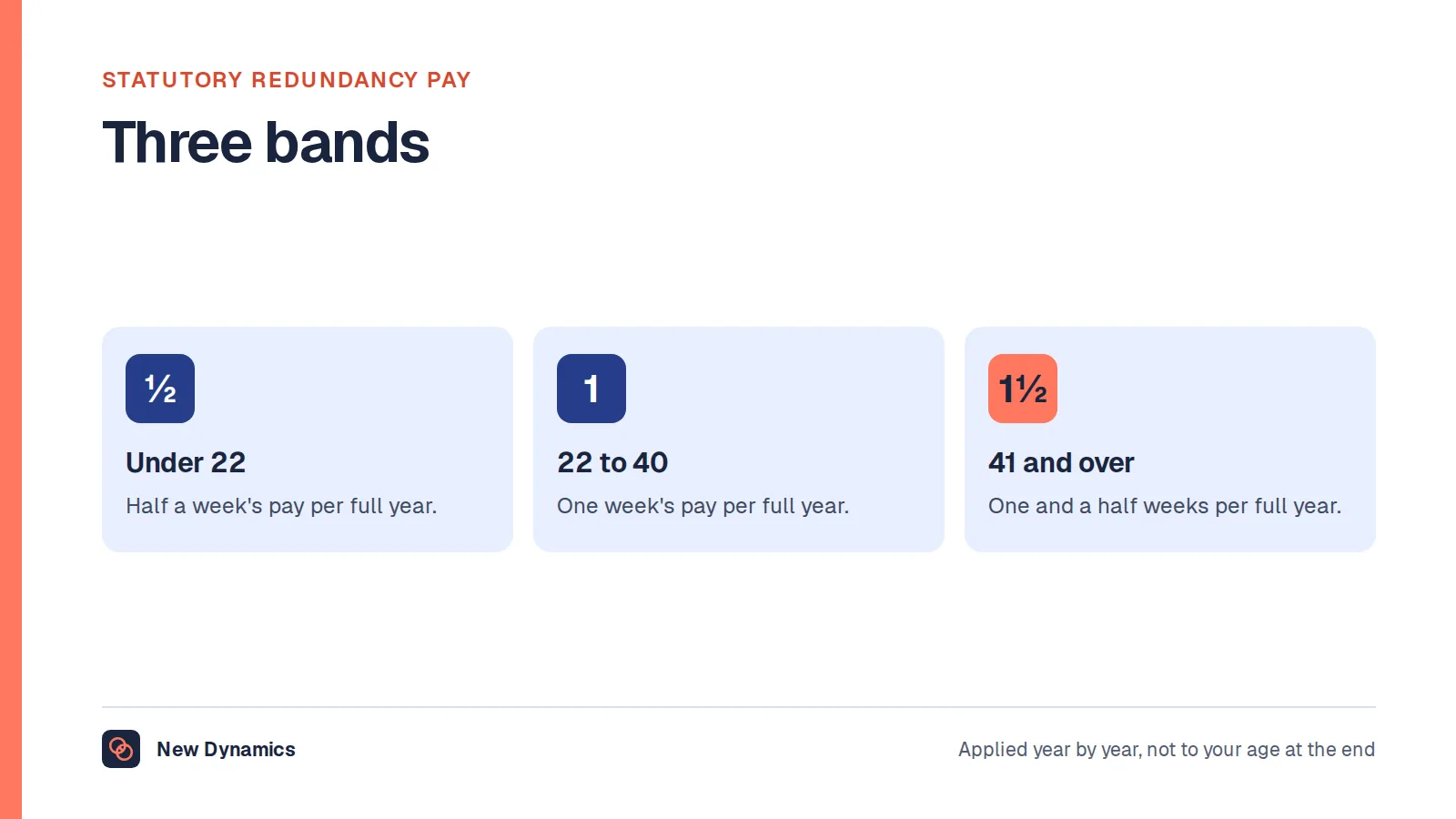
What a lump sum payment means, the eight kinds employers make, from sign-on bonuses to redundancy pay and pension lump sums, when a lump sum beats instalments, a worked example of the UK statutory redundancy formula, and how HR should decide, document and pay them.
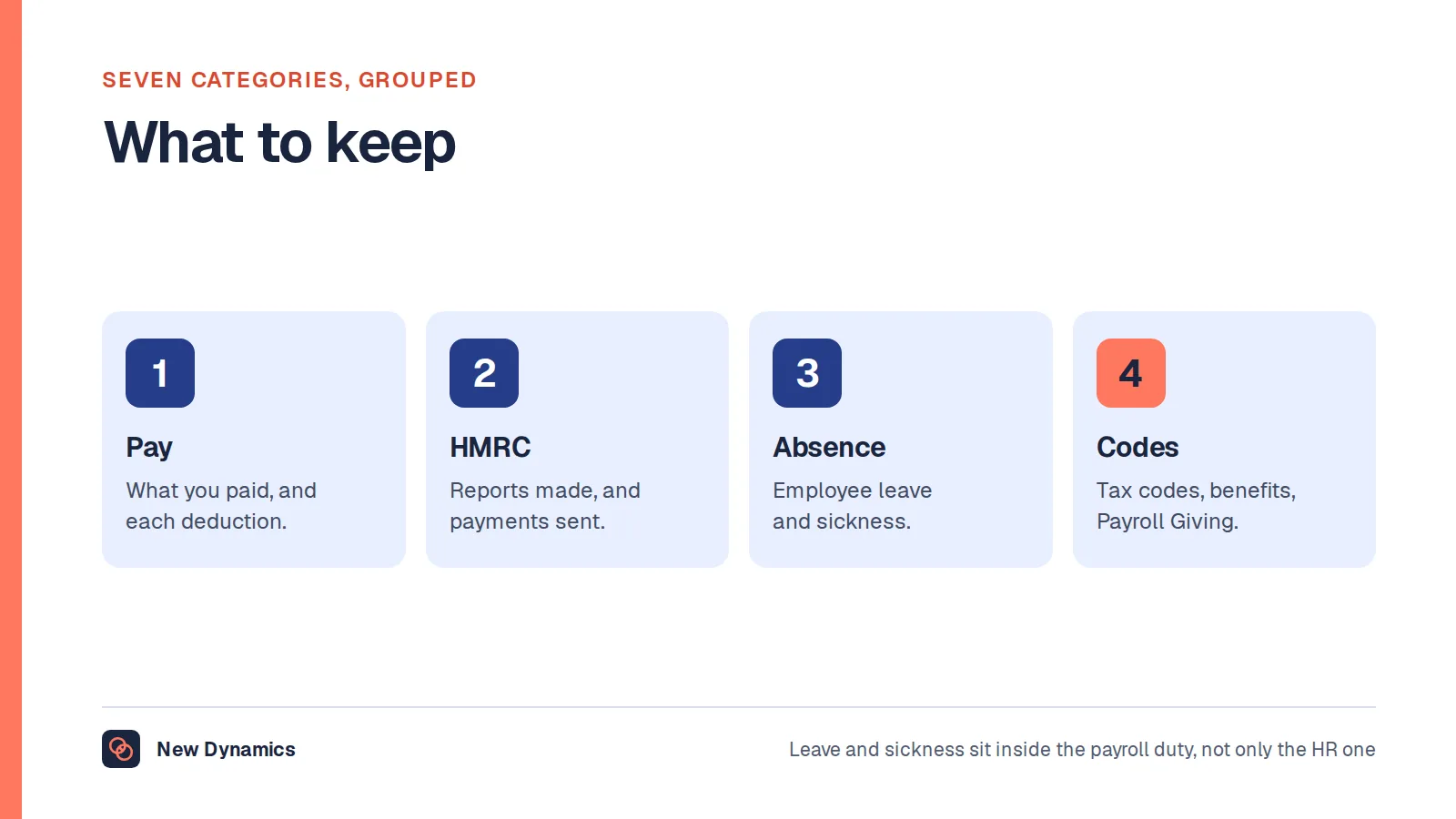
What a payroll register is and the UK equivalent, the seven categories of payroll record you must keep, the three-year retention rule, the £3,000 penalty and the annual calendar.
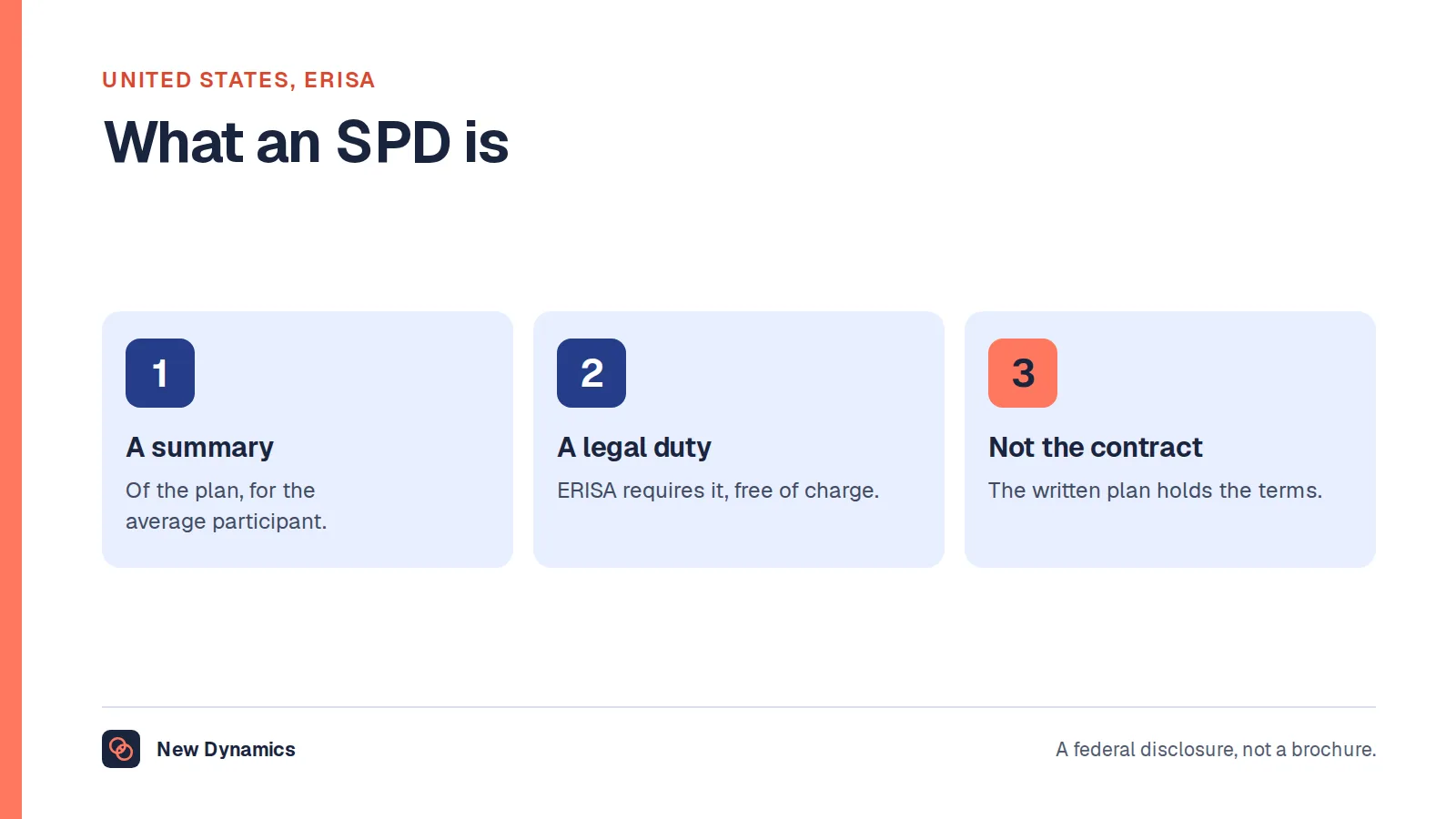
What a summary plan description is in the United States, why ERISA requires it rather than an insurer, what it must contain, the 90, 120, 210 and 60 day deadlines, how it differs from the plan document and the SBC, and the UK position.
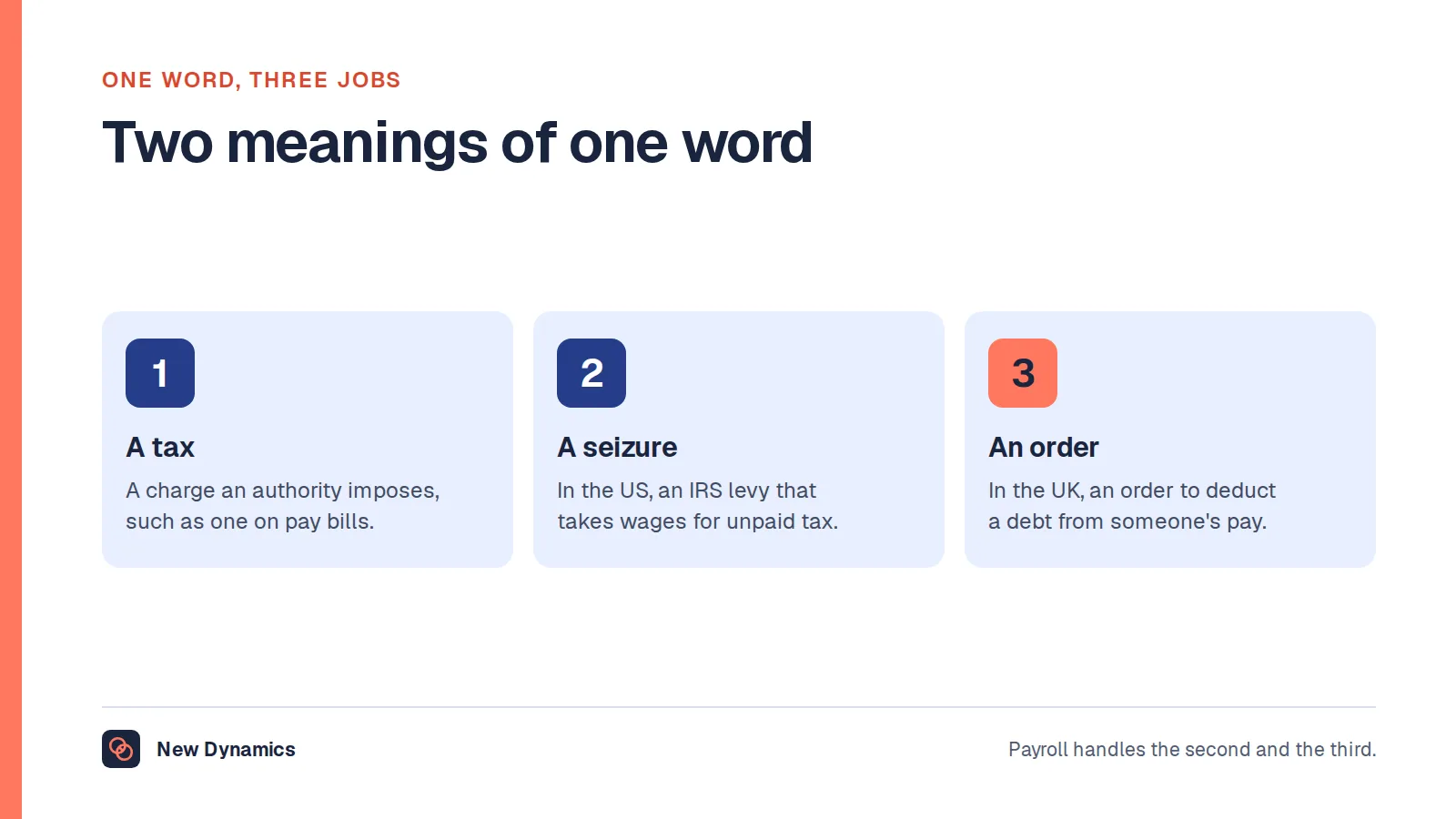
What a tax levy is, what wage garnishment means, the IRS levy on wages, and the four UK orders that take money from pay. Employer duties, protected earnings and penalties.
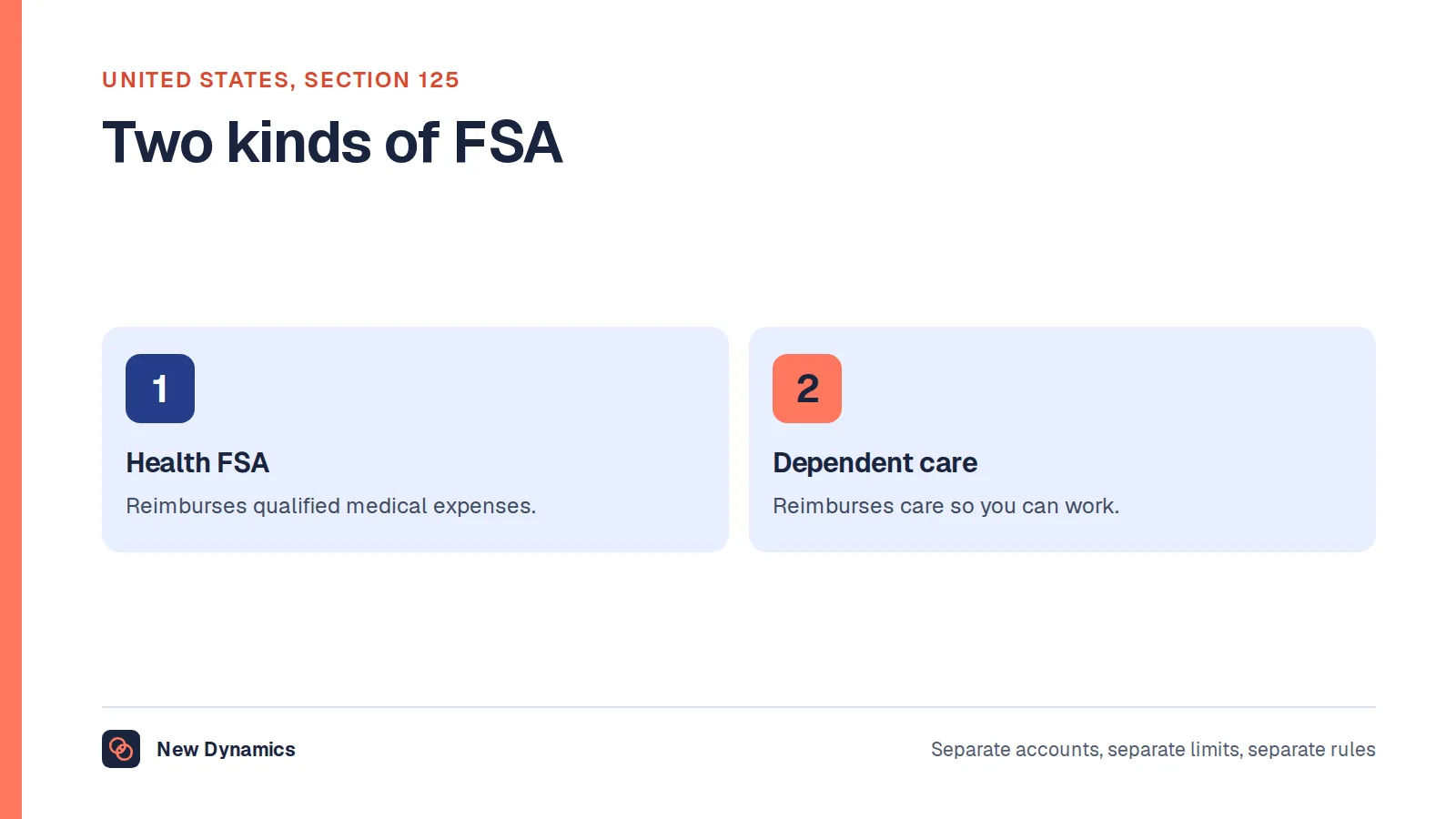
What a flexible spending account is, health FSA versus dependent care FSA, the IRS limit for 2026, use it or lose it, what a TPA does and the UK equivalents.
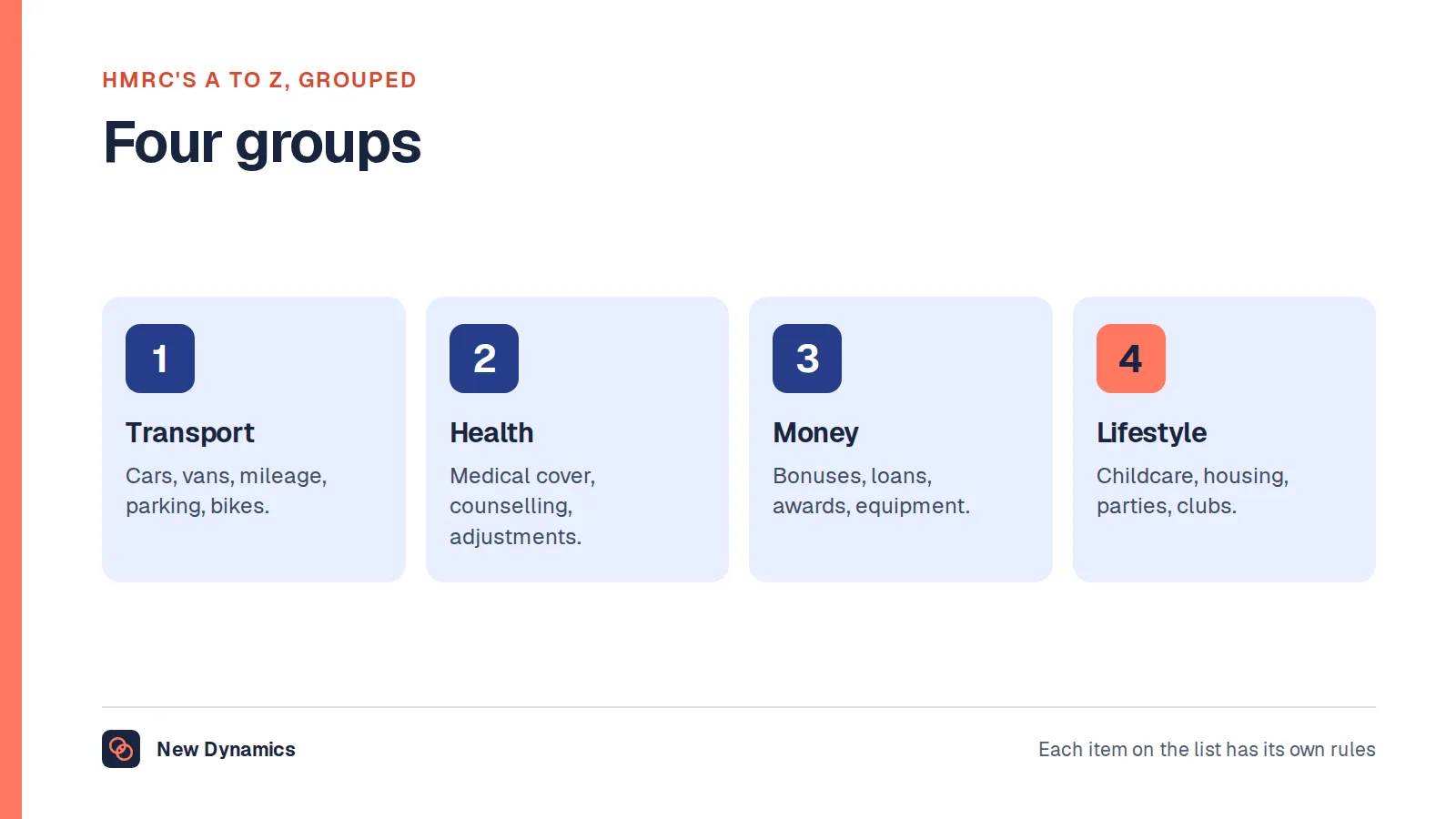
What fringe benefits are, examples from HMRC's own A to Z, the four conditions of the trivial benefits exemption, the close company cap and how salary sacrifice works.
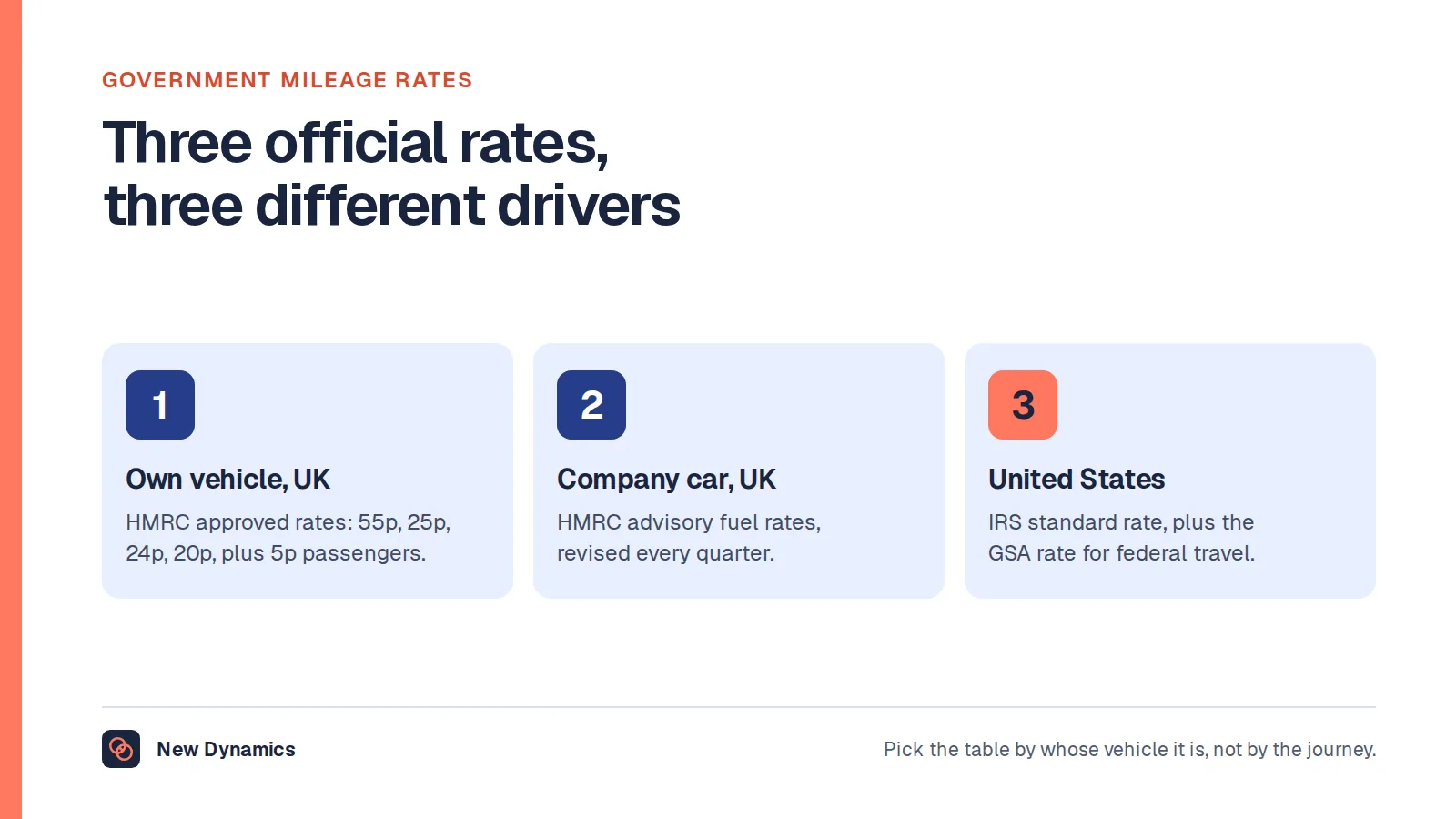
What the official mileage rates are in the United Kingdom and the United States, who sets each one, and the reporting rules that follow. HMRC approved mileage allowance payments and advisory fuel rates, the IRS standard mileage rate and the GSA rate for federal travel.
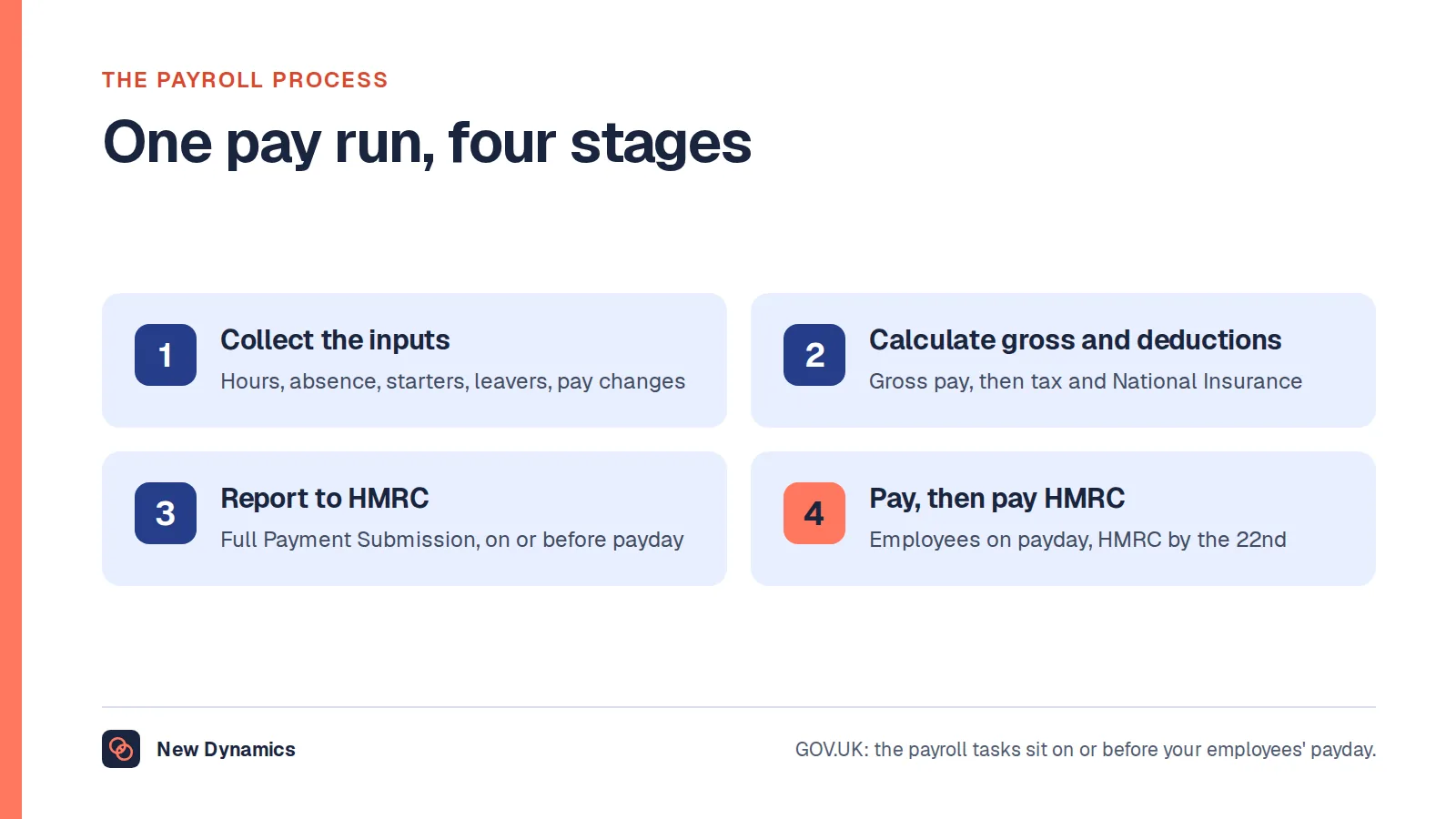
How a UK pay run works end to end: PAYE registration, the on-or-before FPS deadline, employer National Insurance, pay periods and the payroll journal. Read the checklist.
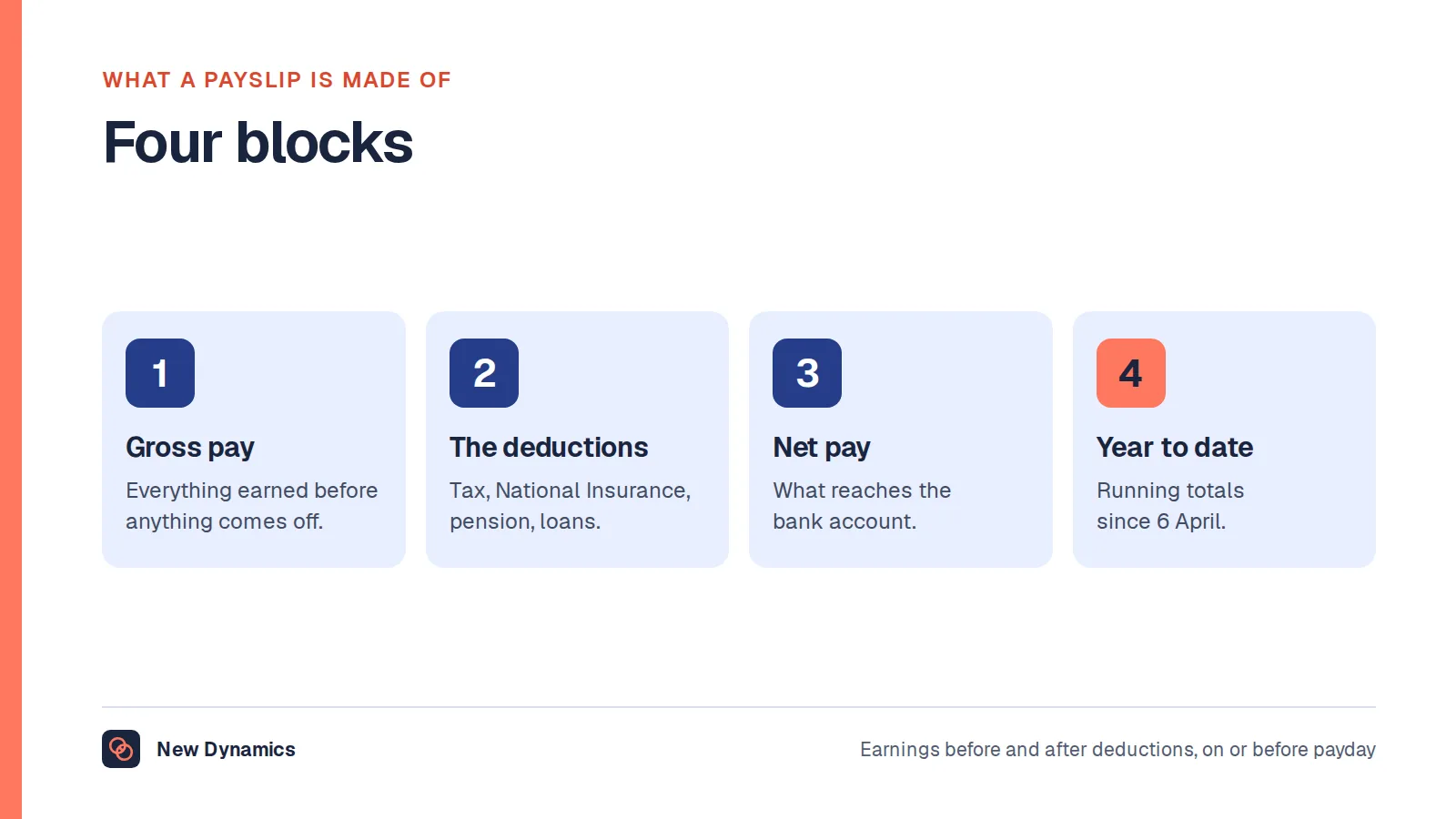
What every line on a payslip means: gross pay, tax, National Insurance, pension, student loan and net pay, the gross to net formula, before-tax against after-tax deductions, and what an employer may lawfully take.
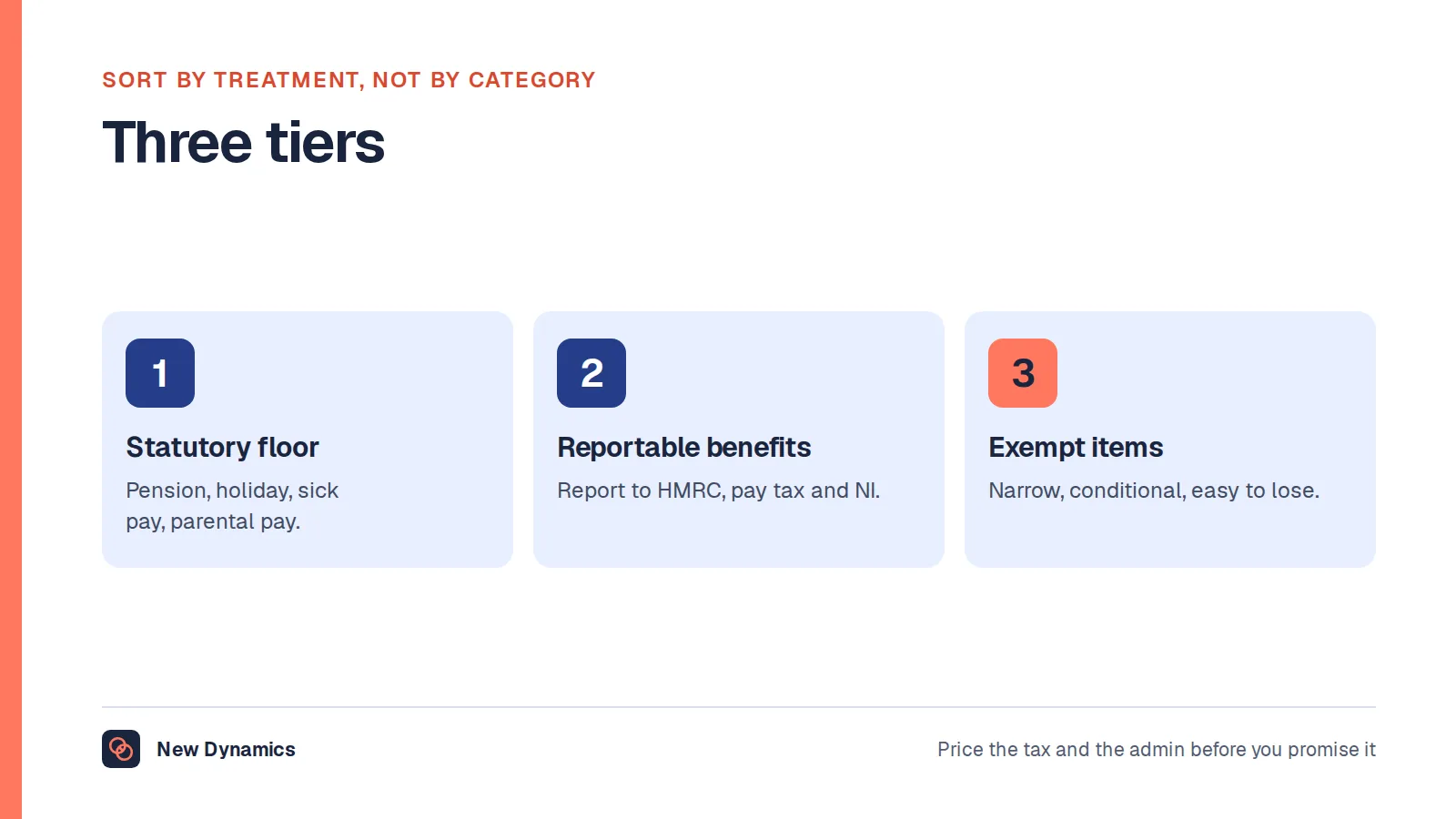
A UK employer's guide to employee benefits sorted by how they are treated: the statutory floor, what you report to HMRC, what is exempt, and the part-time rules.
What a cost of living adjustment is, whether UK law requires one, the three choices behind the percentage, why a flat rate is not neutral, and how it differs from a merit rise.
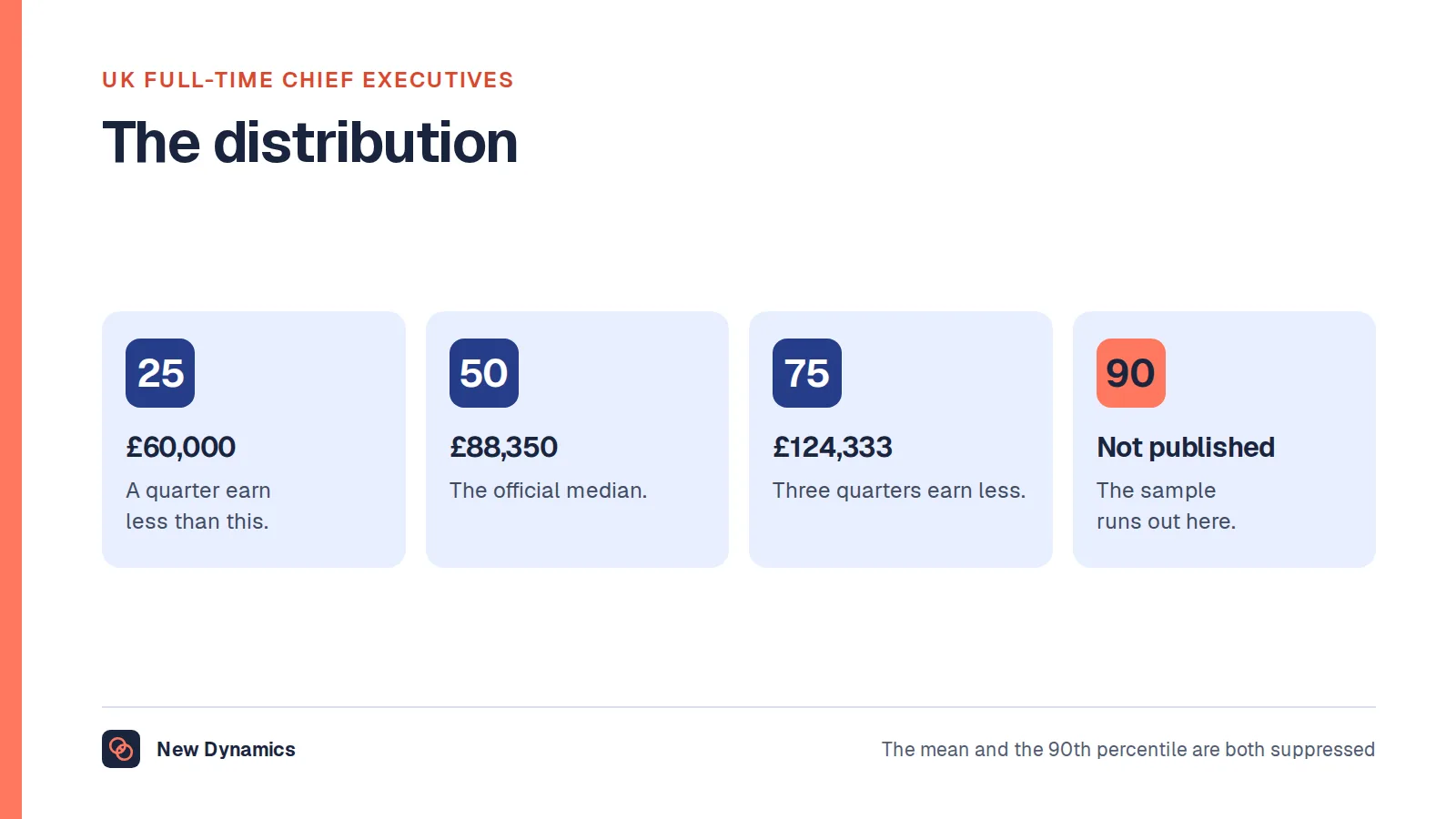
What chief executives earn: the official UK pay distribution by percentile, the US median, why the average misleads, what a CEO package contains and what listed companies must disclose.
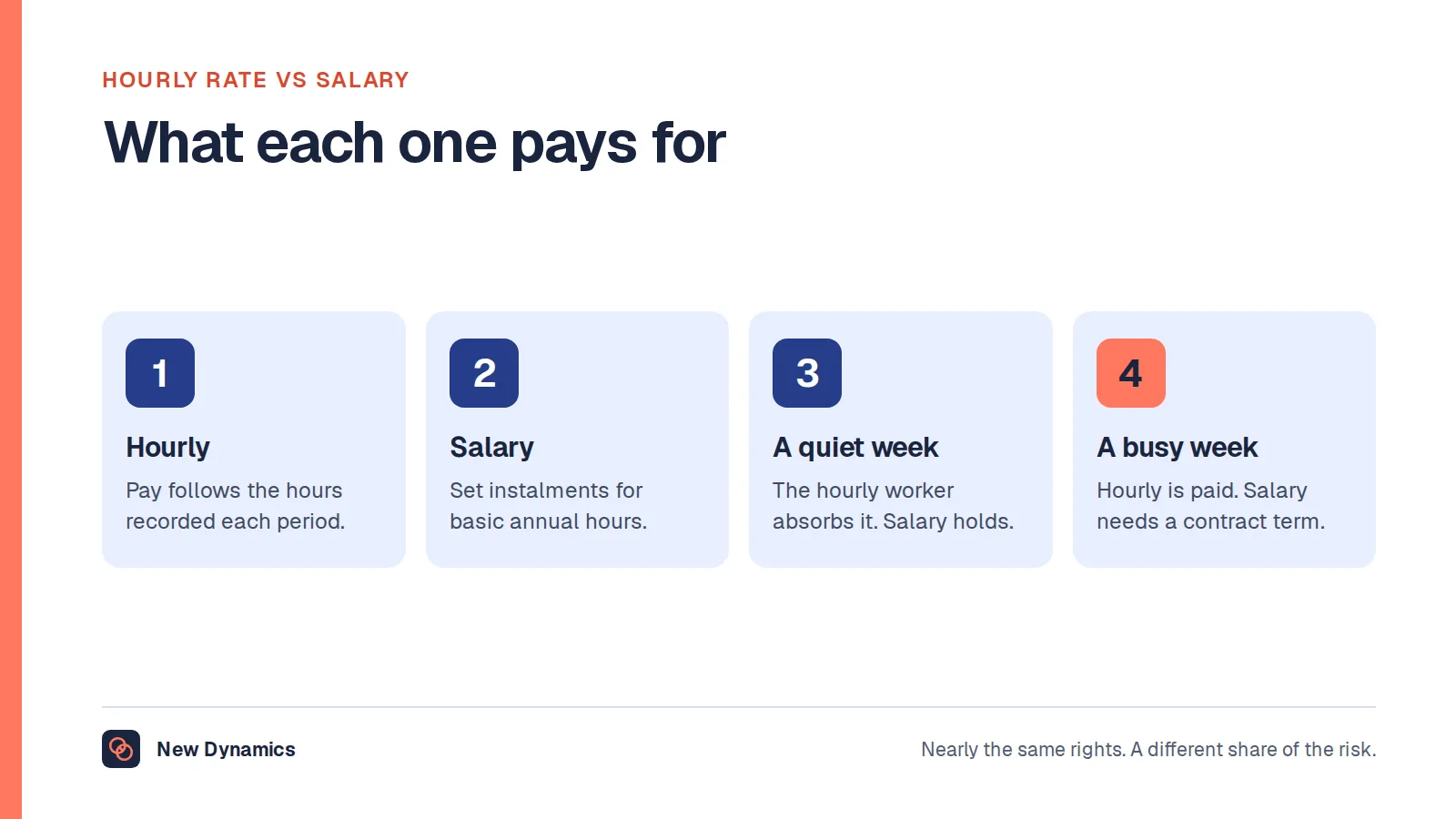
Hourly rate vs salary in the United Kingdom: what each one pays for, how to convert between them honestly, why dividing by 2,080 is an American convention, and what really changes on overtime, holiday pay, sick pay and pension.
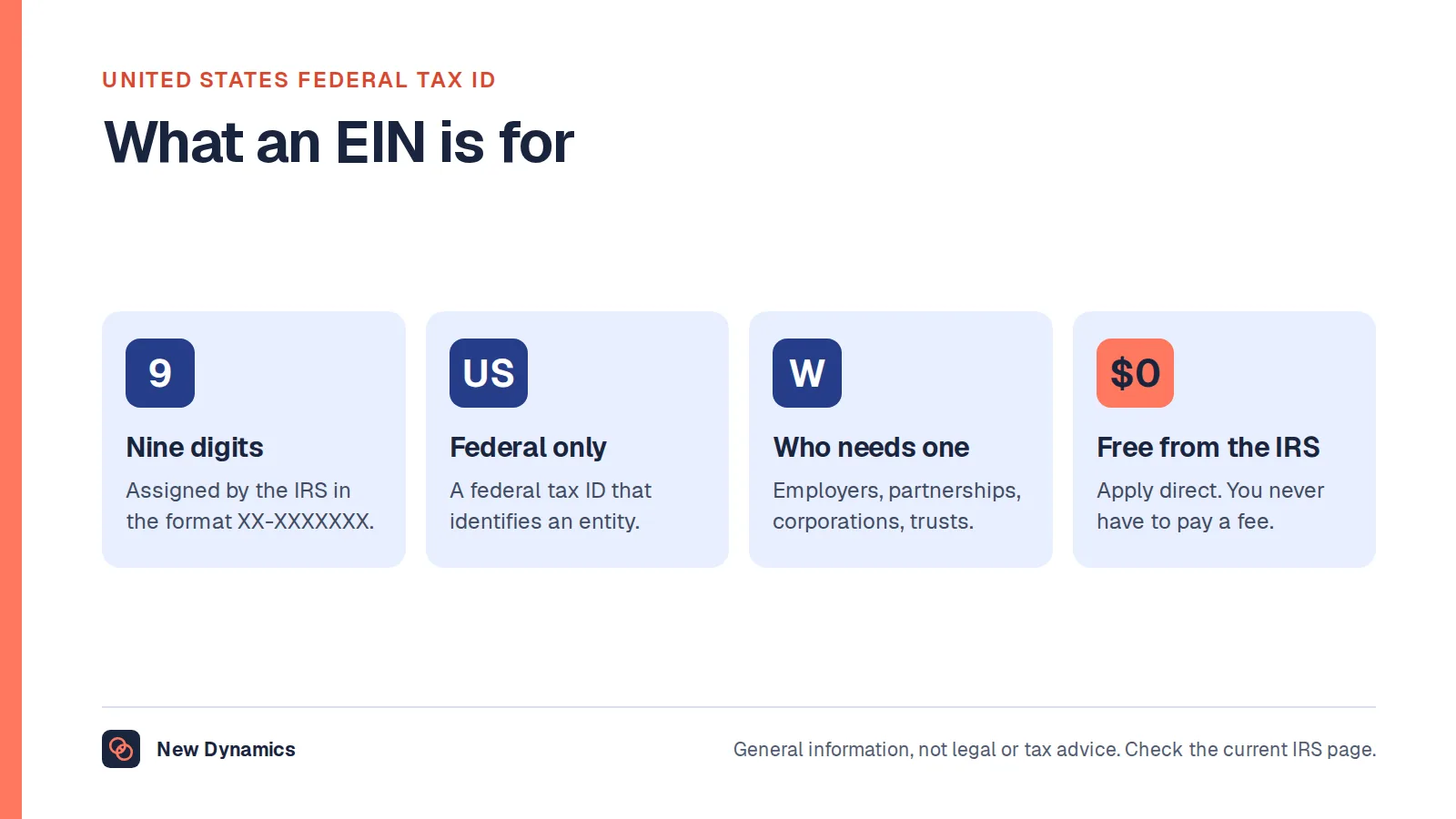
What an EIN is, who needs one, what a federal tax ID number looks like, how to get one free from the IRS, the CP 575 confirmation notice, Letter 147C, and the UK equivalents.
How severance pay is calculated in the UK: who qualifies, the age bands, what counts as a week's pay, the caps, and how payment in lieu of notice and family leave change the answer.