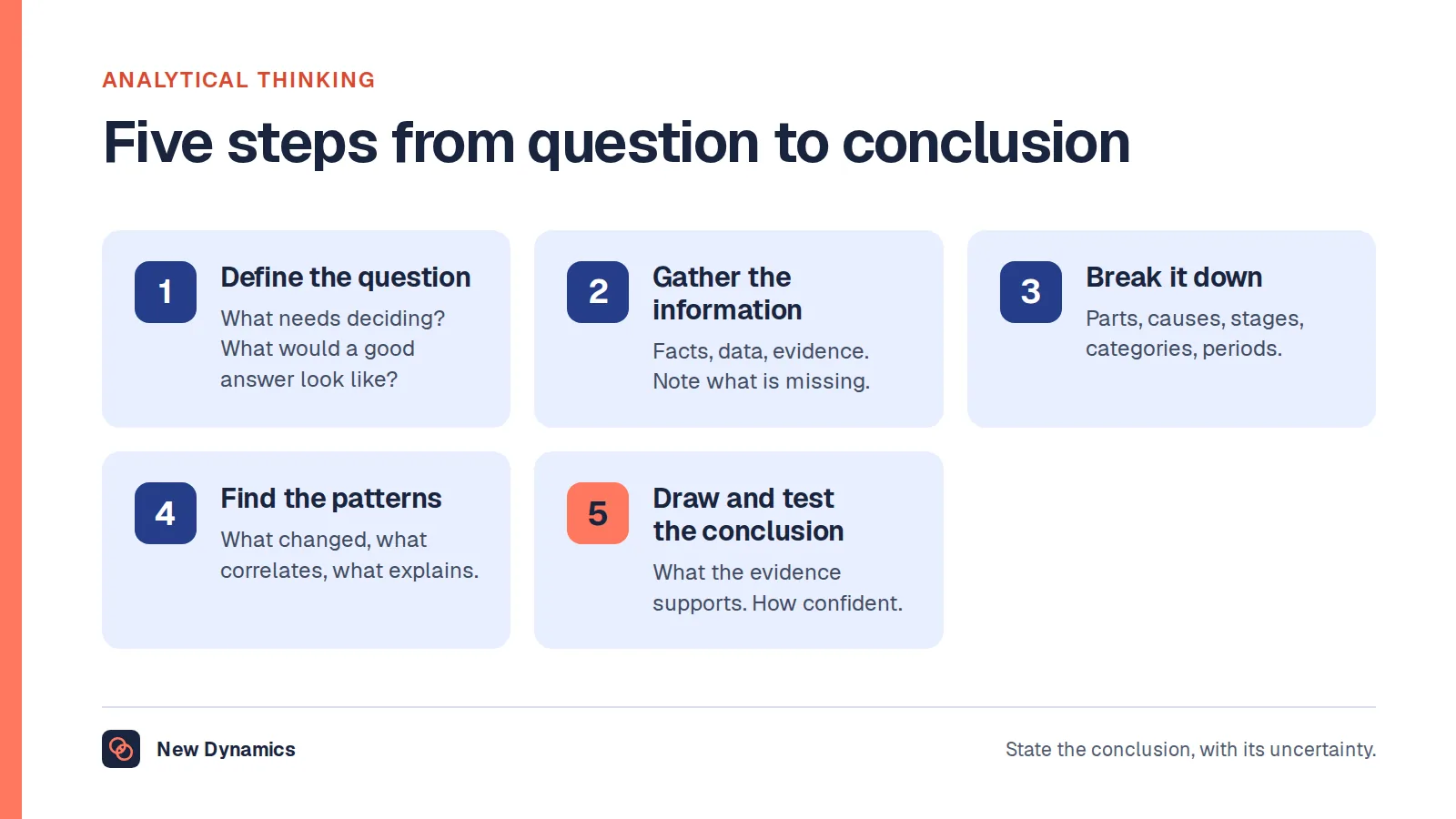
The definition of analytical thinking, the five steps an analytical thinker follows, how it differs from critical and creative thinking, examples at work, how employers assess it and how to develop it.
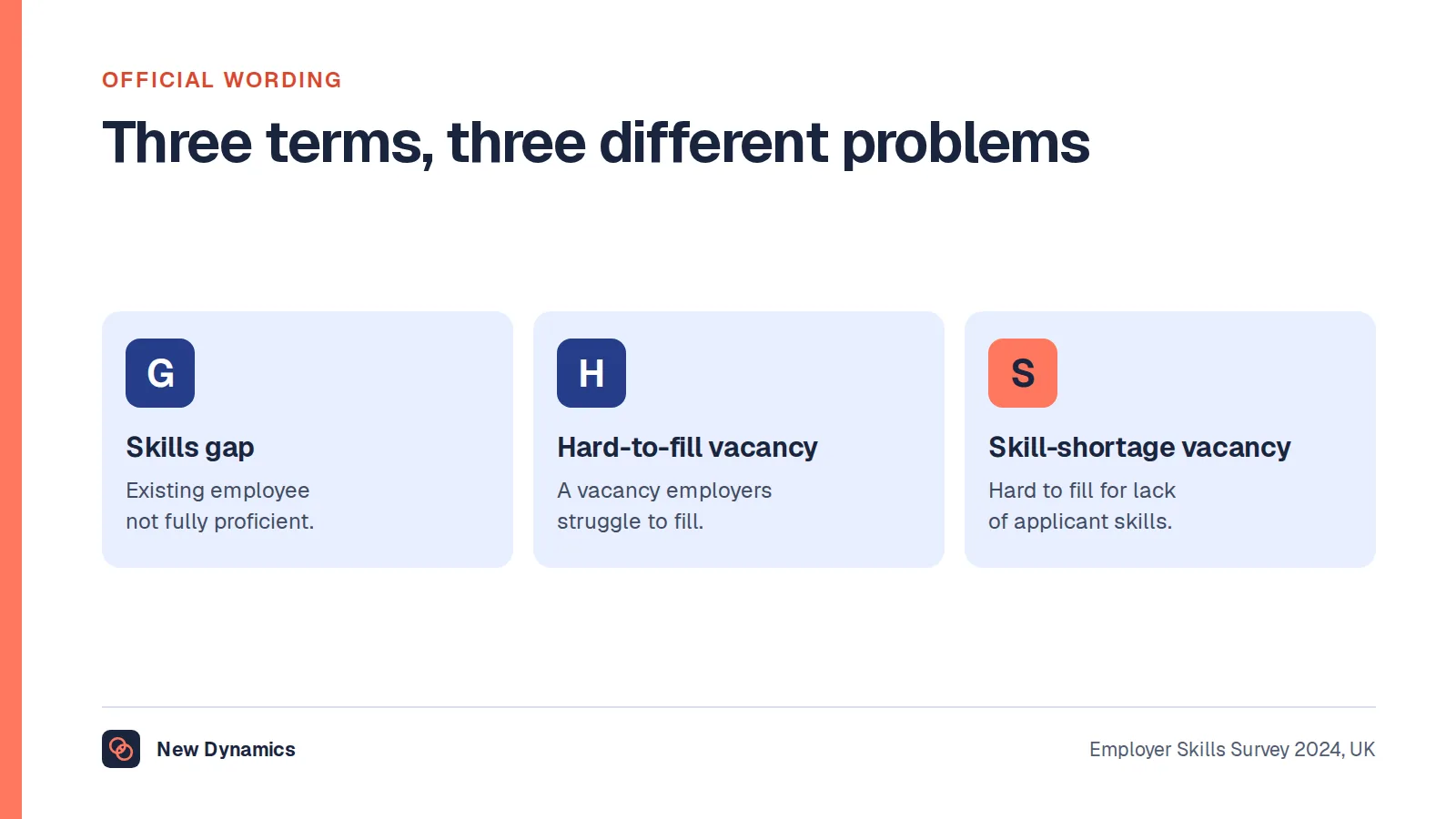
A six-step method for running a skills gap analysis: scope, the skills that matter, agreed levels, evidence, the gaps, and the decision to train, hire, redesign or accept. With the official UK definitions and a free guide.
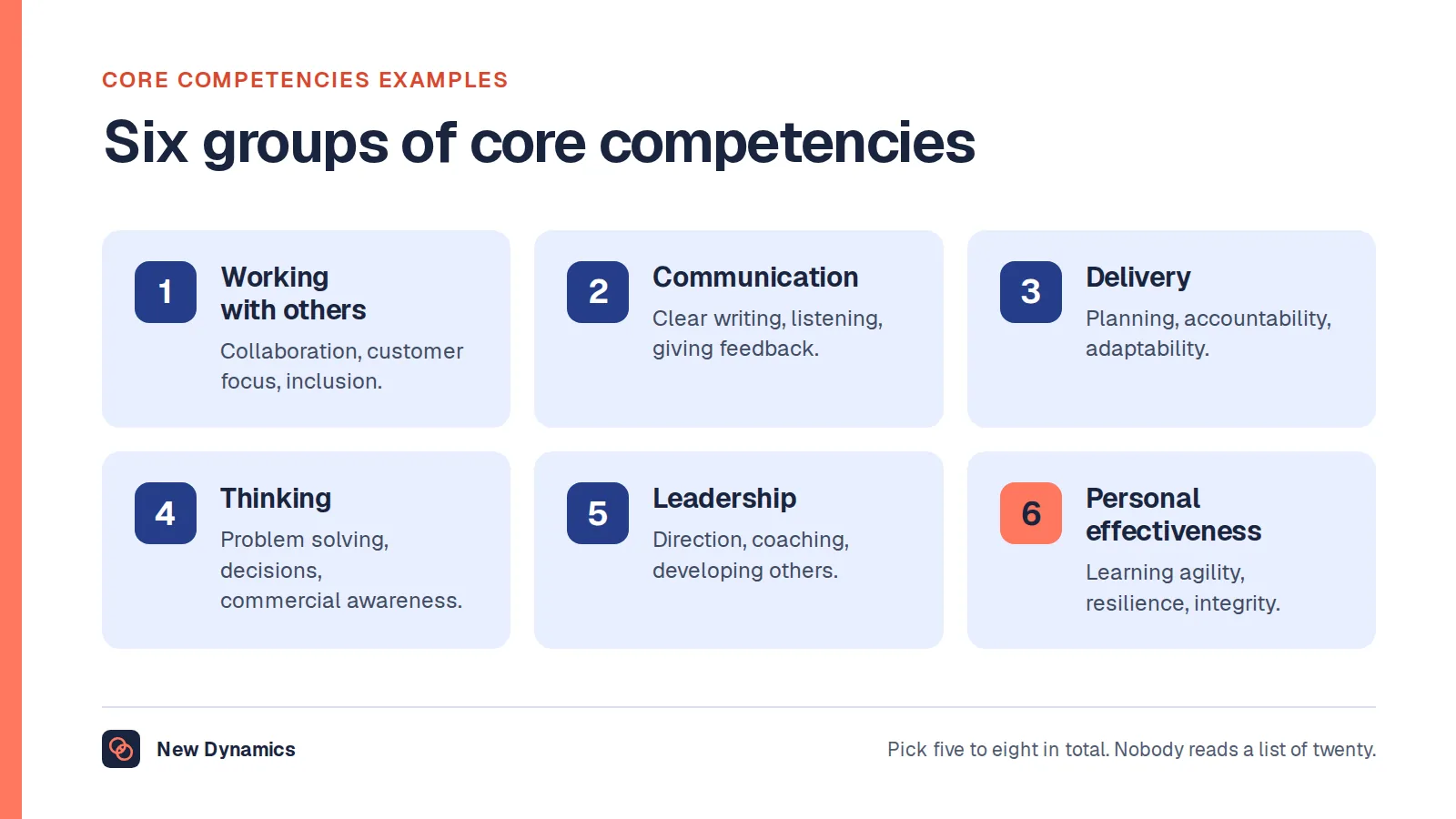
What a core competency is, 30 core competencies examples with behaviours, a sample with levels and six steps to define your own. Build a framework people use.
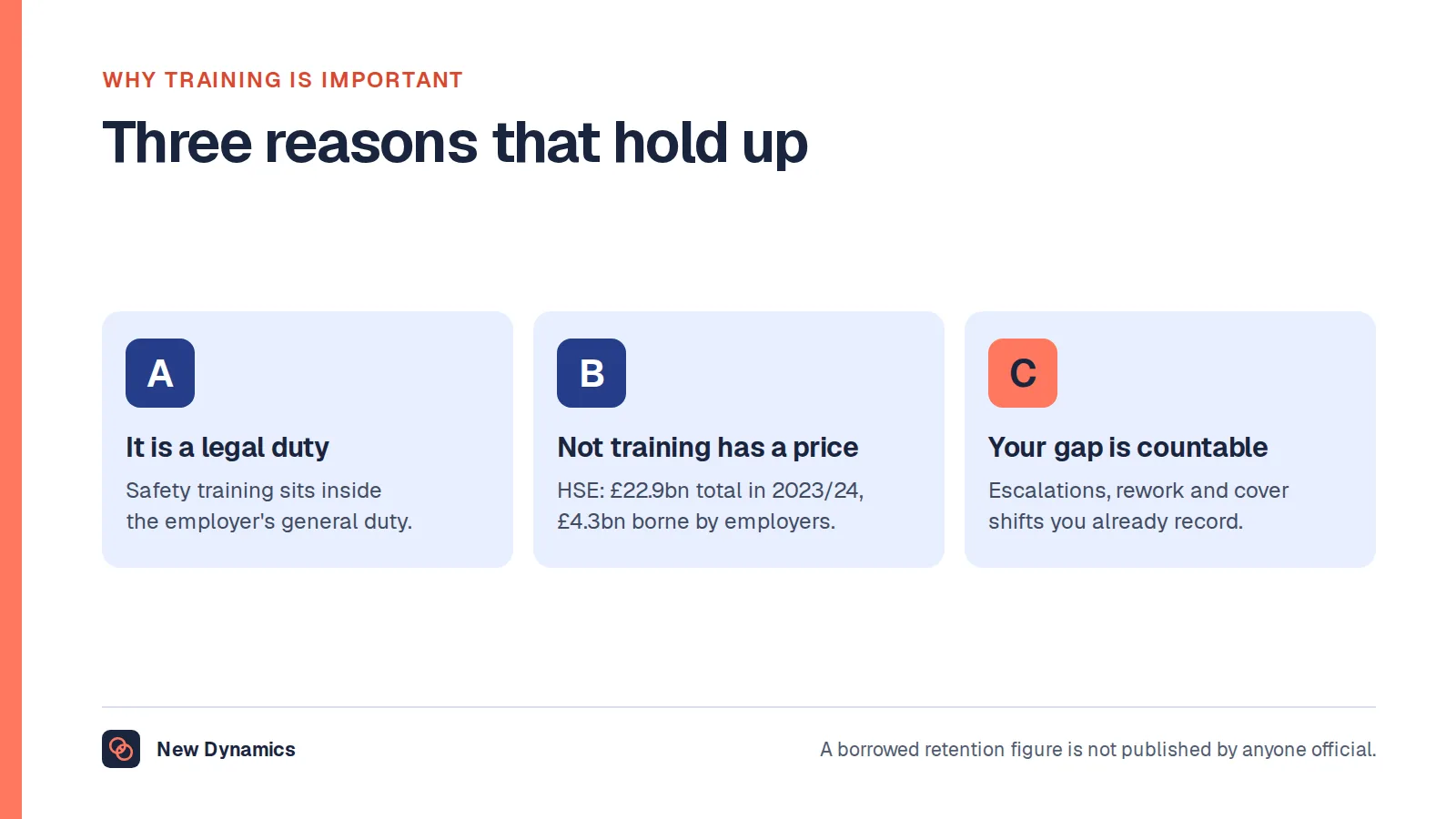
Why employee training matters, grounded in UK law and official figures: the duties that make some of it compulsory, the published cost of not doing it, and the one benefit no official source publishes.
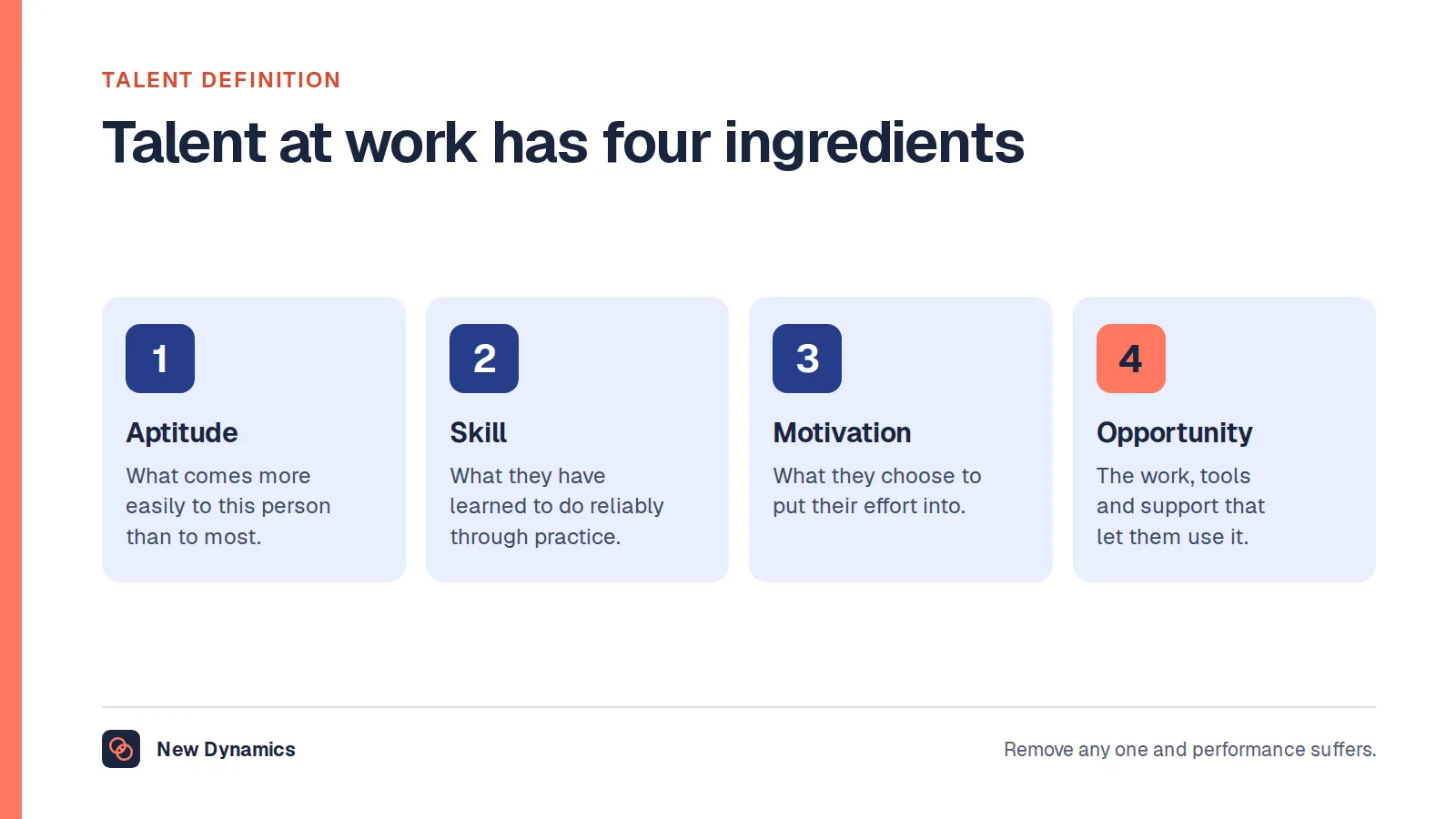
A clear talent definition for the workplace, plus raw talent versus skill, ten examples and fair ways to spot and grow it. Rethink who you call talented.
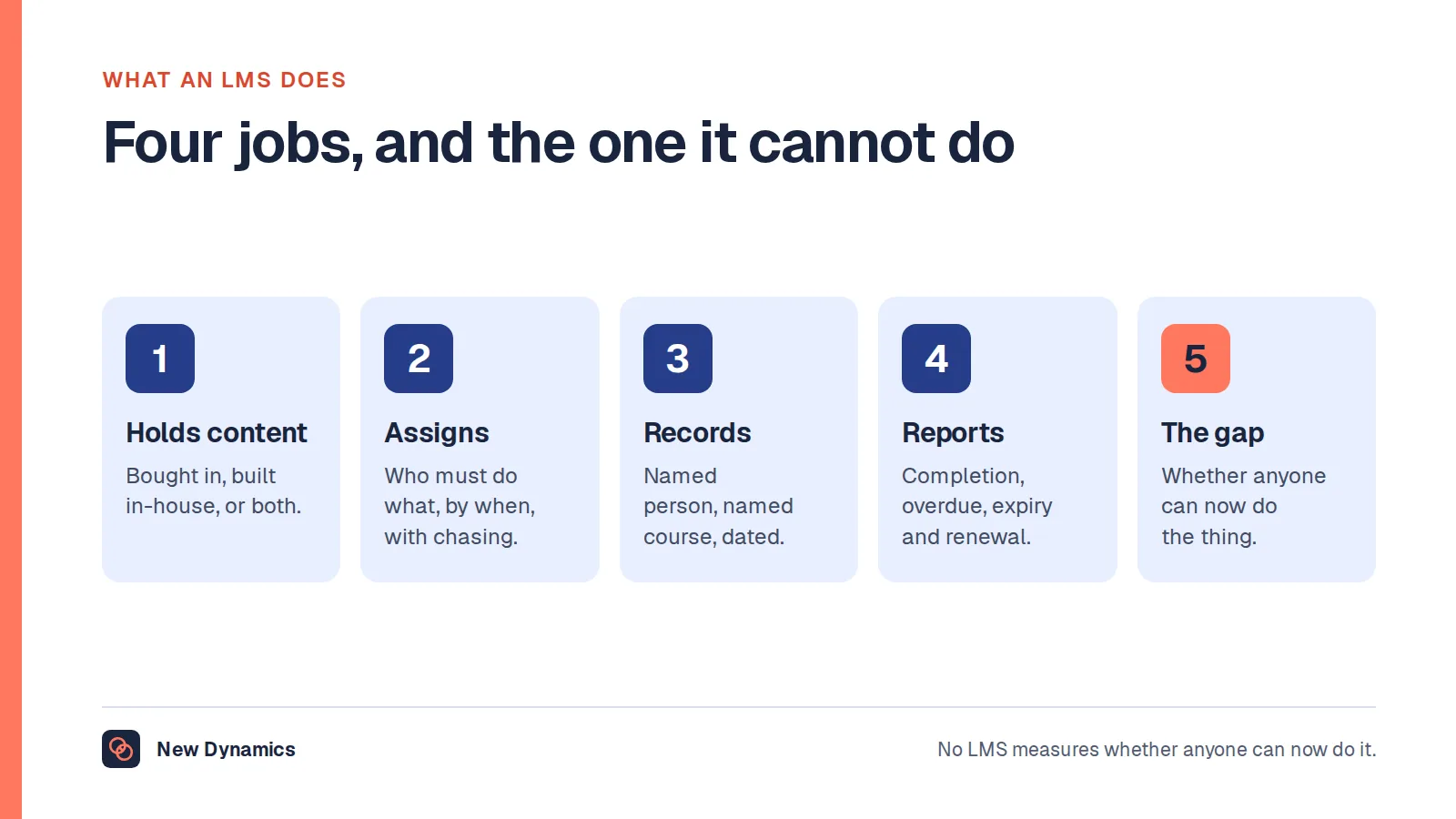
What a learning management system does, the difference between an LMS and a learning experience platform, when a small employer should not buy one, the compliance records it has to produce, and the questions to ask before signing.
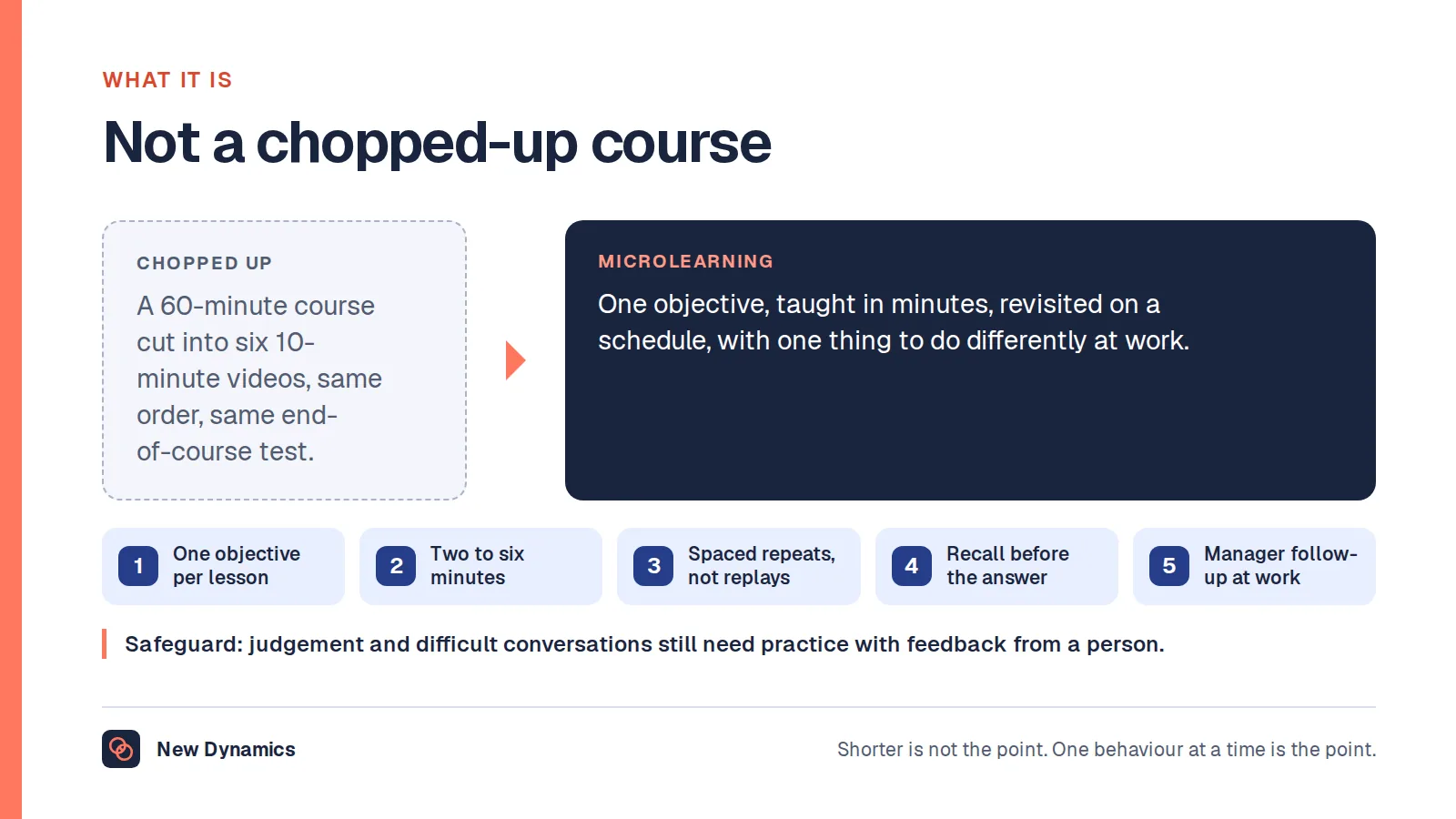
What microlearning is and what it is not, which claims about it are unsourced, the formats that work at work, how to space and retrieve, and how to measure behaviour rather than completion.
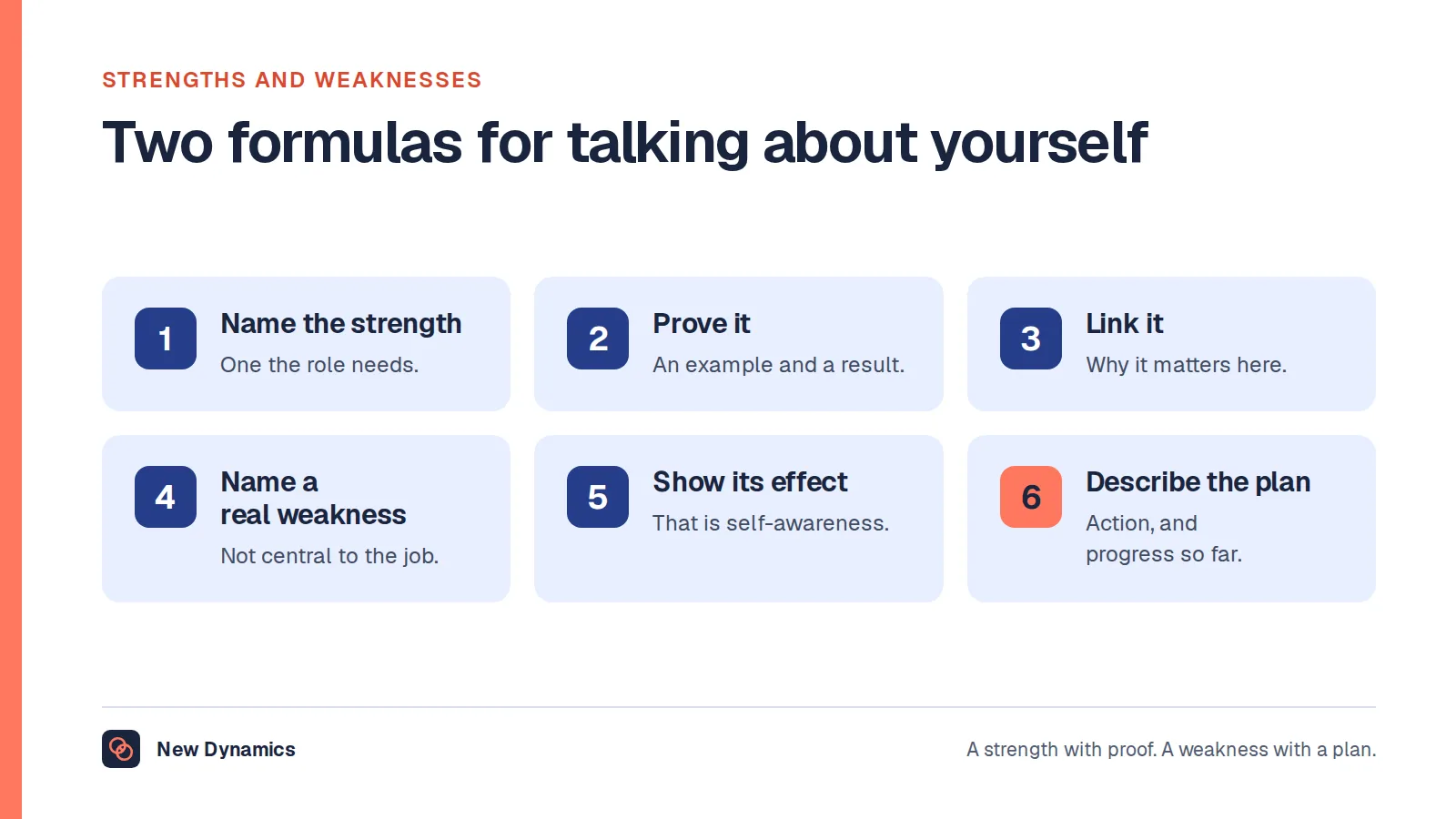
Answer “What are your strengths and weaknesses?” with confidence: 30 employee strengths, 20 honest weaknesses, sample answers and how to use both in a performance review.
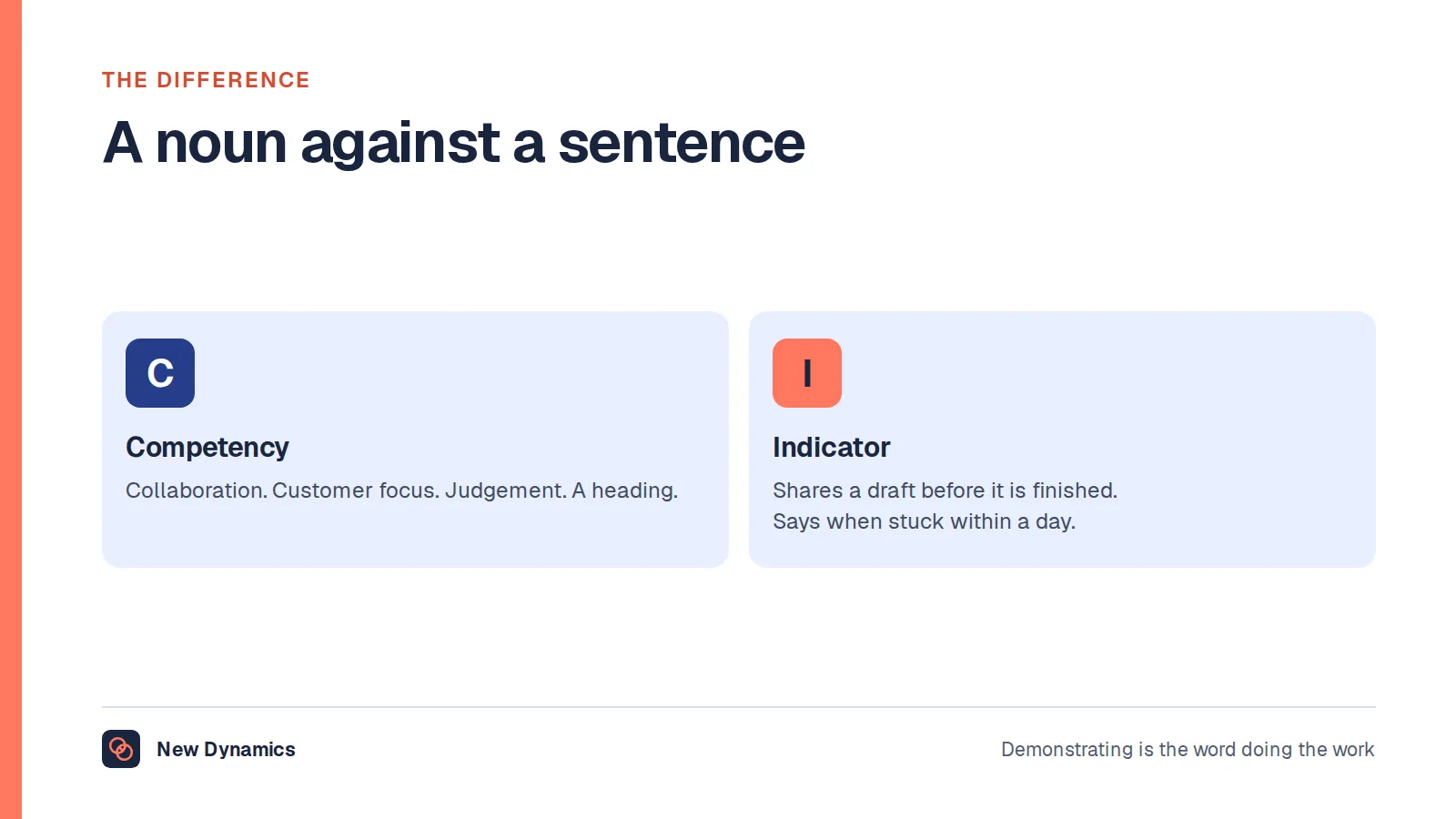
How to turn a competency into something observable: a four-part test for a usable behavioural indicator, a worked framework across four levels, how many to have, and how to rate against them in a review.
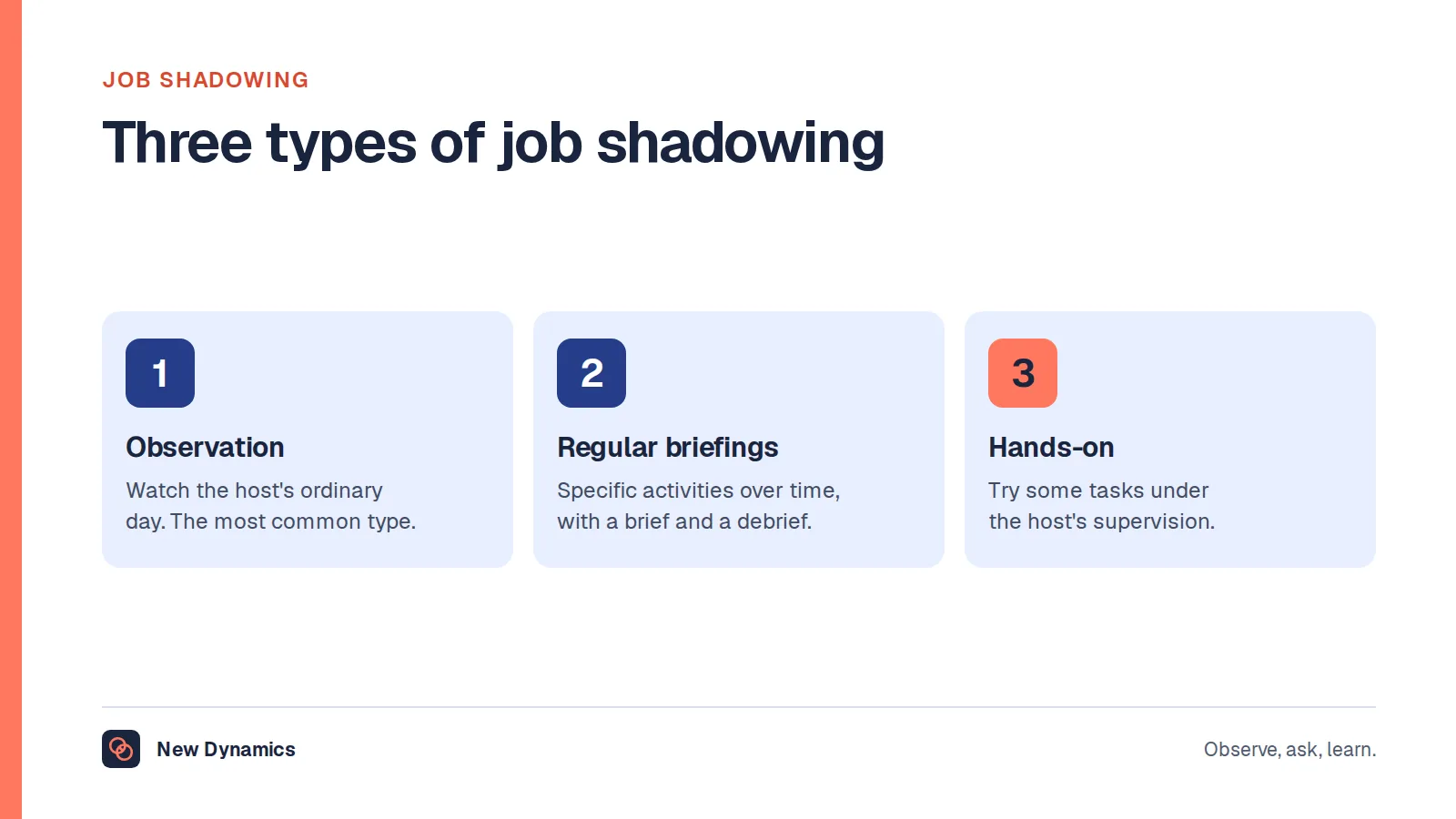
What job shadowing means, three types, five uses inside an organisation, six steps to run a shadowing day, the UK position on pay and safety, and questions to ask a host.
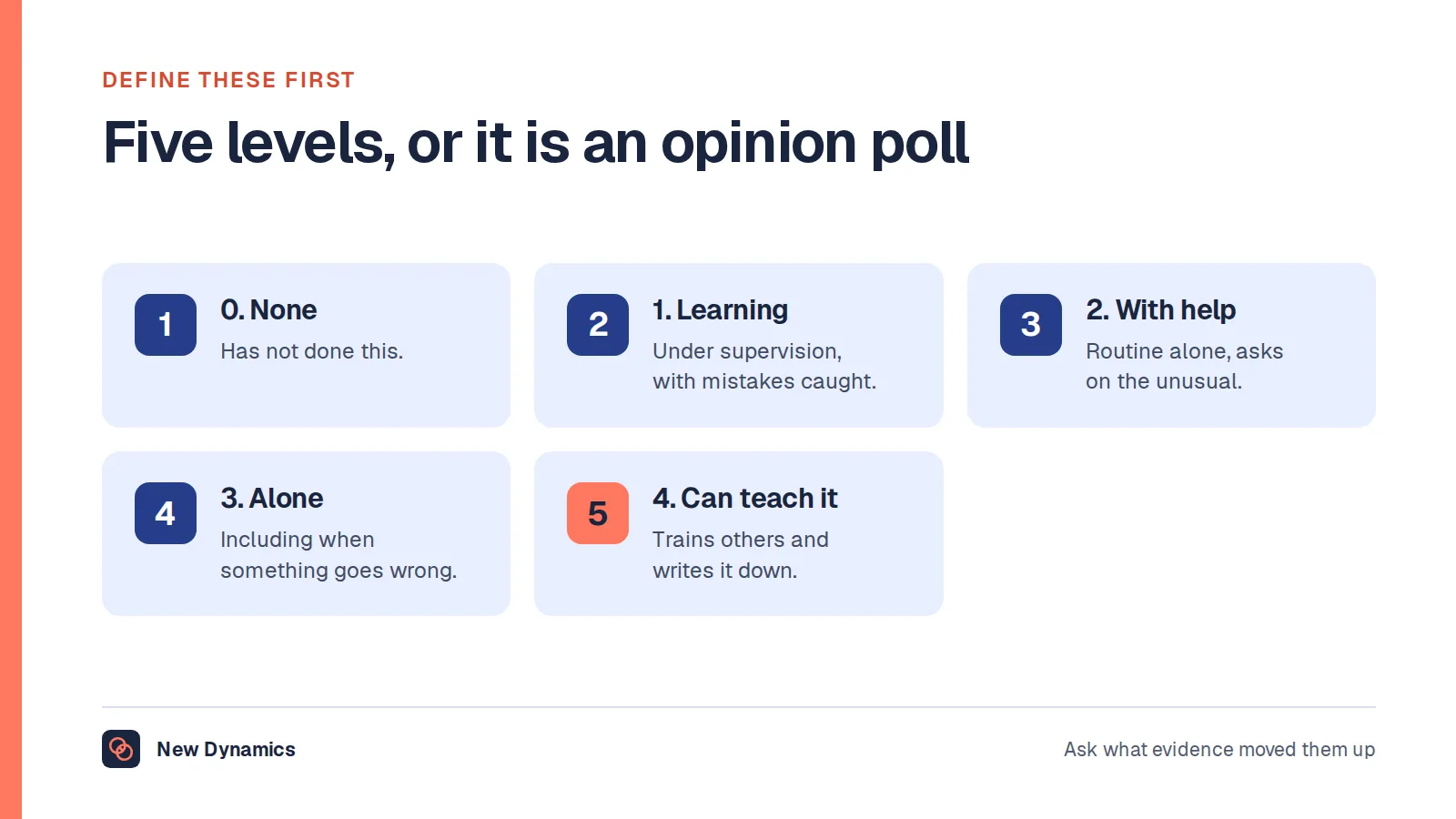
How to build a skills matrix that gets used: a five-level scale with definitions, a worked grid, the three decisions it should drive, and the mistakes that turn it into a ranking of people.
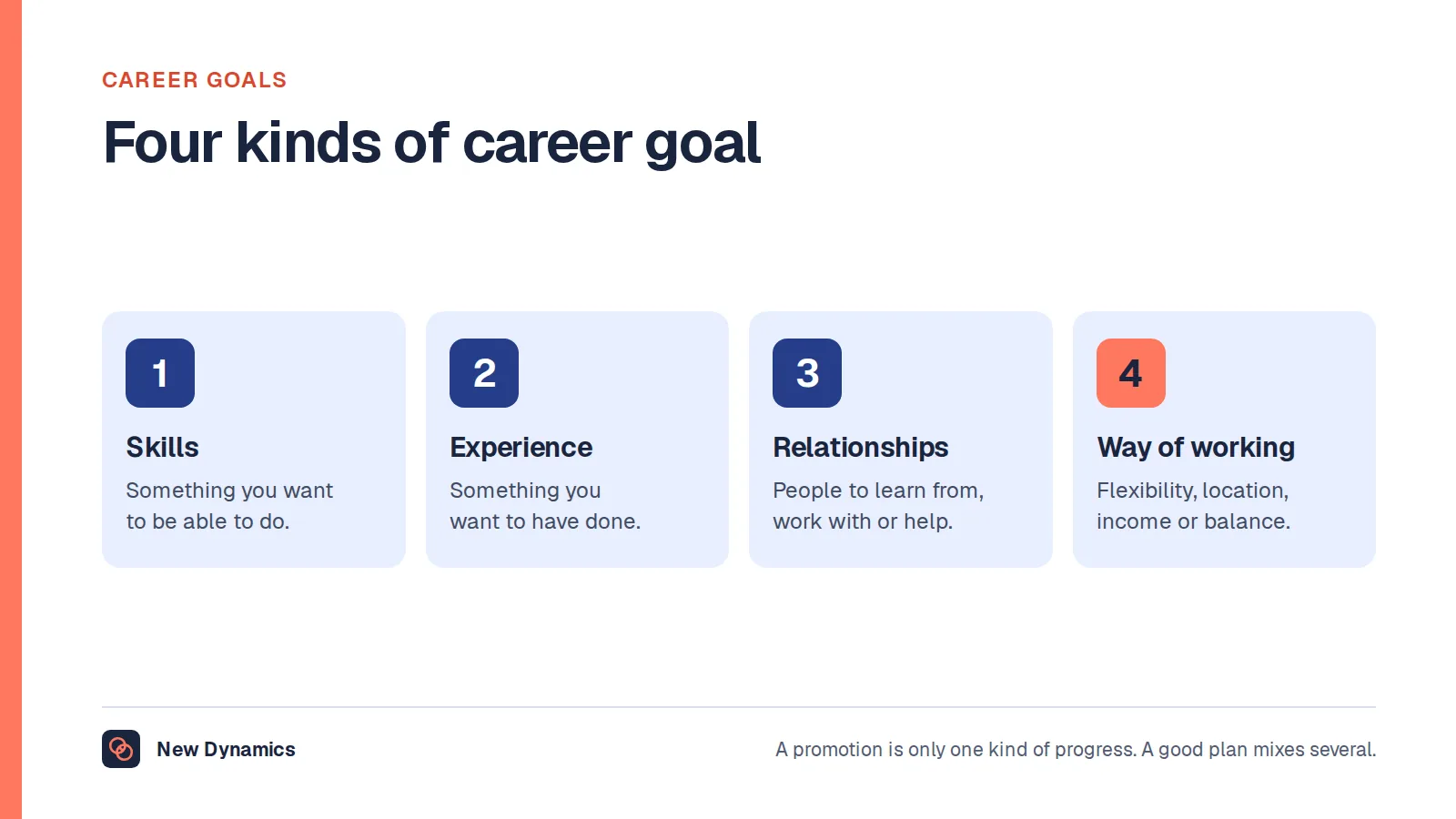
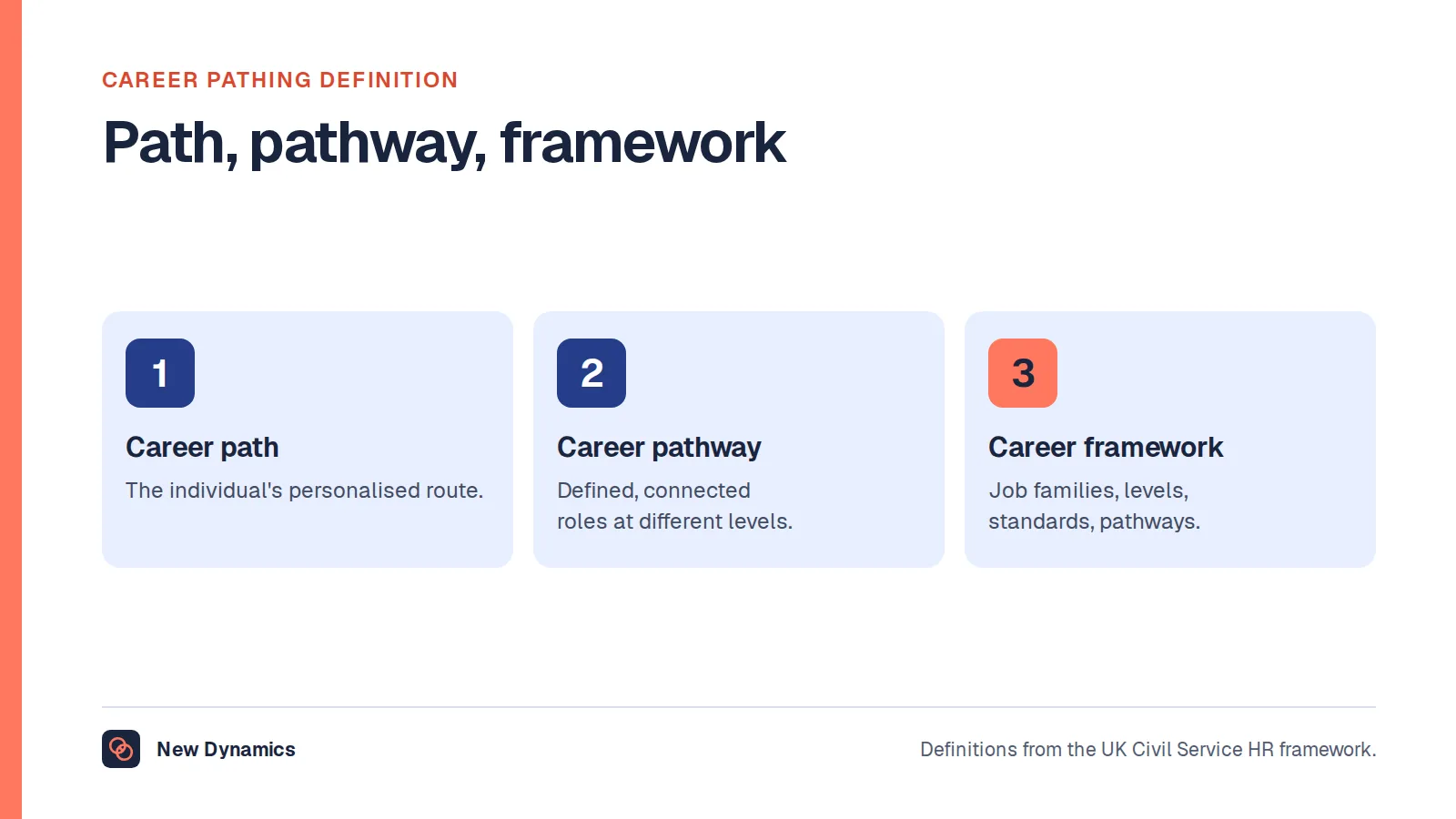
The definition of career pathing and career planning, the difference between a career path, a career pathway and a career framework, six steps to build career paths in an organisation and five steps to plan your own.
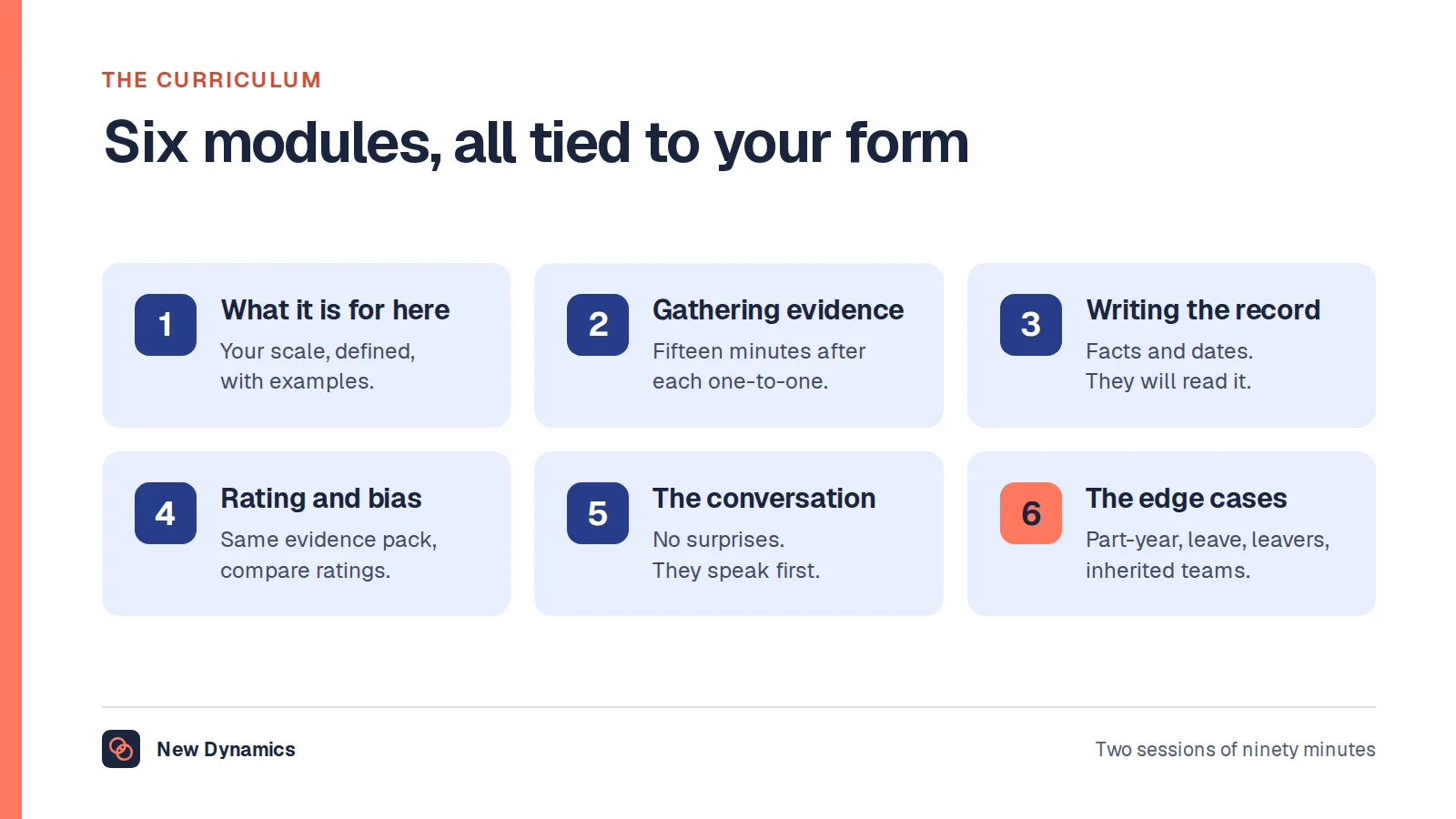
A six-module curriculum for manager review training, what to cut from it, when to run each part against the review timetable, and five ways to measure whether it changed anything.
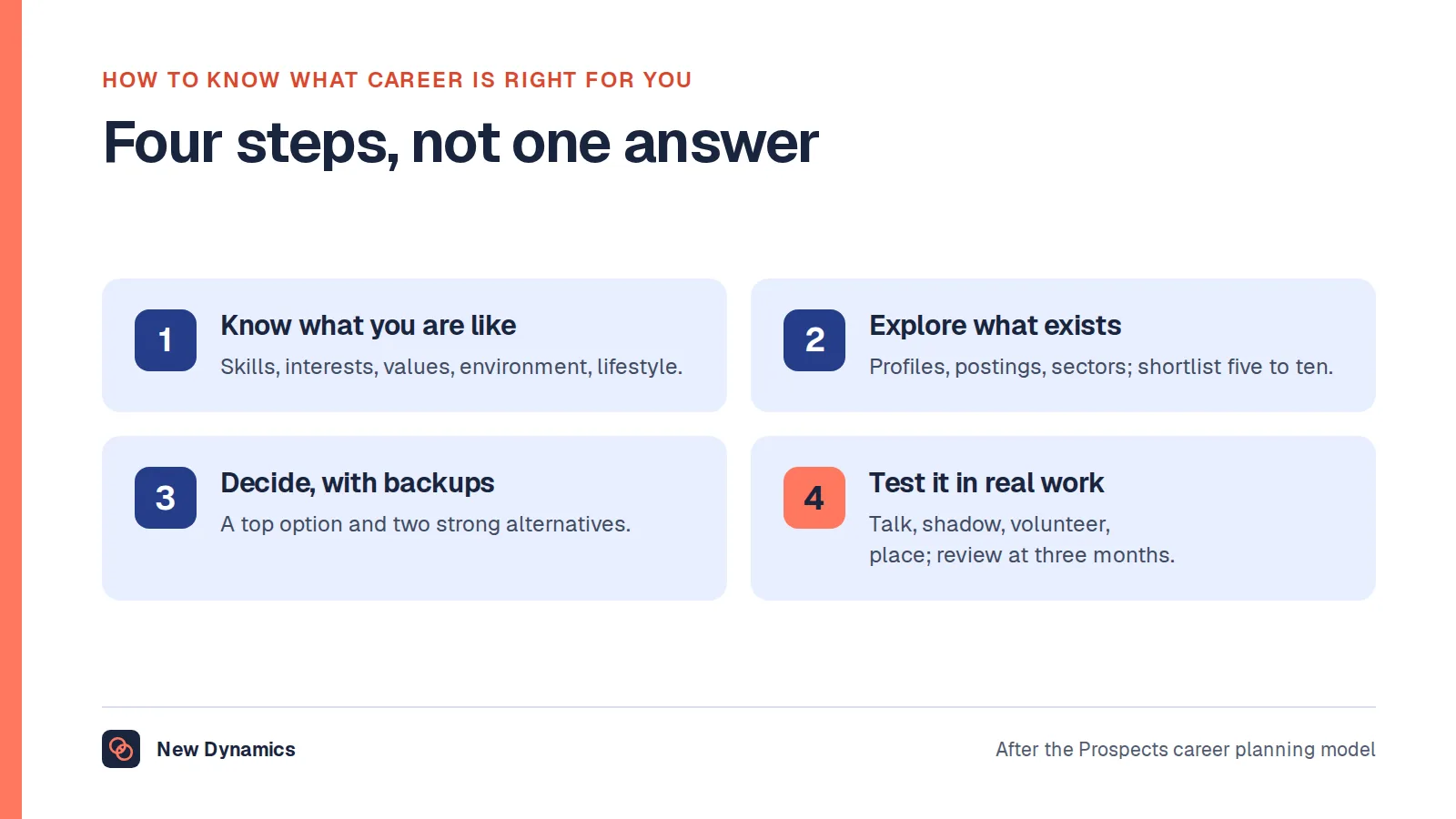
How to know what career is right for you: the four-step career planning method Prospects sets out, the self-assessment questions, how to use the National Careers Service skills assessment, how to test a career before committing, and what to do if you are already in the wrong one.
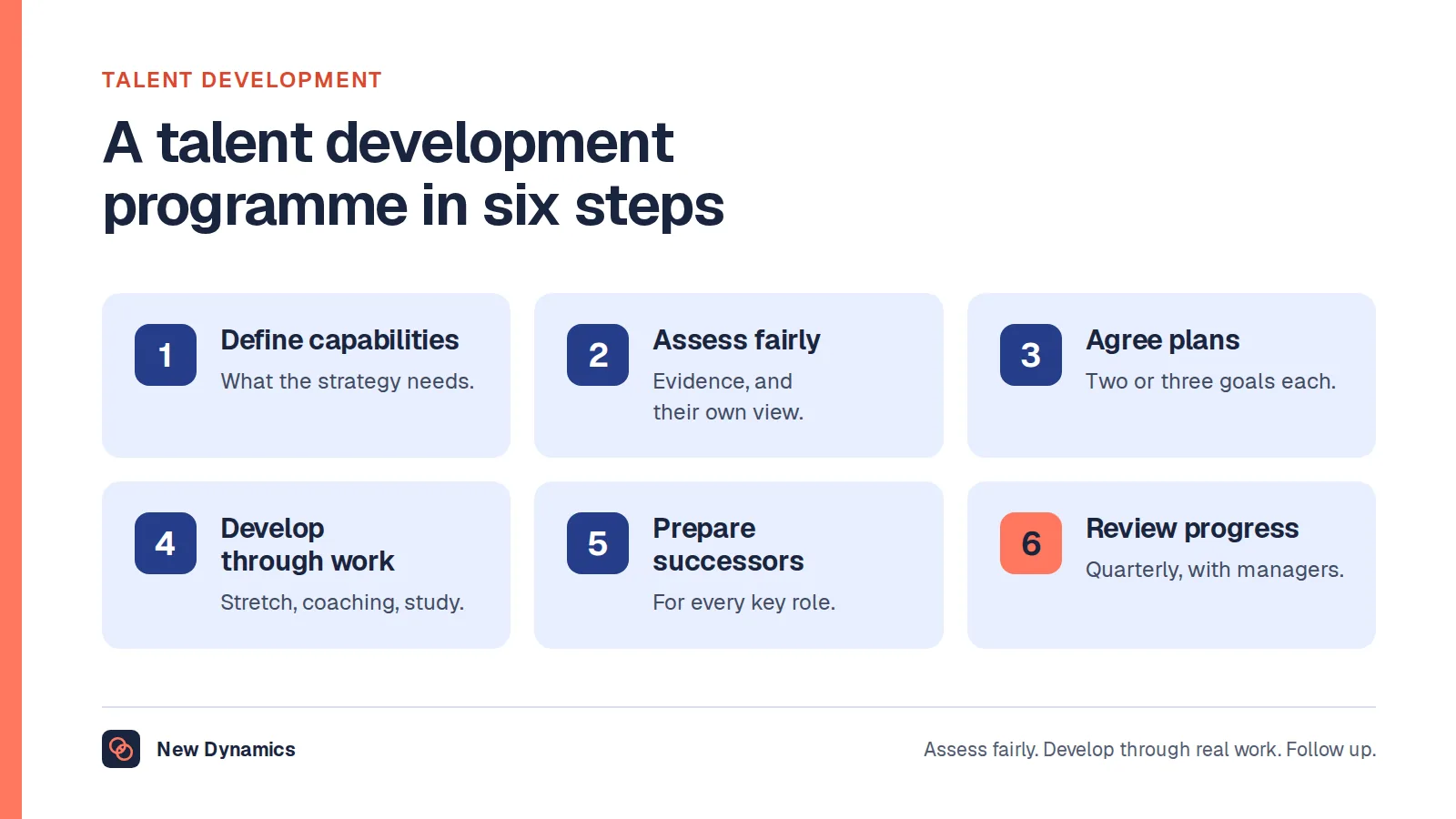
What talent development means, how it differs from training and talent management, a six-step programme, the talent review explained and the mistakes that waste budgets.
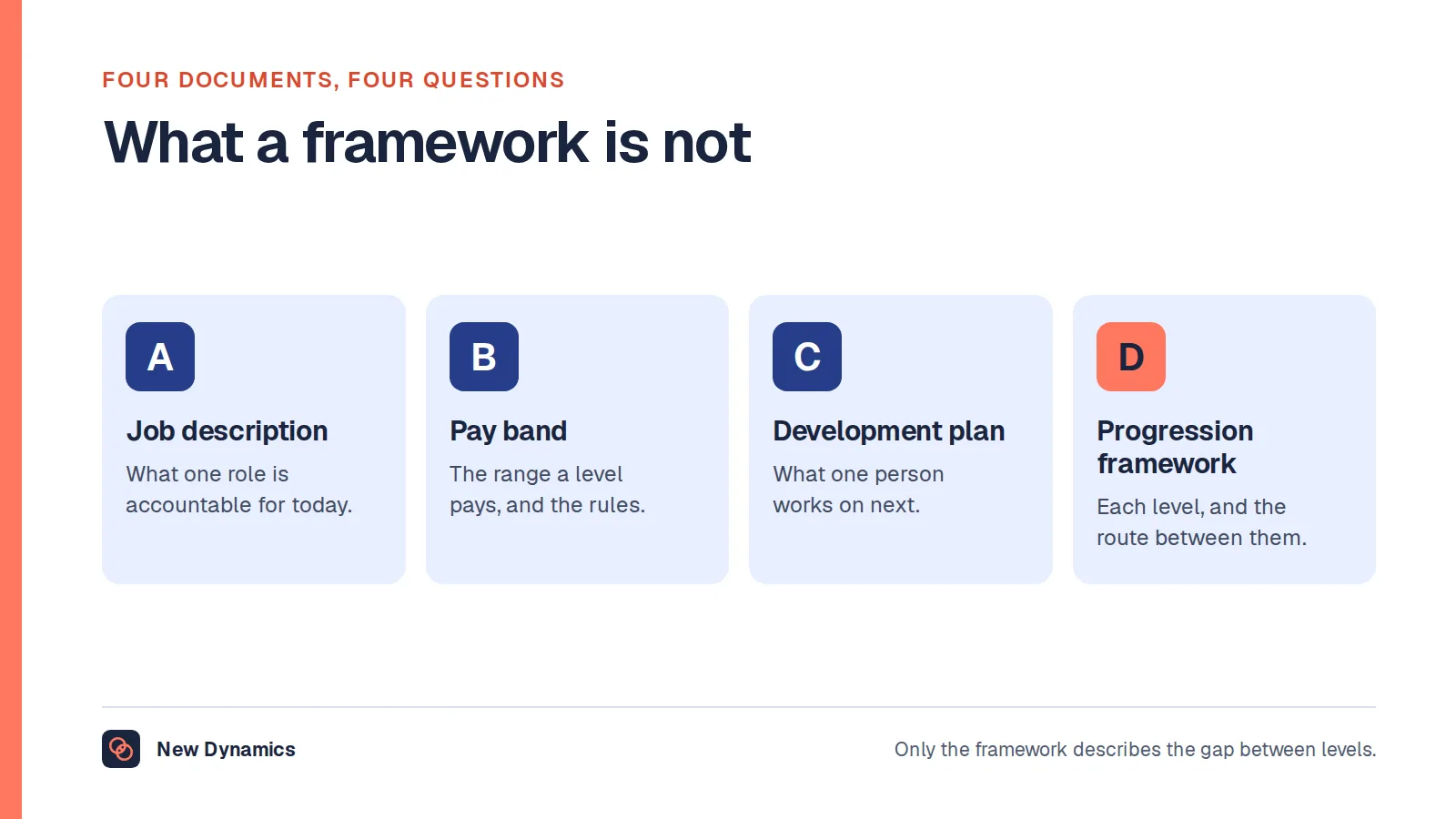
What a career progression framework is, how it differs from a job description, a pay band and a development plan, how many levels to use, and how to word expectations as observable behaviour.
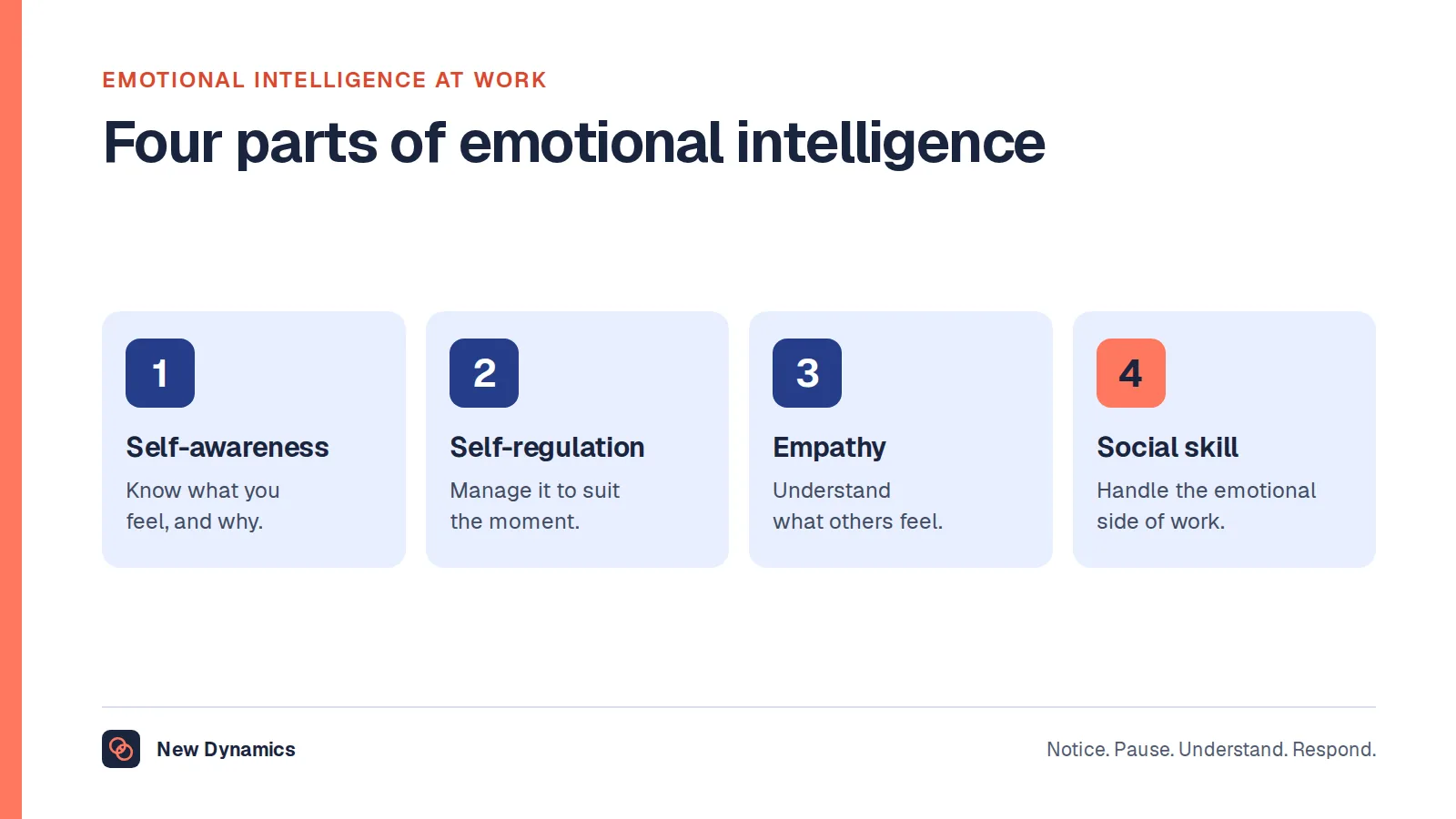
What emotional intelligence in the workplace means, its four parts, 20 everyday examples, how to build it with small habits and an honest look at what the evidence shows.
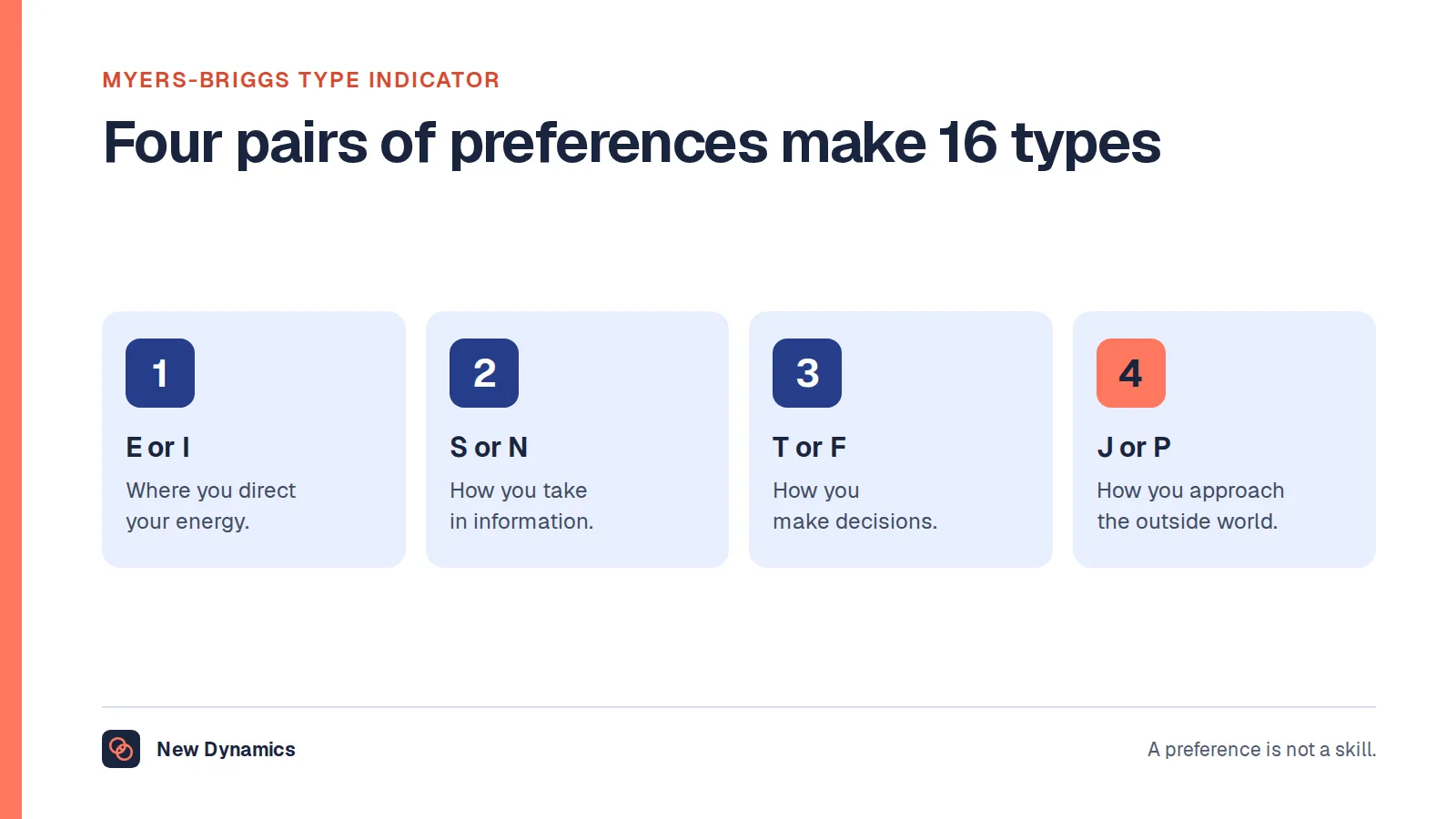
What the Myers-Briggs Type Indicator is, what the four letters mean, what its publisher and its critics say, and why it should never be used for hiring.
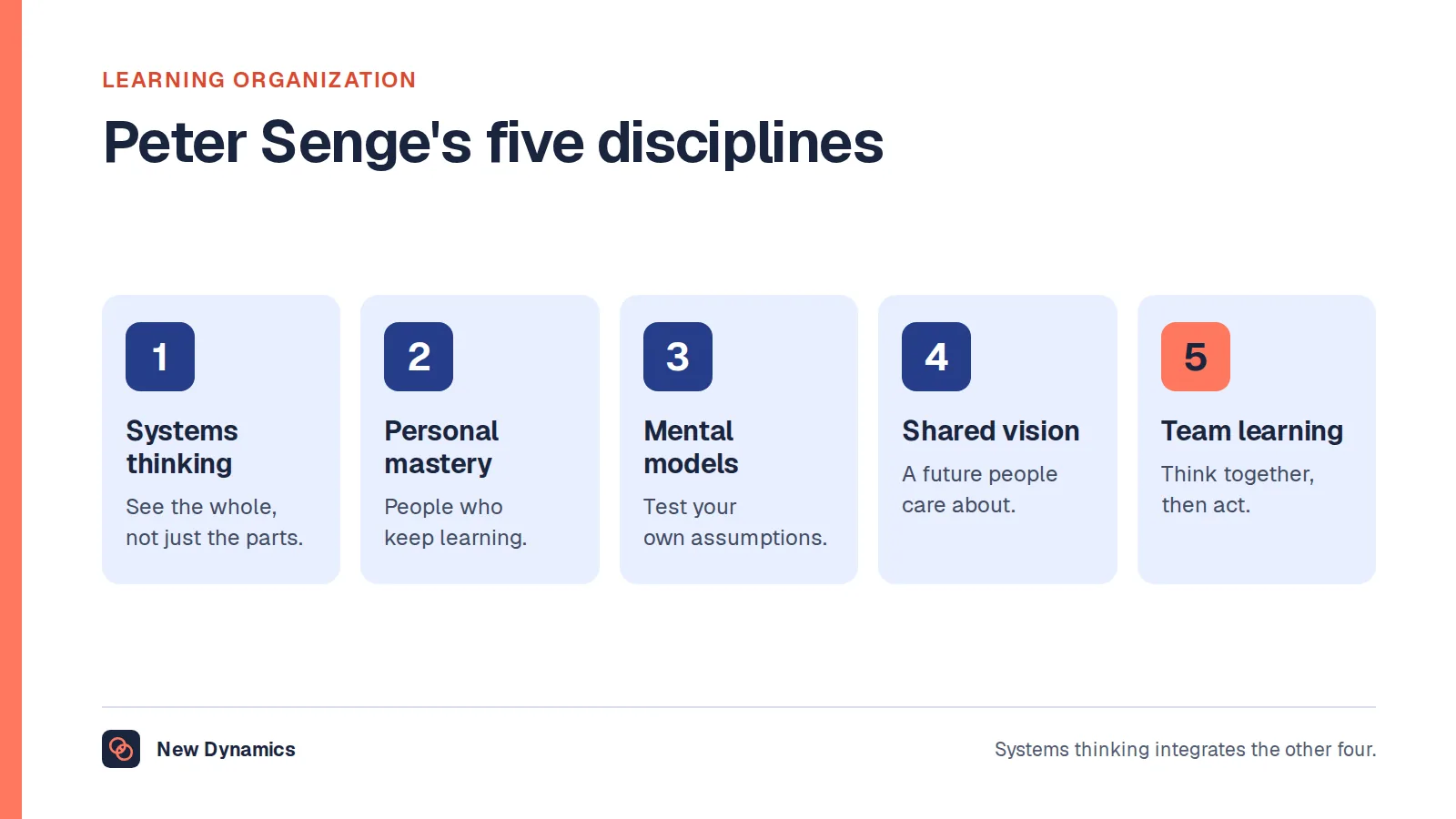
What a learning organization is, Peter Senge's five disciplines in plain words, six everyday habits, the barriers that stop learning and how to measure progress.
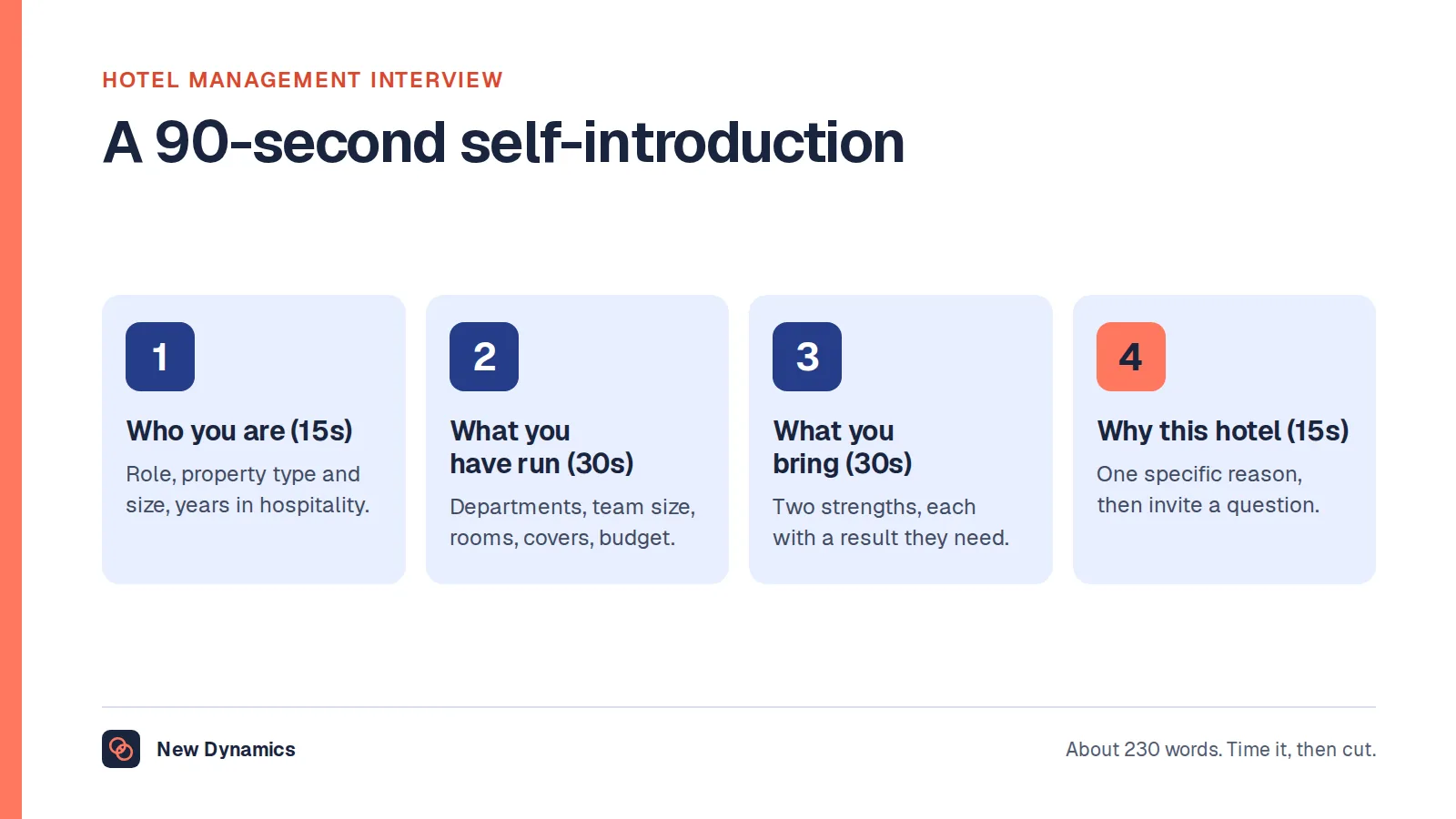
How to introduce yourself in a hotel management interview: a four-part 90-second structure, three example introductions, what interviewers listen for and the mistakes to avoid.
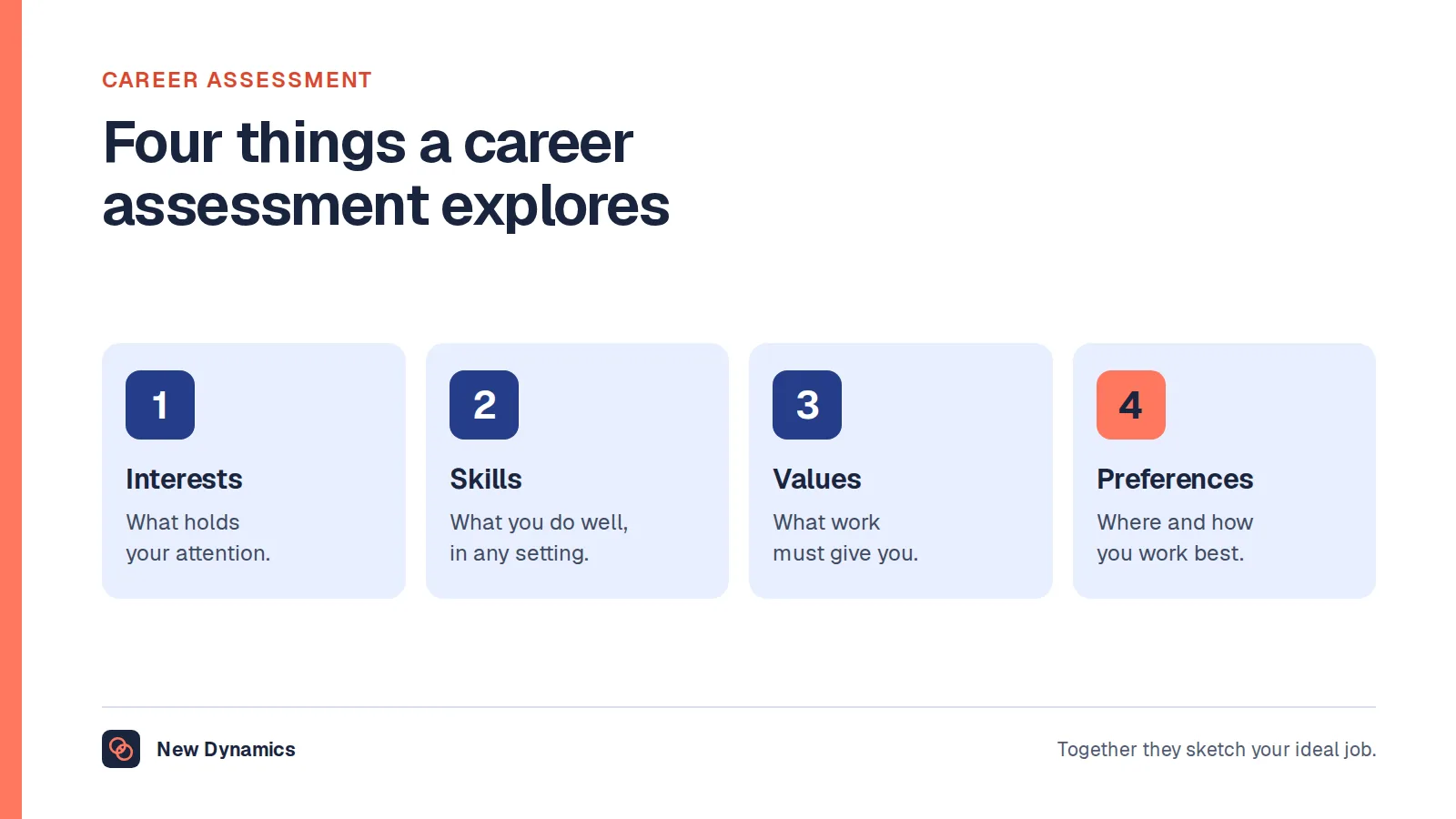
What a career assessment test is, the four things it measures, free tools from official UK services, five questions to ask first and six steps to turn results into a plan.
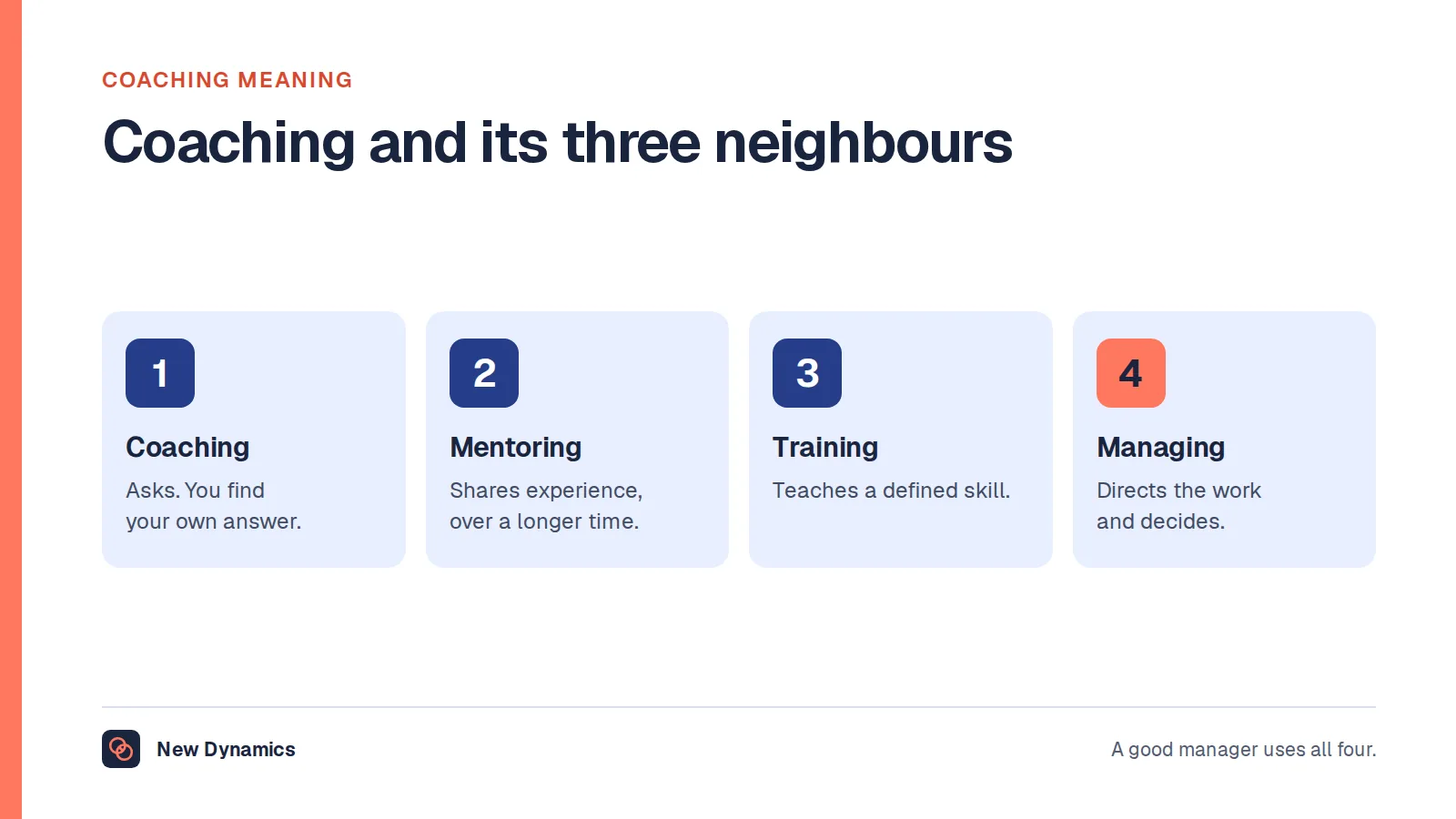
A plain definition of coaching at work, how it differs from mentoring, training and managing, a five-step coaching conversation, 20 questions and five signs of good coaching.
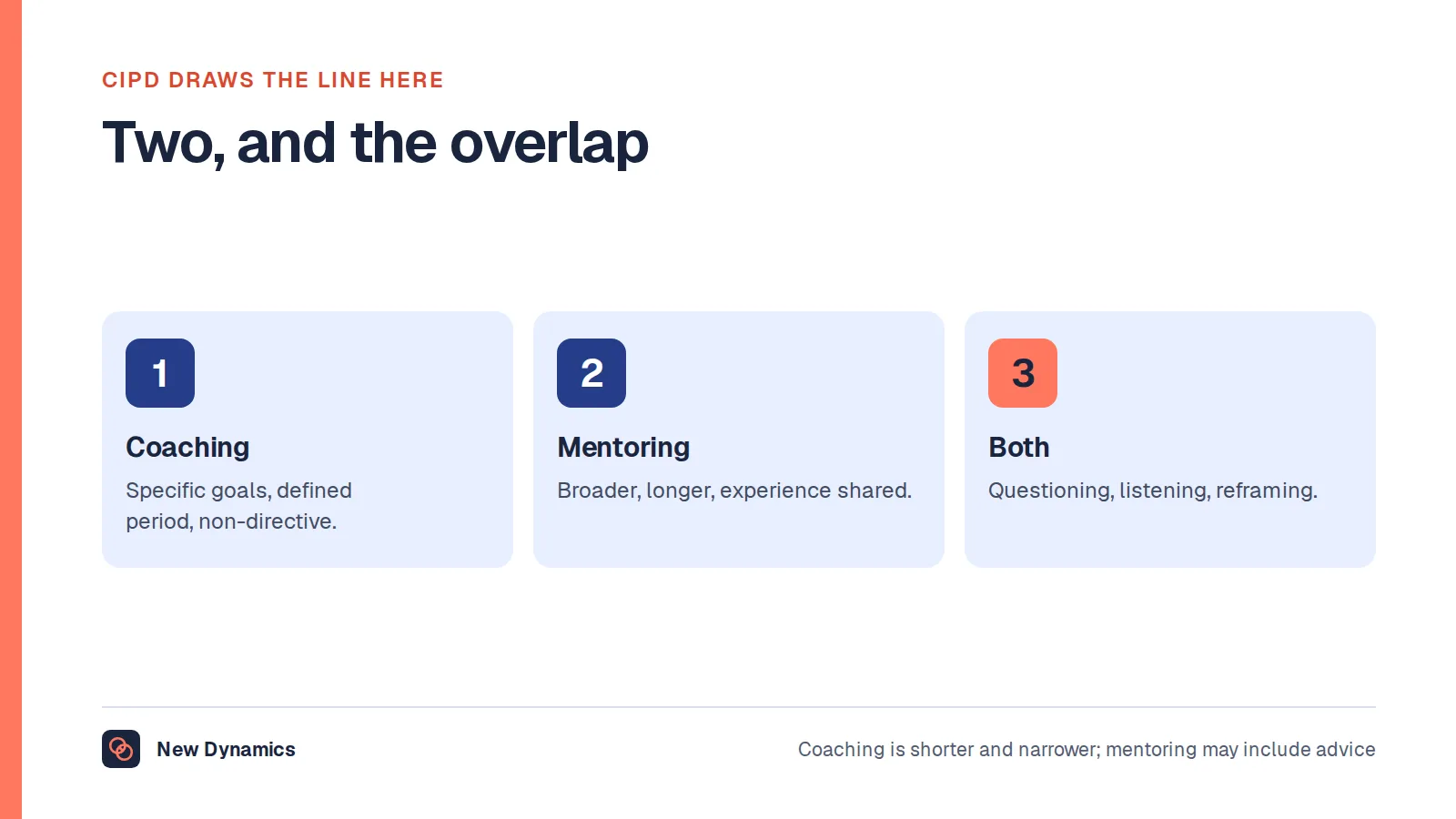
What a mentoring programme is, how mentoring differs from coaching, the mentor and sponsor distinction that decides who gets promoted, and what mentors really need.