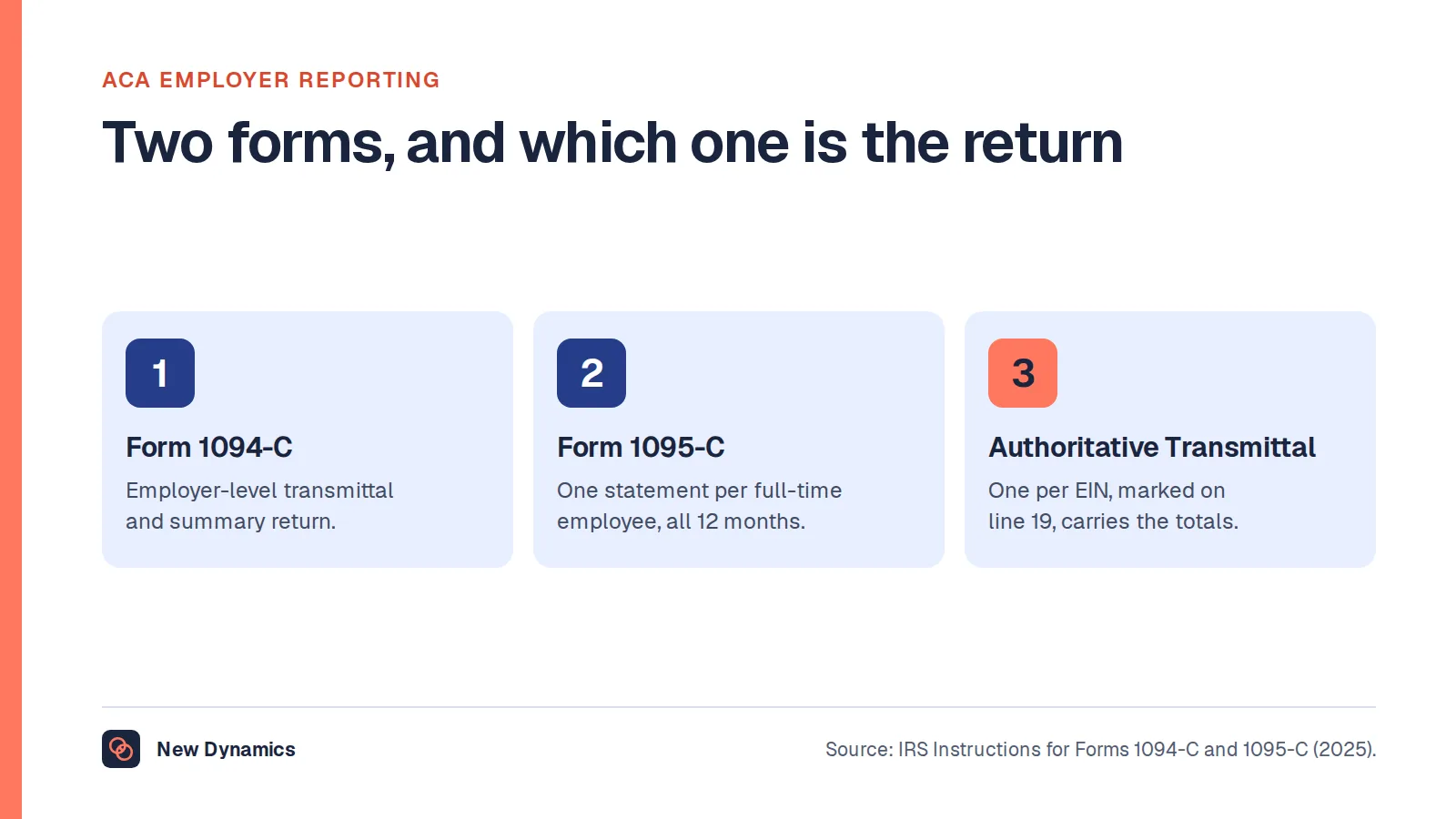
What Forms 1094-C and 1095-C are in the United States, who must file them, how the IRS counts full-time equivalents for applicable large employer status, the Part II codes, the tax year 2025 deadlines and the penalties.
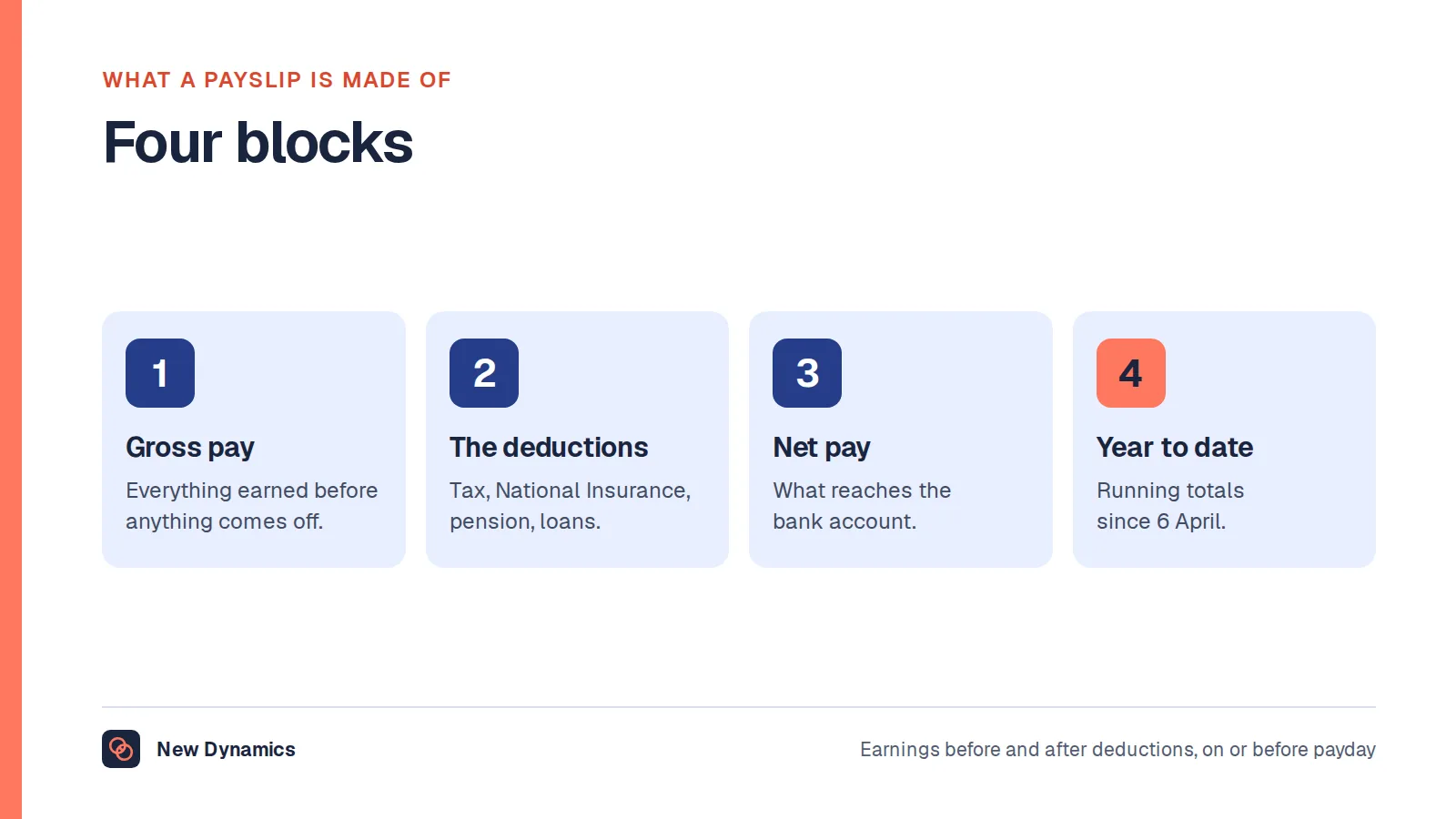
What every line on a payslip means: gross pay, tax, National Insurance, pension, student loan and net pay, the gross to net formula, before-tax against after-tax deductions, and what an employer may lawfully take.
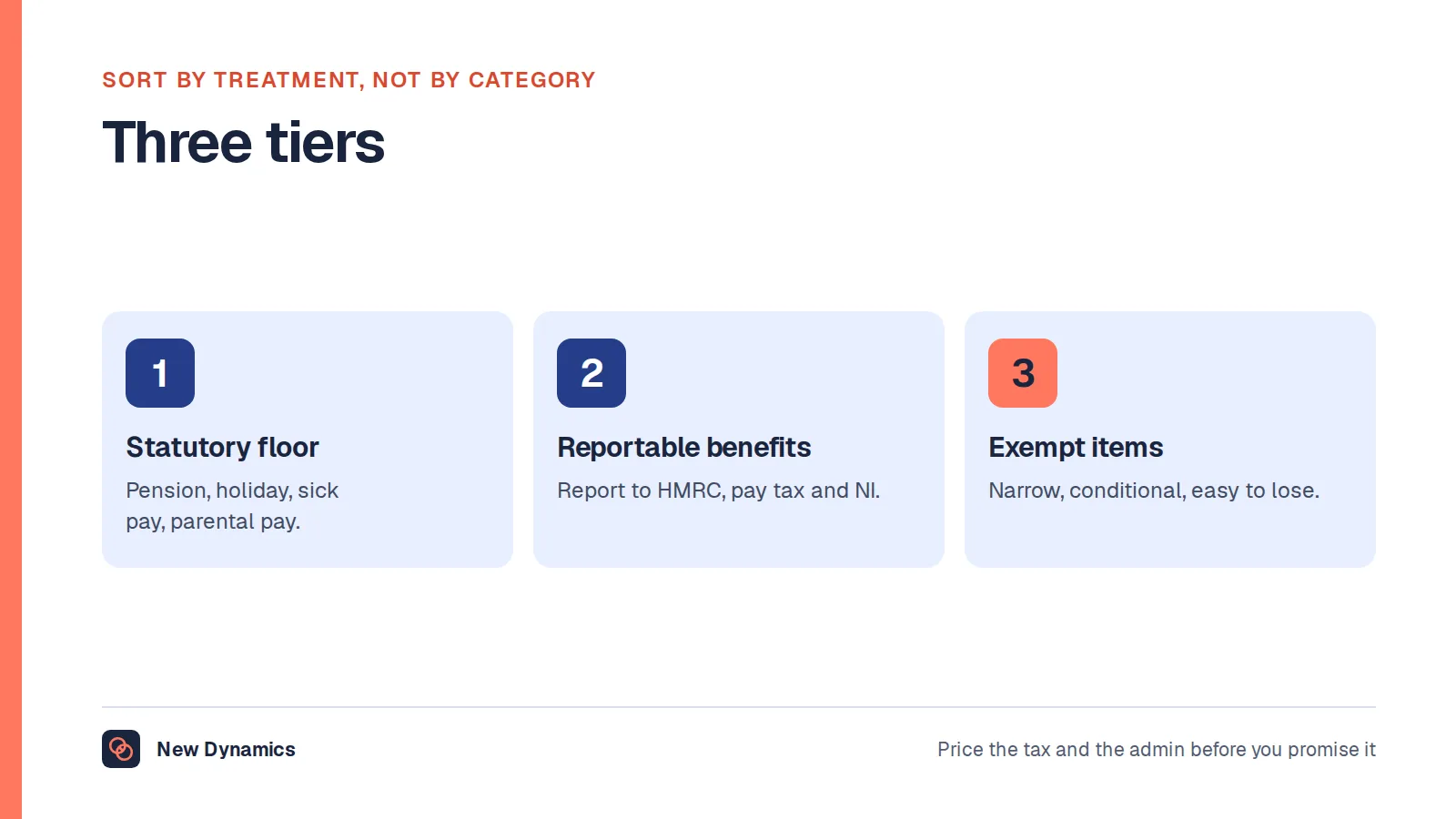
A UK employer's guide to employee benefits sorted by how they are treated: the statutory floor, what you report to HMRC, what is exempt, and the part-time rules.
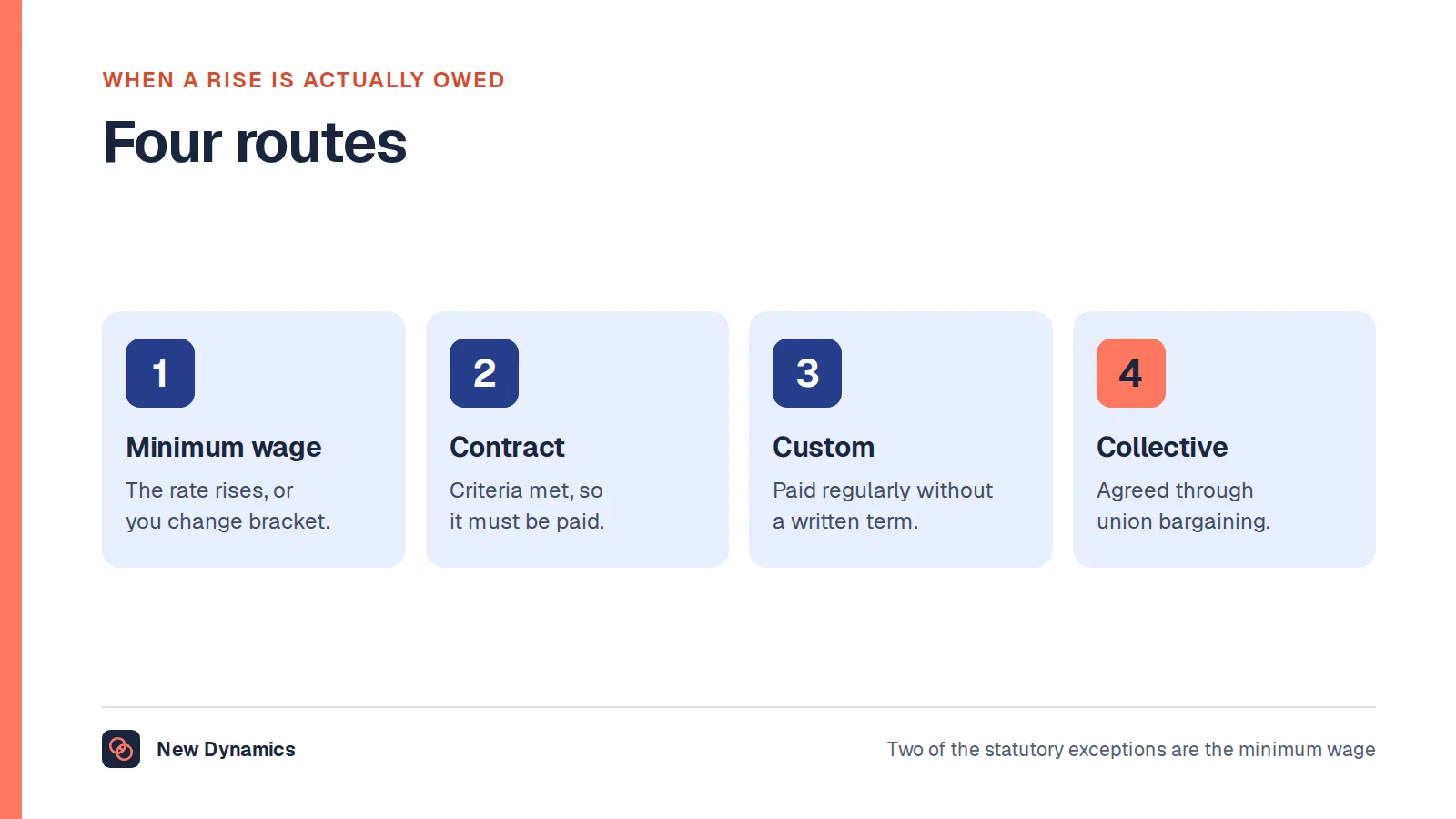
What a cost of living adjustment is, whether UK law requires one, the three choices behind the percentage, why a flat rate is not neutral, and how it differs from a merit rise.
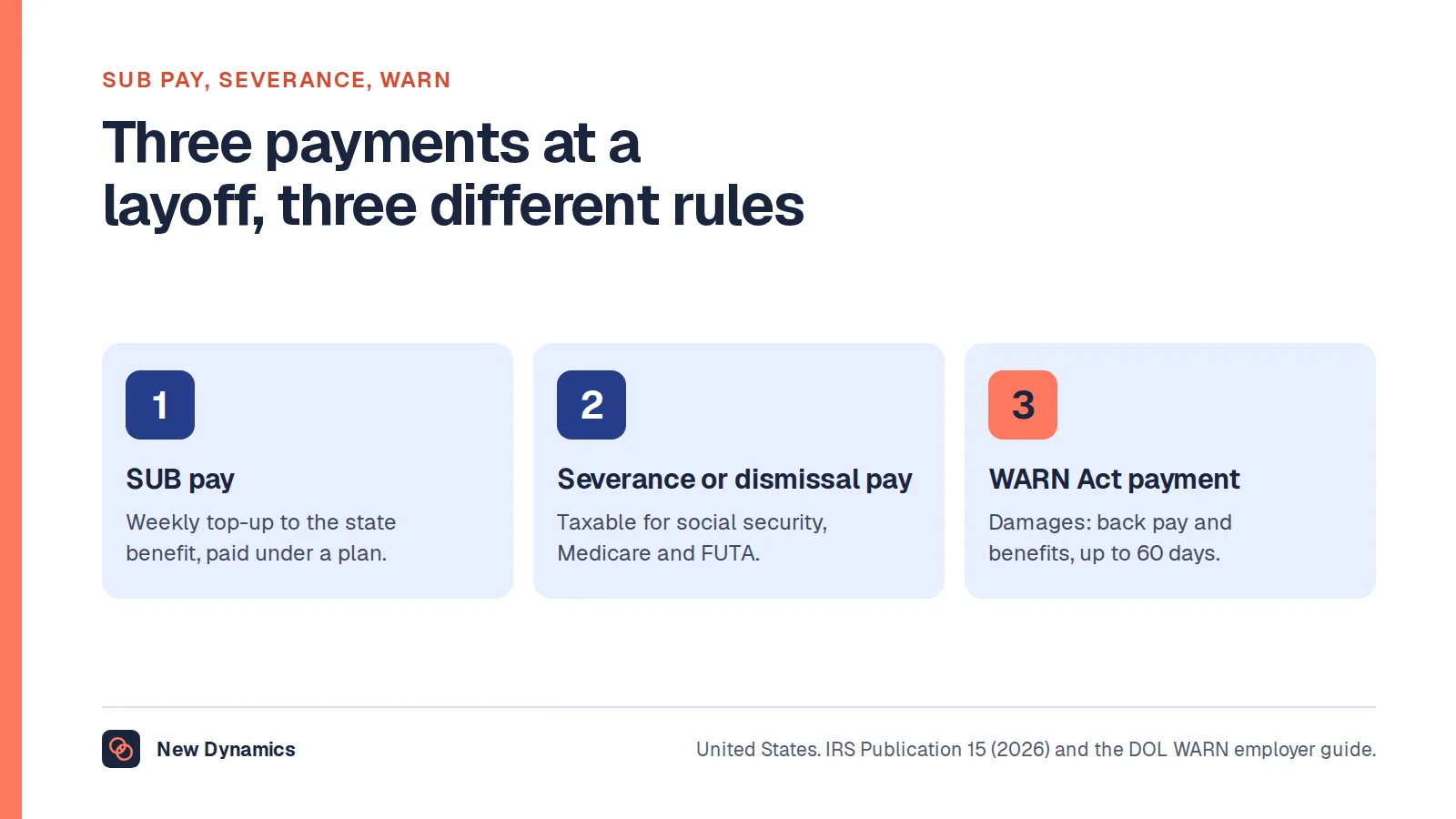
A United States guide to SUB pay: what supplemental unemployment benefit pay is, how it differs from severance and from a WARN Act payment, the seven plan conditions in IRS Publication 15-A, and why the social security and Medicare answer is conditional.
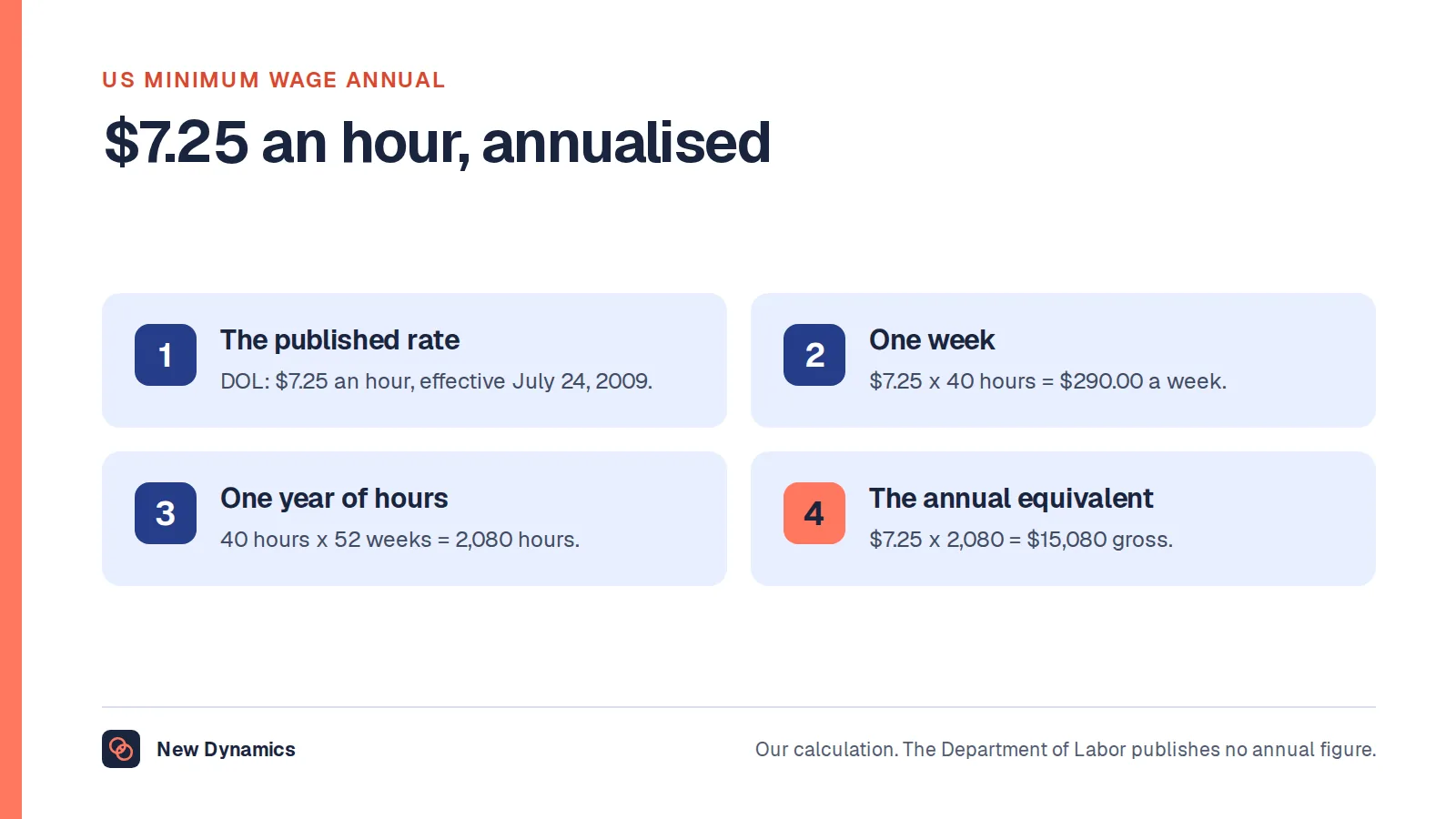
The federal minimum wage is $7.25 an hour, effective July 24, 2009. We show the annual equivalent at 40 hours a week over 52 weeks with the arithmetic in full, explain why the Department of Labor publishes no yearly figure, and cover the tipped rate, the tip credit and the youth and student exceptions.
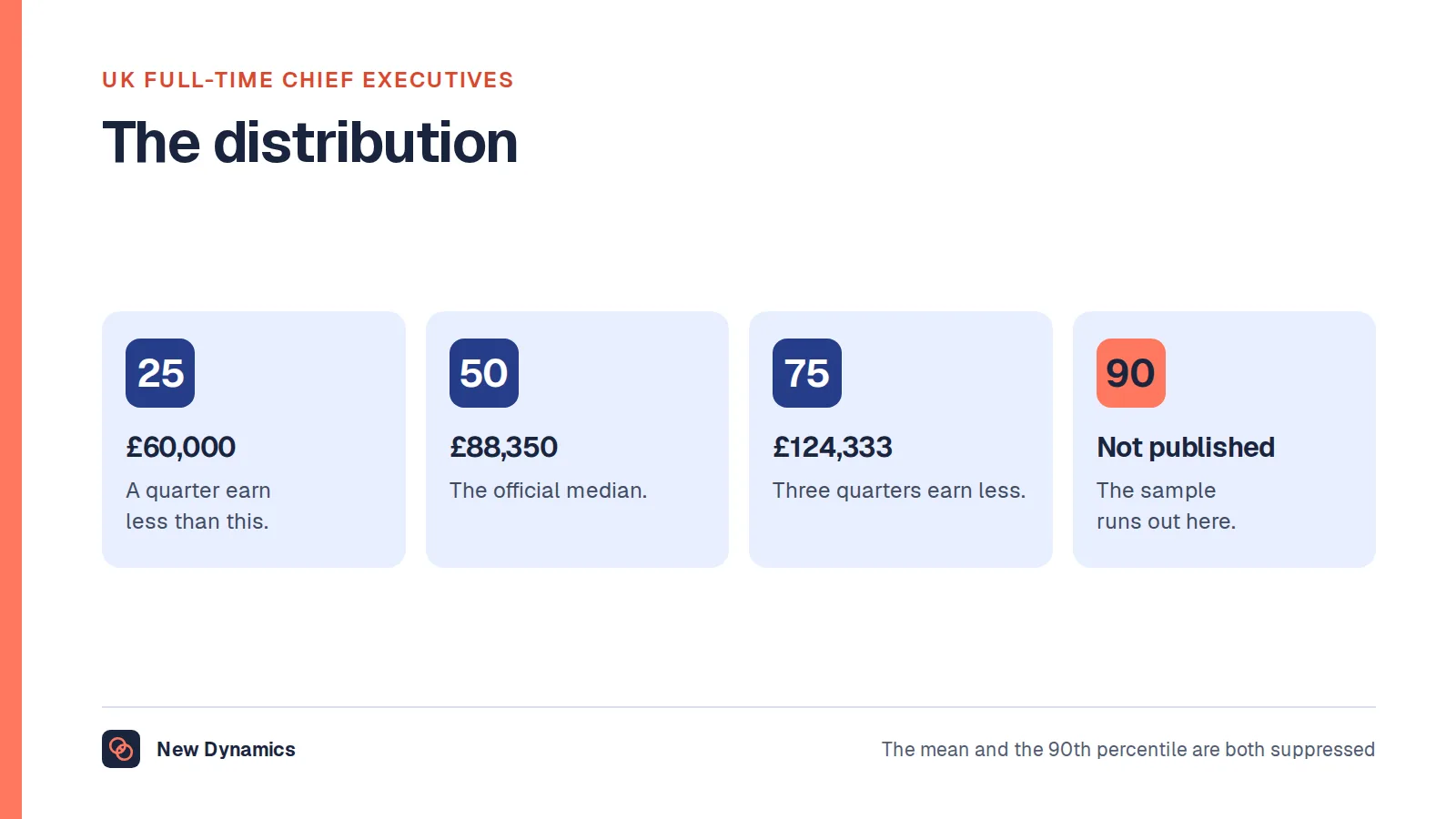
What chief executives earn: the official UK pay distribution by percentile, the US median, why the average misleads, what a CEO package contains and what listed companies must disclose.
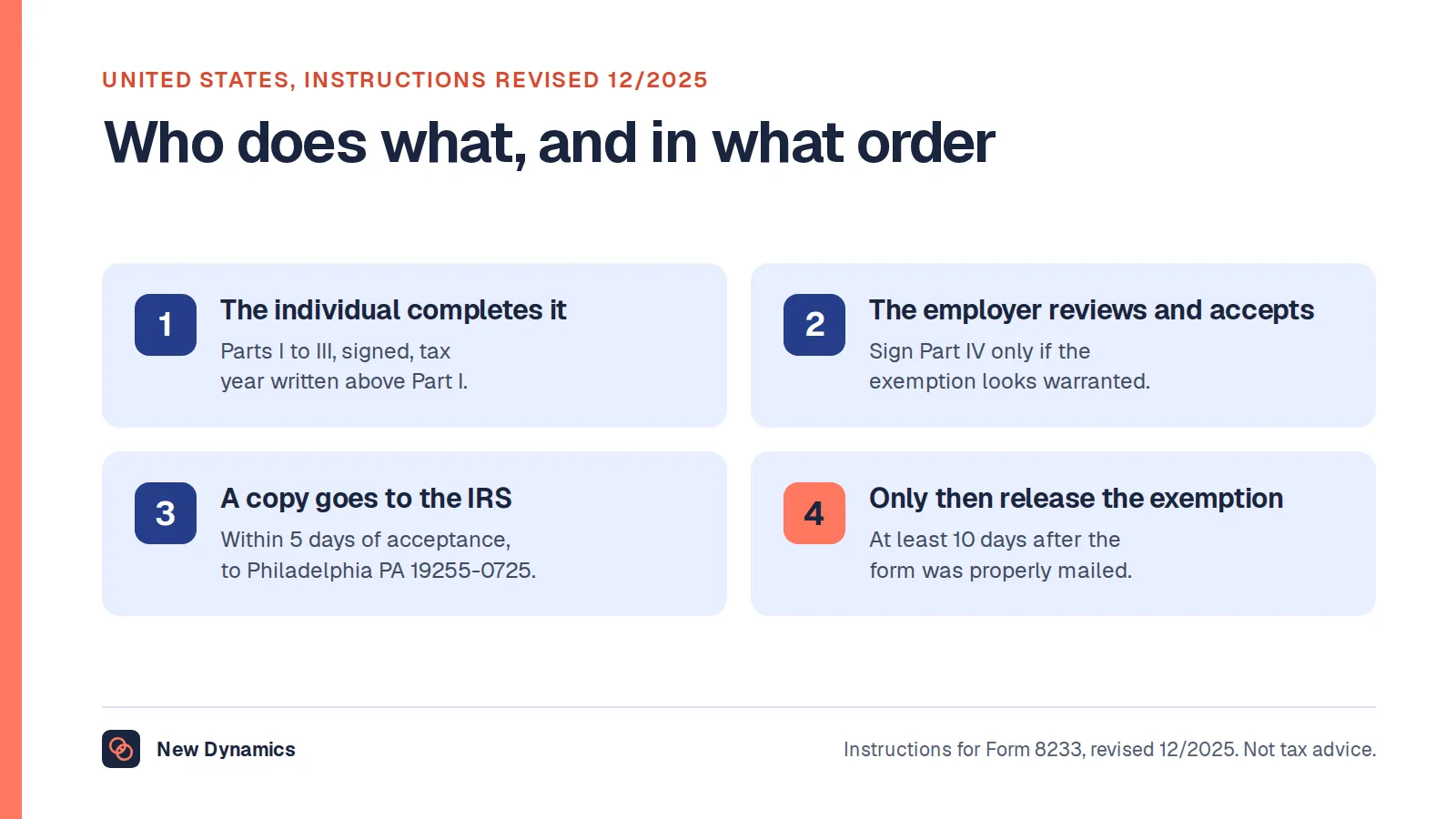
United States only. What Form 8233 is, how a nonresident alien claims a tax treaty exemption from withholding on personal services pay, why the employer as withholding agent is personally liable, the 5-day forwarding rule, the 10-day wait and the US TIN that blocks most claims.
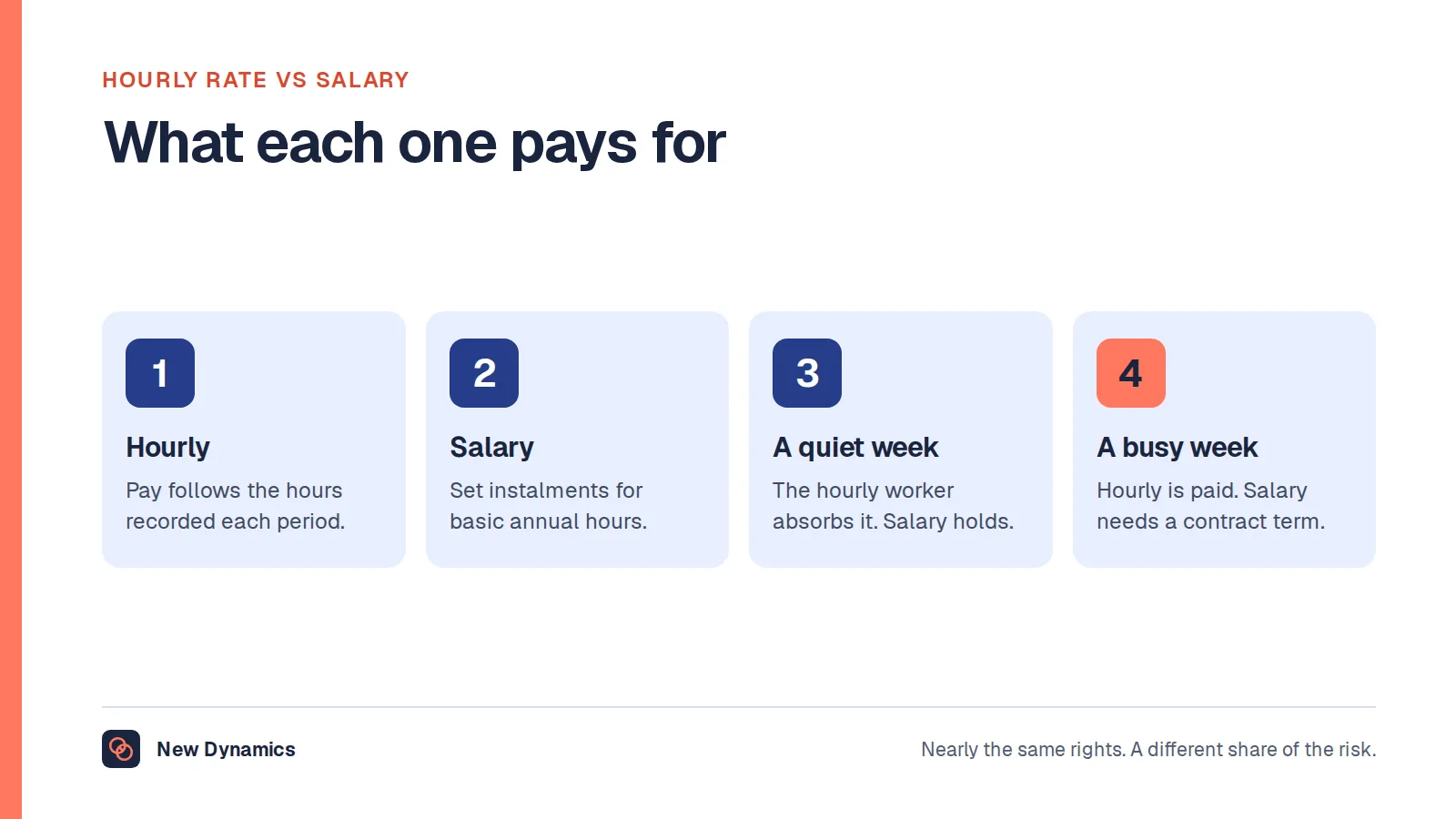
Hourly rate vs salary in the United Kingdom: what each one pays for, how to convert between them honestly, why dividing by 2,080 is an American convention, and what really changes on overtime, holiday pay, sick pay and pension.
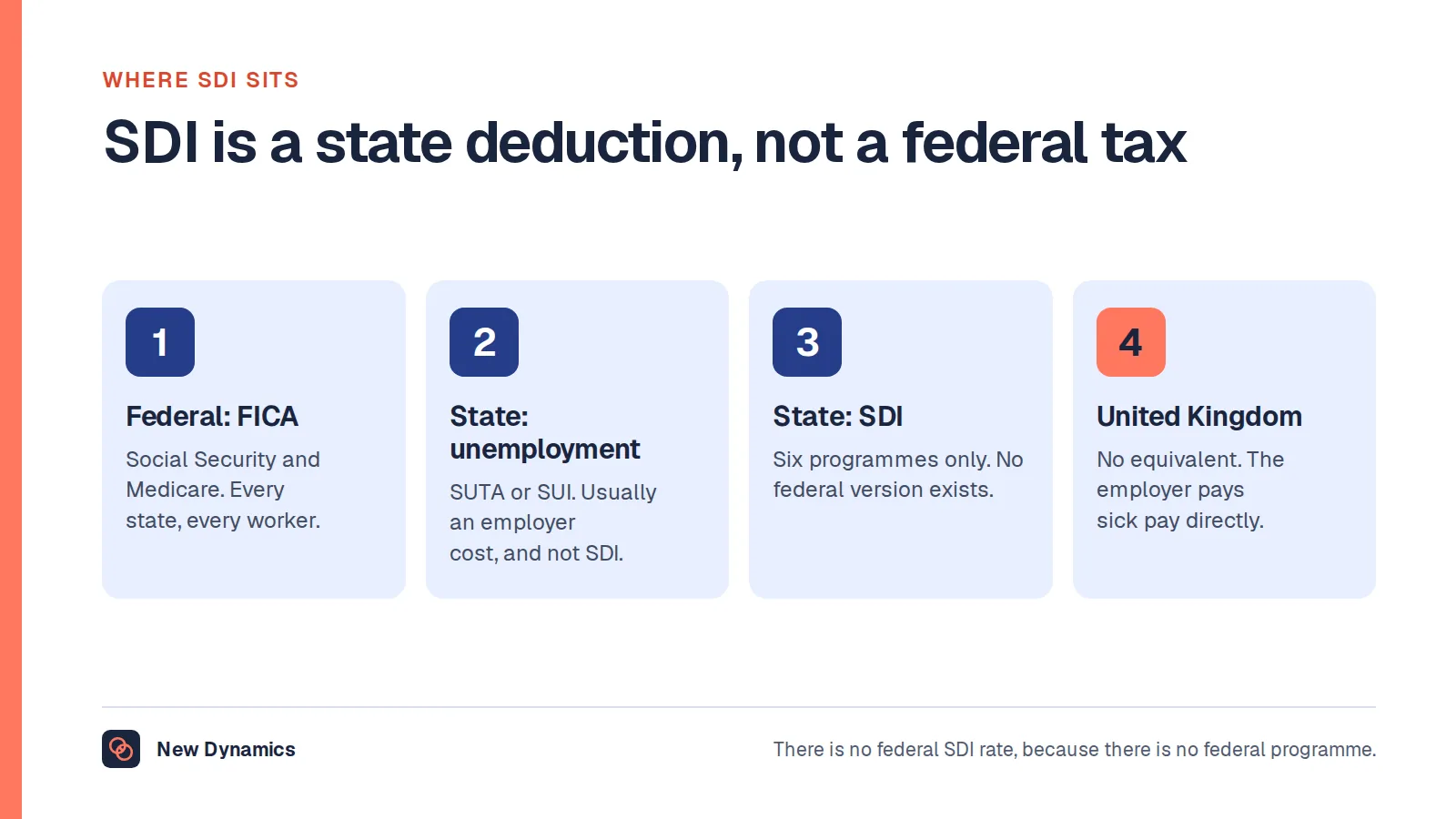
Jurisdiction: United States. What SDI means on a pay stub, why it is a state deduction and not a federal tax, the six programmes that exist, who pays in each, how it appears on a W-2, and why a UK payslip has no equivalent line.
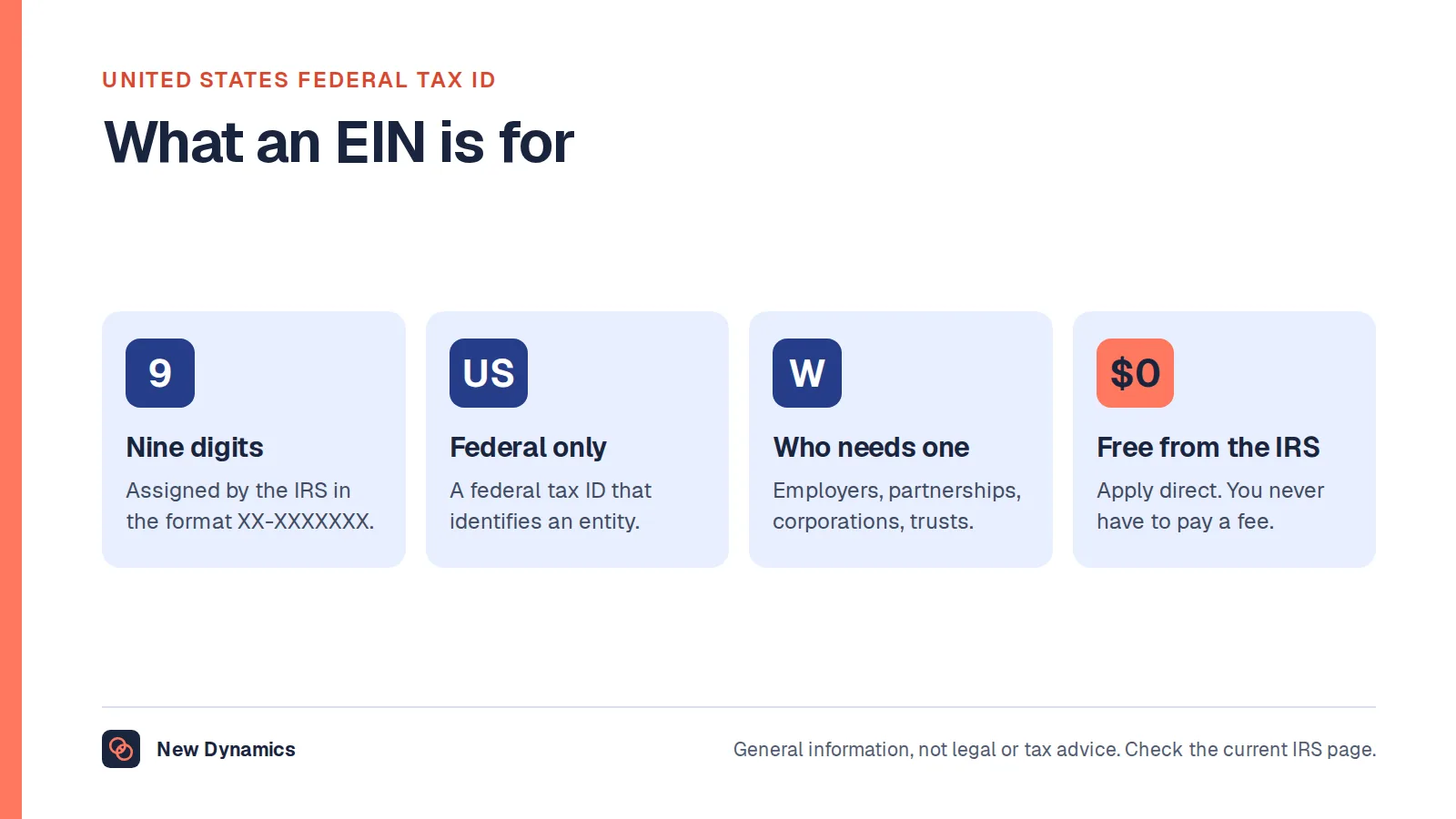
What an EIN is, who needs one, what a federal tax ID number looks like, how to get one free from the IRS, the CP 575 confirmation notice, Letter 147C, and the UK equivalents.
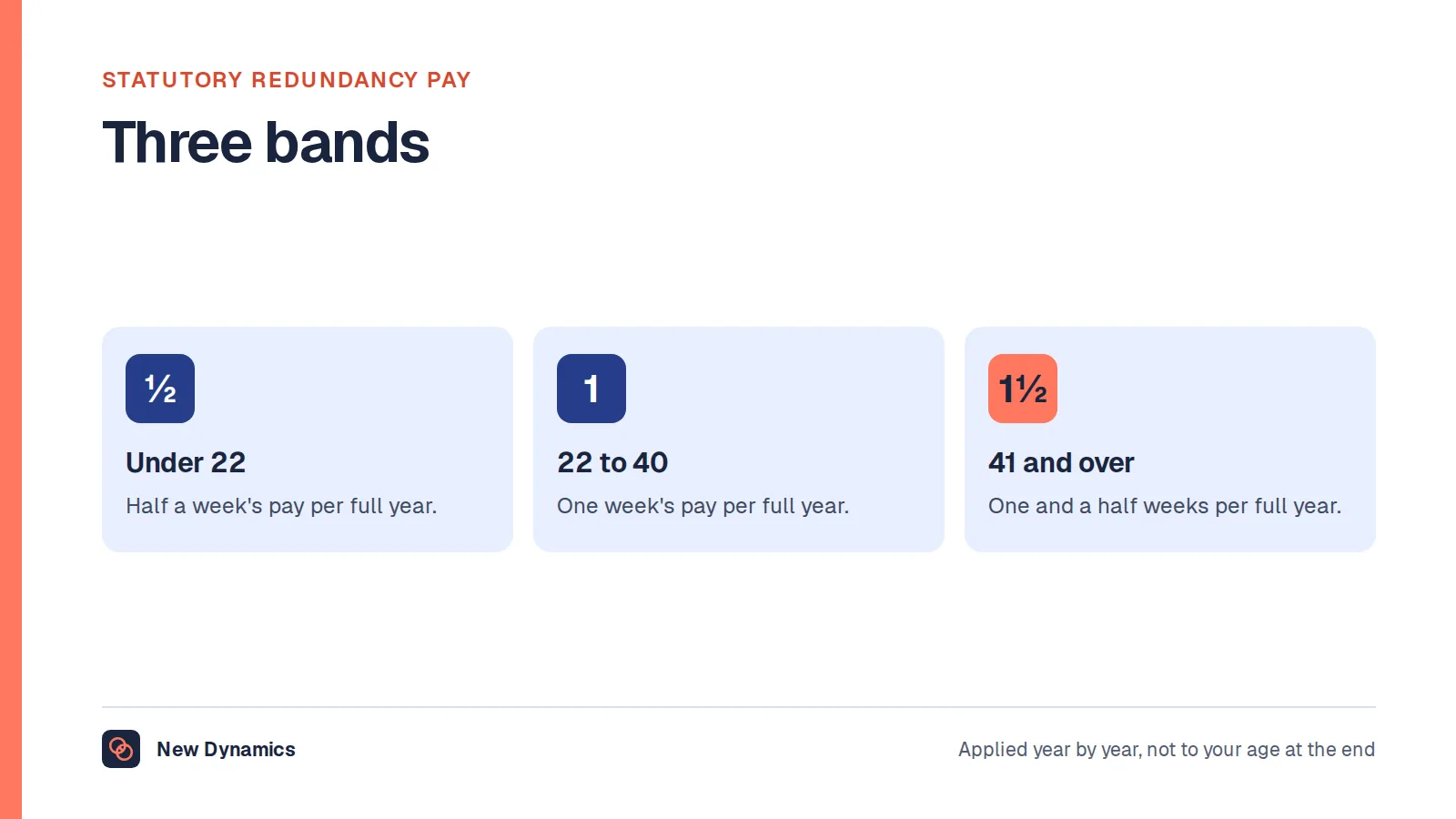
How severance pay is calculated in the UK: who qualifies, the age bands, what counts as a week's pay, the caps, and how payment in lieu of notice and family leave change the answer.
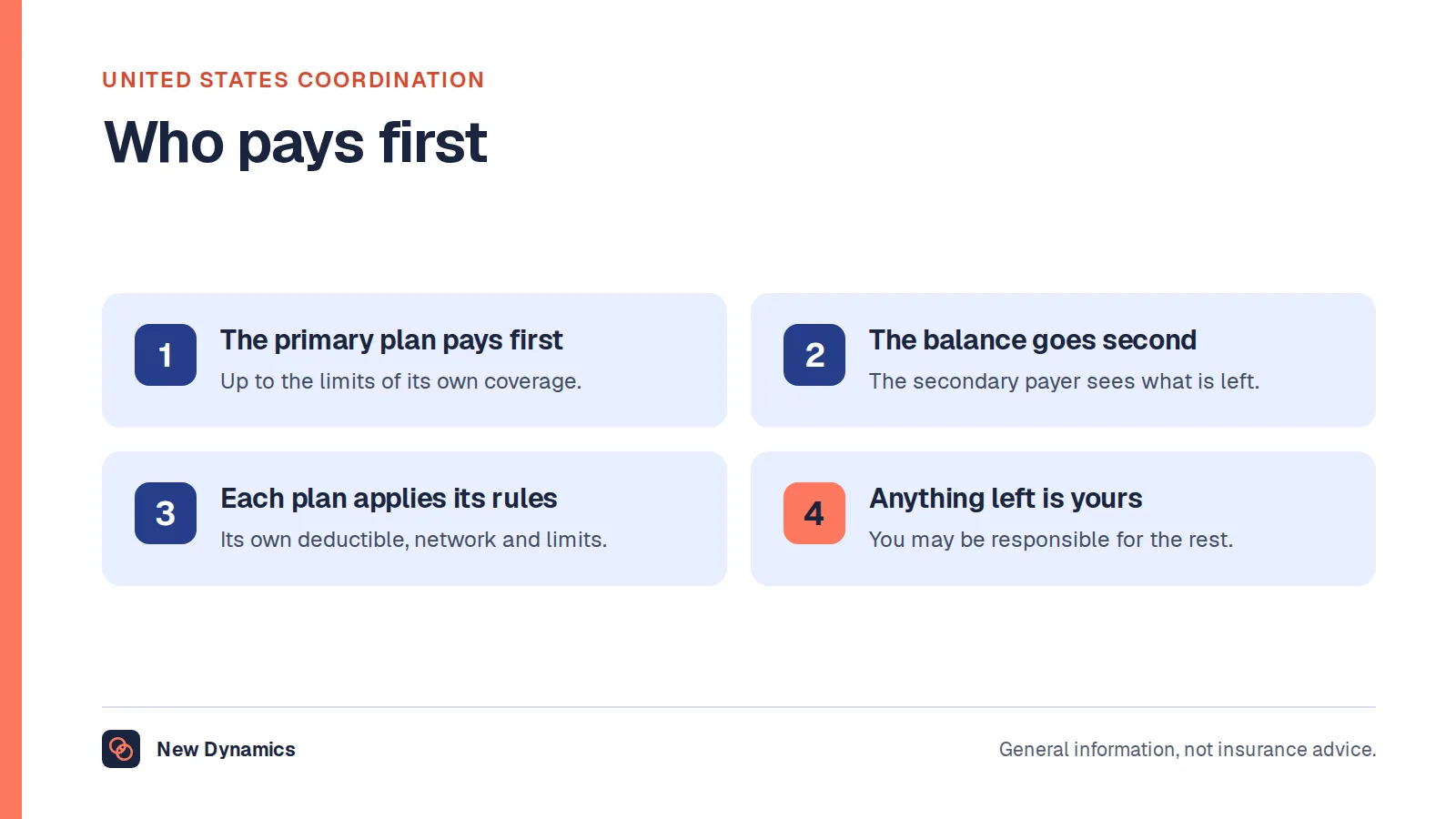
What secondary insurance is in the United States, how coordination of benefits decides which plan pays first, what a second plan does and does not cover, and the UK position on employer medical cover.
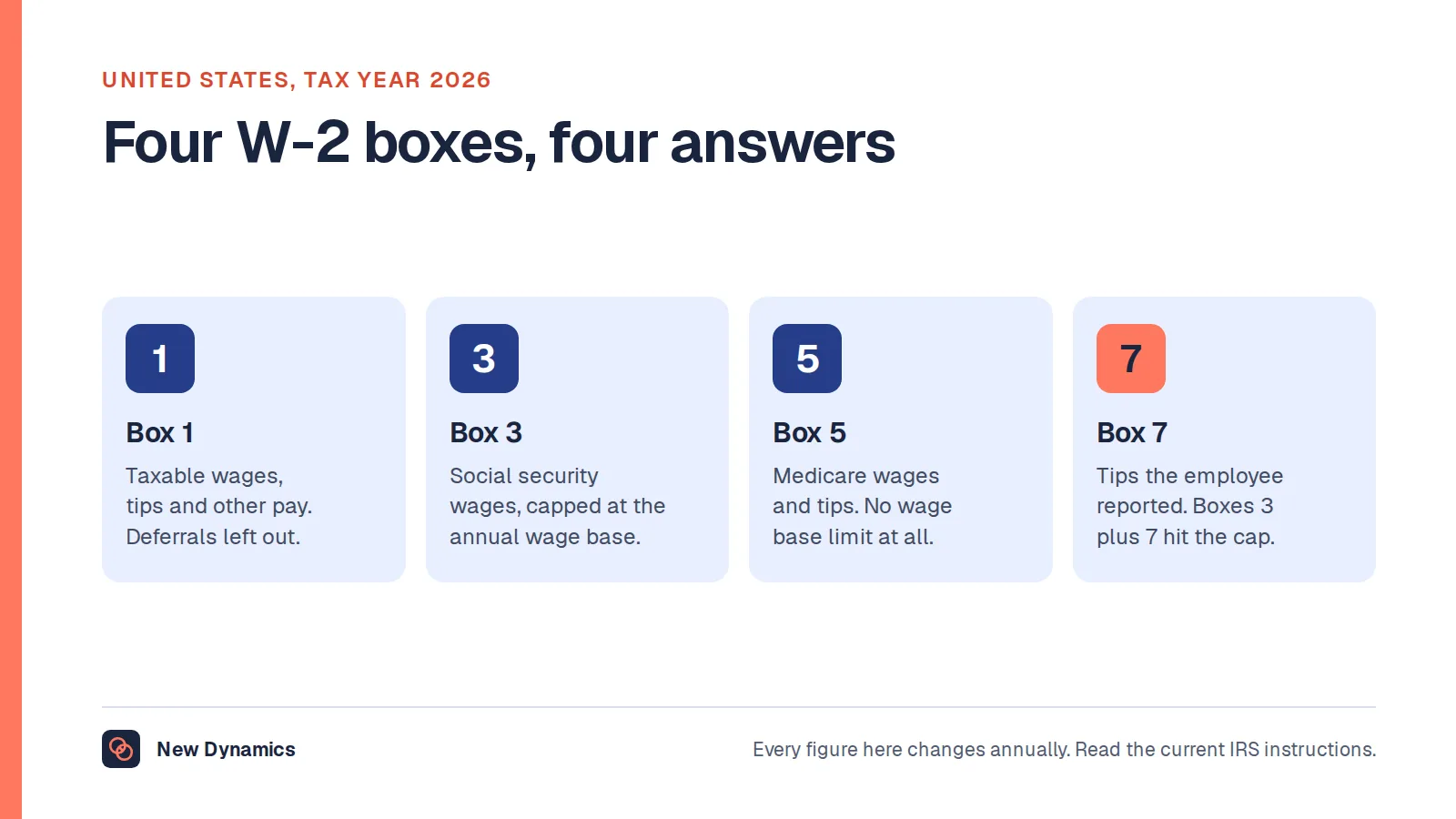
What Form W-2 is, who must get one, the deadline to furnish and file, social security wages in box 3, Medicare wages in box 5, the box 12 codes, and W-2 against W-4.
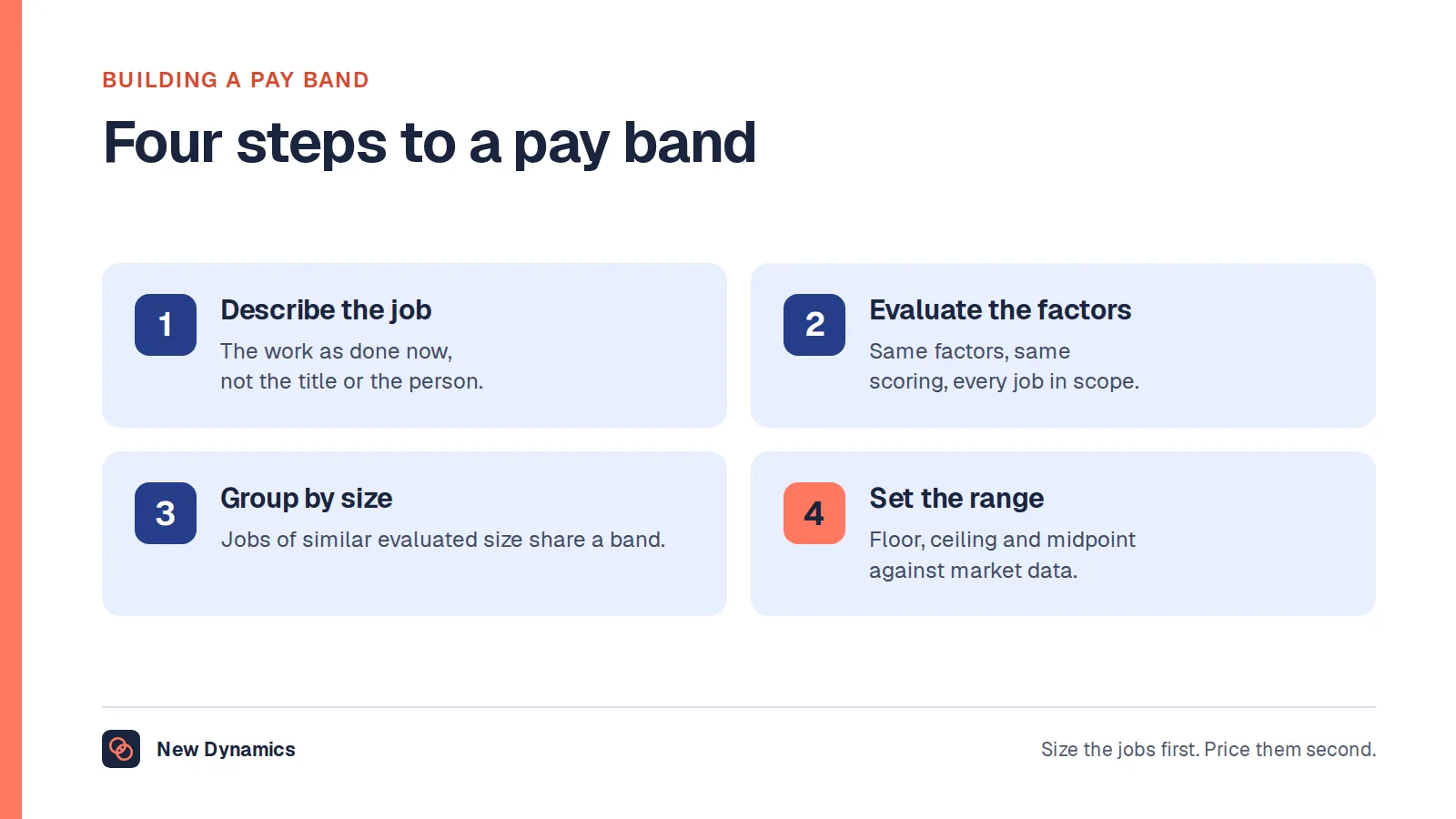
What a pay band is, how job evaluation comes before banding, how to choose the number of bands, their width, overlap and midpoint, and how to read a compa ratio without misreading it. Then build your own structure.
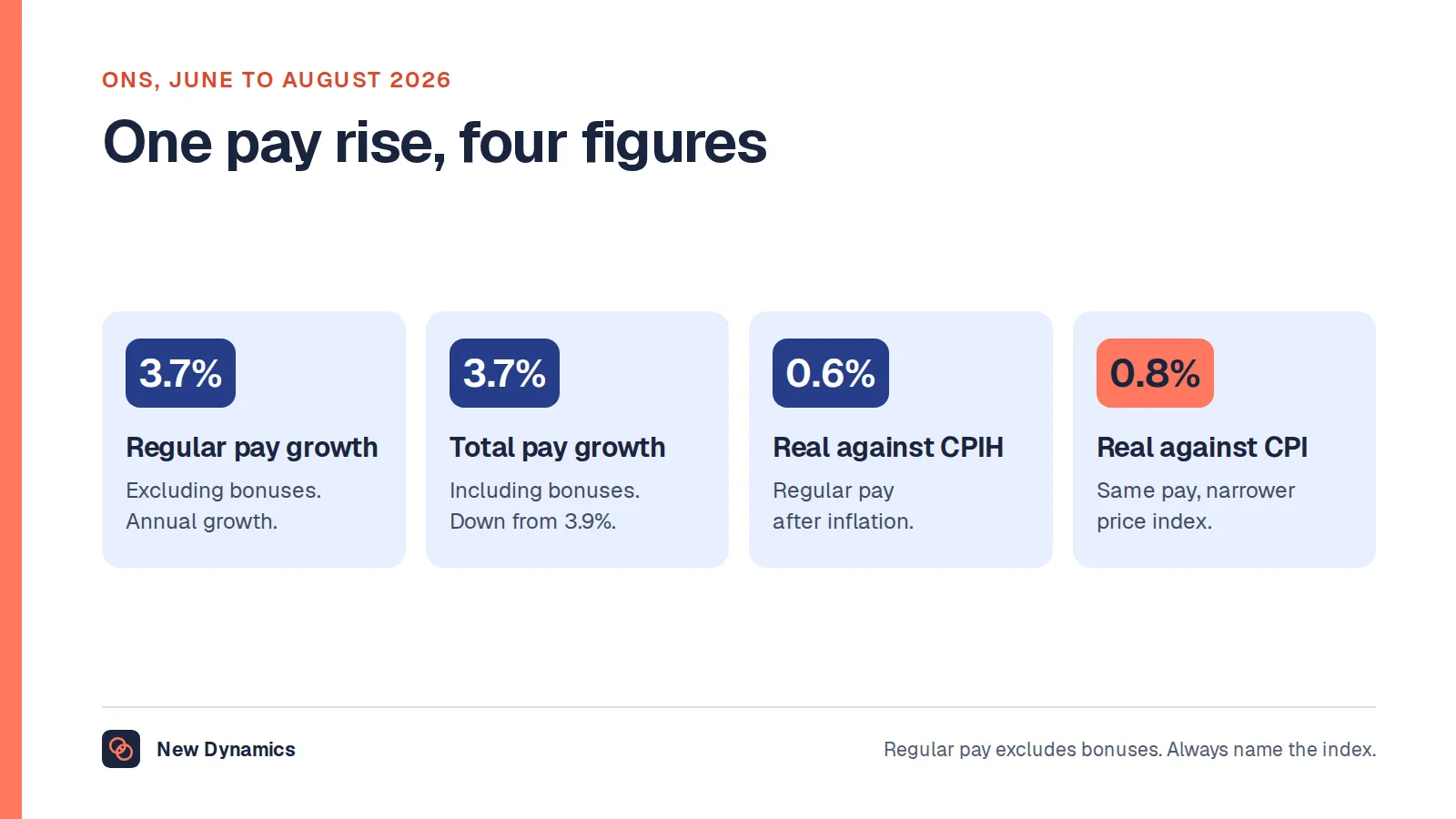
What the ONS actually publishes on the average pay rise, median pay by sector and the gender pay gap, each quoted with its reference period, plus which pay transparency rules apply where. Read the figures, then measure your own.
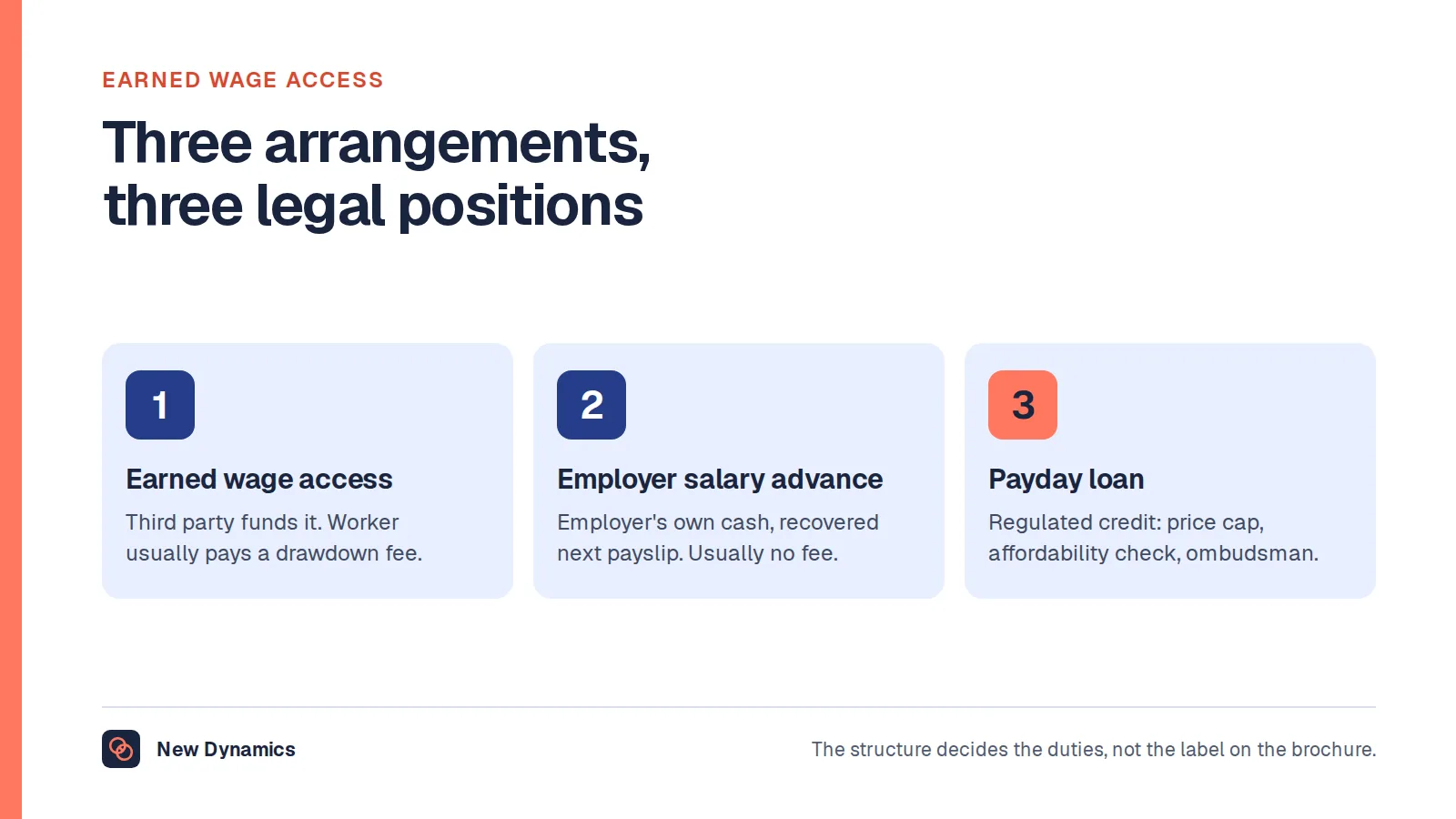
What earned wage access is, how it differs from a salary advance and a payday loan, who pays the fee, the National Minimum Wage risk when a fee comes out of wages, and the PAYE and auto-enrolment position in the UK.
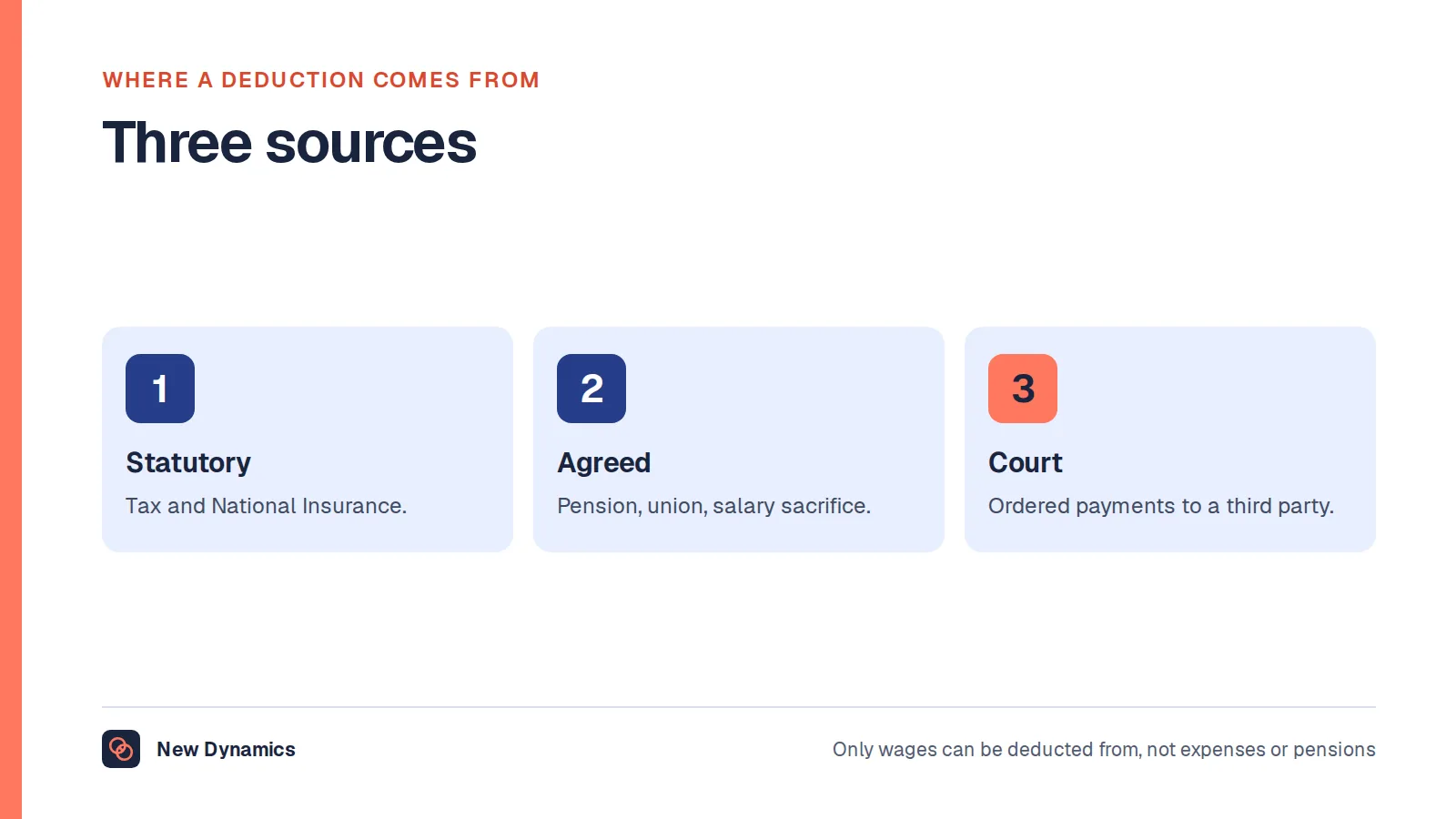
What payroll deductions are, statutory and voluntary examples, the closed list of grounds an employer may deduct on, the minimum wage floor, the retail 10% cap and tips.
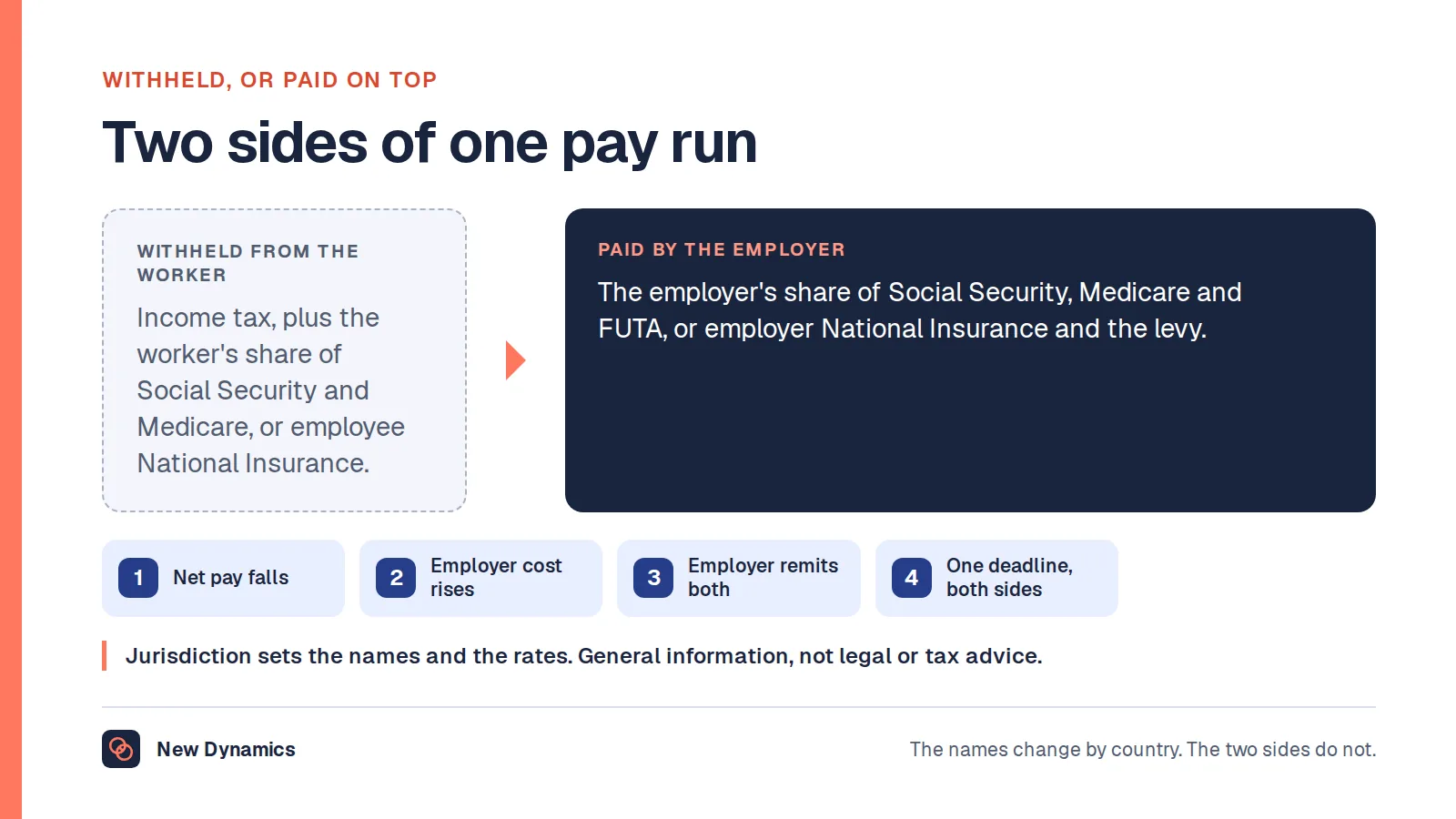
What payroll tax means, how it differs from income tax, the US FICA and FUTA split and the employer's own share, and the UK equivalent of PAYE Income Tax plus National Insurance.
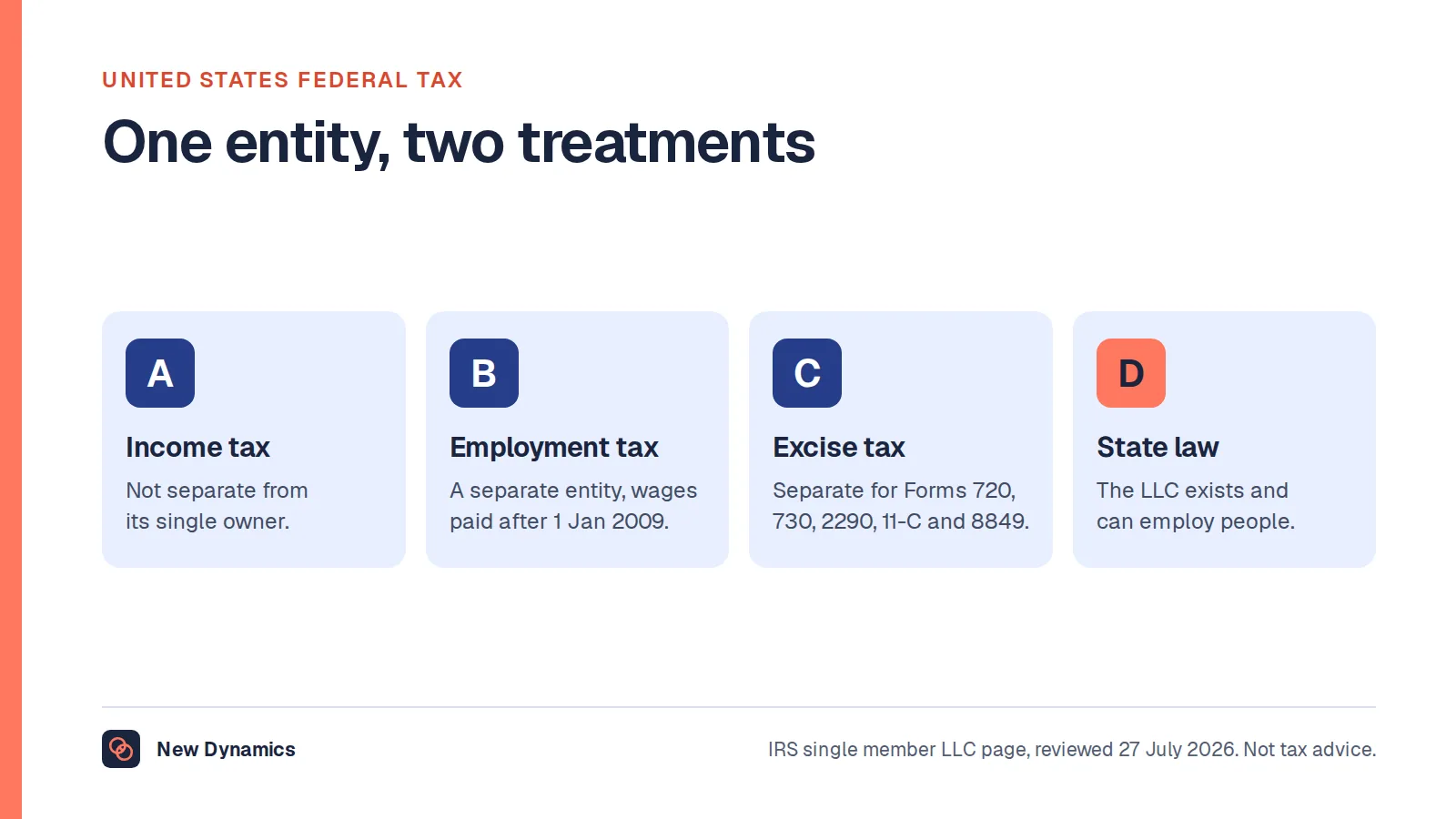
What a disregarded entity is in United States federal tax, why a single member LLC is the commonest example, and the rule that matters most to payroll: disregarded for income tax, a separate entity for employment tax, filing under its own EIN.
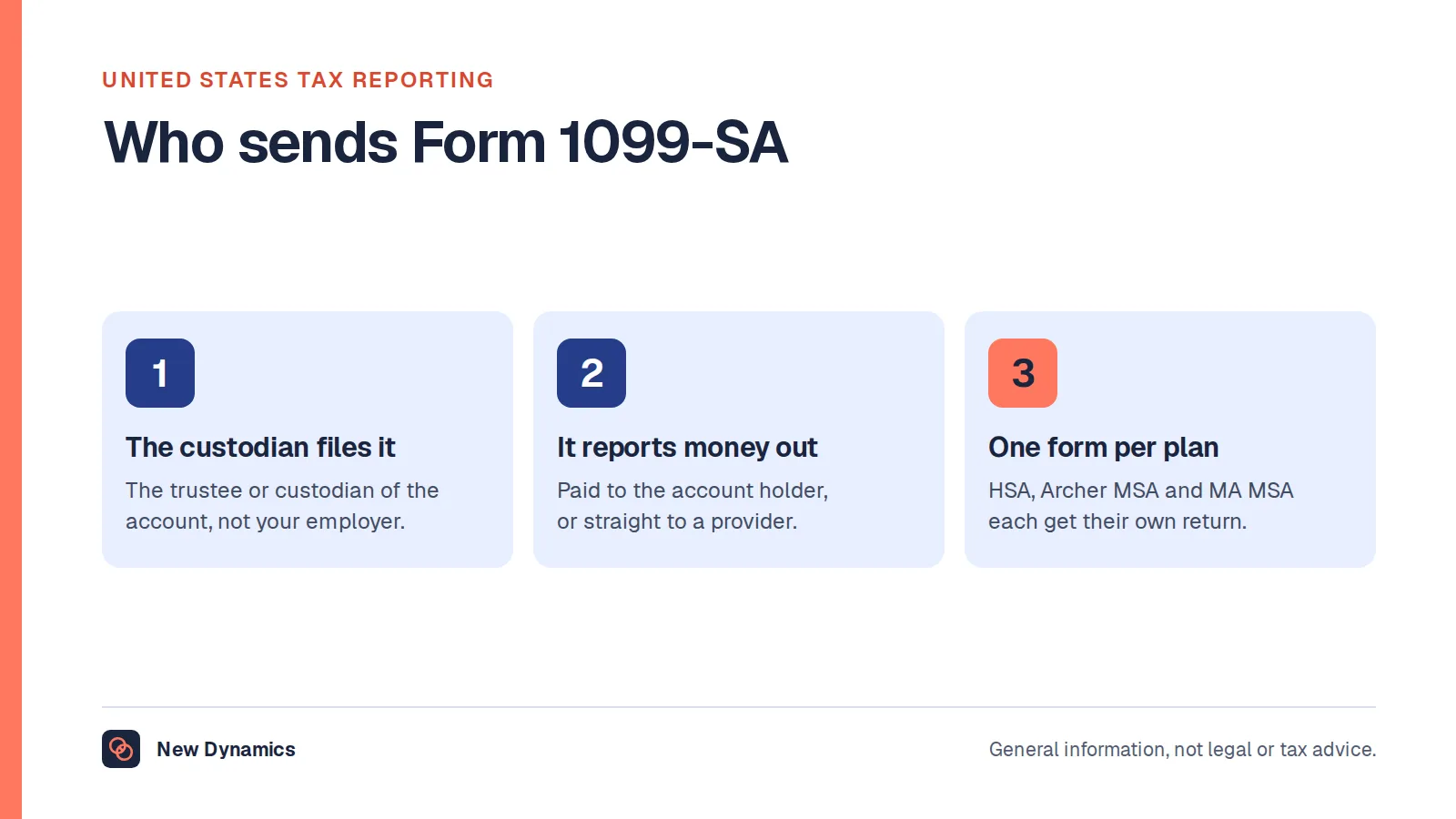
What Form 1099-SA is used for, why the account custodian sends it rather than your employer, the six box 3 distribution codes, how Form 5498-SA and Form 8889 fit, and how to get a replacement.
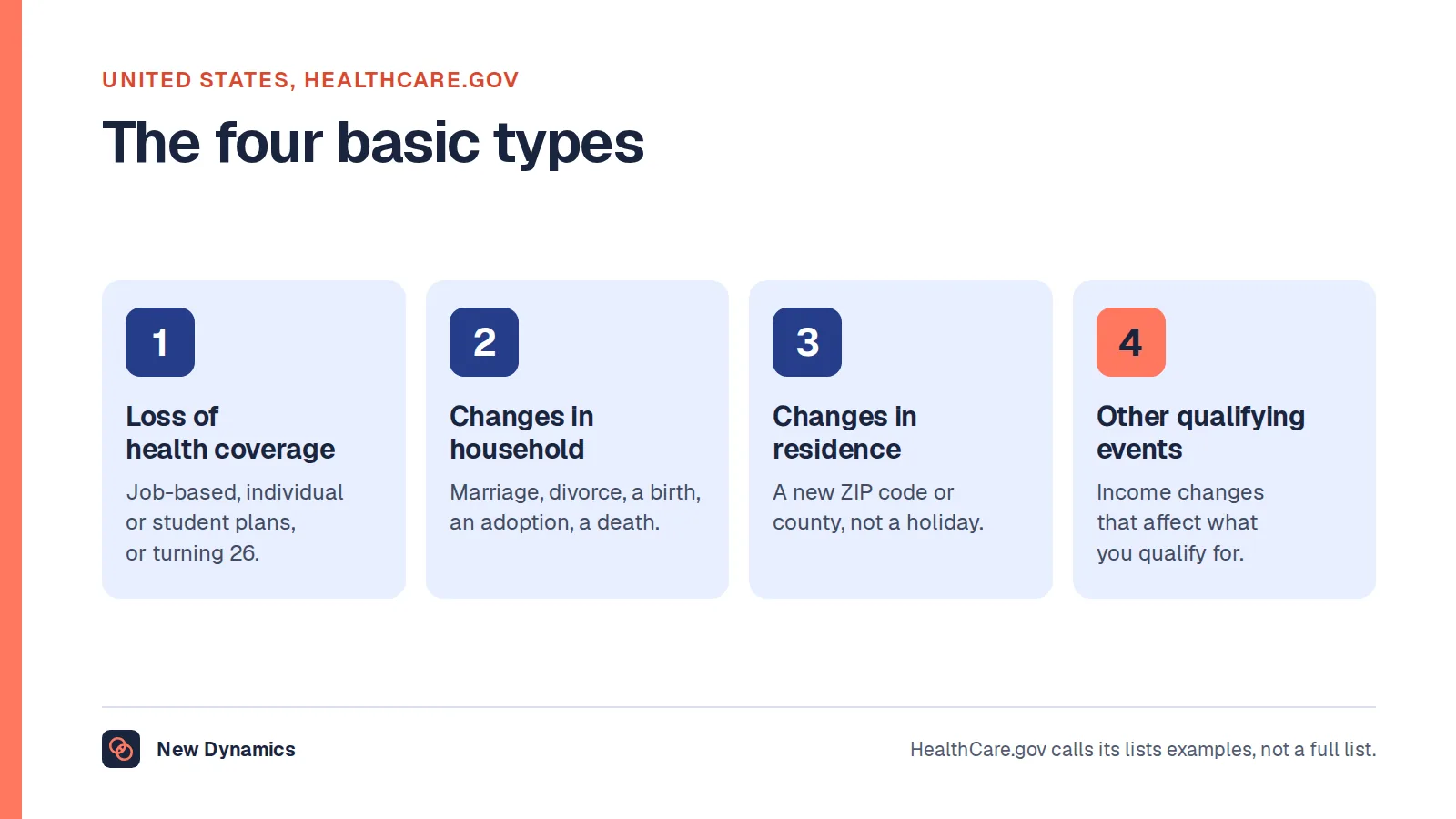
What a qualifying life event is in the United States, the four basic types HealthCare.gov names, the 60 day window and what it runs from, how the section 125 change in status and consistency rules govern an employer plan, and where COBRA fits.
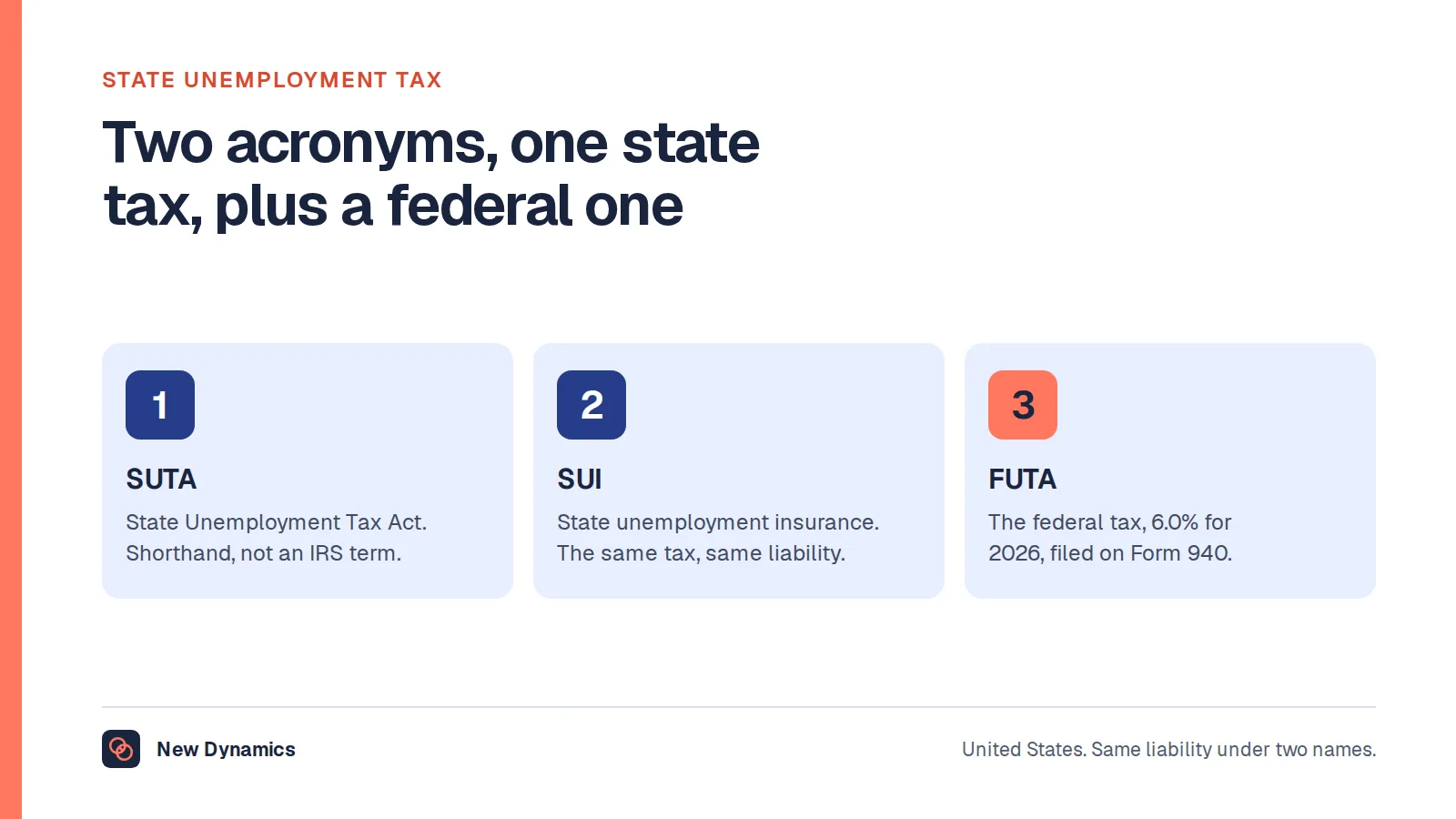
A United States guide to state unemployment tax: what SUTA and SUI stand for, why they are two names for one tax, how it differs from FUTA, who pays, the three states where employees contribute, experience rating, the taxable wage base and the FUTA credit.
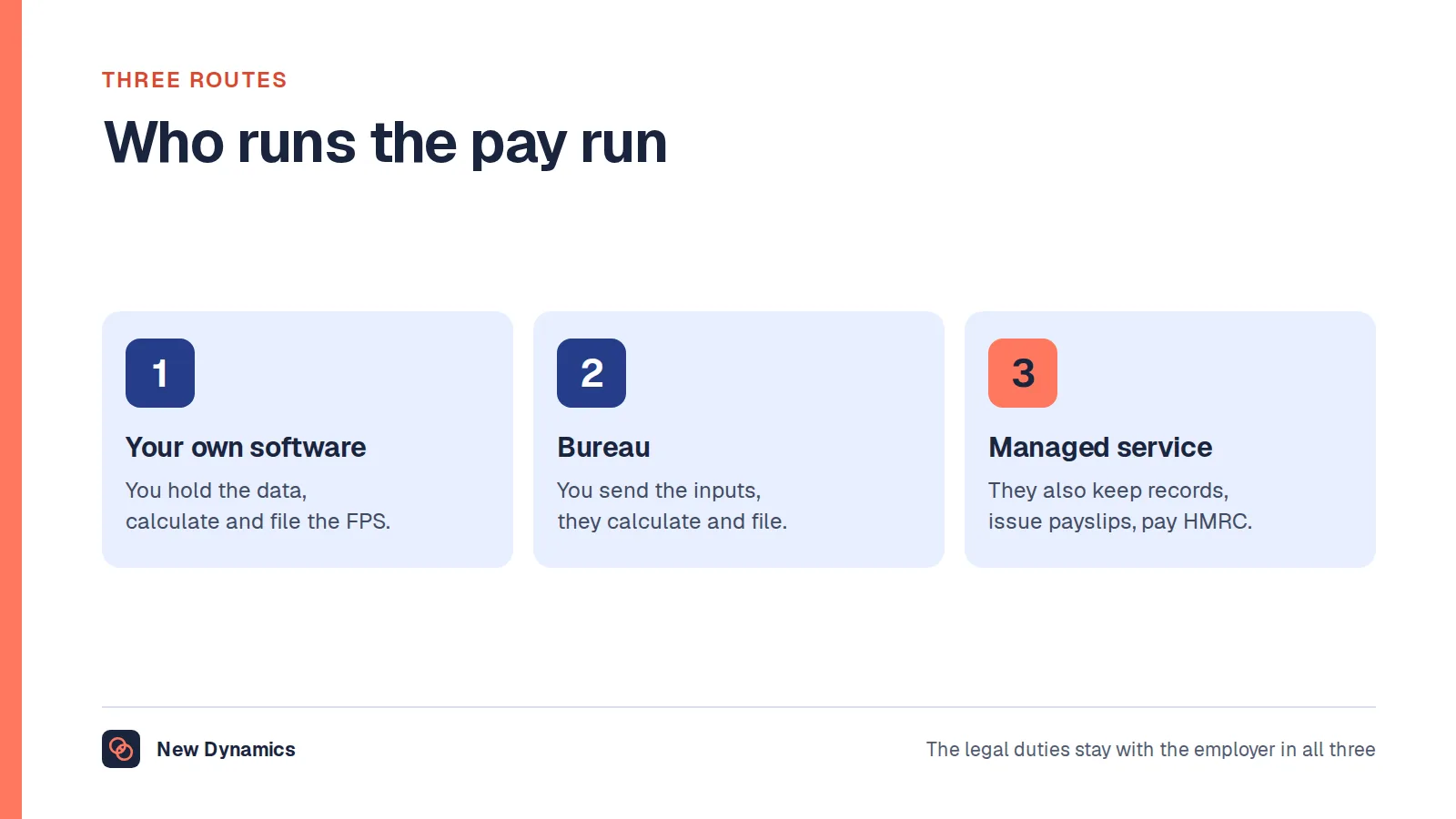
What a payroll bureau does, how it differs from a managed service, what a UK employer stays legally responsible for after outsourcing, the one-employee case, contractors and paying staff abroad.