A usable employee onboarding checklist in four phases, before day one, day one, the first week and the first 90 days, with an owner for each item, the UK duties you cannot skip, and the mistakes that make a checklist useless.
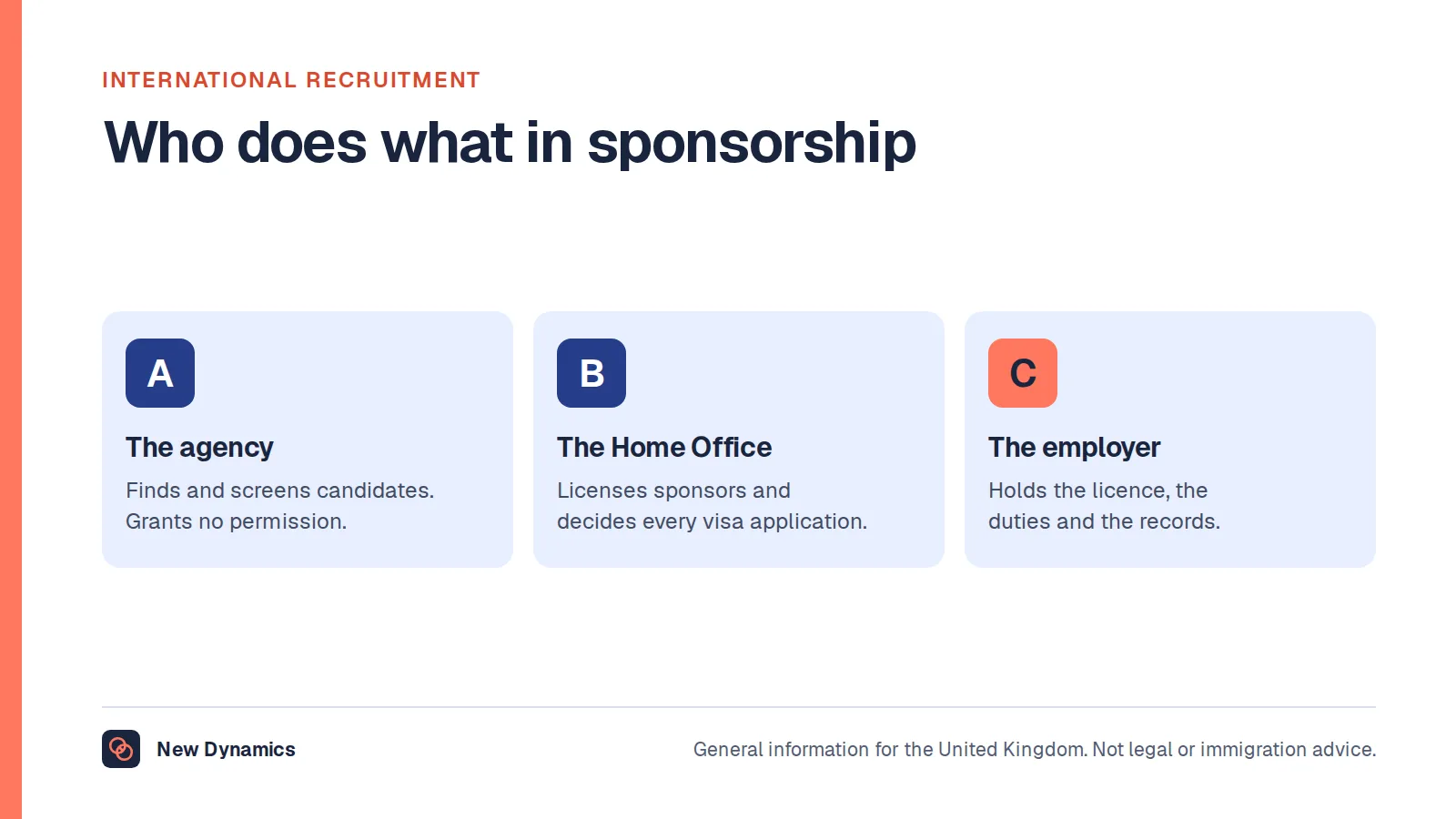
What an international recruitment agency does, why a UK employer usually needs a sponsor licence first, the Skilled Worker route in outline, the duties that stay with the sponsor, and the United Kingdom rule that an agency cannot charge a work seeker a fee to find them work. General information, not legal advice.
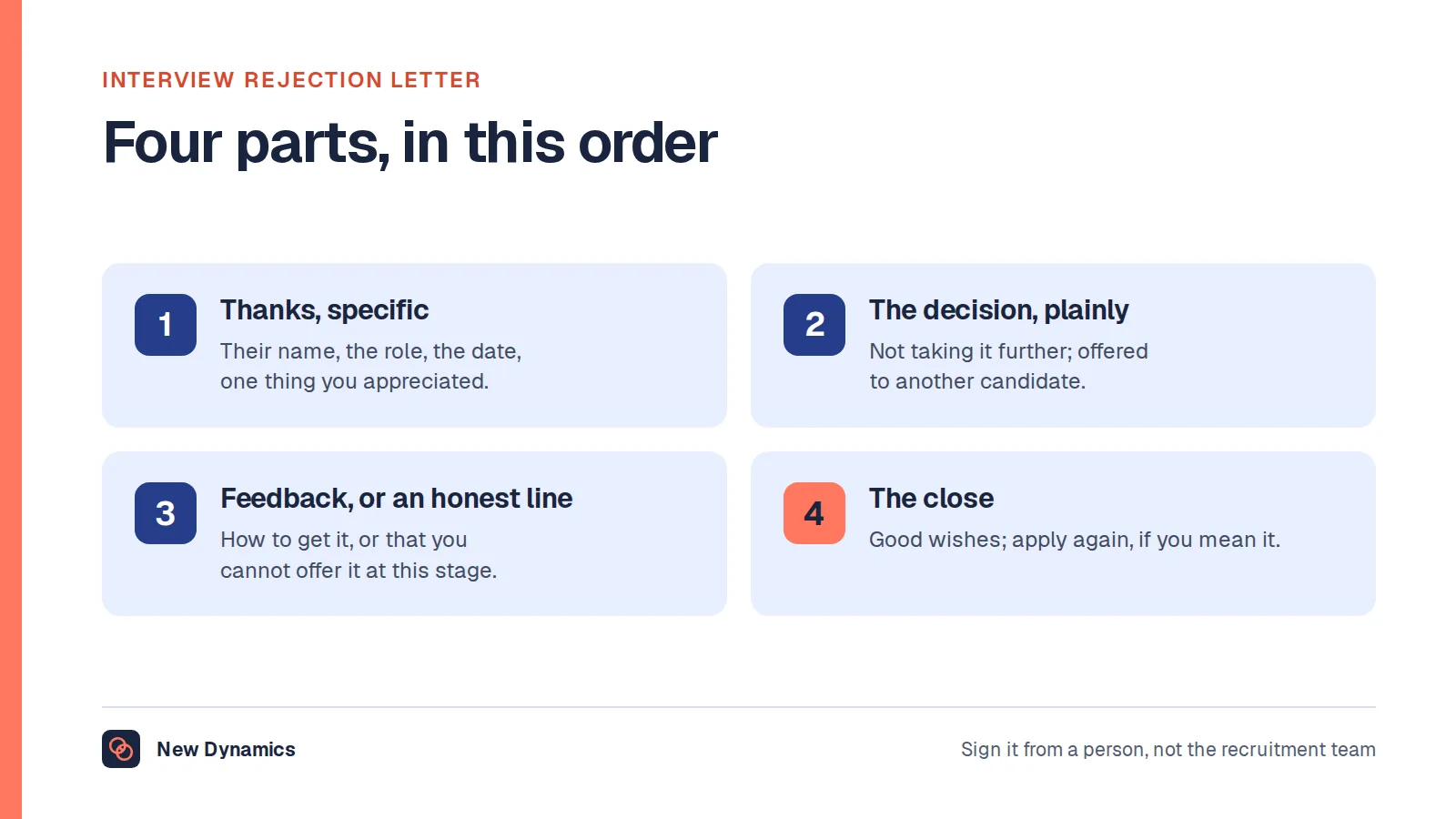
How to write a rejection letter or email after an interview: when to send it, what to include, what to leave out, the feedback question, four templates by stage, and the Acas guidance on reasons, fairness and records.
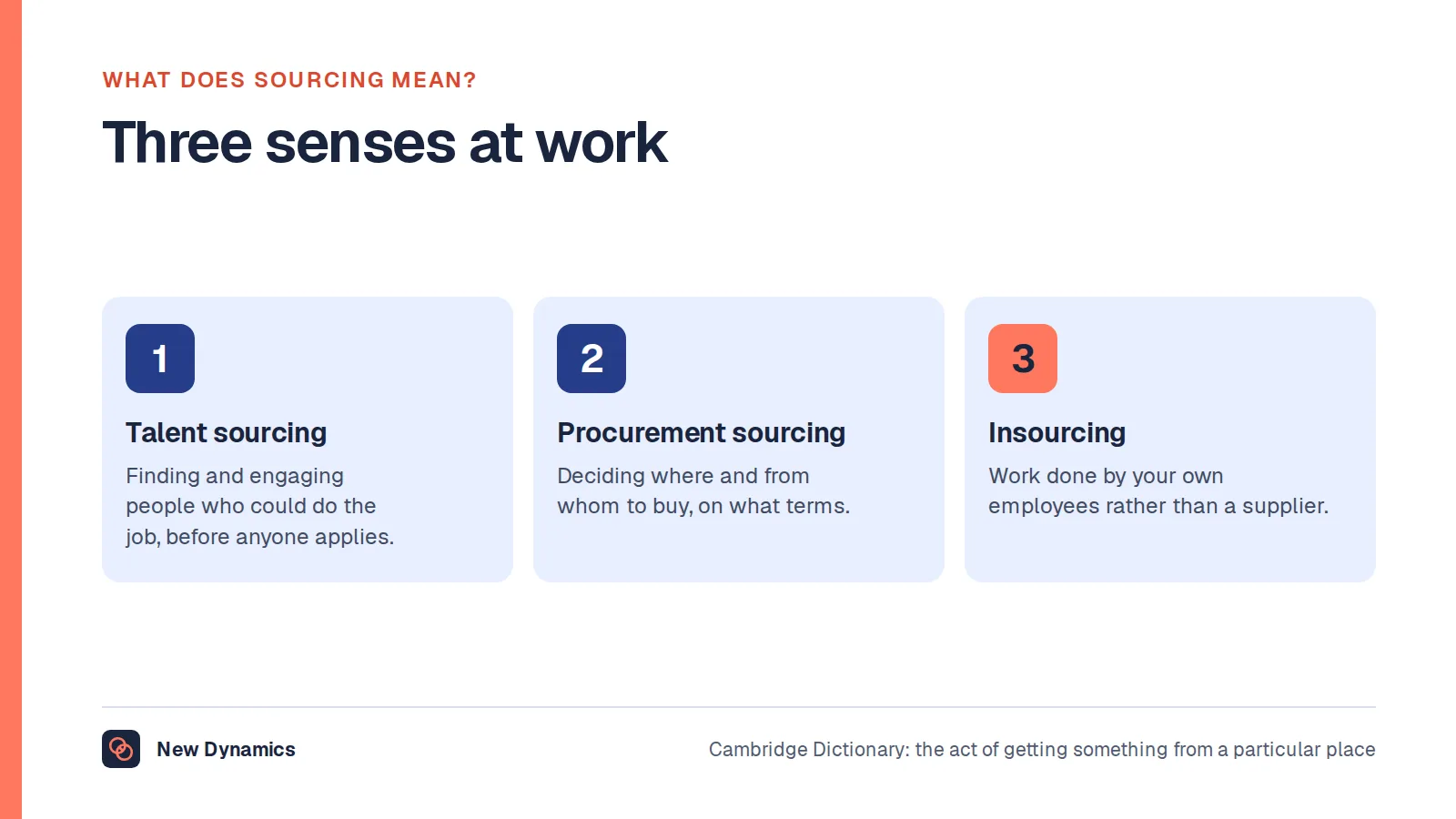
What sourcing means in recruitment, in procurement and in the insourcing versus outsourcing decision: the dictionary definition, how talent sourcing differs from recruiting, the channels sourcers use, and a checklist for deciding whether to insource work.
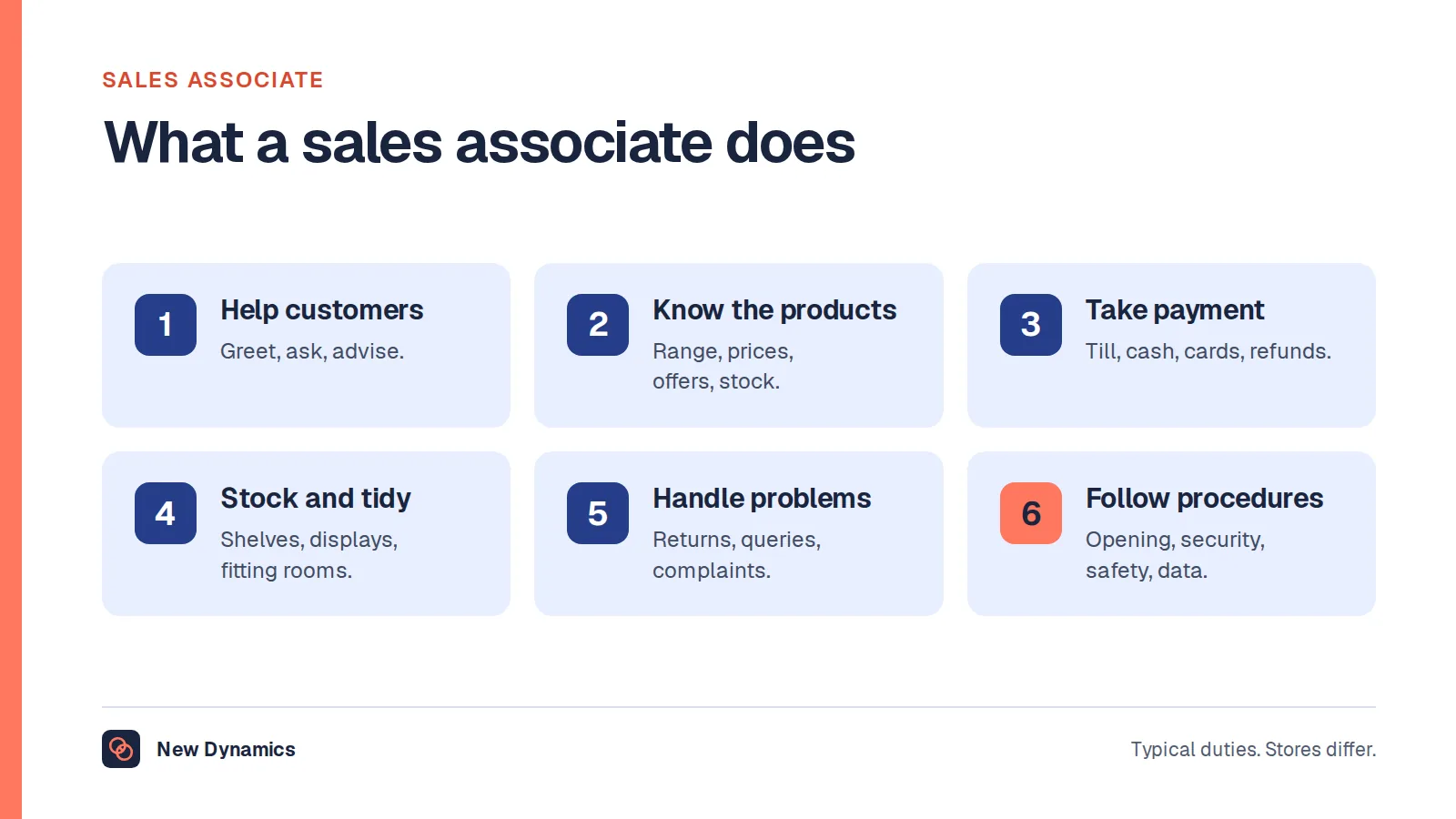
What a sales associate or retail associate is, the six typical duties, the skills that matter, a job description template and how to set fair goals for people on the shop floor.
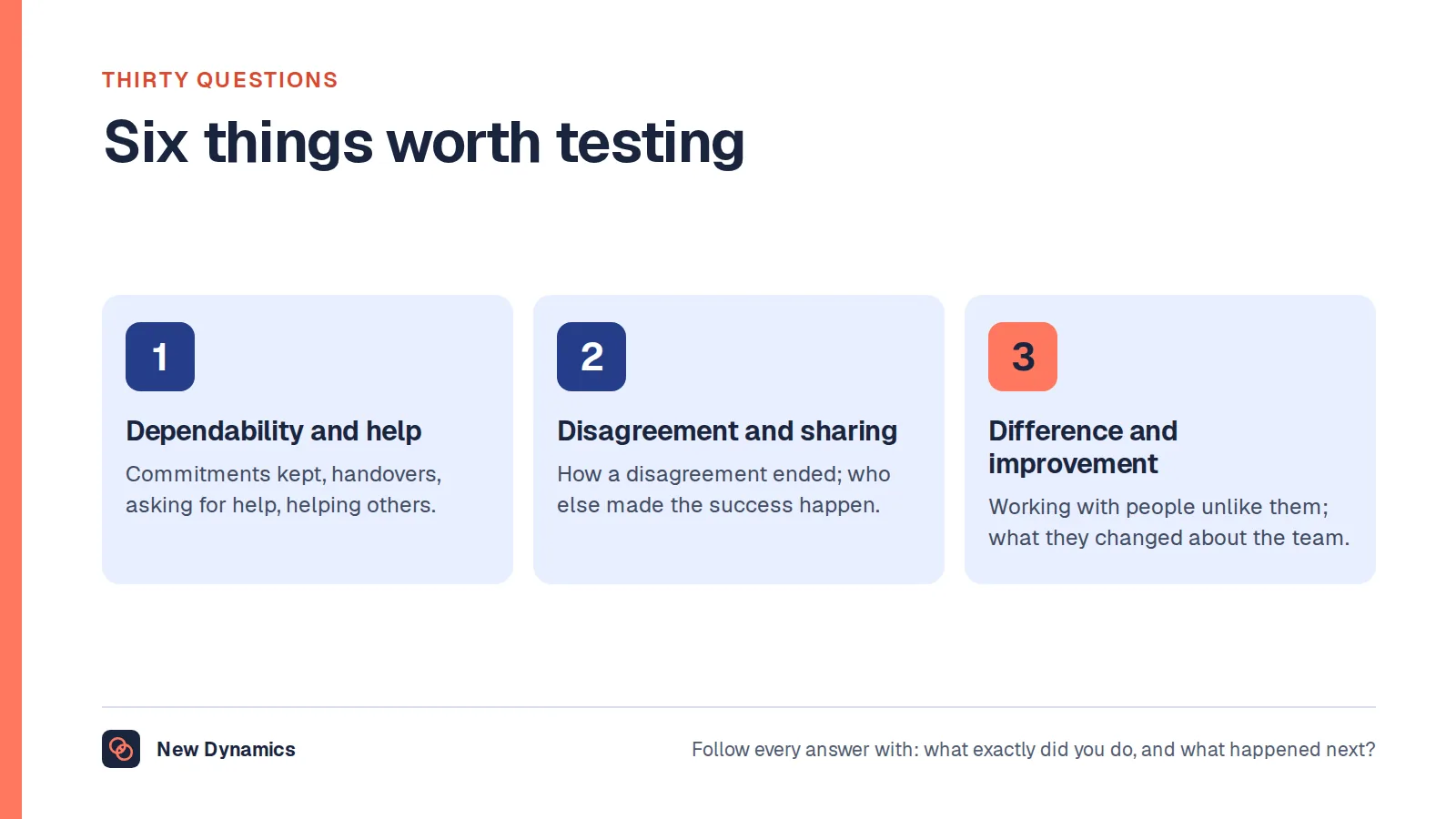
Thirty team player interview questions in six groups, each with what a strong answer contains and the weak answer to watch for; why "are you a team player?" tests nothing; how to define teamwork for the job before you interview; how to score answers consistently using structured-interview principles; and the fairness rules from Acas.
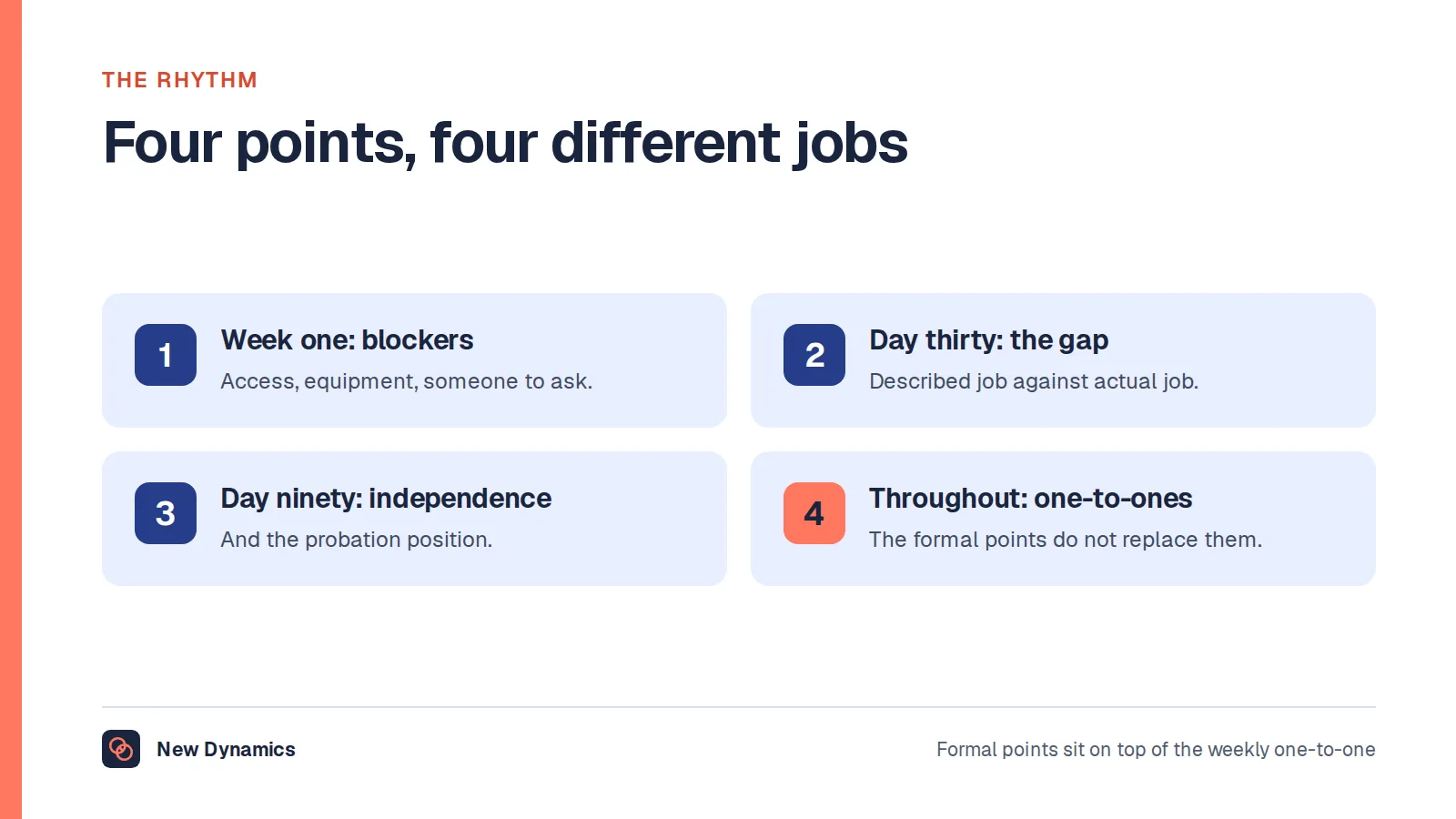
The onboarding rhythm that stops new starters drifting: what each check-in can find out, the questions to ask at week one, day 30 and day 90, and how to collect induction feedback while it is still accurate.
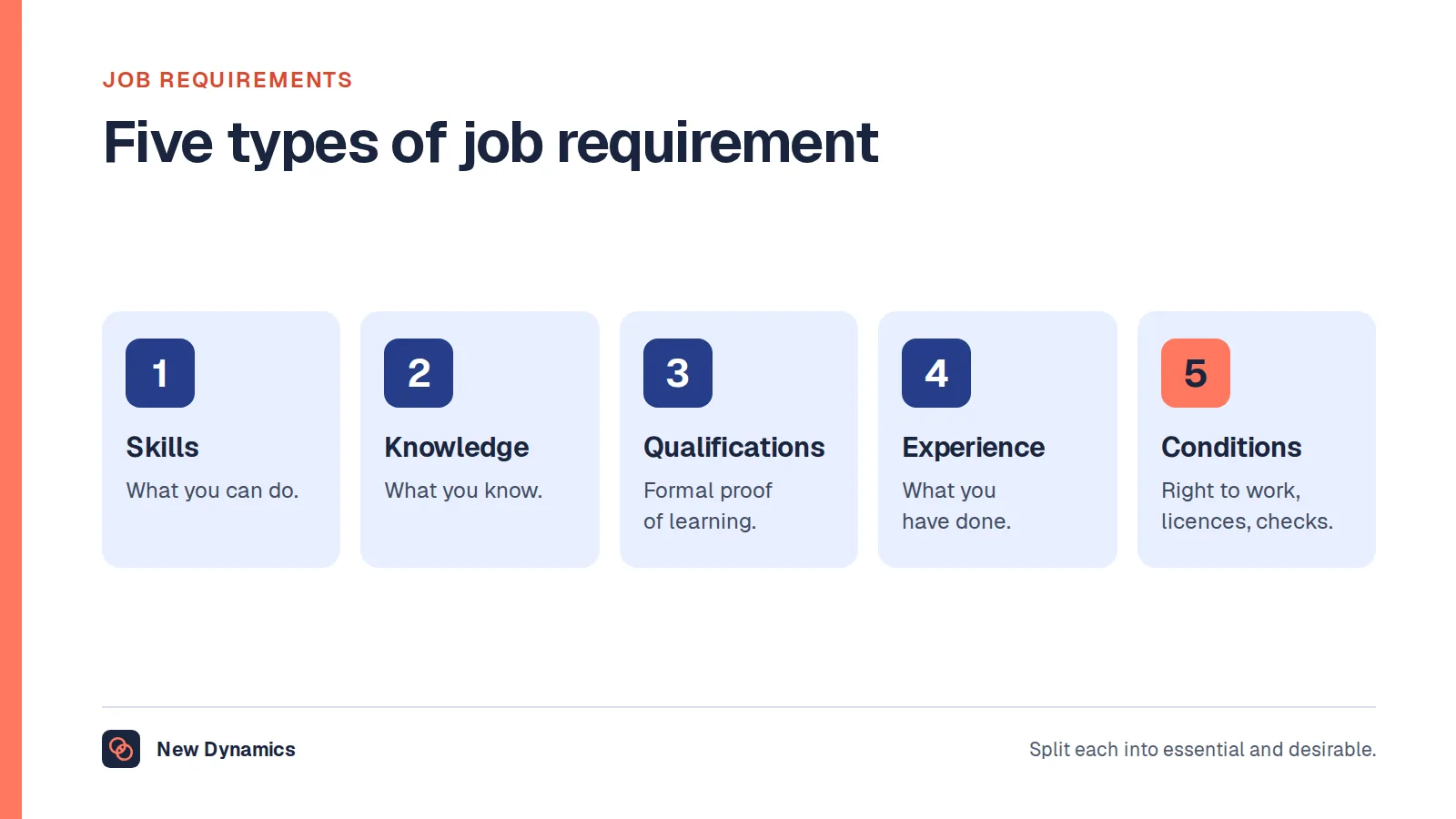
What job requirements are, the five types, essential versus desirable, how candidates should read them, and six steps for employers to write fair, lawful ones.
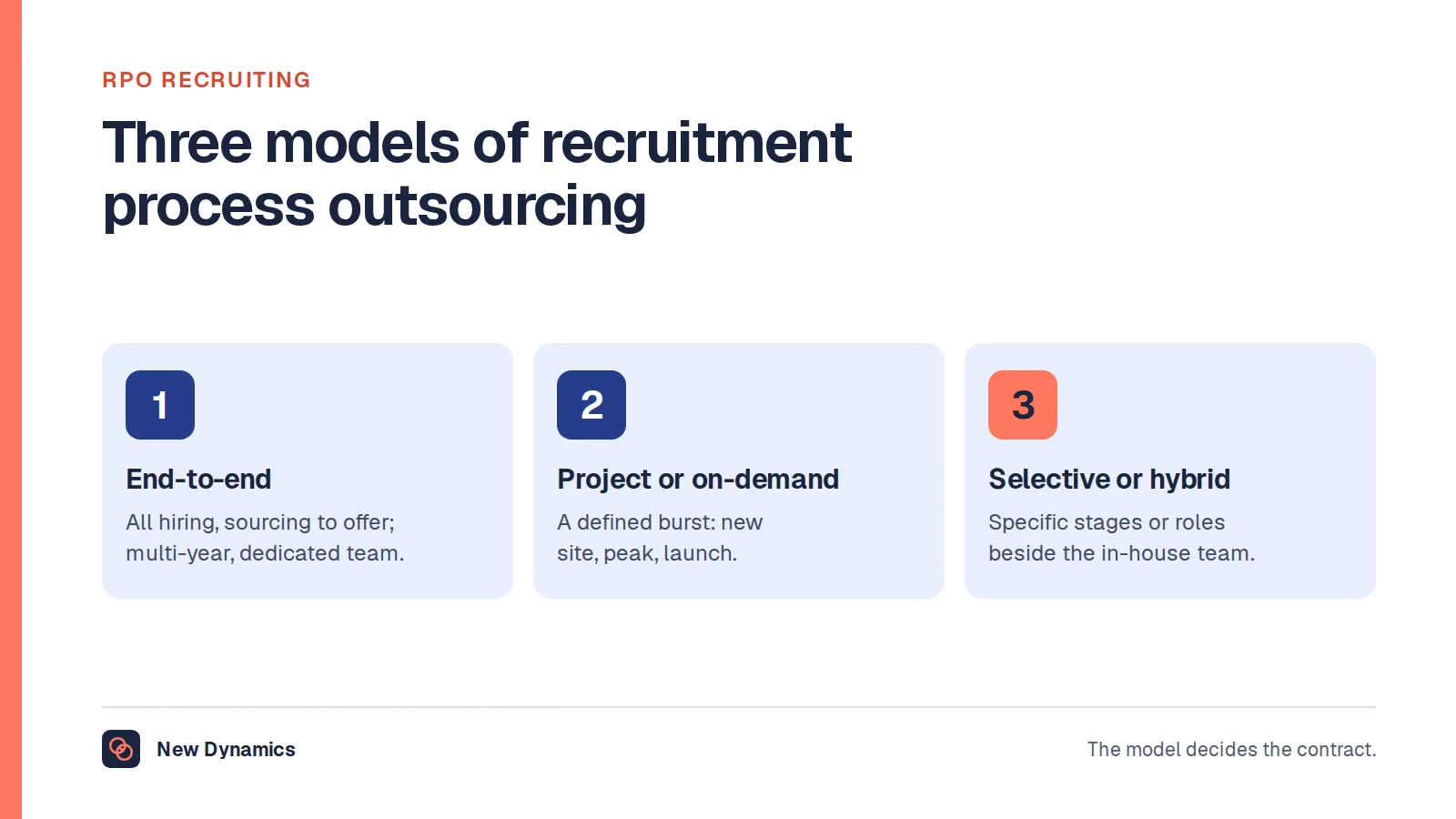
What RPO recruiting means: recruitment process outsourcing defined, the three models, what an RPO provider does, how it differs from agencies and in-house teams, the UK rules that apply, and when it makes sense.
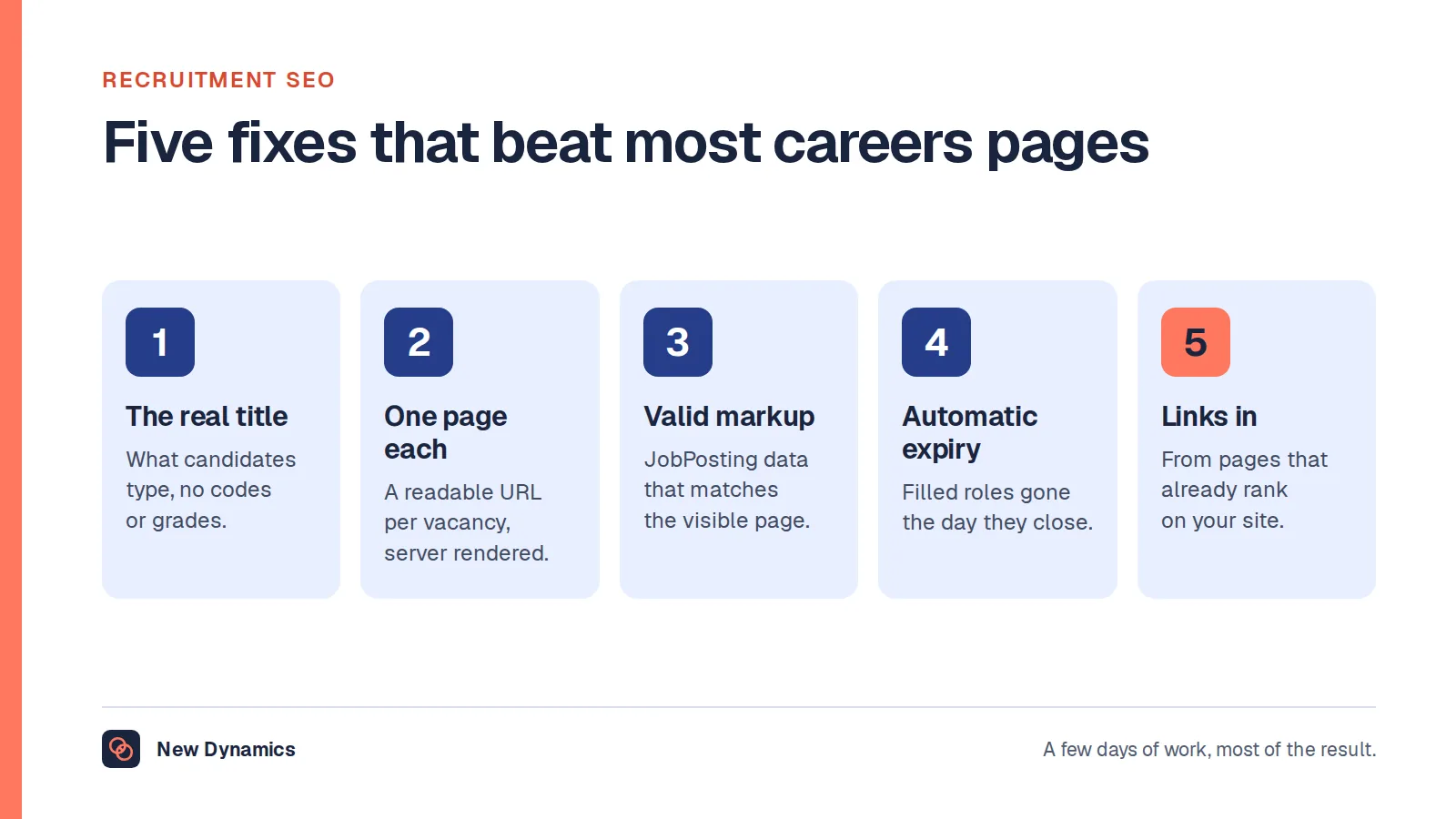
How recruitment SEO actually works: the structured data Google requires on a job posting, writing a title candidates search for, why expired vacancies cost you more than missing ones, careers page structure, and what to measure.
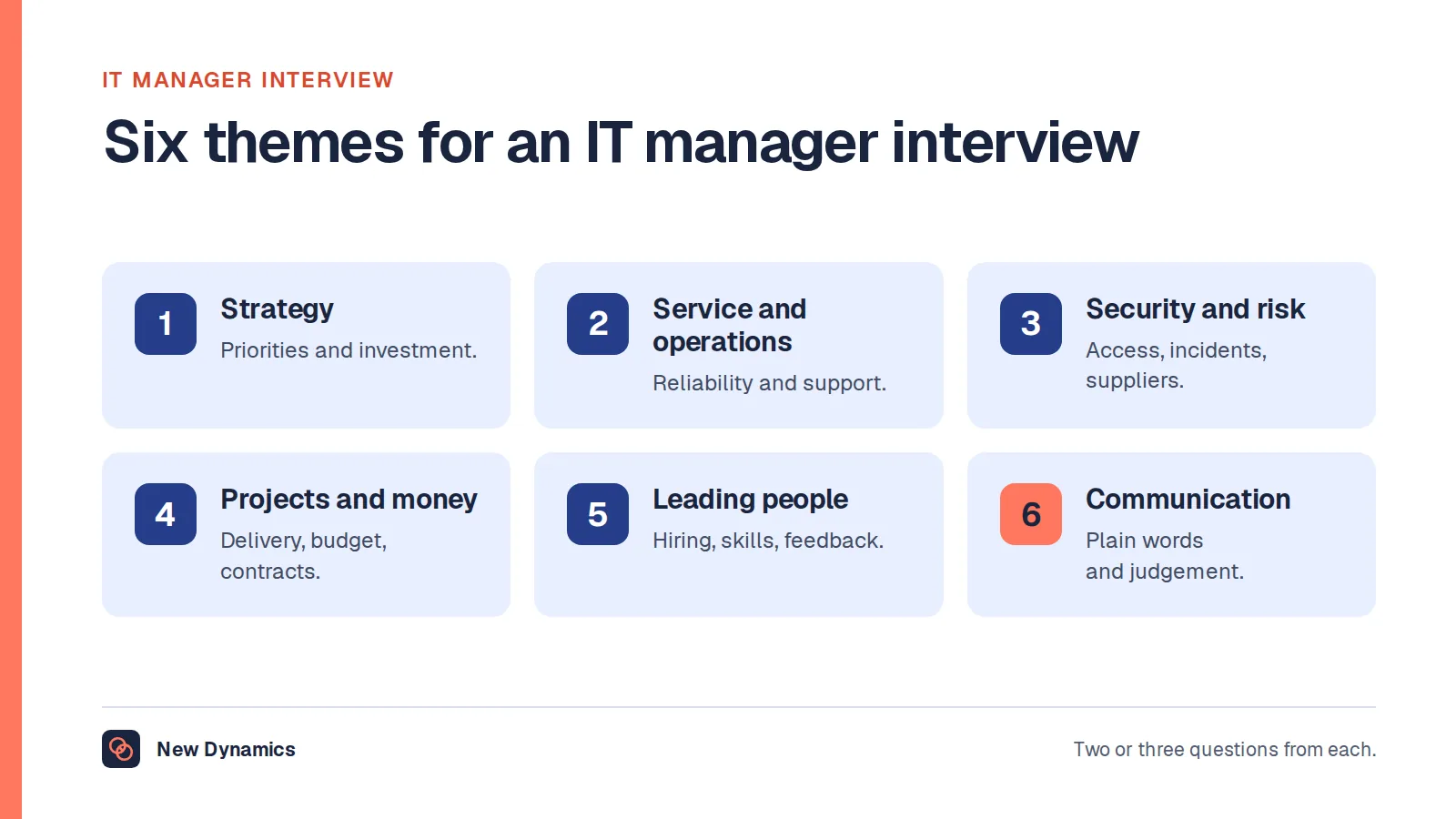
42 interview questions for IT managers in six themes, five things that a strong answer includes, five rules for a fair interview and a simple scorecard.
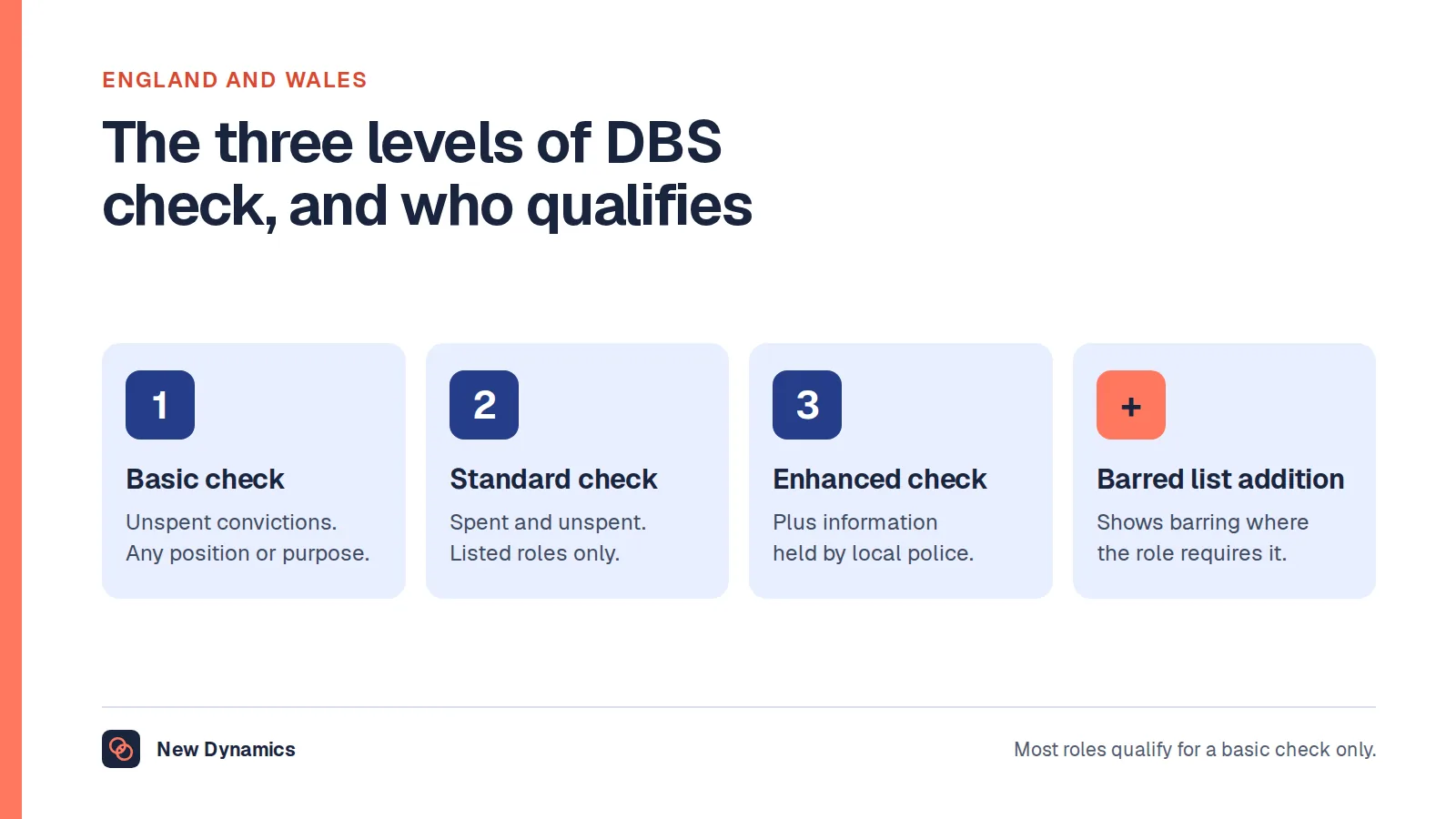
What a UK employer may lawfully check about a candidate: DBS levels and who qualifies, protected convictions, social media screening, references, and employment verification letters.
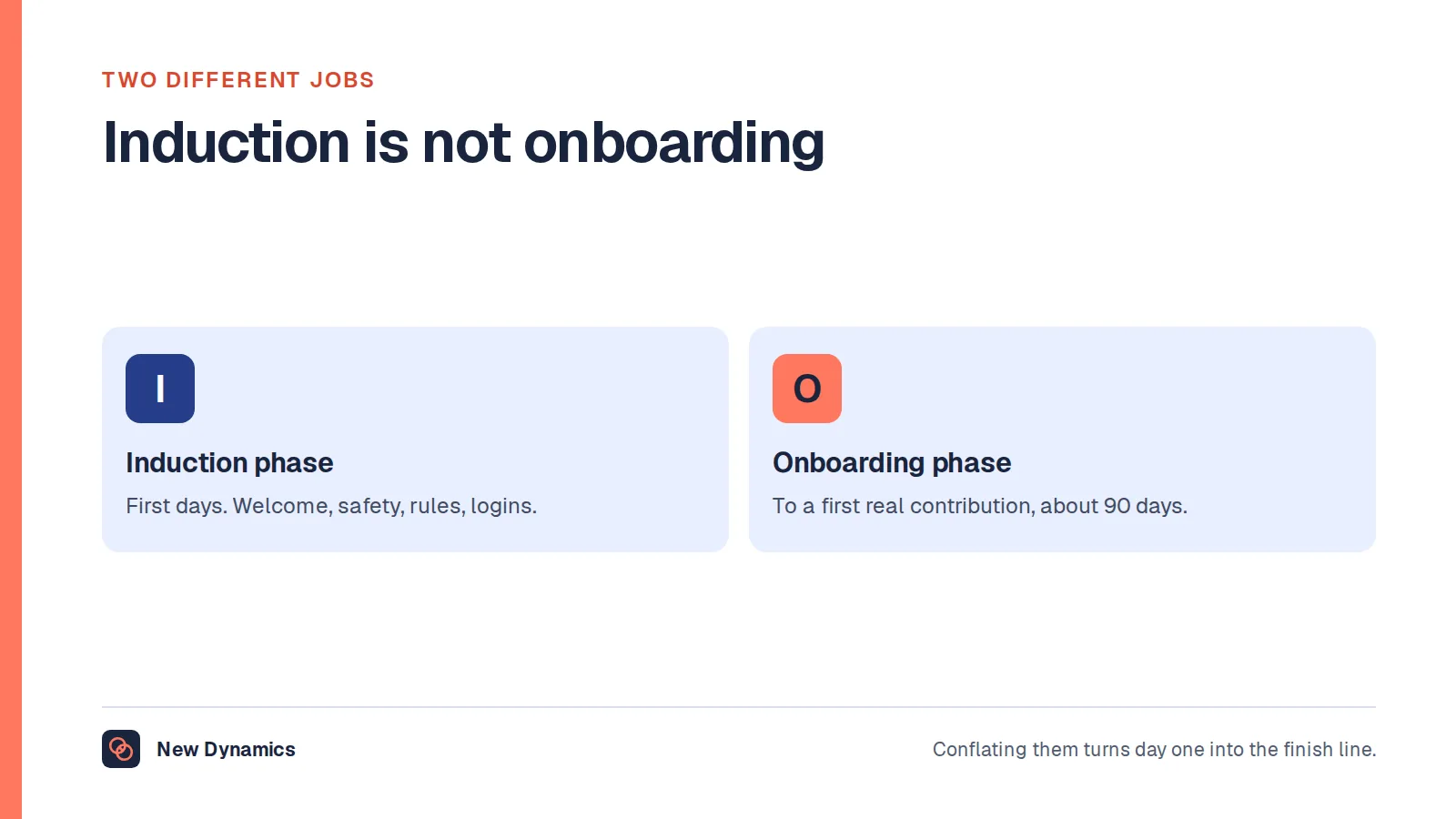
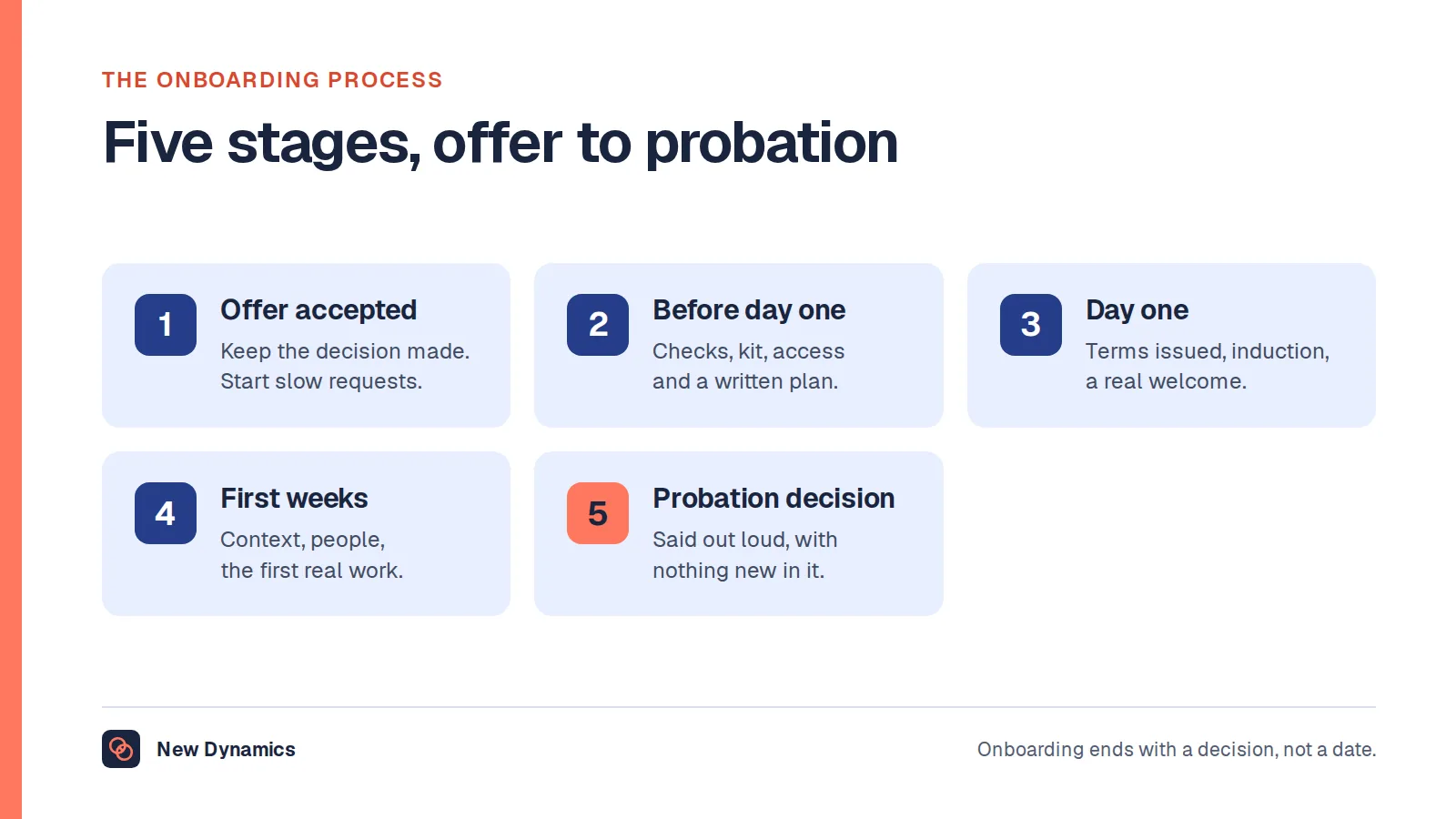
What the onboarding process actually is: the definition, the difference between induction, orientation and onboarding, the five stages from offer to probation decision, who owns each part, and the UK duties a new starter triggers.
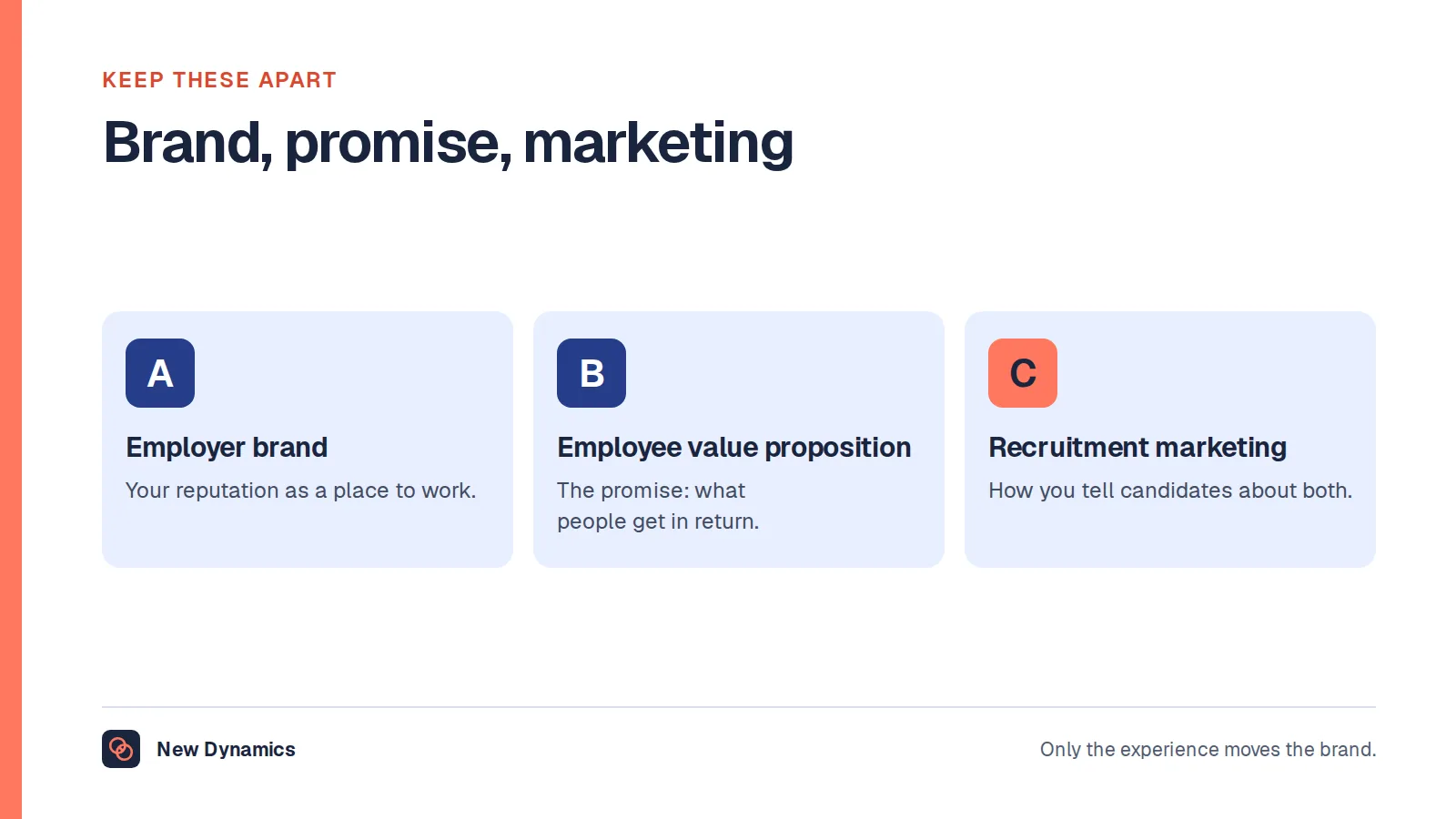
An employer brand is what your people say when you are not in the room. What it is against an employee value proposition and recruitment marketing, where it really comes from, how to handle employee advocacy lawfully, and what to measure. Book a demo to see the onboarding side.
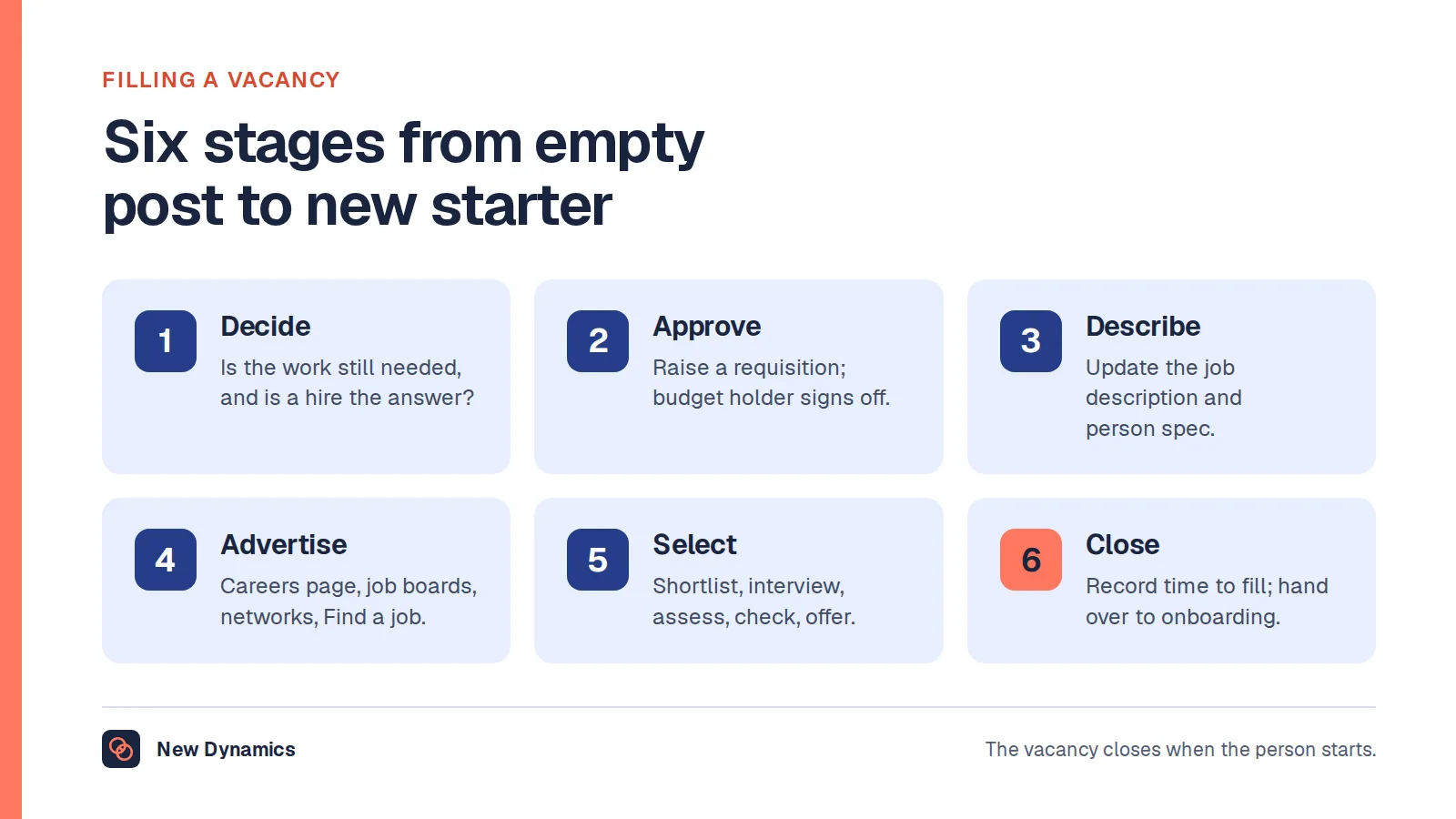
What vacancy means at work, with dictionary and official definitions, vacancy vs opening vs requisition, how a vacancy arises, the six stages of filling one and how to advertise it fairly.
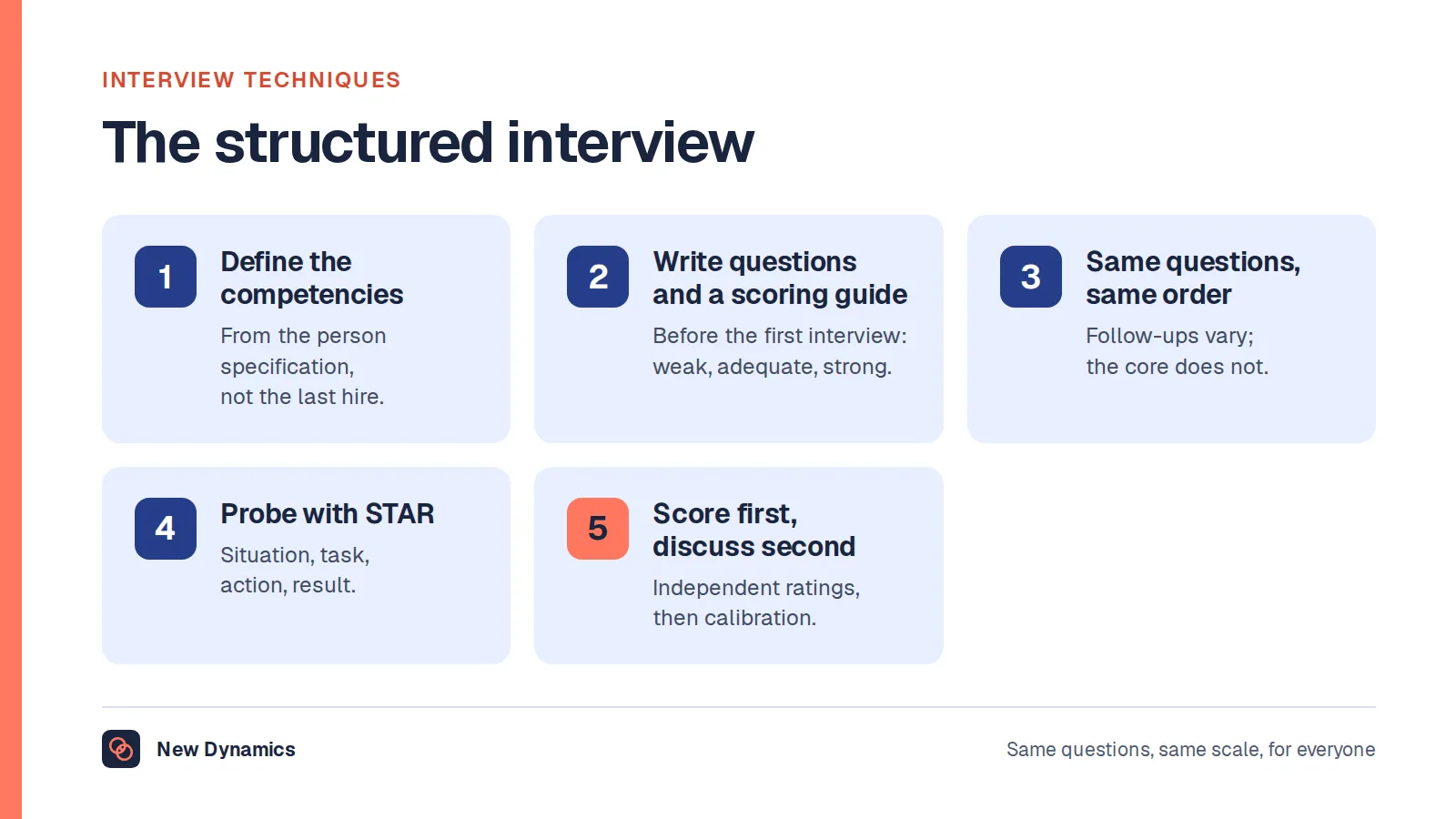
Interview techniques for interviewers: what a structured interview is, what a behavioural interview is and how behavioral interviewing works, situational questions, the STAR method for probing, panel interviews, scoring, and the fairness rules Acas sets out.
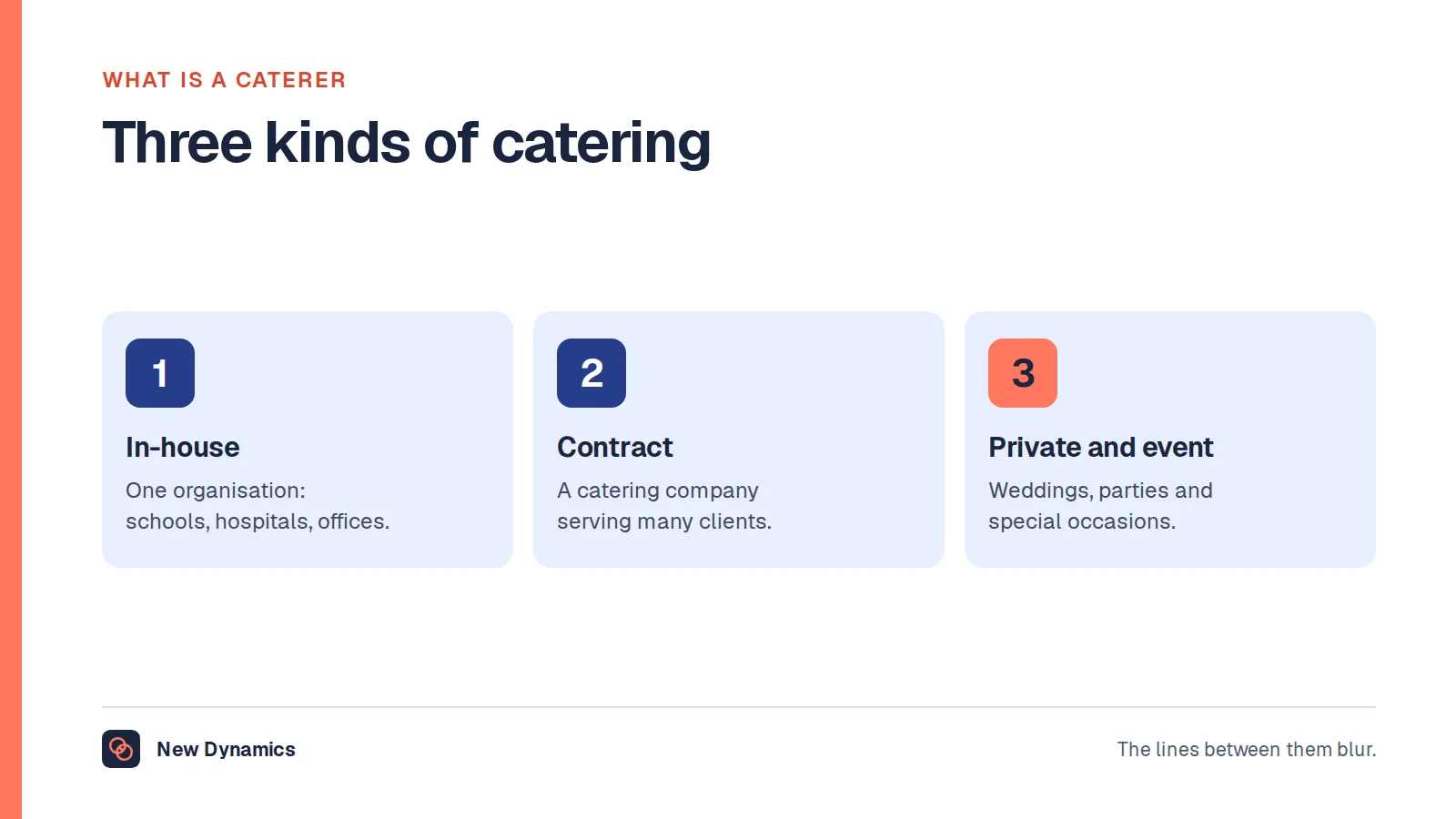
What a caterer is, three kinds of catering, what a catering manager does in six duties, the skills needed, UK food rules and five questions to ask before you book one.
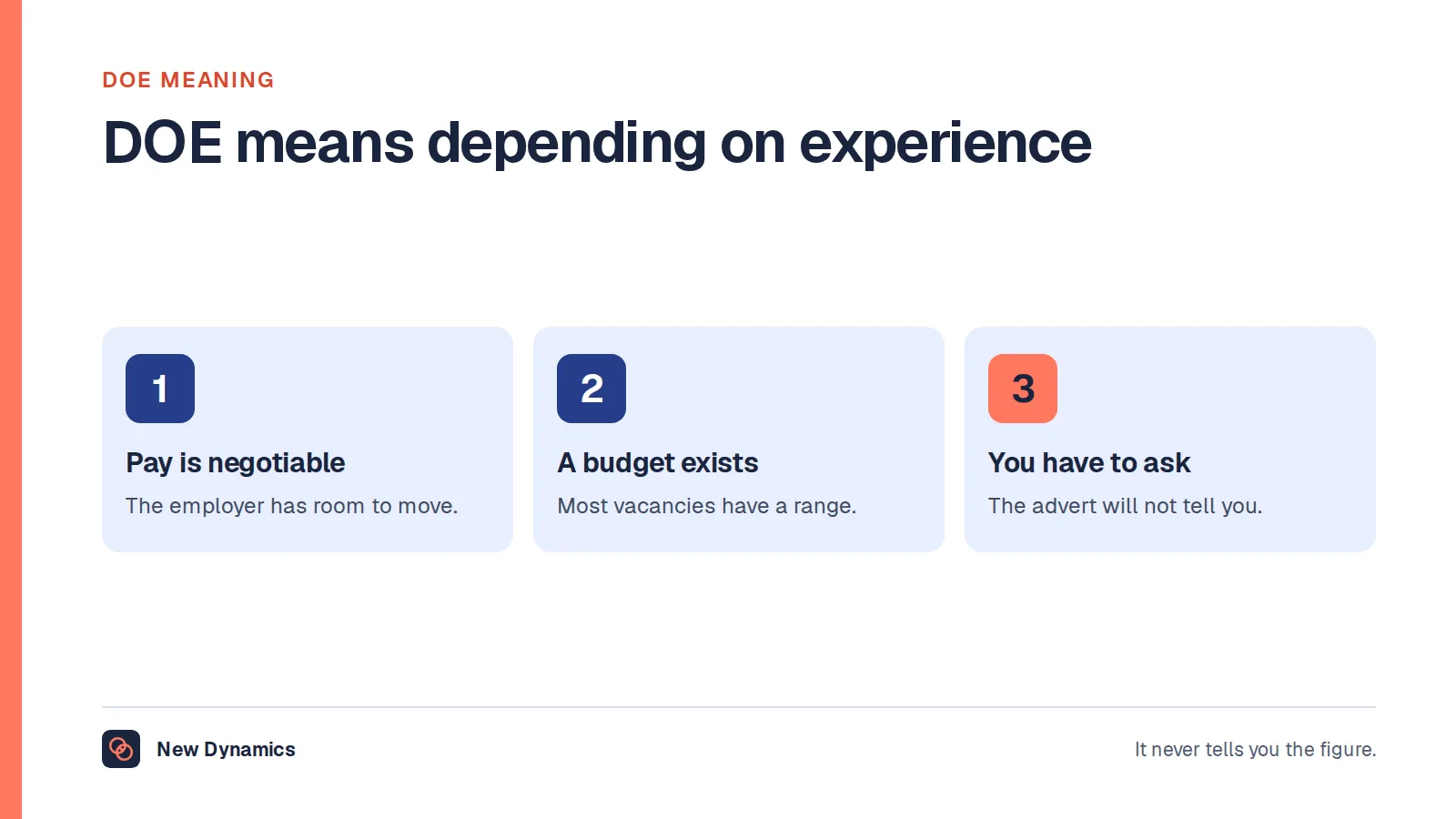
DOE means depending on experience. See what salary DOE tells you, how to find the range and answer the salary question, and what employers should write instead.
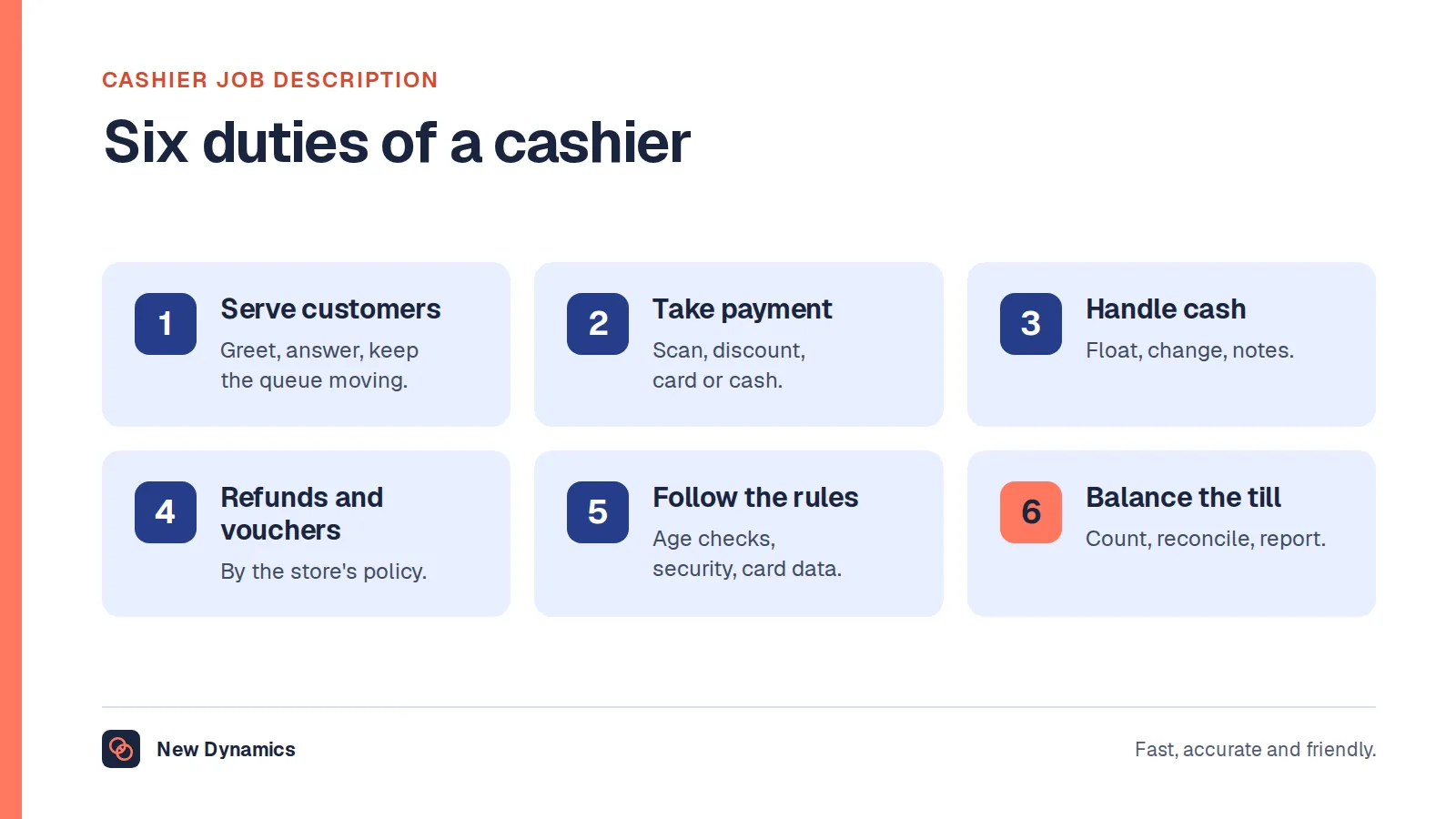
What a cashier does, six main duties, where cashiers work, the skills that matter, the UK rule on till shortfalls, a job description template and how to describe cashier work on a CV.
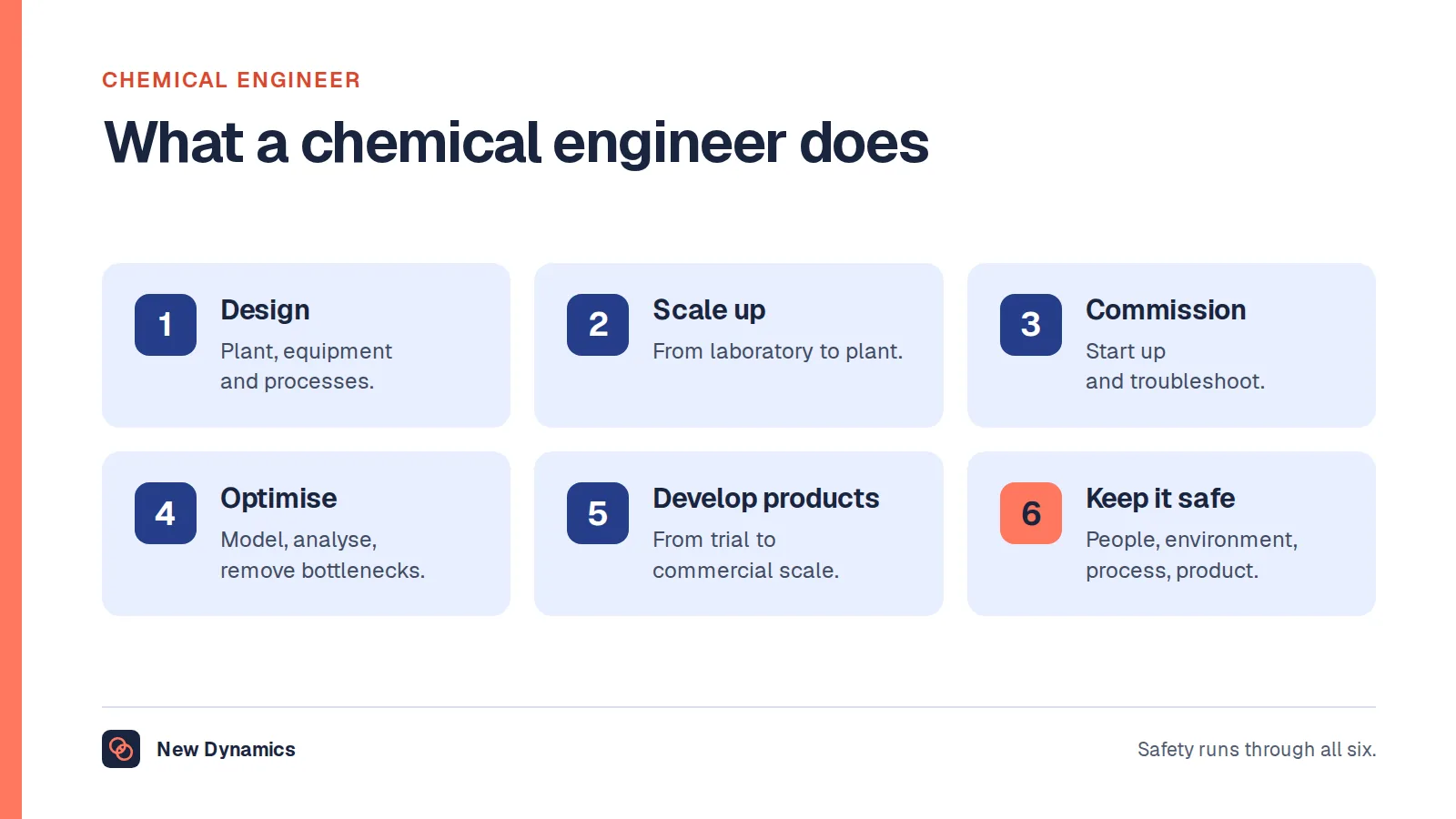
What a chemical engineer does, where they work, responsibilities, skills and the UK route to chartered status, with a job description template and advice on goals and reviews.
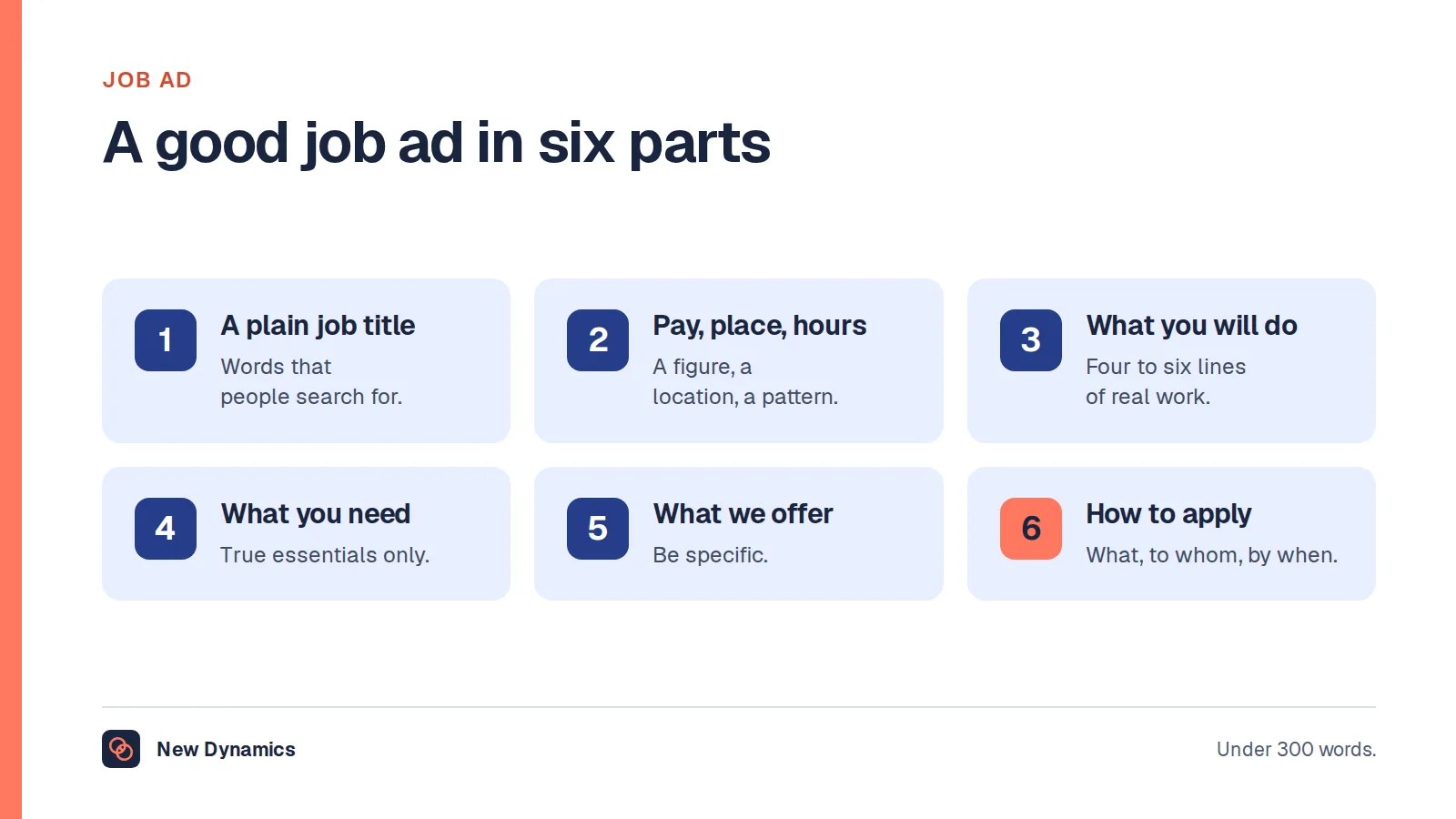
What a job ad is, how it differs from a job description, the six parts of a good advert, a sample job posting to copy, wording to avoid and four places where job ads are found.
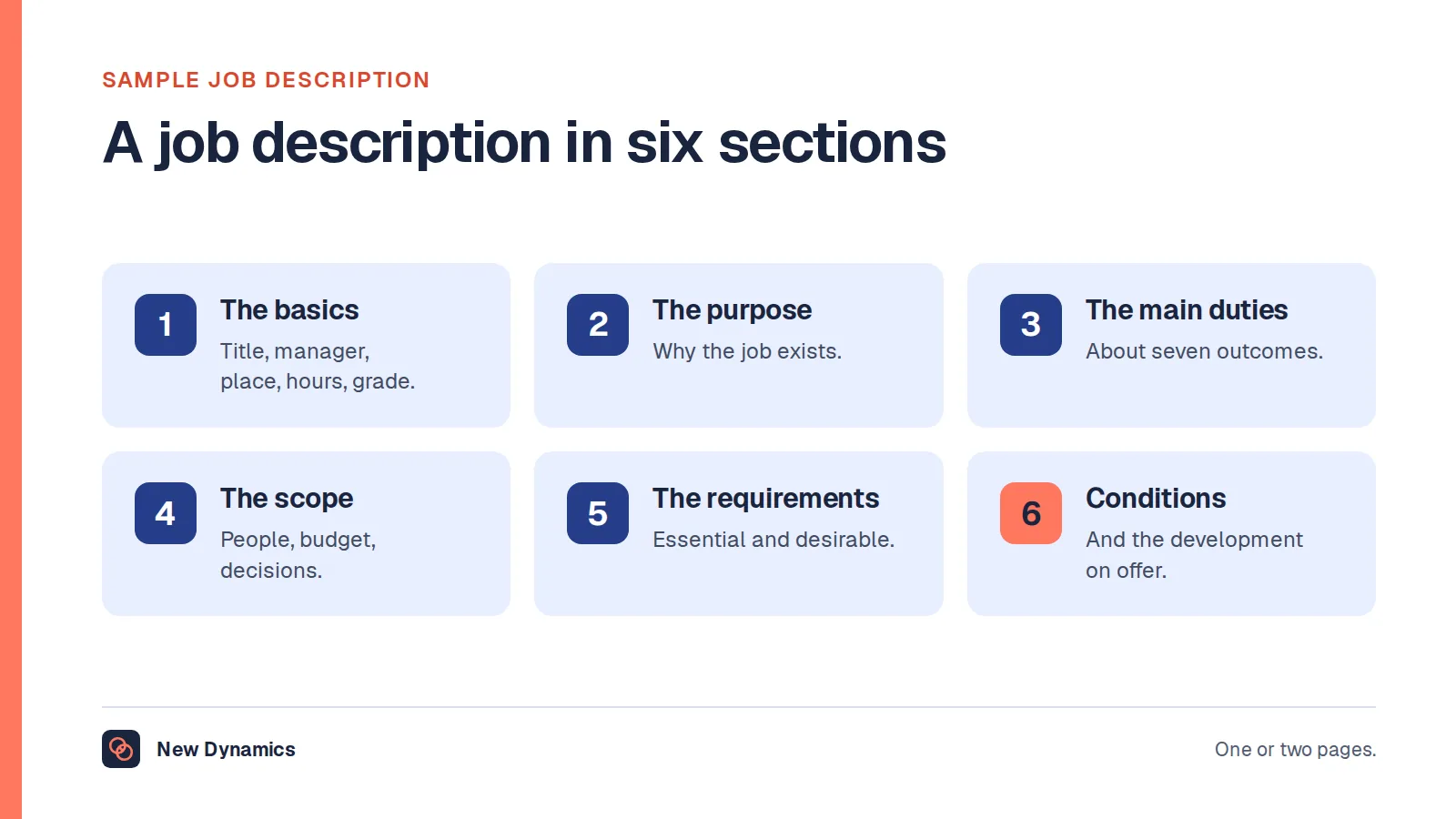
A sample job description format in six sections, what job content and job scope mean, a blank template, three worked examples and five rules for writing duties that people can act on.
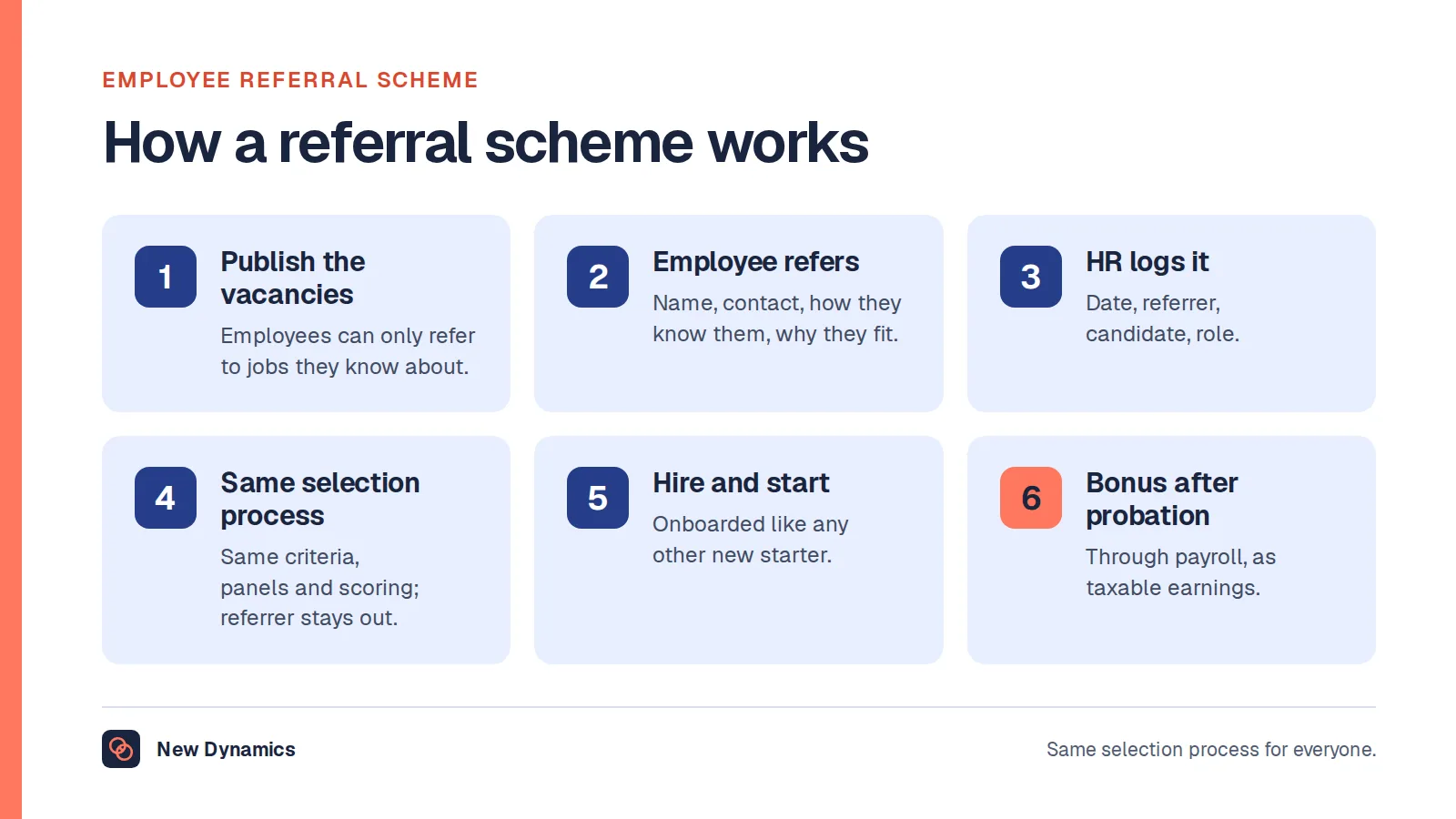
What an employee referral is, how a referral scheme works in six steps, the pros and cons, bonus and tax basics, the discrimination risk of word-of-mouth hiring and a policy template.
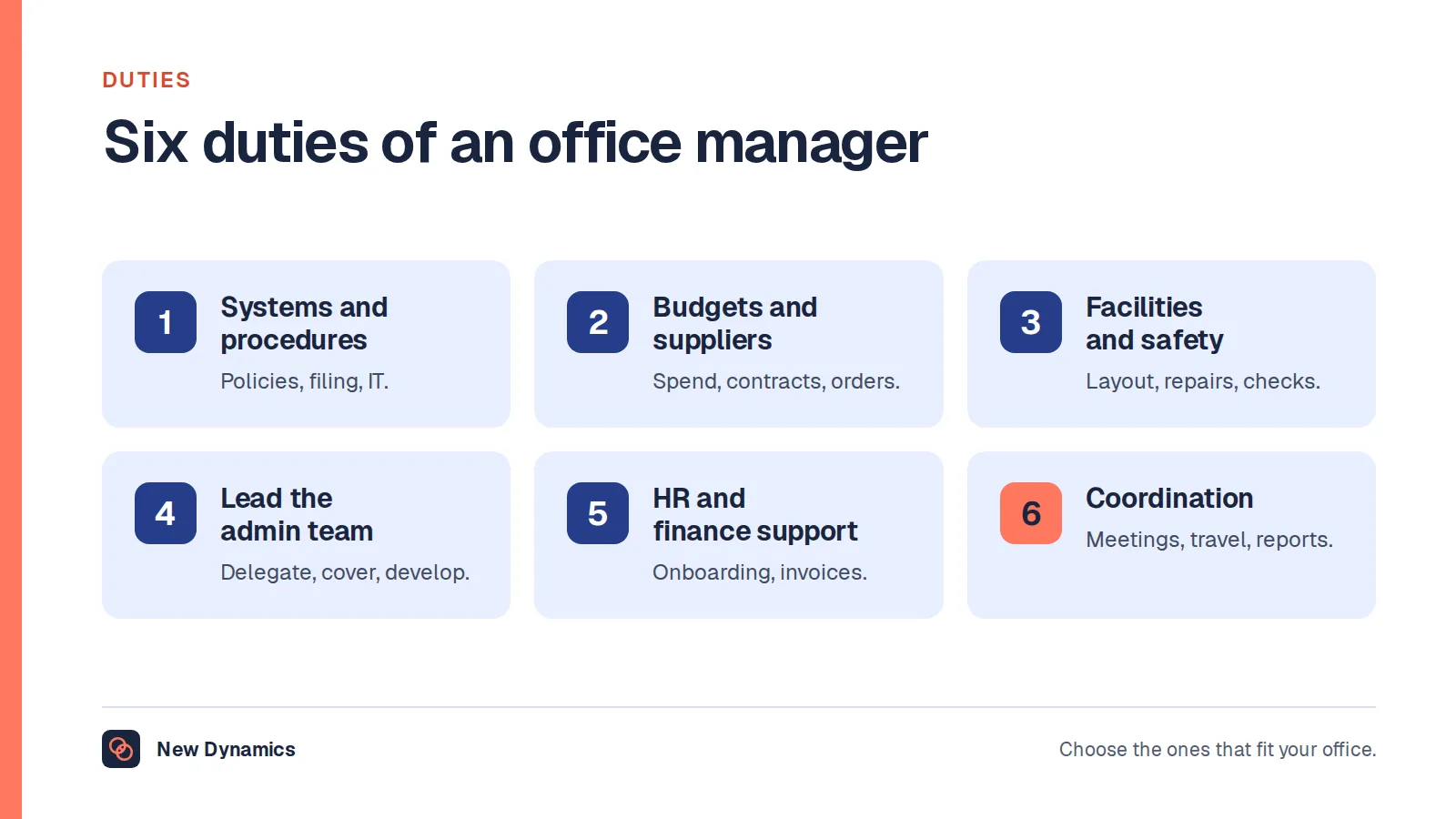
What an office manager does: three areas of responsibility, six main duties, five job requirements, how the role differs from similar jobs, and a template to adapt.