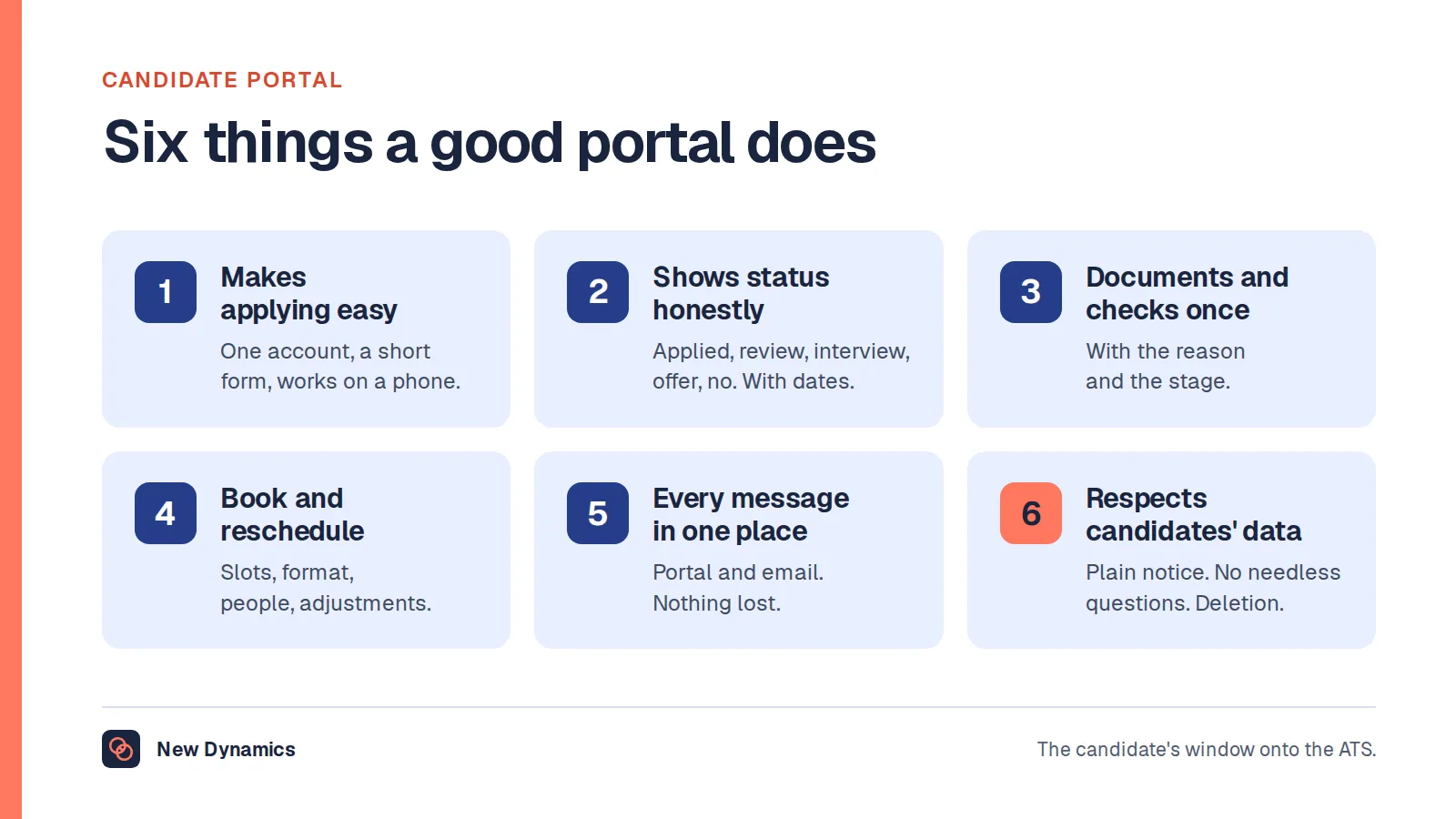
What a candidate portal is, the six things a good one does for applicants, what candidates are owed under UK guidance on interviews and data, and a ten-question candidate experience survey template.
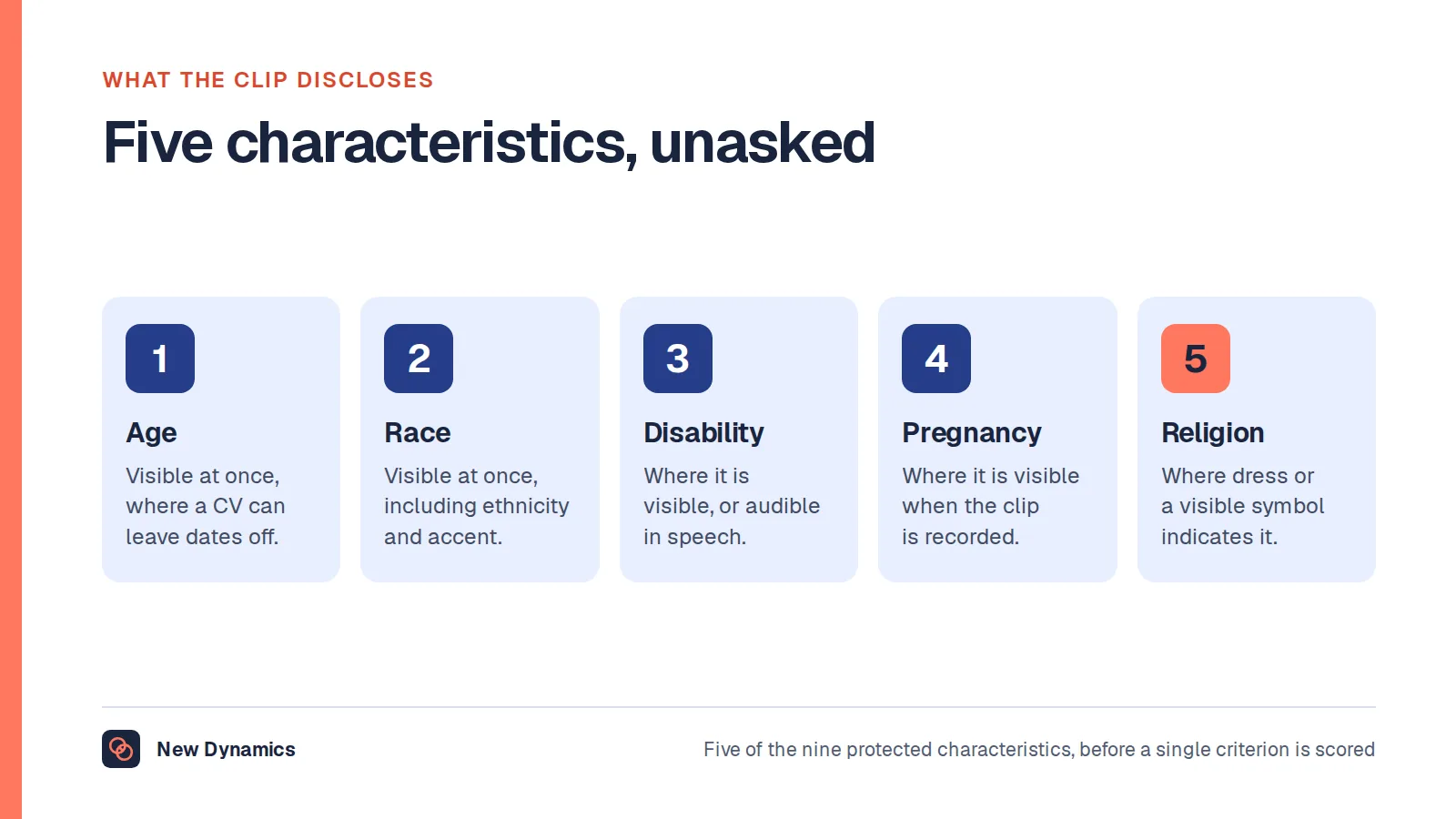
What a video resume is, why candidates make them, and what UK employers should do about them. The Equality Act risk in seeing a face before a shortlist, the reasonable adjustment duty, the data protection questions, and the candidate advice kept short.
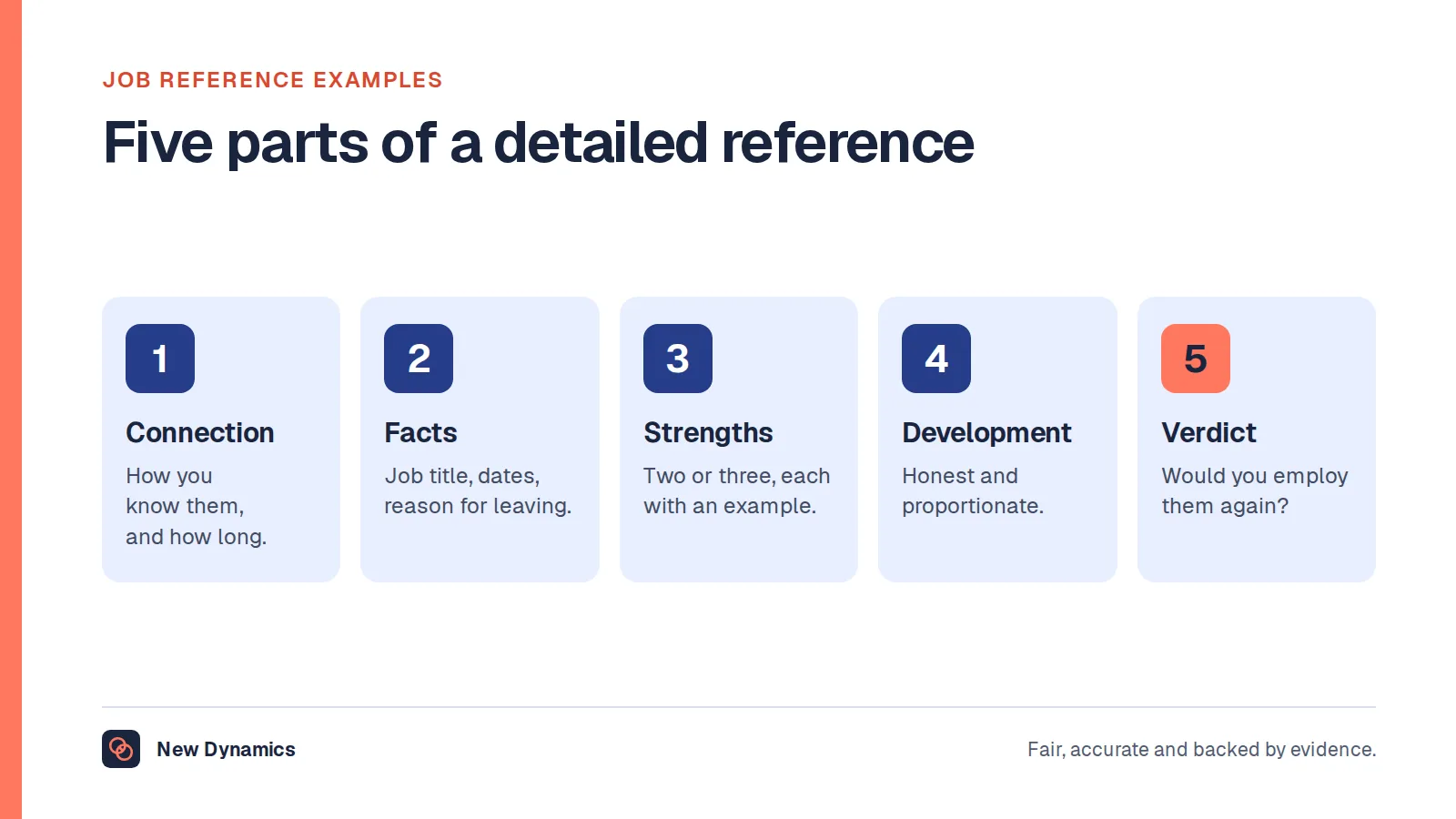
Write a fair, useful job reference: what to include, four professional reference examples you can adapt, how to answer strengths and areas to improve, and questions to ask.
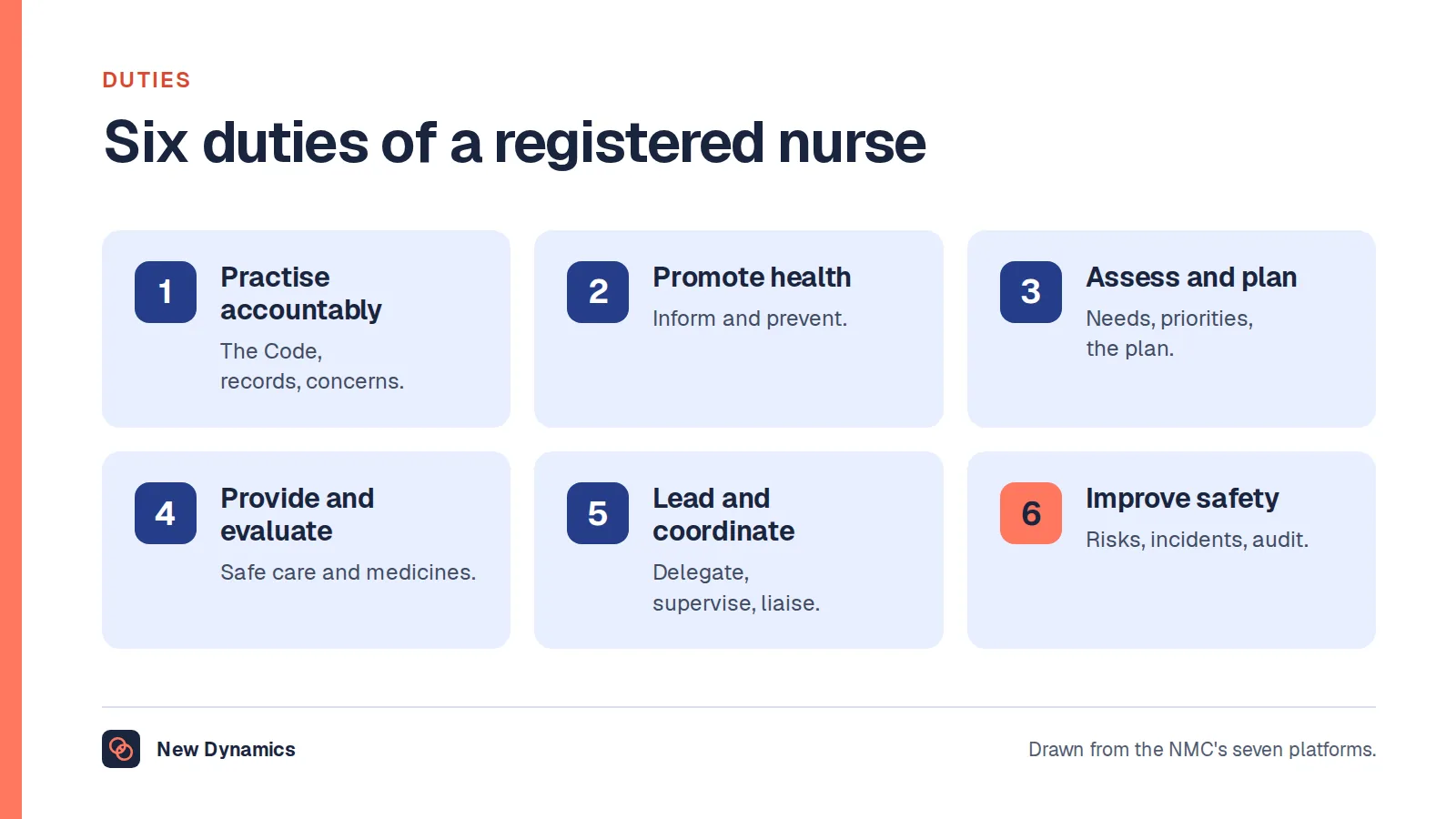
What a registered nurse does: the four fields, the NMC's seven platforms, six duties for a job description, five details to state, revalidation and a template to adapt.
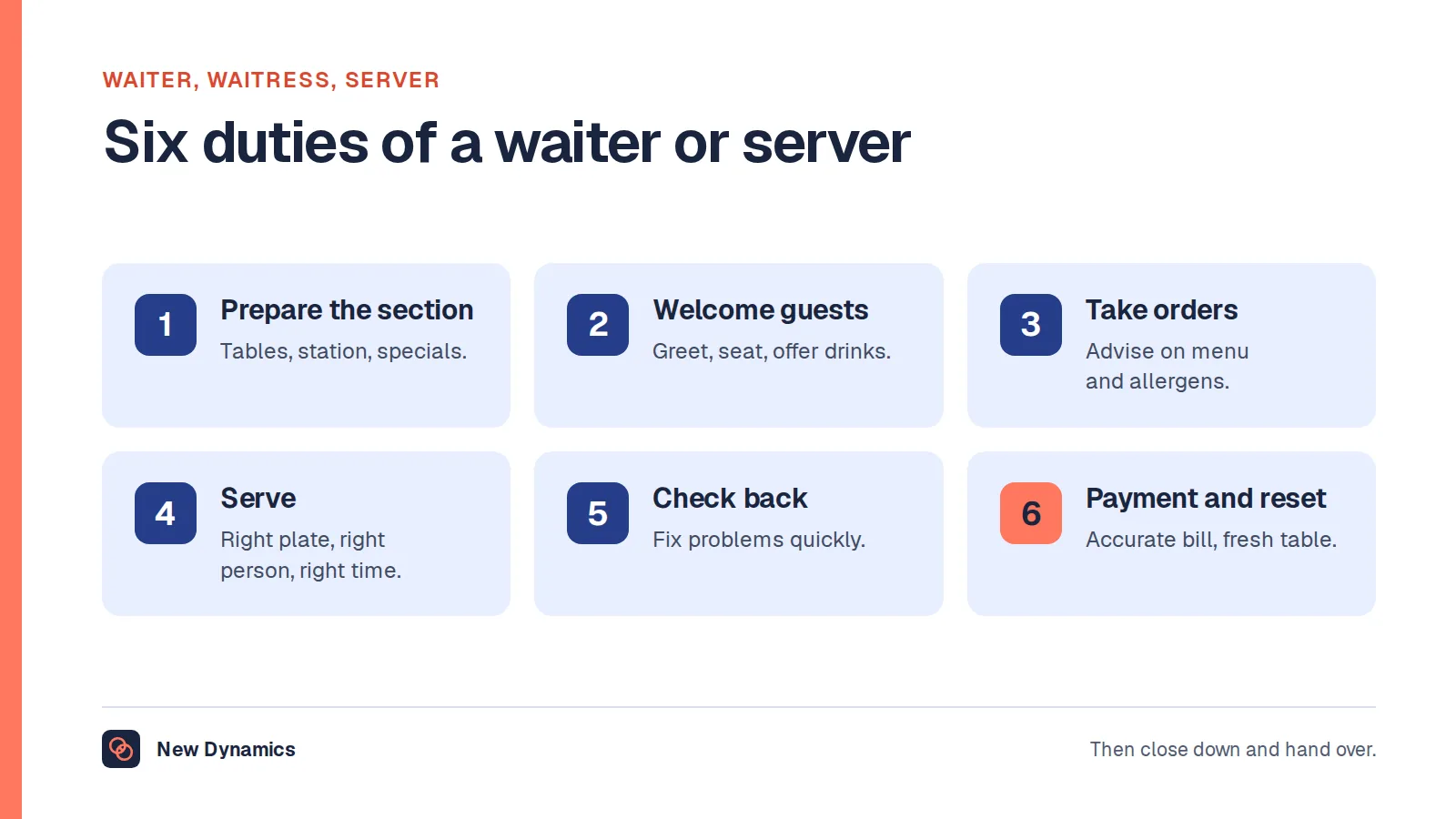
What a waiter, waitress or server does: six main duties, banquet server duties, five skills, UK rules on allergens and tips, a job description template and CV wording.
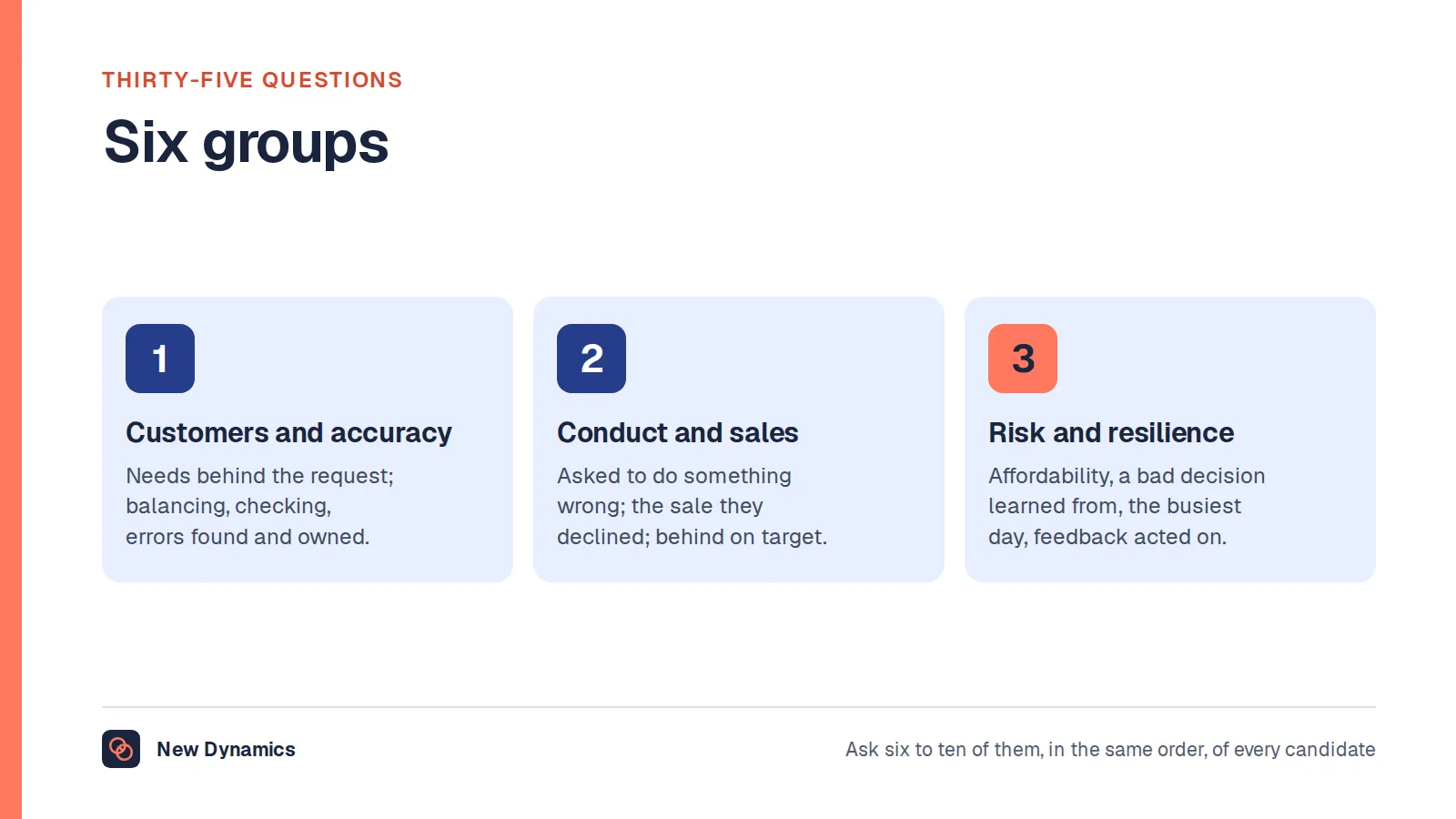
Thirty-five banker interview questions in six groups, from customer needs and accuracy to conduct, sales without mis-selling, risk and resilience, each with what a strong answer contains; which of the four banking roles the advert means; the regulatory context that makes conduct interviewable; and how to score consistently and fairly.
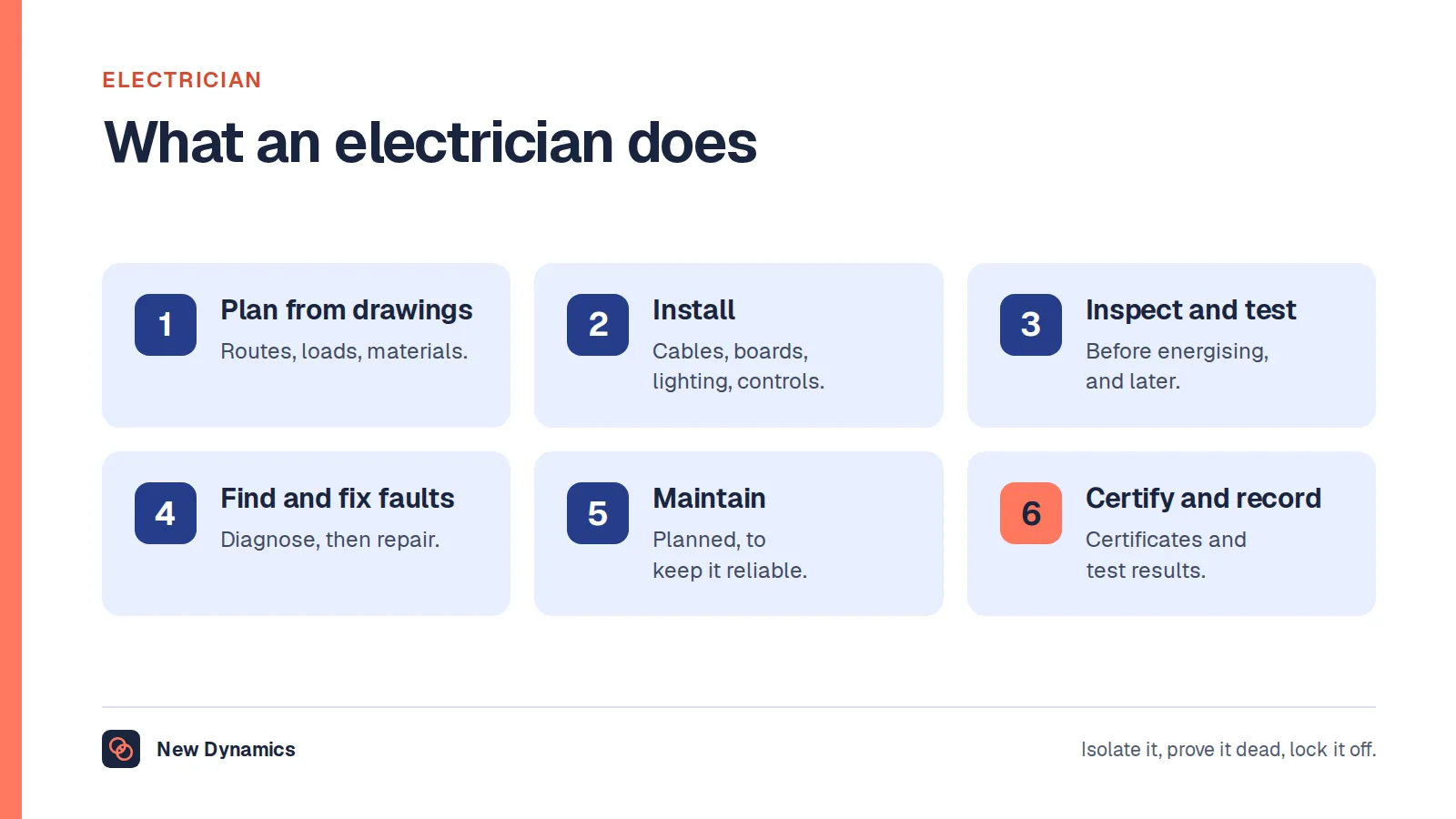
What an electrician does, six main duties, three types of electrician, what an apprentice electrician does, how competence is shown, and job description templates for both roles.
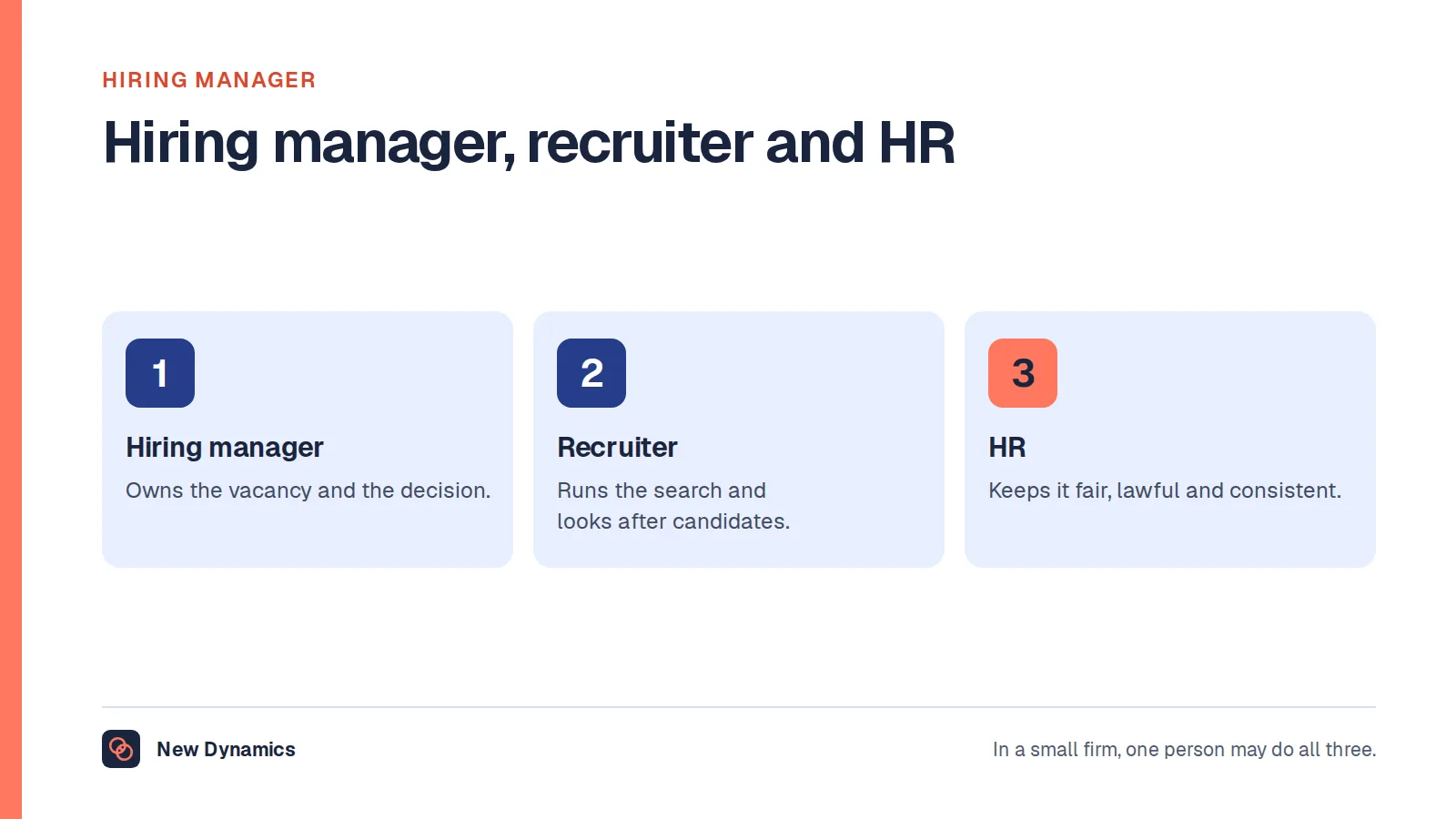
What a hiring manager is, how the role differs from a recruiter and HR, the six responsibilities, a sample job description section and five habits of good ones.
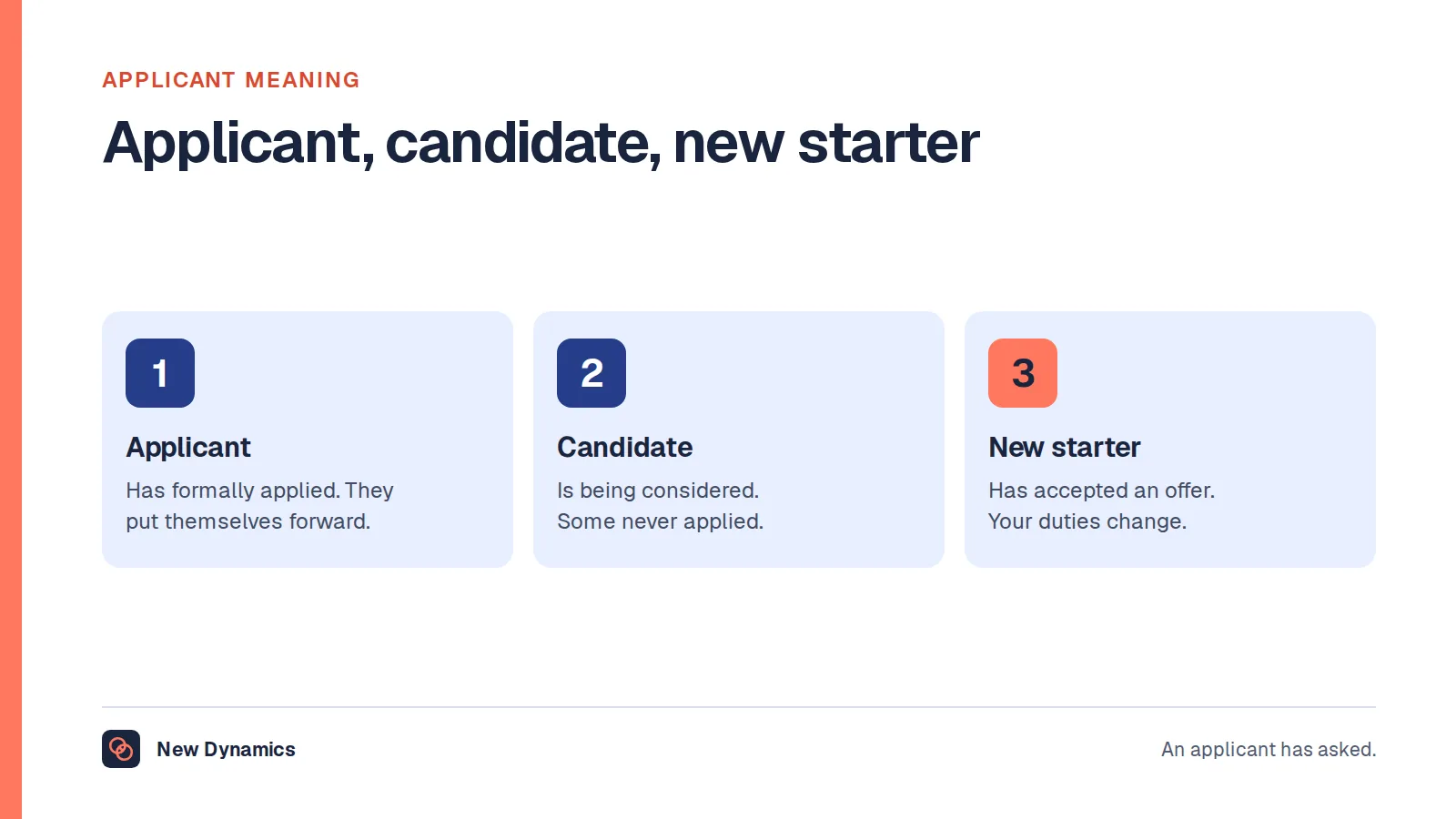
What applicant means, with dictionary and official definitions, applicant vs candidate, the applicant pool, six stages from applicant to employee and what every applicant is owed.
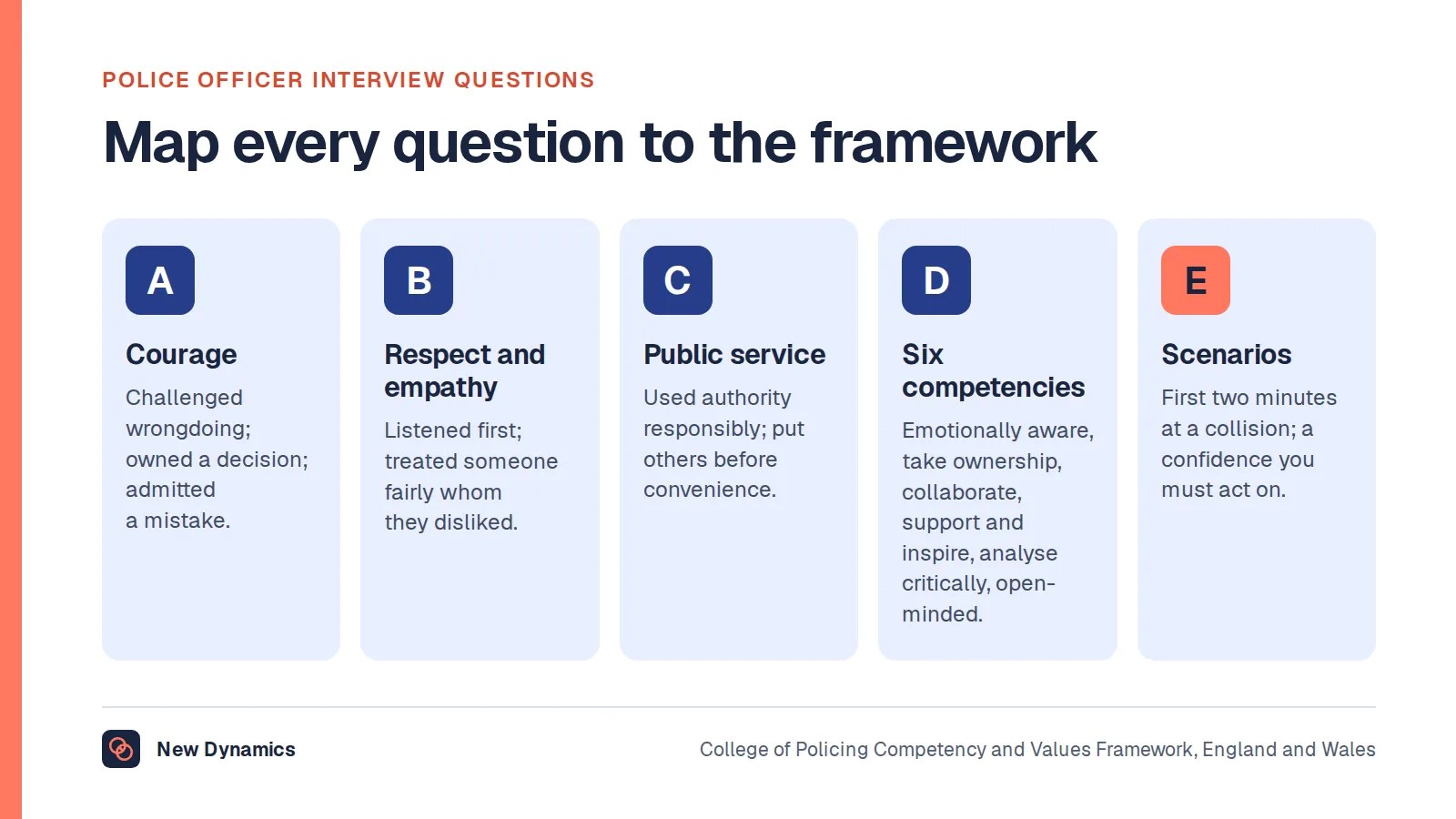
Interview questions for a police officer, grouped by the College of Policing values and competencies with what a good answer shows, scenario questions, a scoring method, fairness rules and what the interview cannot assess.
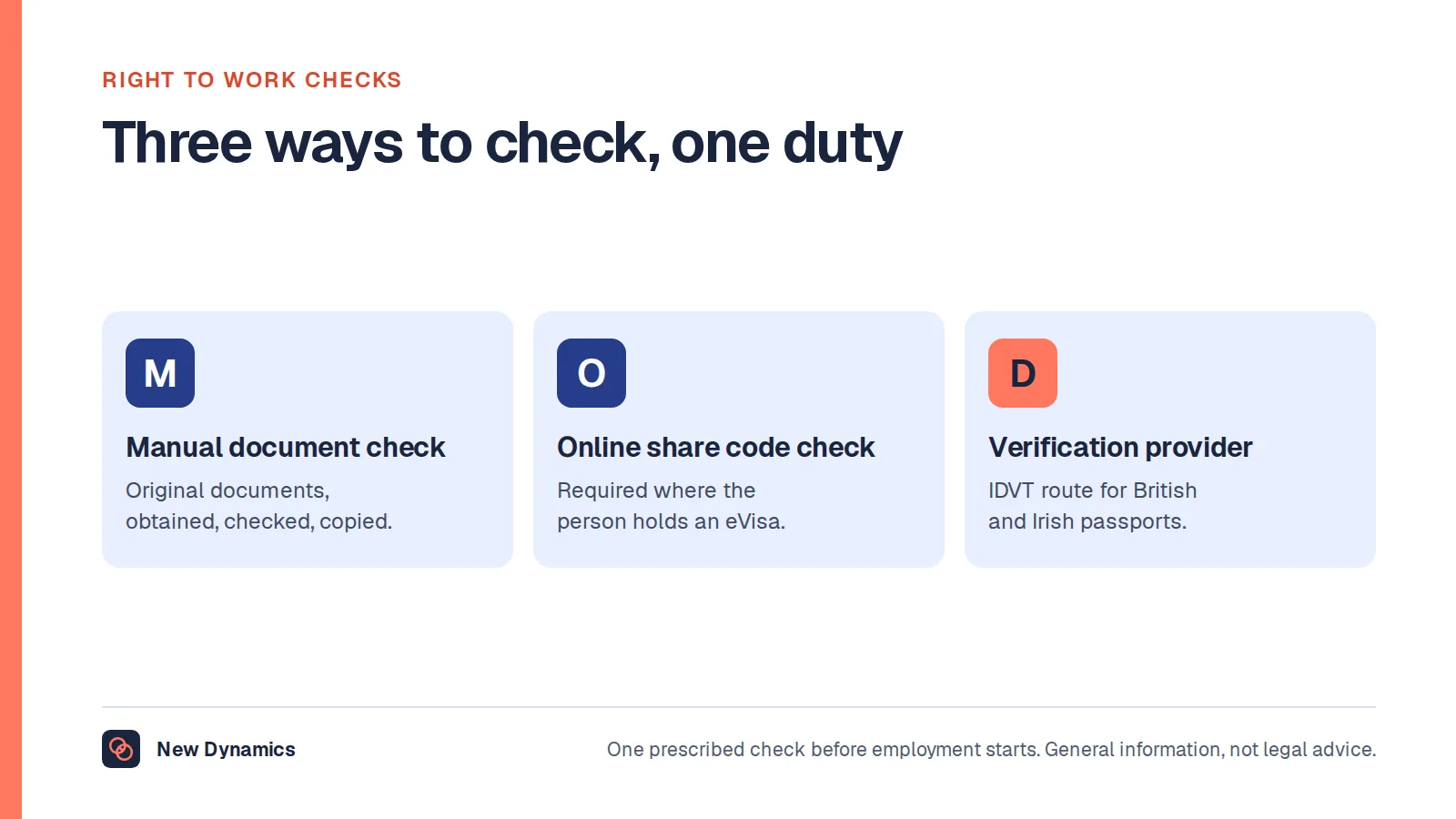
How to check a job applicant's right to work in the UK with a share code, where to enter it, how long a code lasts, what a worker does to generate one, and the records that give you a statutory excuse.
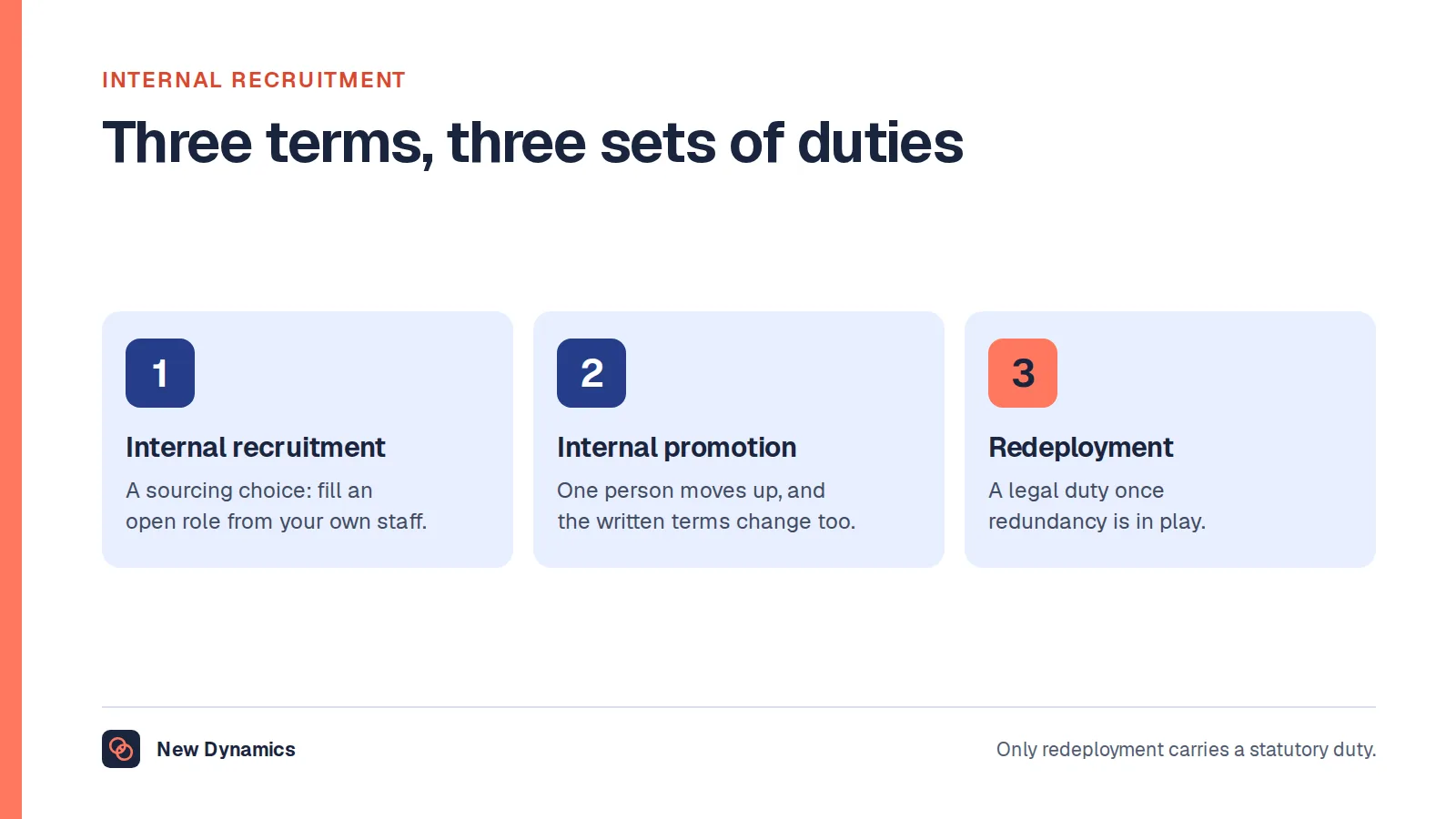
What internal recruitment is and how it differs from internal promotion and redeployment, the real costs including the vacancy you create, when ring-fencing a role is defensible, how to run a fair internal process, and the UK rules that apply.
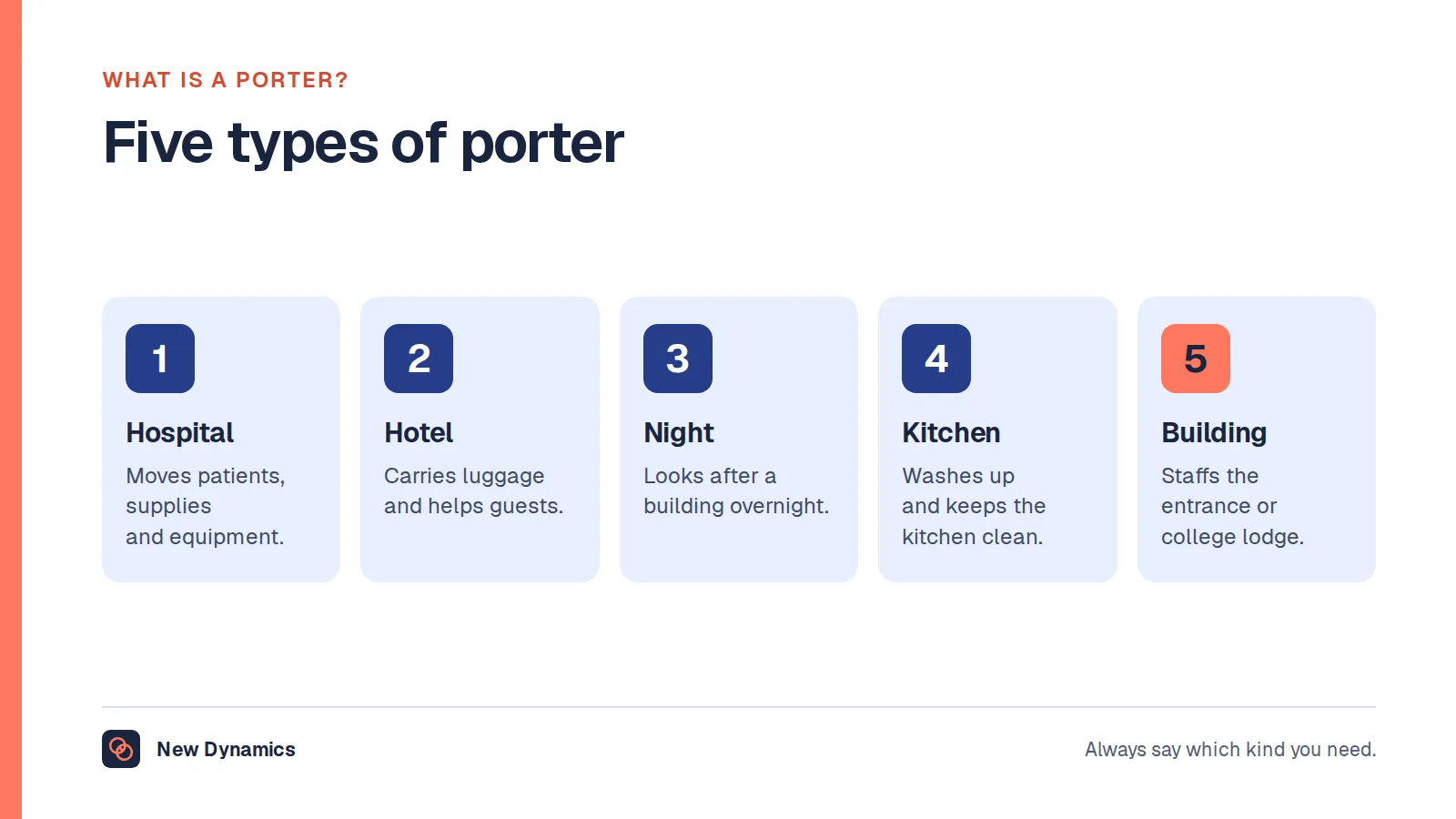
What a porter is and what porters do: five types of porter, the duties of a hospital porter, skills and entry routes, a job description template and how to manage porters well.
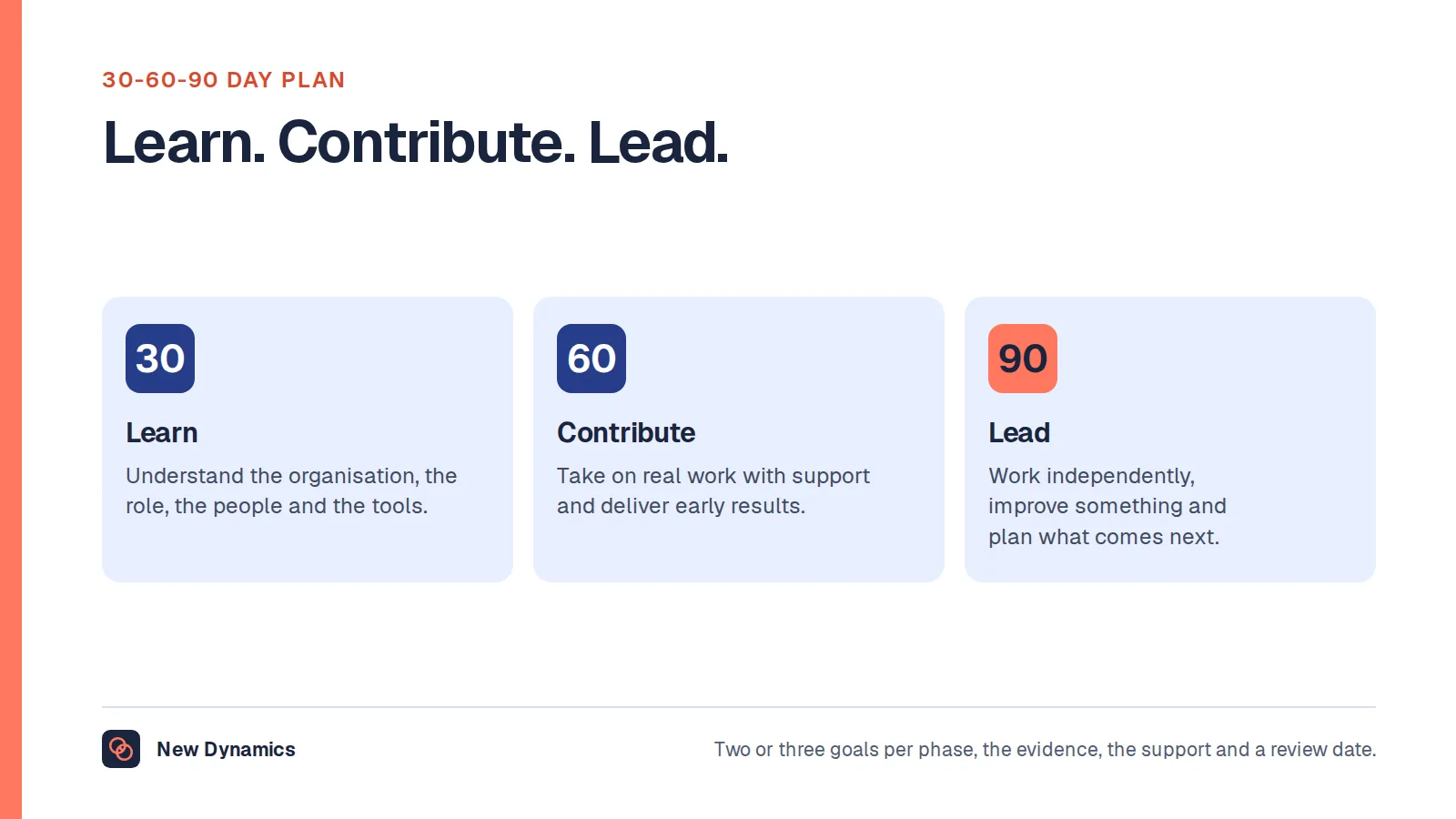
Write a 30-60-90 day plan that works: a copy-and-adapt template, examples for a new hire, a new manager and an interview, plus review tips. Start your plan.
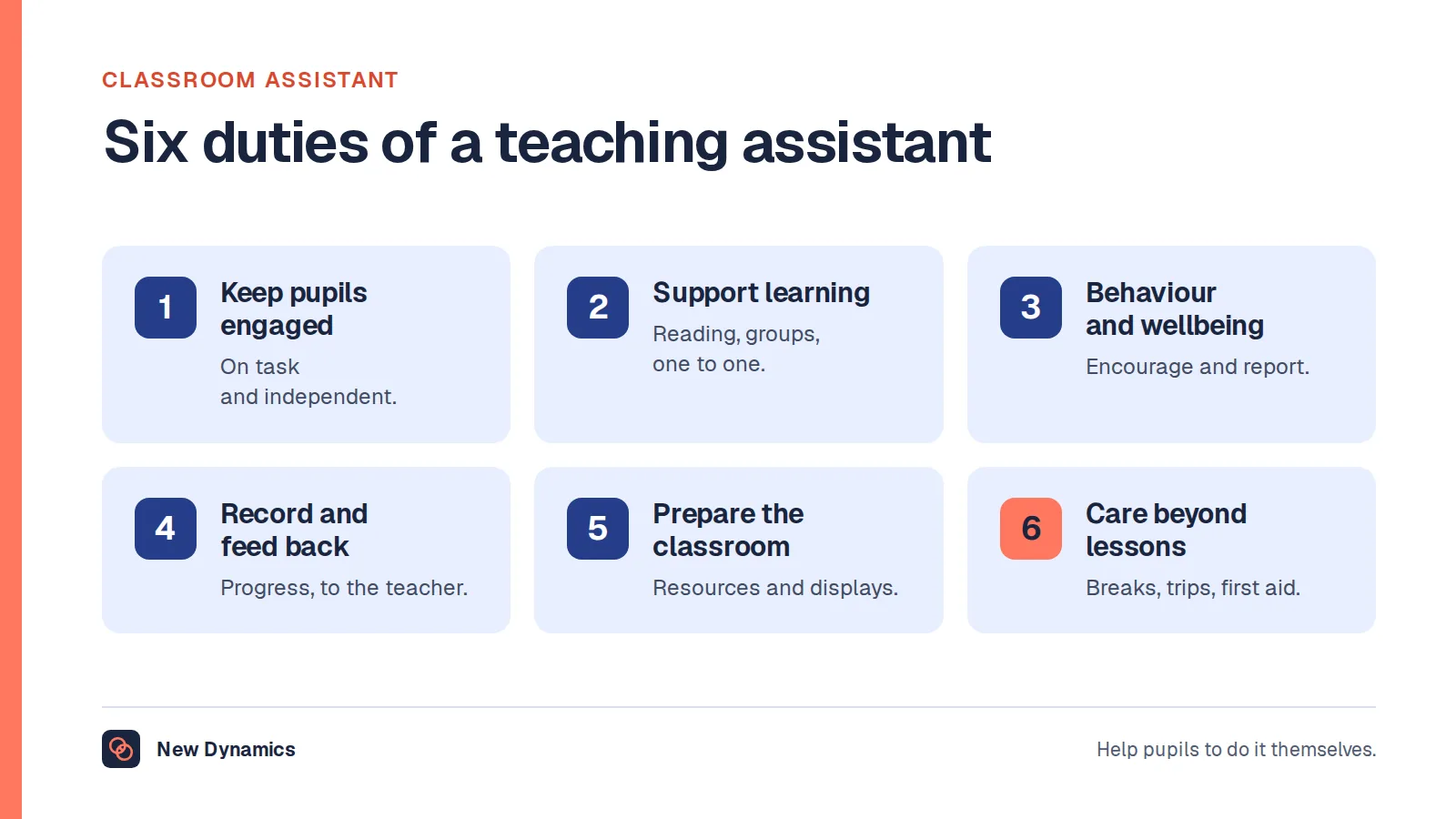
What a classroom or teaching assistant does: six main duties, three levels of the role, five skills, safeguarding checks in the UK, a job description template and mistakes.
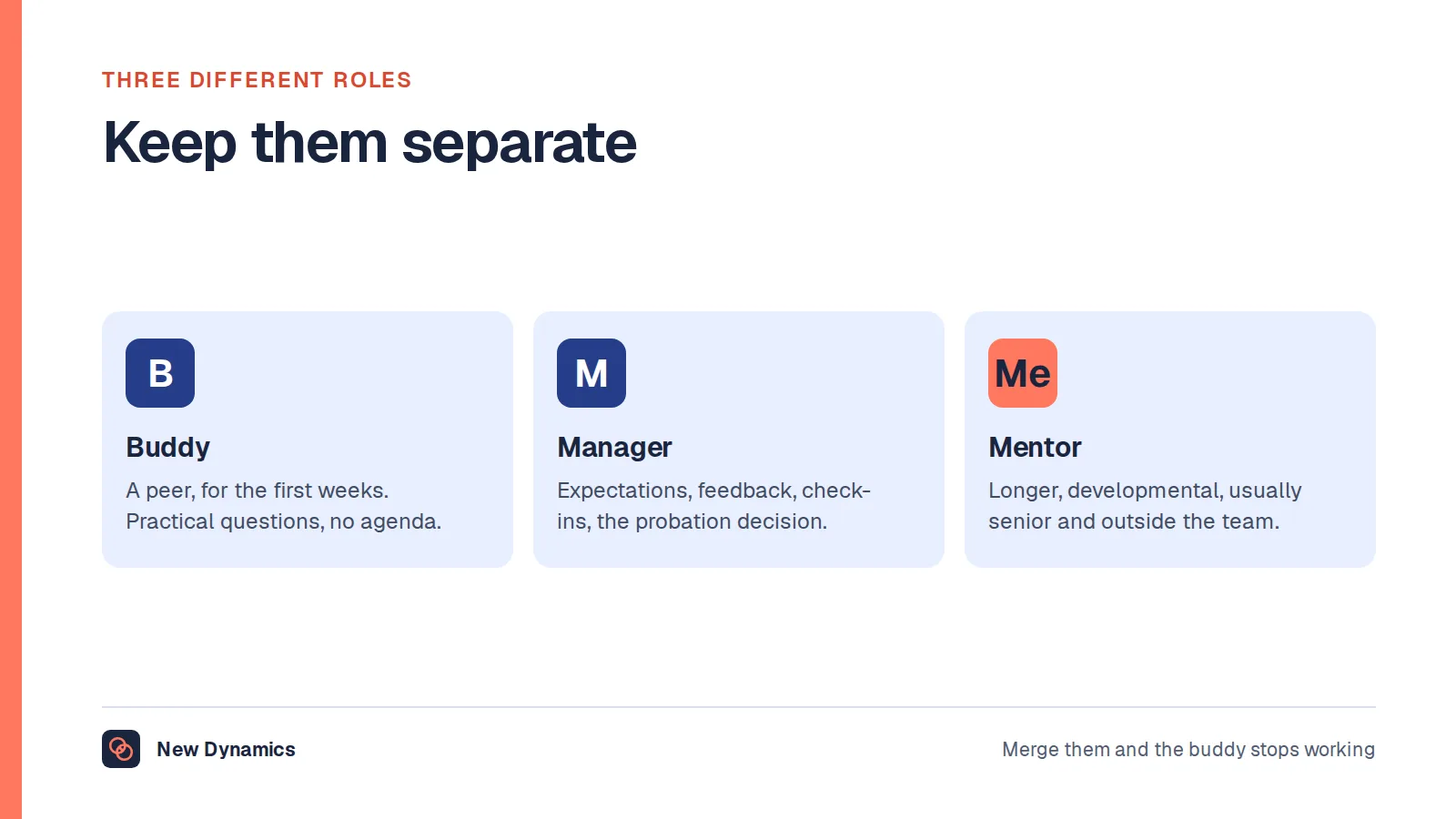
How to run an onboarding buddy scheme: the difference between a buddy, a manager and a mentor, a selection test, a week-by-week scope, the honest time cost and four things never to ask a buddy to do.
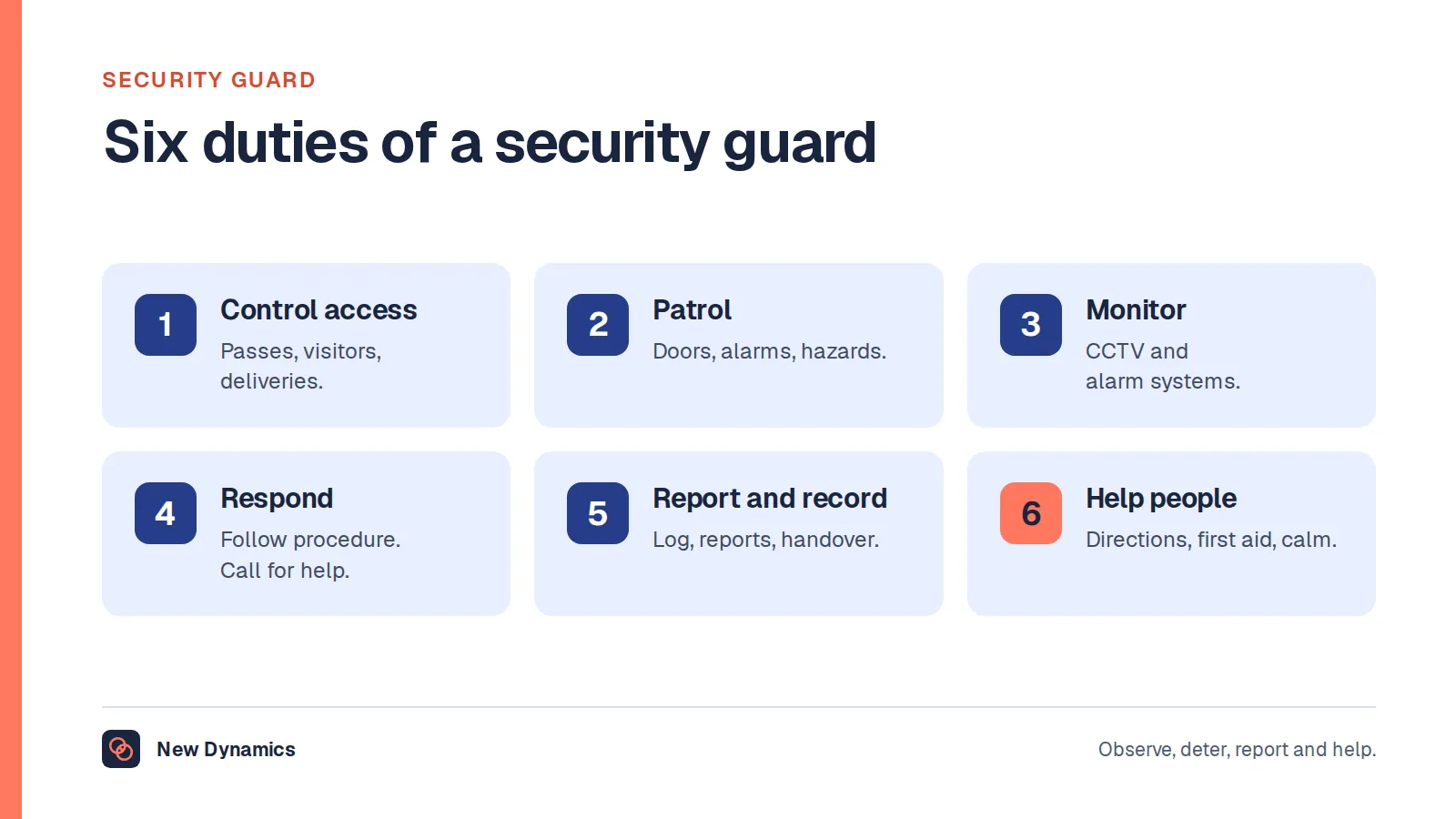
What a security guard or security officer does: six main duties, five skills, when a UK SIA licence is needed, a template, CV wording and eight interview questions.
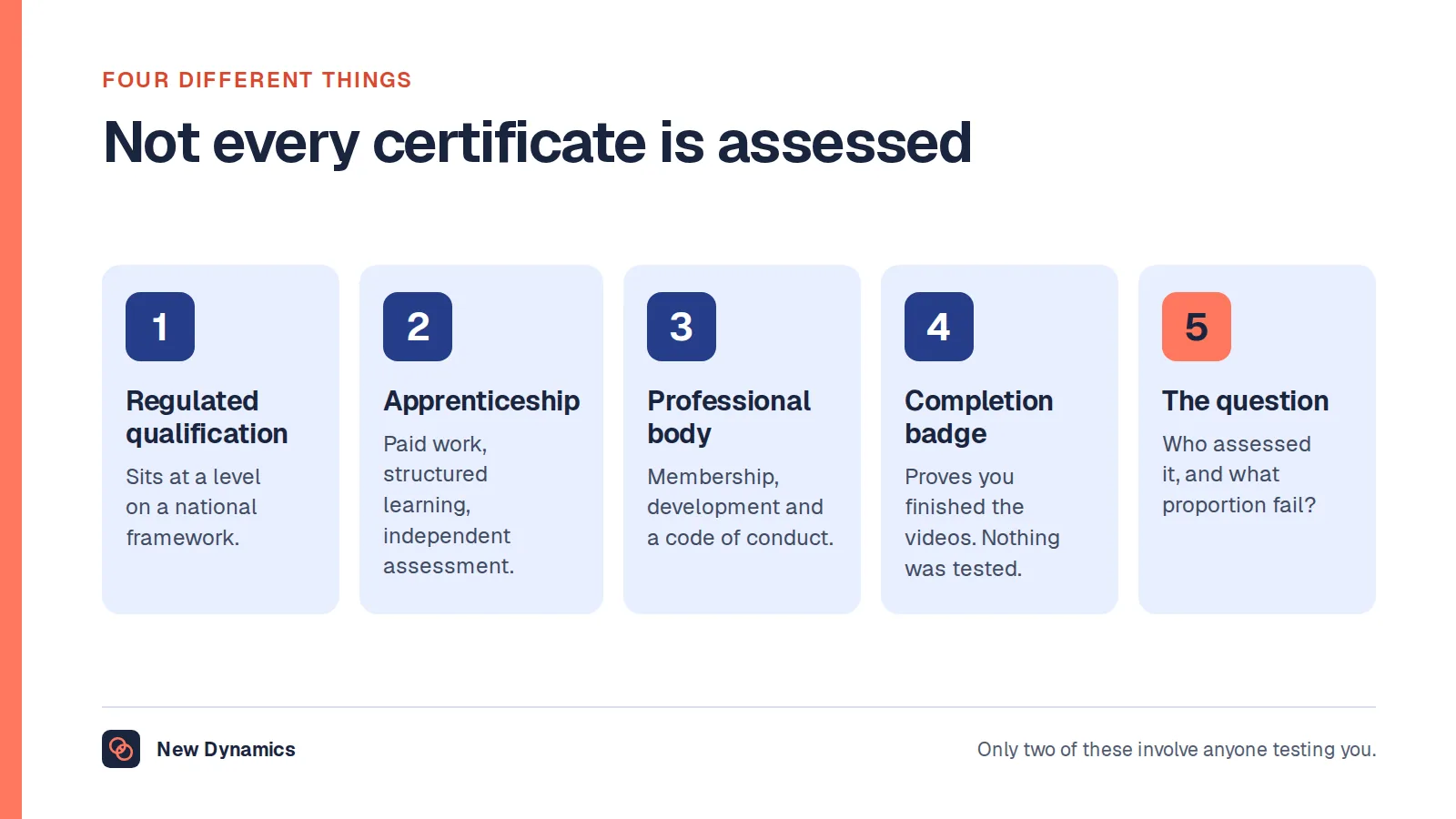
An honest look at talent acquisition certification: the four kinds of credential, what hiring managers actually check, how to judge a programme by its assessment, the UK apprenticeship route, and what to build instead if you only have a few weeks.
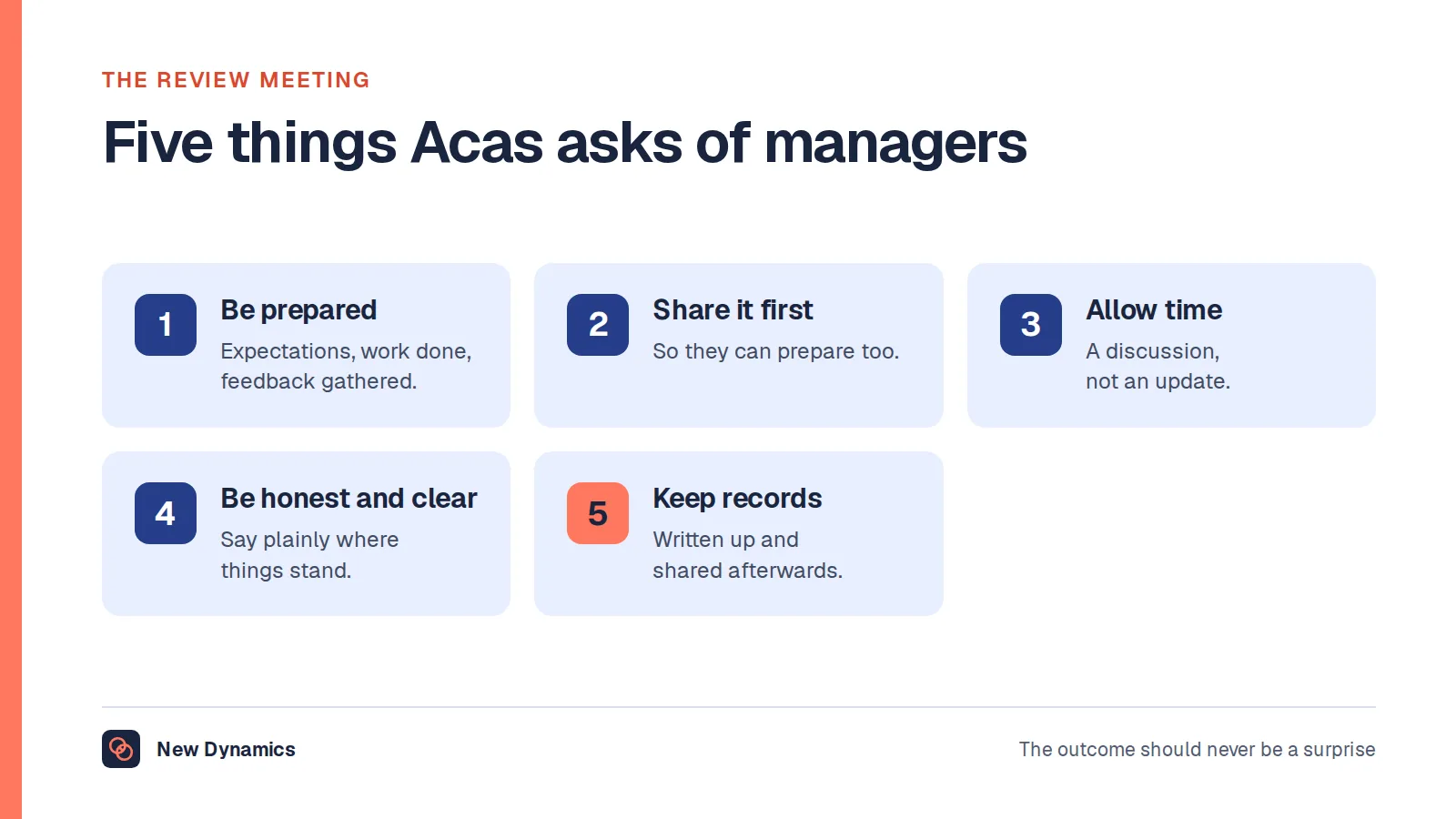
How to run a probation review meeting, what an extension letter must contain and when it has to be sent, and what dismissing someone during probation actually requires.
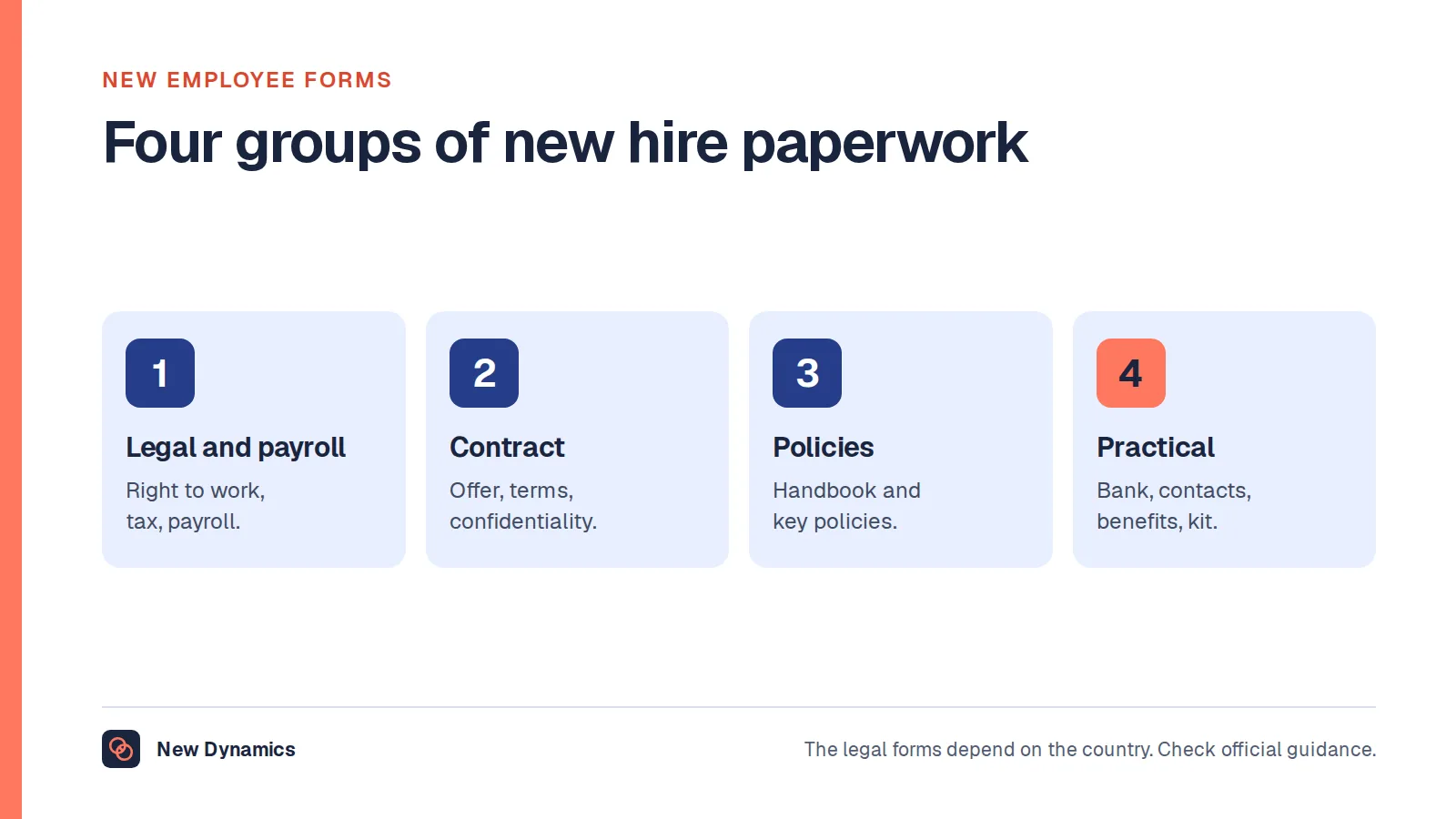
A plain checklist of new employee forms: what to collect before day one, on day one and in the first month, with UK and US examples, a free checklist and data protection tips.
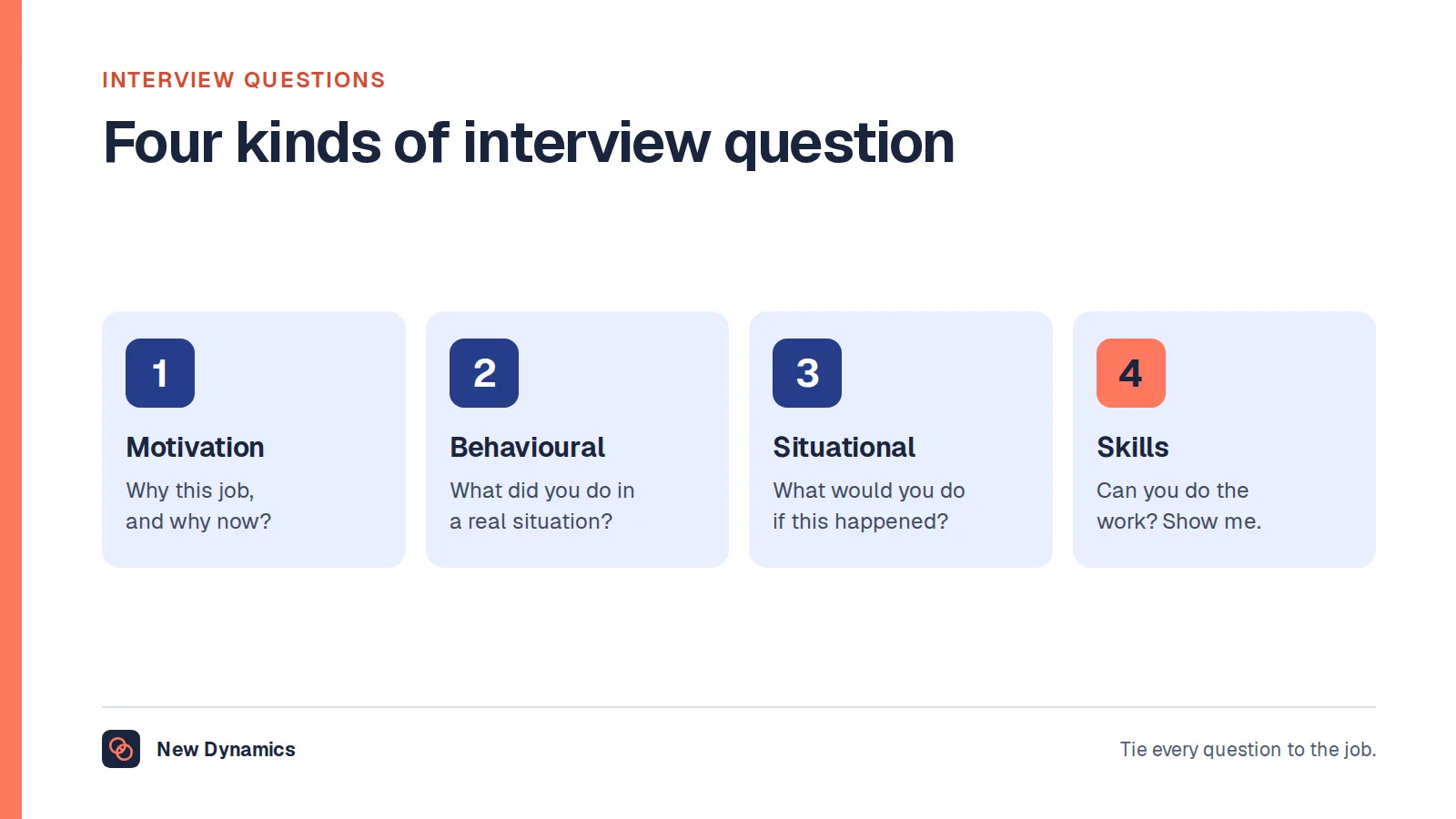
Use these 60 interview questions to ask candidates, grouped by what they reveal, with five tests of a good question, a six-stage interview plan and the questions you must not ask.
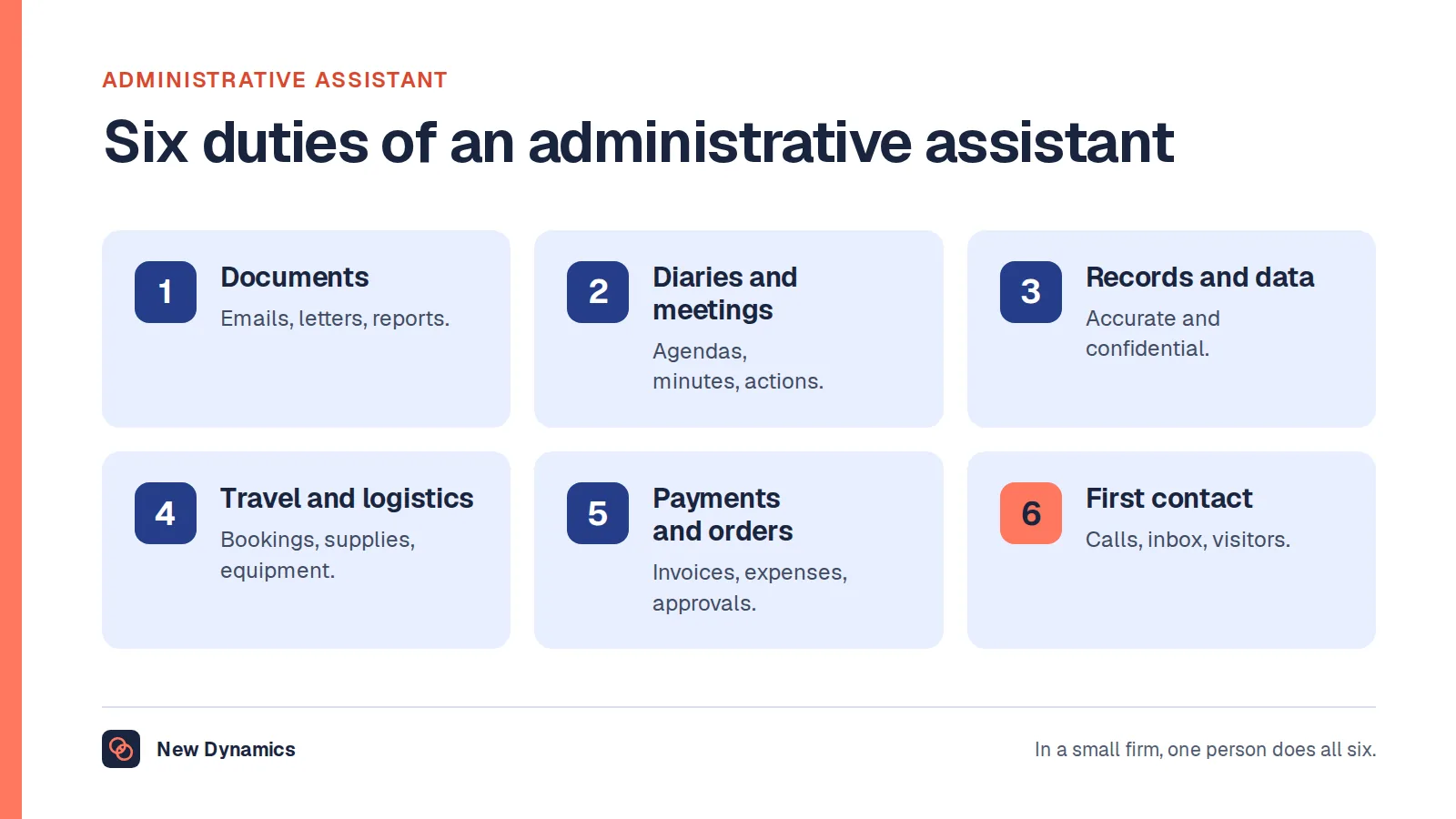
What an administrative assistant does: six main duties, five skills that matter, how the role differs from similar jobs, a job description template and tips for a CV.
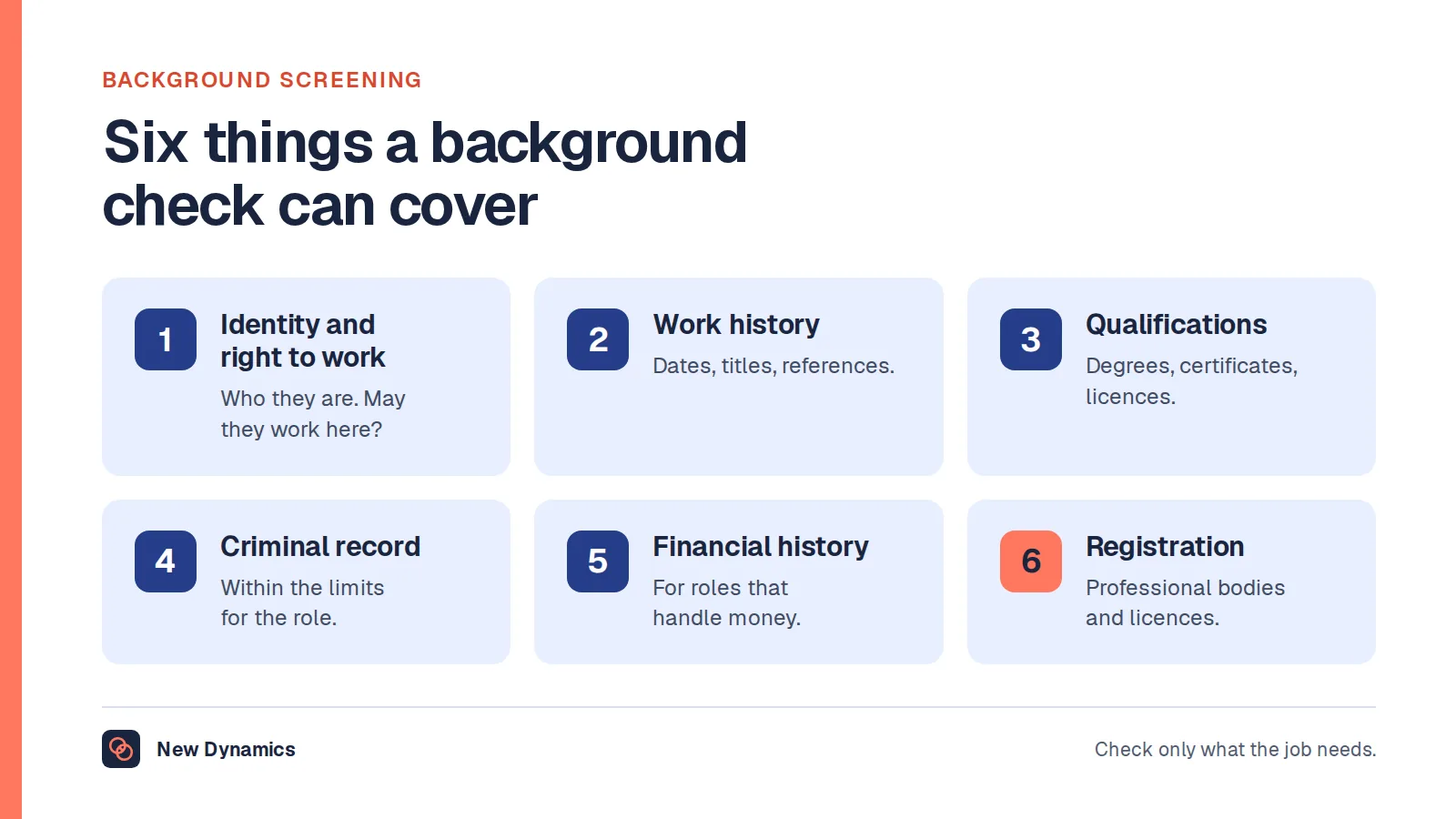
What background screening means, six things a background check can cover, the four DBS checks in England and Wales, the five US steps under the FCRA, and how to screen fairly.
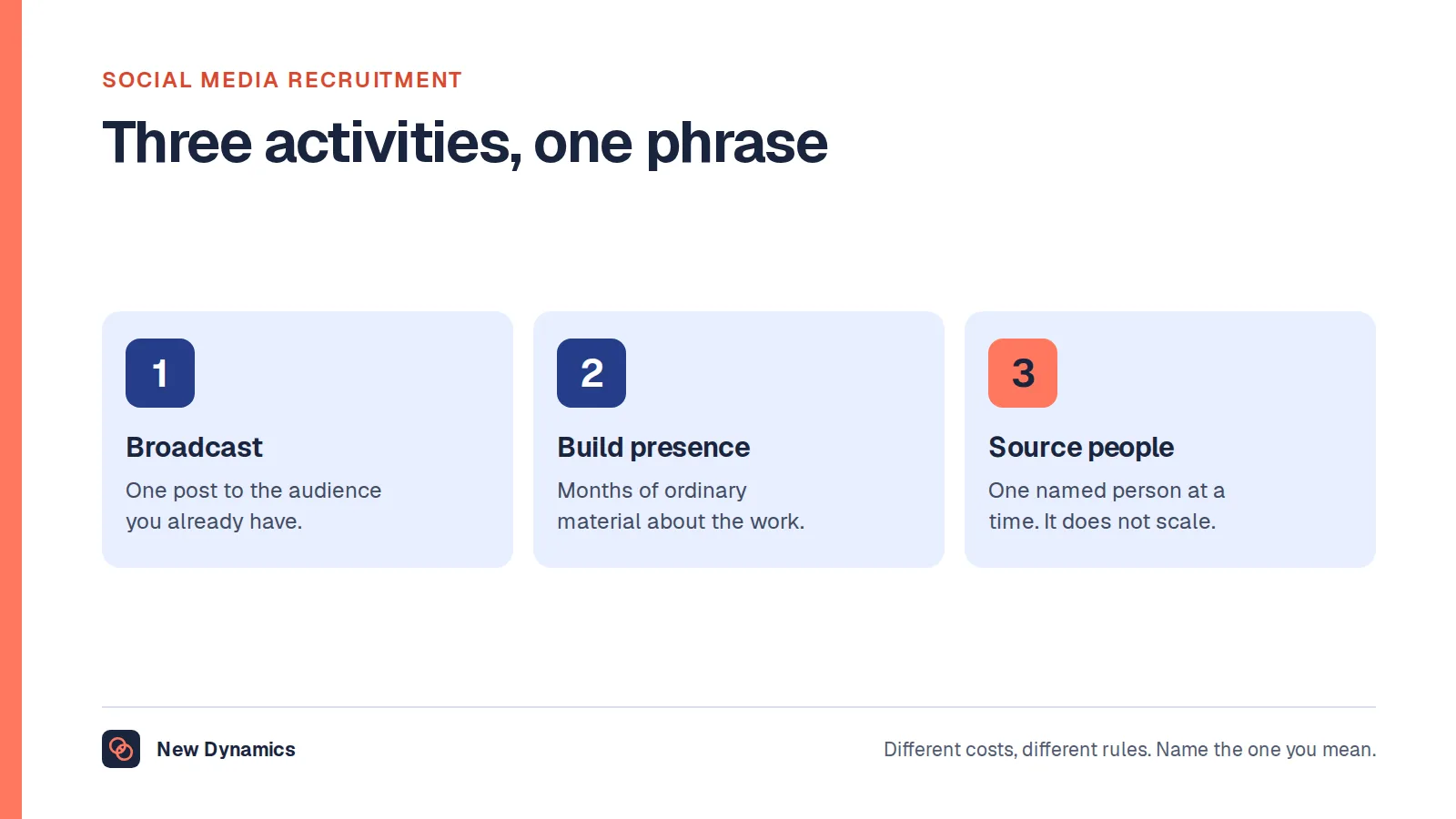
Social media recruitment as three separate activities with different costs: posting a vacancy, building an employer presence and sourcing individuals. Plus the two parts most writing skips, screening candidates' profiles under ICO guidance and discrimination risk in targeted job adverts.