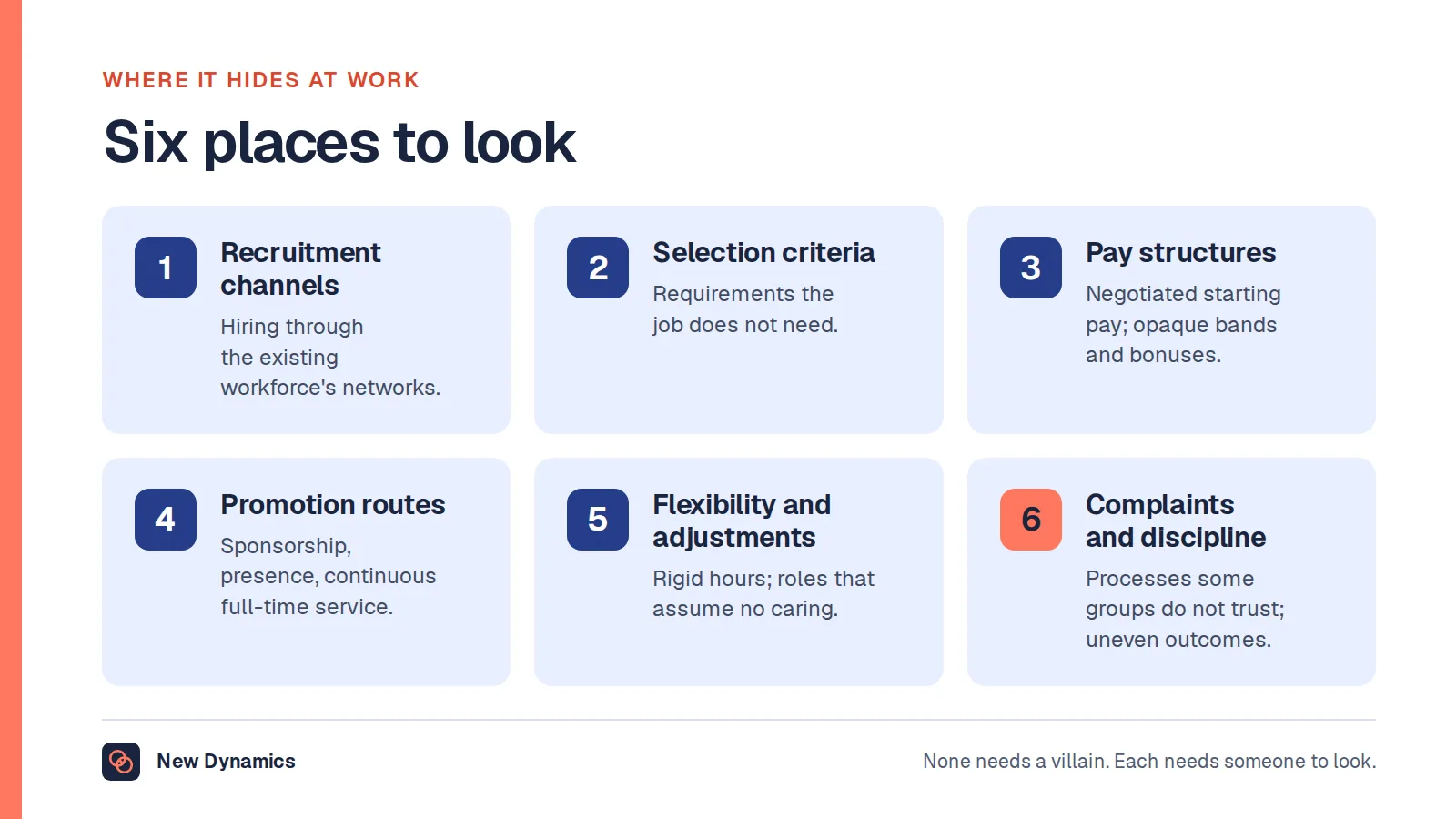
What systemic discrimination means, how it differs from individual bias and direct discrimination, the legal concepts it maps to in the UK and US, six places it hides at work and a five-step audit.
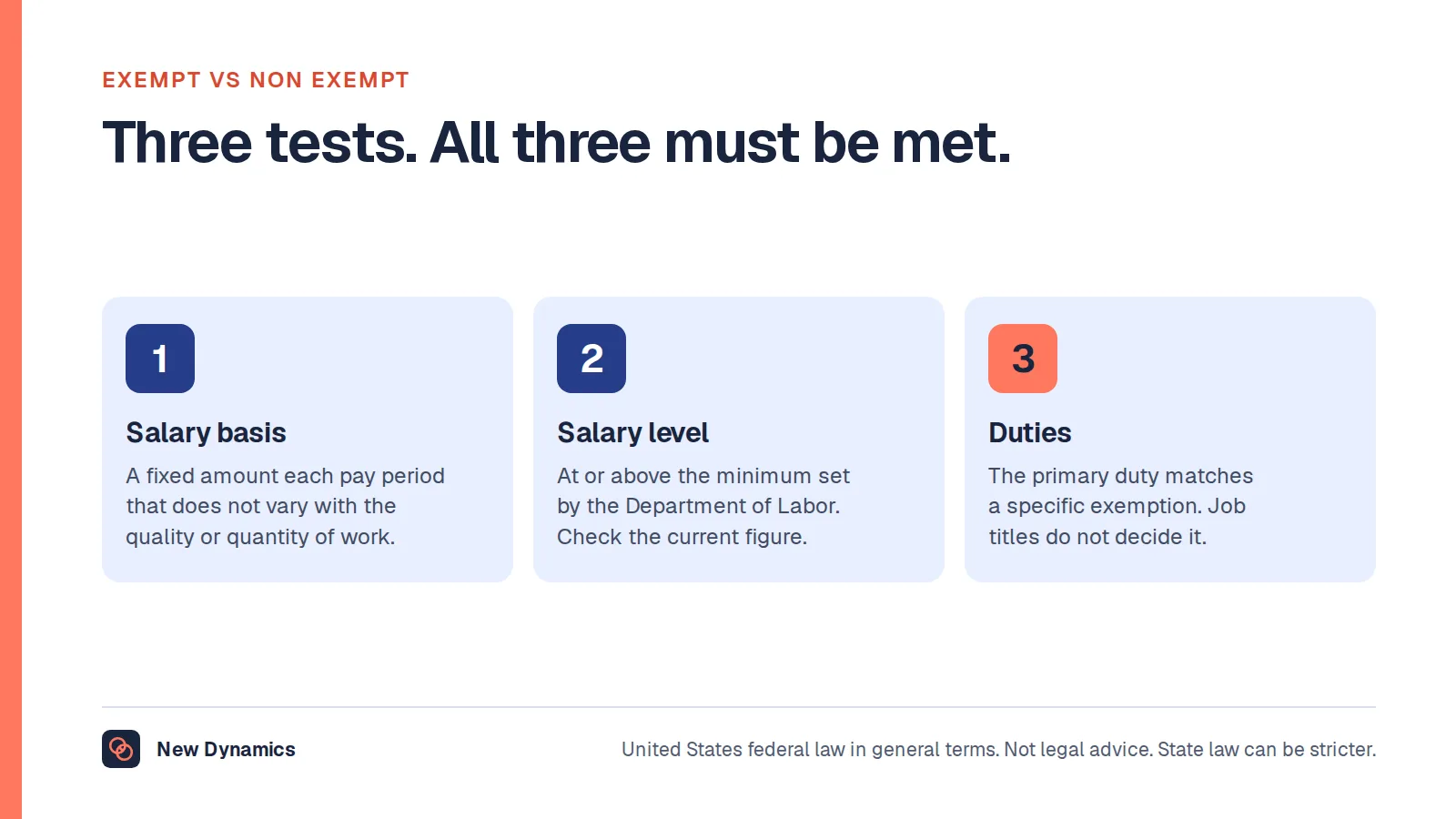
Exempt vs non-exempt explained in plain English: the three FLSA tests, who gets overtime, common mistakes and what it means for managers. Check your roles.
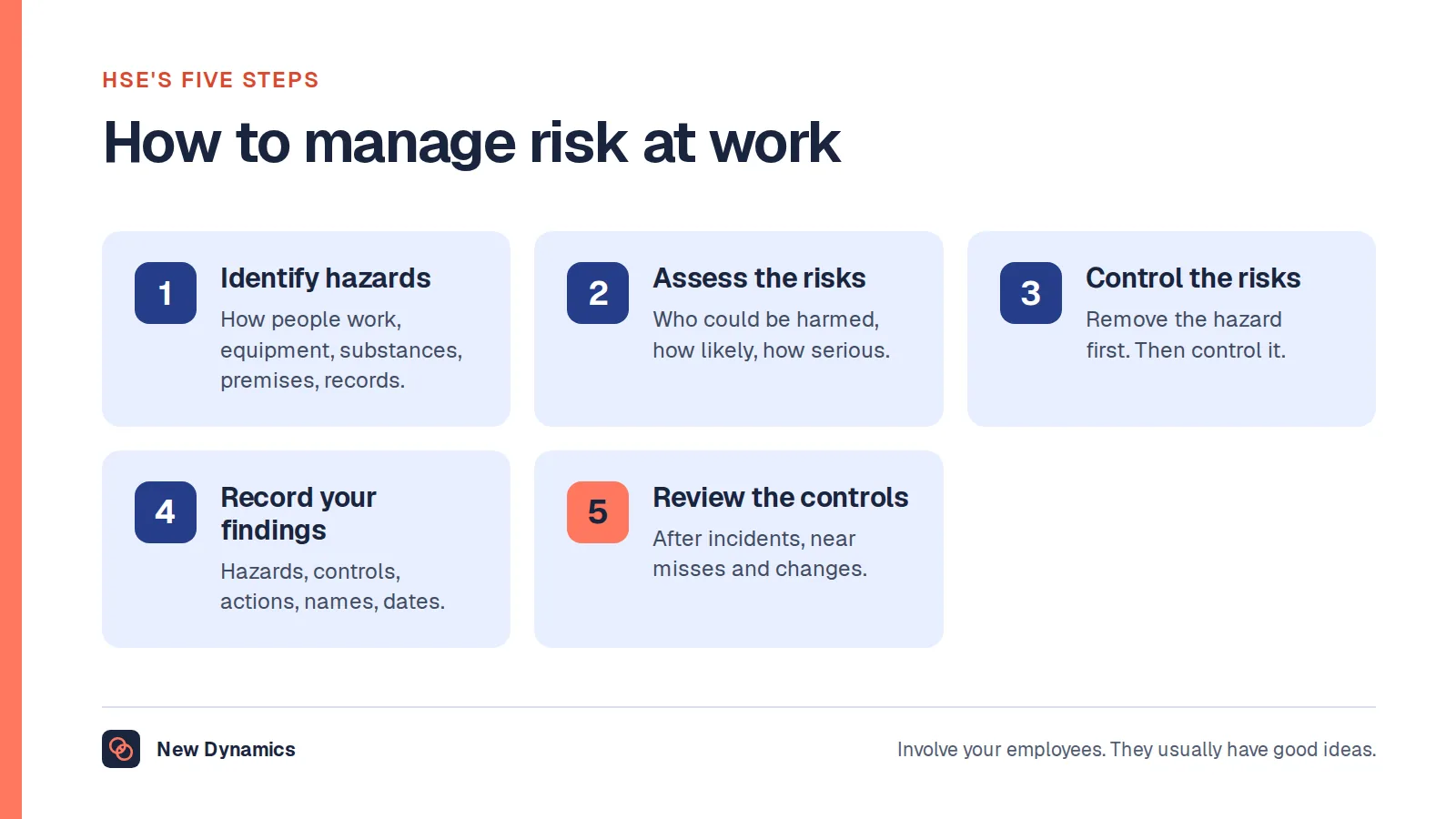
Fifteen health and safety tips for the workplace, grouped for managers and for employees, built on the five steps of risk management and the common workplace risks the UK regulator lists, with the legal minimum employers must meet.
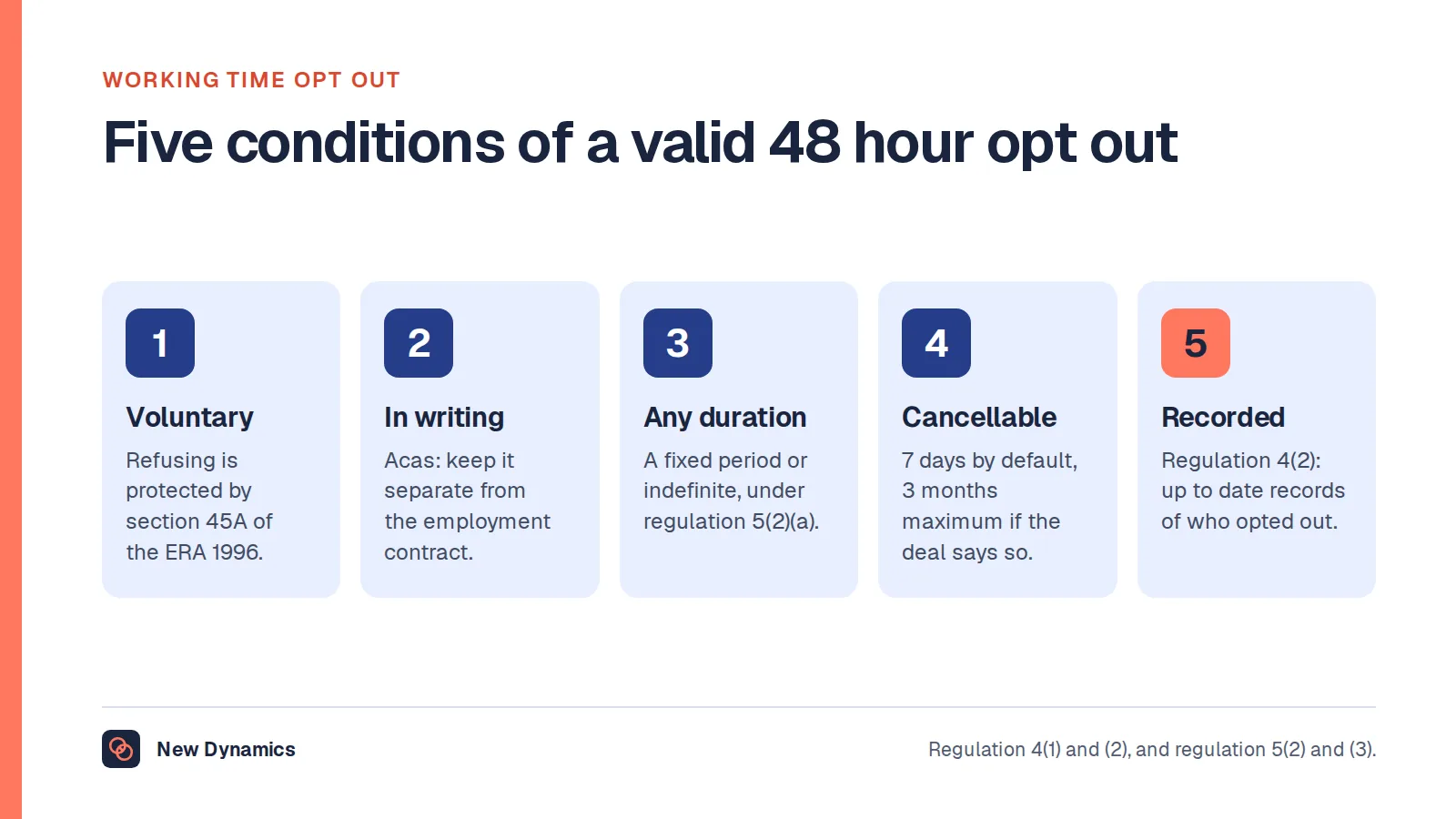
The working time opt out explained from the regulation text: where the agreement requirement now sits after the 1999 amendment, the 17 week reference period, the seven day withdrawal notice, who cannot opt out, the night work limit and free health assessment, and what on call and travel time count as.
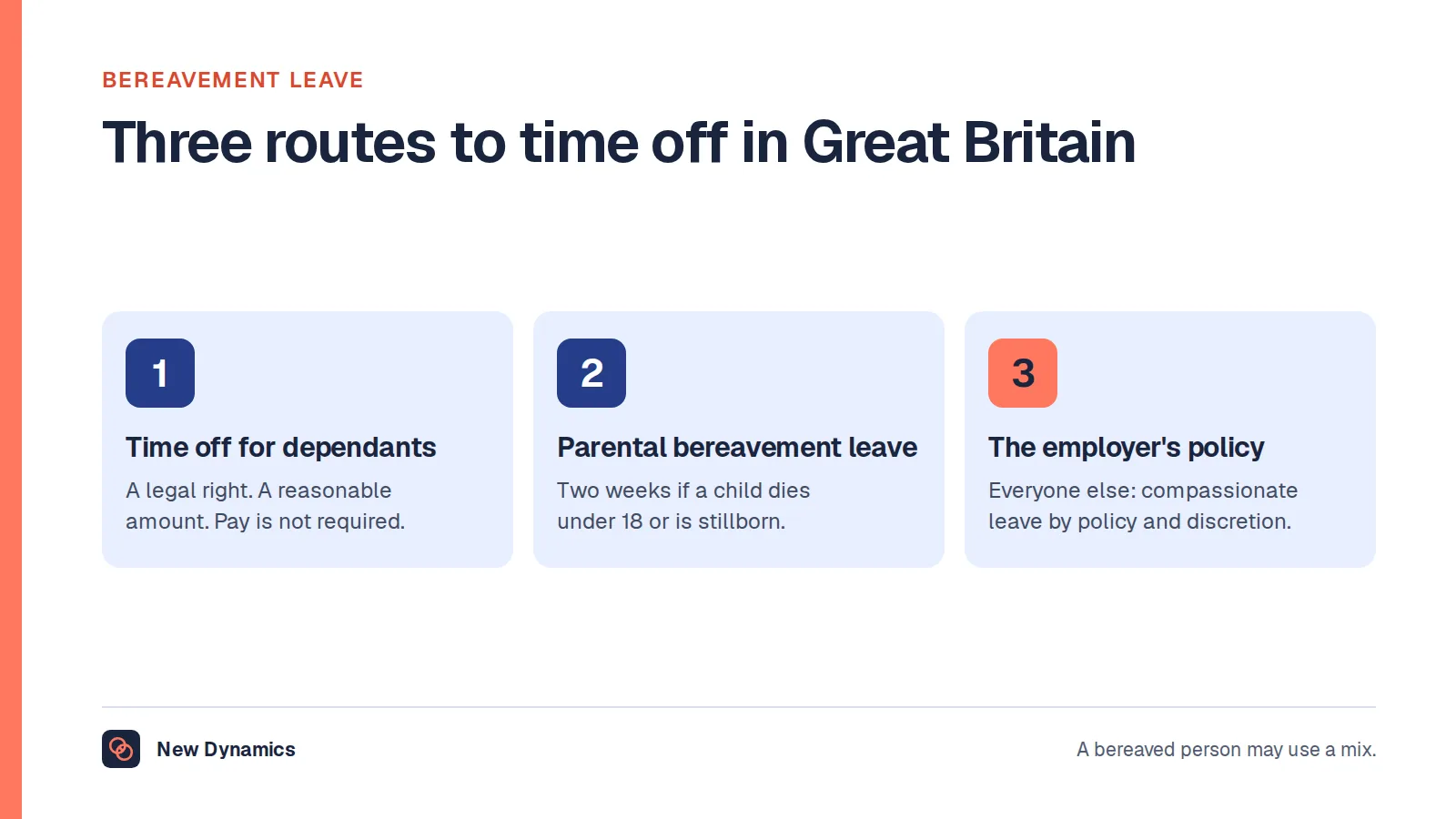
What bereavement leave means, three routes to time off in the UK, what Acas advises managers to say, six parts of a bereavement policy and the mistakes to avoid.
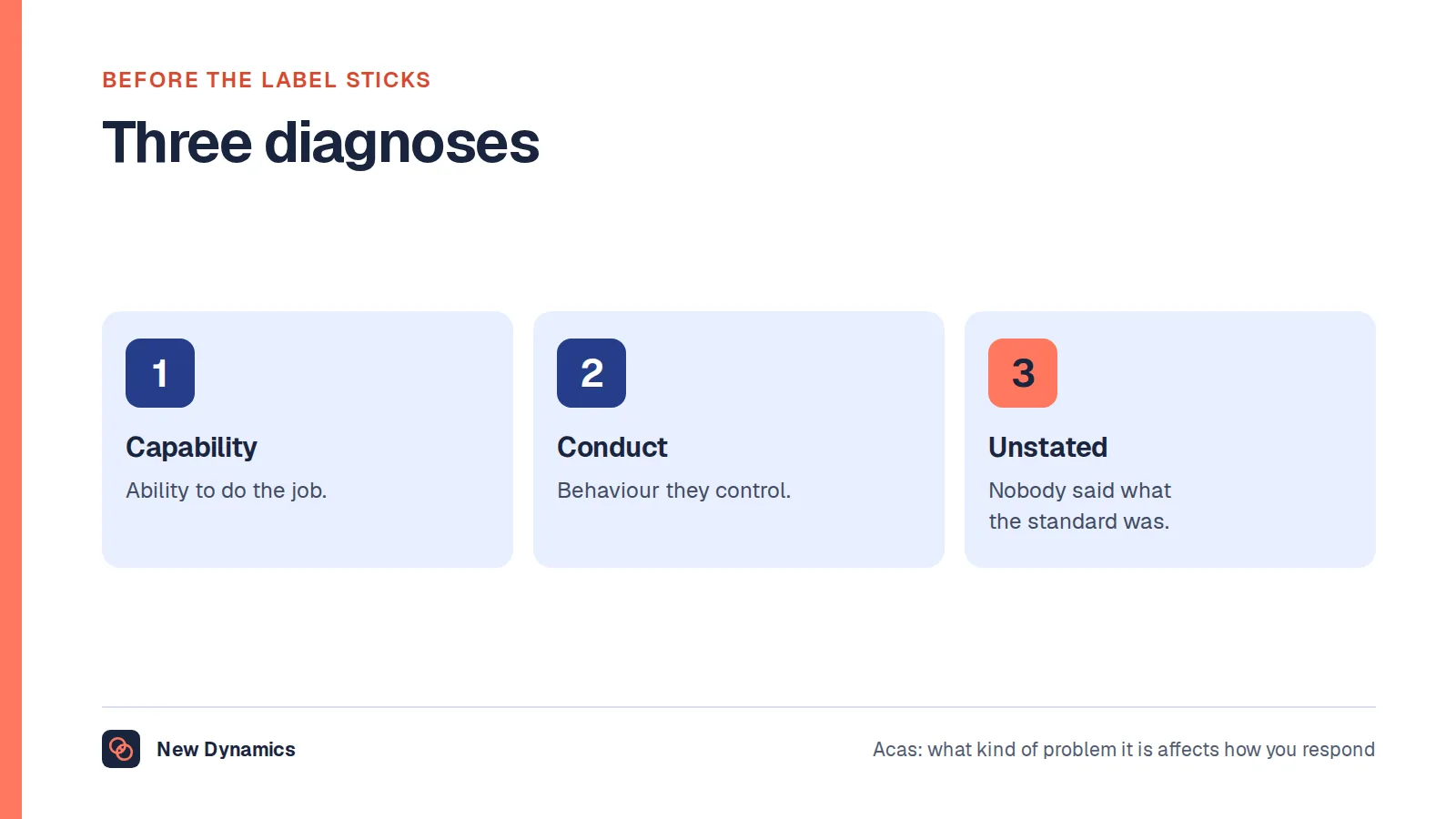
How to handle a difficult employee: the capability and conduct split, the overlap that requires adjustments before discipline, the informal conversation and what a PIP must contain.
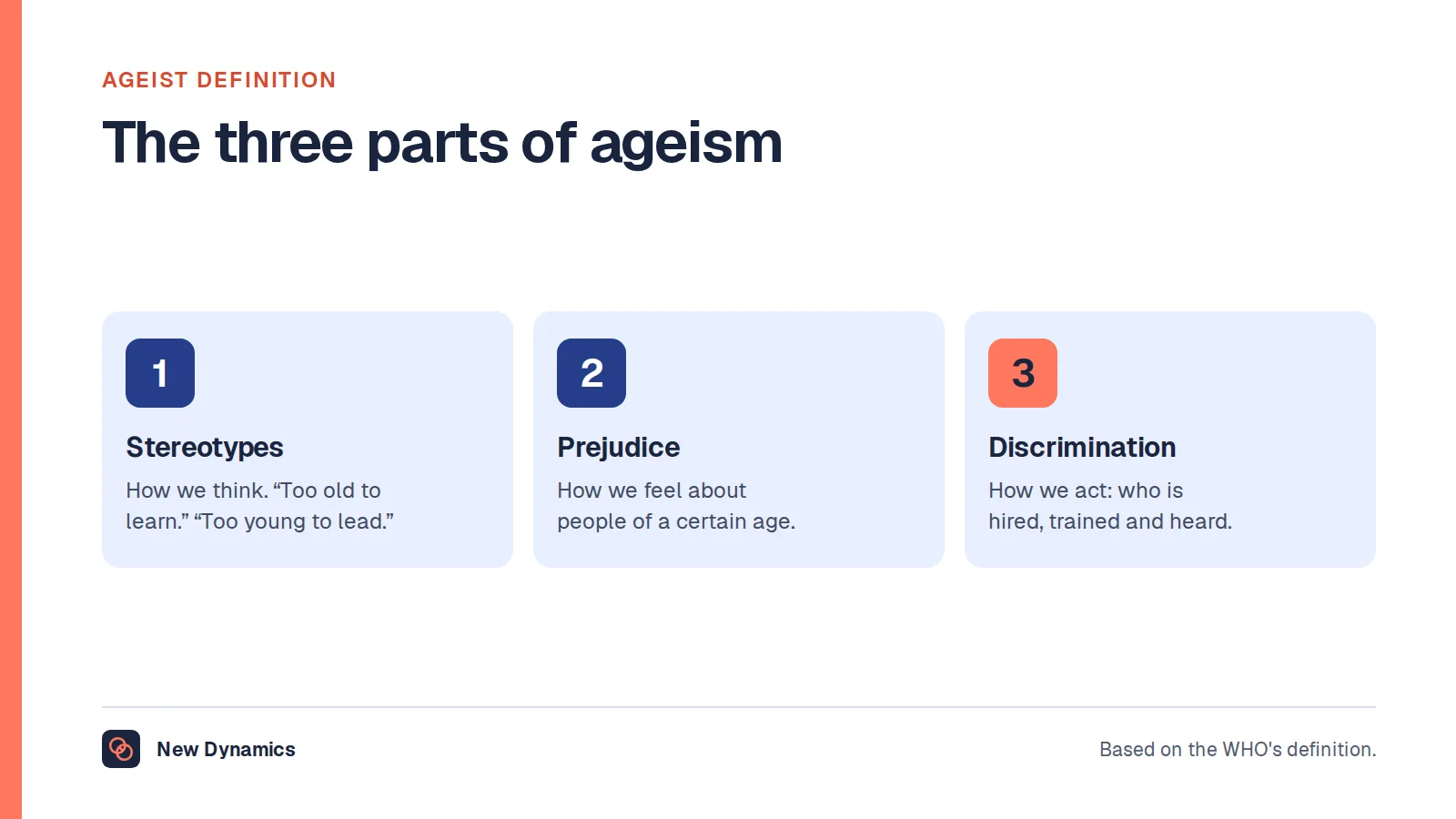
What ageist and ageism mean, the three parts of ageism, the four types of age discrimination with Acas's examples, UK and US law in outline, and five ways to prevent it at work.
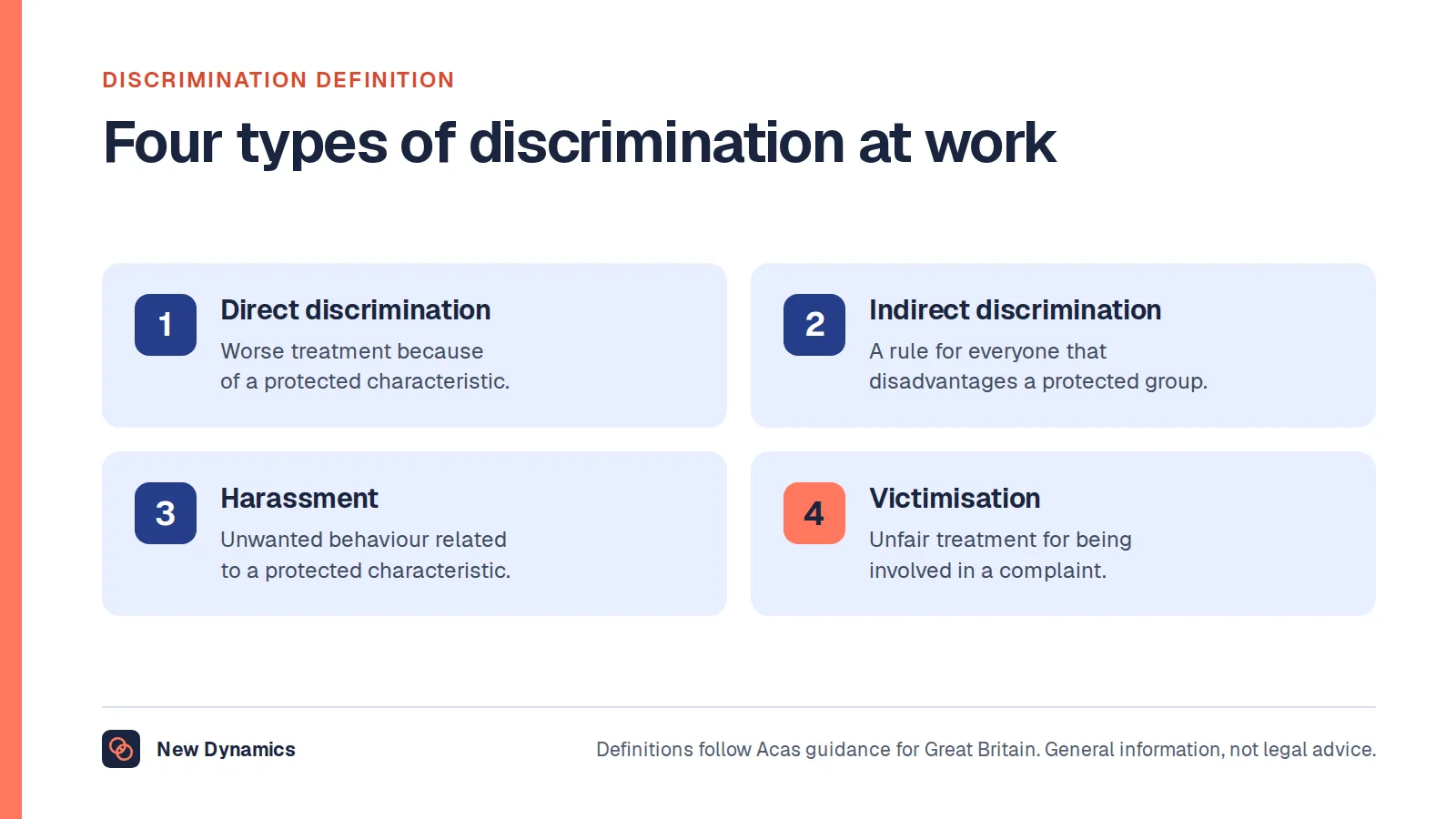
A simple discrimination definition for the workplace: the four main types, who is protected in the UK and US, and where it hides in reviews. Check your process.
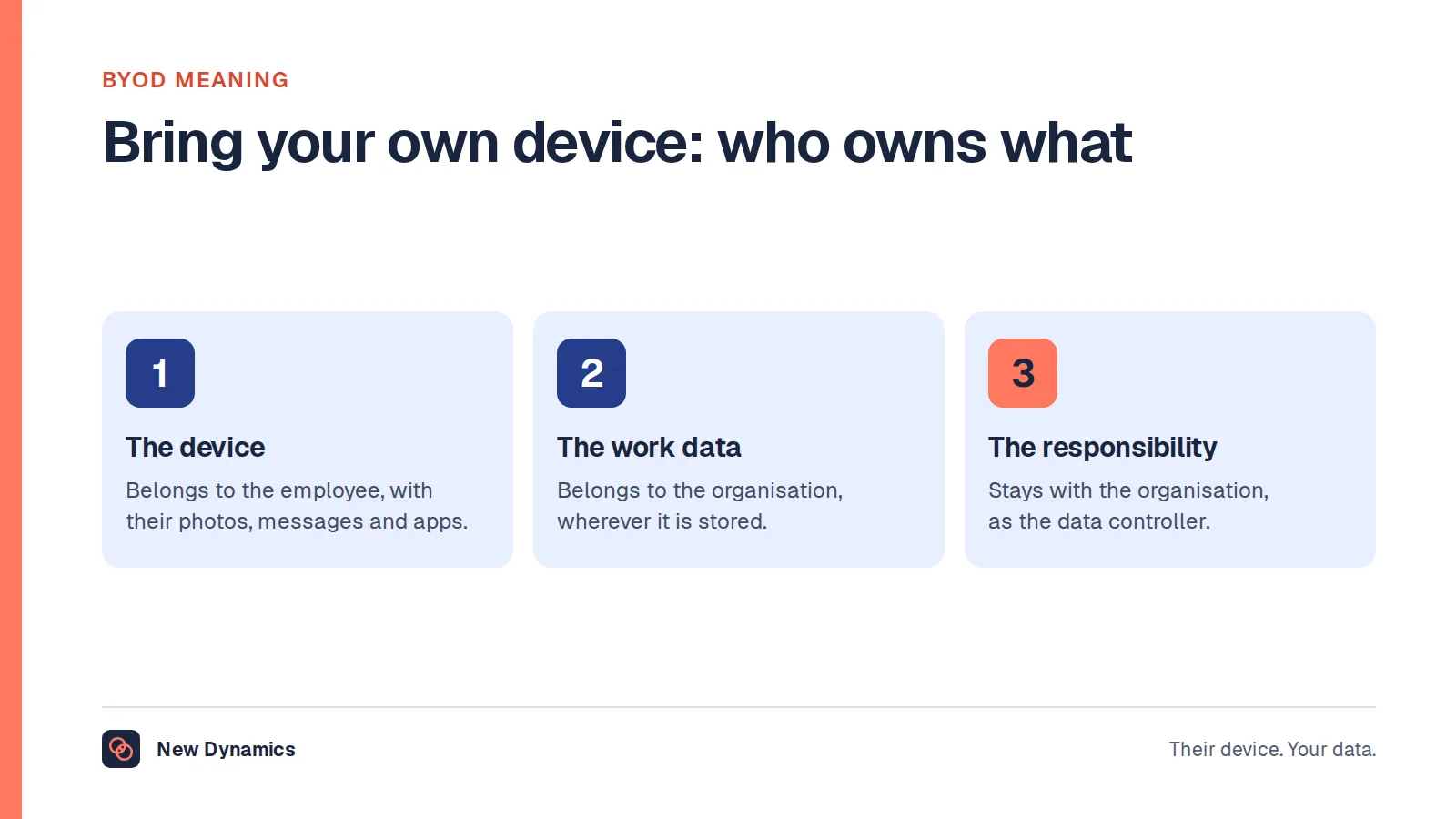
What BYOD stands for, why employers allow it, the risks, five ways to set it up, what a BYOD policy should cover and the questions employees should ask first.
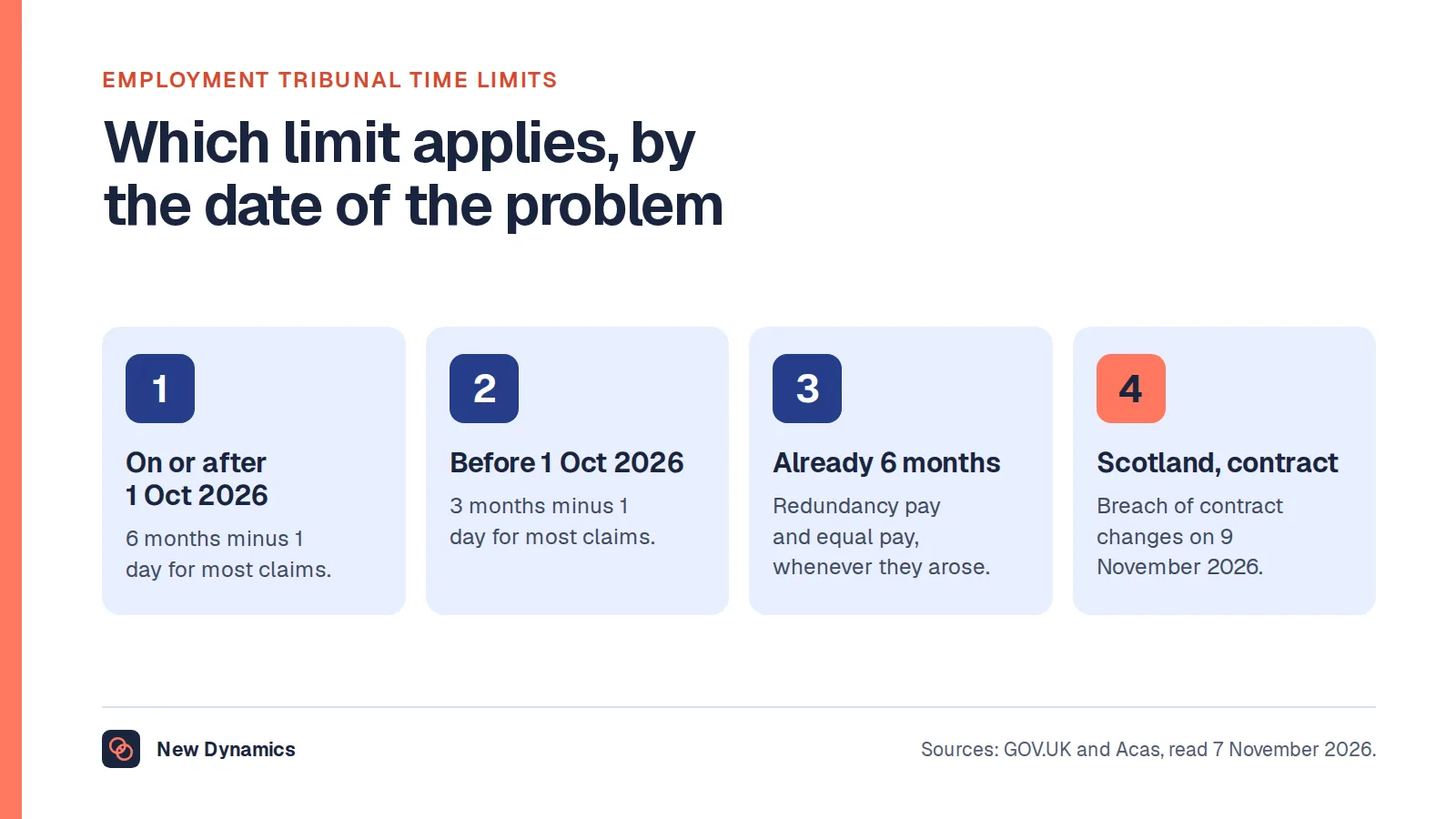
The employment tribunal time limits in force now, quoted from the Employment Rights Act 1996 and the commencement regulations: six months for most claims where the problem happened on or after 1 October 2026, three months before it, how notifying Acas stops the clock, and where two official pages still disagree.
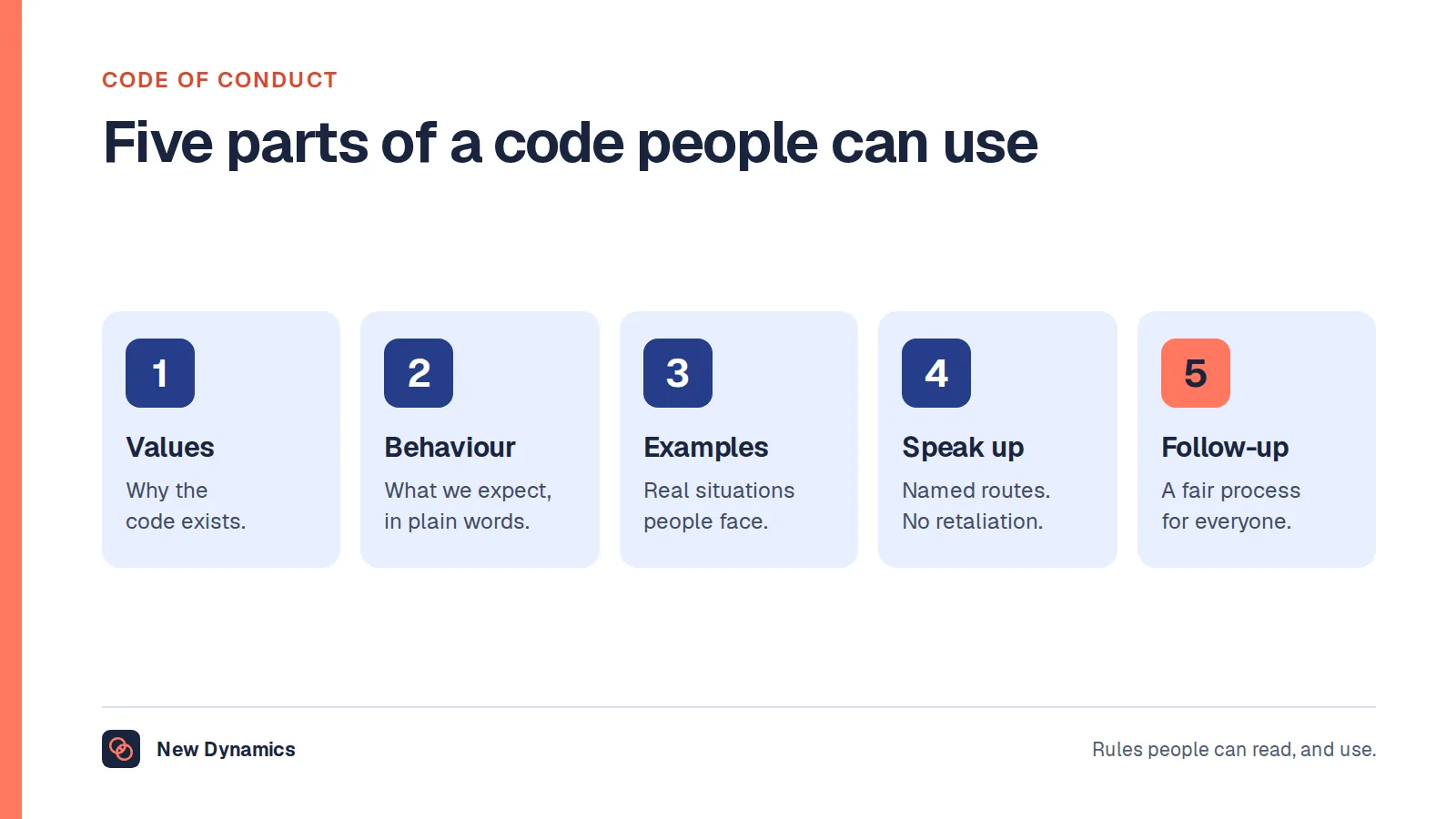
What a code of conduct is, the sections to include, code of conduct examples written in plain language, a short sample and how to make the rules real at work.
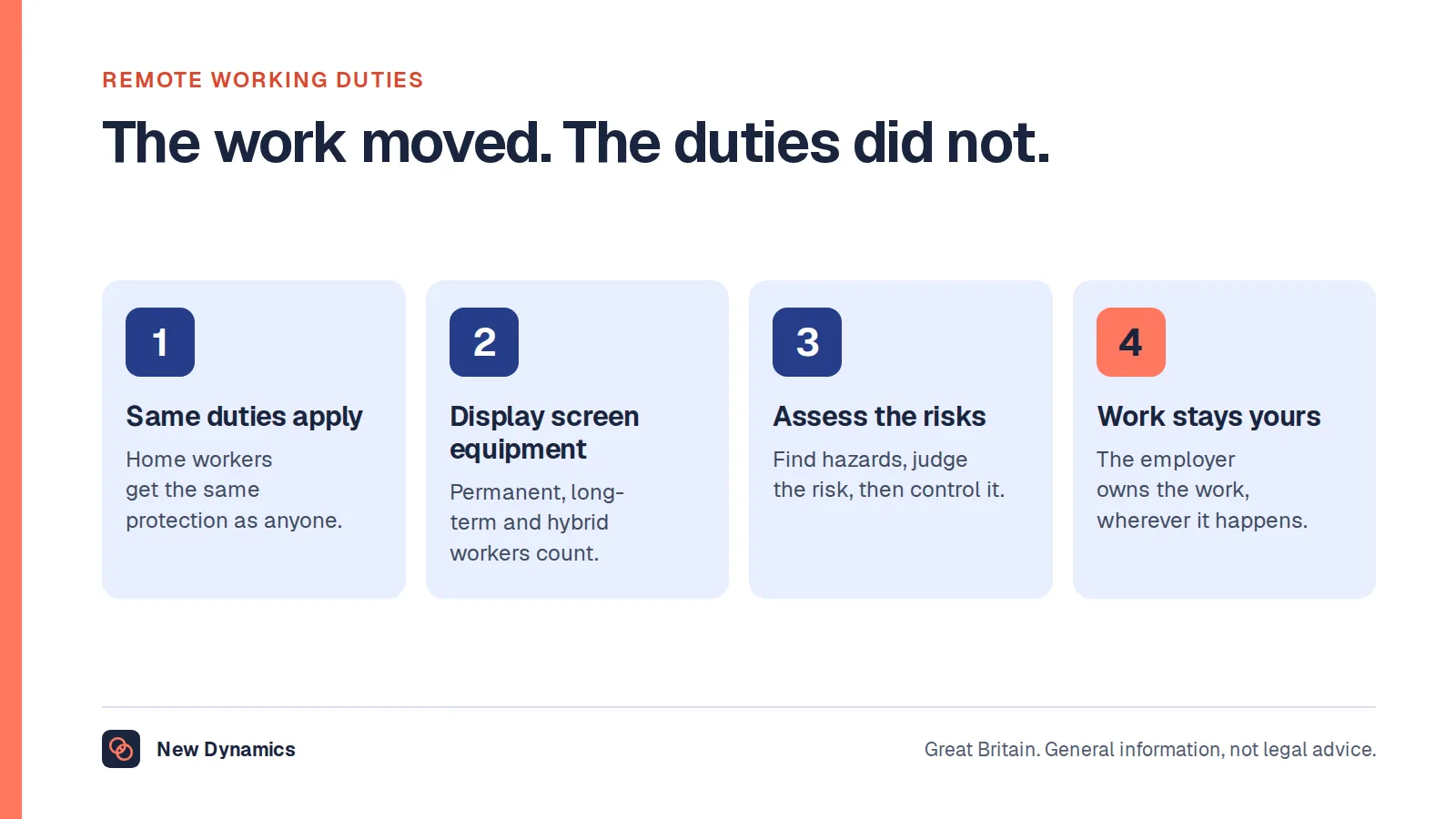
How an employer actually makes remote and hybrid working work: the health and safety duties that follow people home, display screen equipment, the flexible working route, equipment and expenses, managing output rather than presence, and return to office mandates.
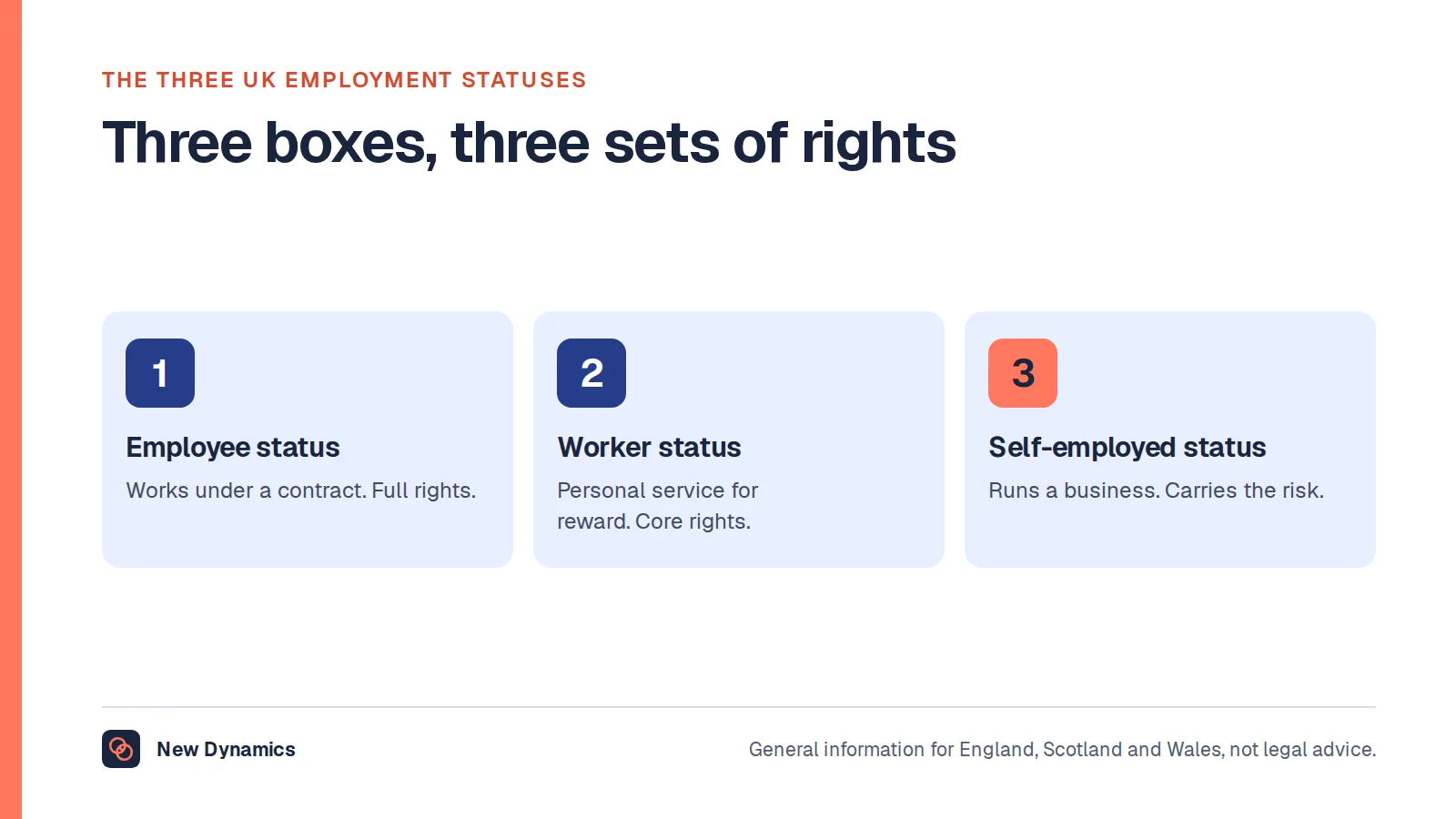
Employee, worker or self-employed: what each status means, which rights workers get and which they do not, the tests courts and HMRC apply, and why the reality of the working relationship beats the wording in the contract.
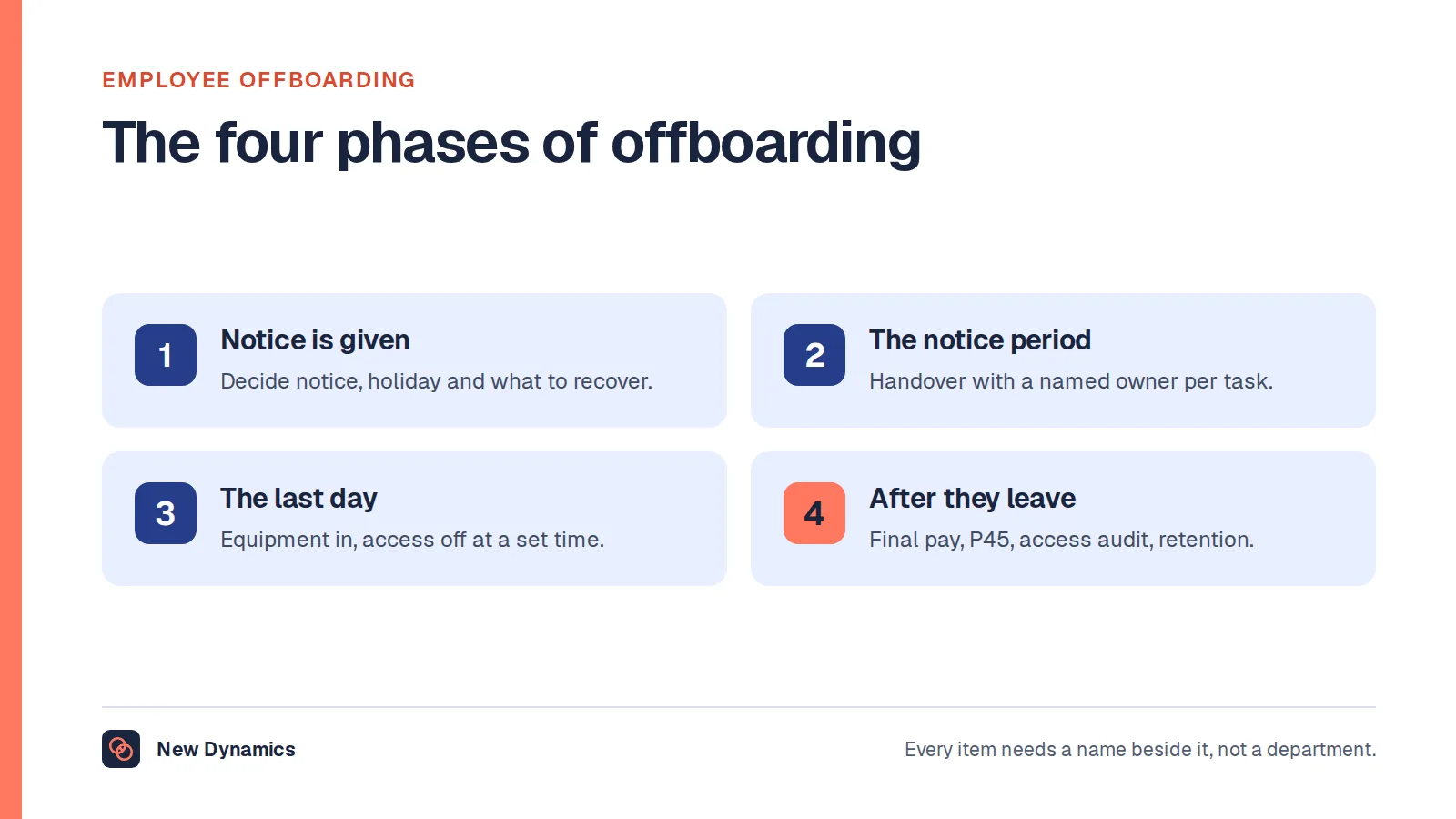
What offboarding means, why it is the most neglected process in HR, and a full four-phase employee offboarding checklist with an owner against every line, plus the UK duties on final pay, notice, references and access.
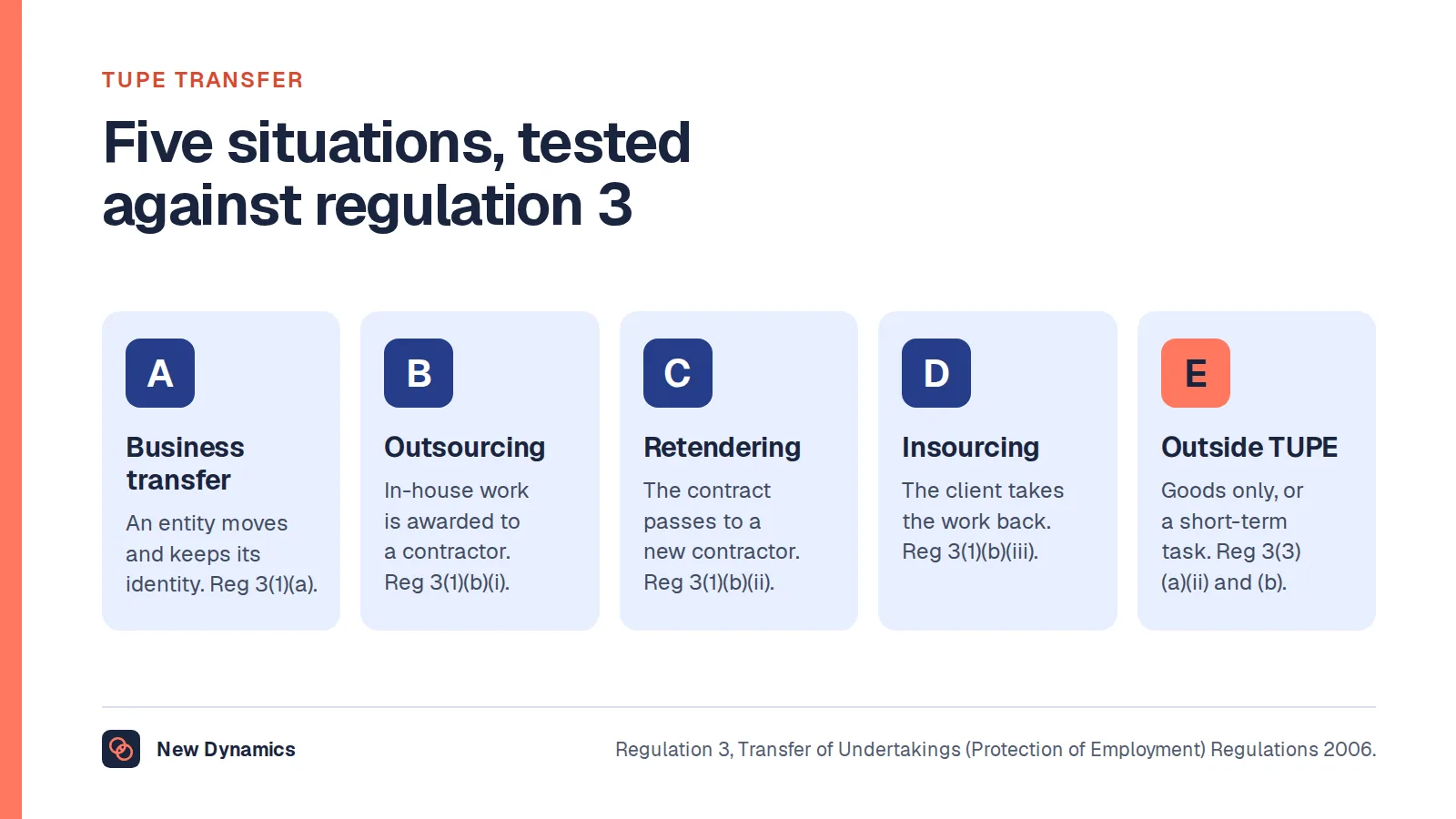
What a TUPE transfer is under the 2006 regulations, the two routes in, what transfers, when terms can be changed, the 28 day employee liability information deadline, the duty to inform and consult, and what a failure costs.
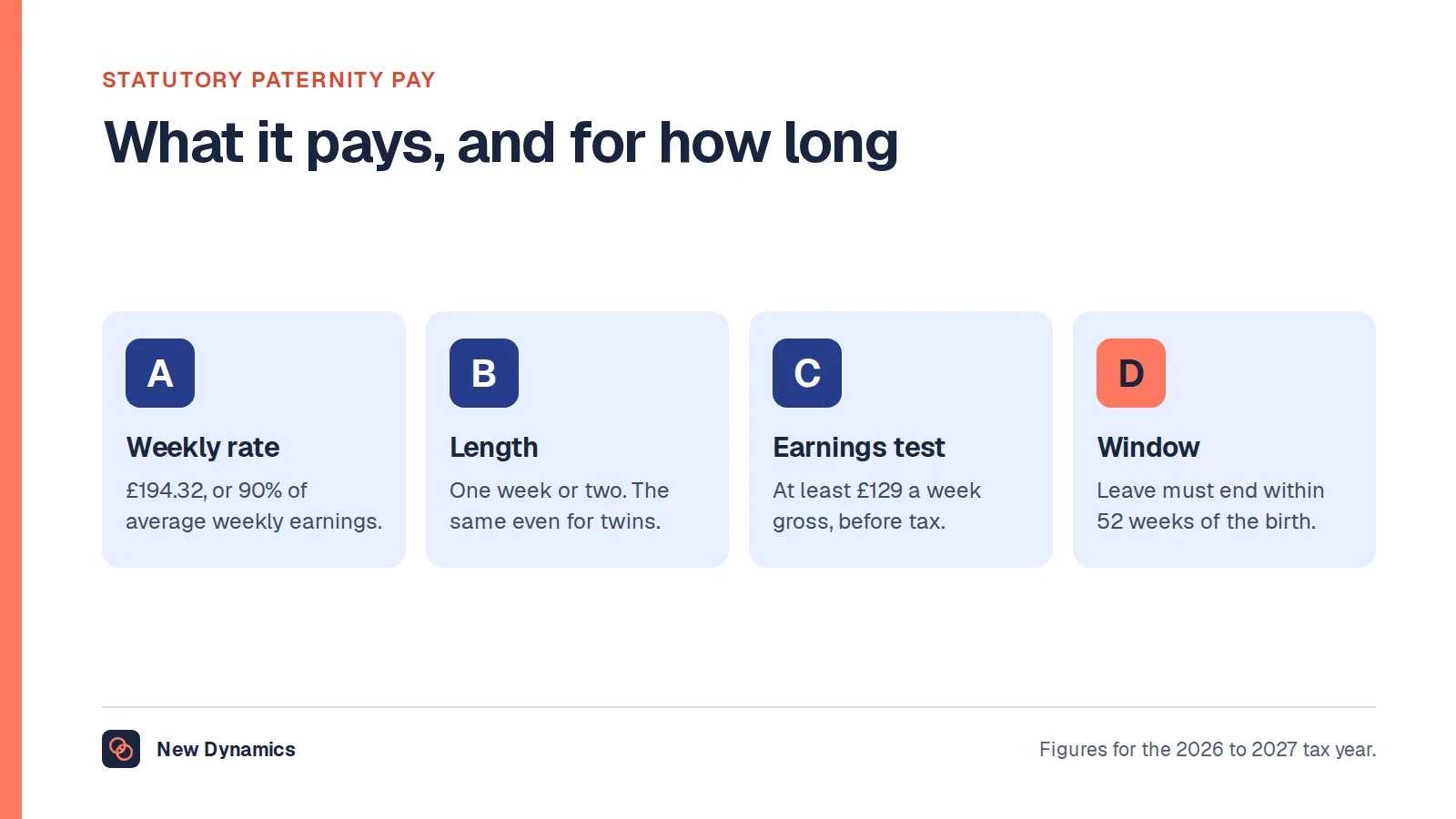
What statutory paternity pay is worth in the 2026 to 2027 tax year, how long paternity leave lasts and whether it can be split, the 15 week and 28 day notice deadlines, and why leave became a day one right in April 2026 while the pay did not.
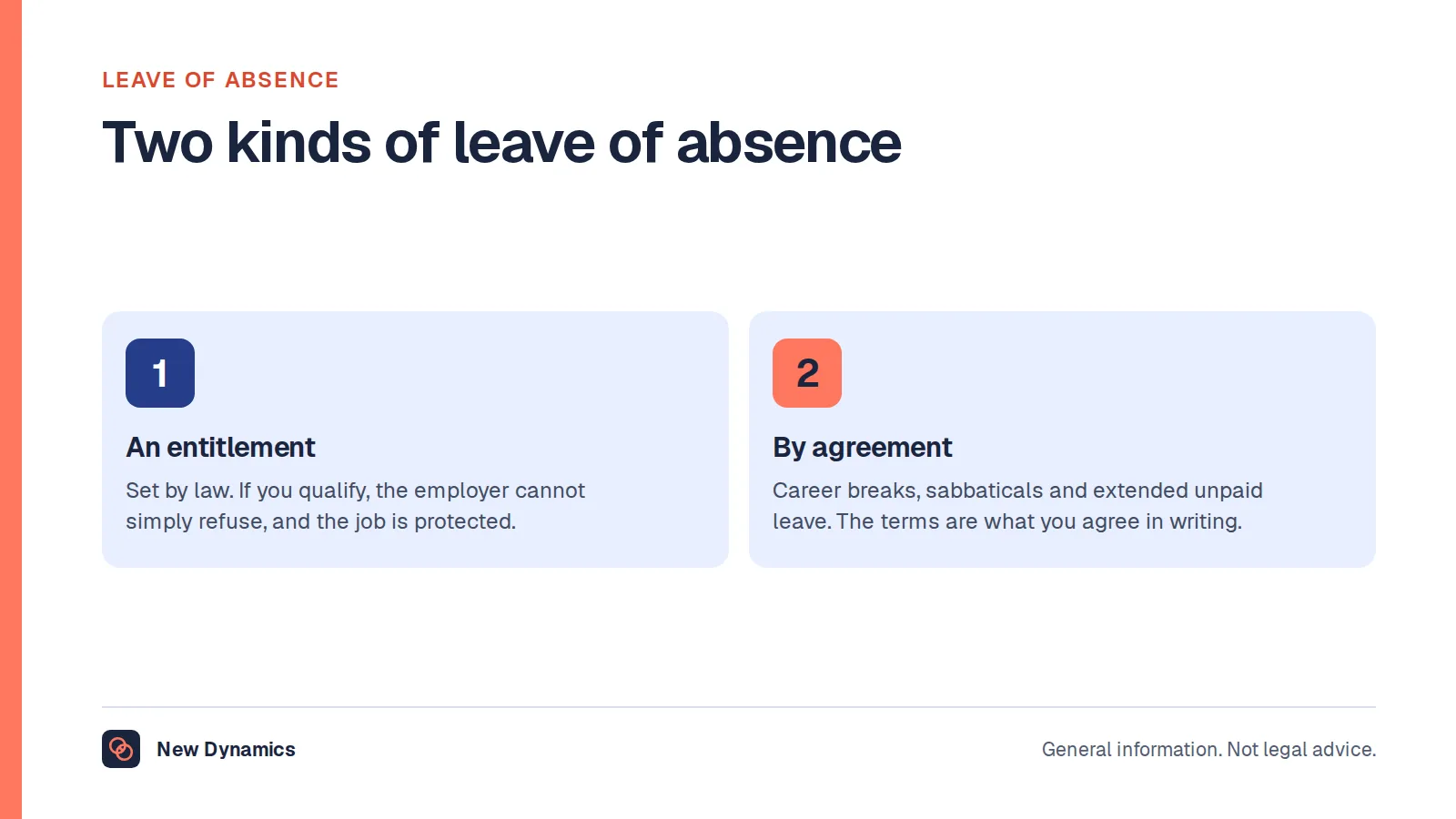
What a leave of absence is, the difference between leave you are entitled to and leave your employer may grant, UK and US rules in outline, and five things to agree in writing.
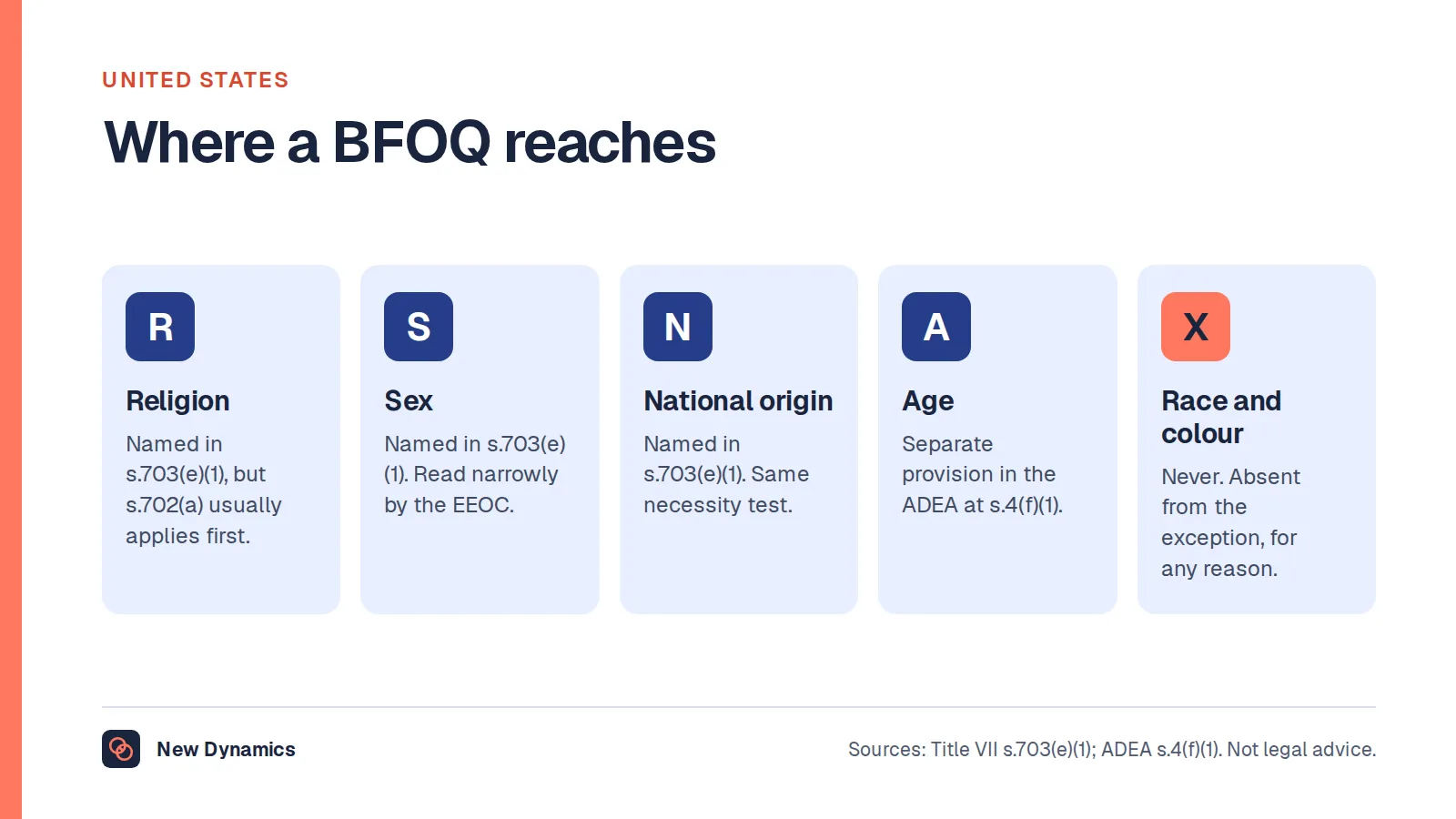
A BFOQ example that holds, and the arguments that fail. The statutory wording of the Title VII exception, why race can never be a BFOQ, the ADEA parallel and the UK occupational requirement under Schedule 9.
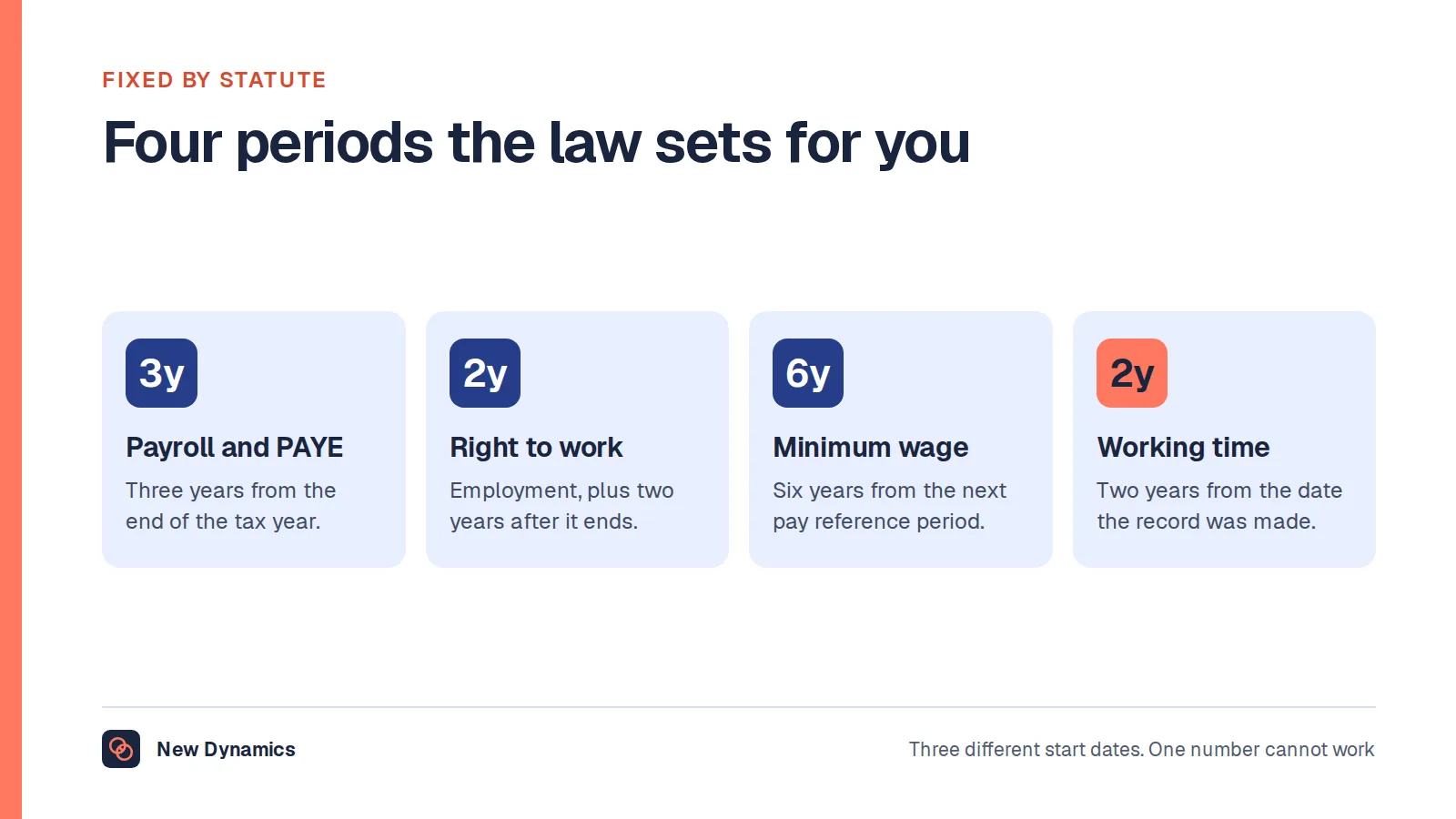
UK law sets no single retention period for employee records. See what is fixed by statute, what is a judgement call, and how to build a schedule that deletes.
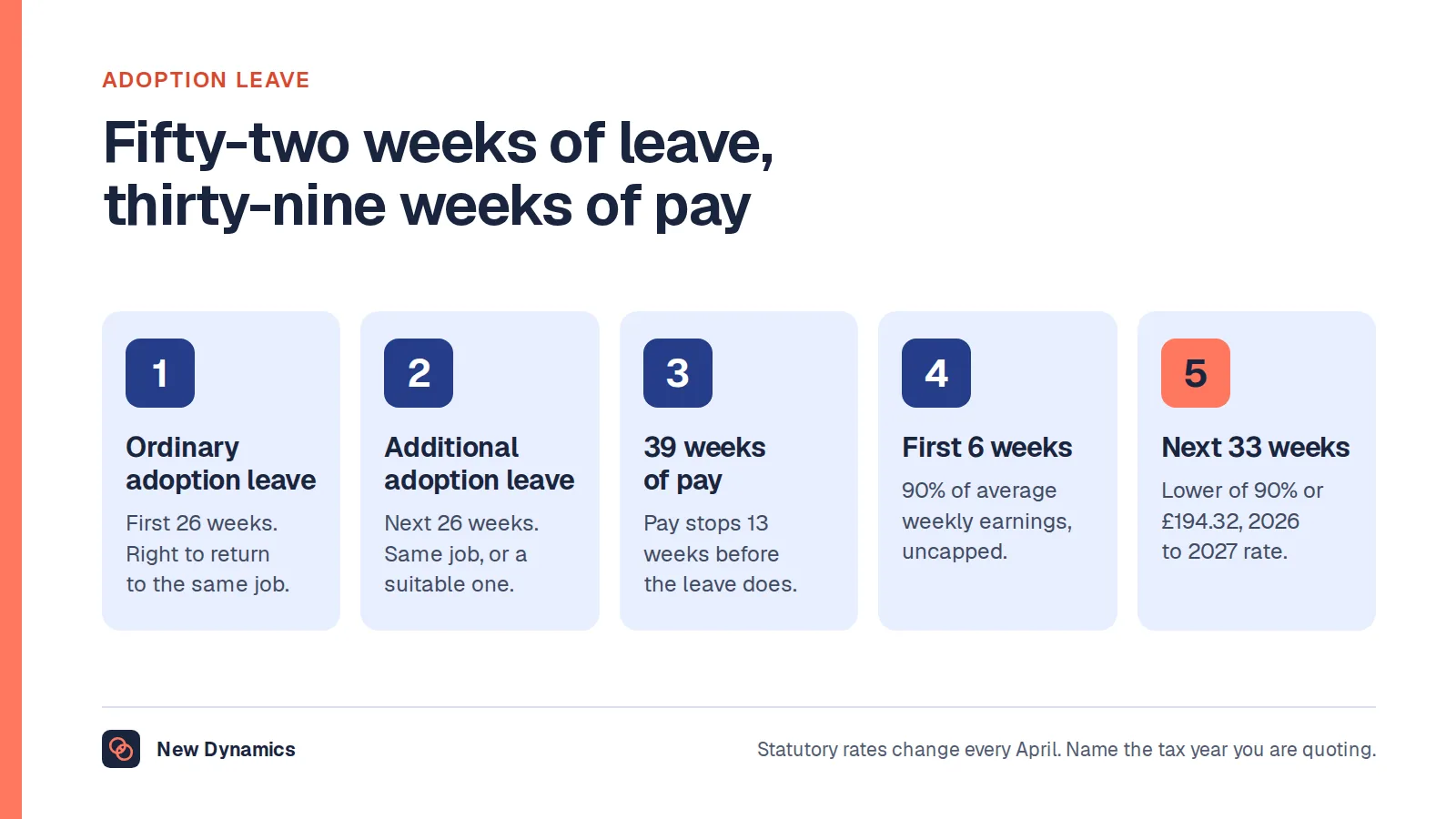
Adoption leave entitlement set out for employers and employees: the 52 weeks, the 39 weeks of statutory adoption pay, the rate for the 2026 to 2027 tax year, the seven-day matching notice, and the position for overseas adoptions, surrogacy and fostering for adoption.
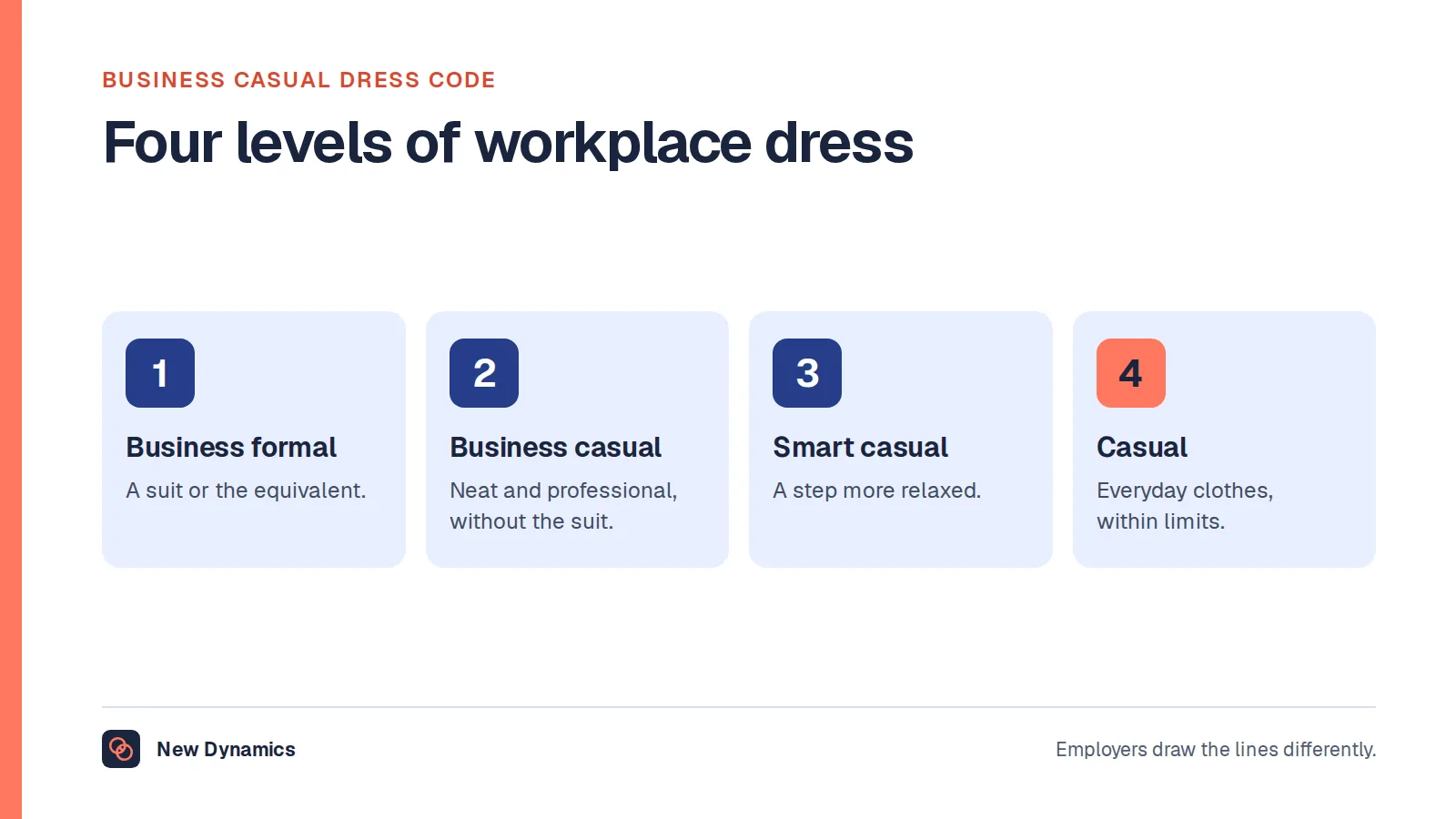
What business casual means, what usually counts and what does not, how it differs from smart casual and business formal, and how to write a fair, lawful dress code in six steps.
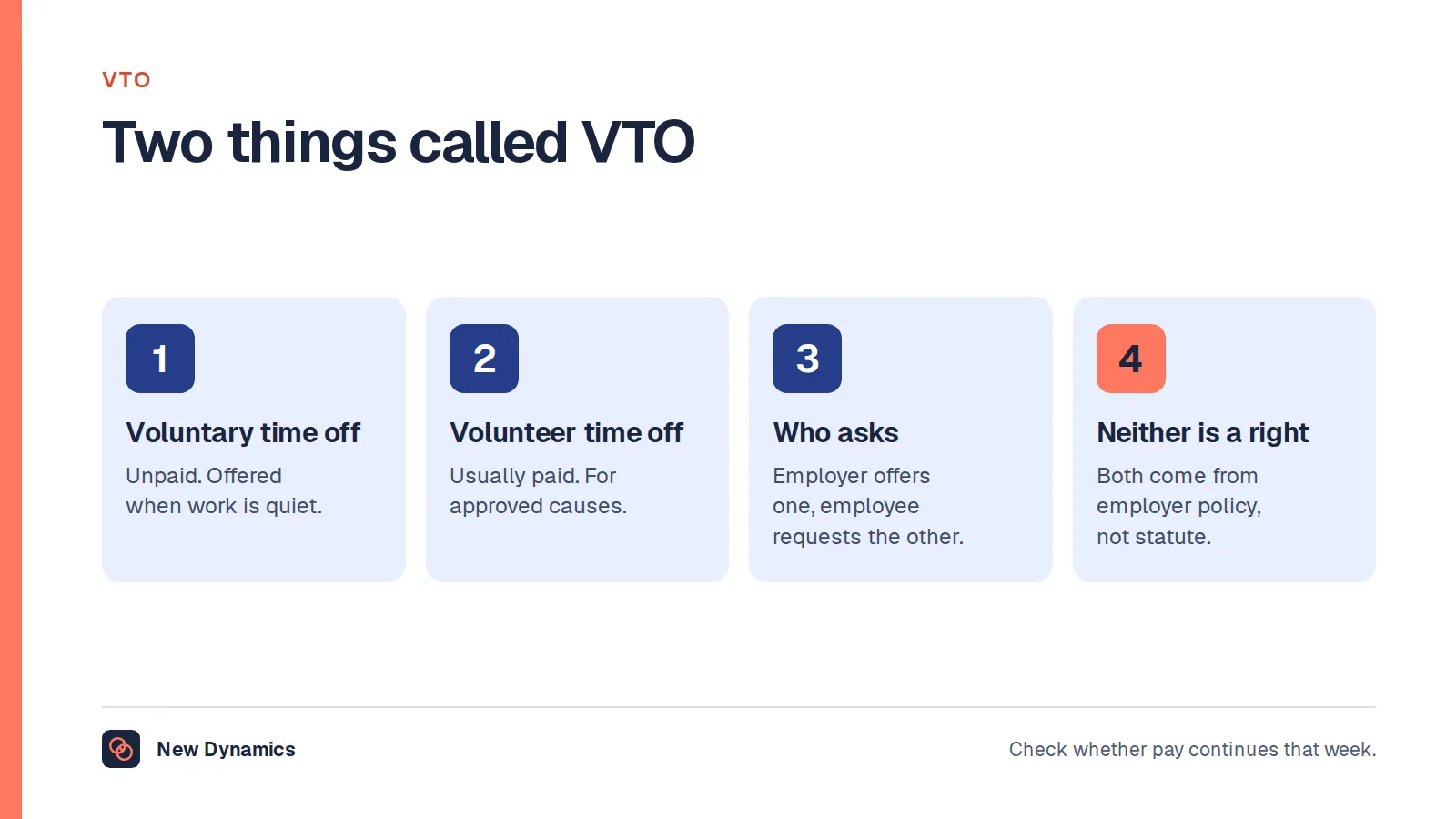
What VTO means at work, why voluntary time off is normally unpaid, the salary basis rule that can break an exempt employee's status, how unpaid hours move benefits thresholds, and the UK position.