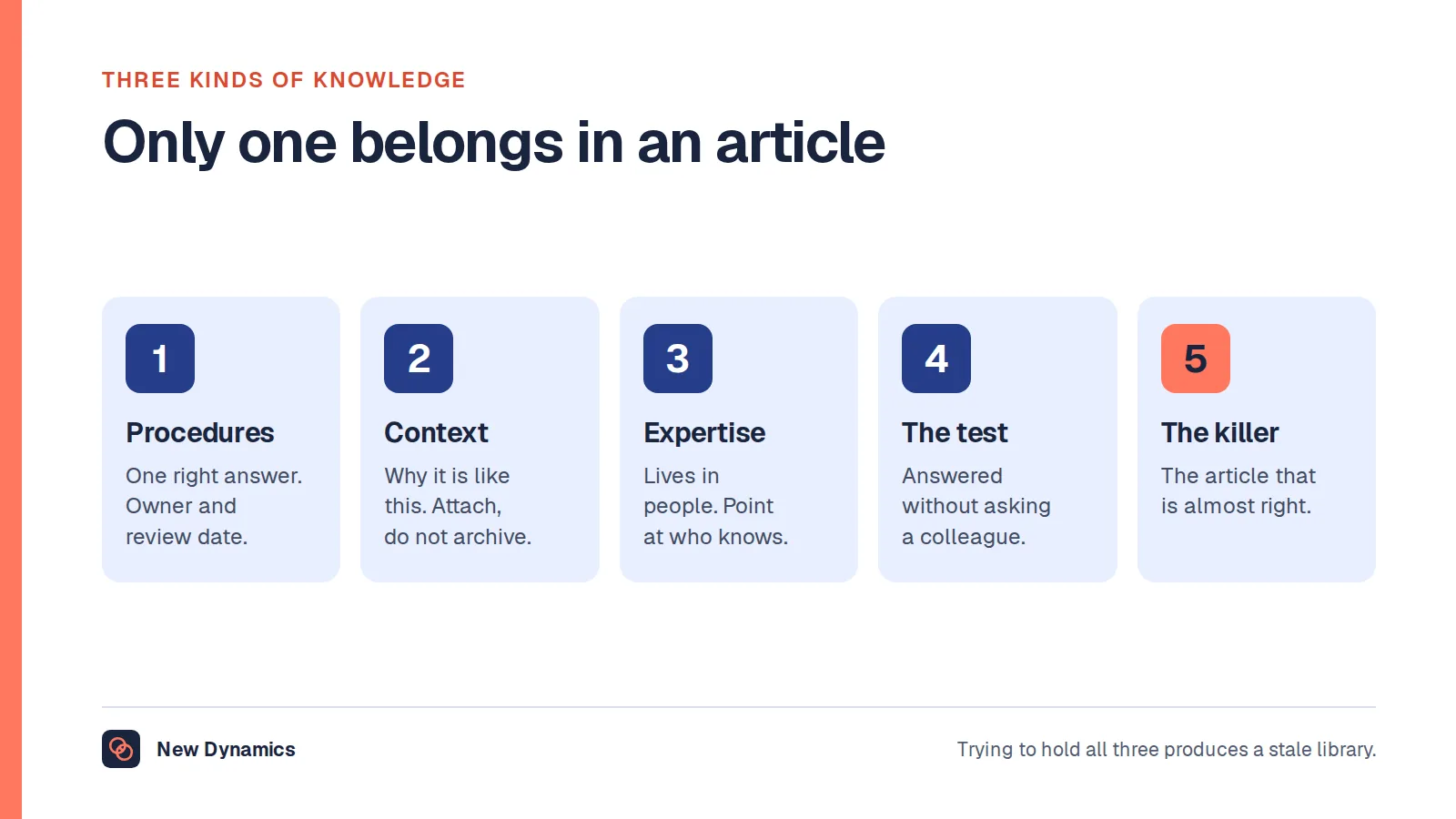
How to choose knowledge base or knowledge management software: the three kinds of knowledge, why findability beats features, who owns an article, what AI answers change and what they do not, and the questions to ask before buying.
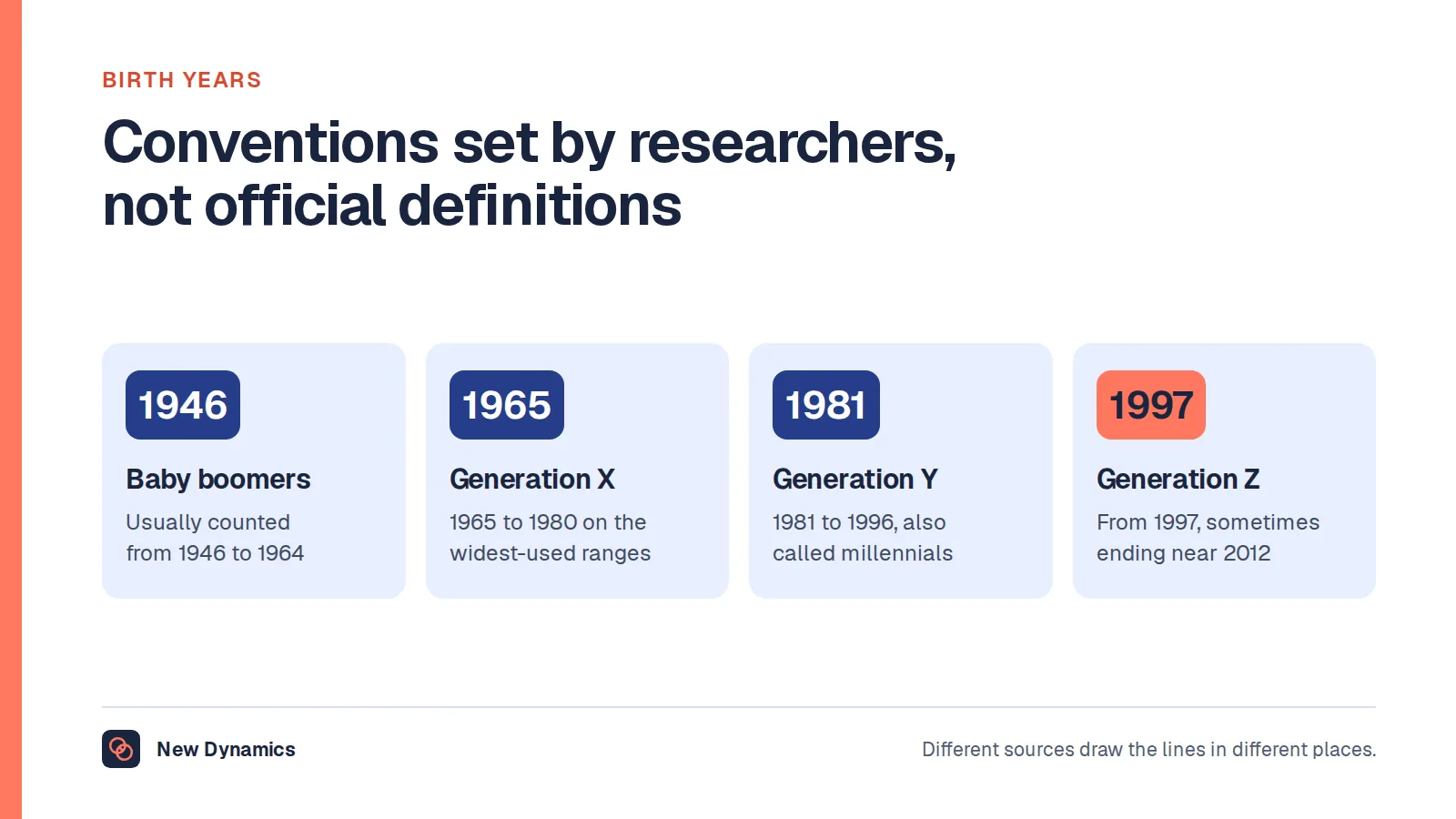
Gen X, Y and Z birth years, the real age structure of the UK workforce from ONS and DWP data, and why generation labels are a risky basis for people decisions.
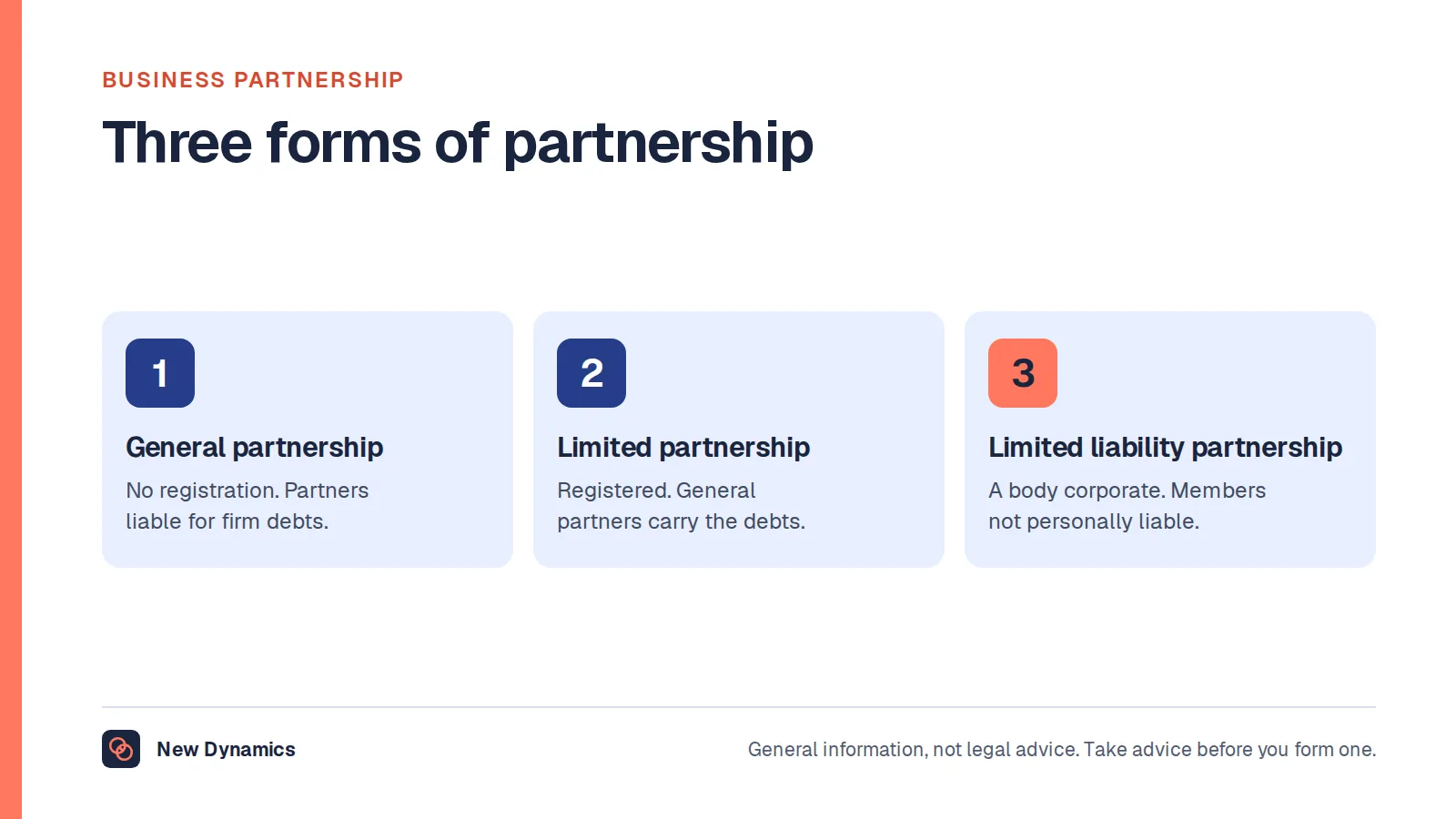
What a business partnership means in United Kingdom law: the definition in the Partnership Act 1890, the three forms (general, limited and limited liability), joint and several liability, what a partnership agreement must settle, and how partners are taxed as self-employed rather than paid through payroll. General information, not legal advice.
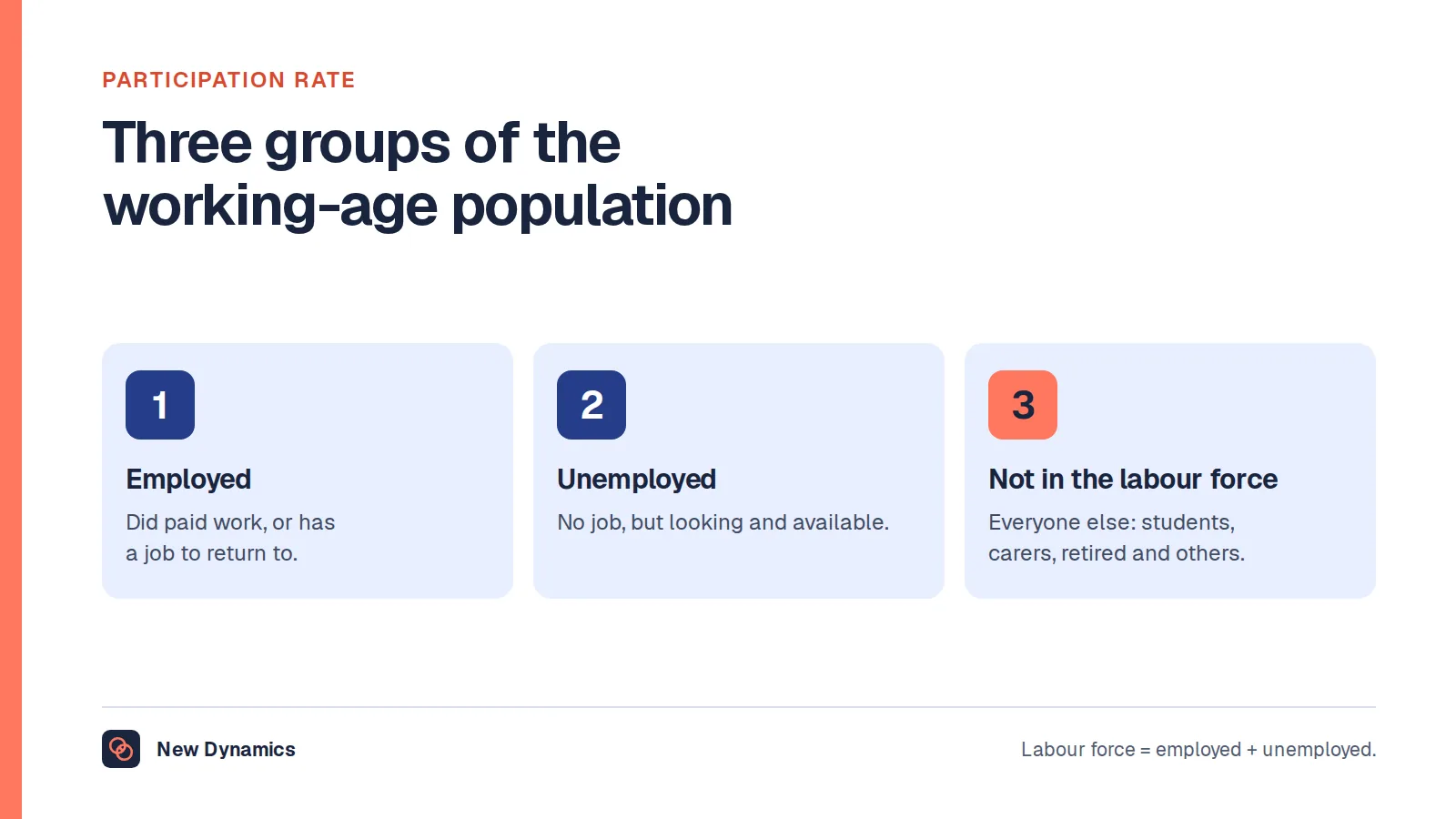
What the labour force participation rate is, the formula, a worked example in five steps, how it differs from the employment and unemployment rates, and why employers should watch it.
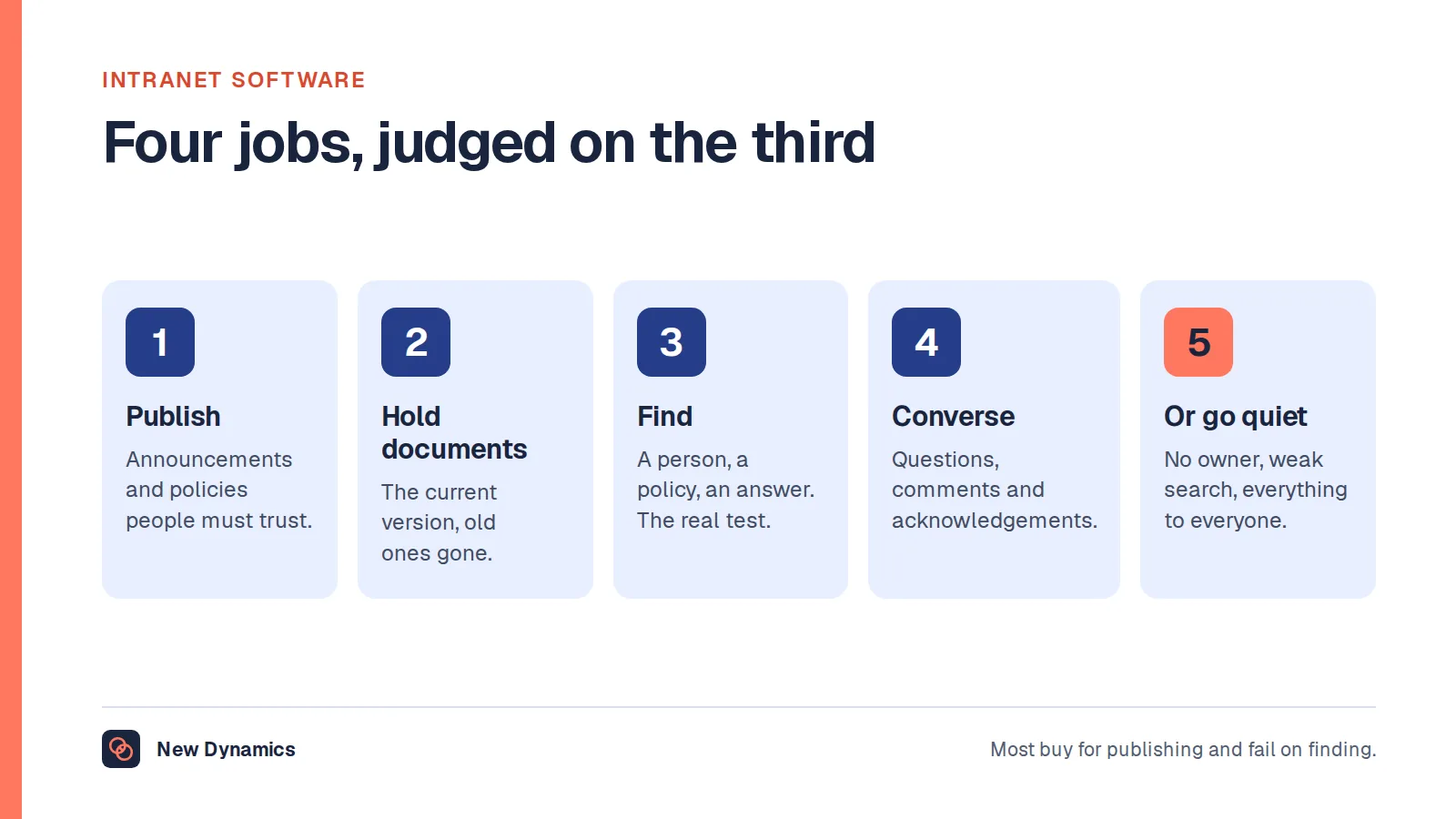
What an intranet is for, the four jobs it has to do, why most go quiet within a year, what deskless and disabled colleagues need from it, how to measure whether it works, and the questions to ask before buying.
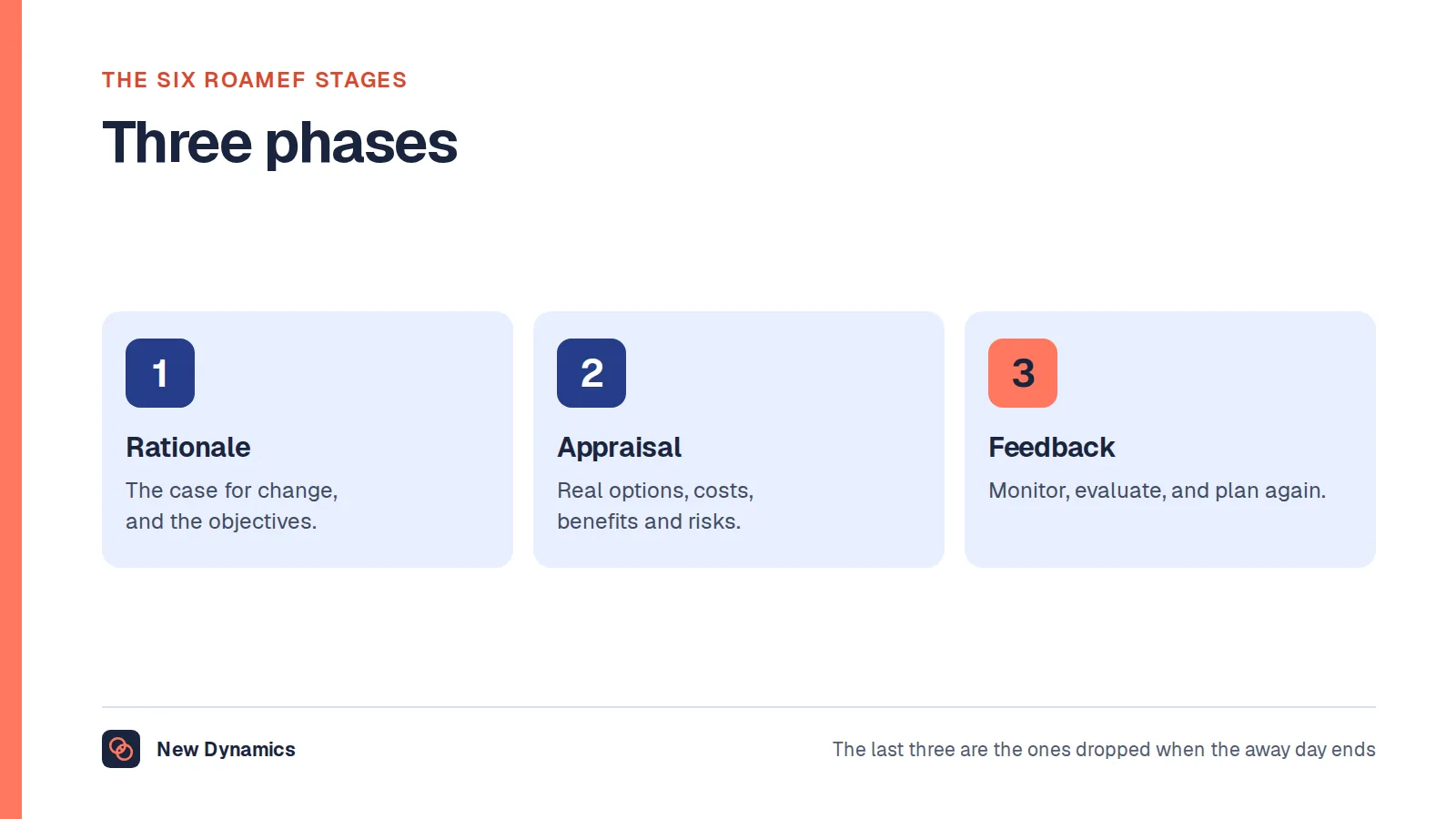
What strategic planning means, how strategy differs from a plan and a budget, who owns it in a company and a charity, the six-stage process, and how to tell a real plan from a document.
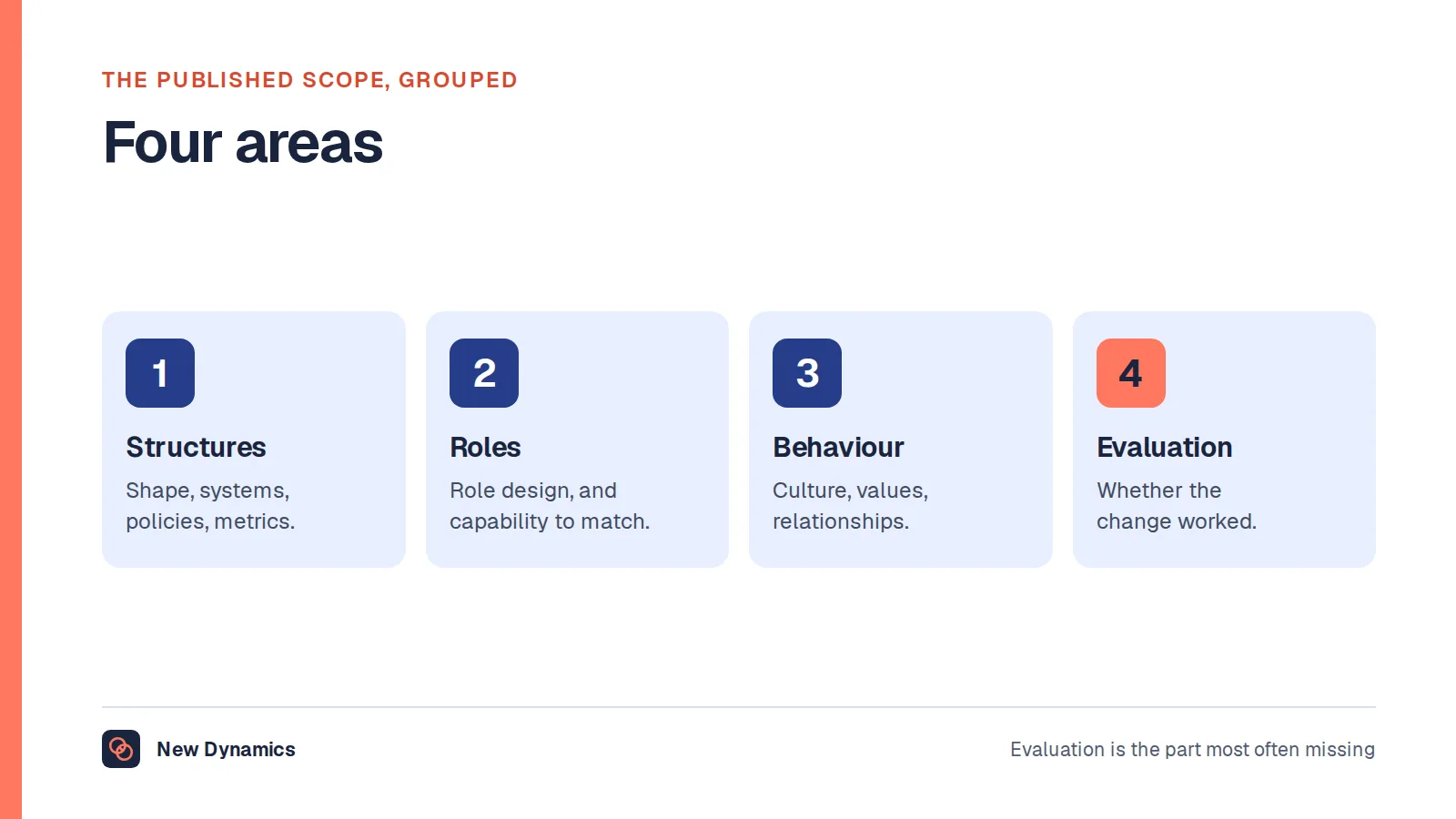
What organization development means, using a published definition, what OD work covers, how it differs from HR and change management, and what an intervention must satisfy.
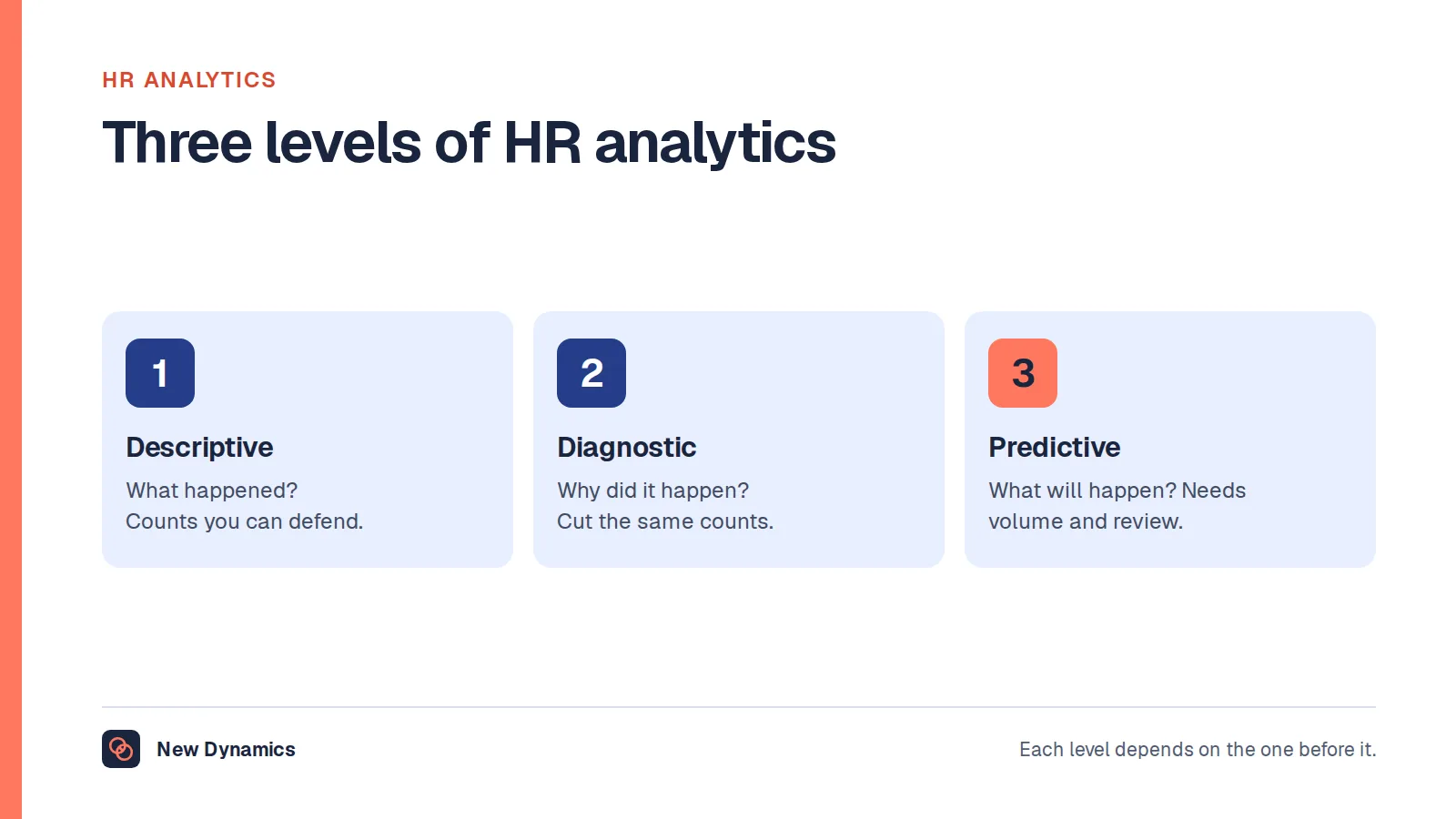
The gap between what HR analytics is sold as and what an HR team can do with its own records: descriptive, diagnostic and predictive work, the data quality problem, small numbers, and the UK law on scoring people.
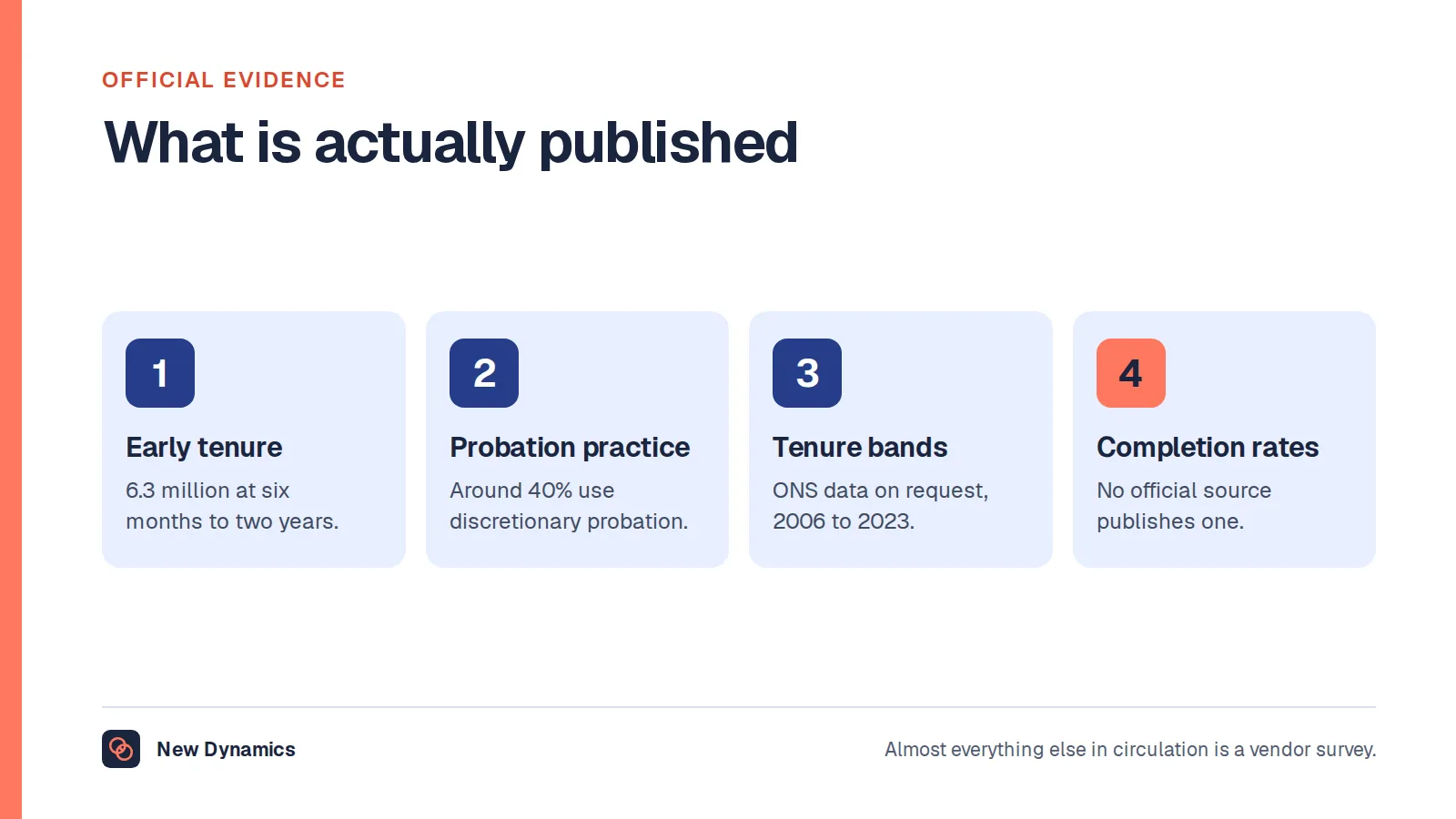
Most onboarding statistics come from vendor surveys with no visible method. Here are the official UK figures that can be checked, the dated duties onboarding must satisfy, and the onboarding numbers worth producing yourself.
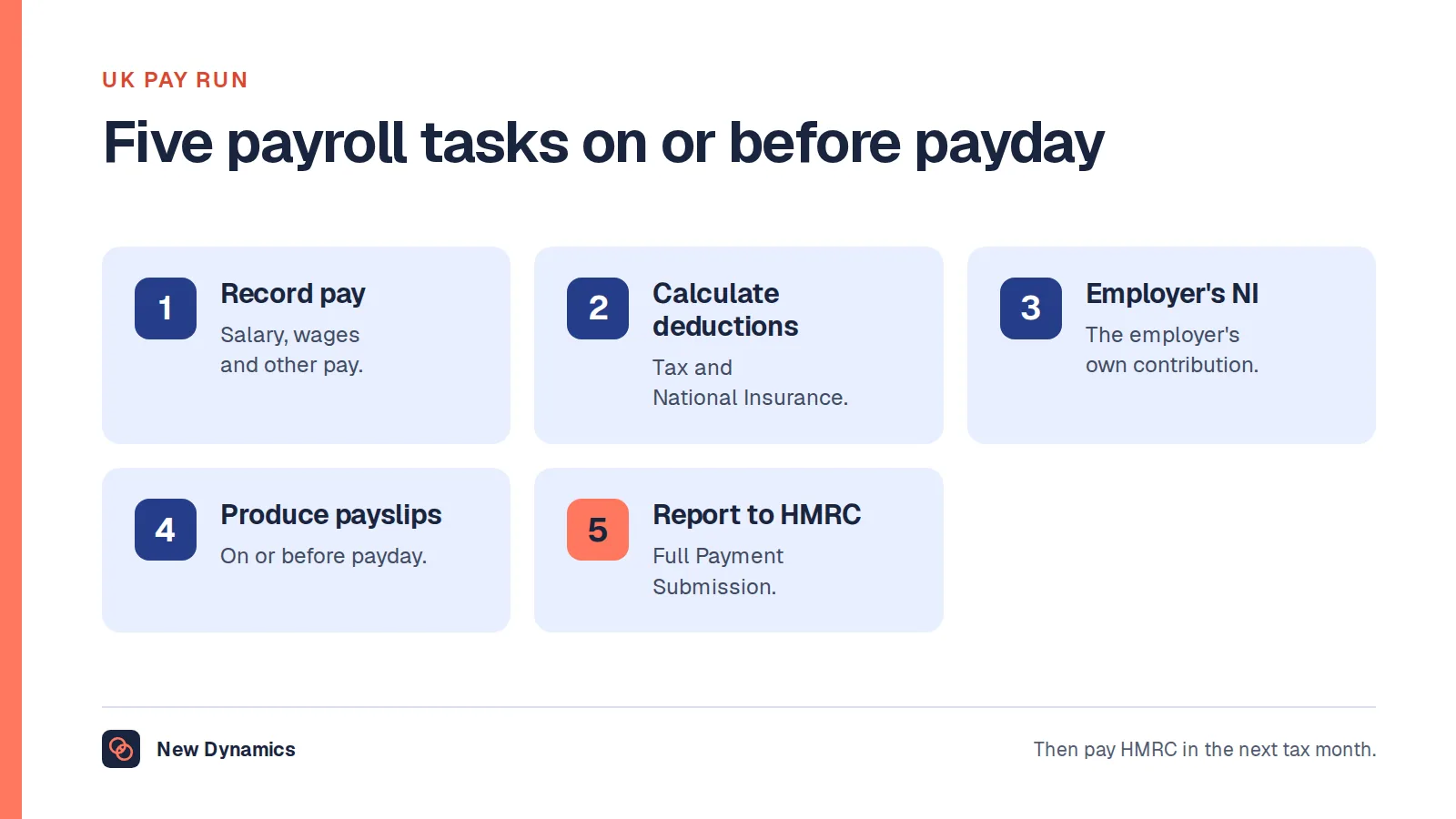
What payroll means: three definitions, gross and net pay, the five tasks of a UK pay run, what US employers withhold, in-house or outsourced, and six checks for accuracy.
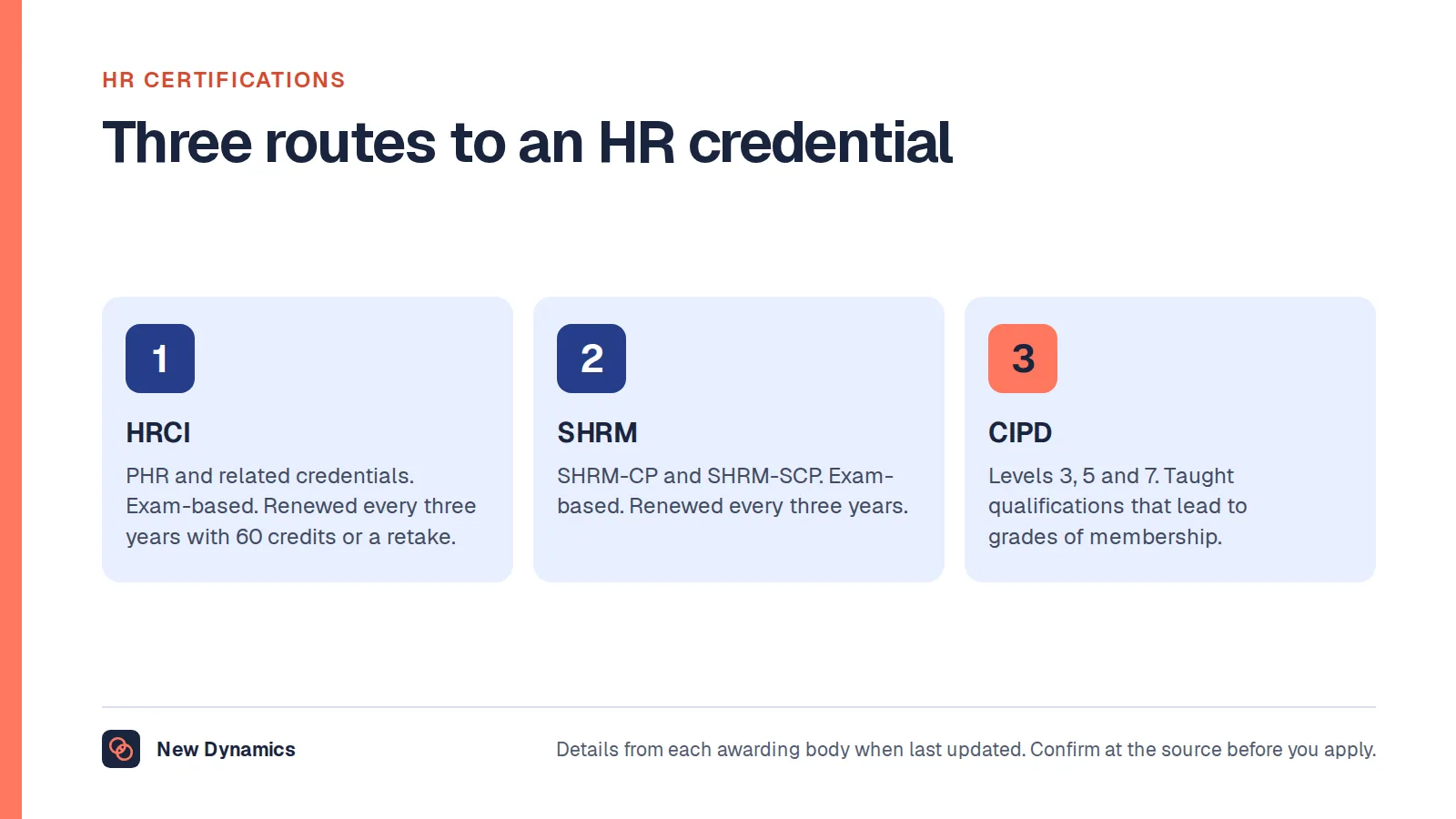
Compare HR certifications: the PHR (Professional in Human Resources), SHRM-CP and SCP, and CIPD levels. Eligibility, exams, renewal and how to choose yours.
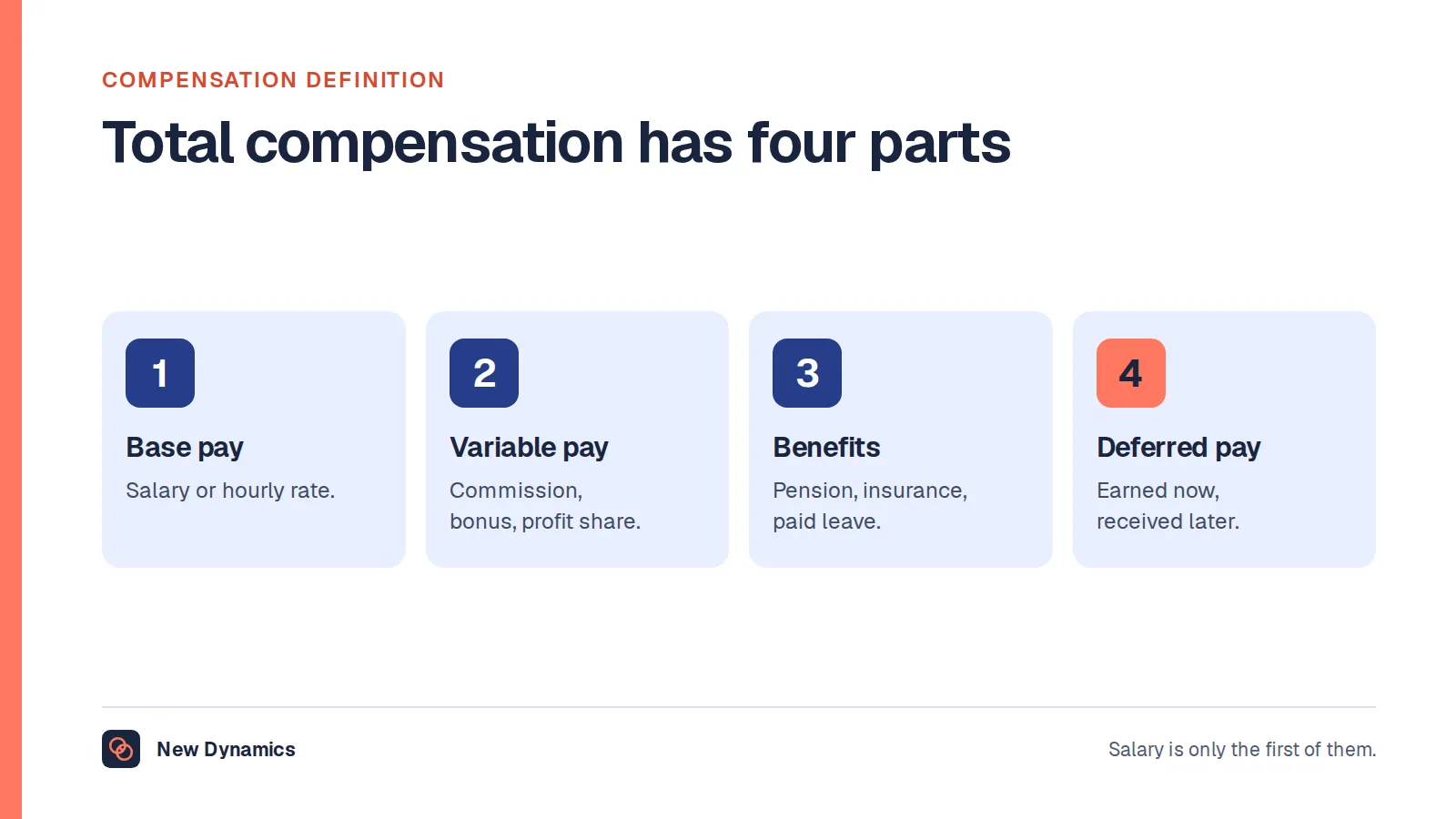
What compensation means in a job, the four parts of total compensation, what DOE, OTE and deferred compensation mean, and five principles of a fair pay system.
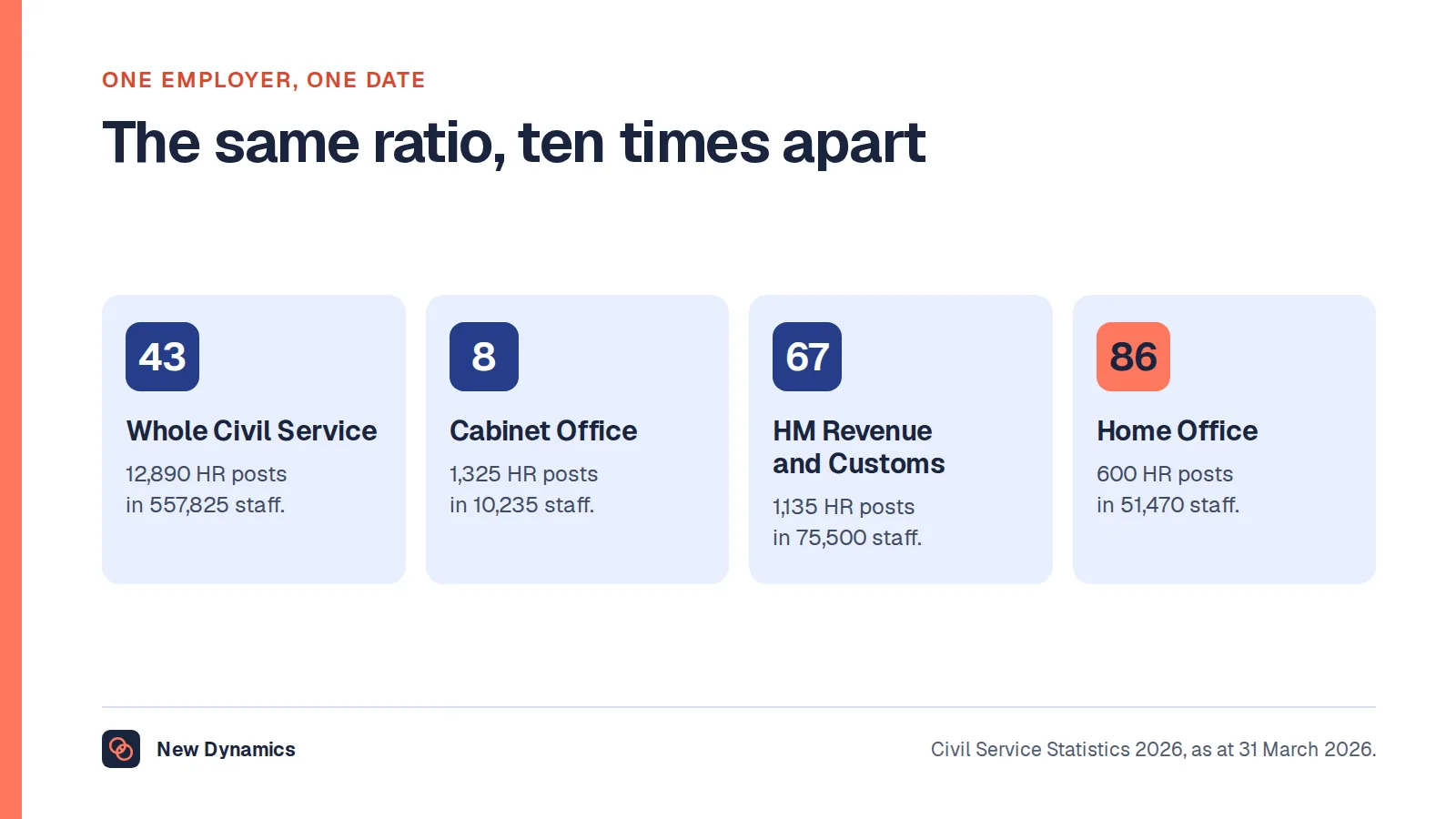
No official statistic gives a UK HR to employee ratio. The one real, sourced HR headcount share you can quote, why the ratio varies more than tenfold inside a single employer, and how to size an HR team from case load instead.
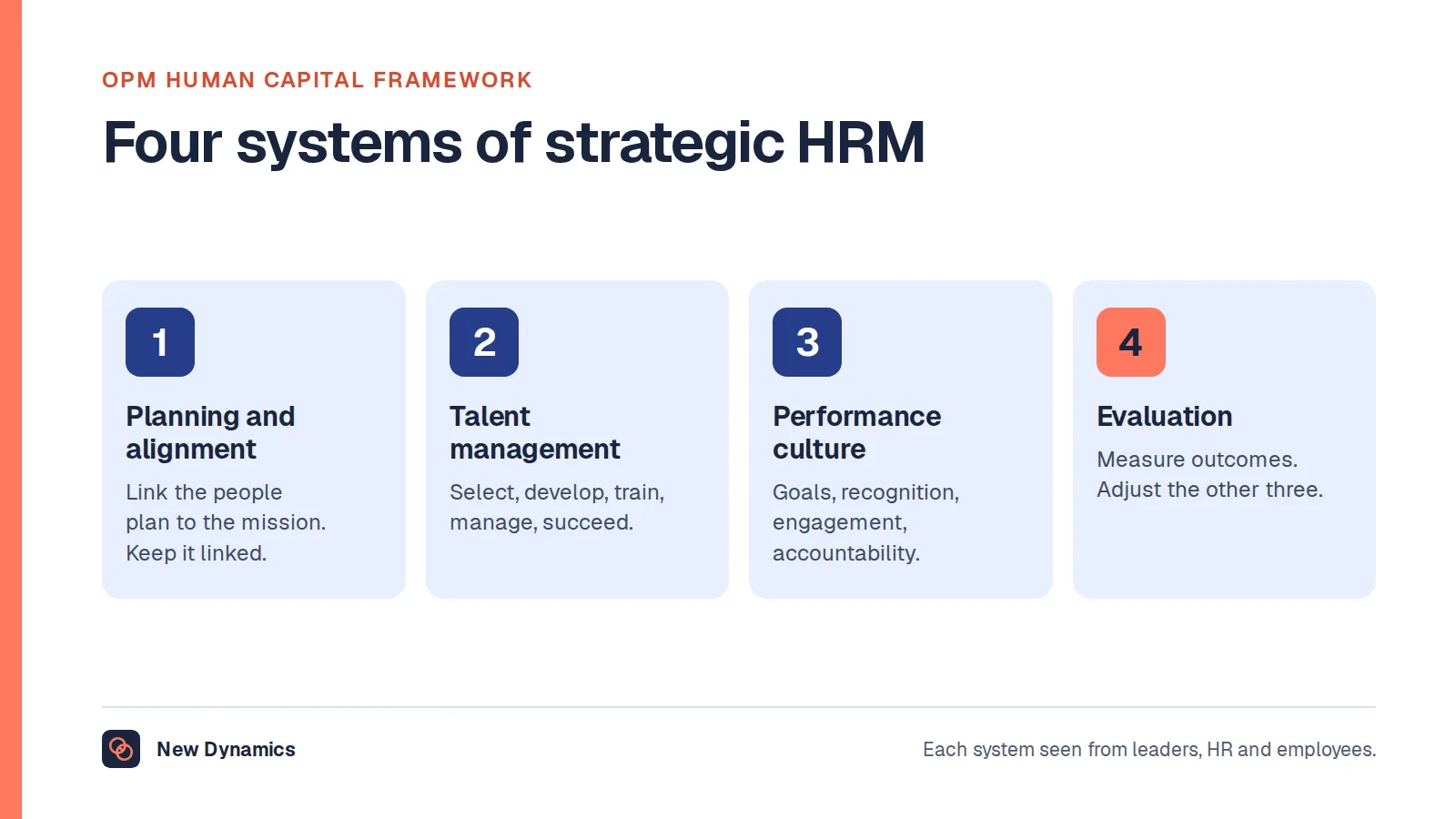
What strategic human resource management means, how it differs from day-to-day HR management, the four systems in the US government's human capital framework, a five-step method and the measures that show it is working.
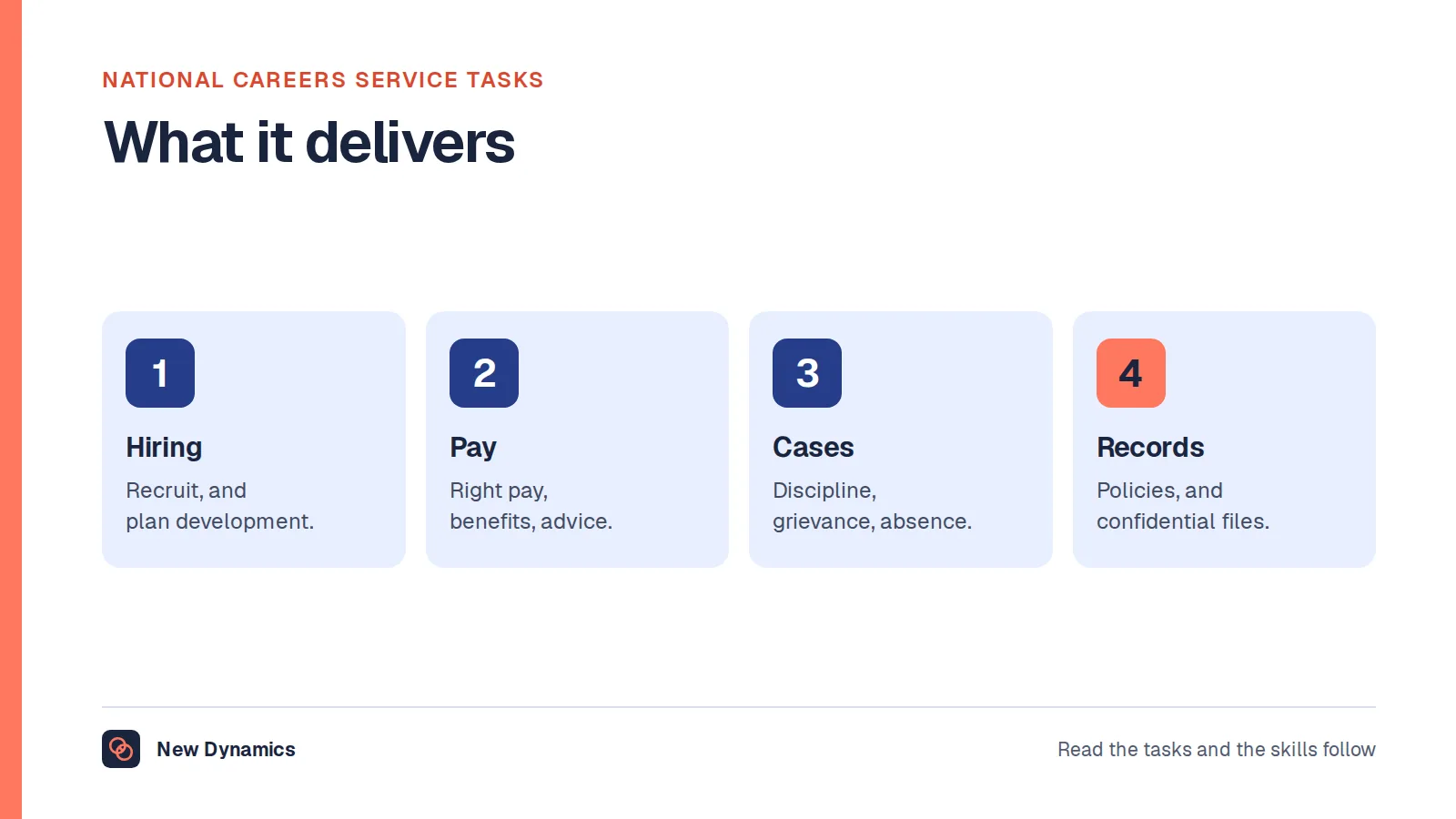
The HR skills the National Careers Service names, the tasks they exist to deliver, which ones can be tested against an external standard, and the three nobody lists.
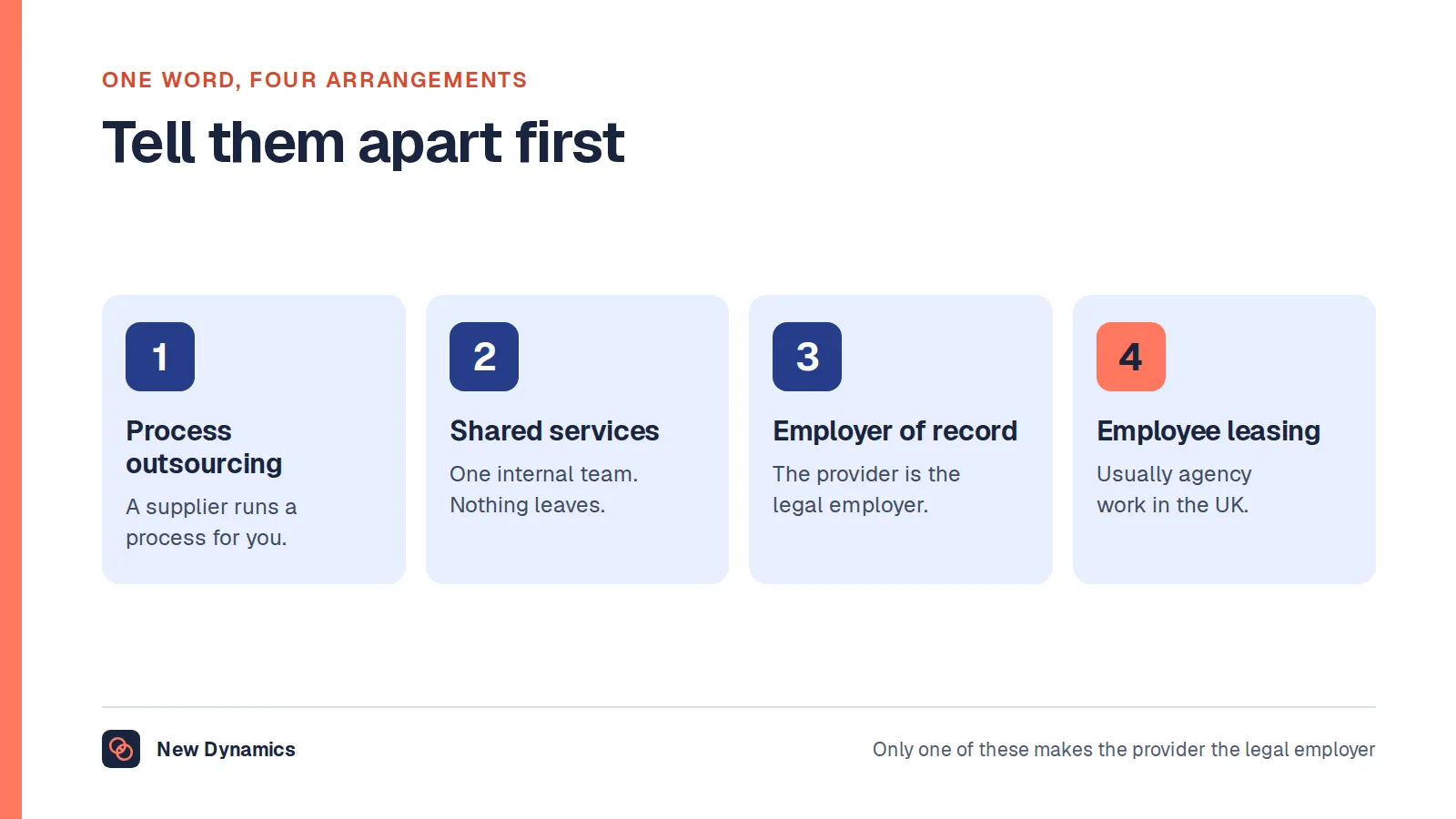
BPO outsourcing, shared services, employer of record and employee leasing are four different arrangements. What each one is, which duties stay with you, and how to decide.
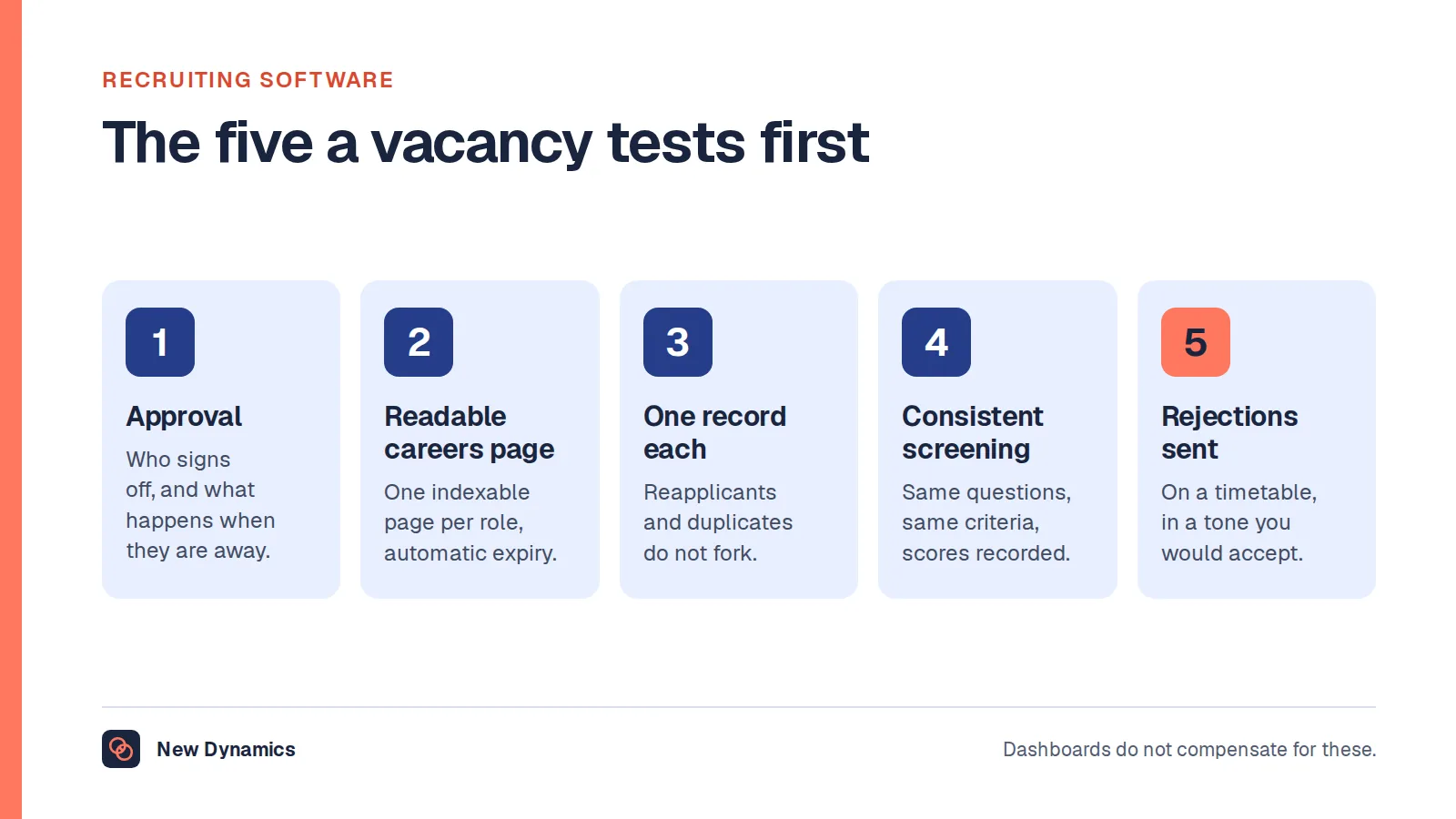
A vendor-neutral guide to choosing recruiting software: whether you need it yet, the seven requirements a real vacancy breaks on, the candidate data duties that come with it, what small employers should buy instead, and the red flags in a demo.
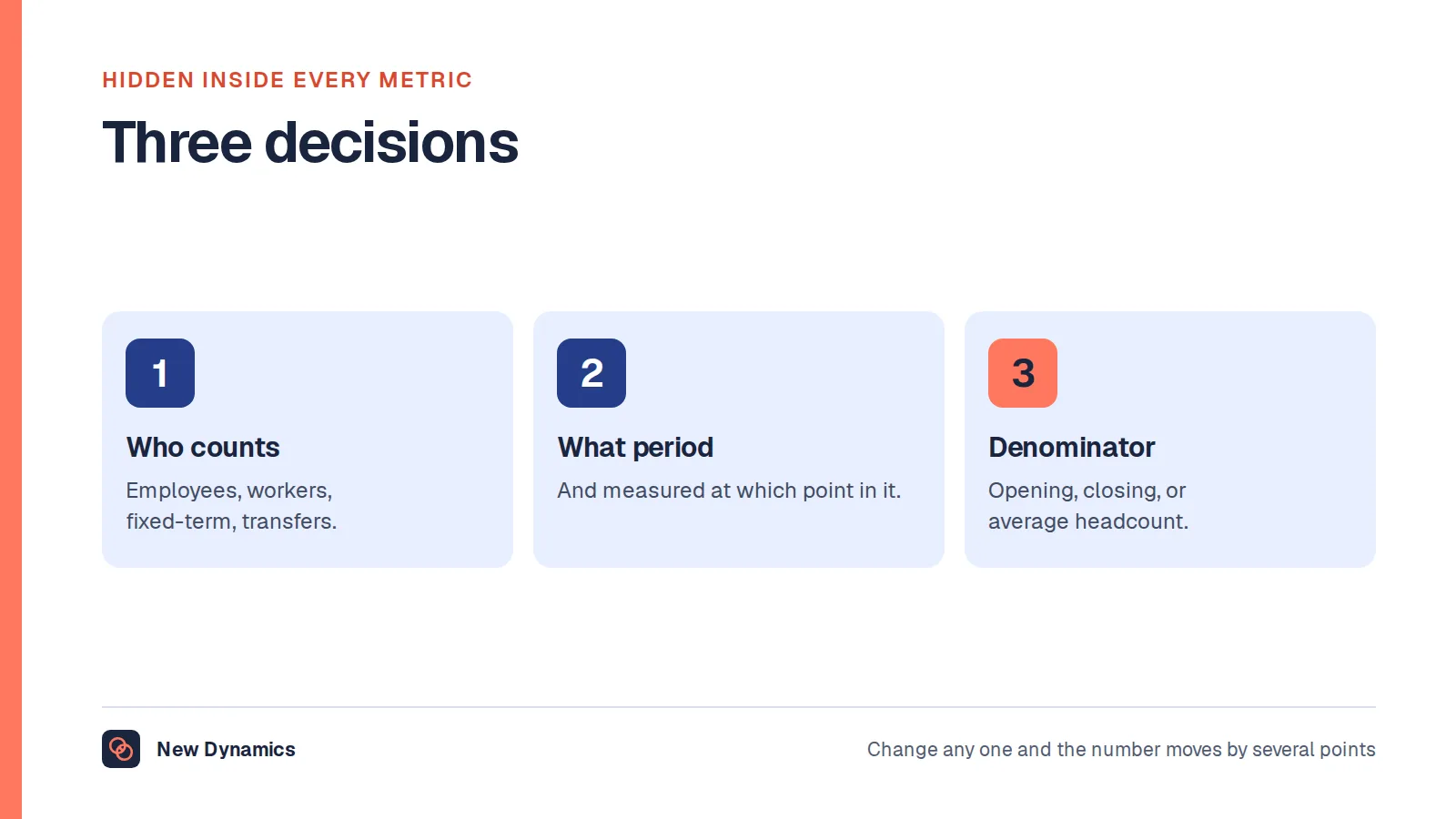
Why most HR metrics have no agreed definition, the two UK measures with a published method, the metrics worth keeping and the definition decision each one hides.
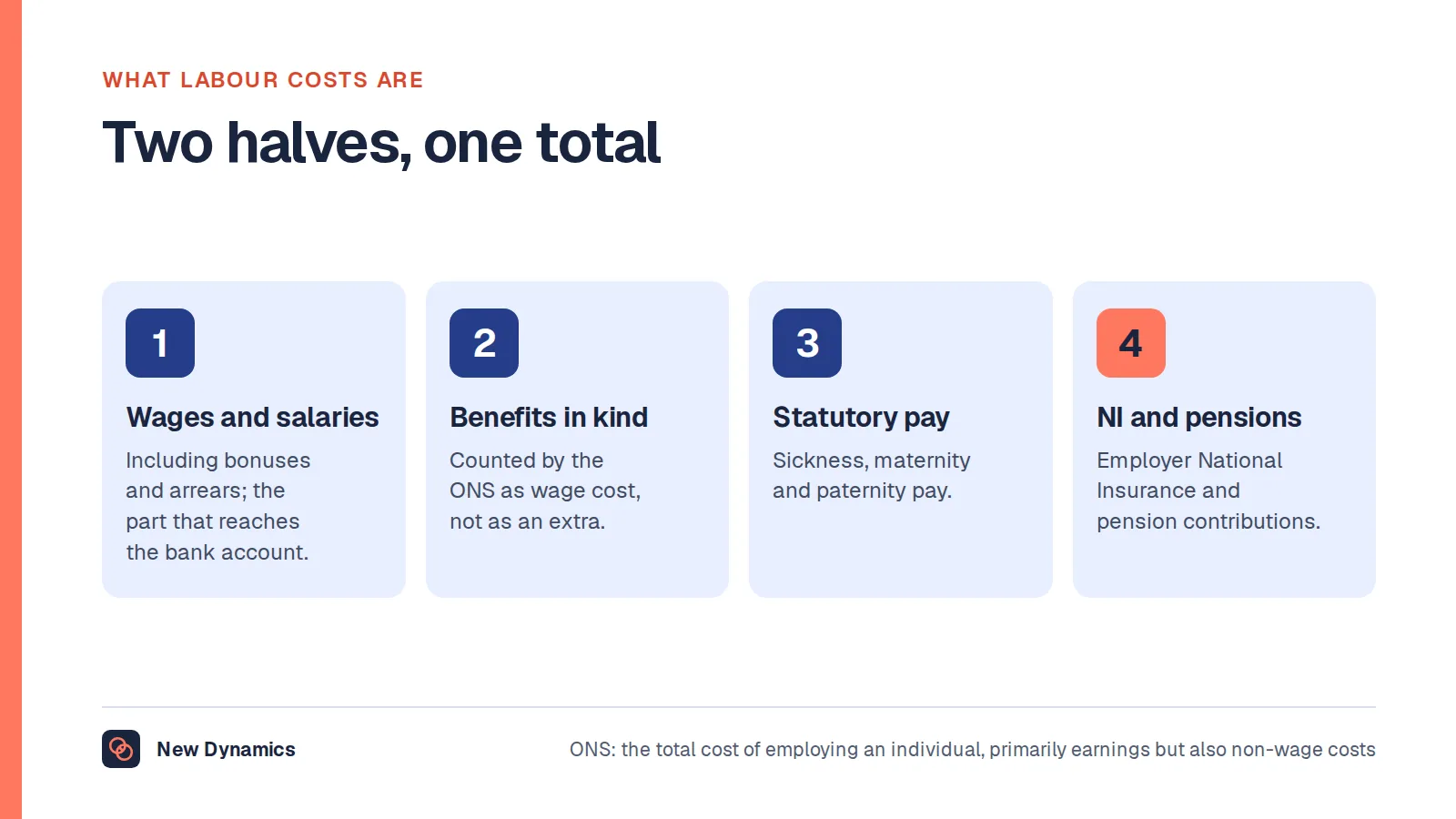
What labour costs are, using the ONS definition: the total cost of employing someone, wage costs including salaries, bonuses and benefits in kind, plus non-wage costs including National Insurance, pension contributions and statutory pay. A worked example turning a salary into a cost per hour worked, direct and indirect labour, the ratios people use and what each one hides, and the costs adverts forget.
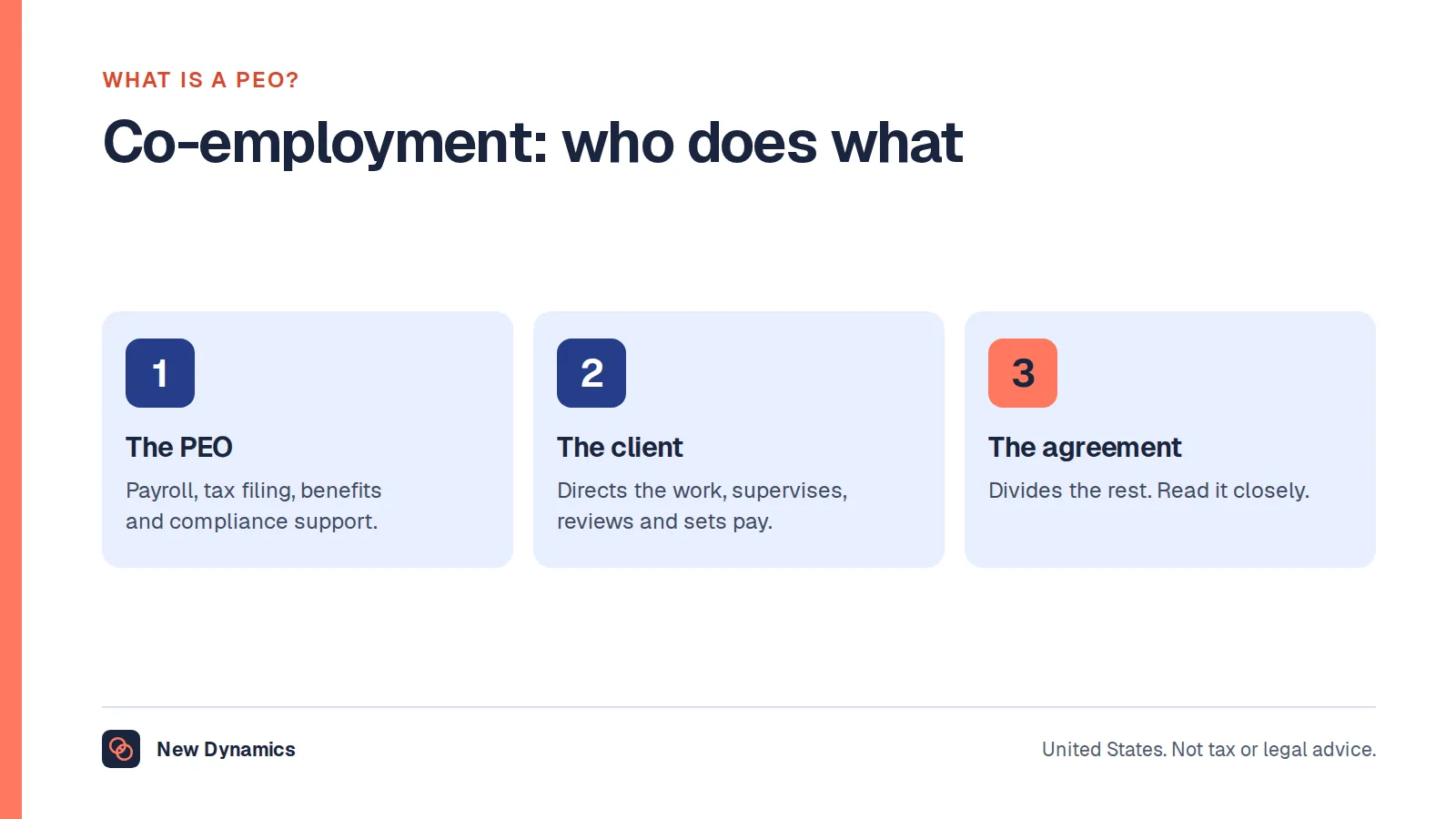
What a PEO is, how co-employment works, who does what, what IRS certification means, PEO compared with payroll providers and staffing, and eight questions to ask before you sign.
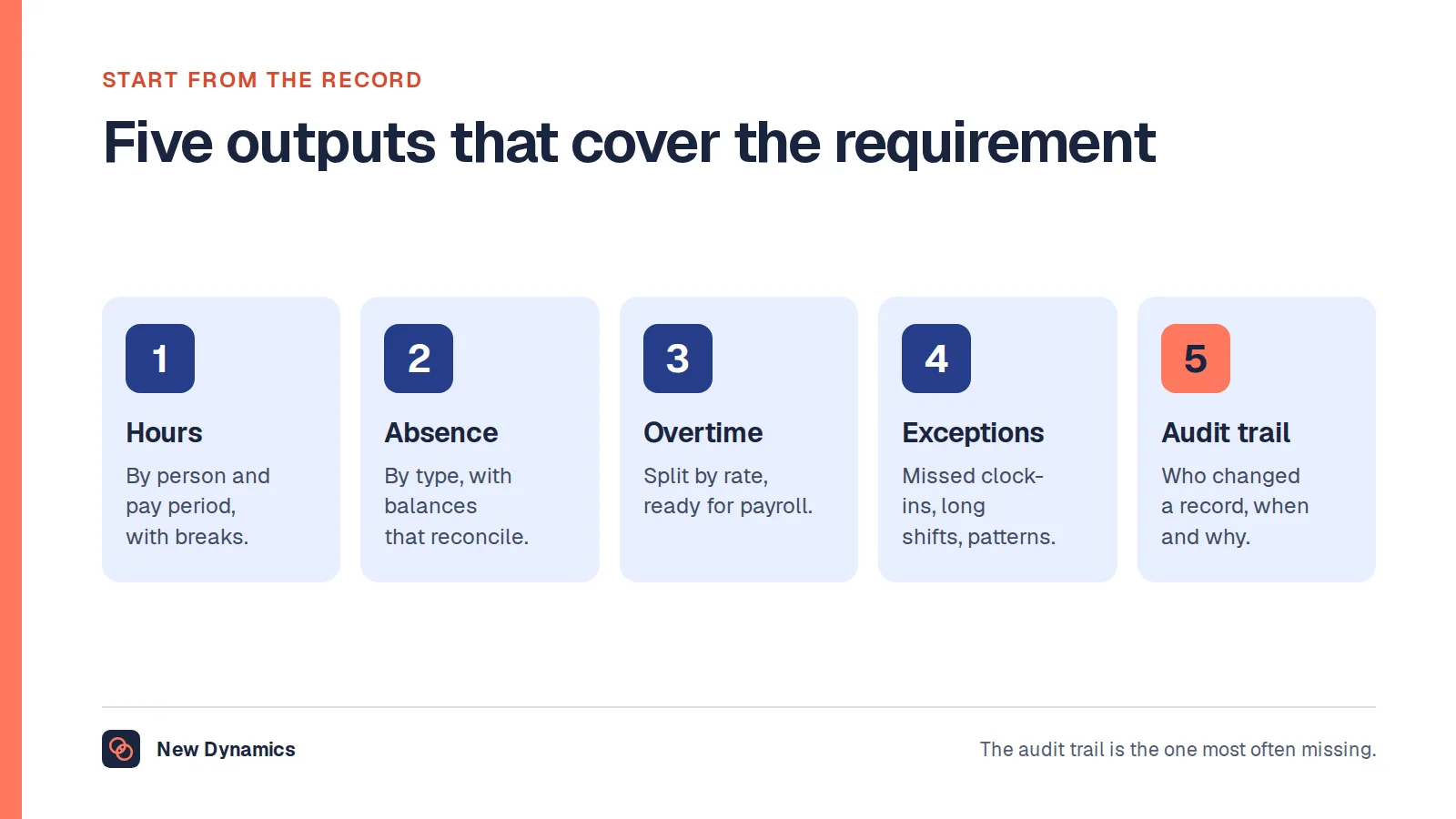
A vendor-neutral guide to time tracking and attendance software: the records UK employers are required to keep, where tracking crosses into monitoring, what to look for if staff are deskless, and the questions to ask before buying.
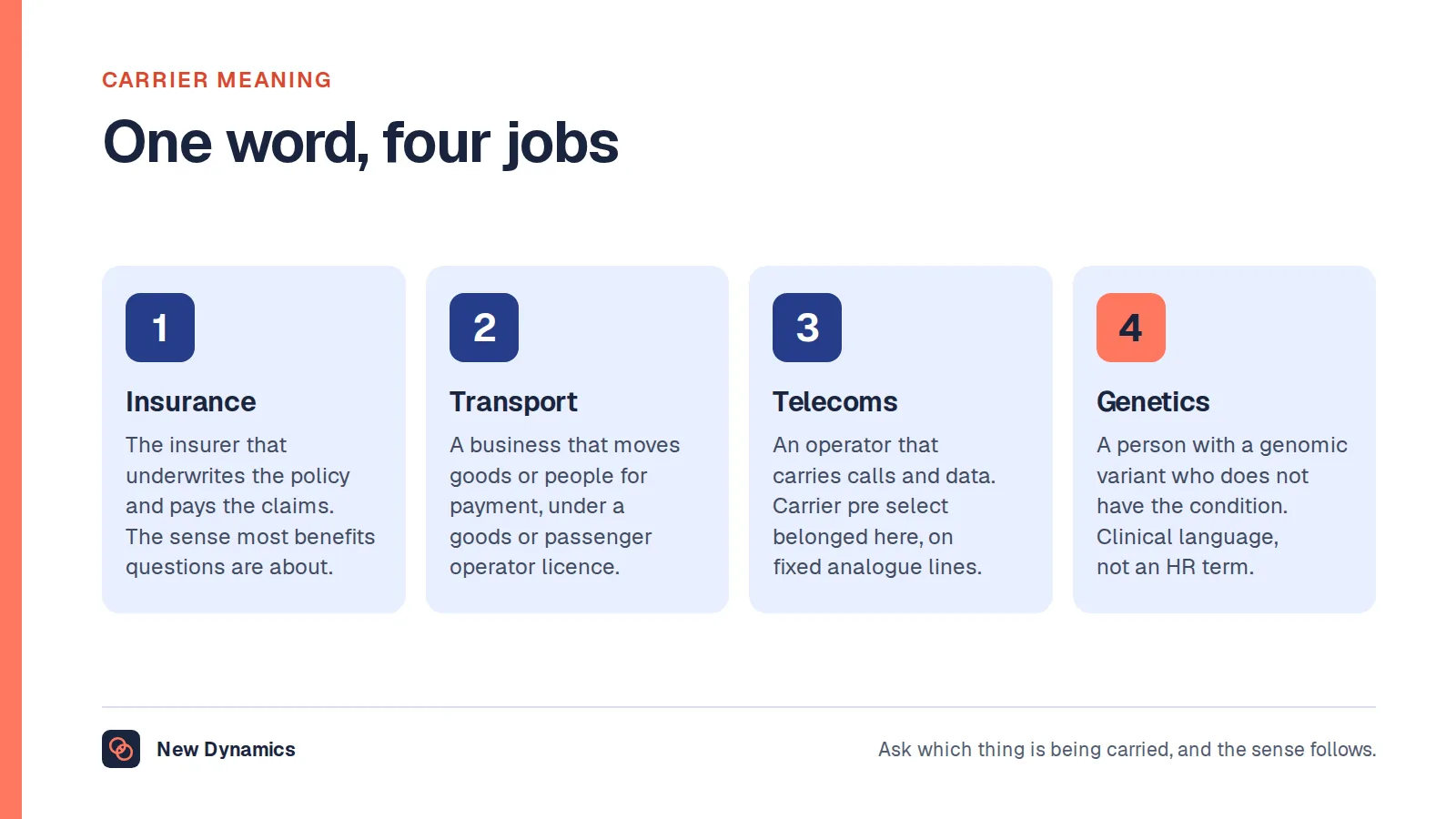
What carrier means in each place you meet it: the insurer that underwrites a benefits policy, a common carrier moving goods for hire or reward, a telecoms carrier and what carrier pre select was. Plain definitions, official sources.
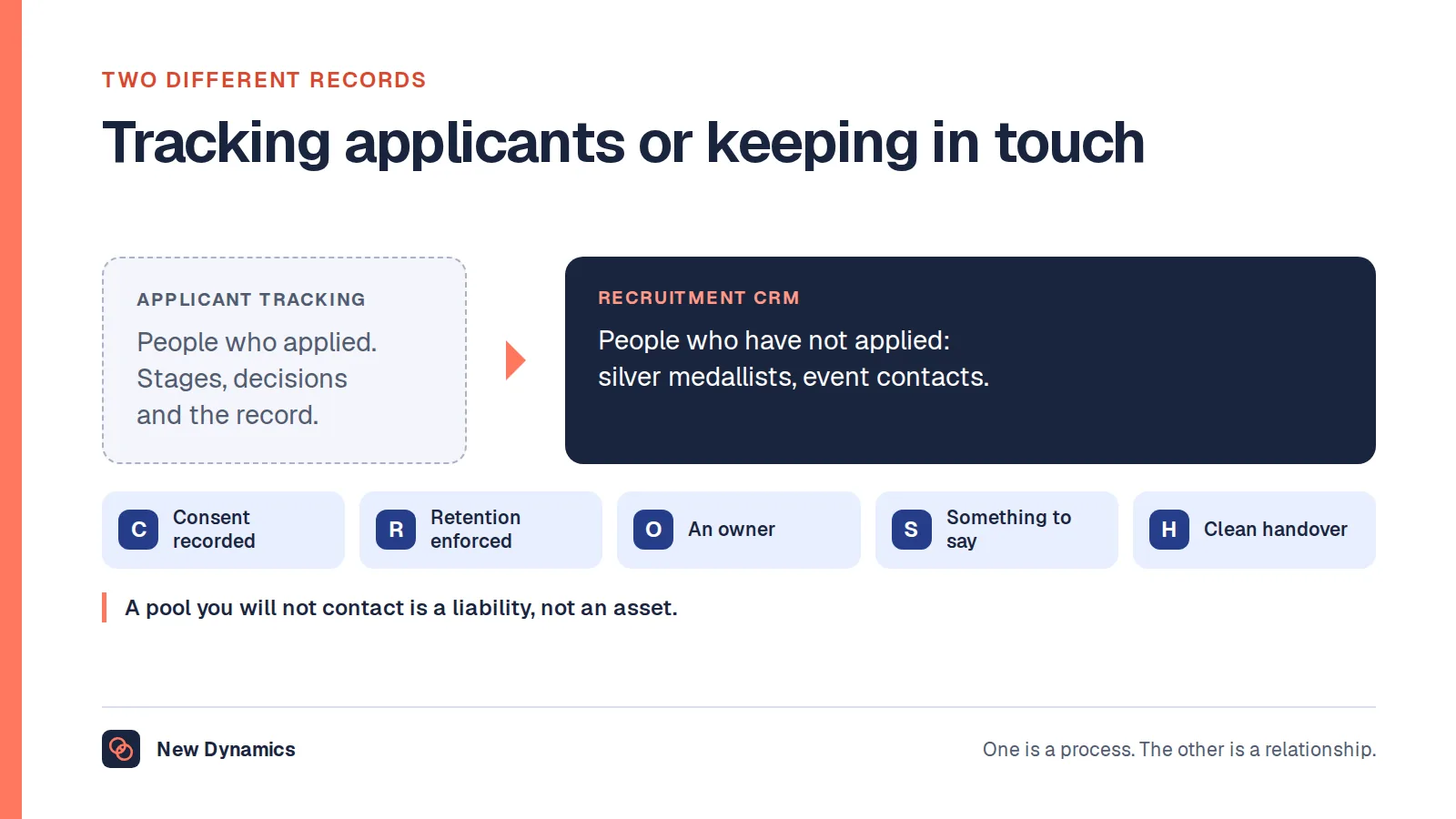
What a recruitment CRM is and how it differs from an applicant tracking system, when a talent pool is worth keeping, the consent and retention rules that decide whether you can keep one, and the questions to ask before buying.