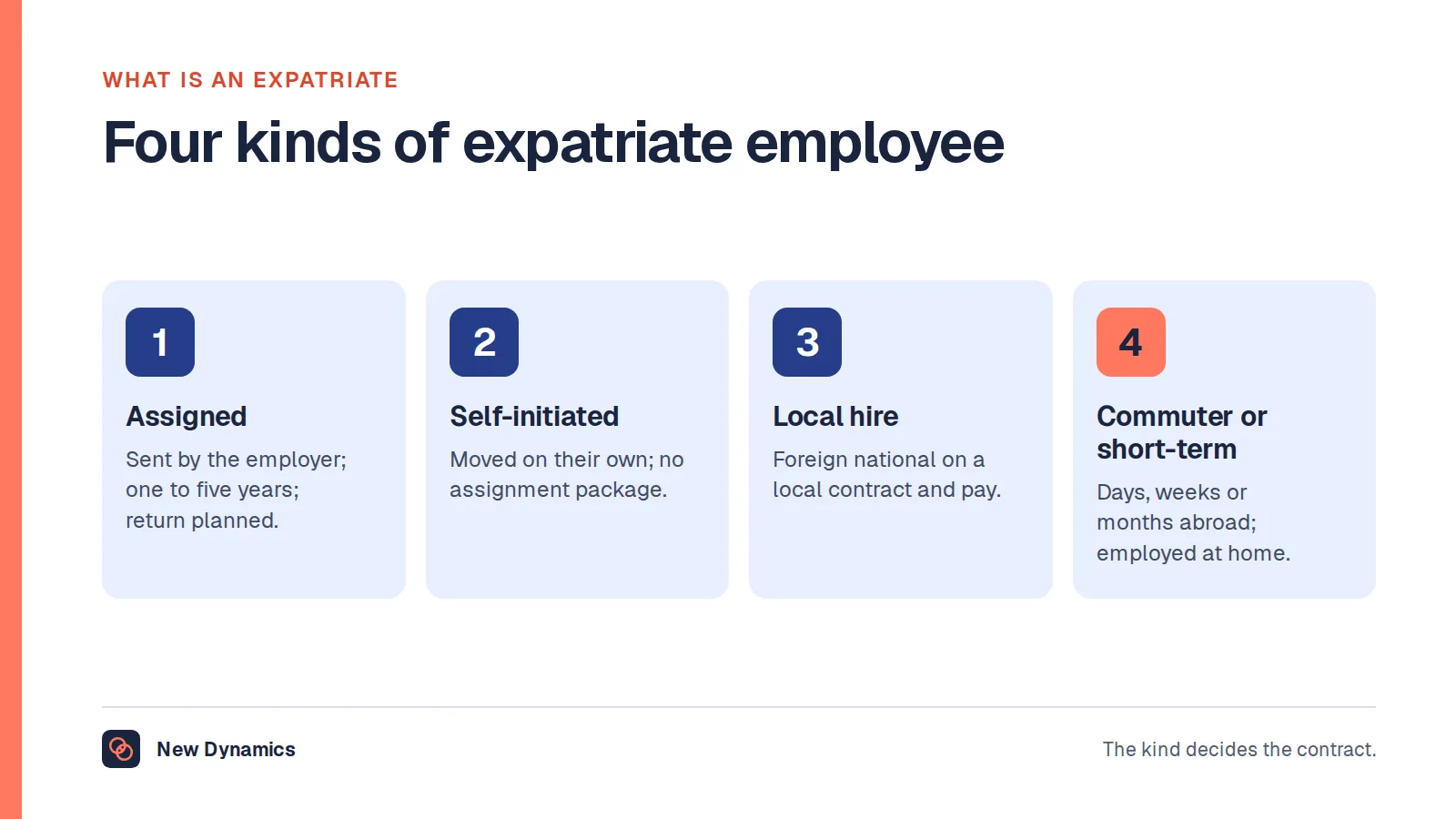
What an expatriate is, expat vs migrant vs immigrant, the four kinds of expatriate employee, what an international assignment involves, the UK tax residence and National Insurance rules to check, and a checklist for employers.
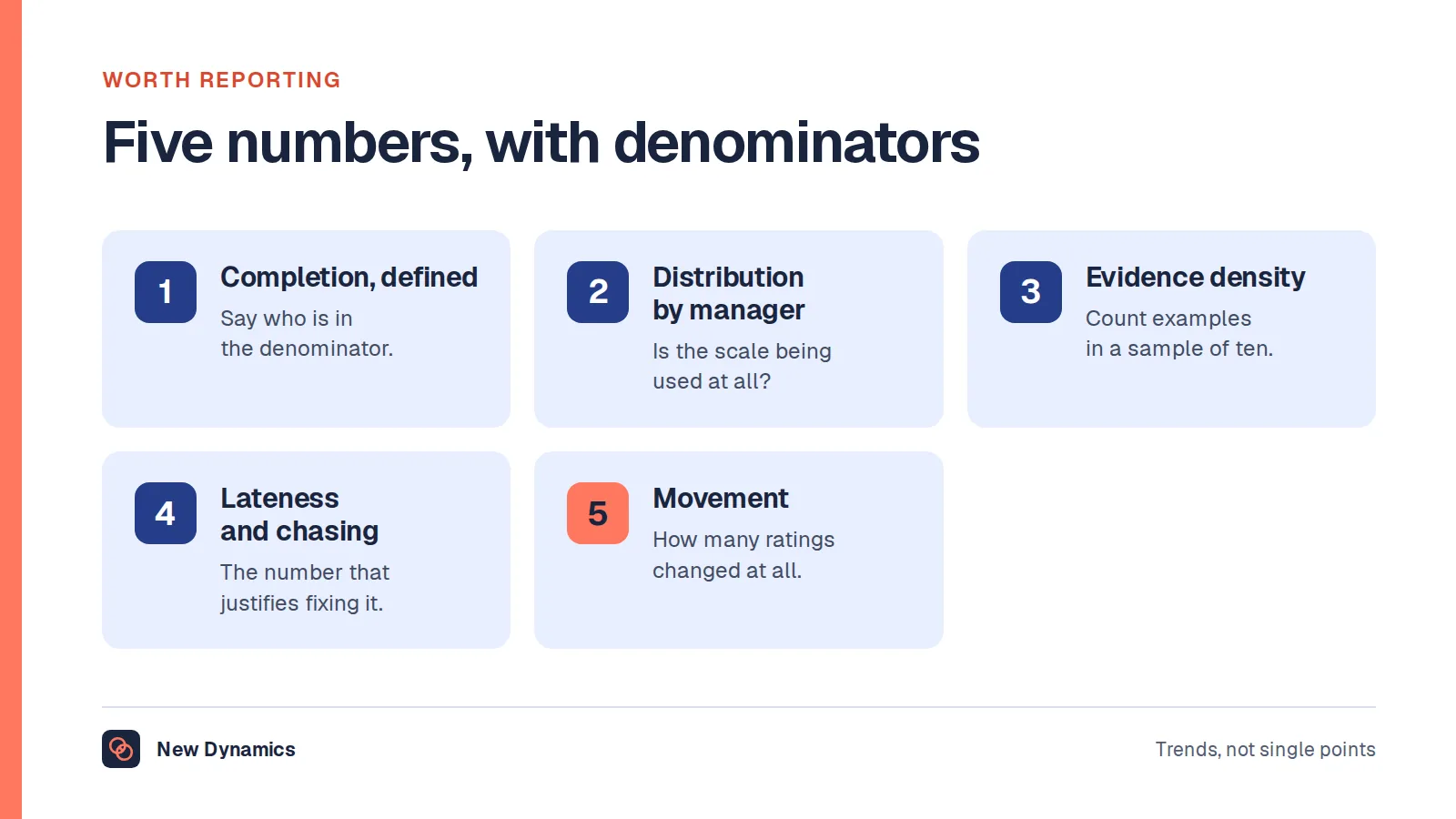
What a review cycle actually produces, the five numbers worth reporting, three that mislead, the data protection rules for reporting on identifiable people, and the three questions a board needs answered.
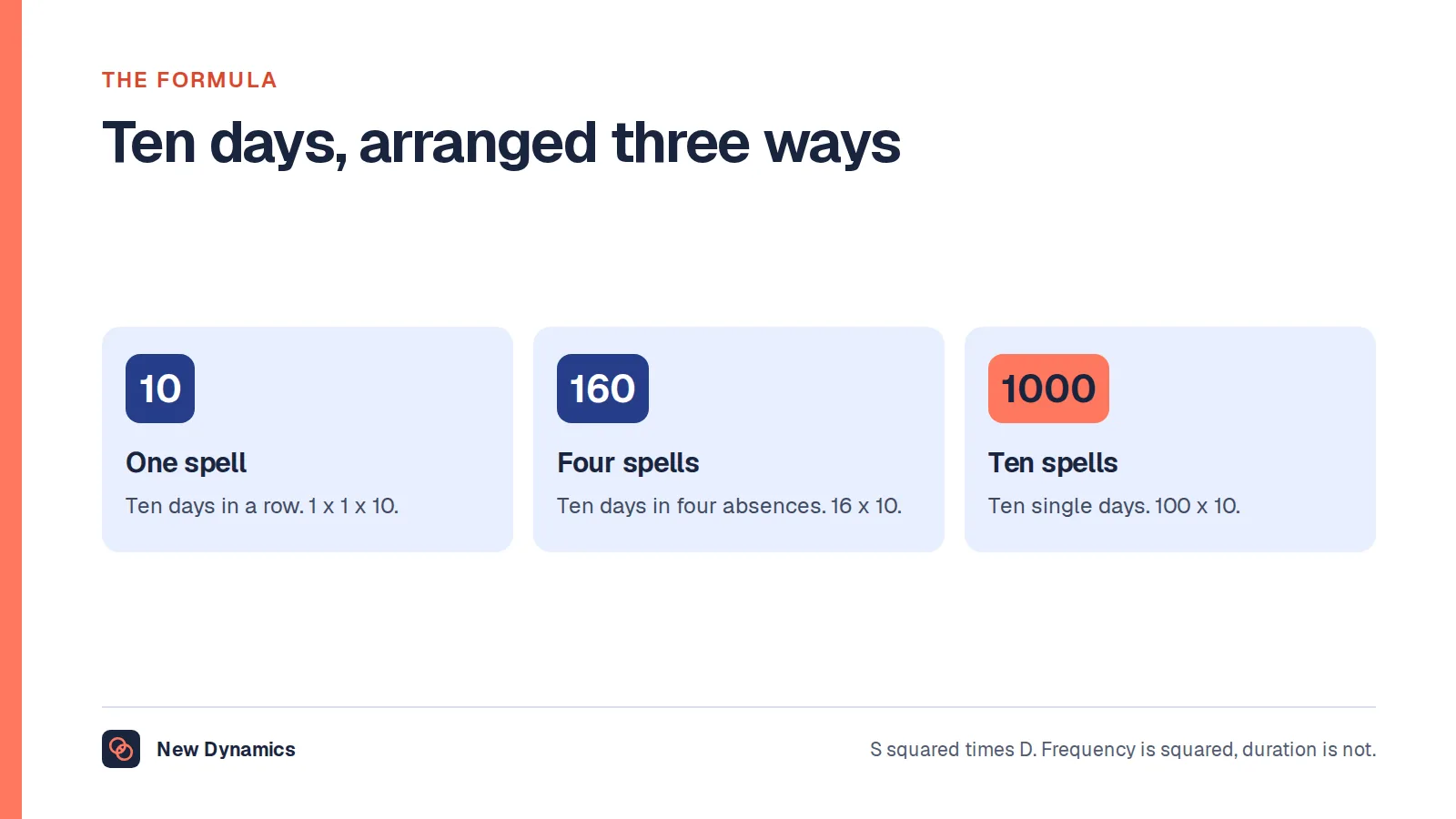
How the Bradford Factor is calculated, three worked examples showing why ten days can score 10 or 1,000, how trigger bands are usually set, what Acas says about review points and disability, and what to measure instead.
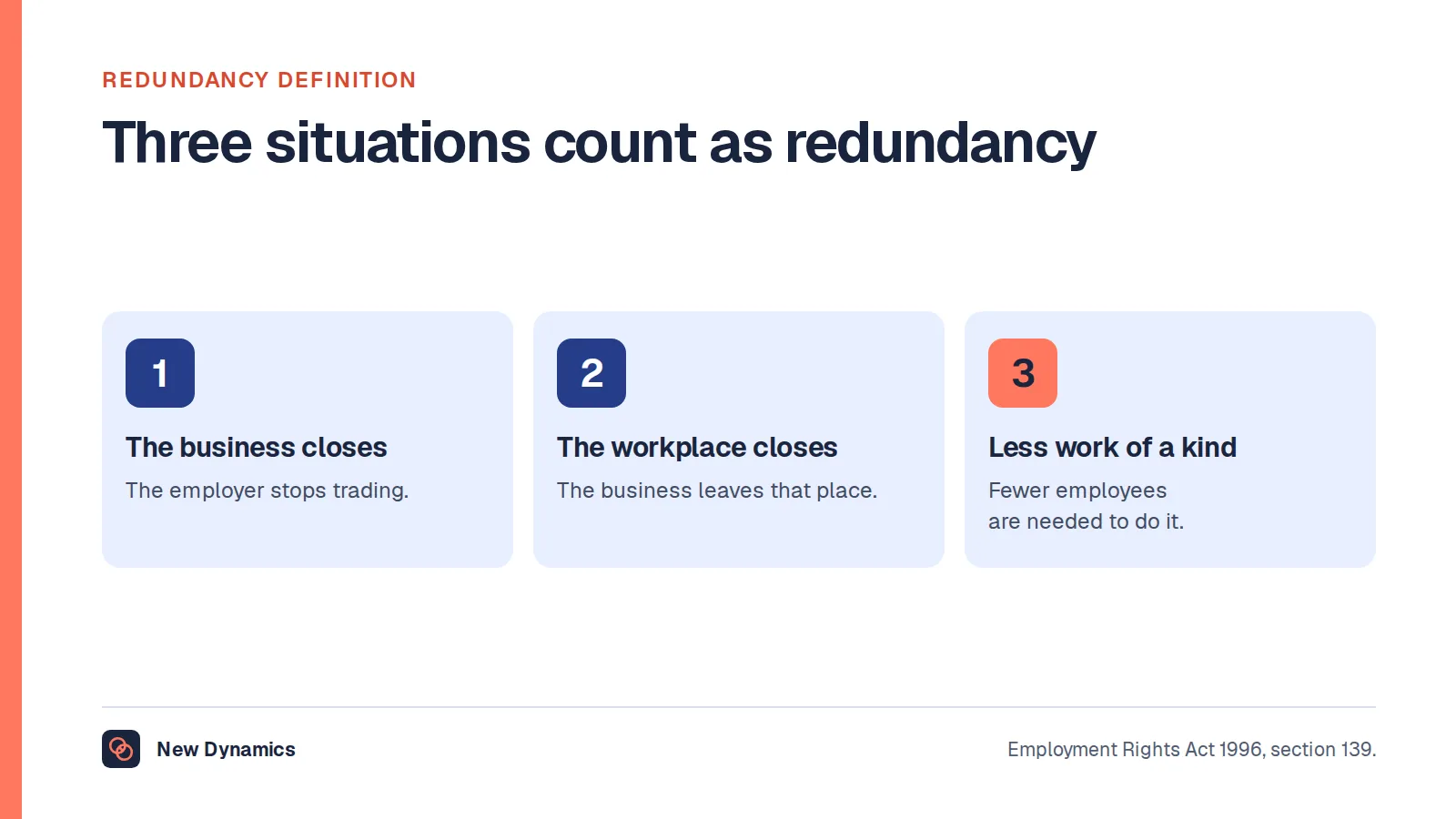
What redundancy means in UK employment law, the three situations that count, what it is not, the rights it brings and what managers should do. With official sources.
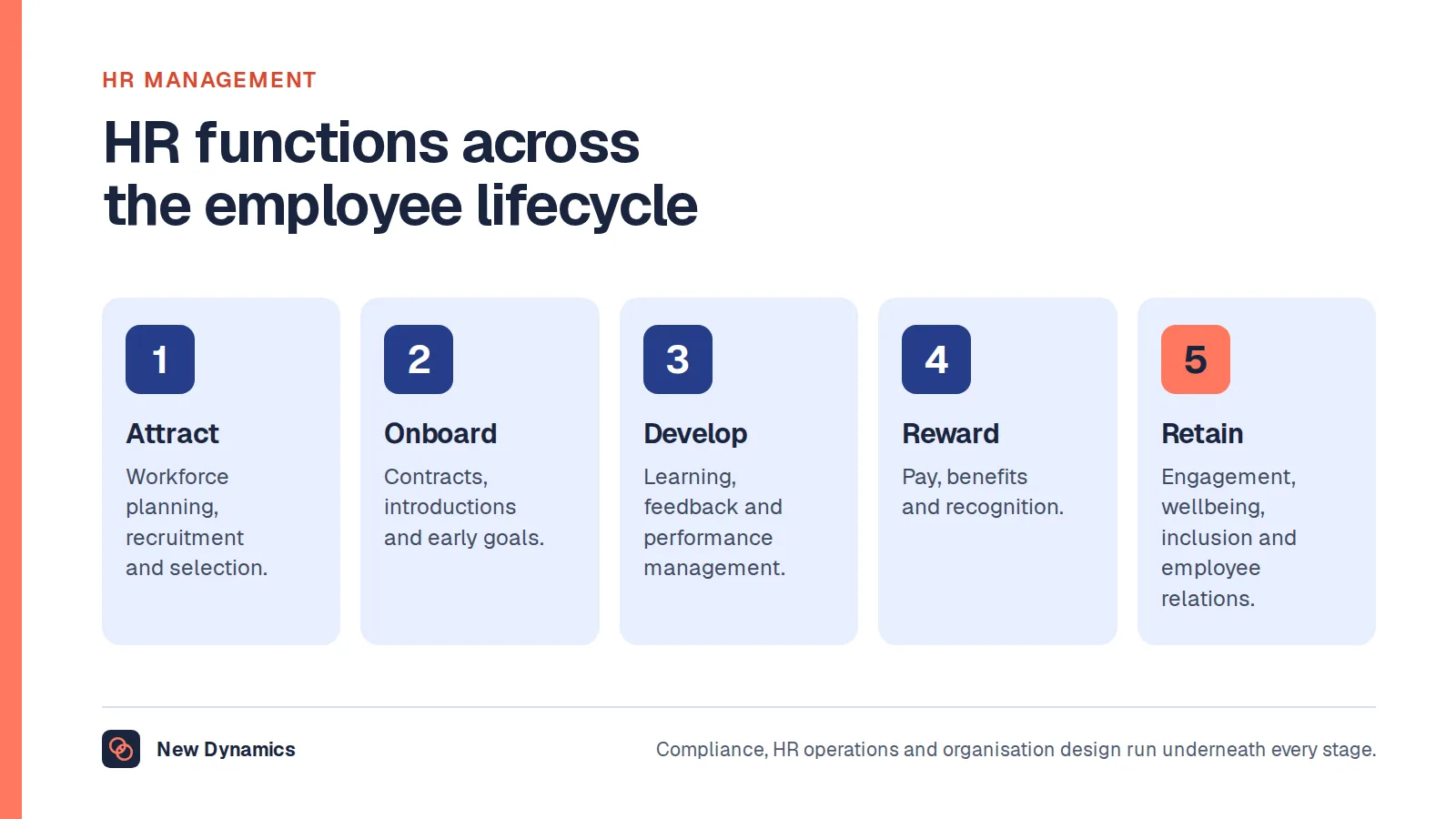
What HR management is, the 11 main HR functions with examples, why HR matters and how to tell whether it is working. A plain guide for managers. Read on.
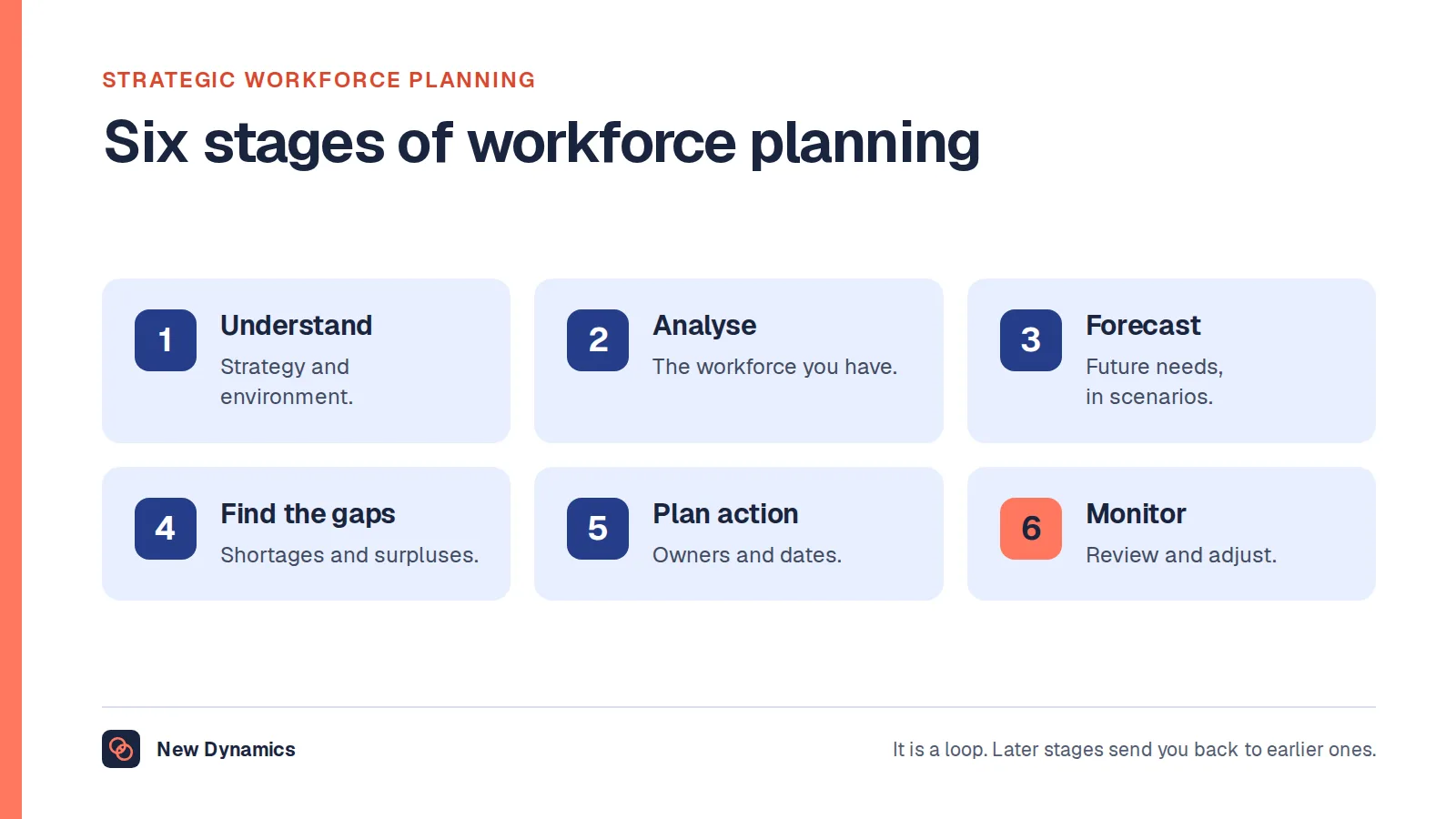
Strategic workforce planning explained: what it is, the six stages, five ways to close a skills gap, a worked example and the mistakes that leave plans on the shelf.
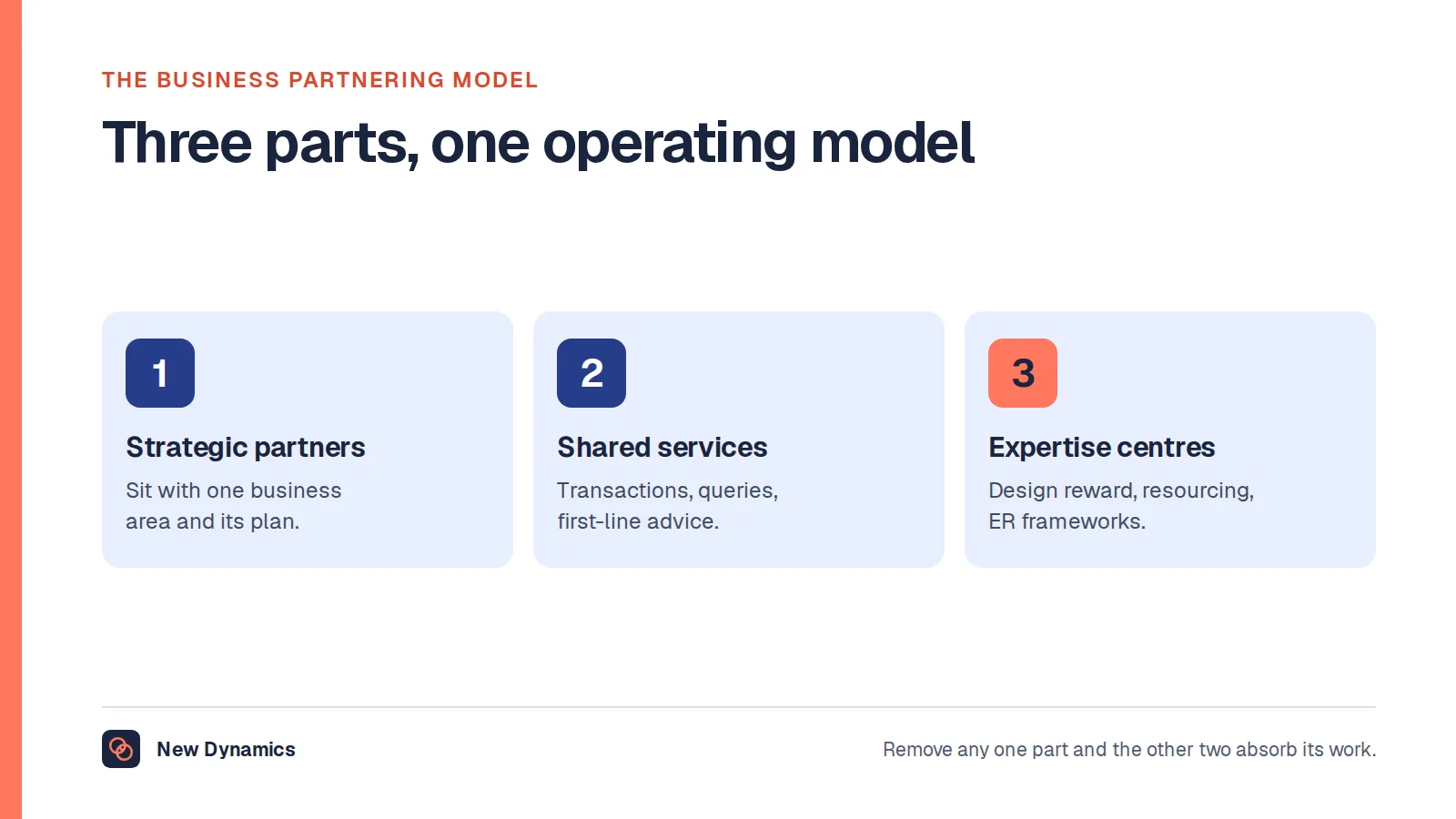
What an HR business partner really does, and how the role differs from an HR adviser, an HR manager and a centre of expertise. Includes a full job description, the skills that separate the role, the career path and the four ways it fails. See how to free the capacity it needs.
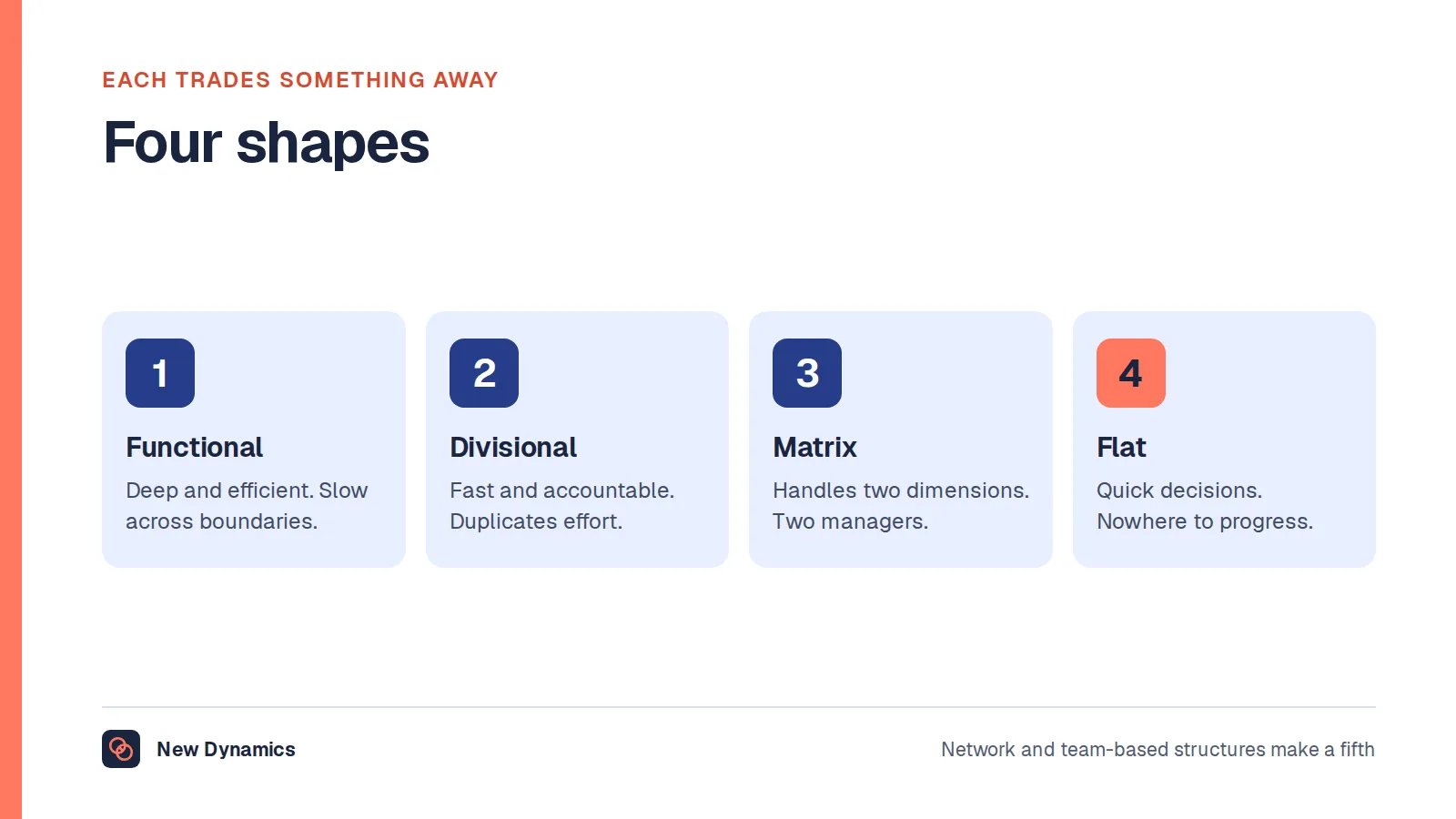
What an organizational structure is, the main types with what each is good and bad at, how hierarchy and span of control work, and the costs of a restructure nobody counts.
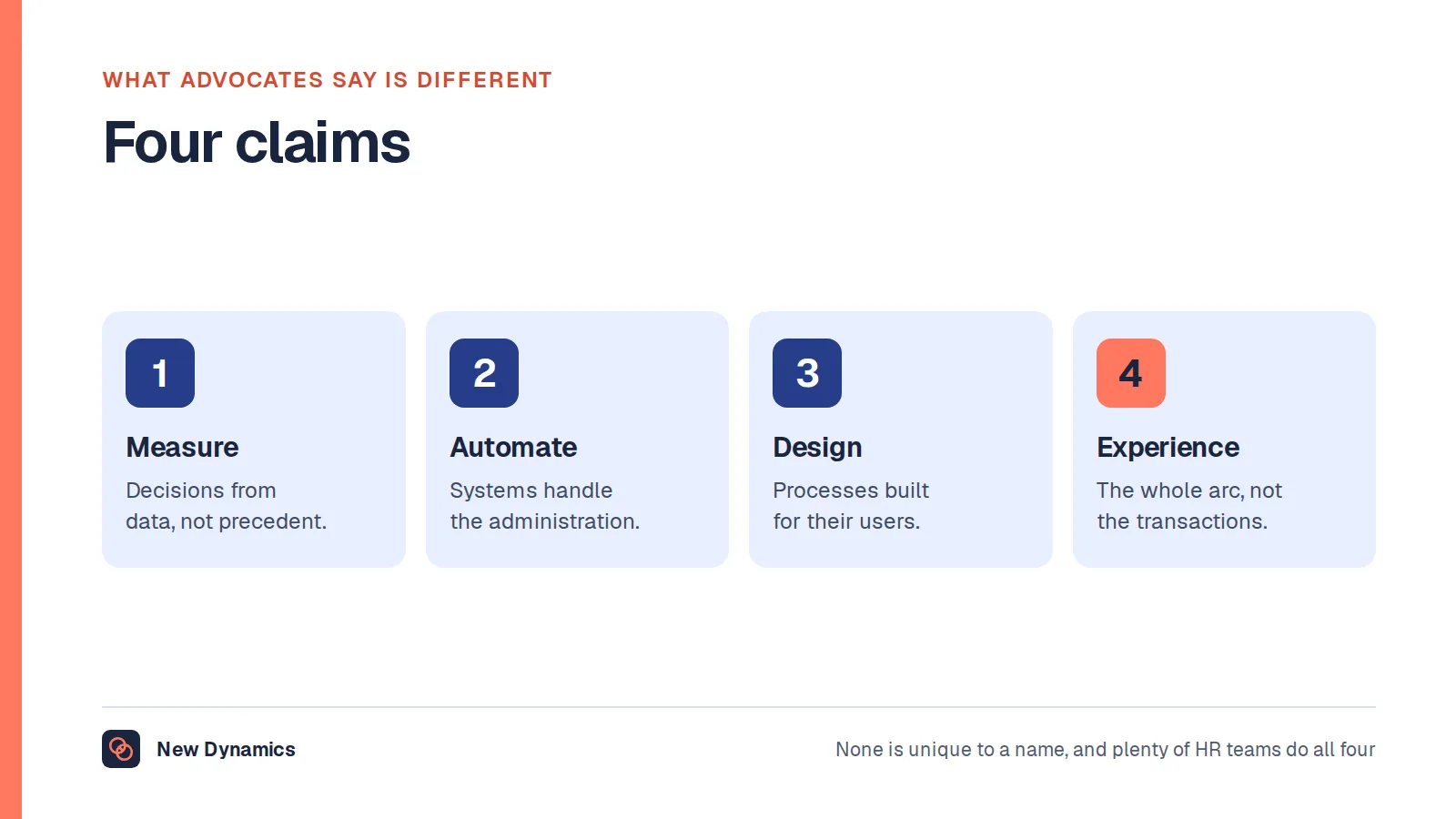
What people operations means, the four things advocates say are different, what genuinely changes when you rename HR, and the duties that stay exactly the same.
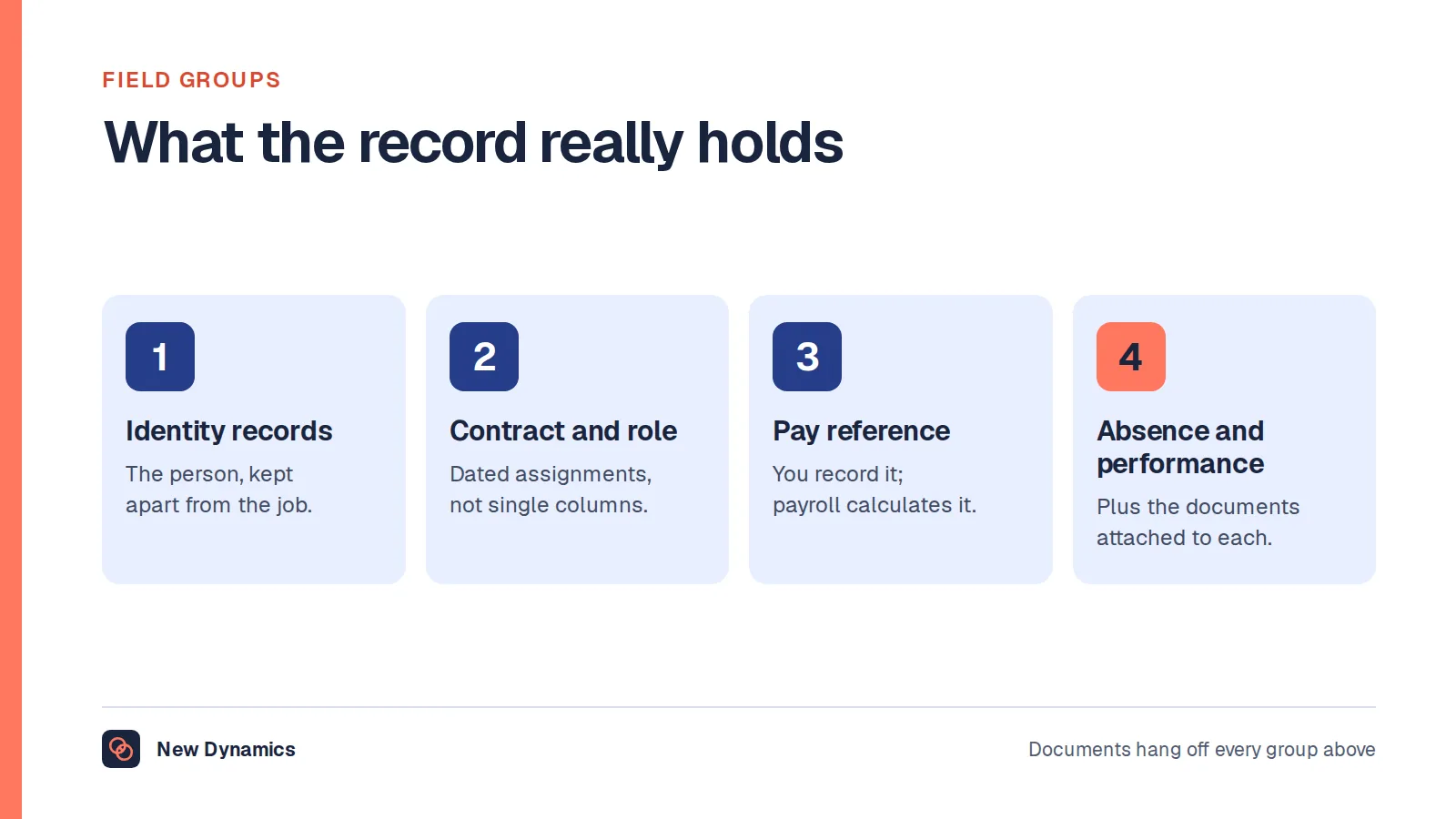
What an employee management system holds, field group by field group, why history matters more than current state, and how to handle special category data.
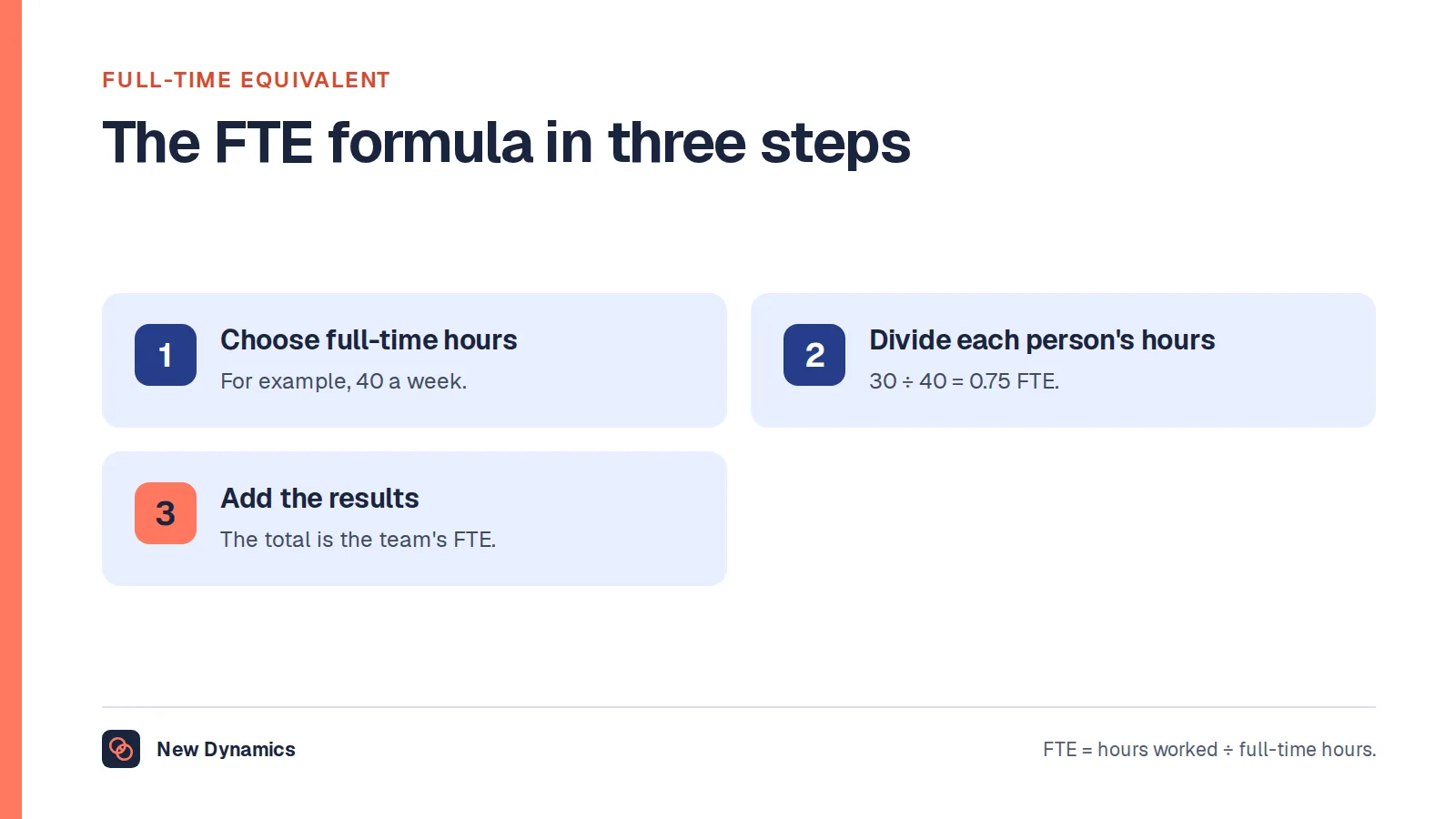
What full-time equivalent means, the FTE formula with worked examples, how FTE differs from headcount, the US rule for counting FTEs and five mistakes to avoid.
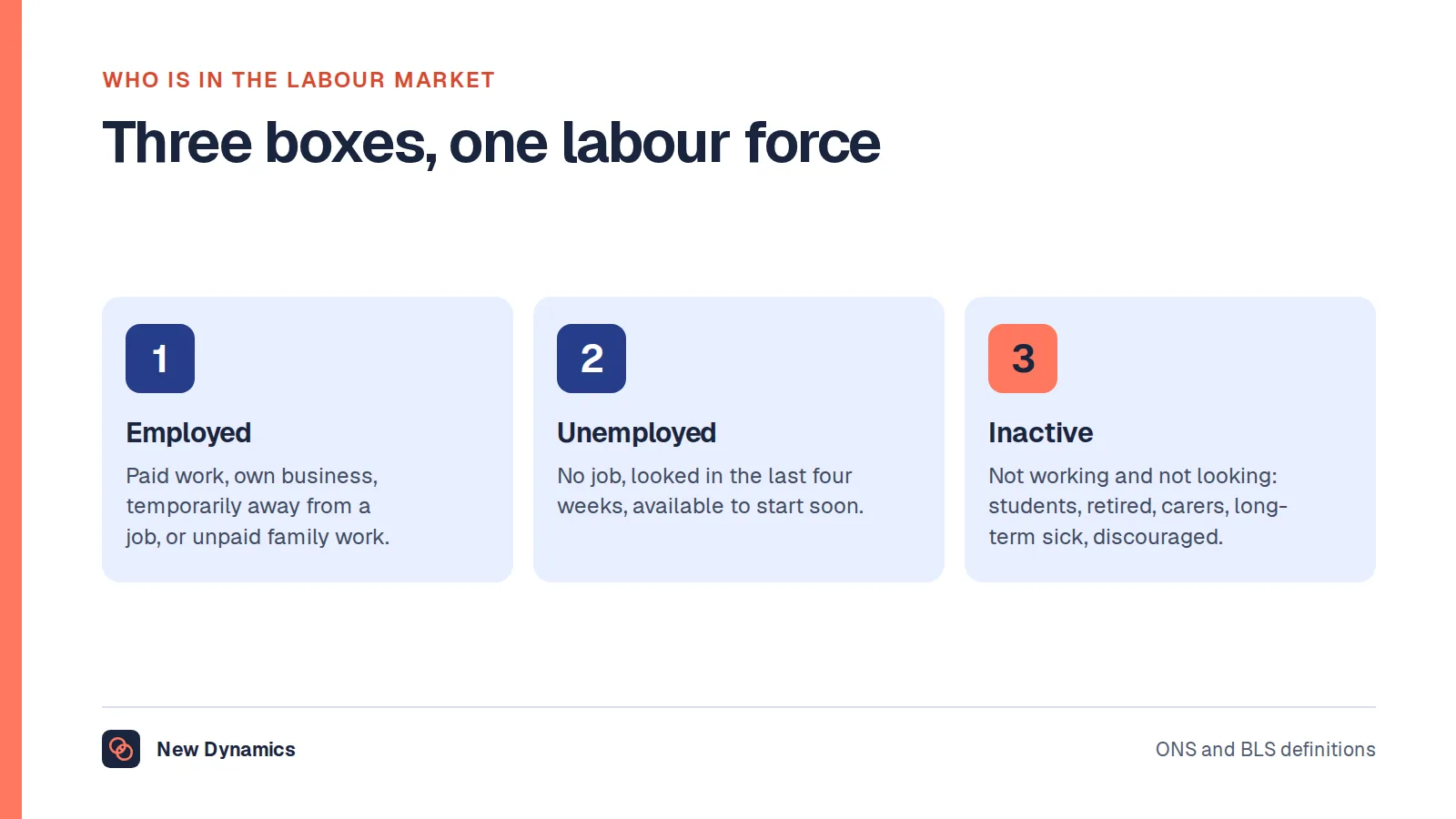
What the labour market is, in the words of the ONS and the BLS: employed, unemployed and inactive, supply and demand, tight versus slack, internal versus external, and what an employer does with the reading.
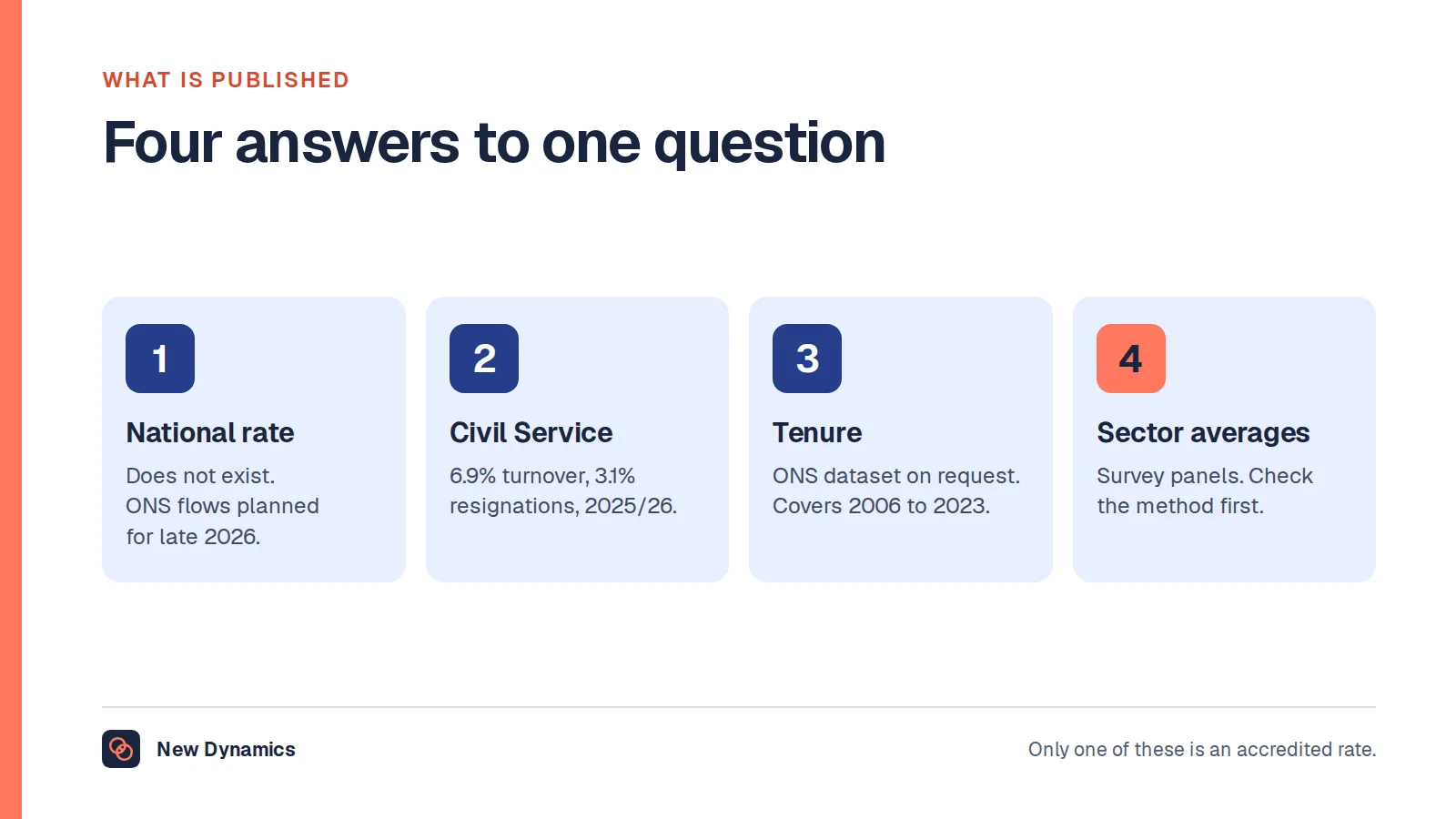
There is no official UK employee turnover rate. What the ONS publishes and what it does not, the one accredited turnover and resignation rate you can quote, why industry averages should be treated carefully, and what to measure instead.
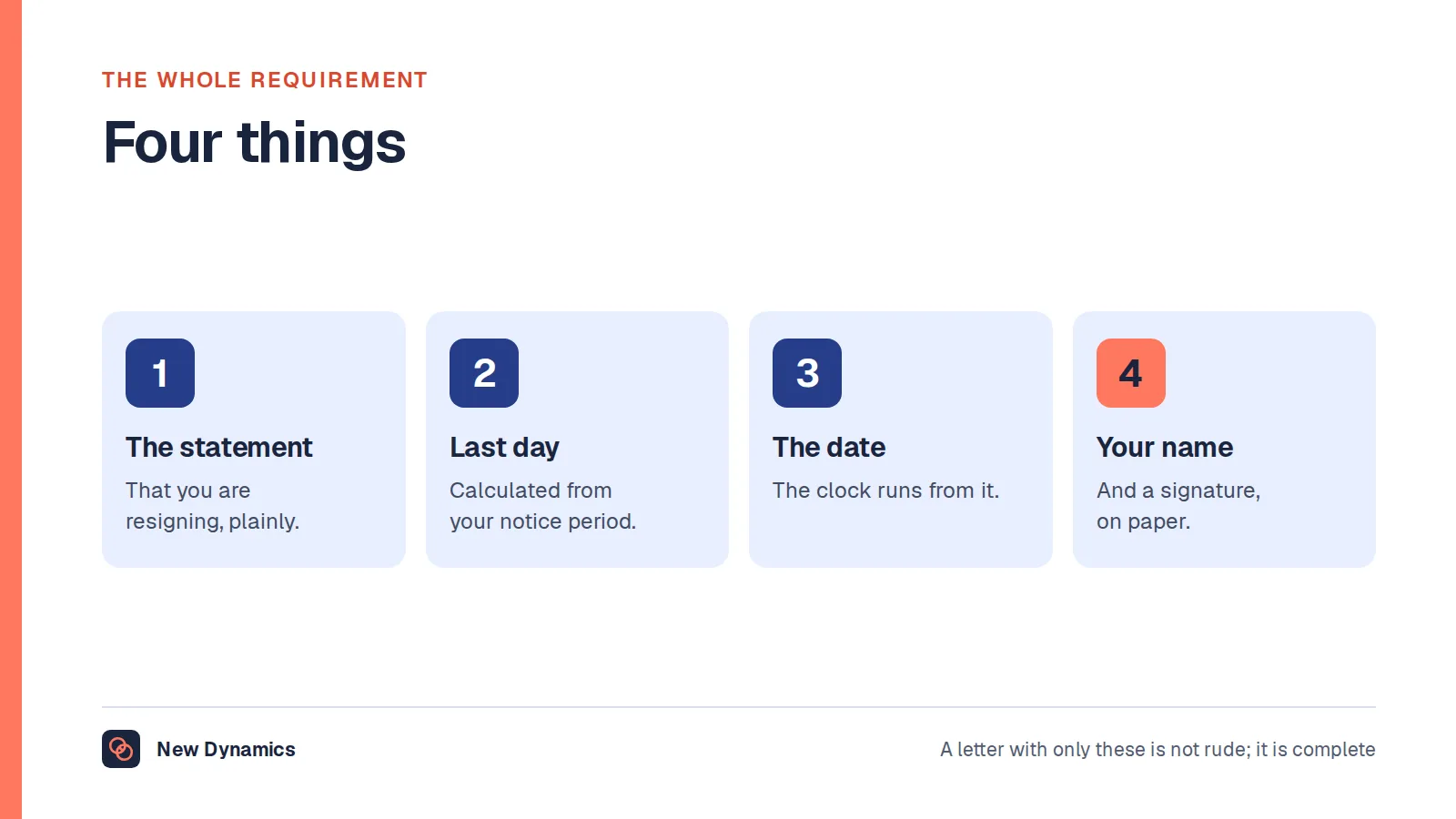
What a resignation letter needs to contain, how much notice you owe, when the notice period starts, three short templates, and what to do if you resign in the heat of the moment.
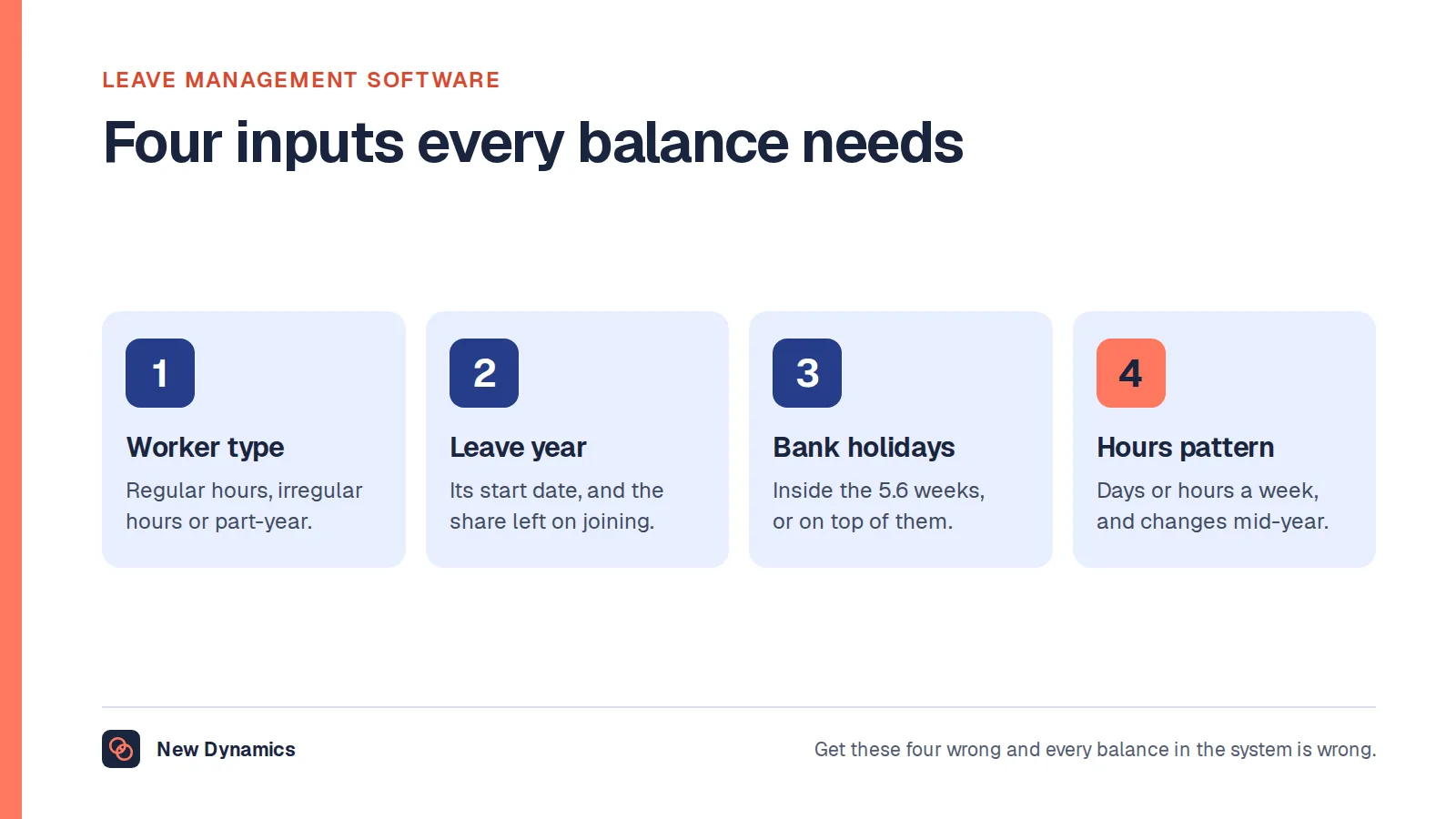
What leave management software has to calculate: entitlement, 12.07% accrual, carry over, approvals, bank holidays and the payroll handover. Evaluation questions included.
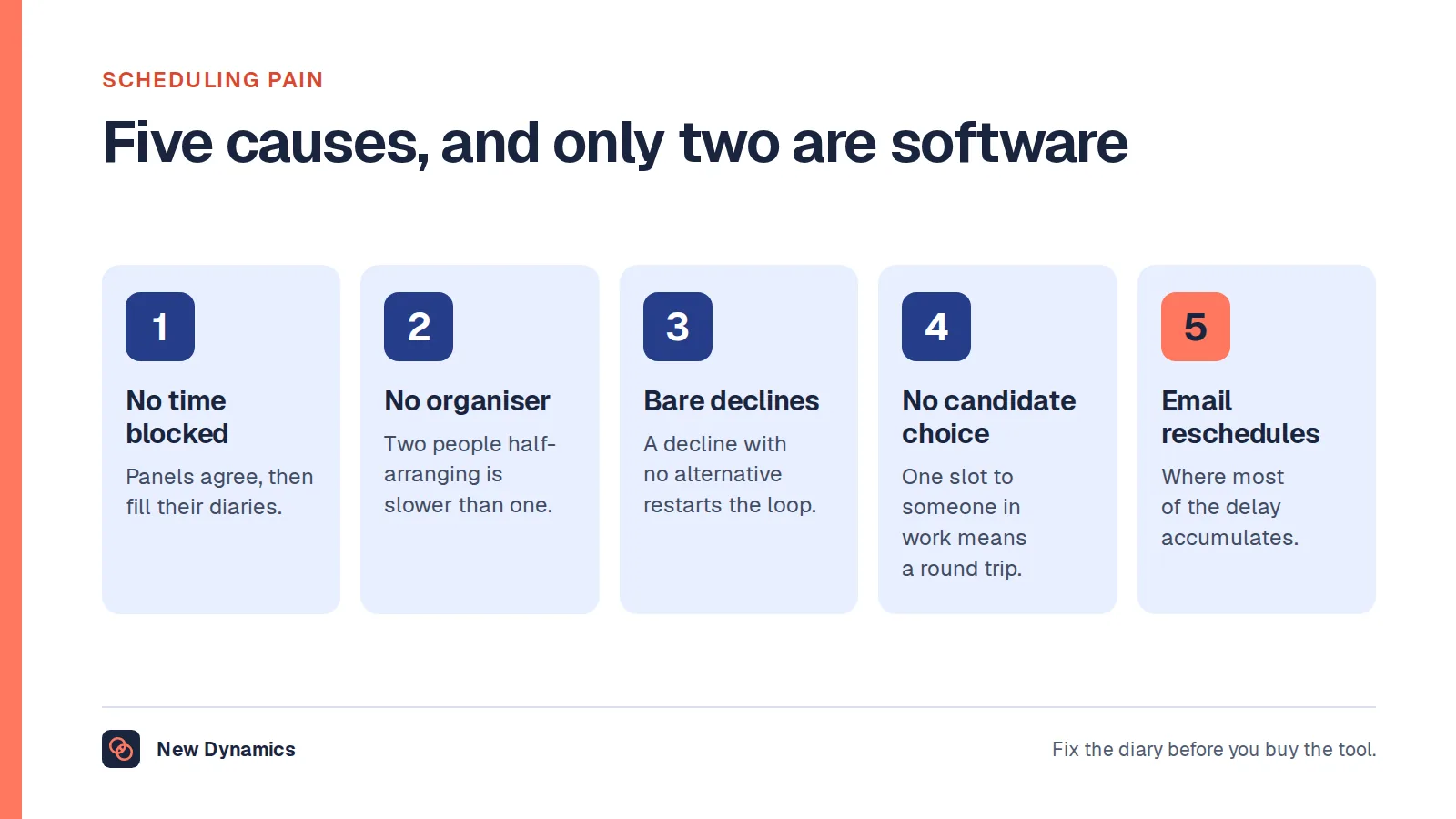
A vendor-neutral guide to interview scheduling and video interviewing tools: what actually causes scheduling pain, the adjustment duty you must build in, where one-way video interviews help and harm, and the questions to ask in a demo.
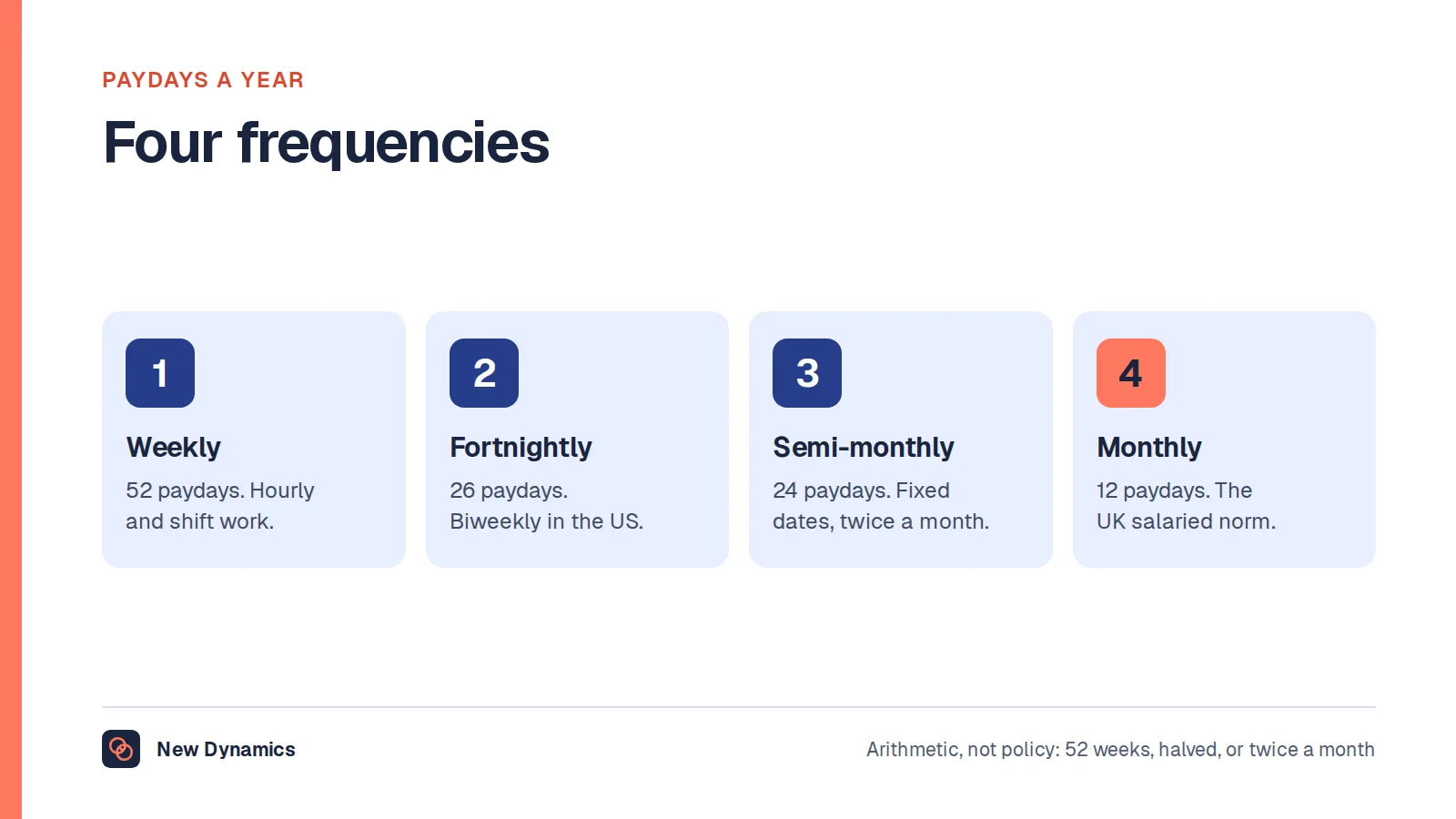
How pay frequency works: 52, 26, 24 or 12 paydays a year, how biweekly pay produces a third payday in some months, fortnightly against semi-monthly, and what UK rules require.
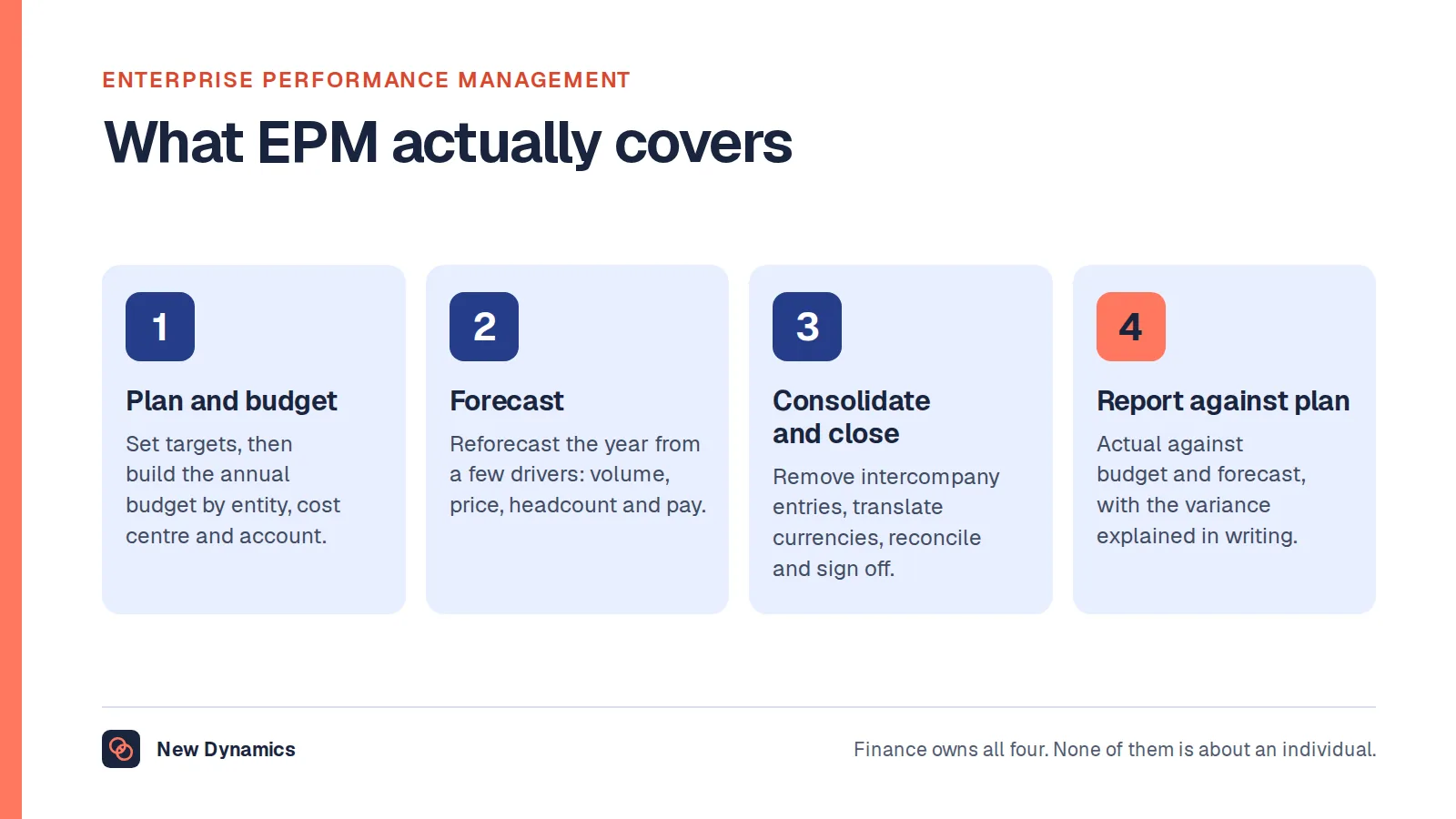
What enterprise performance management covers, how EPM, CPM, BI and ERP relate, what an enterprise performance manager does, and where people performance begins.
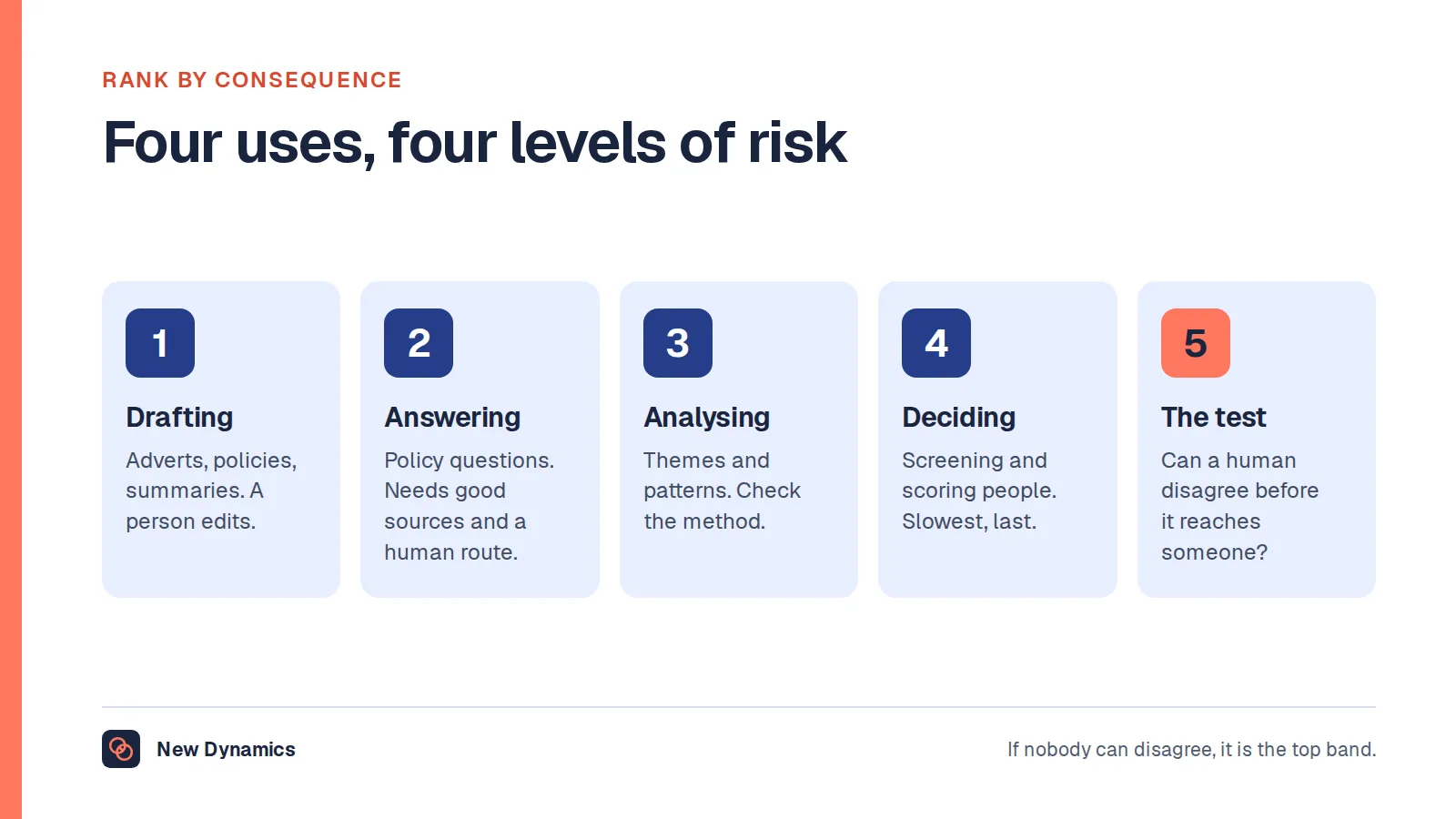
Where AI genuinely helps an HR team, the four uses ranked by risk, the governance to settle before a pilot, what to tell employees, how to evaluate a vendor's claims, and the questions to ask.
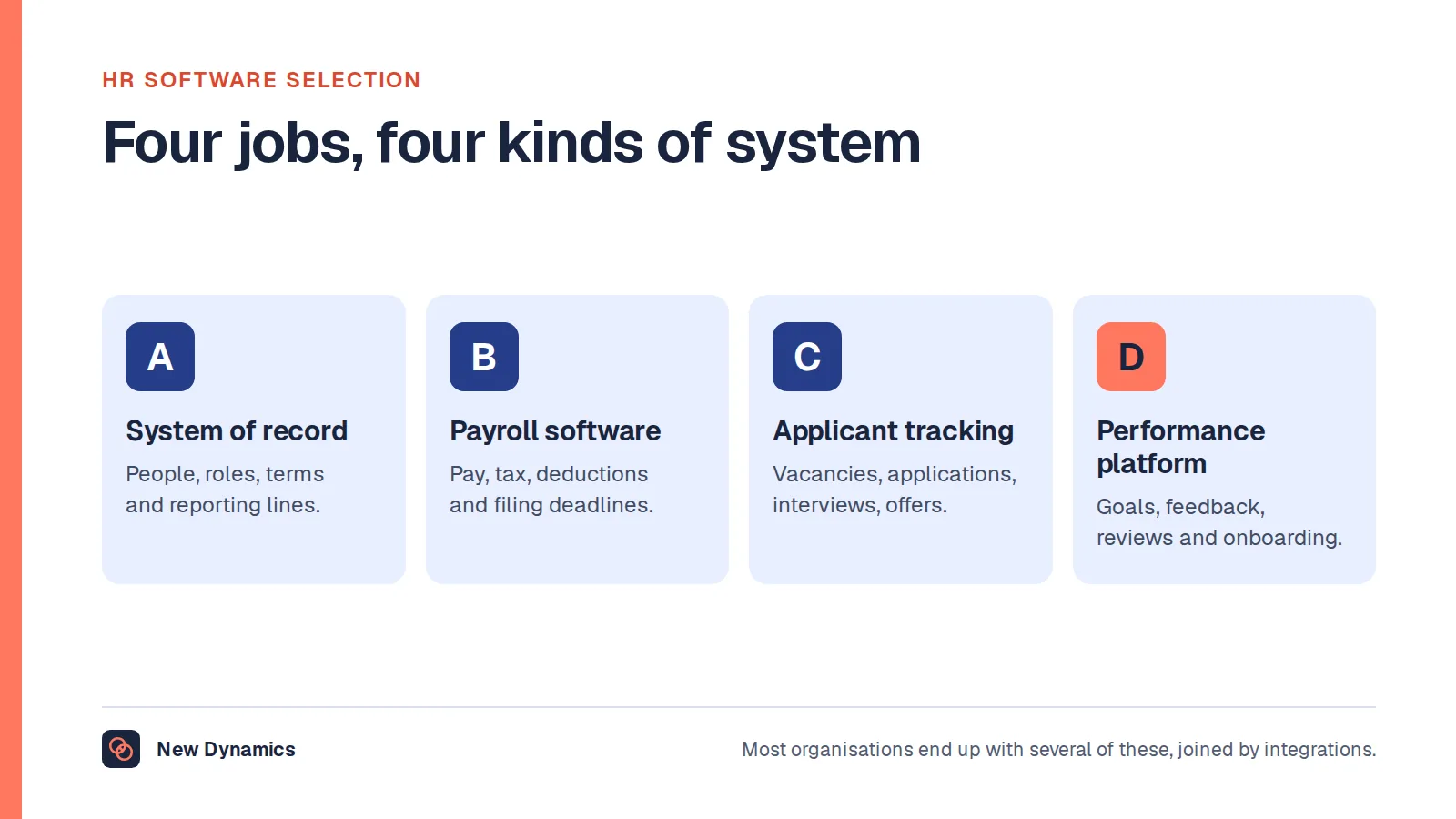
A vendor-neutral guide to choosing HR software: what each kind of system does, the requirements people forget, the data questions to ask, and how to run a pilot.
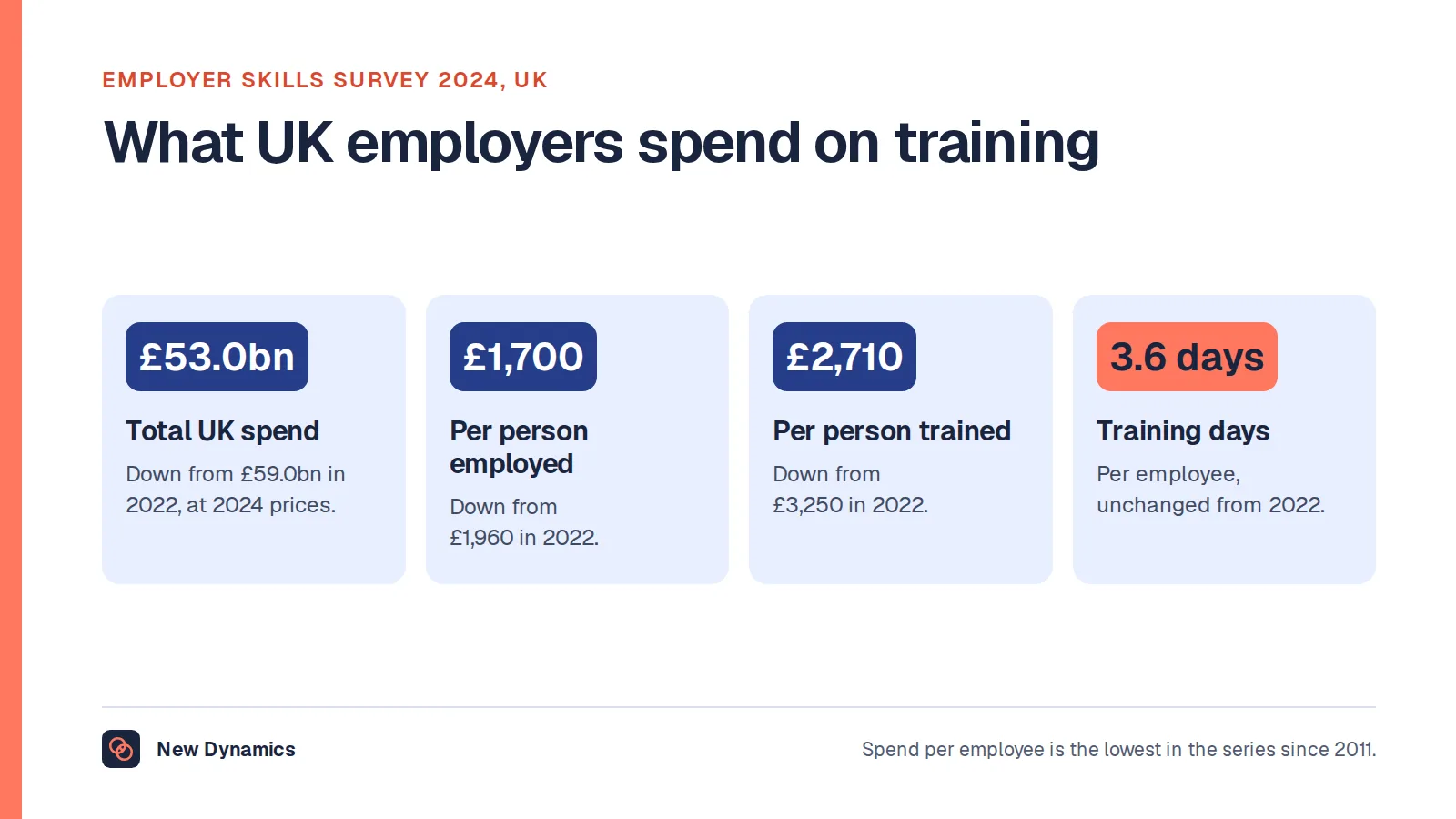
The official UK training figures: £53.0 billion of employer training spend, £1,700 per employee, 3.6 training days per employee and a 4.0% skills gap density. What each one covers, and what to measure yourself.
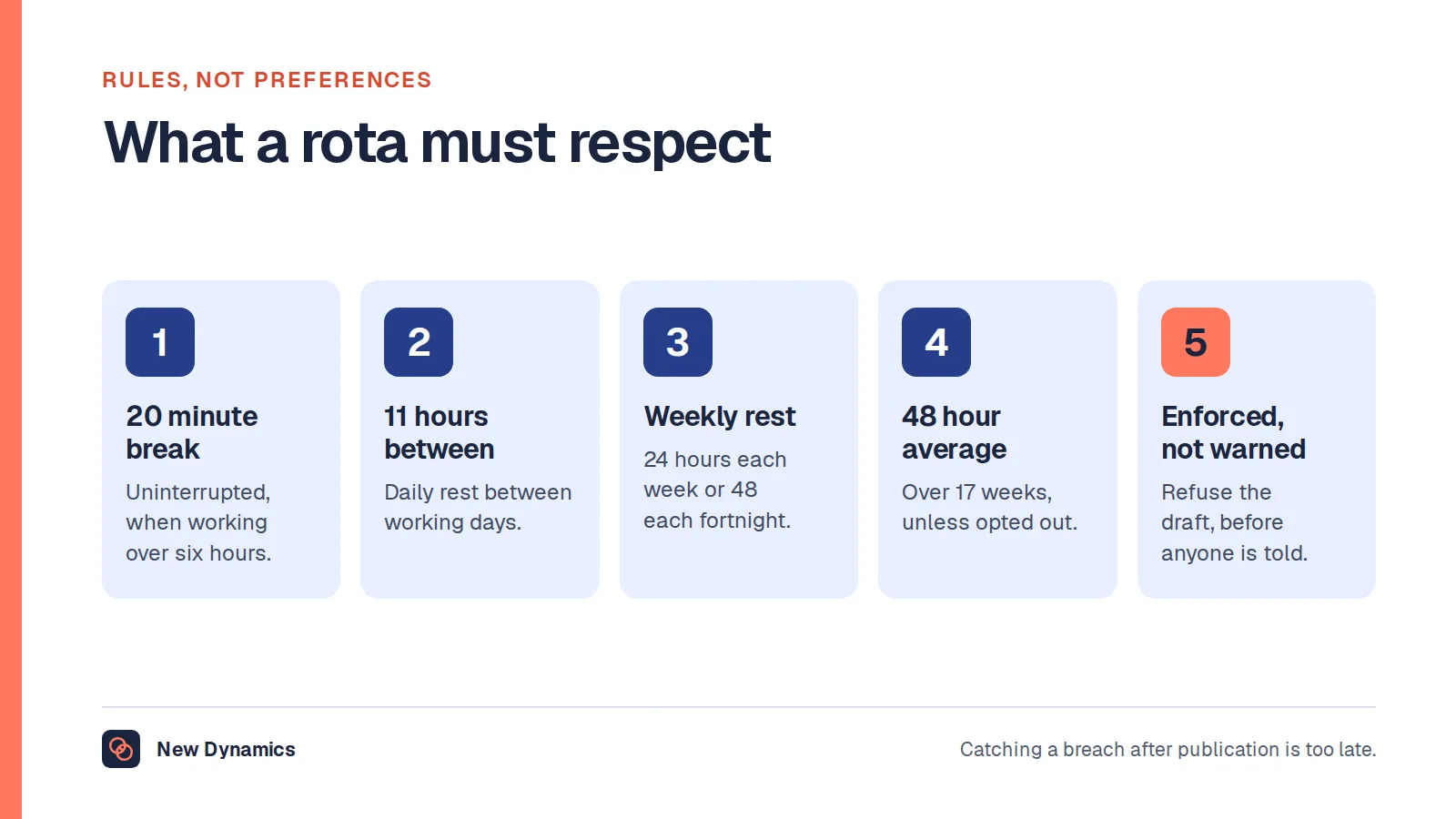
What employee scheduling software has to handle: rest break and daily rest rules, notice of shifts, swaps and cover, deskless access, and the cost of a rota that changes at short notice. Plus the questions to ask in a demo.
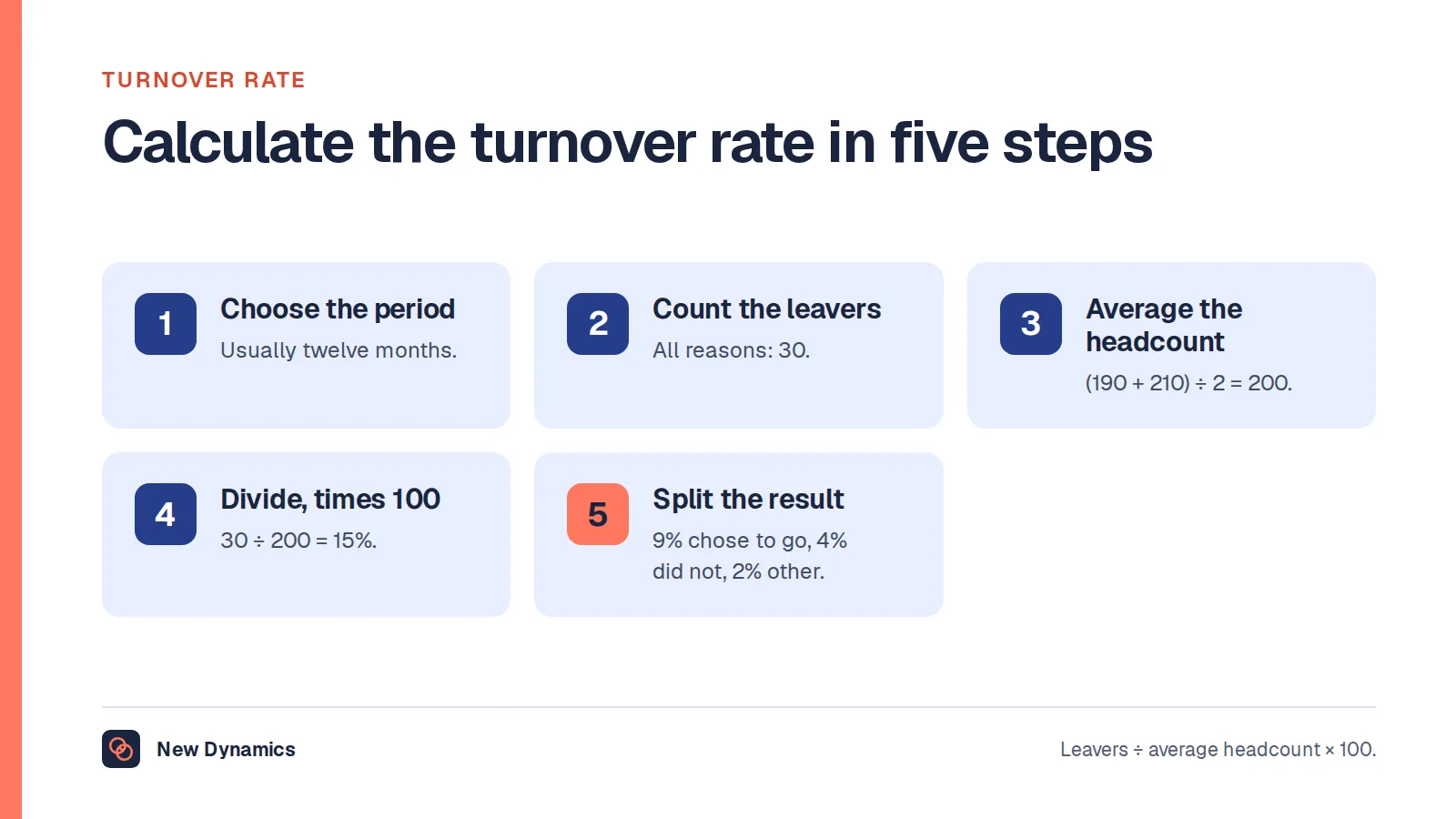
What employee turnover means, how to calculate the turnover rate in five steps with a worked example, four ways to split the number, and the six costs of turnover.
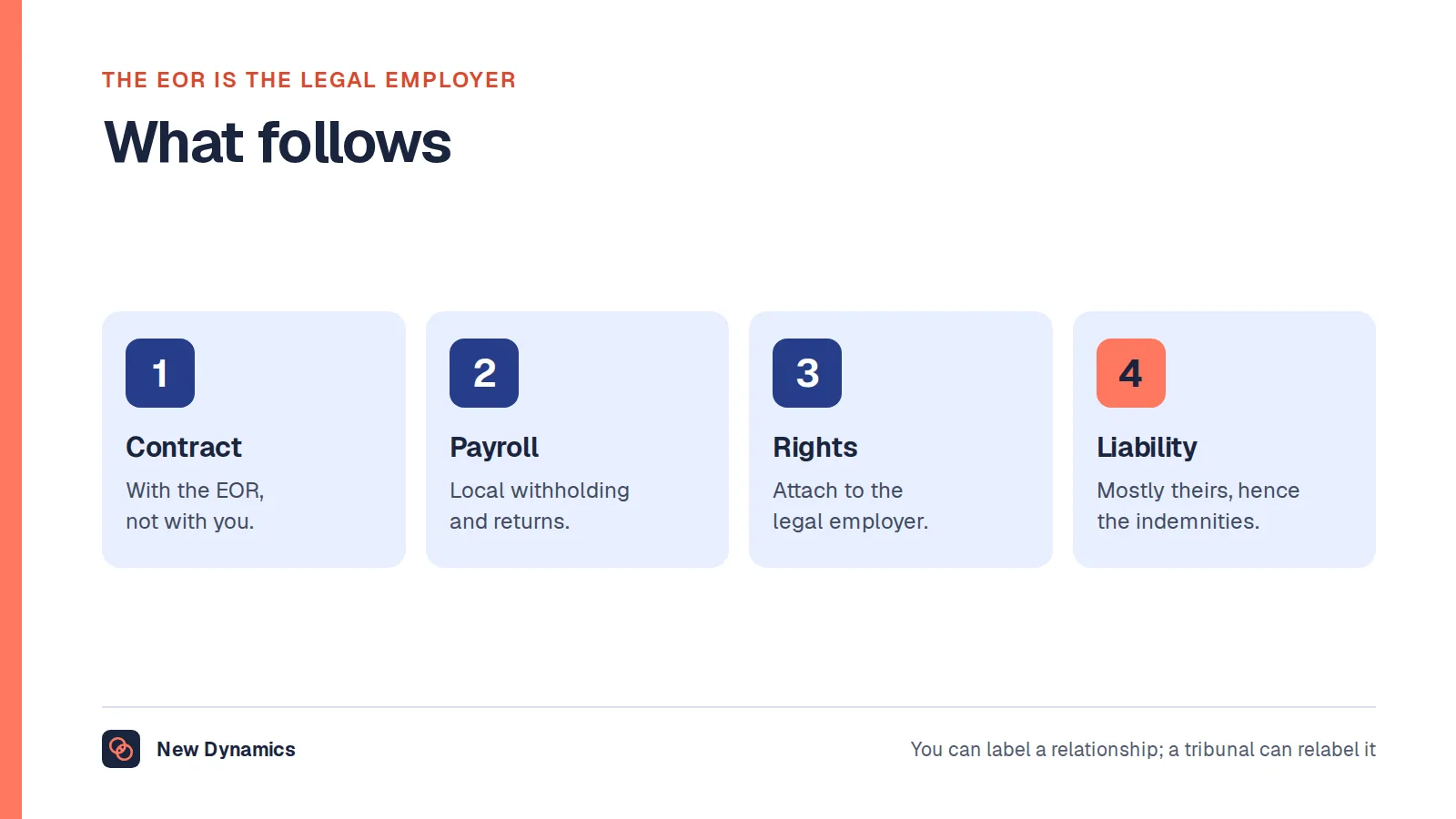
What an employer of record is, why being the legal employer decides the contract, payroll, rights and liability, how an EOR differs from a PEO and an agency, and what it cannot solve.