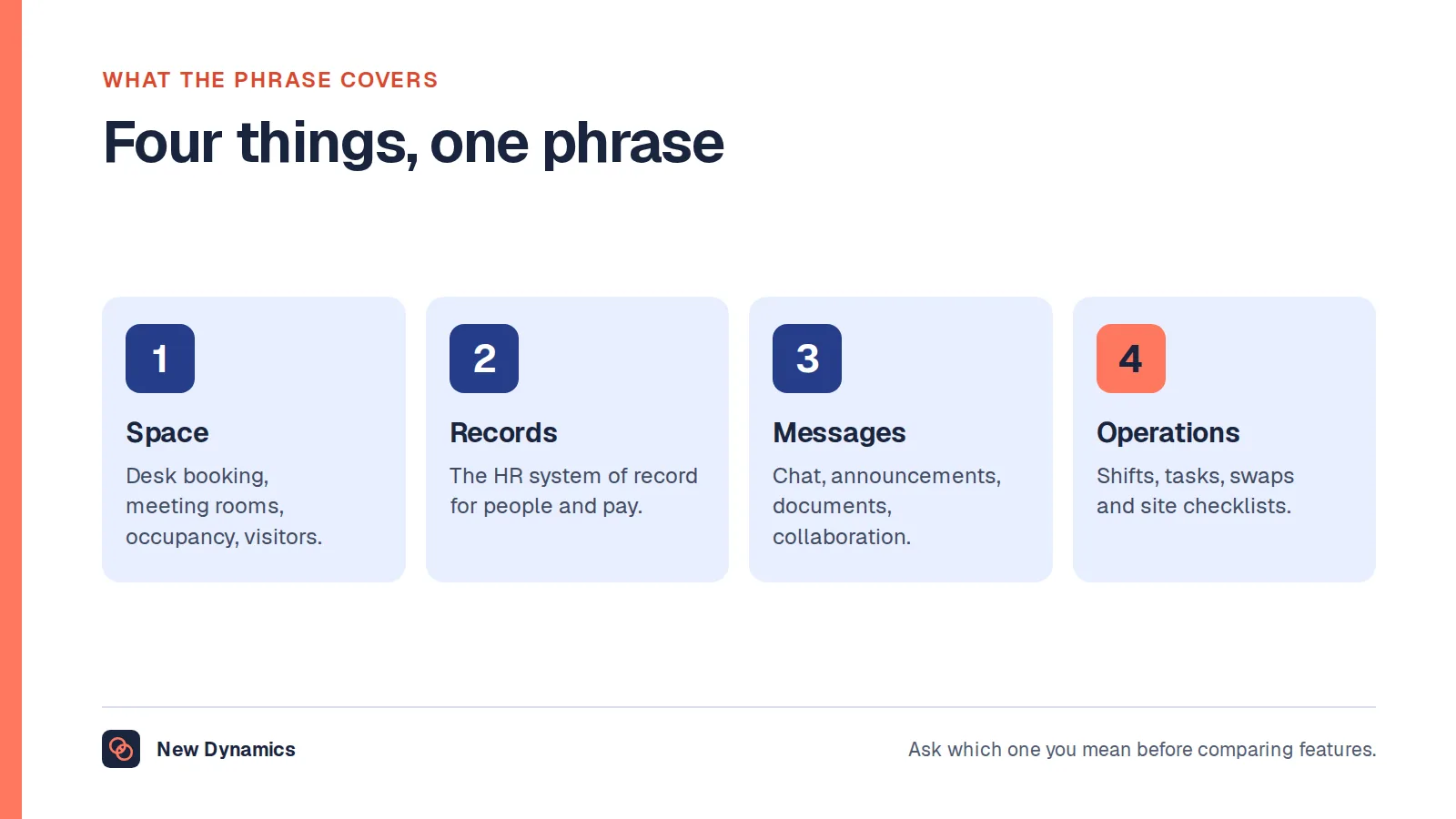
Workplace management software means four different products: space, the HR record, communication and frontline operations. How to tell which one your problem needs, and the data protection duties on occupancy data.
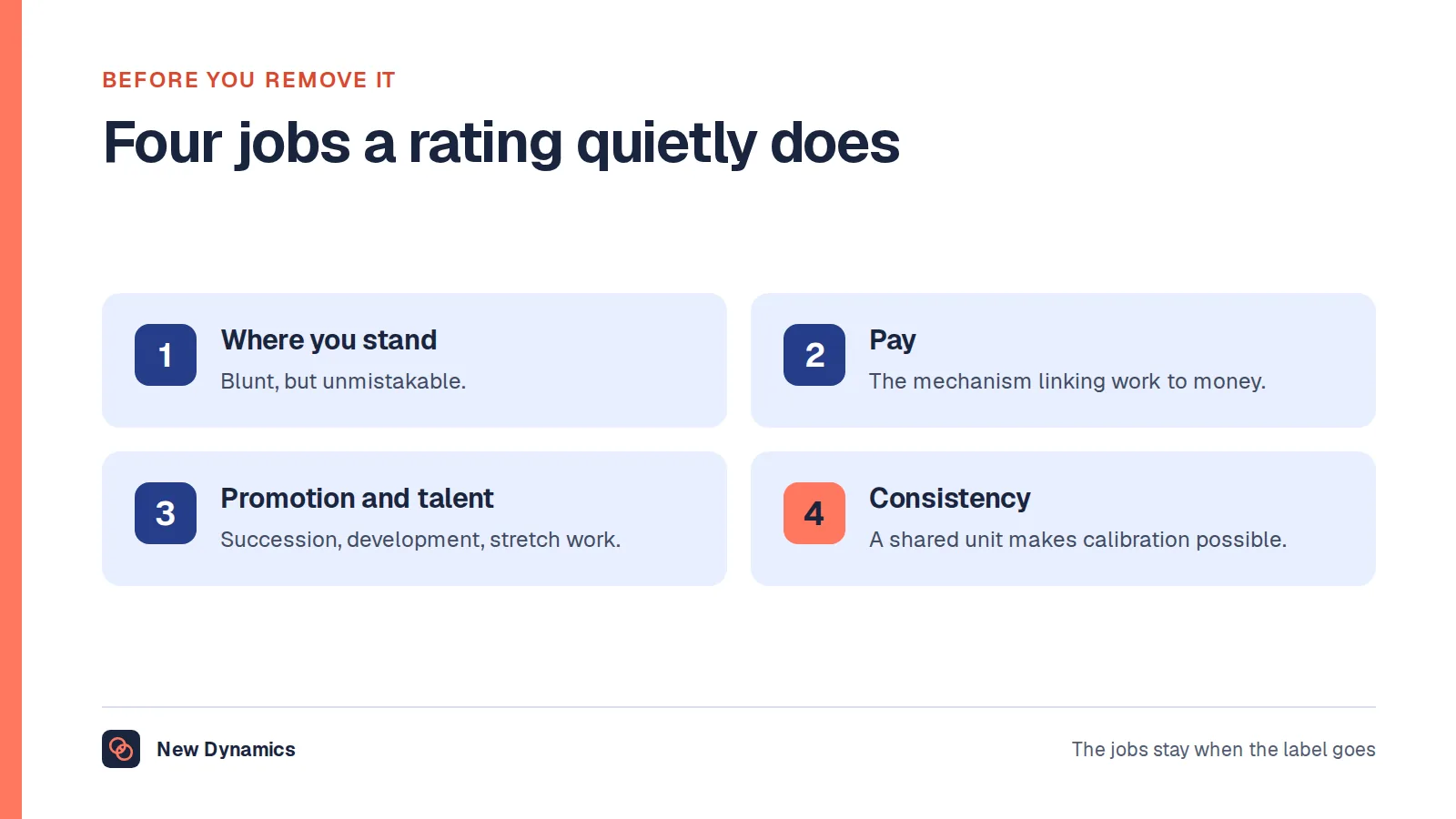
The honest case for and against dropping performance ratings: the four jobs a rating quietly does, what breaks when it goes, the six things a ratingless cycle needs instead, and the questions to answer before deciding.
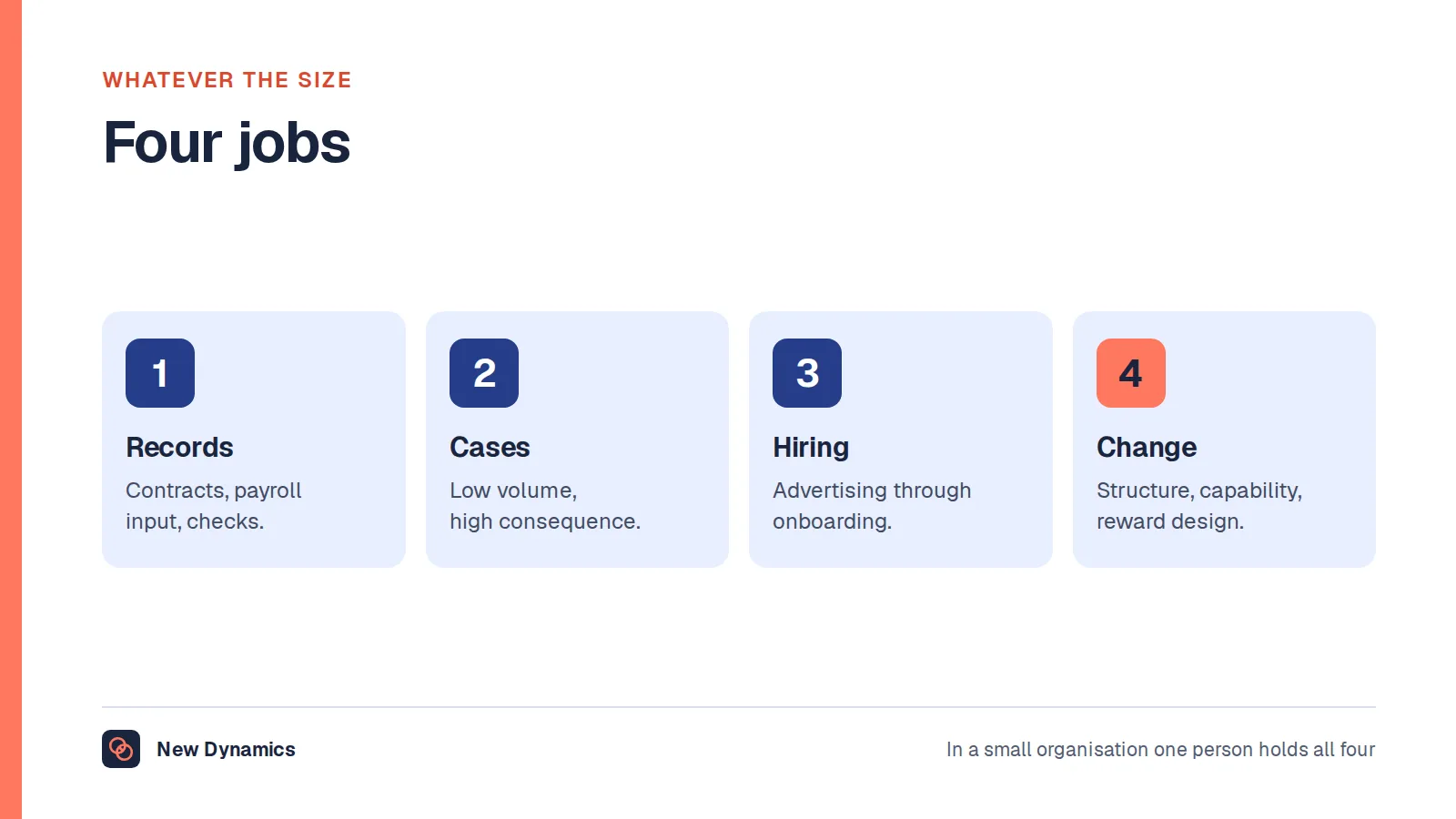
How to structure an HR function: the four jobs every one covers, the published job families, the common shapes and what each trades away, and the order roles get added.
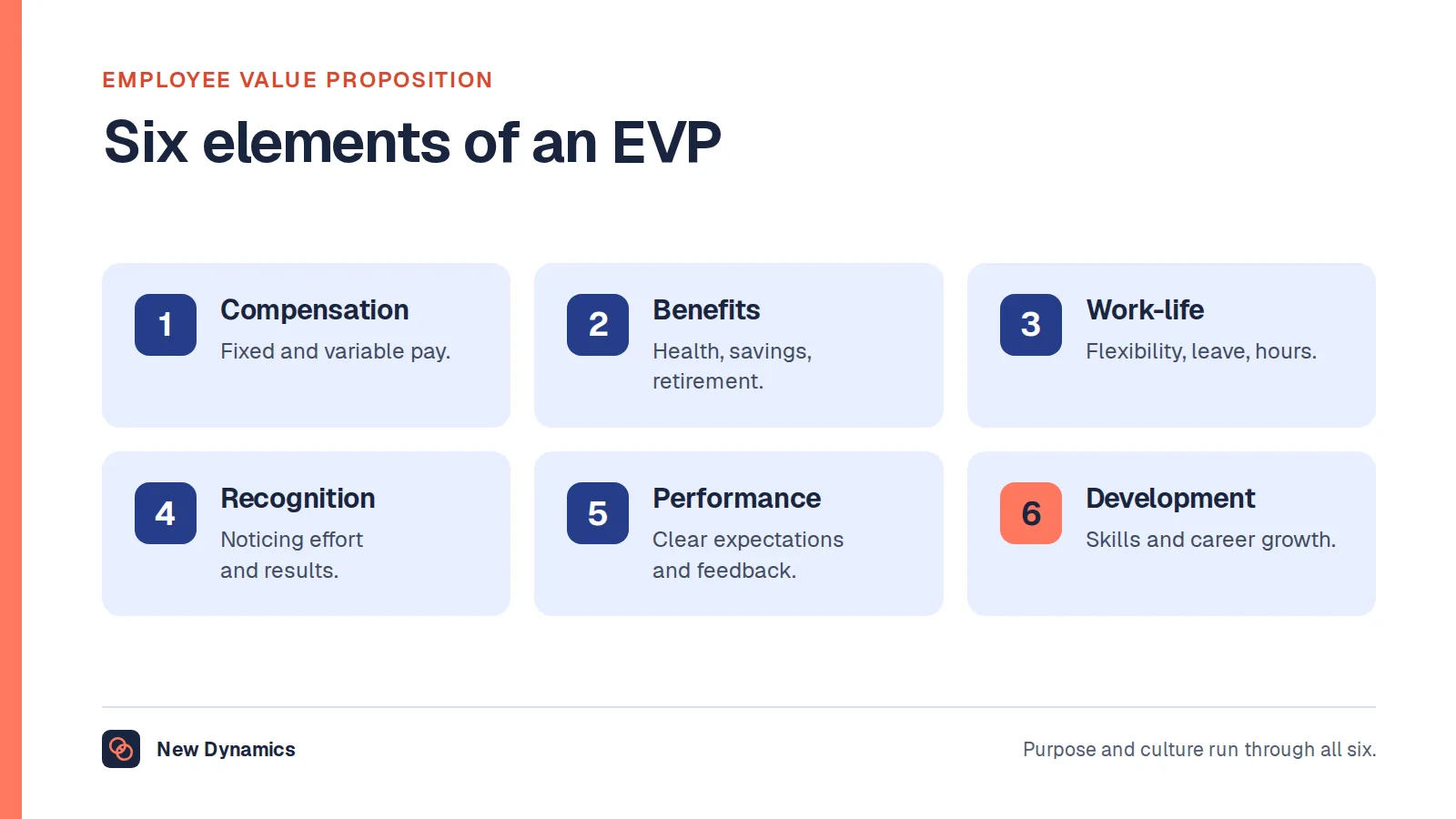
What an employee value proposition is, how EVP differs from employer brand, the six elements, five steps to build one, five tests and examples of honest wording.
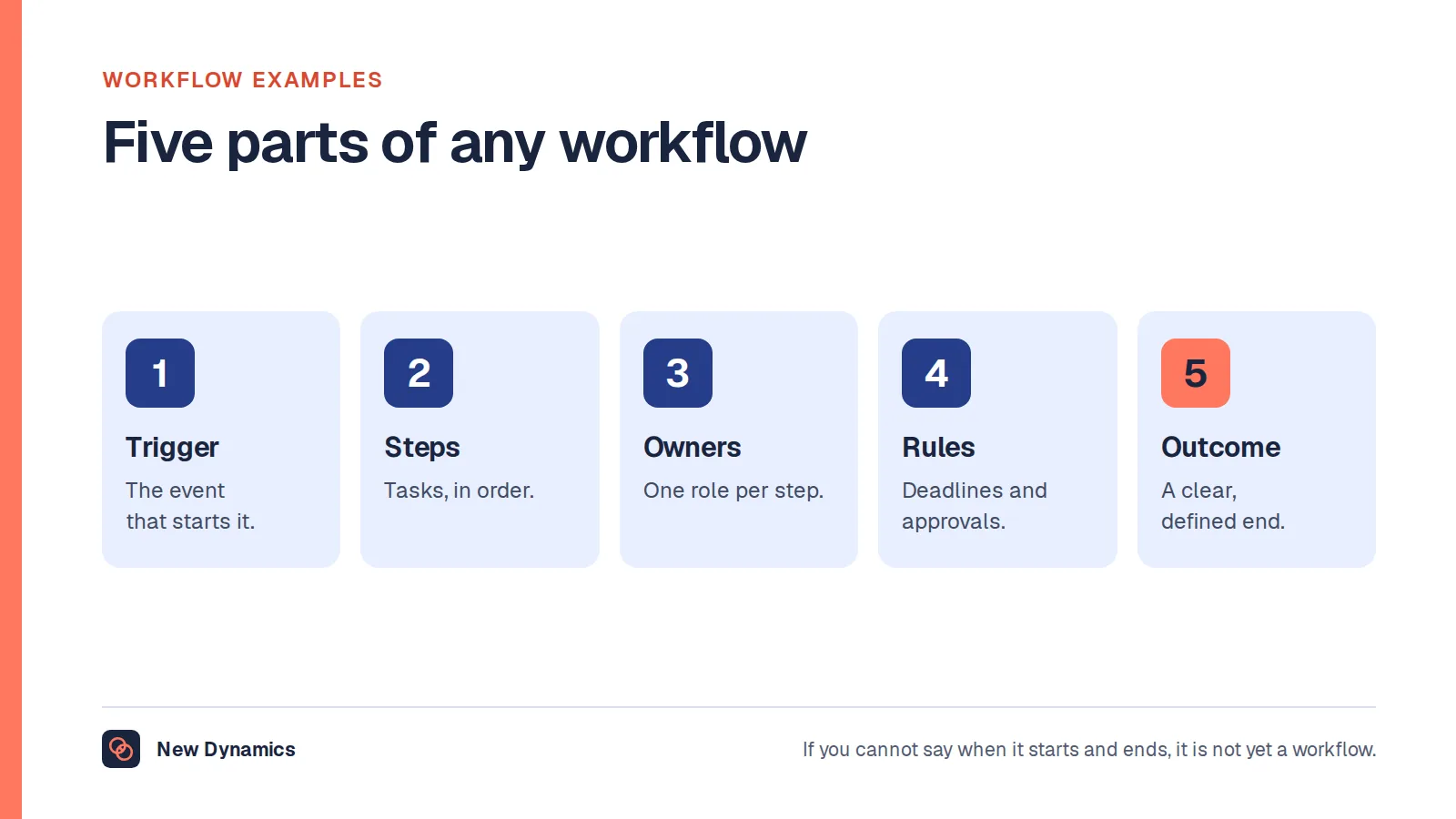
See 10 workflow examples for HR and people processes, from onboarding to performance reviews and offboarding, plus the five parts of any workflow and how to design one.
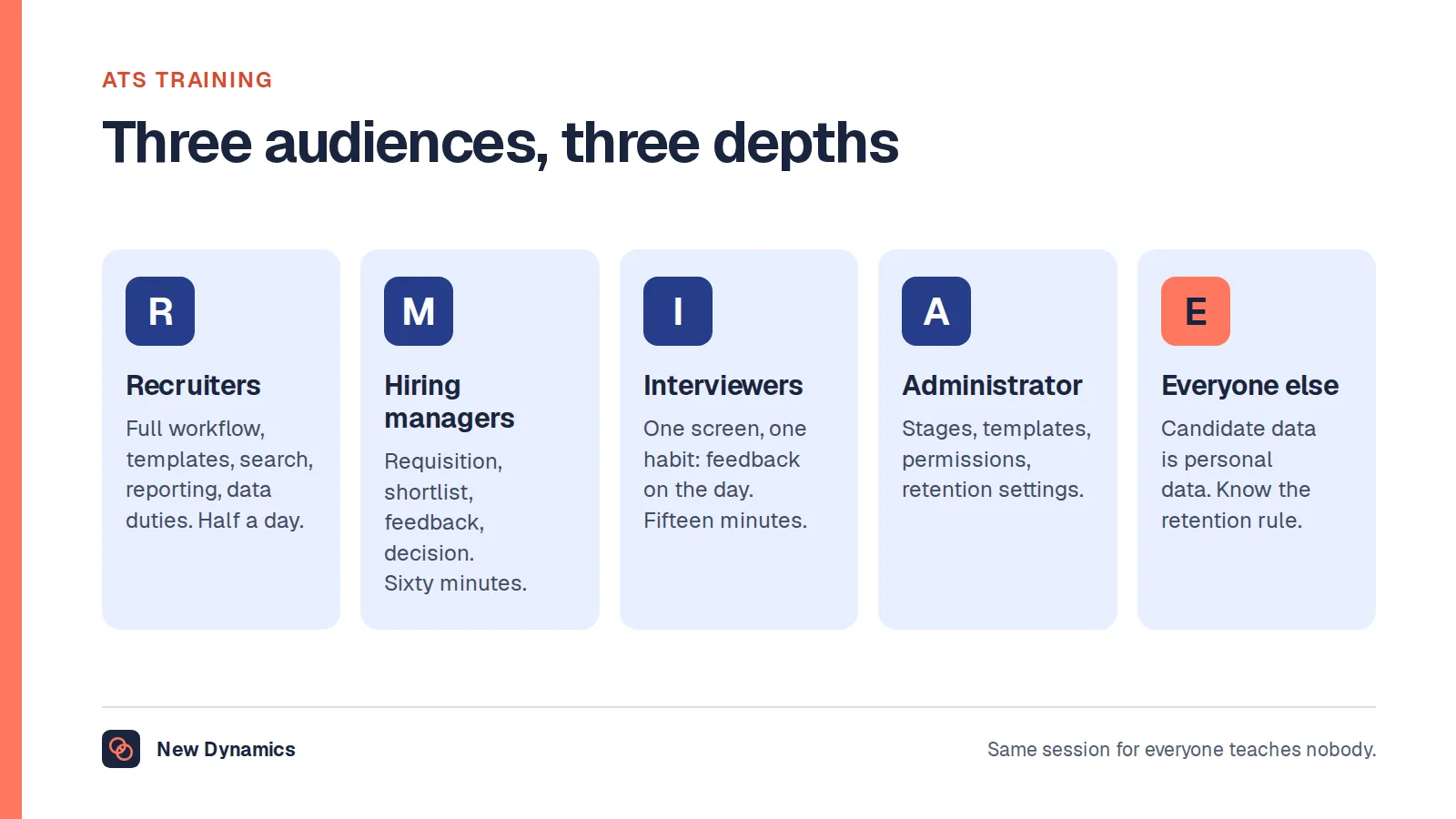
A practical ATS training plan an employer can run without buying a course: who needs training and at what depth, a first-session agenda, the data protection and fair process duties that come with the system, oversight of AI features, and how to tell whether the training worked.
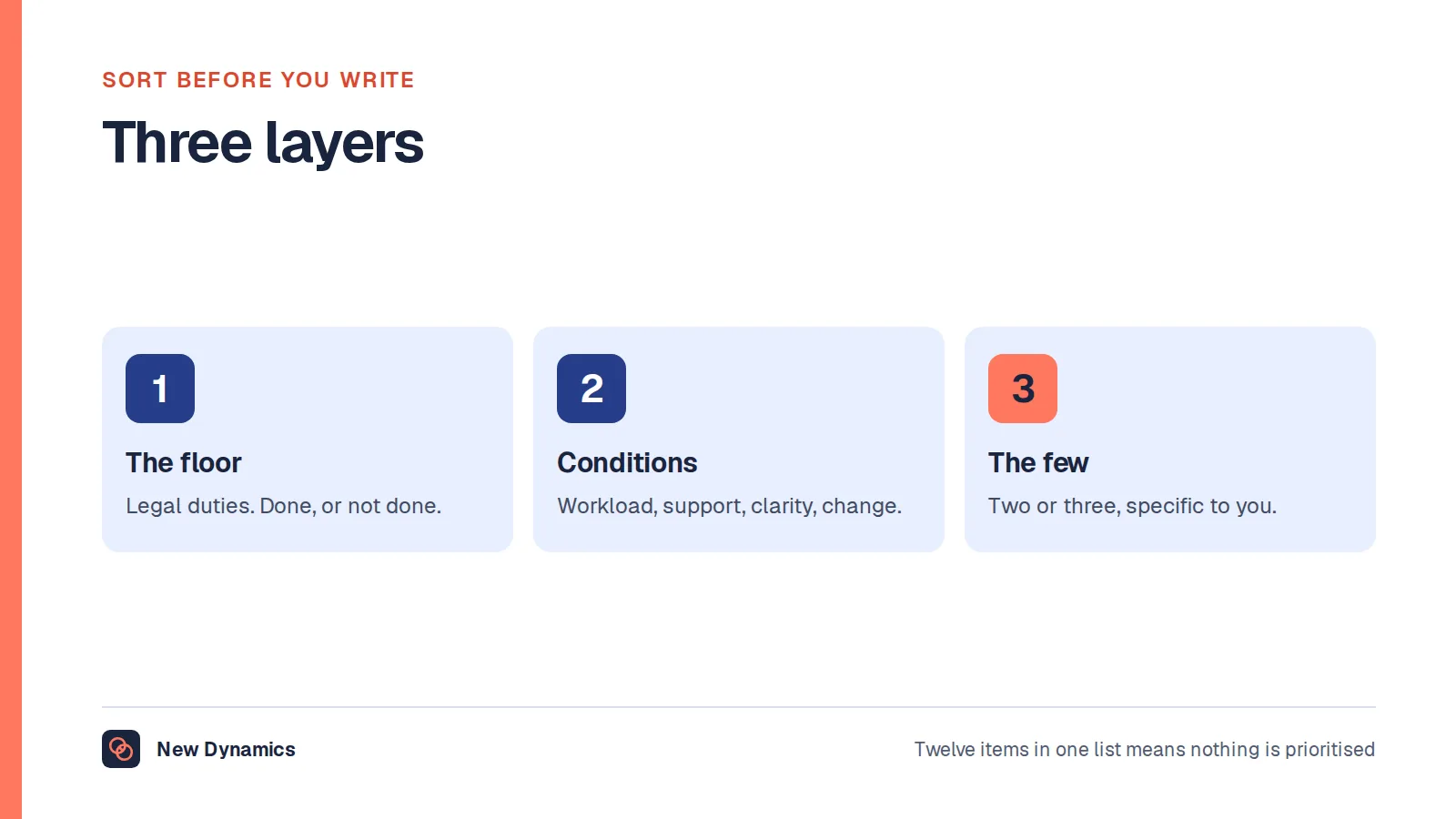
How to write HR goals in three layers: the compliance floor, the workplace conditions HSE already defines, and the two or three objectives specific to your organisation.
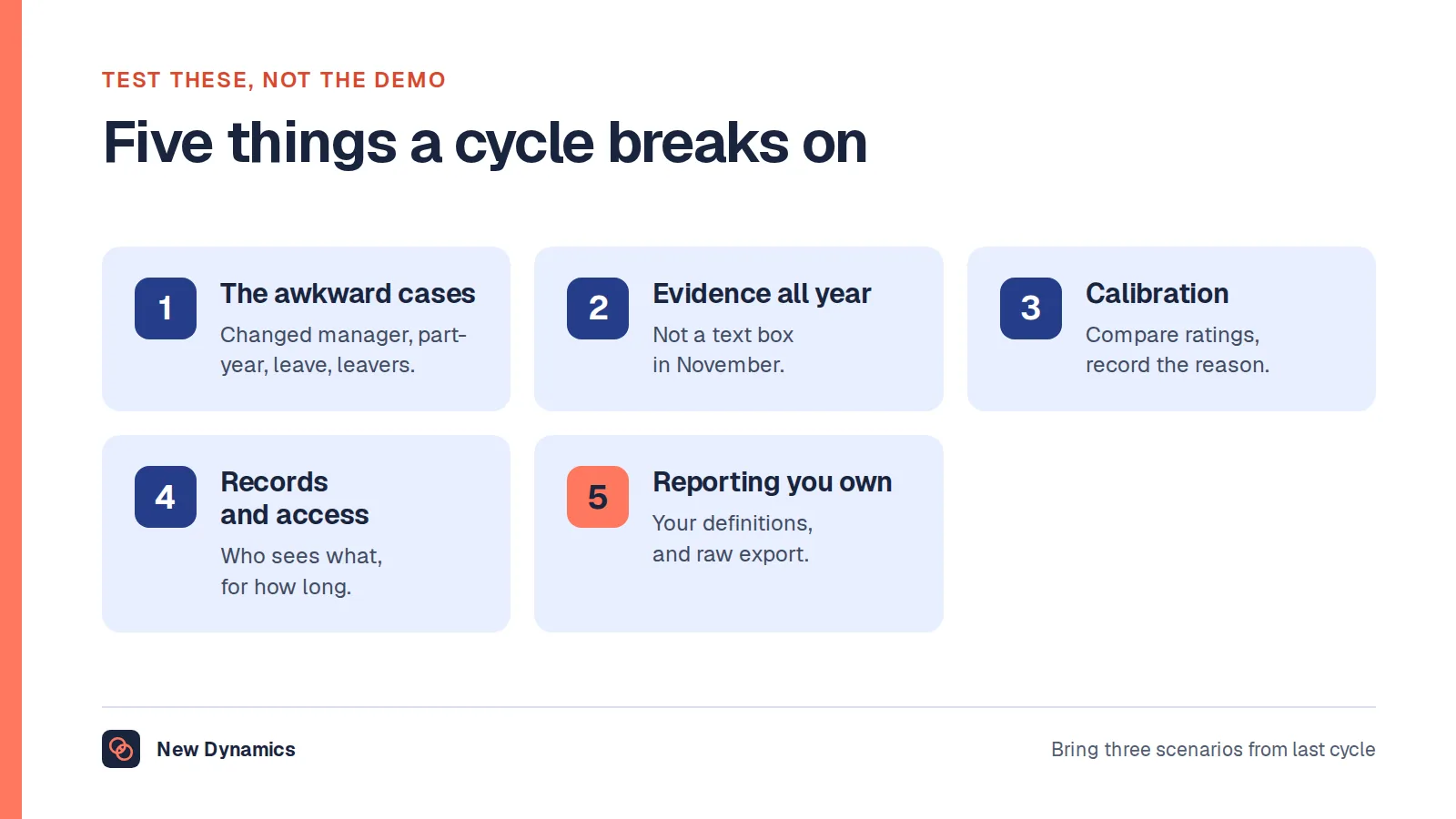
A vendor-neutral way to choose performance management software: whether you need one at all, the five requirements a real cycle breaks on, the data questions to ask every supplier, and the red flags.
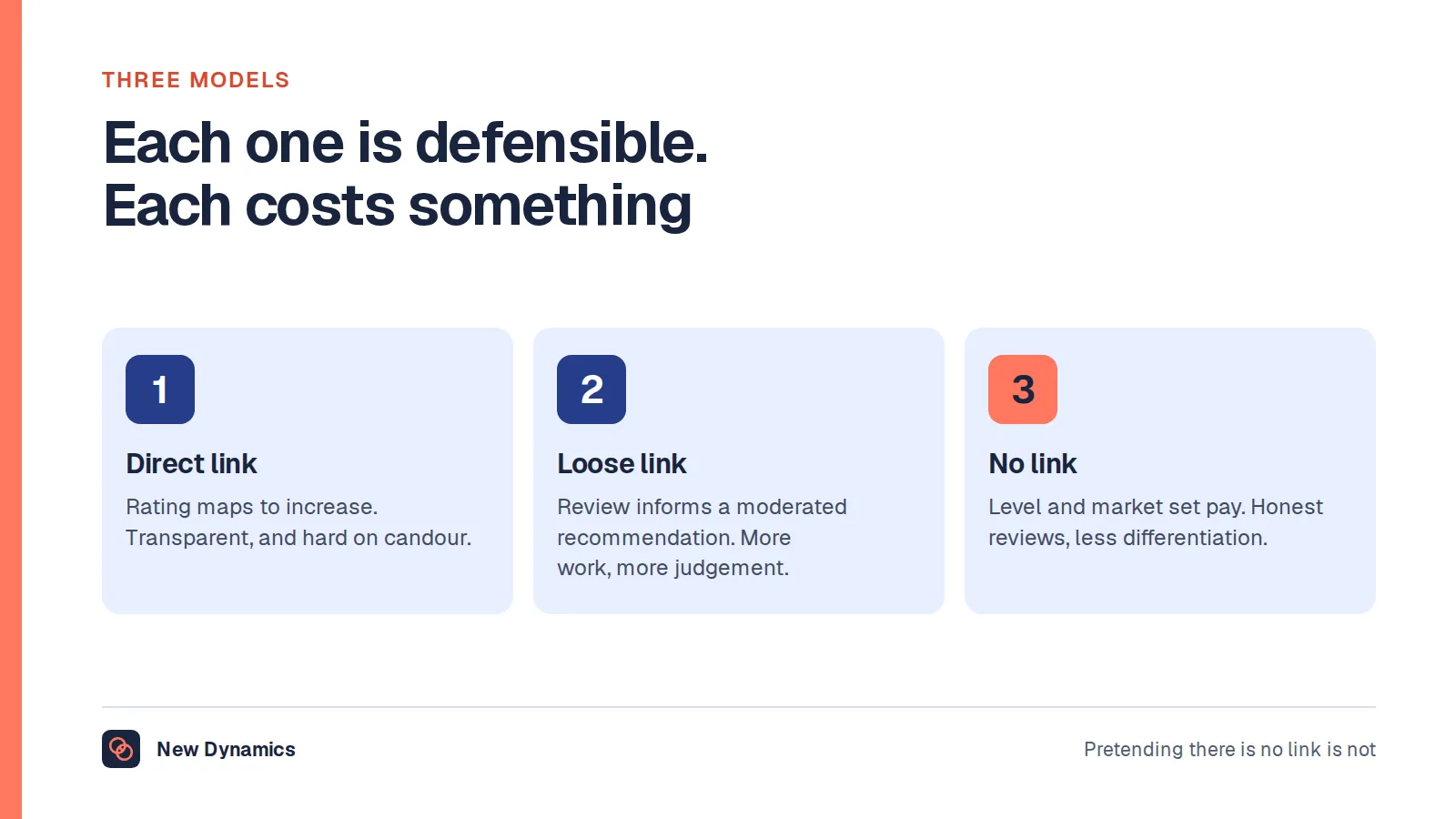
Why the development conversation and the pay conversation pull against each other, three ways to link reviews and pay with what each costs, how to sequence the two, and the fairness checks performance pay needs.
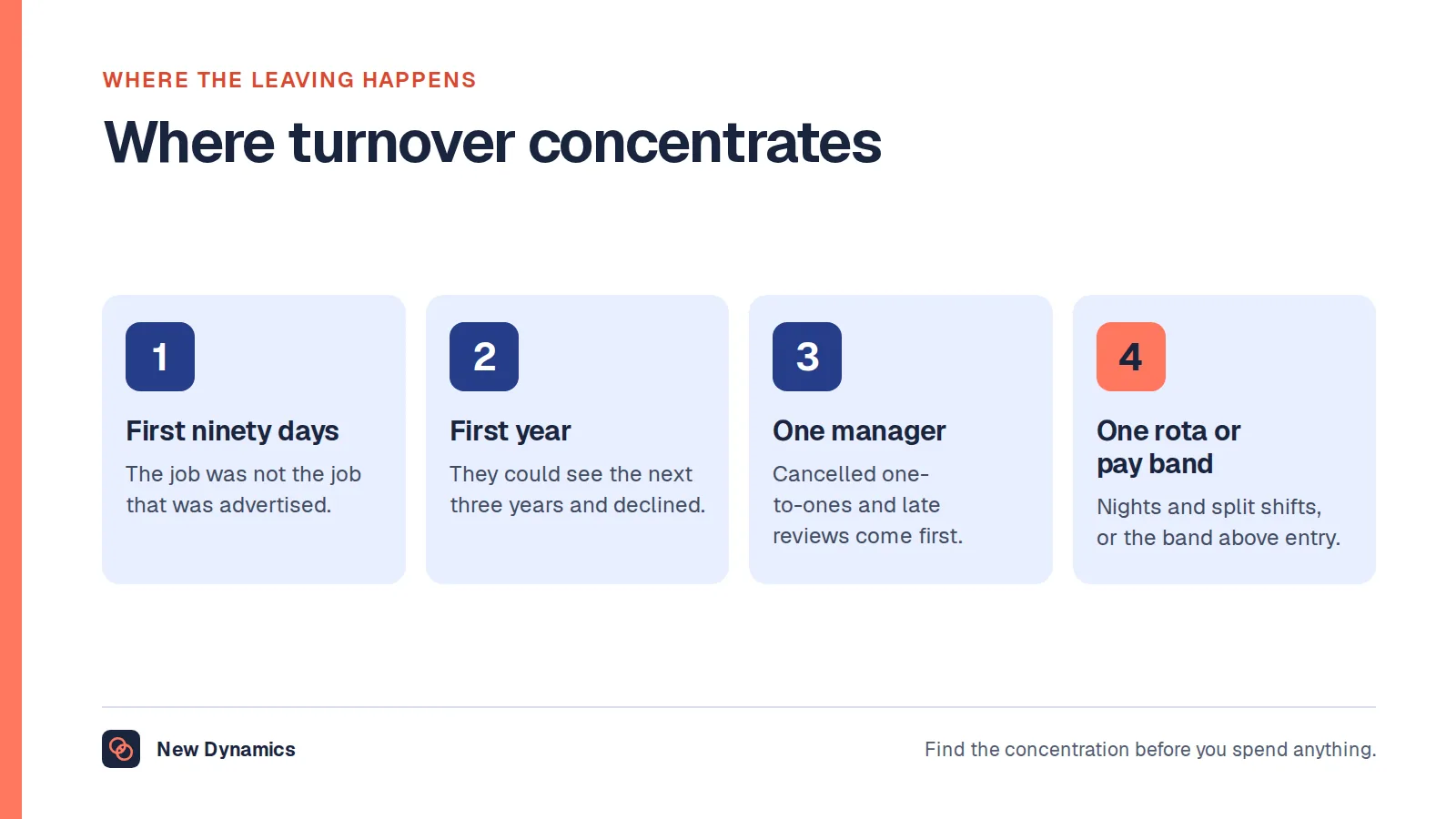
What high turnover means, why no official UK source publishes a target rate, how to judge your own figure, where the leaving actually concentrates, the causes evidence supports and the responses that work.
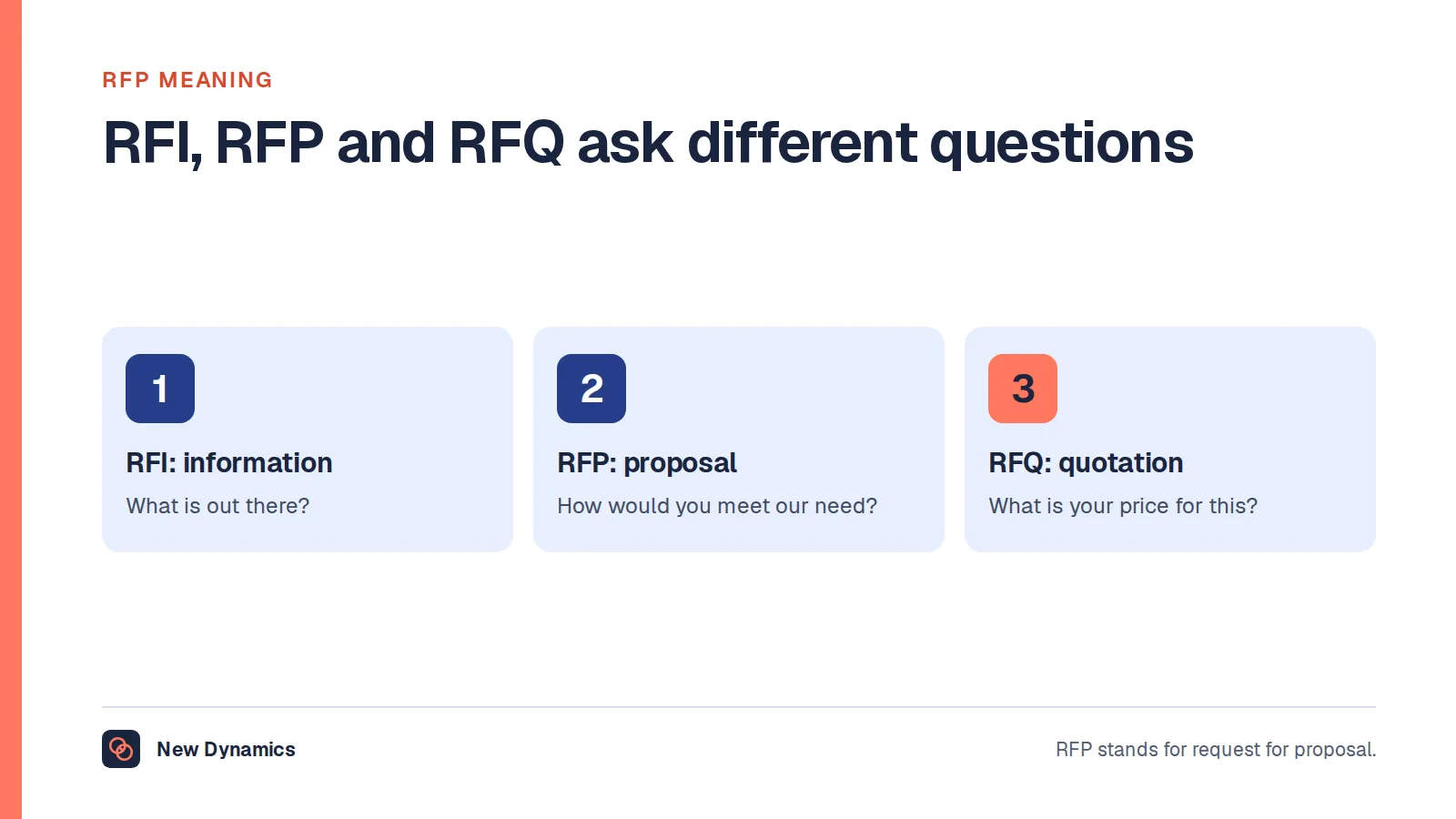
What RFP means, how a request for proposal differs from an RFI and an RFQ, the five parts of a good RFP, a six-step process and the mistakes HR buyers make.
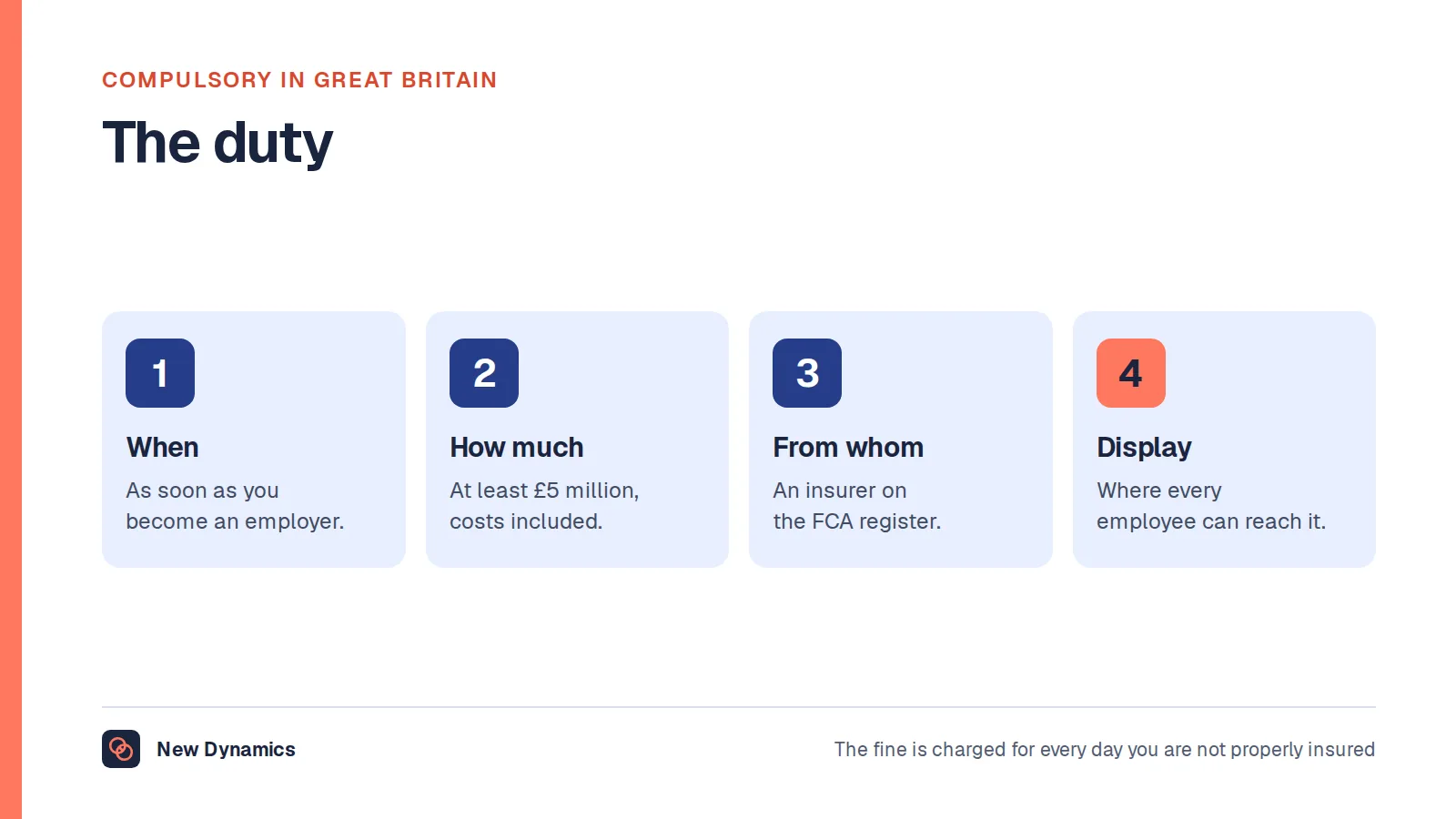
Employers' liability insurance explained: the legal duty, the £5 million minimum, the narrow exemptions, who counts as an employee whatever the contract says, and the certificate rules.
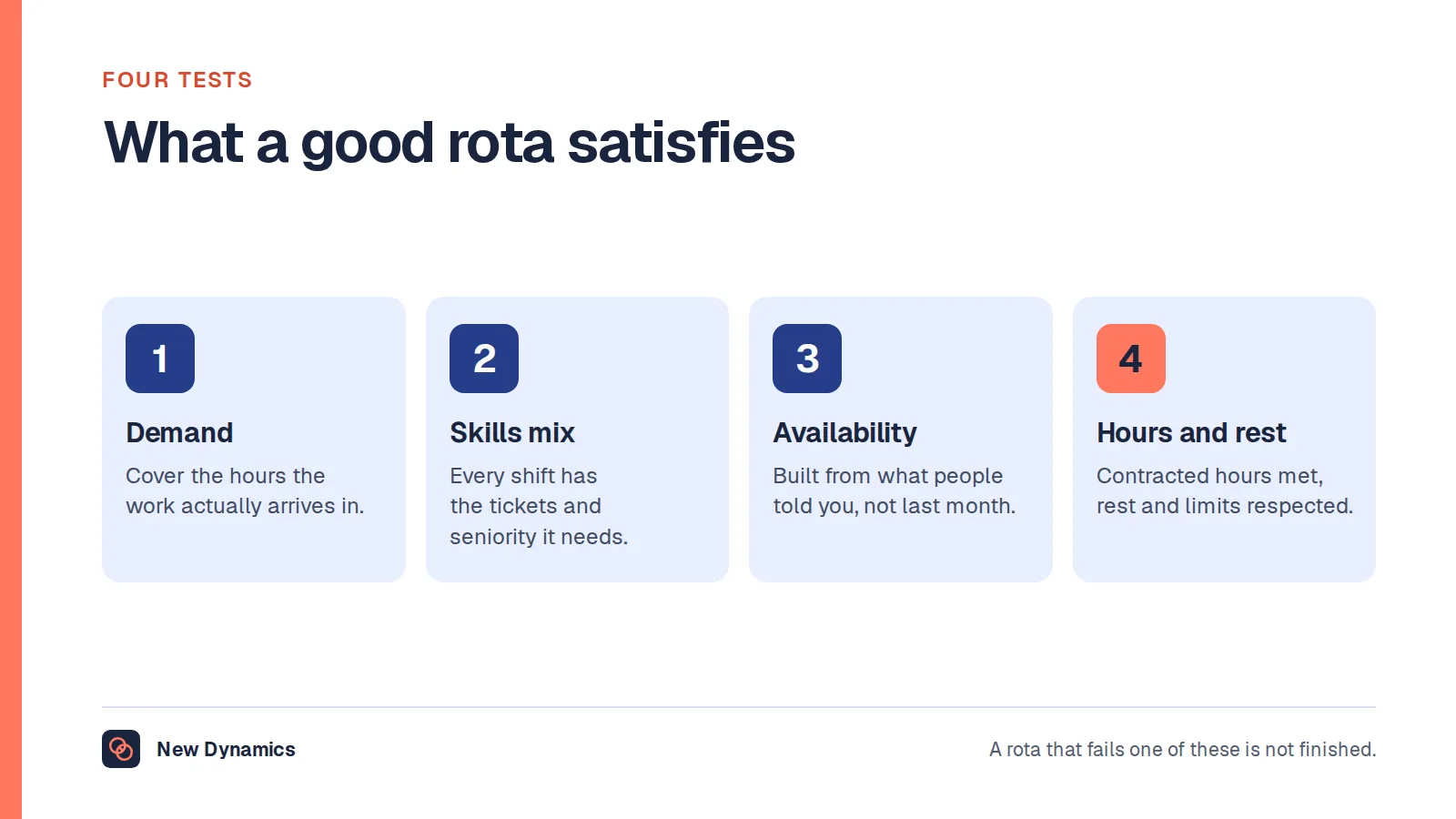
How to make a work schedule: the four tests a rota must pass, five steps to build one, the arithmetic of covering seven days, a free spreadsheet layout, and the UK rest and working time rules that constrain any rota.
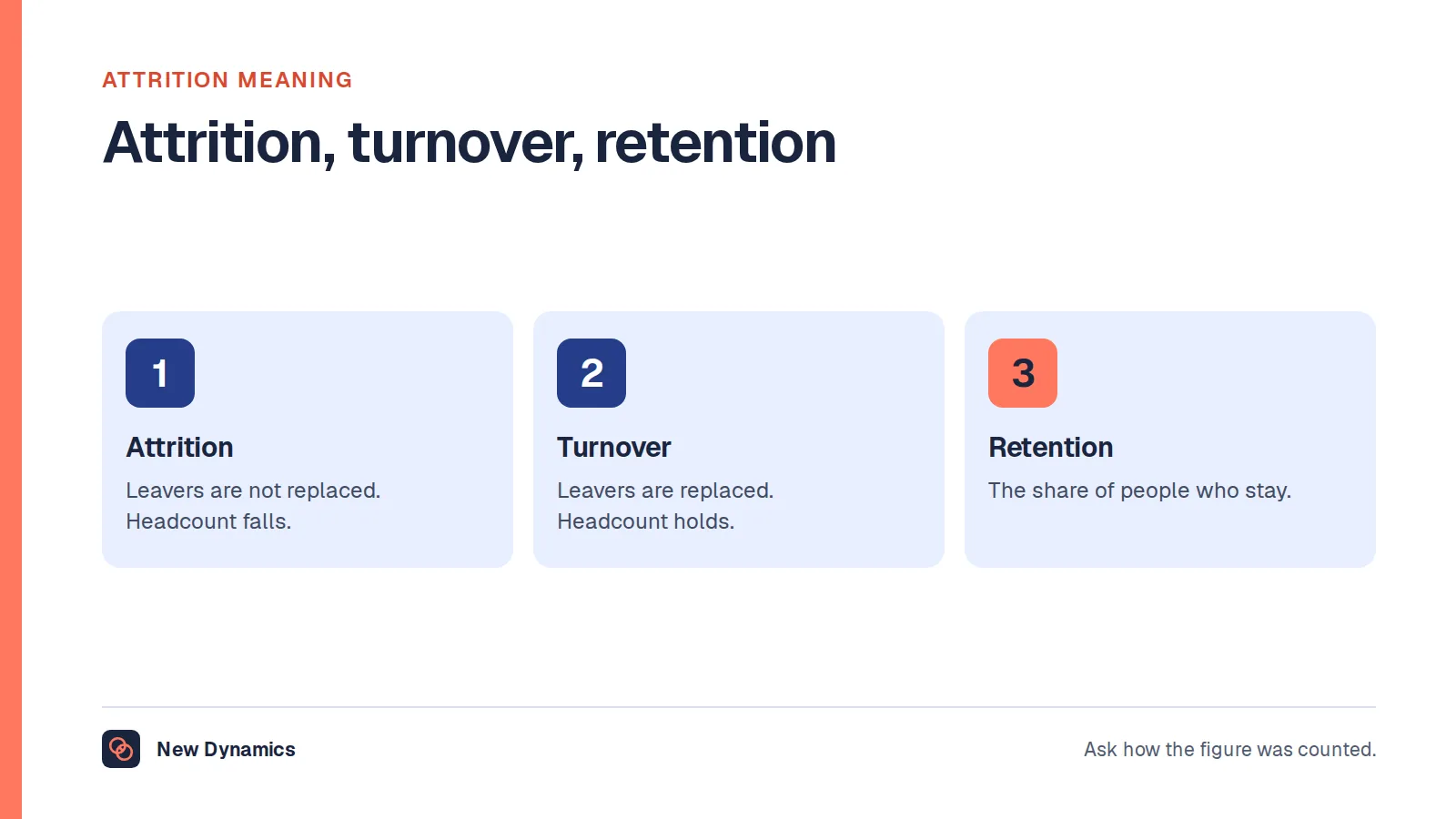
What attrition means at work, how it differs from turnover and natural wastage, how to calculate the attrition rate in five steps, and five questions to ask of the number.
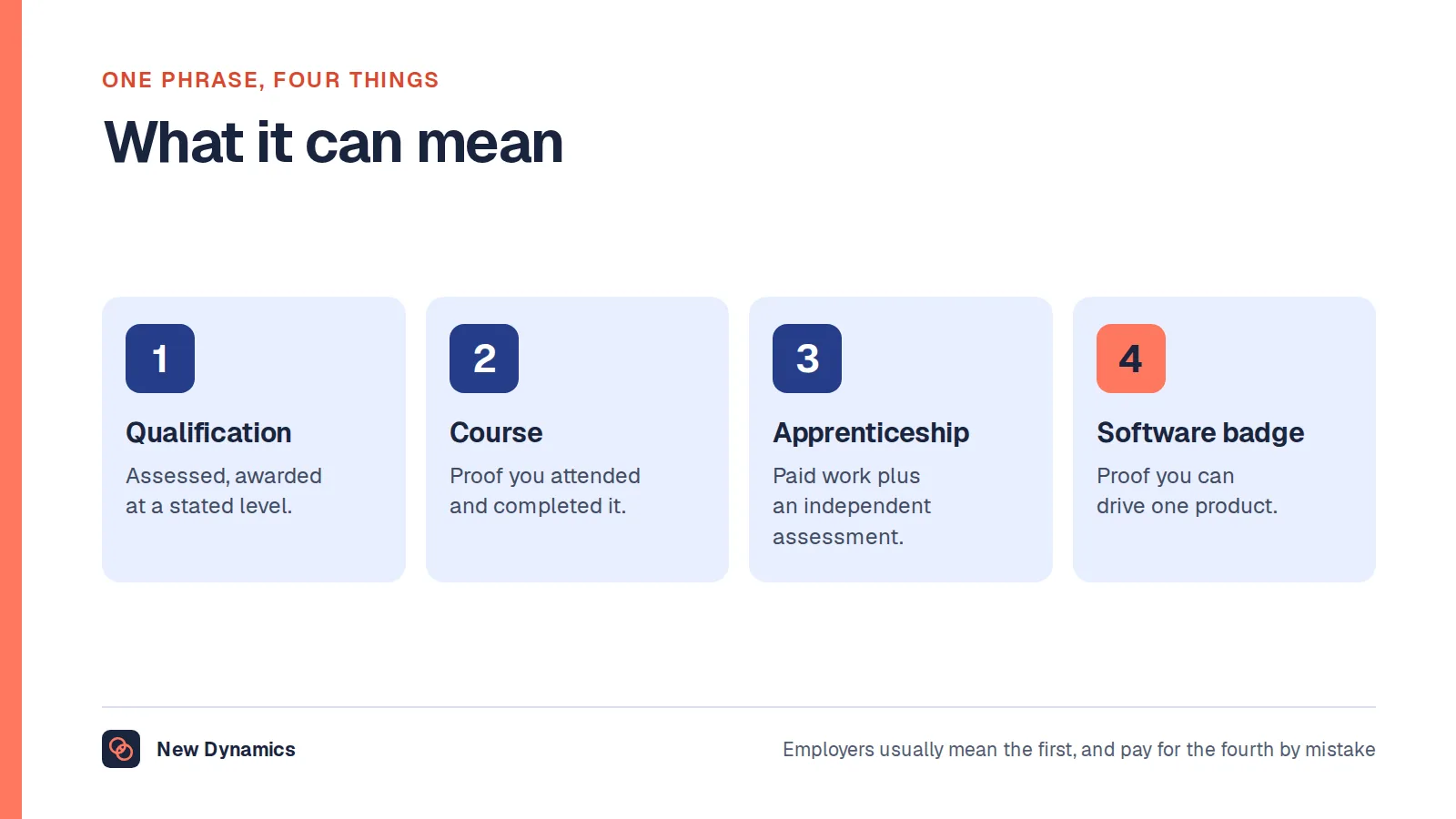
What payroll certification means, the four routes into payroll, the apprenticeship standards, the professional-body qualification ladder from technician to degree, and why a software badge is not a qualification.
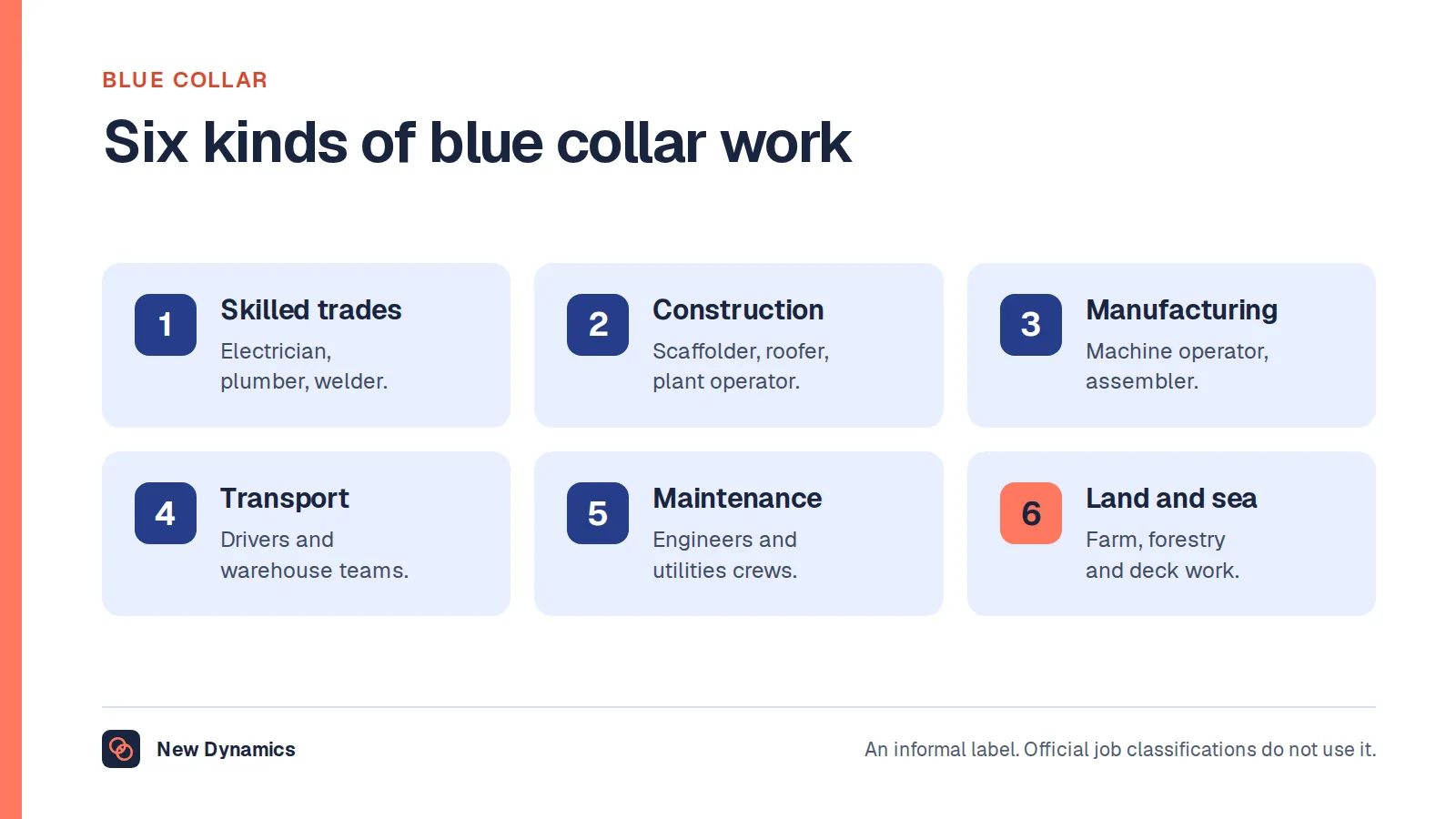
What blue collar means, where the term comes from, examples of blue collar jobs, how it differs from white collar work and what employers owe their manual workforce.
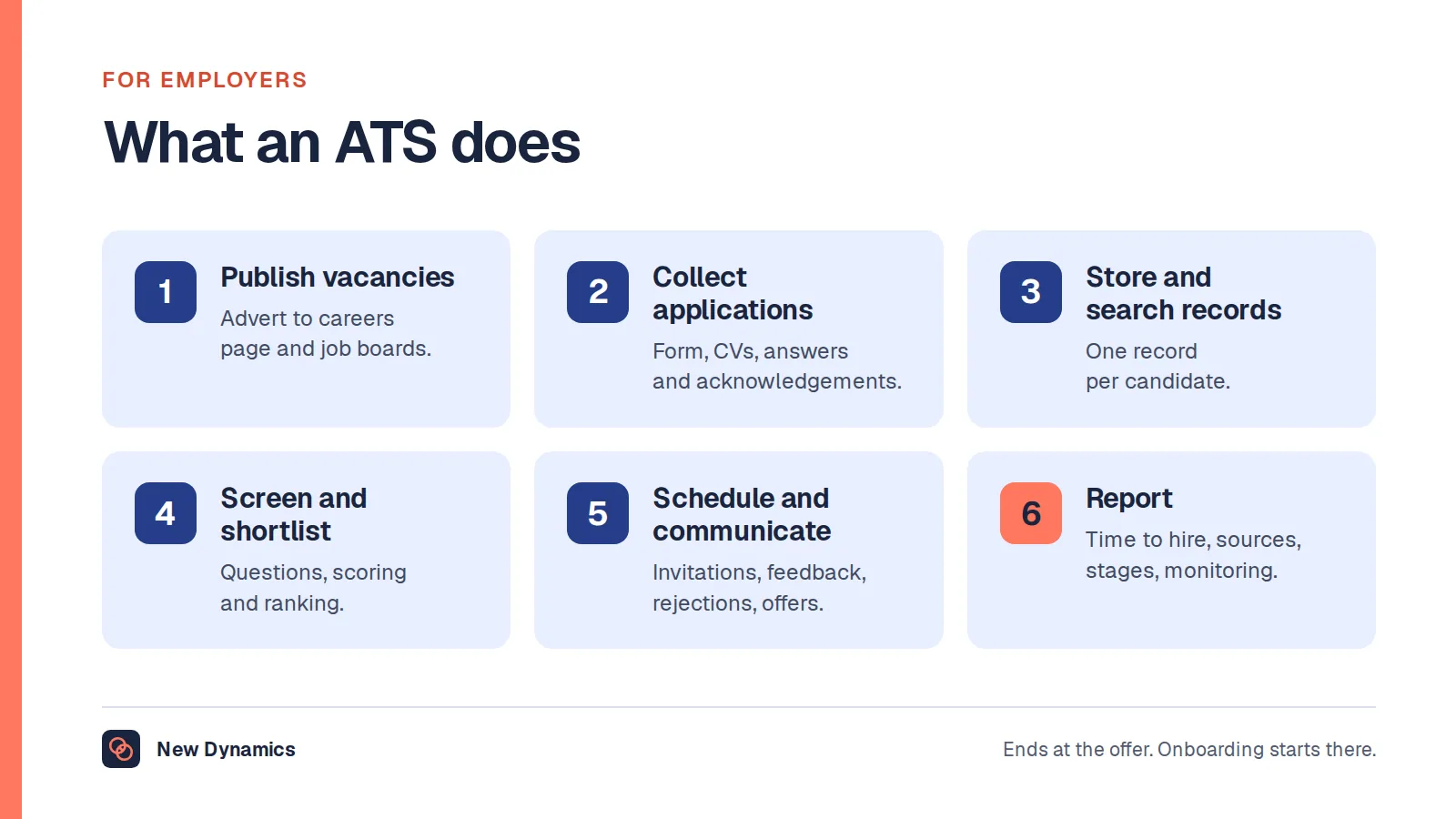
What ATS stands for, six things an applicant tracking system does, how it differs from an HRIS, the ICO's six questions before you buy, and honest advice for candidates.
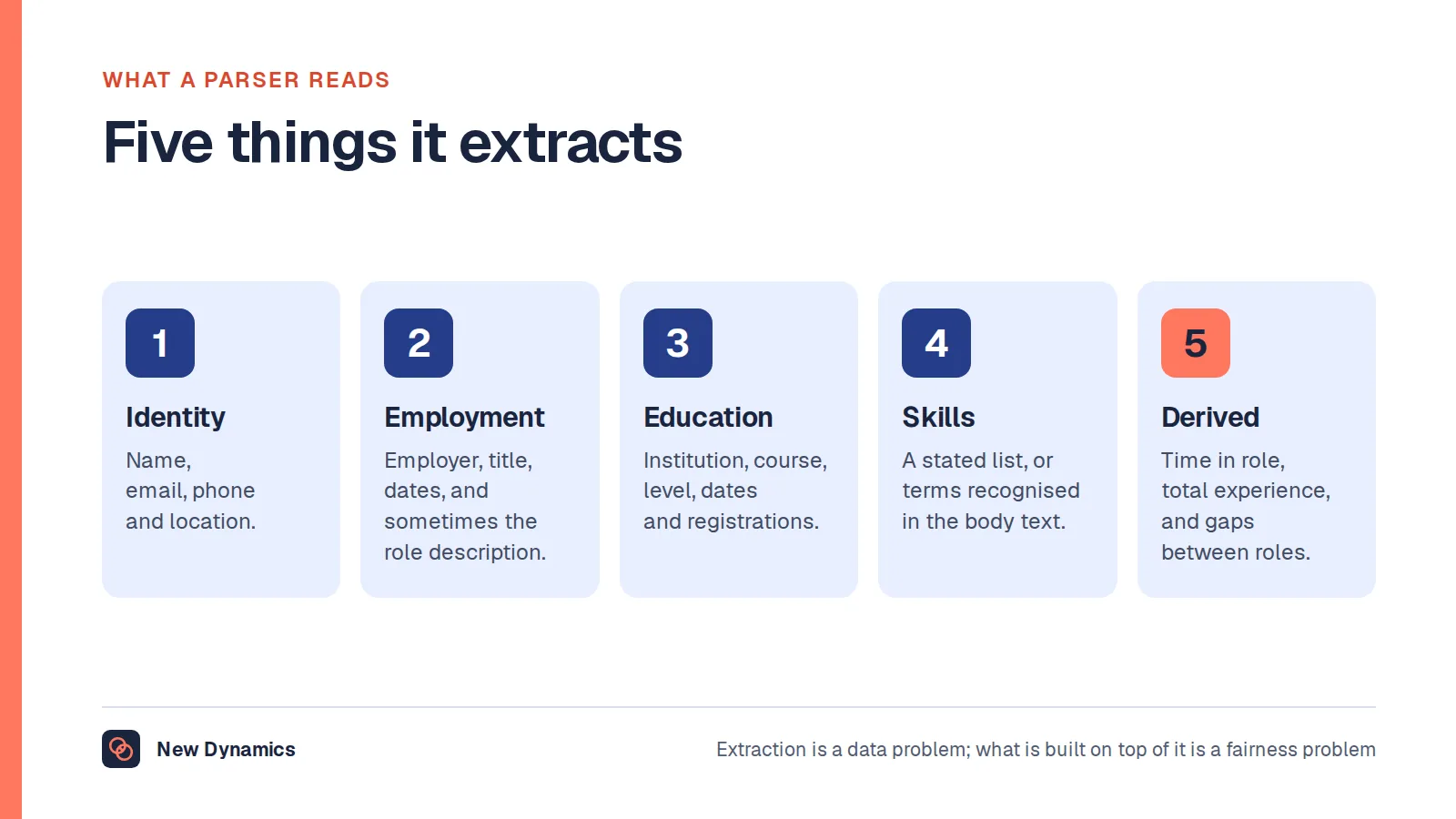
What resume parsing is, what a parser extracts from a CV, the formatting that breaks it, how parsing differs from matching and scoring, what the UK guidance says about bias in CV matching, and what employers and candidates should each do.
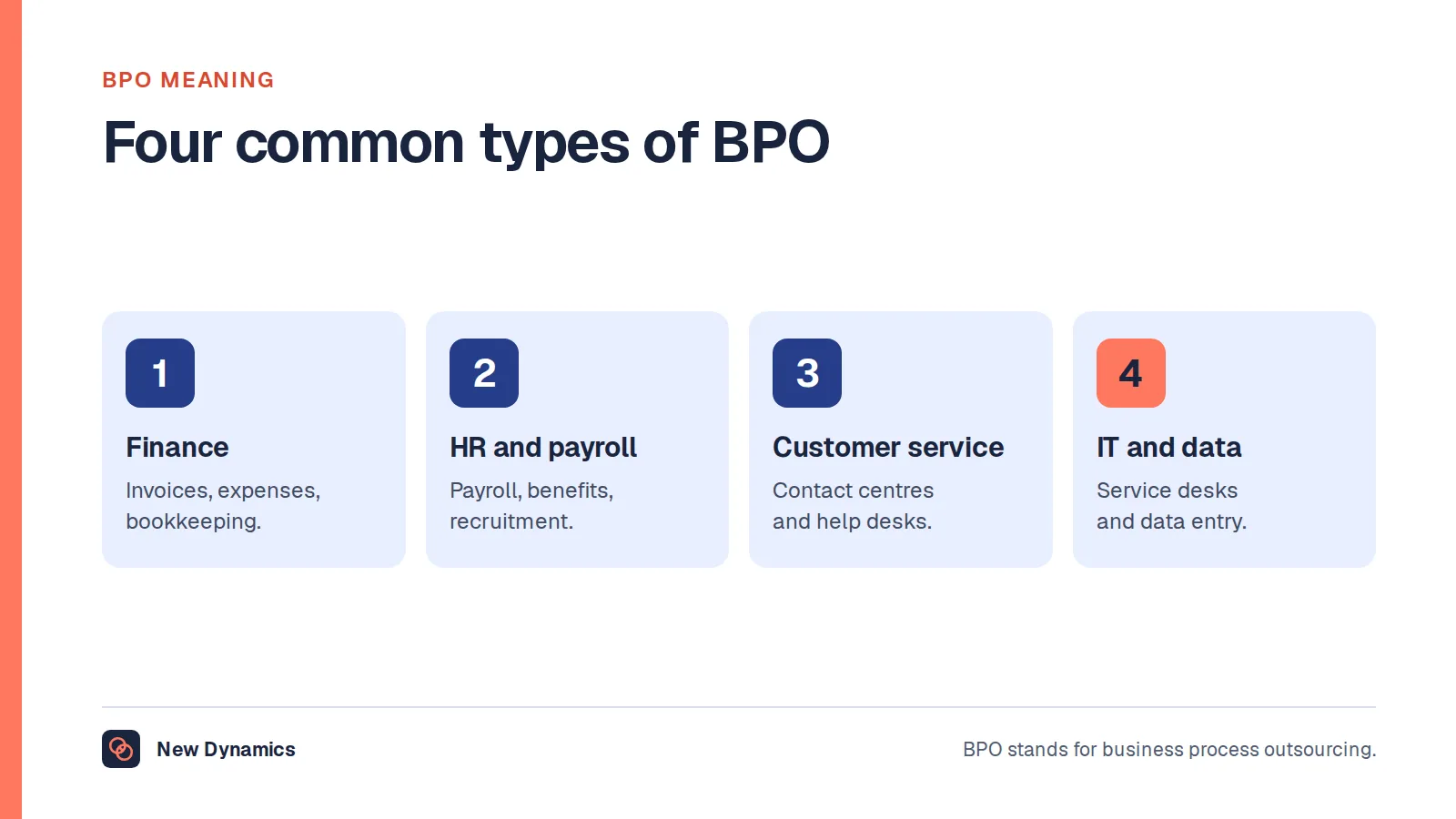
What BPO means in business, the main types, how HR outsourcing and RPO fit in, the benefits and risks, a six-step process and what it means for your employees.
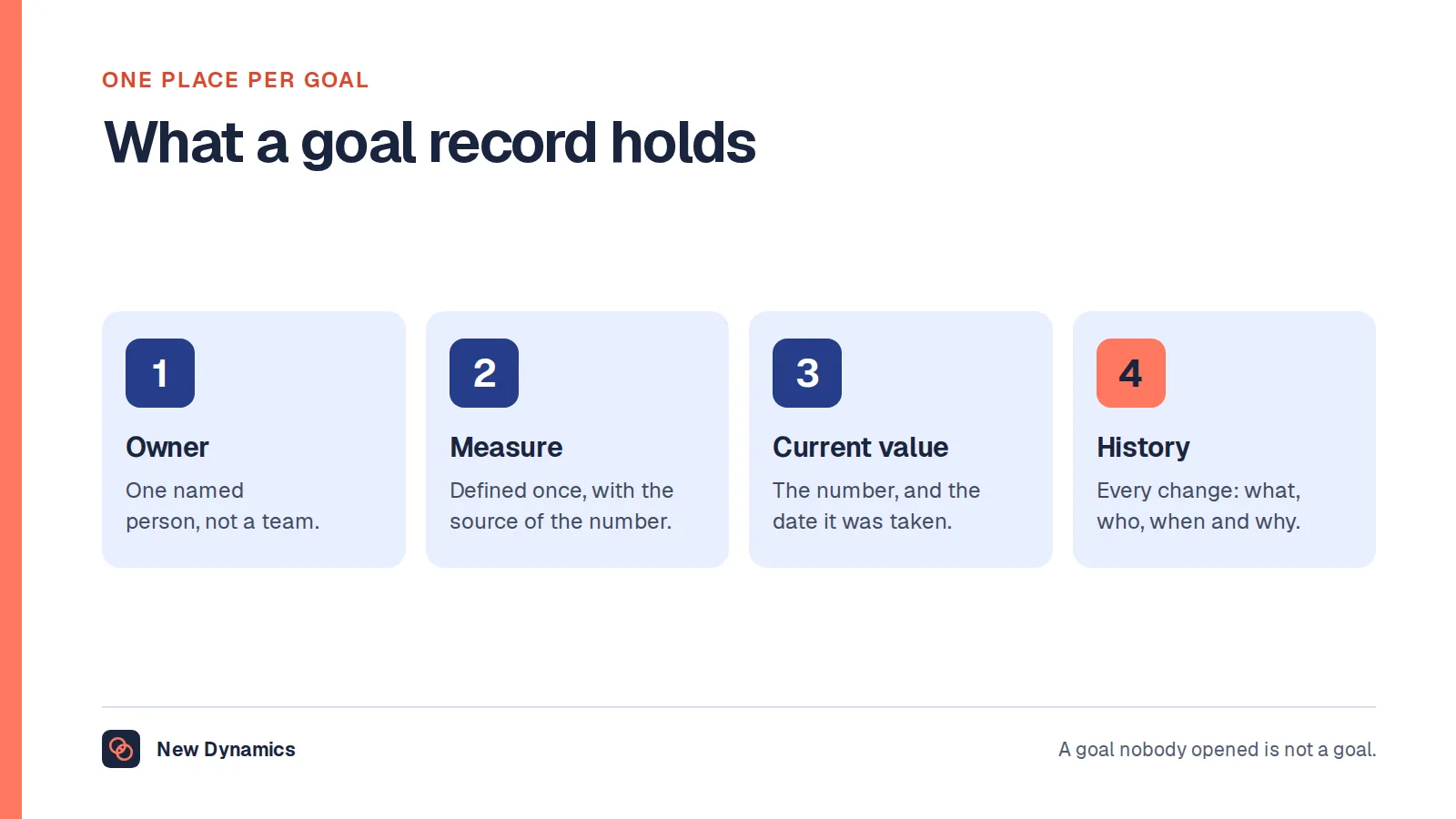
What goal tracking software has to do: one record per goal with an owner, a measure, a current value and a history of changes, plus the check-in rhythm and demo questions.
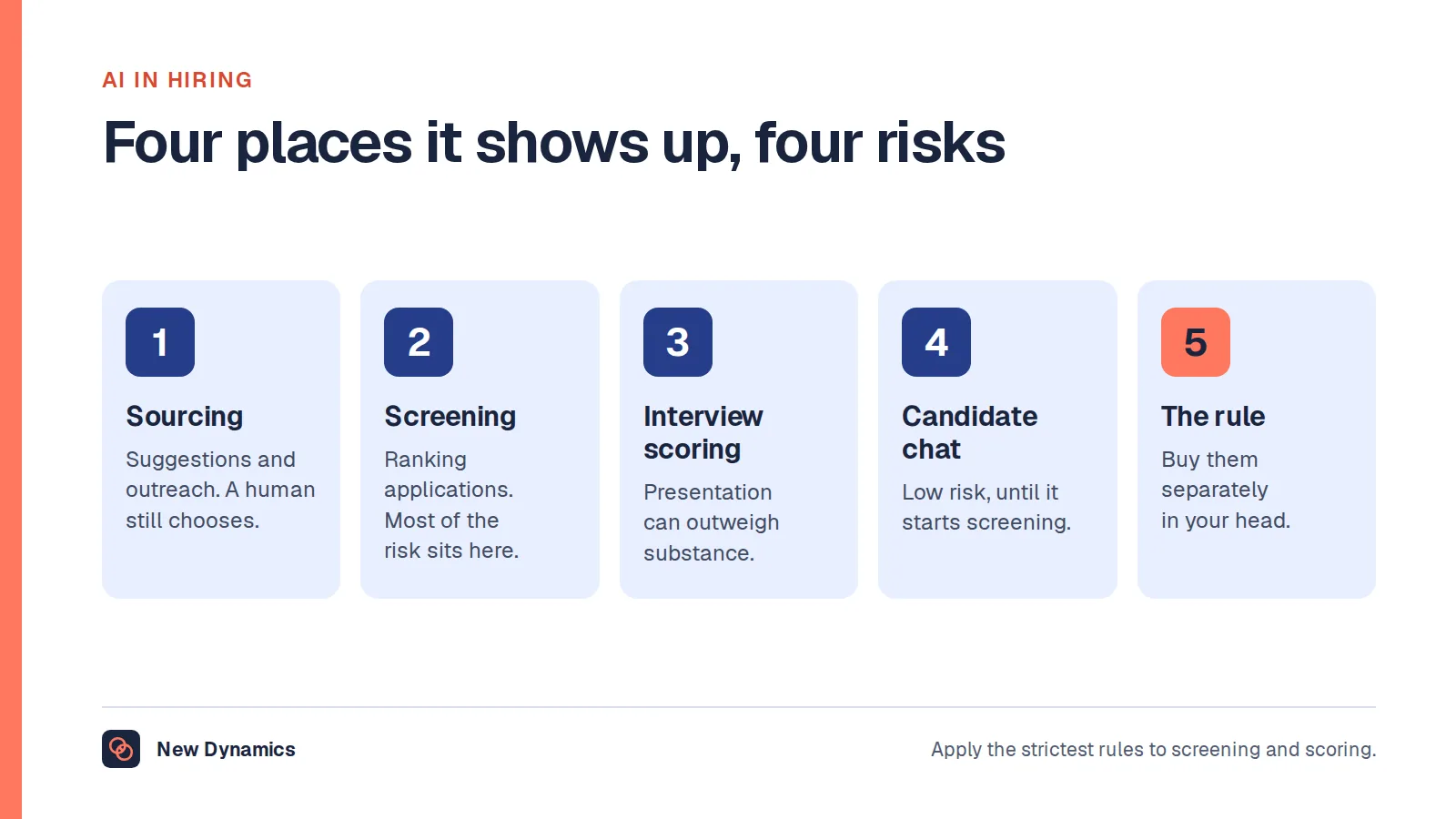
Where AI appears in hiring, what each use actually produces, the UK rules on solely automated decisions and meaningful human involvement, the evidence to demand from a provider, and how to monitor a tool once it is live.
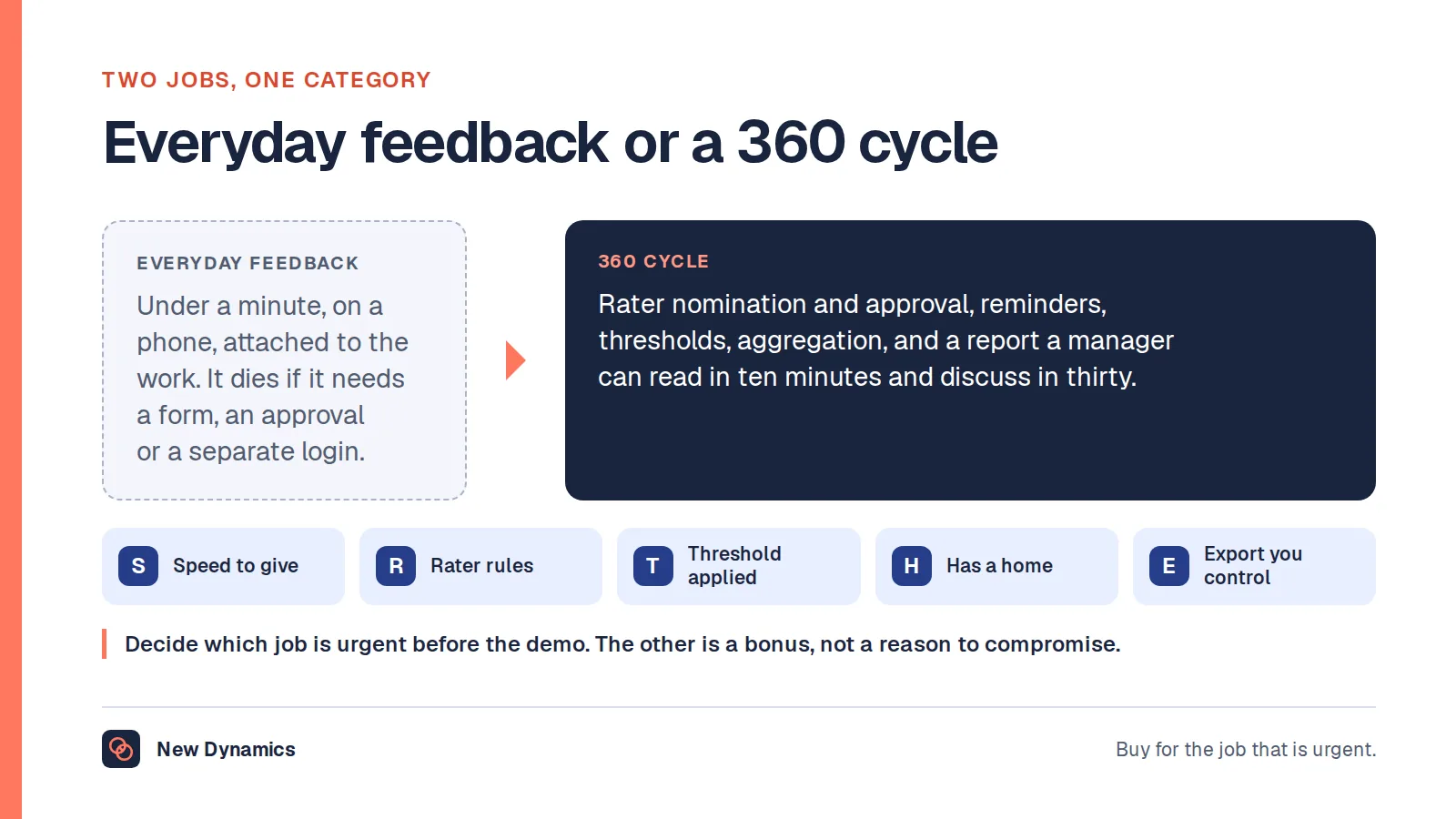
A vendor-neutral guide to employee feedback software and 360 feedback systems: what the tool has to do, why anonymity in a small team is mostly a promise, keeping 360s out of pay decisions, the reports that matter, and the questions to ask.
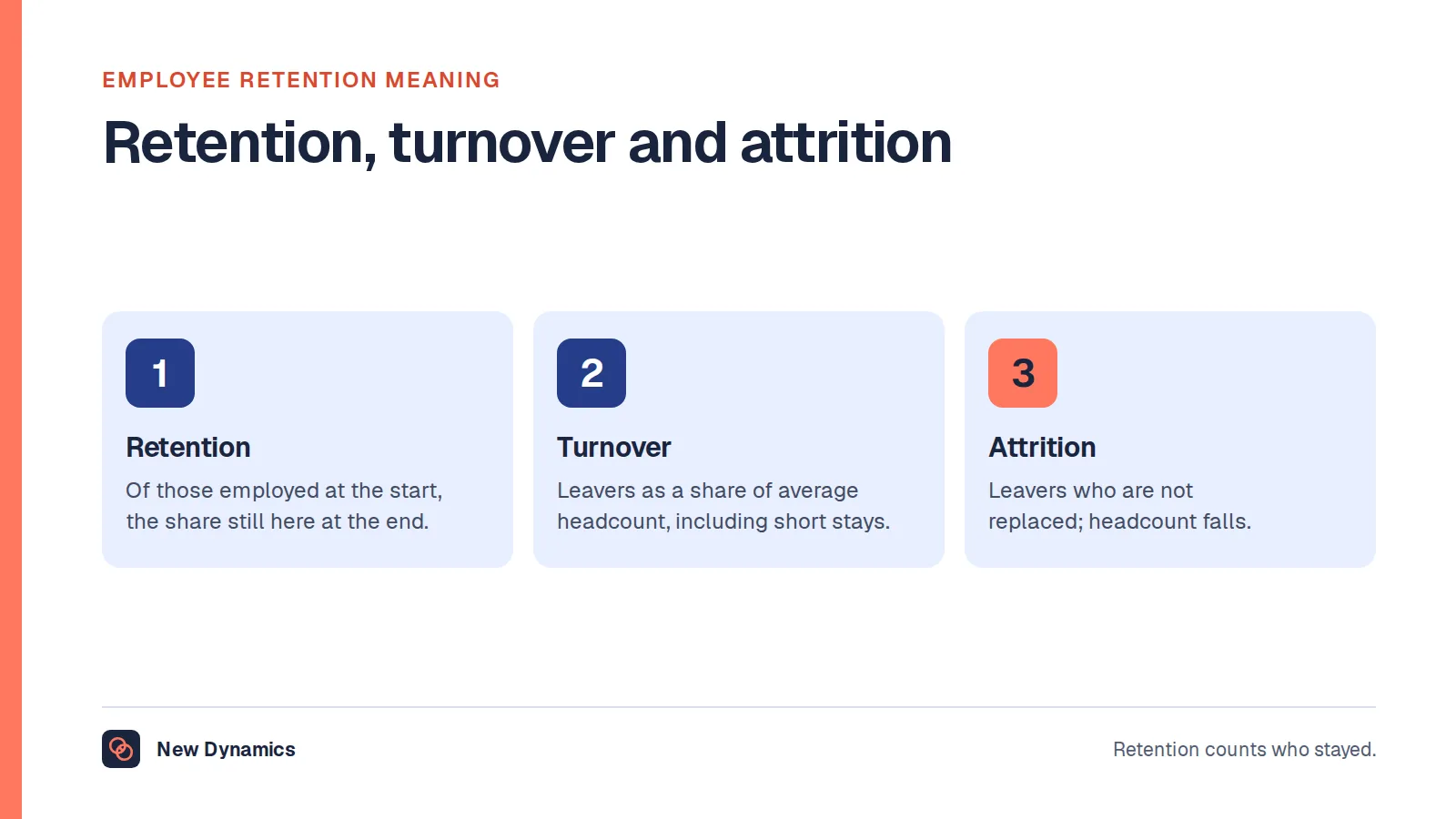
What employee retention means, other words and related terms, how the retention rate is calculated and how it differs from turnover, why people stay or leave, and the practices that improve retention.
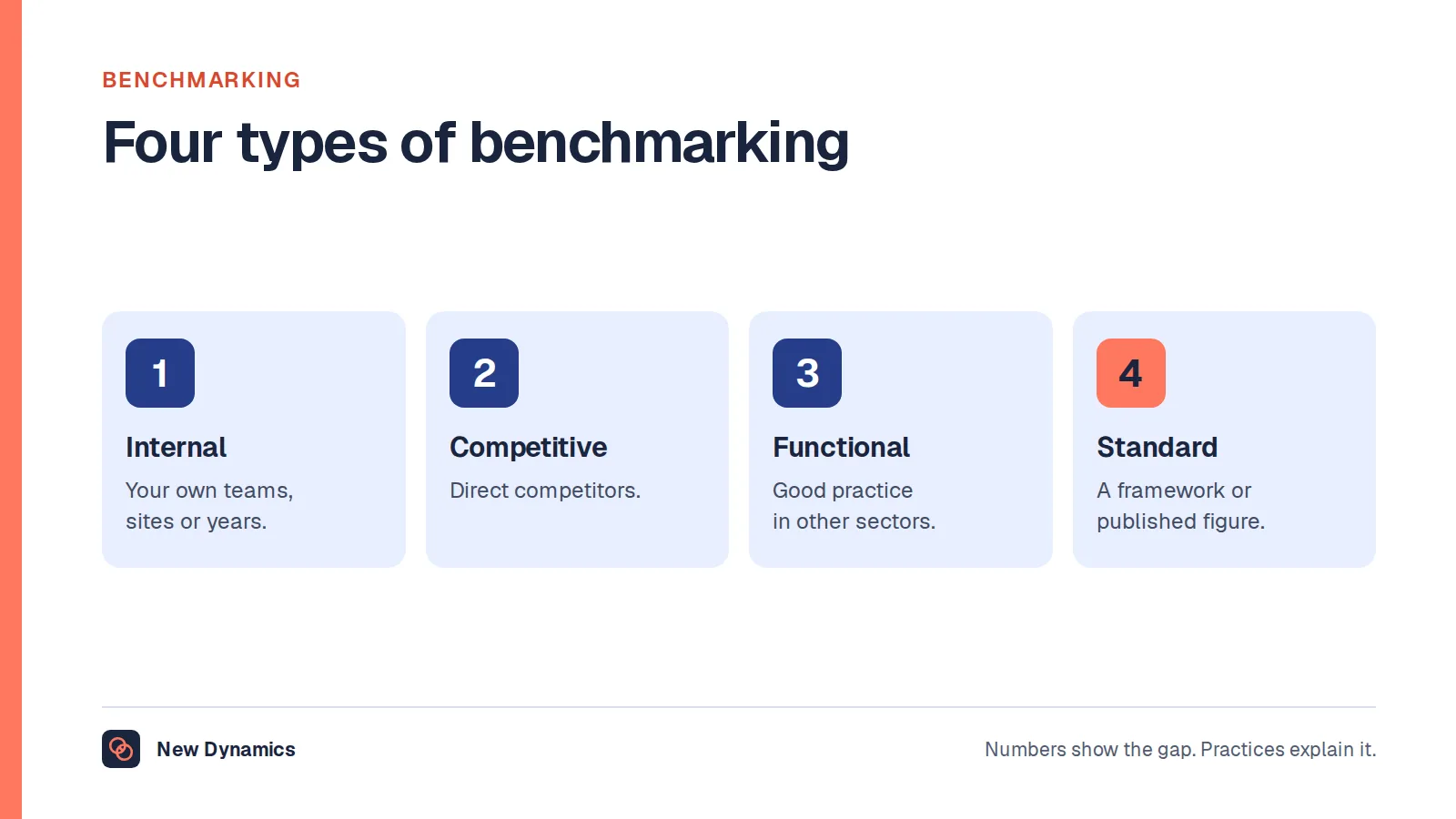
What benchmarking means, the four main types, what HR teams benchmark, where to find trustworthy data and six steps for a comparison that leads to action.